Shape Recognition 2D Shapes Worksheets for Ages 7-9
18 filtered results
-
From - To
Discover our engaging Shape Recognition 2D Shapes Worksheets for ages 7-9! Perfectly crafted, these worksheets help young learners identify and differentiate between various 2D shapes, enhancing their geometric understanding and visual-spatial skills. Designed to align with educational standards, each worksheet includes fun, interactive activities that encourage critical thinking, while our expertly structured lessons guide kids through concept reinforcement and mastery. Whether for classroom or home use, these printable resources make shape learning enjoyable and effective. Boost your child's confidence in math and lay a solid foundation for future success with Kids Academy's meticulously designed worksheets. Explore now!
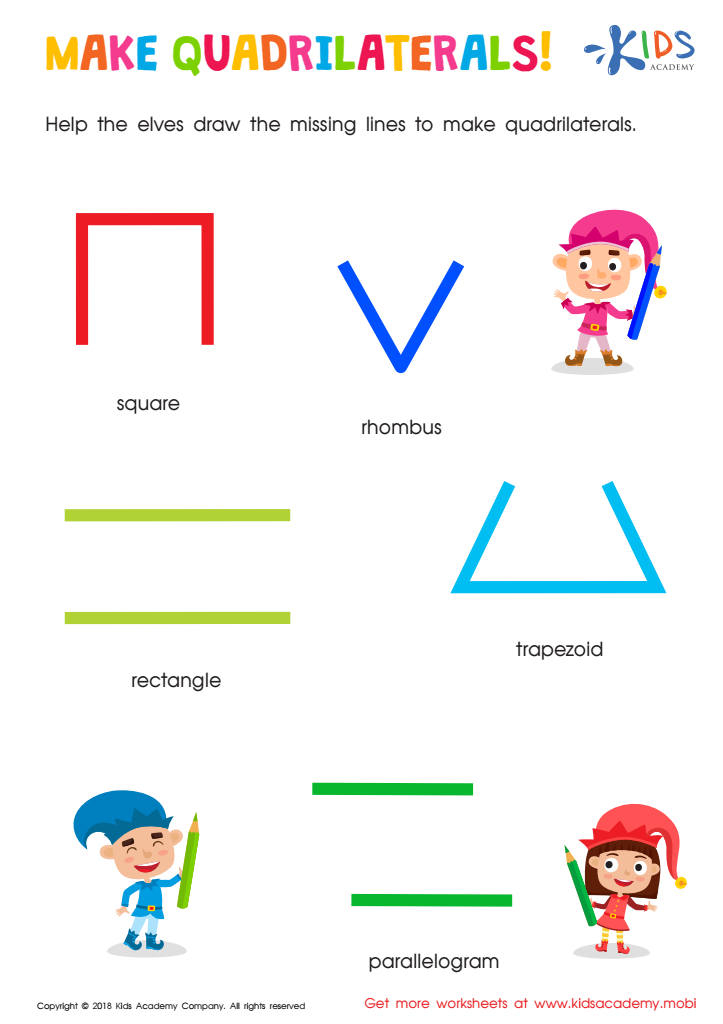
Make Quadrilaterals Worksheet
 Assign to My Students


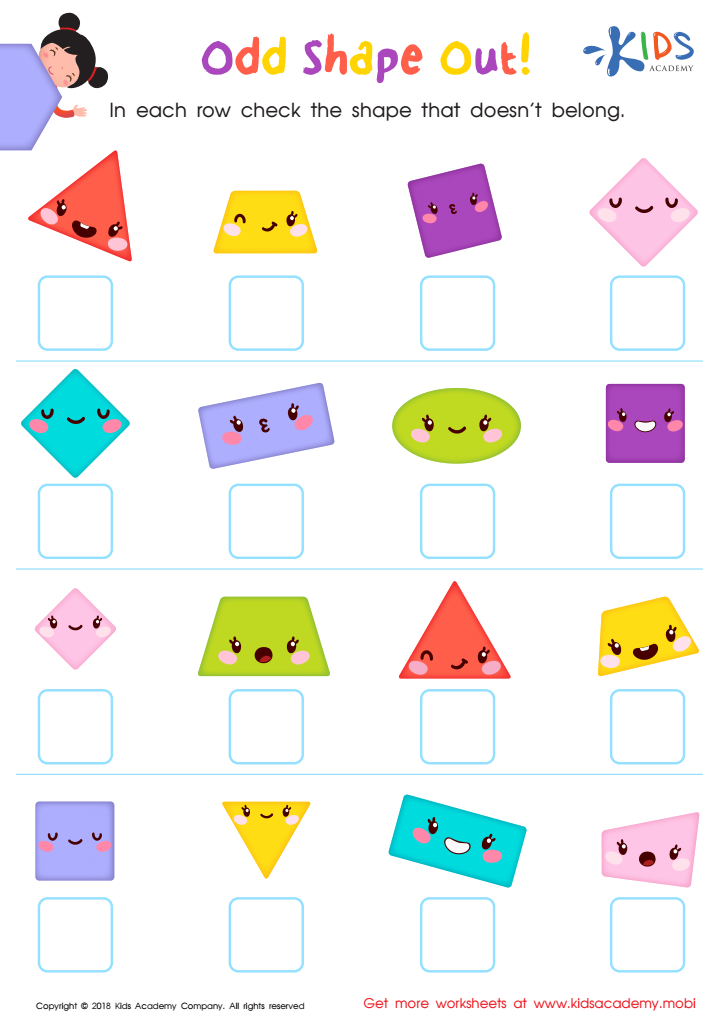
Odd Shape Out Worksheet for Grade 3
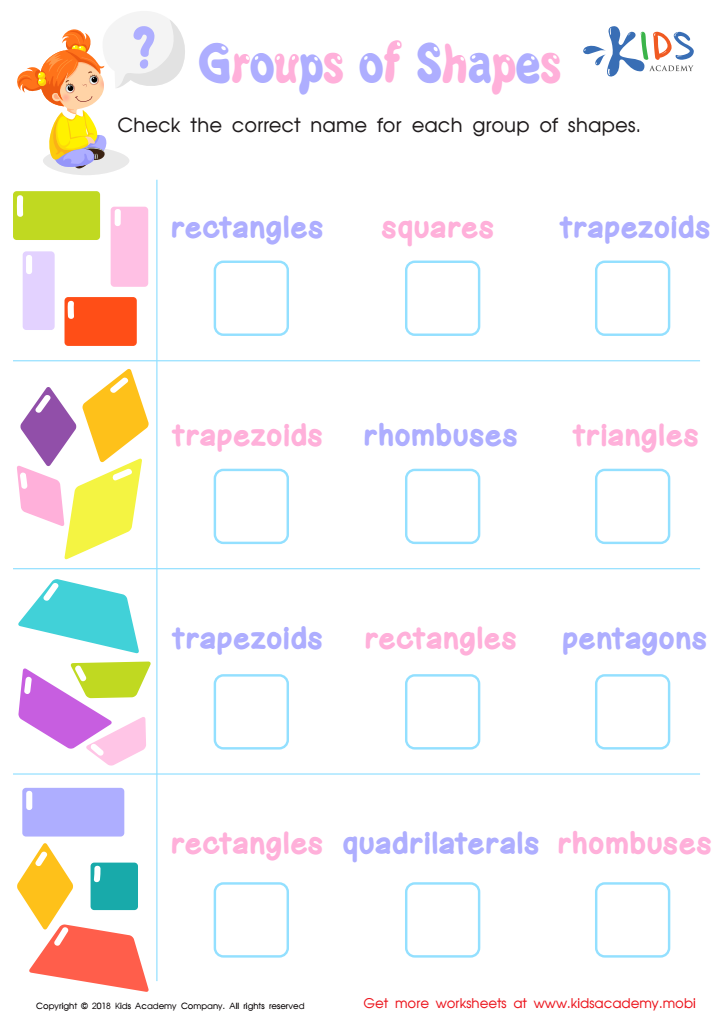
Groups of Shapes Worksheet
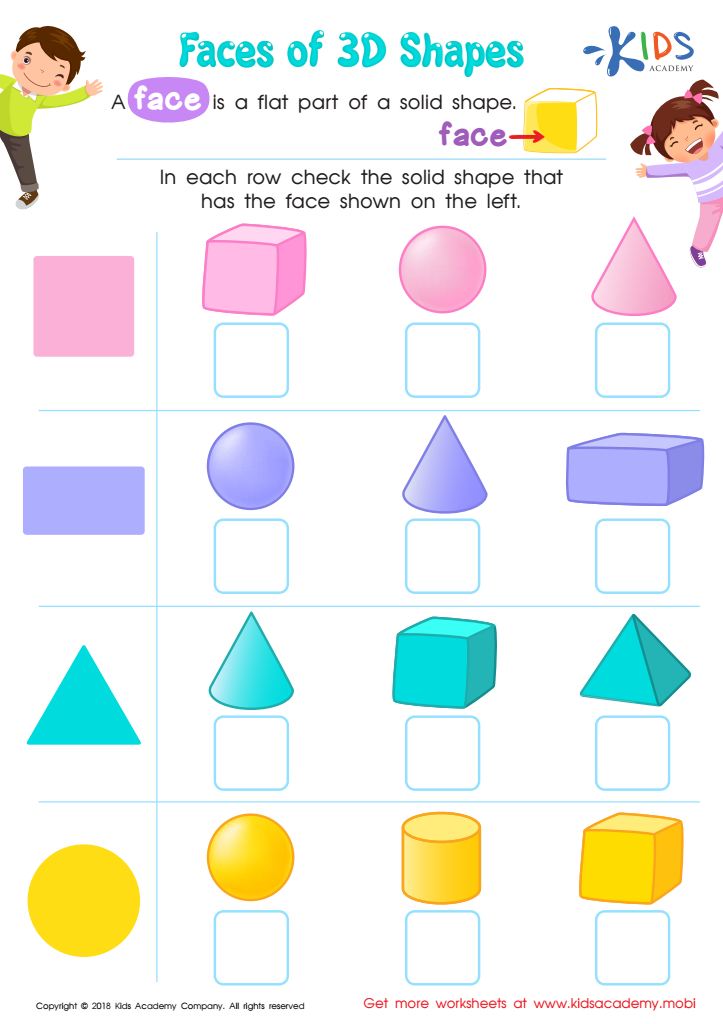
Faces of 3D Shapes Worksheet
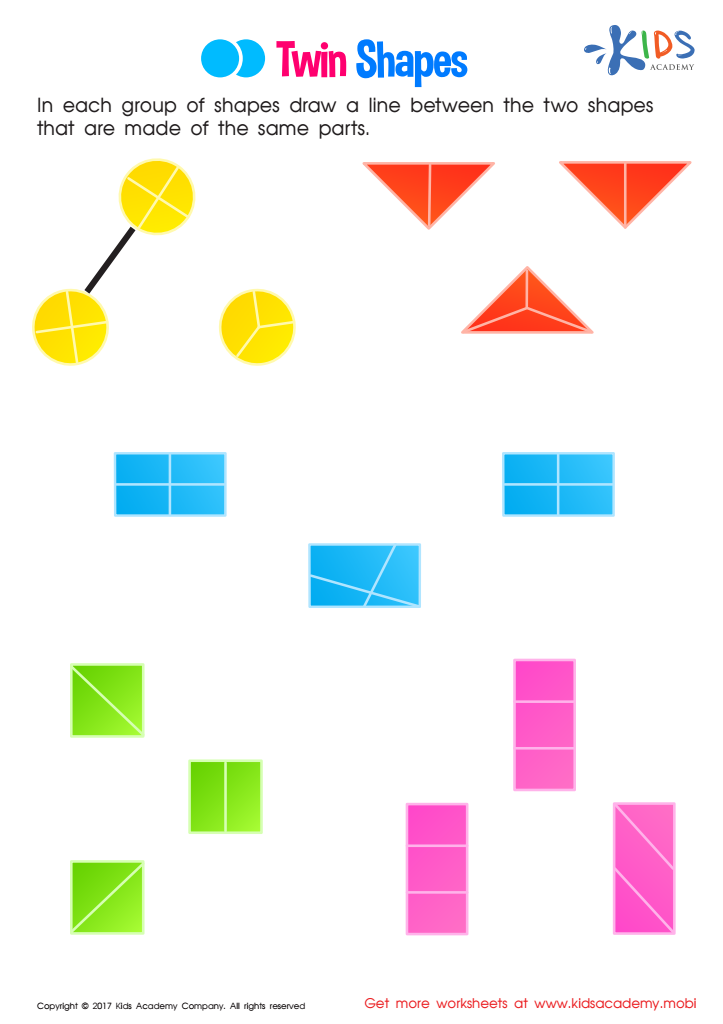
Twin Shapes Worksheet
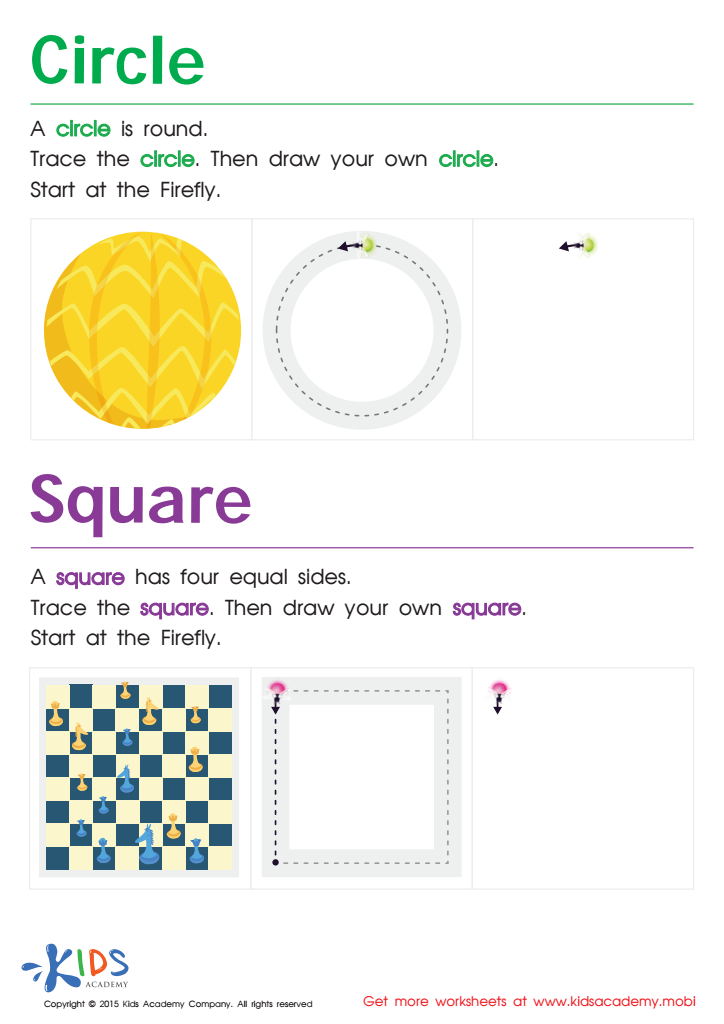
Trace And Draw a Circle And a Square Worksheet
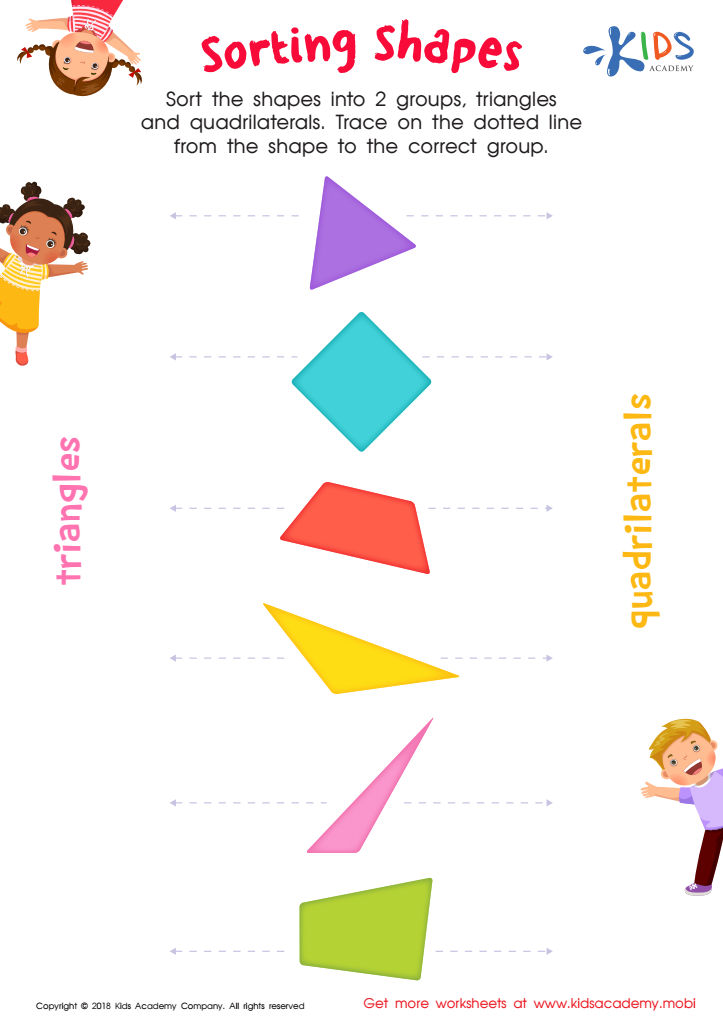
Sorting Shapes Worksheet
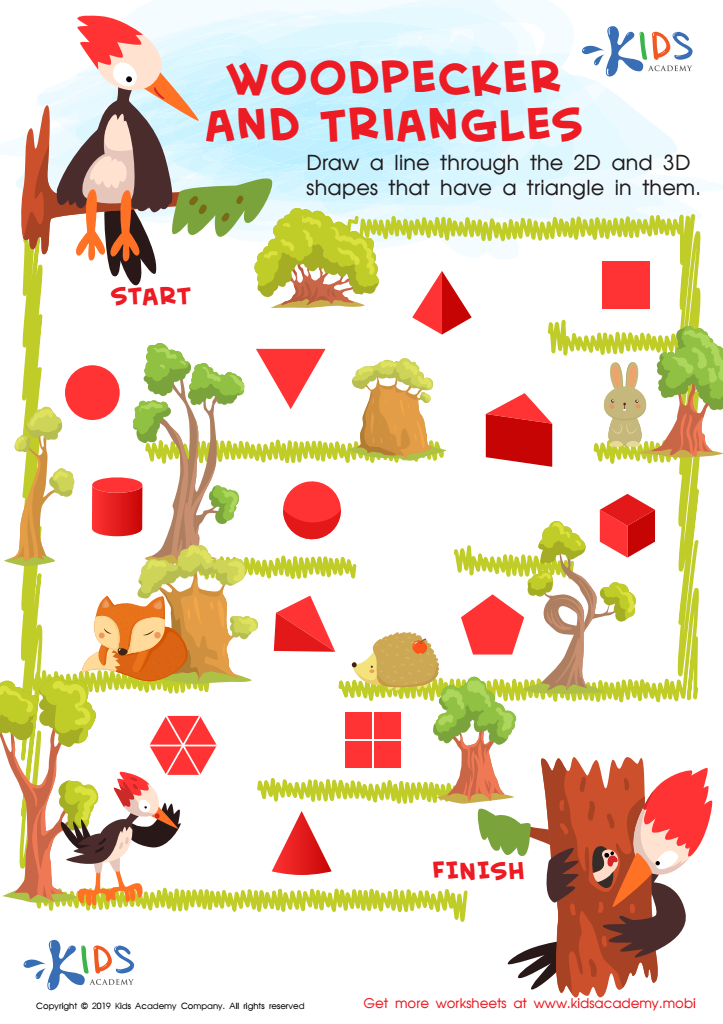
Woodpecker and Triangles Worksheet
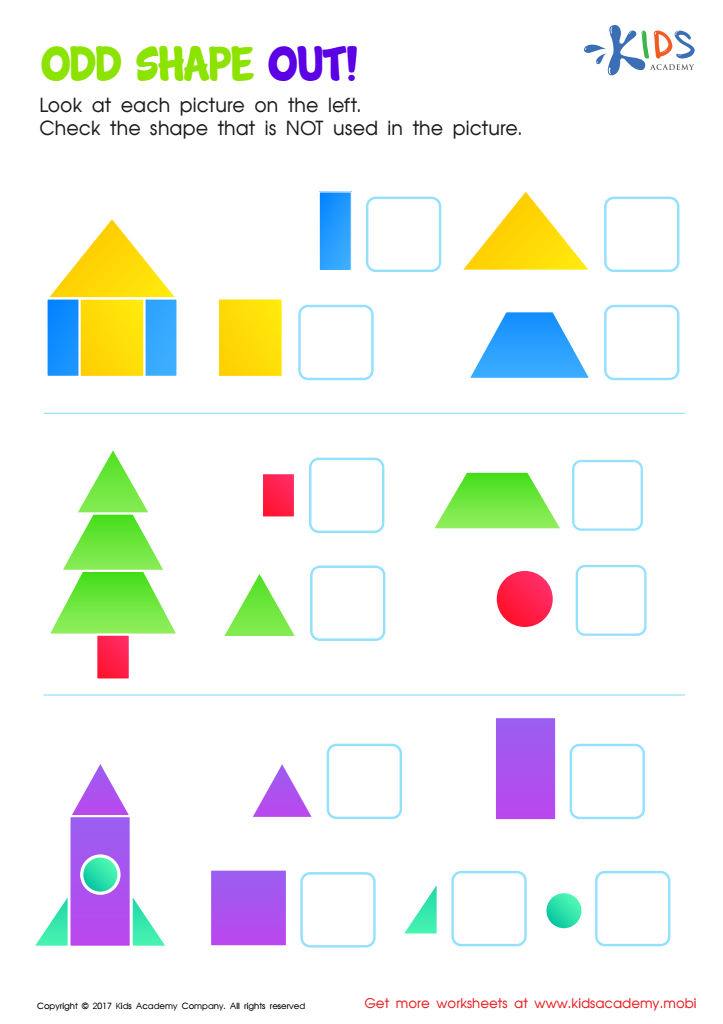
Odd Shape Out Worksheet for Grade 1
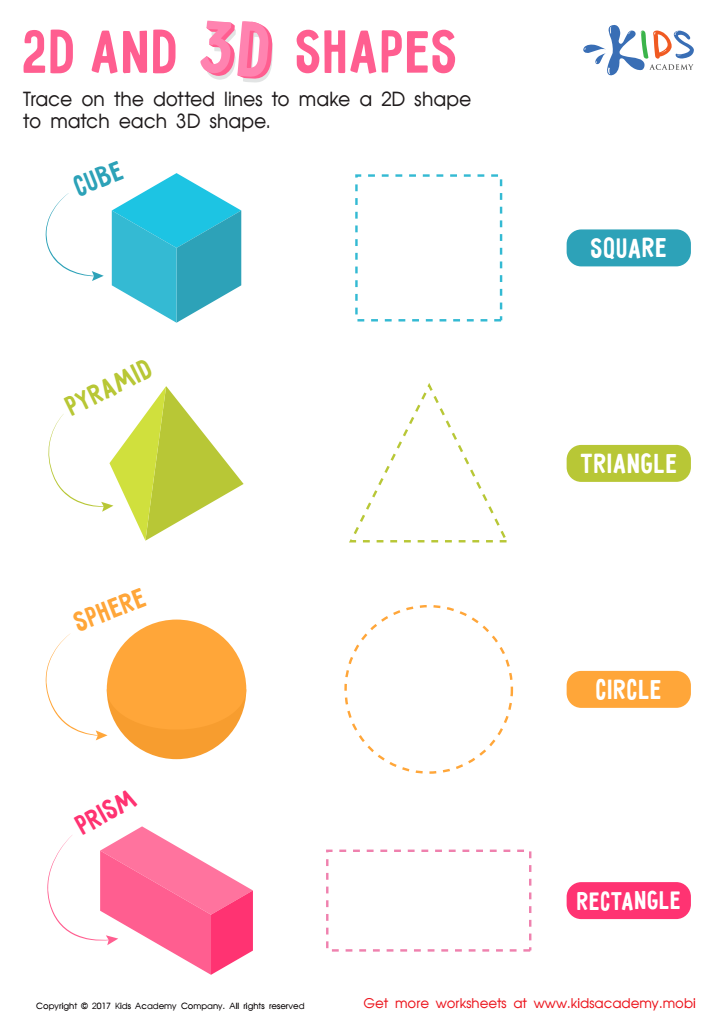
2D and 3D Shapes Worksheet
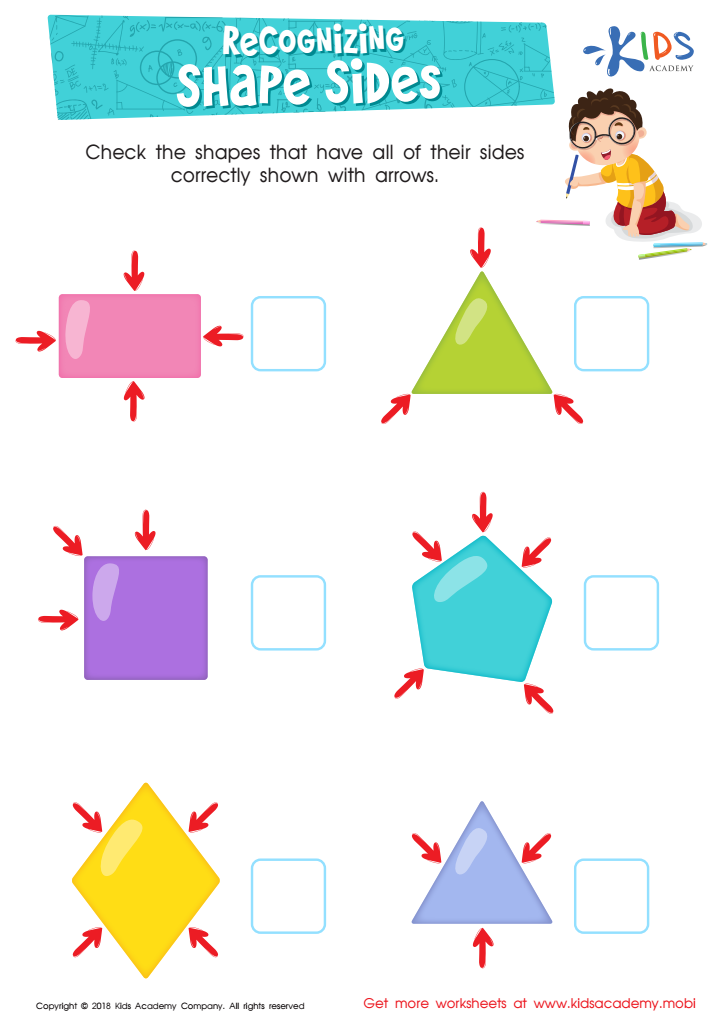
Recognizing Shape Sides Worksheet
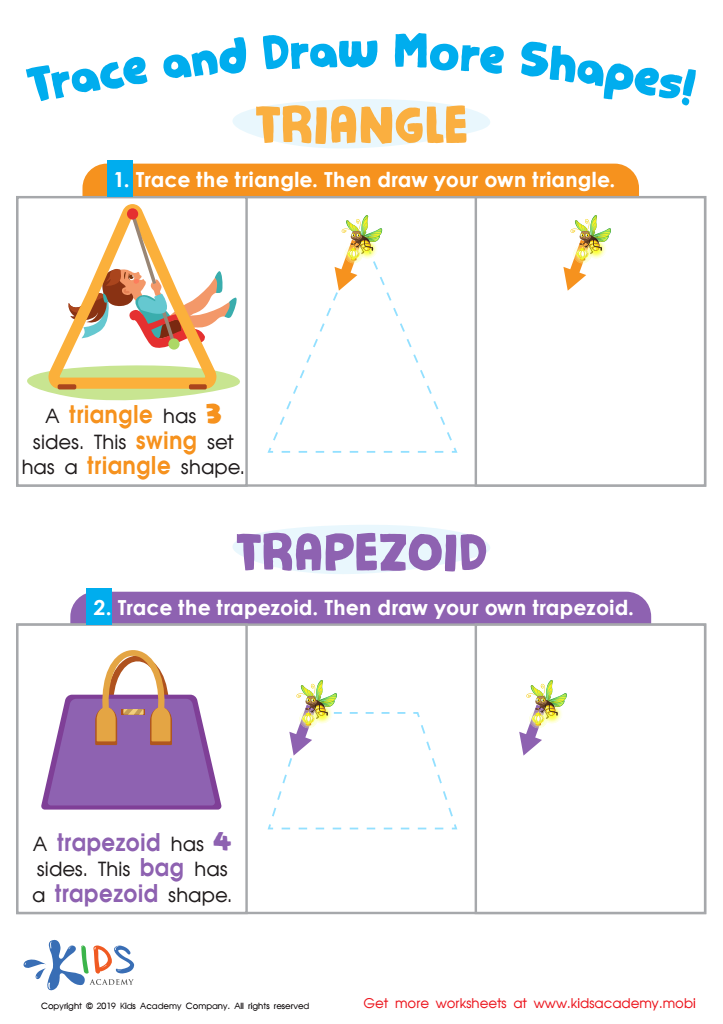
Trace and Draw More Shapes Worksheet
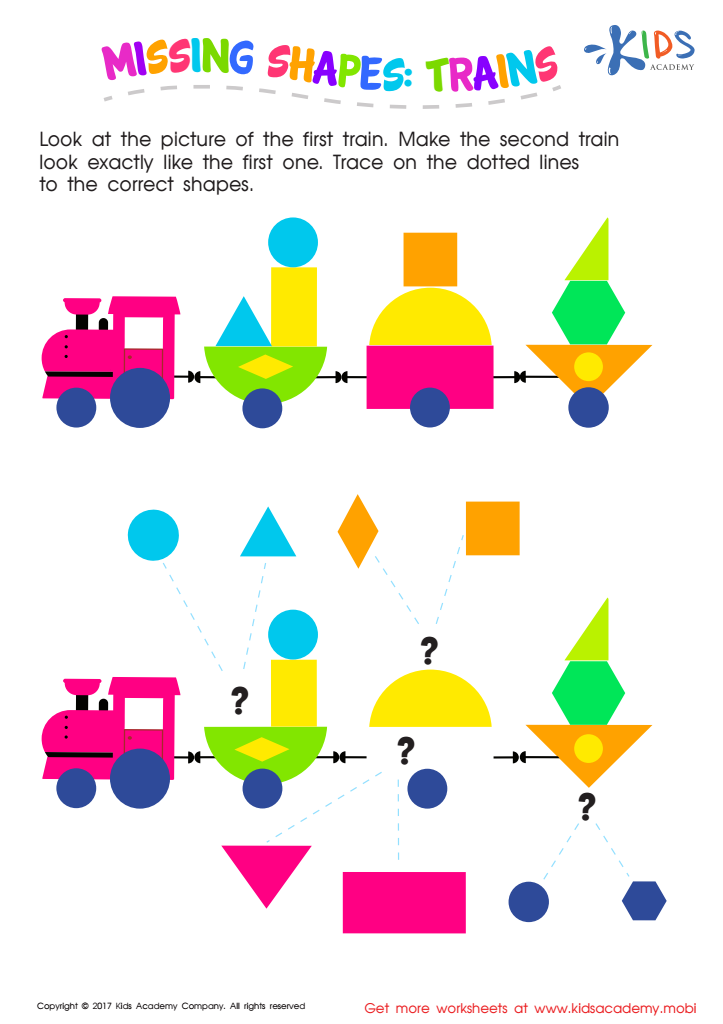
Missing Shapes: Trains Worksheet
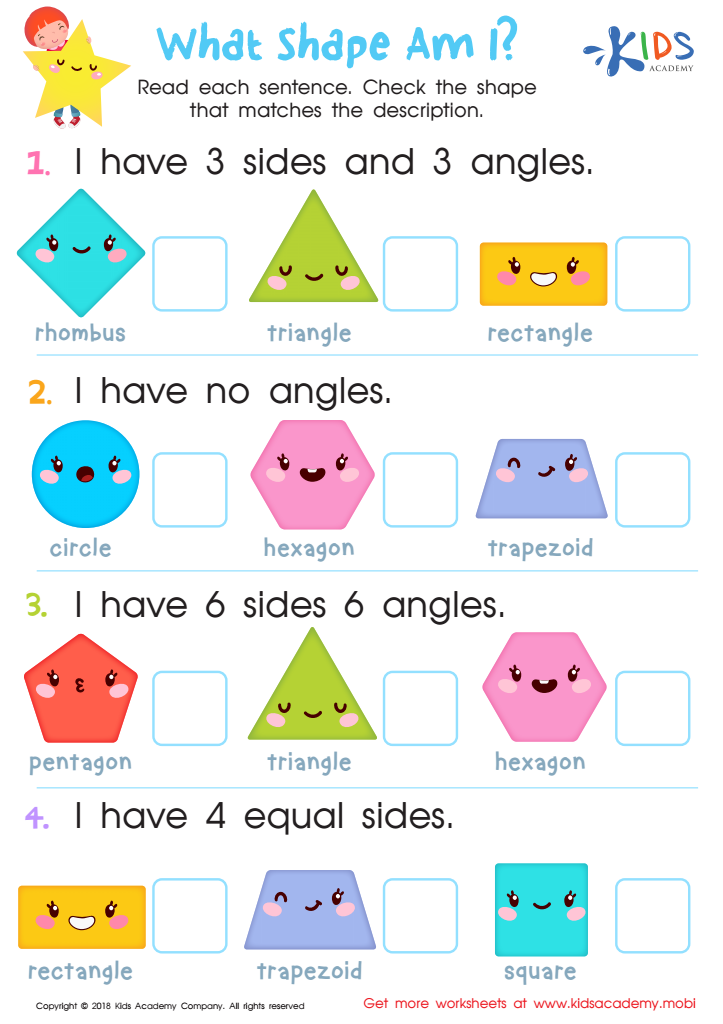
What Shape Am I? Worksheet
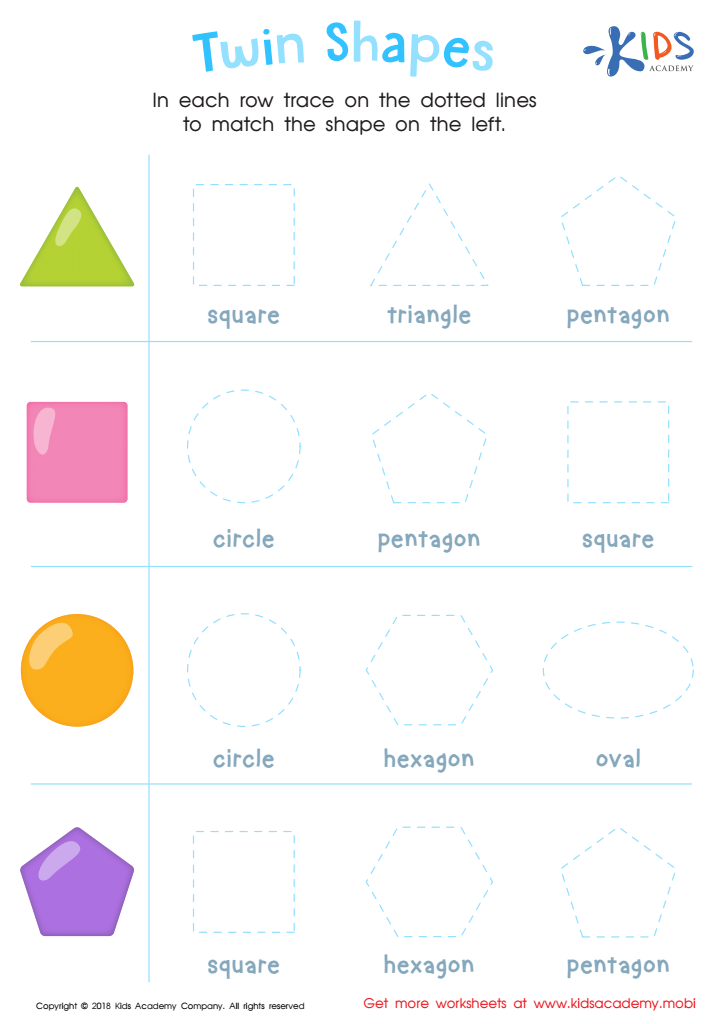
Twin Shapes Dot-to-Dot Worksheet
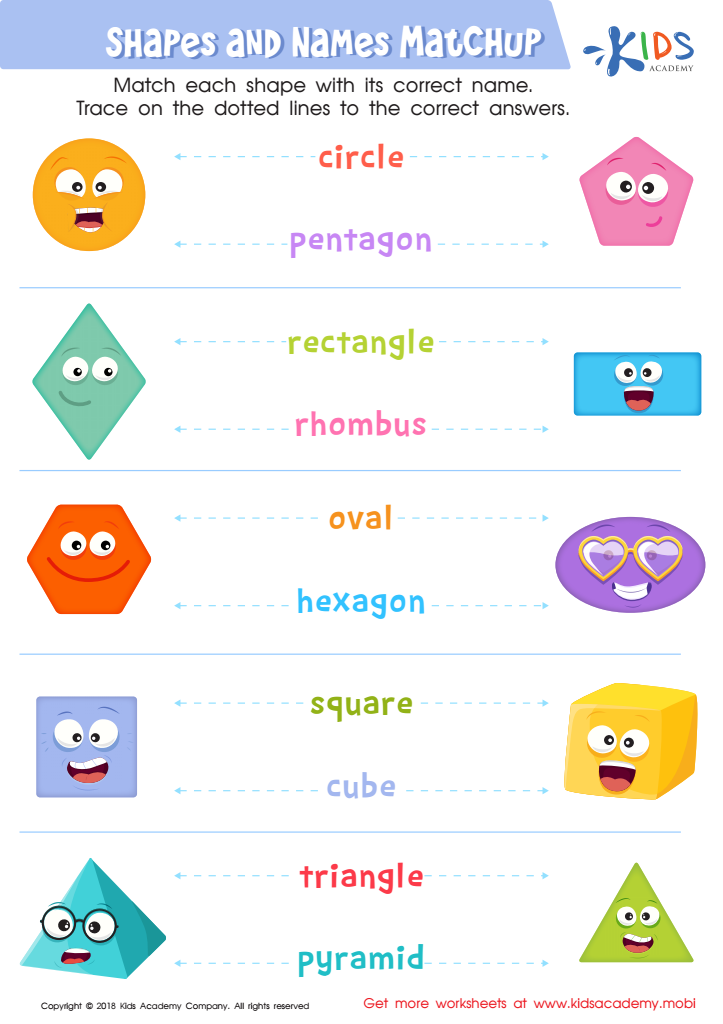
Shapes and Names Matchup Worksheet
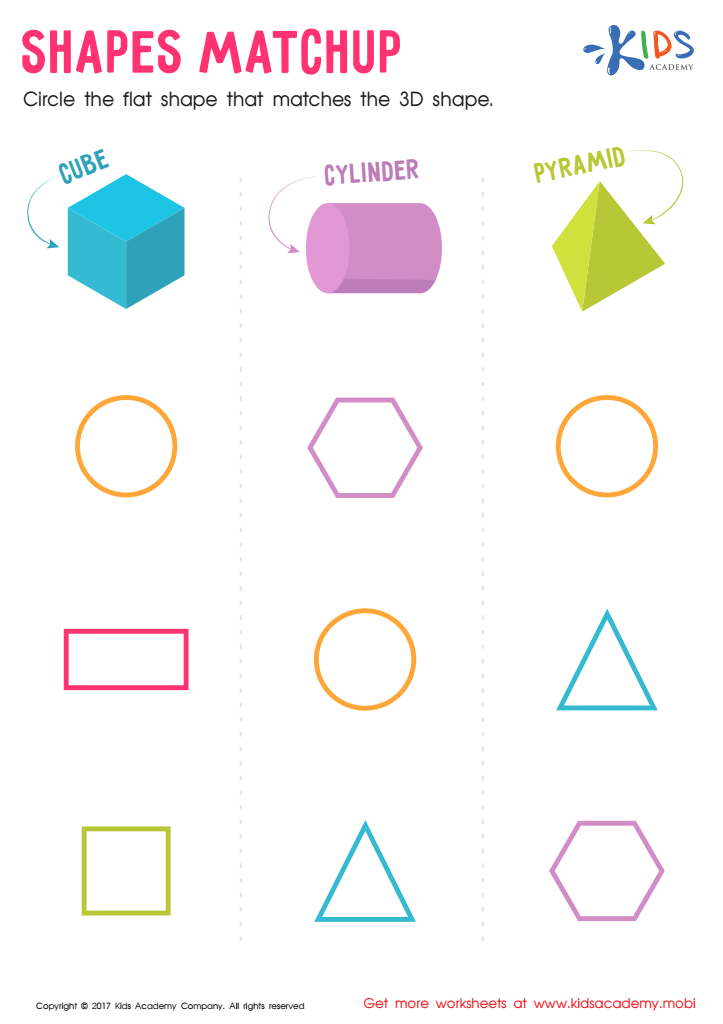
Shapes Matchup Worksheet
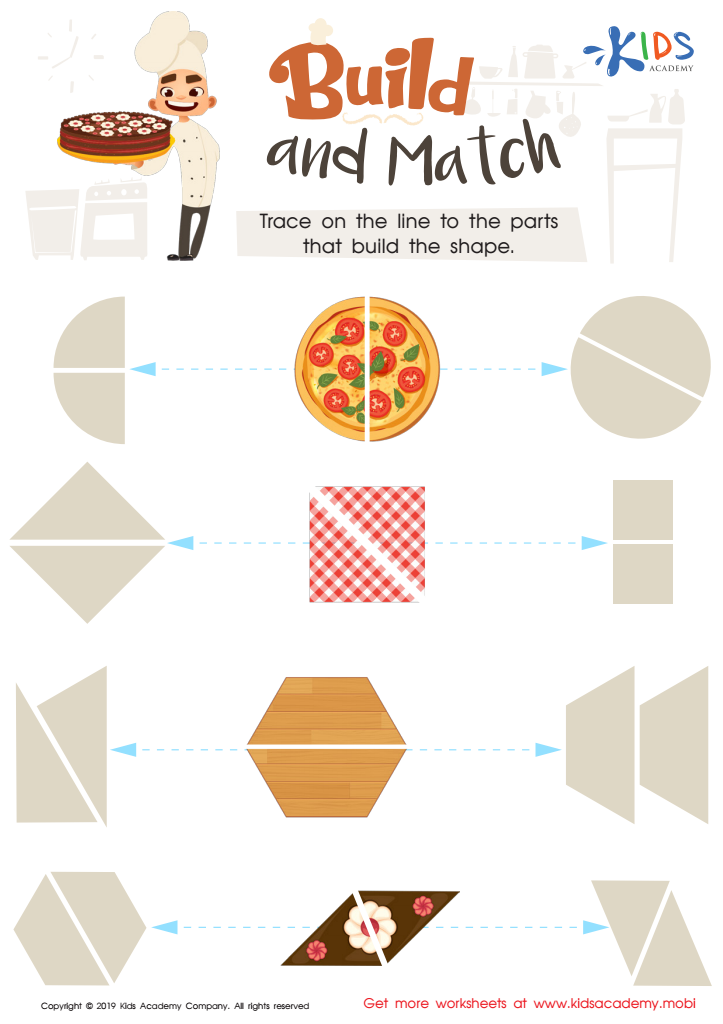
Build and Match Worksheet








Shape recognition for 2D shapes in children aged 7-9 is integral to their cognitive and academic development. Firstly, understanding 2D shapes paves the way for grasping more complex mathematical concepts such as geometry and spatial reasoning. This age is crucial for building a strong foundation; recognizing shapes can enhance children's ability to categorize and differentiate, skills that are essential for higher-order thinking.
Additionally, shape recognition ties into real-world applications. For instance, it helps in navigation, recognizing patterns in environment, and understanding symbols in daily life. By learning how to identify and classify different shapes, children simultaneously develop their descriptive language skills. Terms like "sides," "corners," and "angles" become part of their vocabulary, fostering communication abilities.
Beyond academics, recognizing shapes can bolster a child's confidence and curiosity when they tackle problem-solving tasks. These cognitive skills are directly connected to critical thinking and creativity. Activities involving shapes often incorporate playful elements, making learning enjoyable and engaging.
For educators and parents, integrating shape recognition into everyday activities - through games, art, and day-to-day interactions - can significantly contribute to a child's overall development. Investing attention and resources toward shape recognition isn't just a lesson in geometry, but a fundamental stepping stone in a comprehensive educational journey.