Problem-Solving Skills Addition & Subtraction Worksheets for Ages 7-9 - Page 2
163 filtered results
-
From - To
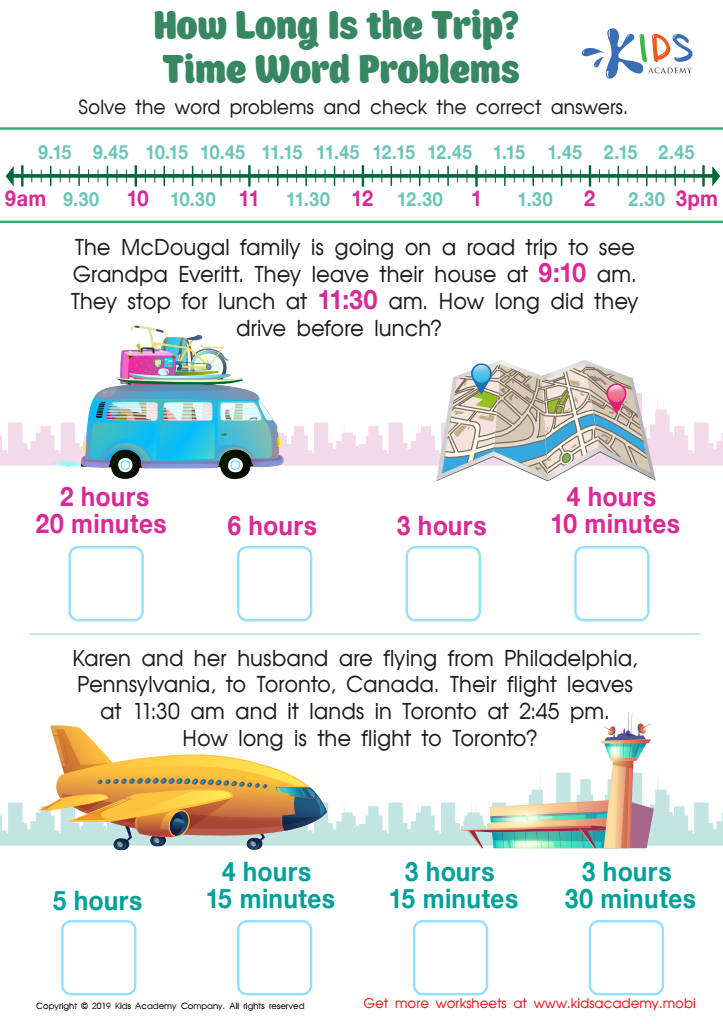
How long is the Trip? Time Word Problems Worksheet
 Assign to My Students
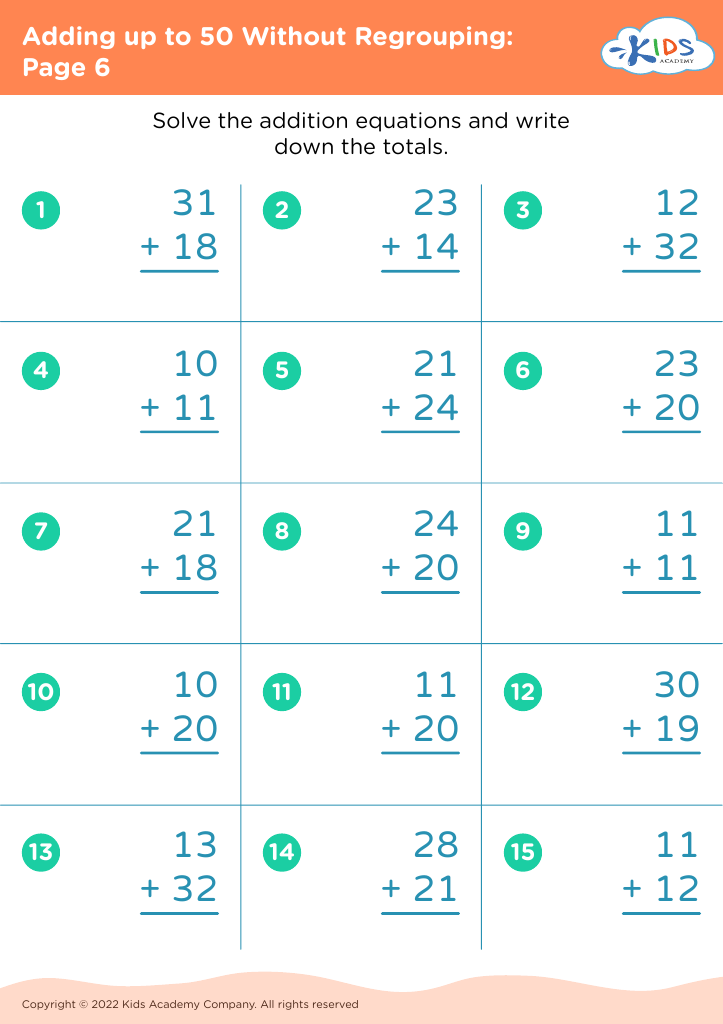
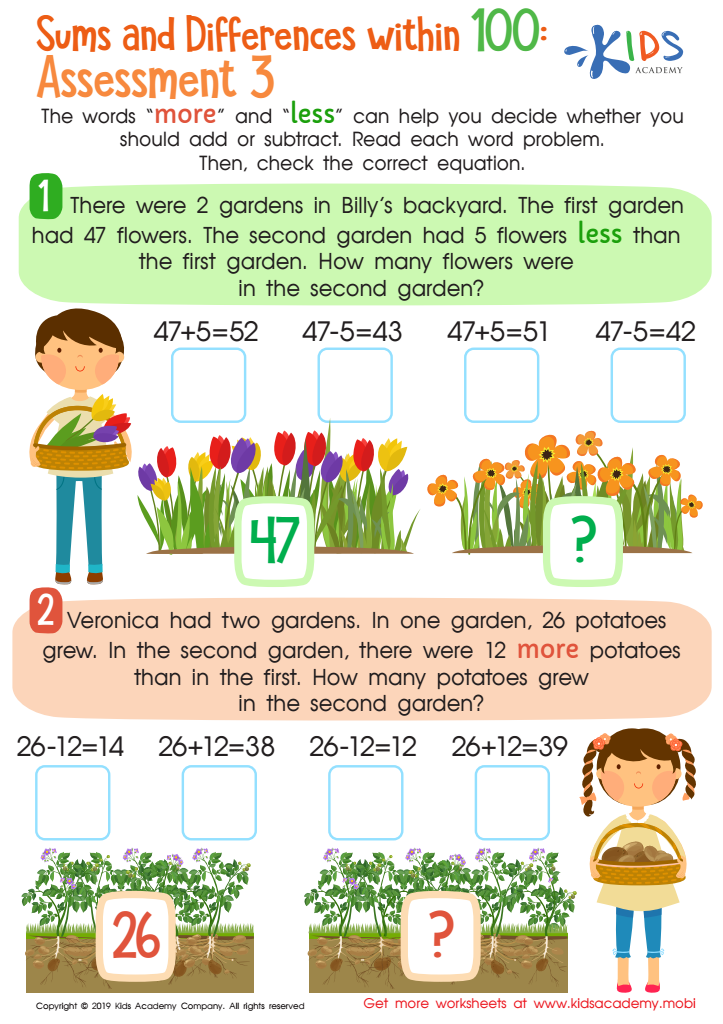
Sums and Differences Within 1 - Assessment 1 Worksheet
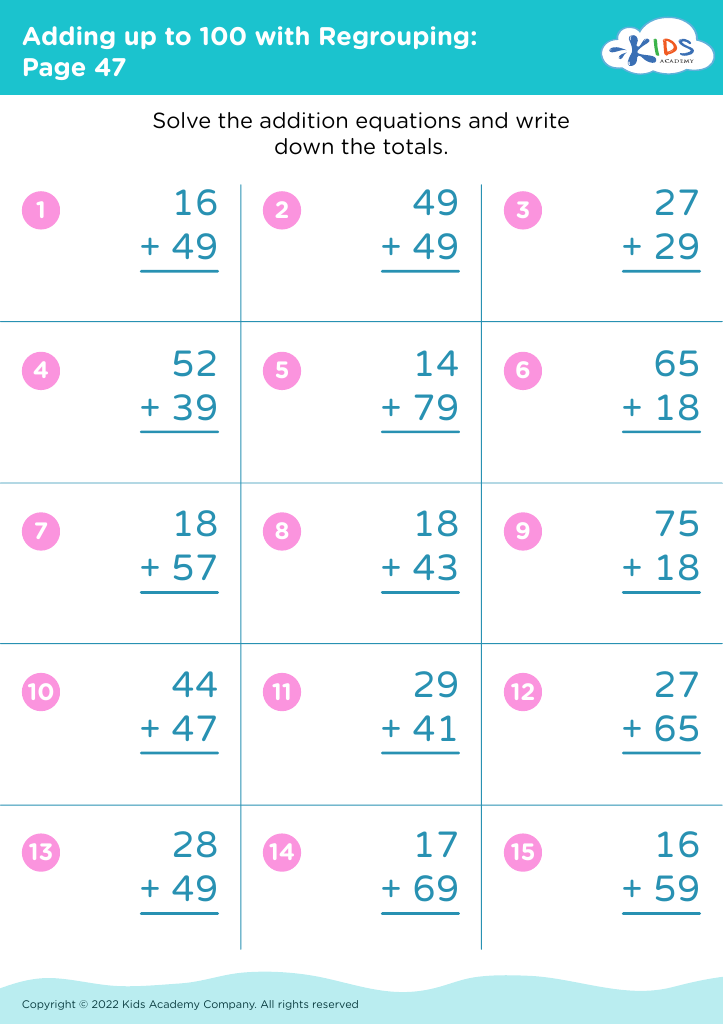
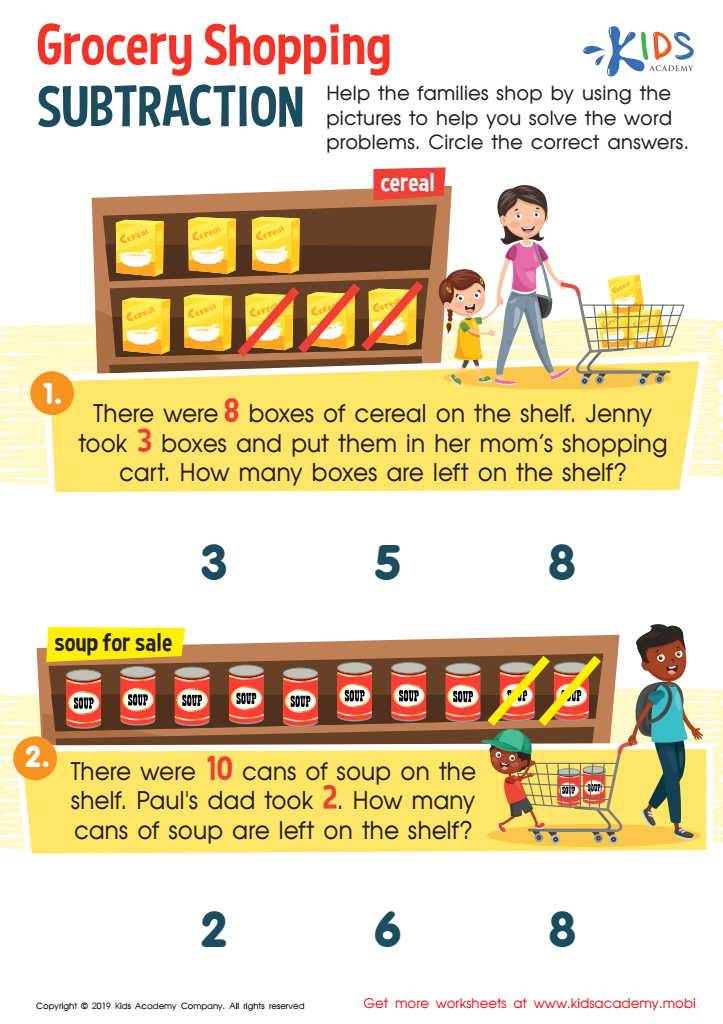
Grocery Shopping Subtraction Worksheet
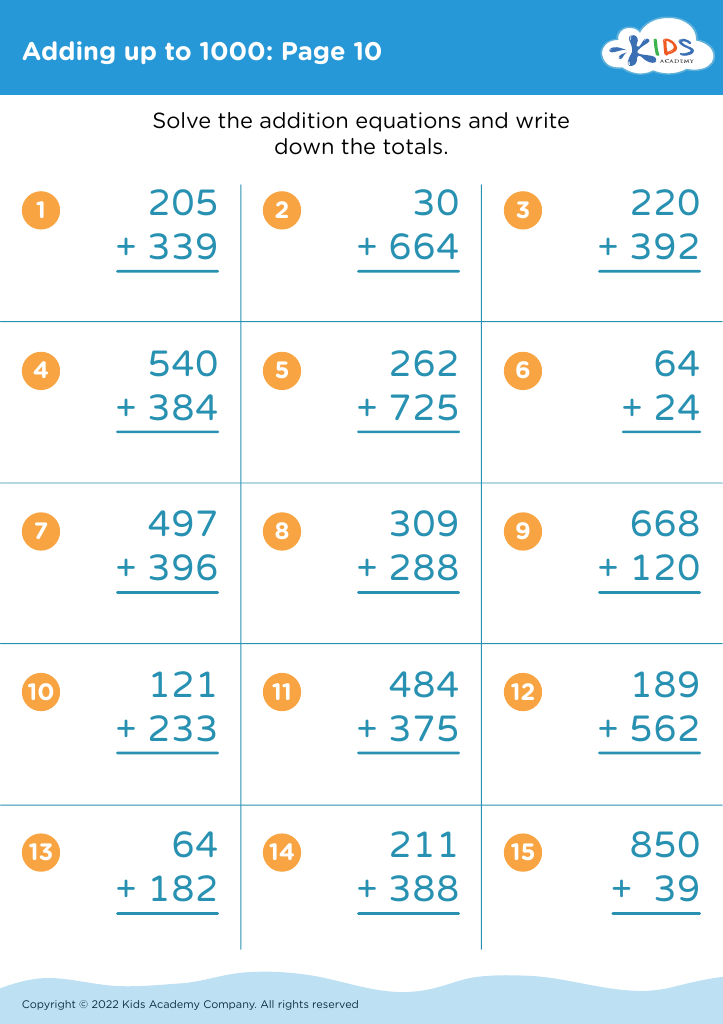
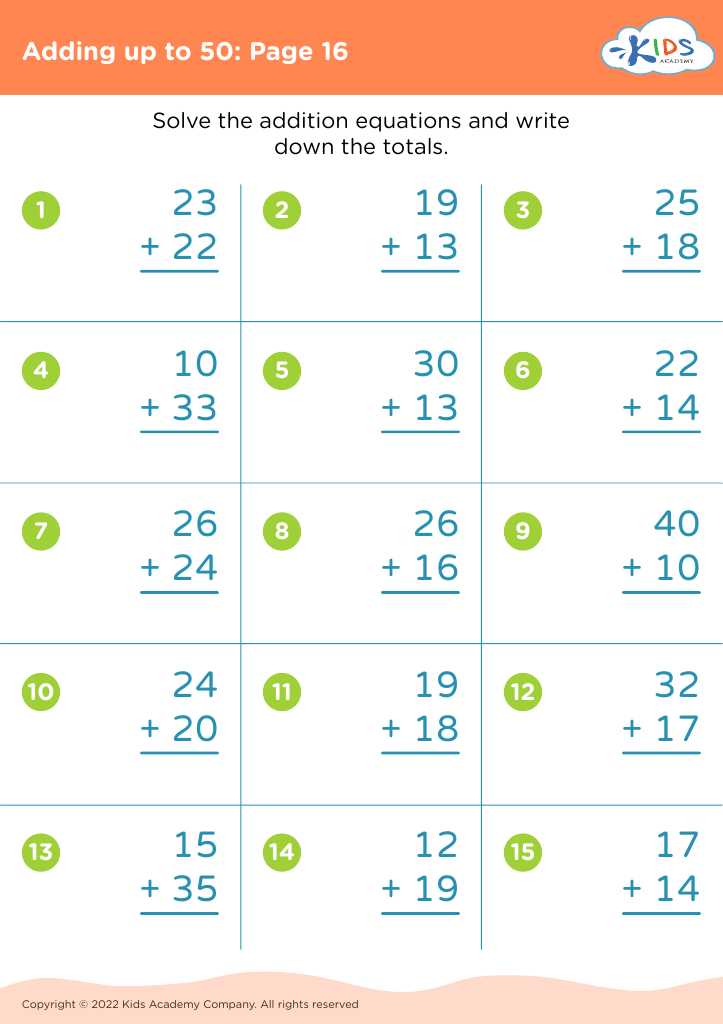
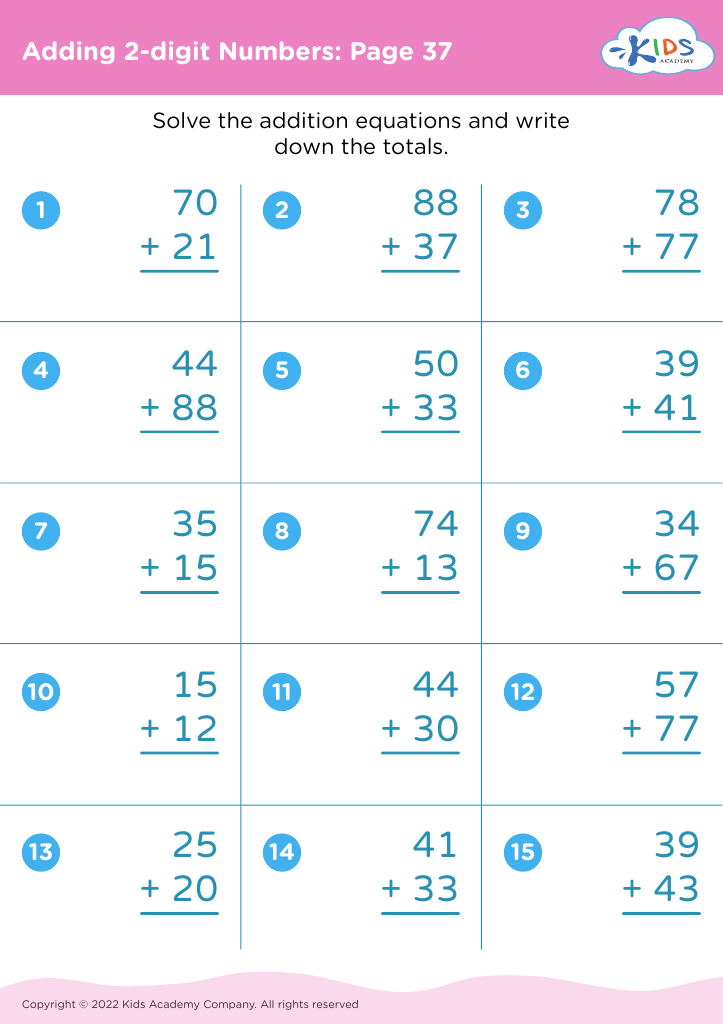
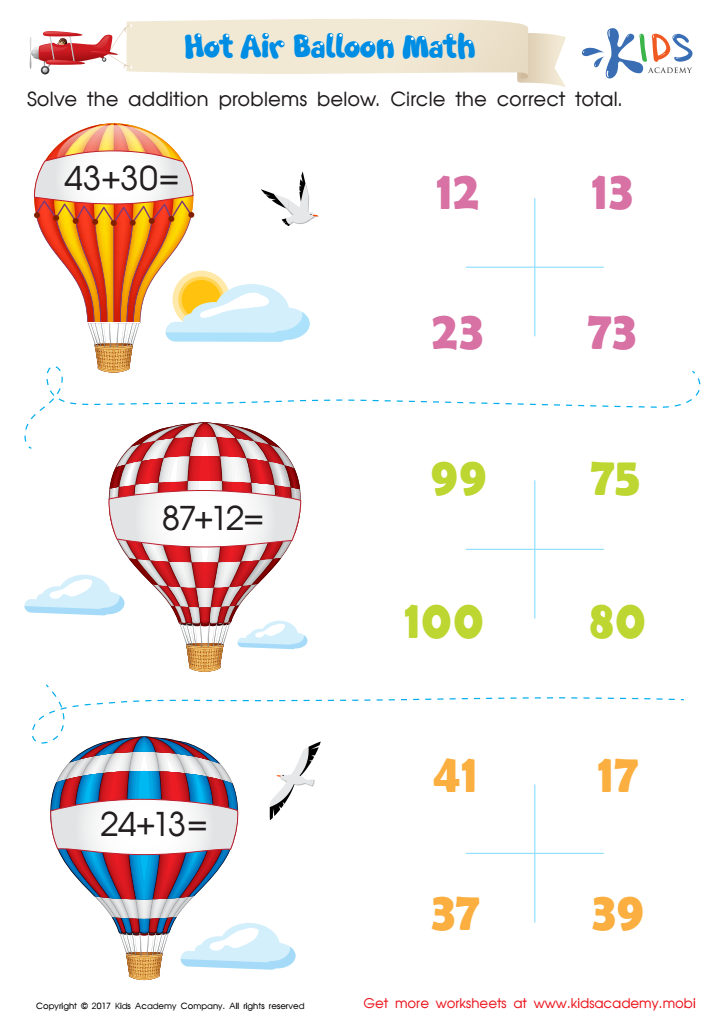
Hot Air Balloon Math Worksheet
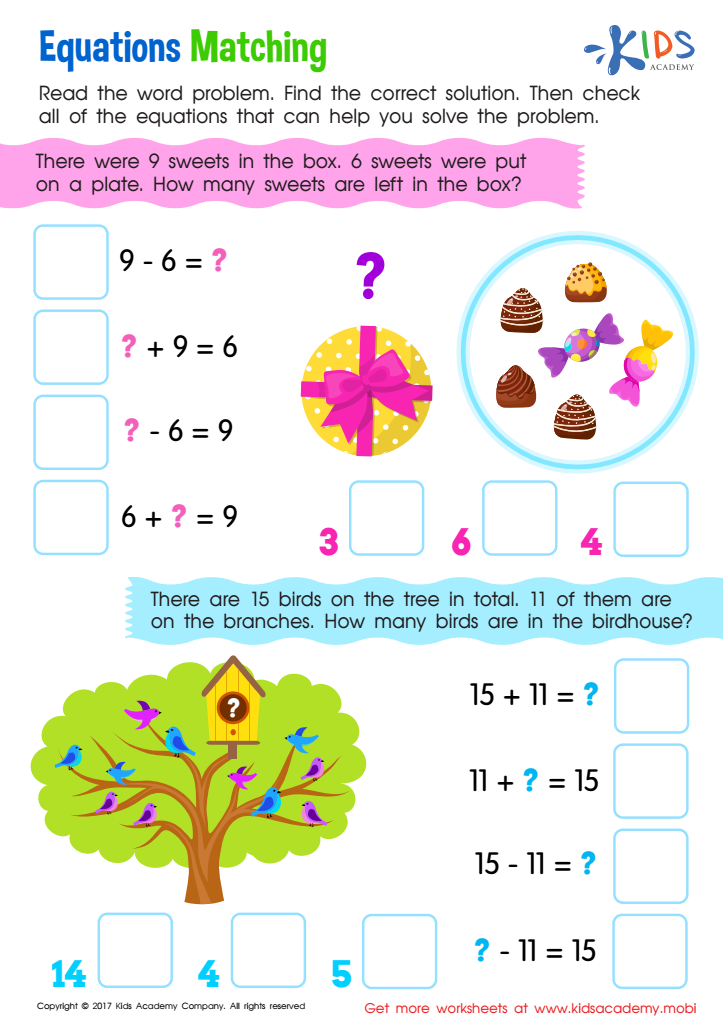
Equations Matching Word Problems Worksheet
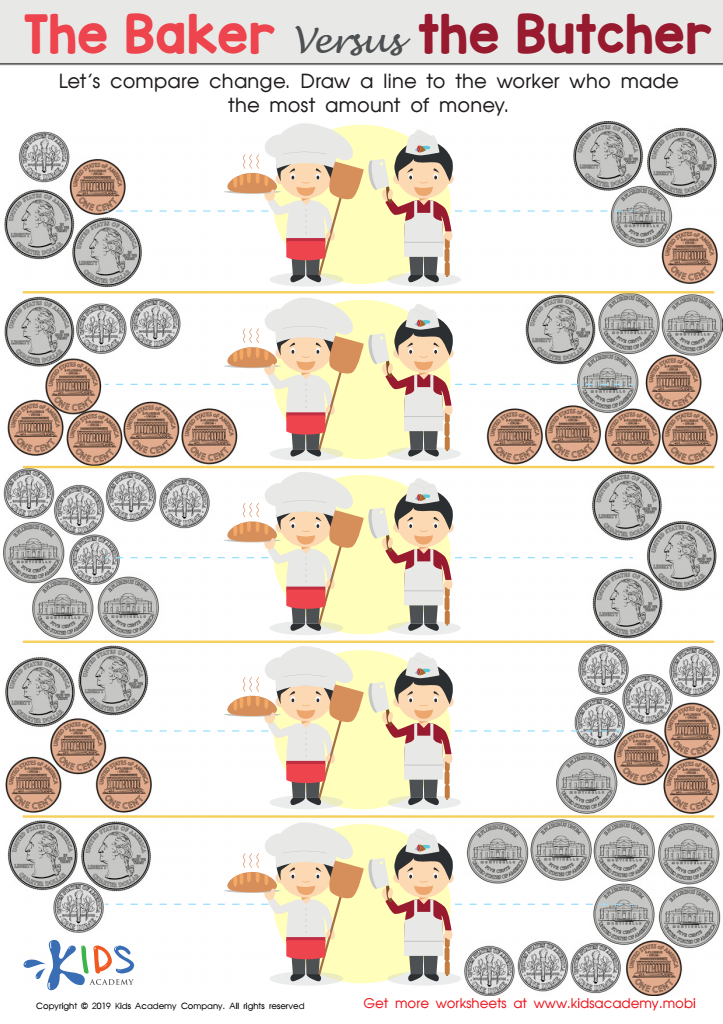
The Baker versus the Butcher Worksheet

Fractions: Sweets Maze Worksheet
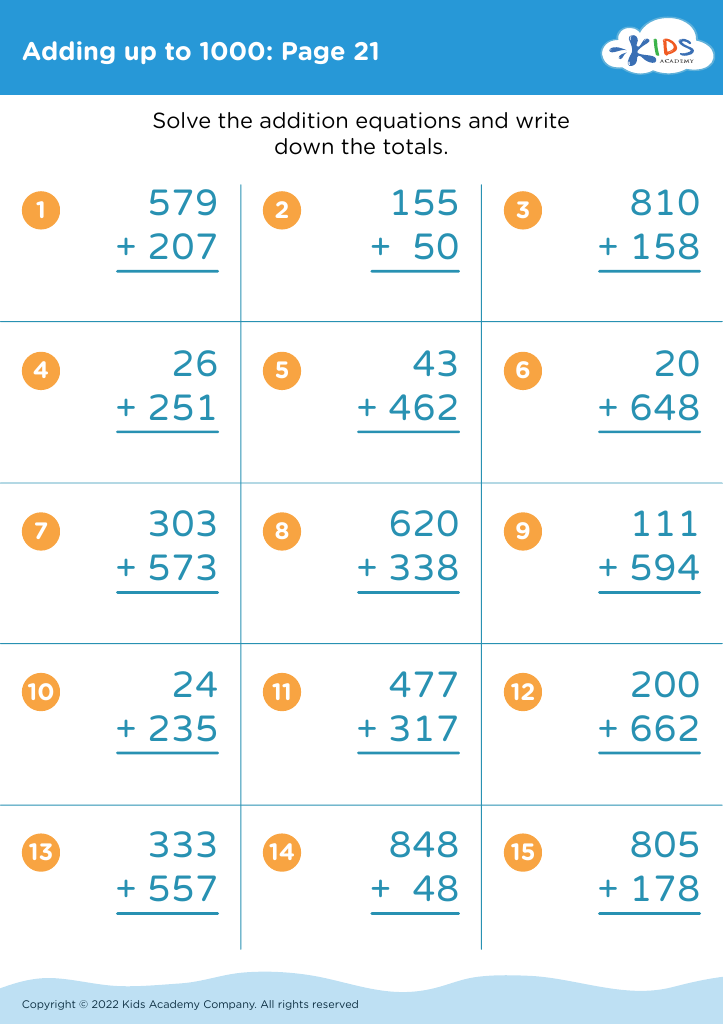
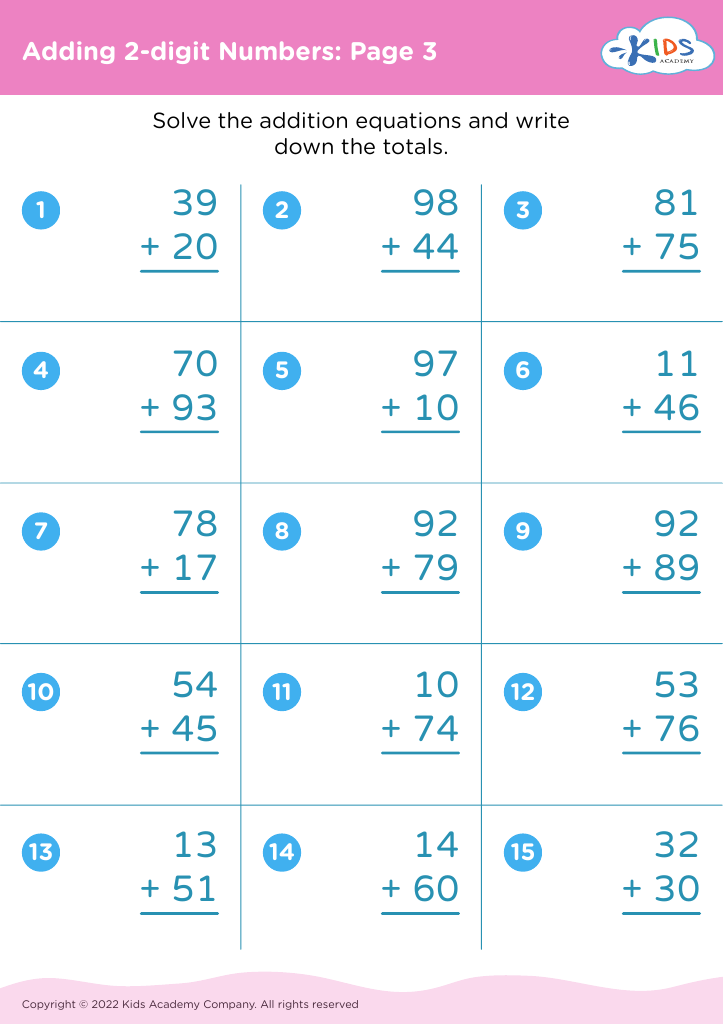
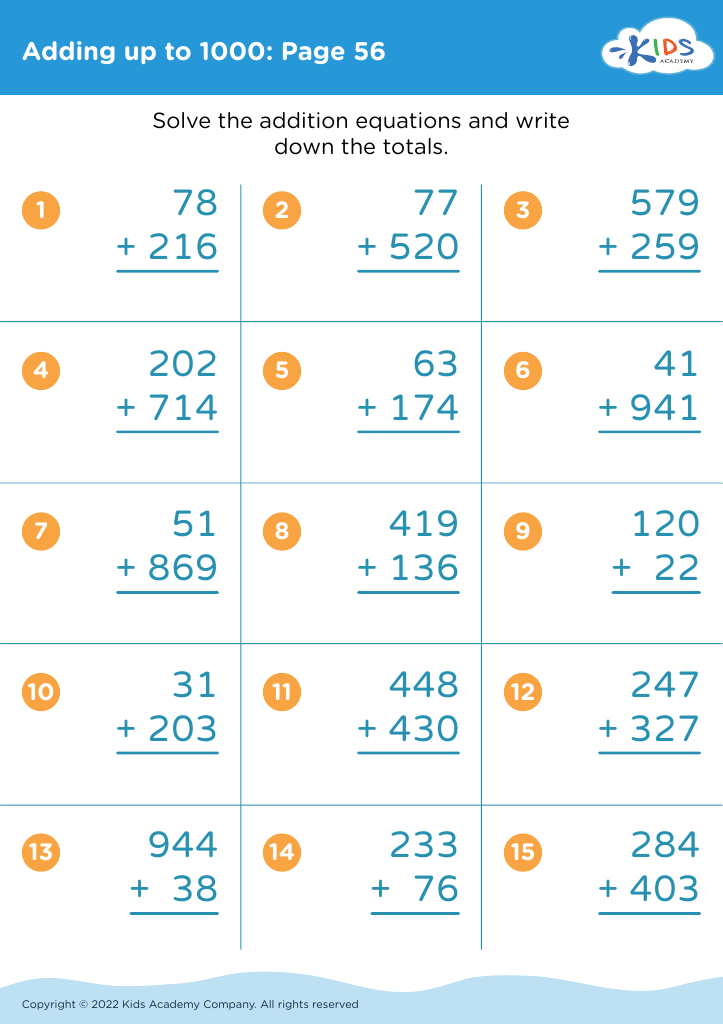
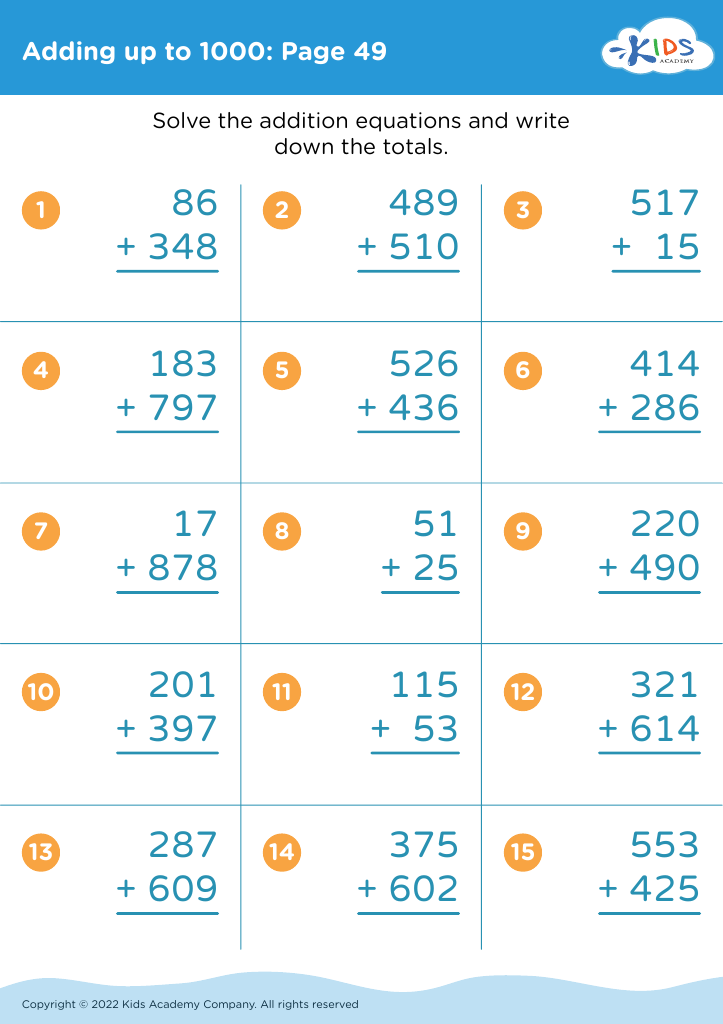
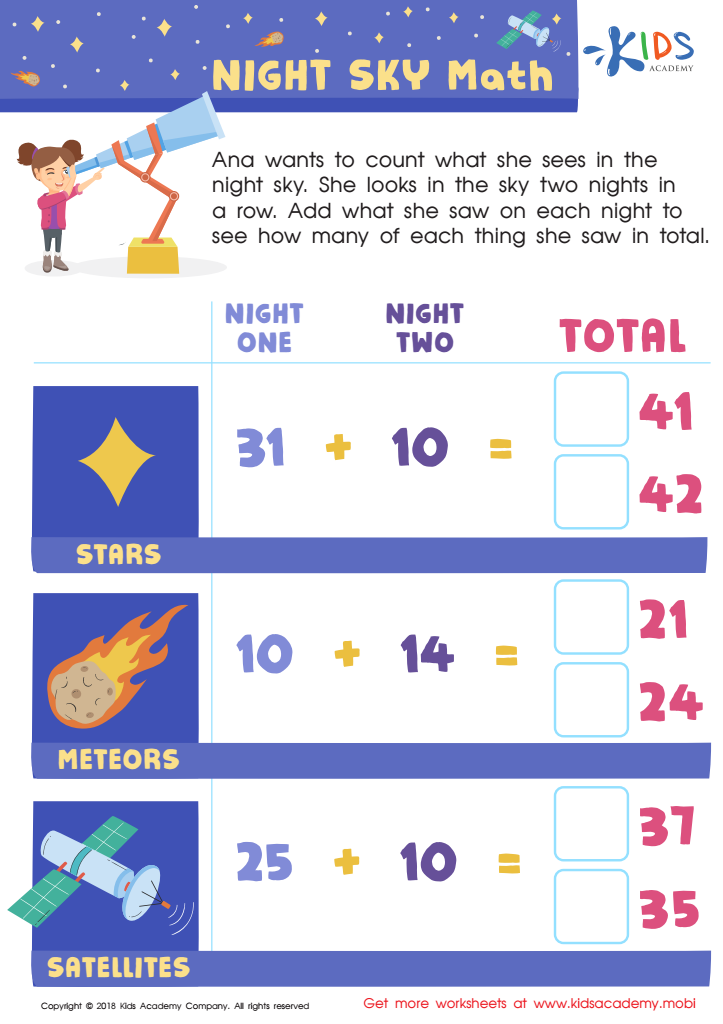
Night Sky Math Worksheet








Parents and teachers should prioritize problem-solving skills in addition and subtraction for children aged 7-9 because these skills lay the foundation for mathematical understanding and critical thinking. At this developmental stage, learners are transitioning from simple arithmetic to more complex concepts. Strong problem-solving abilities empower children to tackle real-life situations, fostering independence and resilience.
Additionally, mastery of addition and subtraction promotes confidence in math, which can influence overall academic achievement. Incorporating problem-solving activities cultivates analytical thinking, allowing children to approach challenges creatively. This is especially essential in an increasingly complex world where analytical skills are highly valued.
Building problem-solving skills encourages a growth mindset, teaching children that mistakes are part of the learning process. Furthermore, such skills have a cross-disciplinary impact, enhancing logical reasoning applicable in science, technology, engineering, and everyday decision-making.
Lastly, engaging children in problem-solving fosters enthusiasm for learning and strengthens the relationship between parents, teachers, and students. It opens avenues for meaningful discussions, collaboration, and a greater appreciation for math as a useful and integral part of life. Therefore, prioritizing problem-solving in early mathematics is vital for developing competent, confident learners equipped for future challenges.








