Recognizing shapes Addition & Subtraction Worksheets for Ages 7-9
28 filtered results
-
From - To
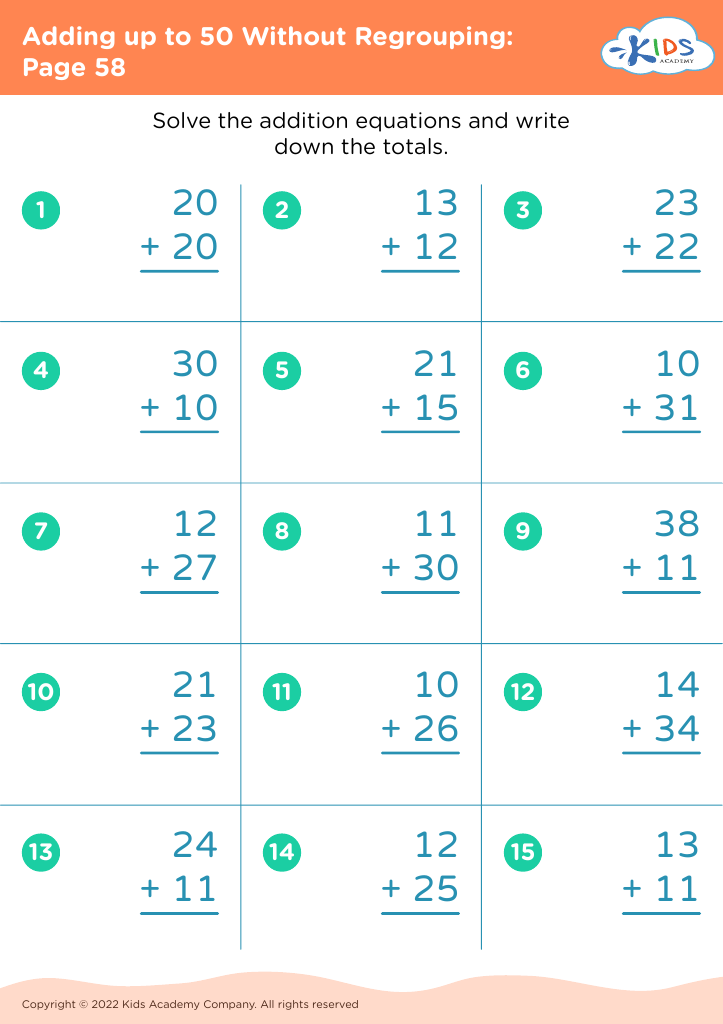
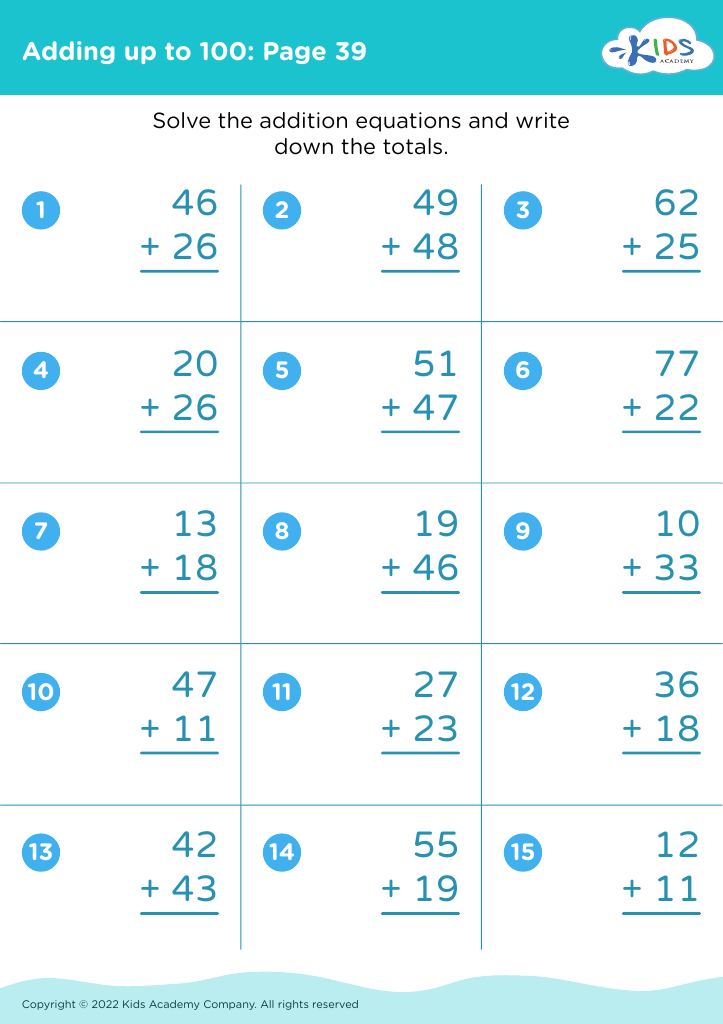
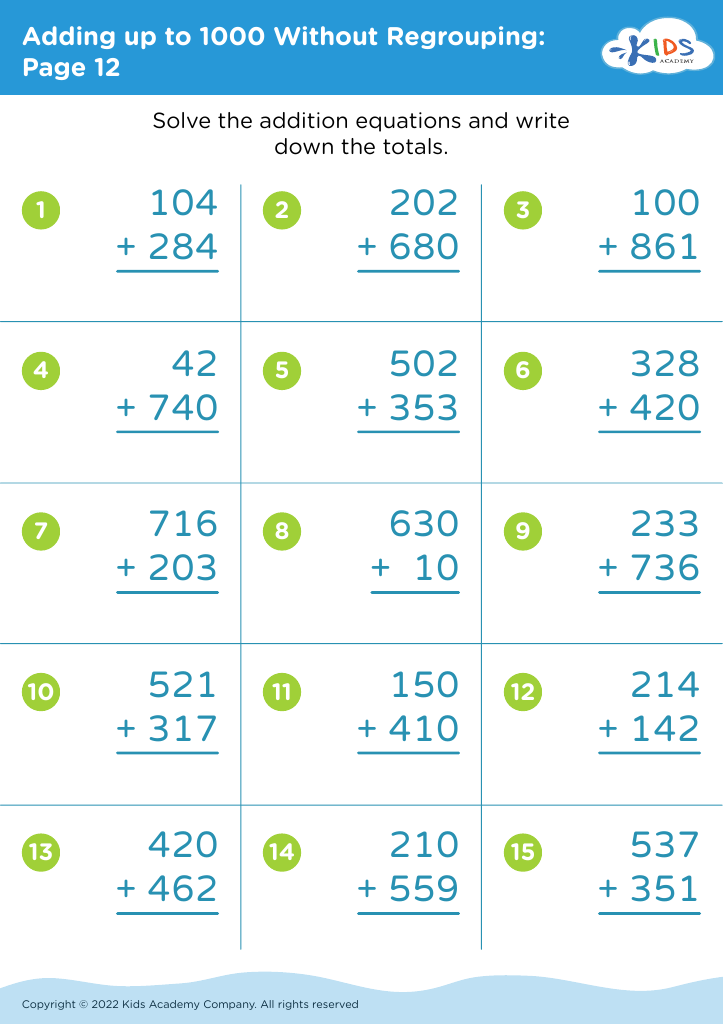
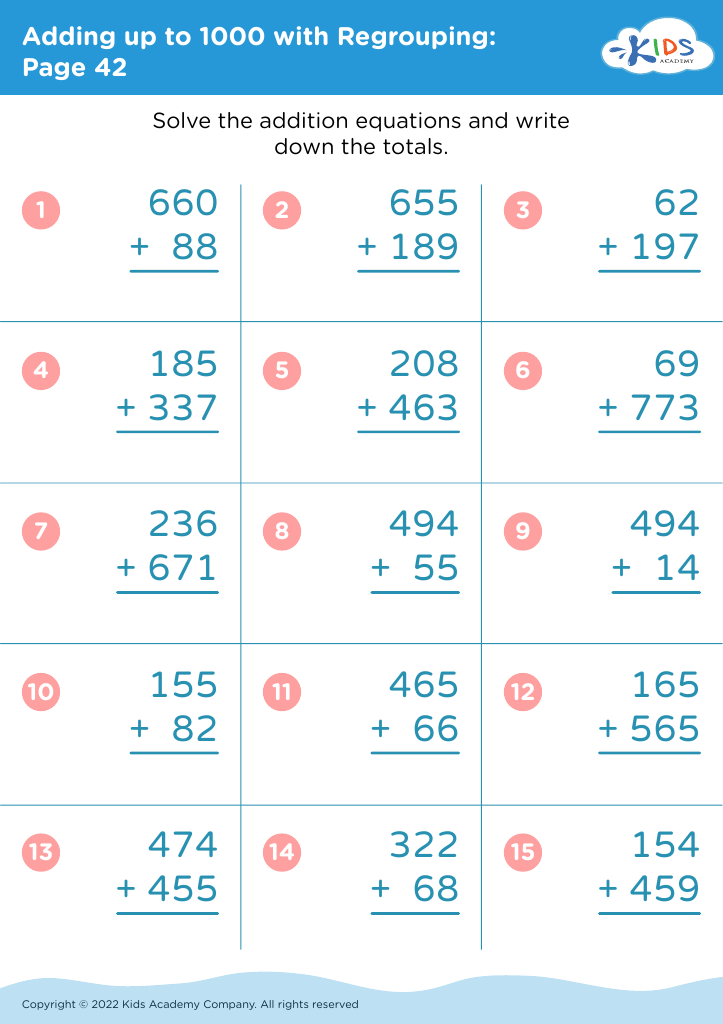
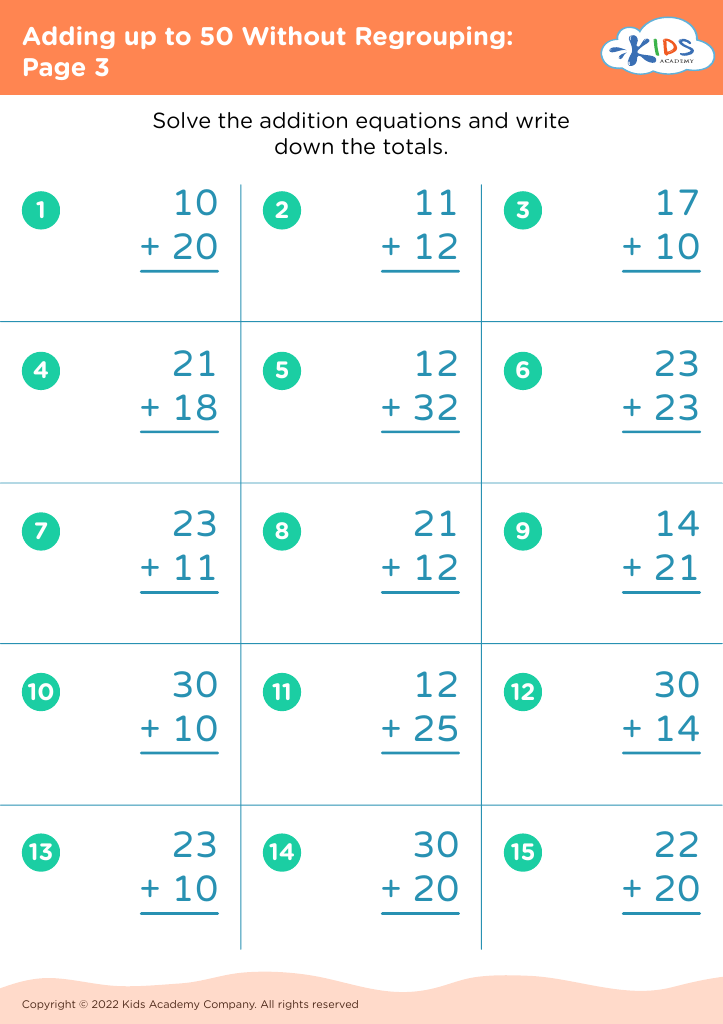
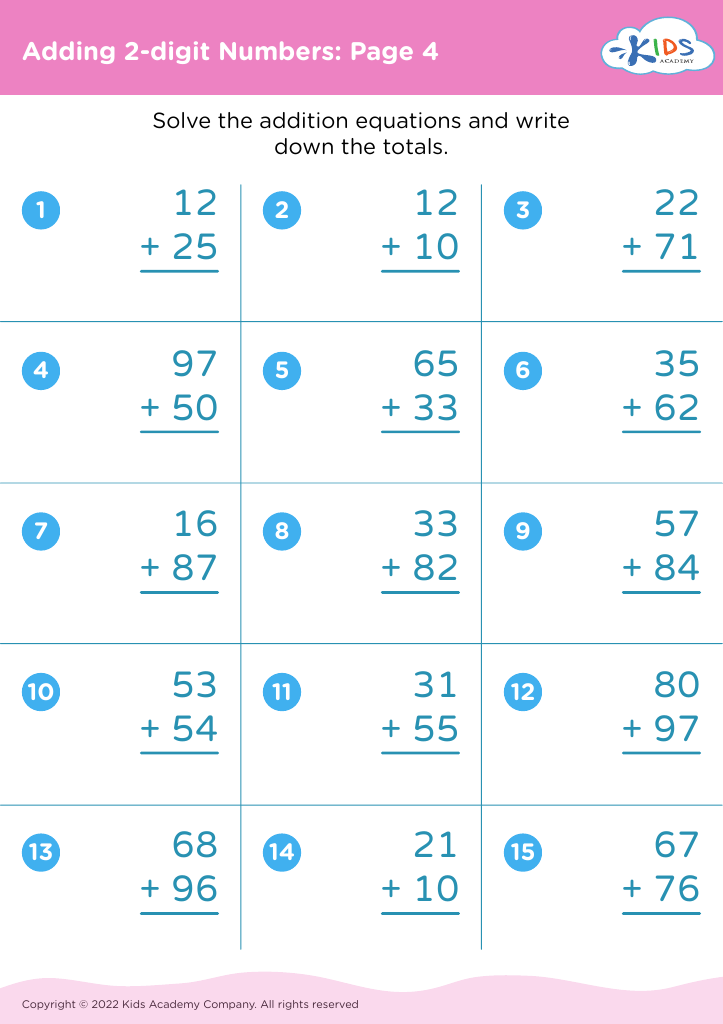
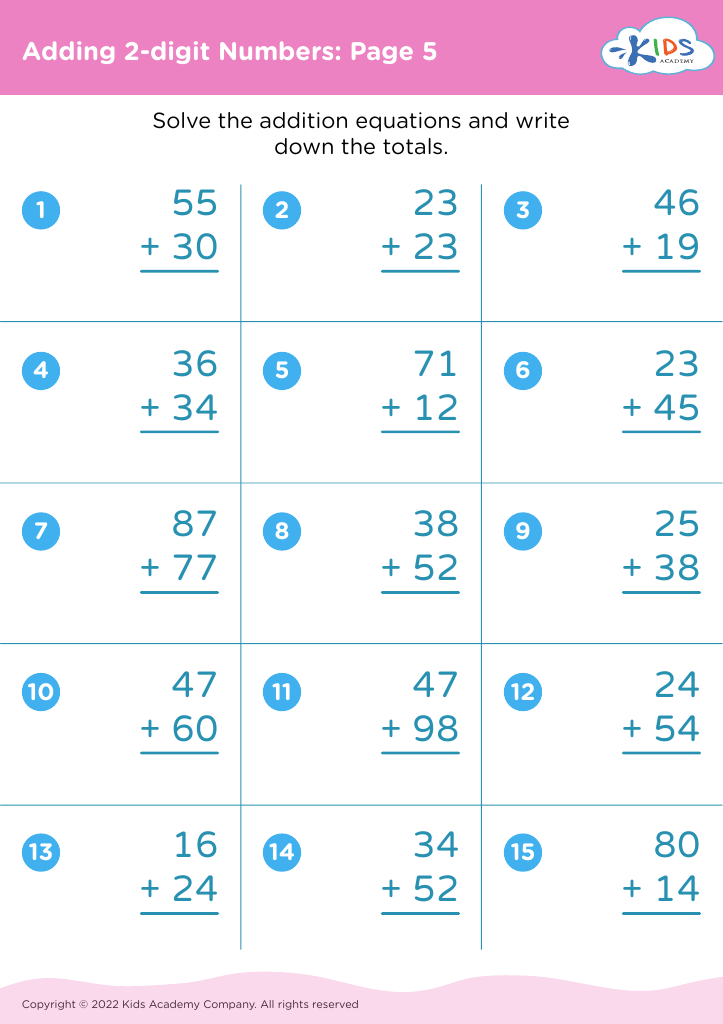
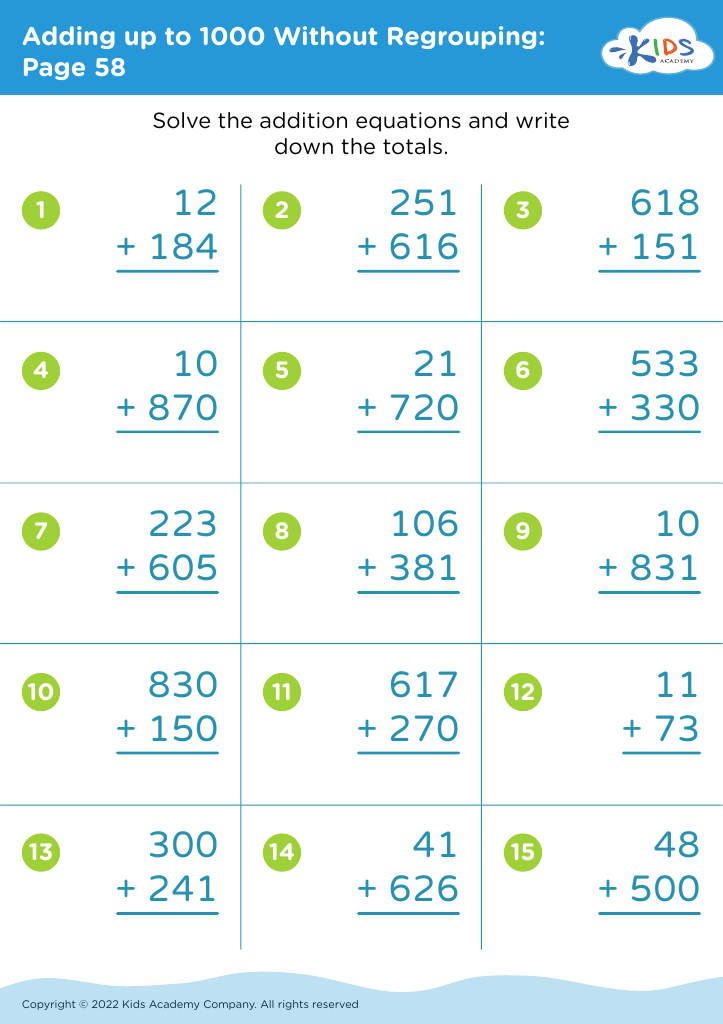
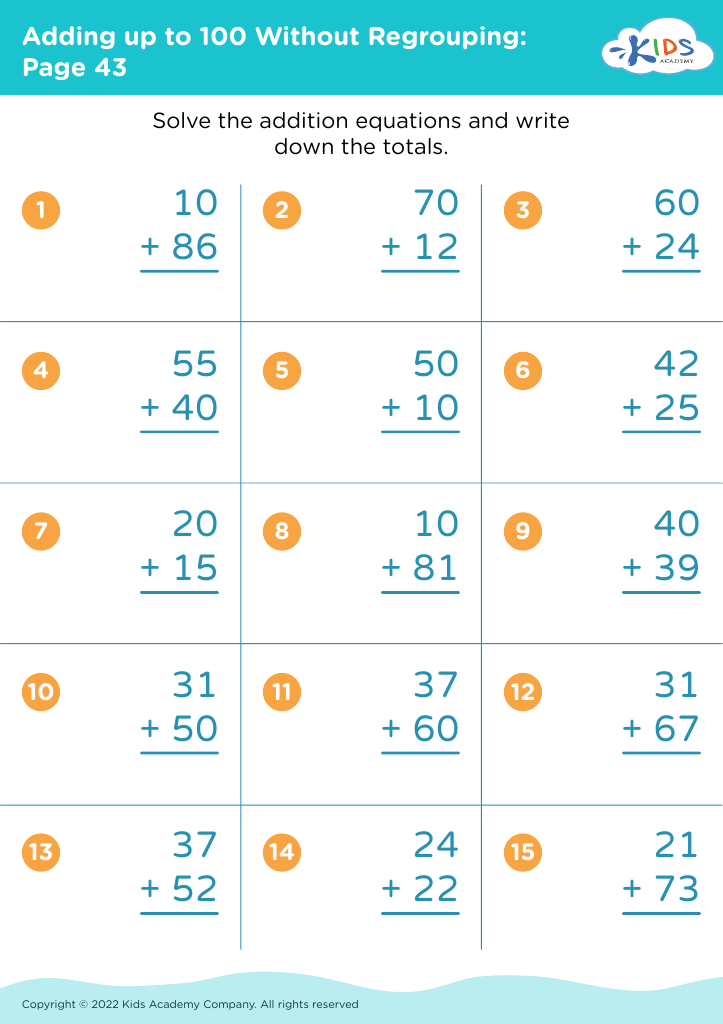
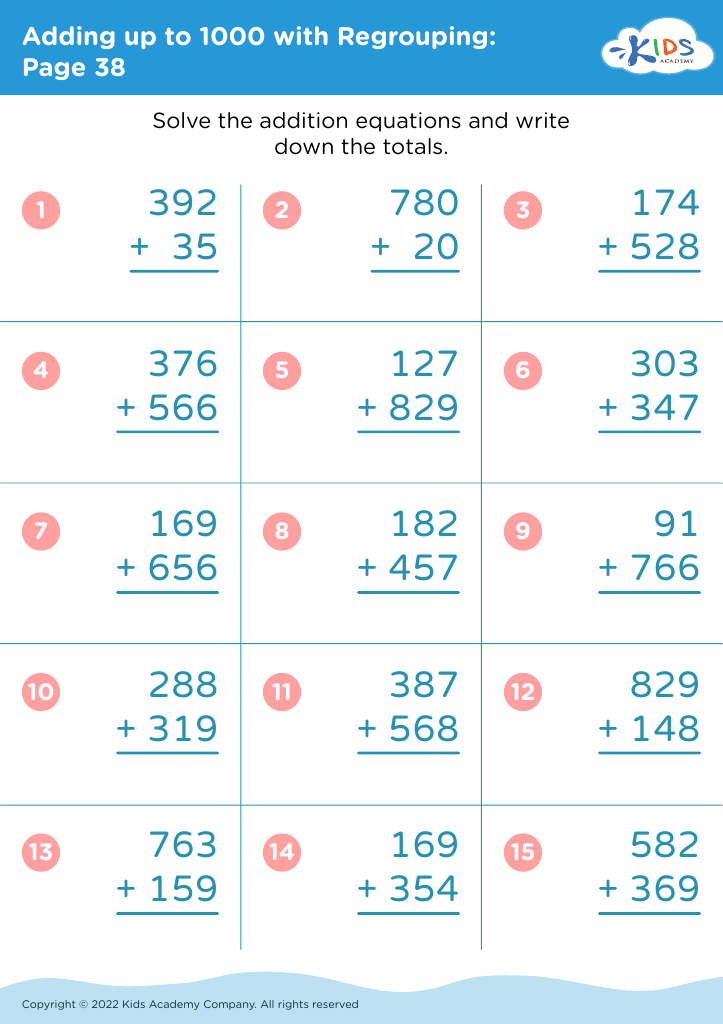
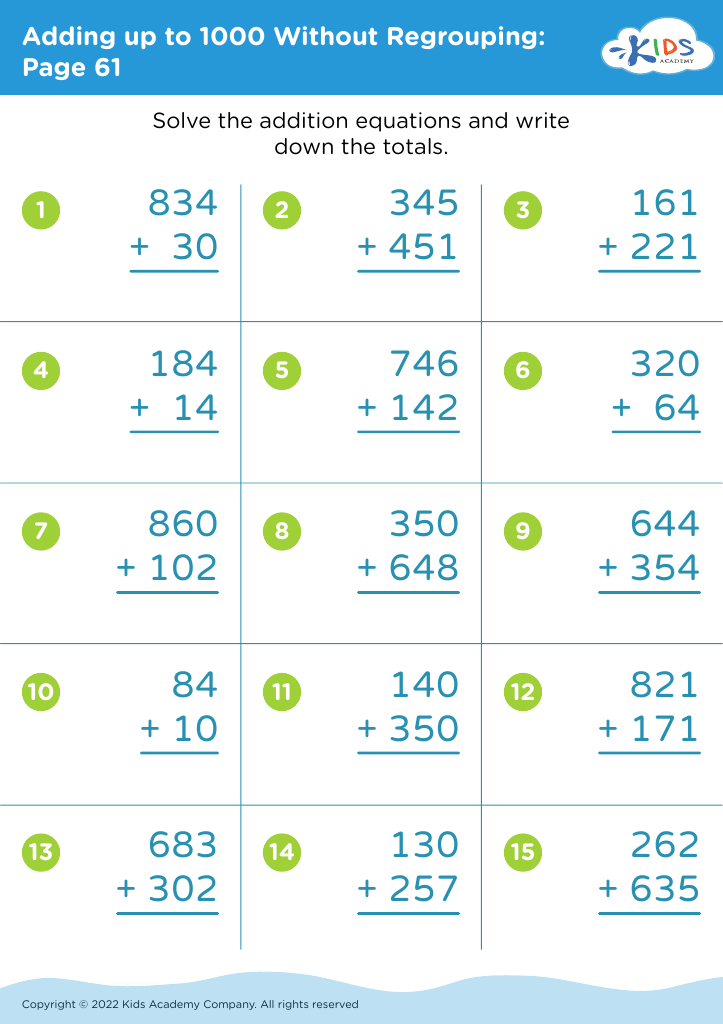
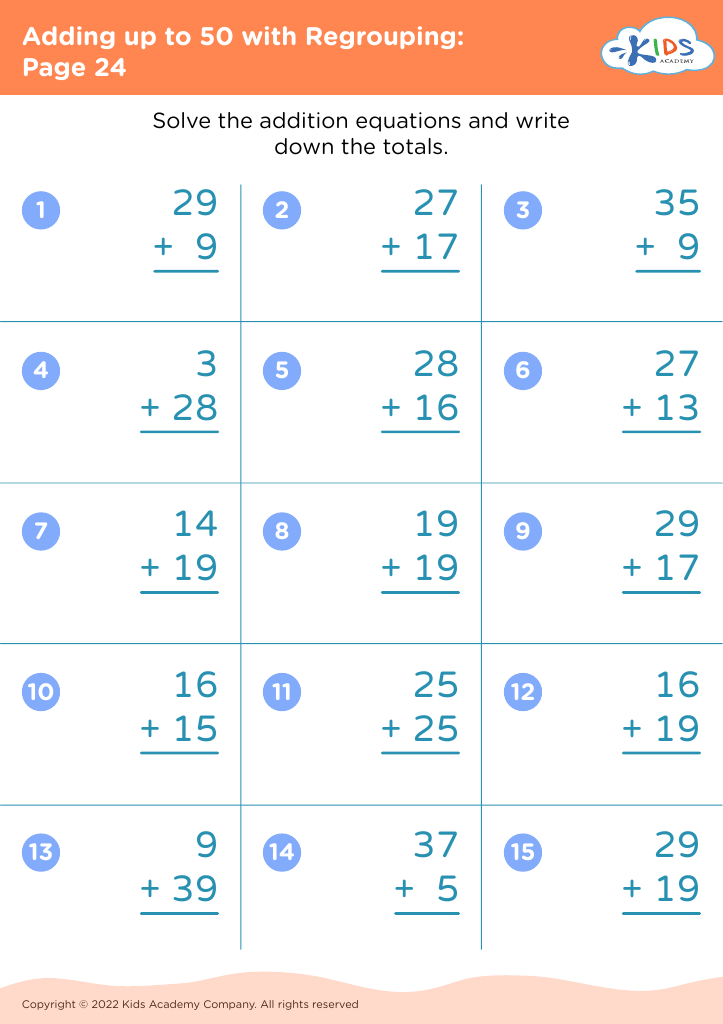
Discover our engaging "Recognizing Shapes Addition & Subtraction Worksheets" tailored for children aged 7-9. These worksheets combine essential math skills with fun shape recognition activities, making learning enjoyable and effective. With colorful illustrations and interactive problems, kids enhance their addition and subtraction abilities while identifying various shapes. Suitable for classroom activities or at-home practice, our worksheets help reinforce math concepts, develop critical thinking, and boost confidence in young learners. Encourage your child's learning journey with varied exercises that promote creativity alongside foundational math skills. Explore the fun of shapes and numbers while getting them excited about math!
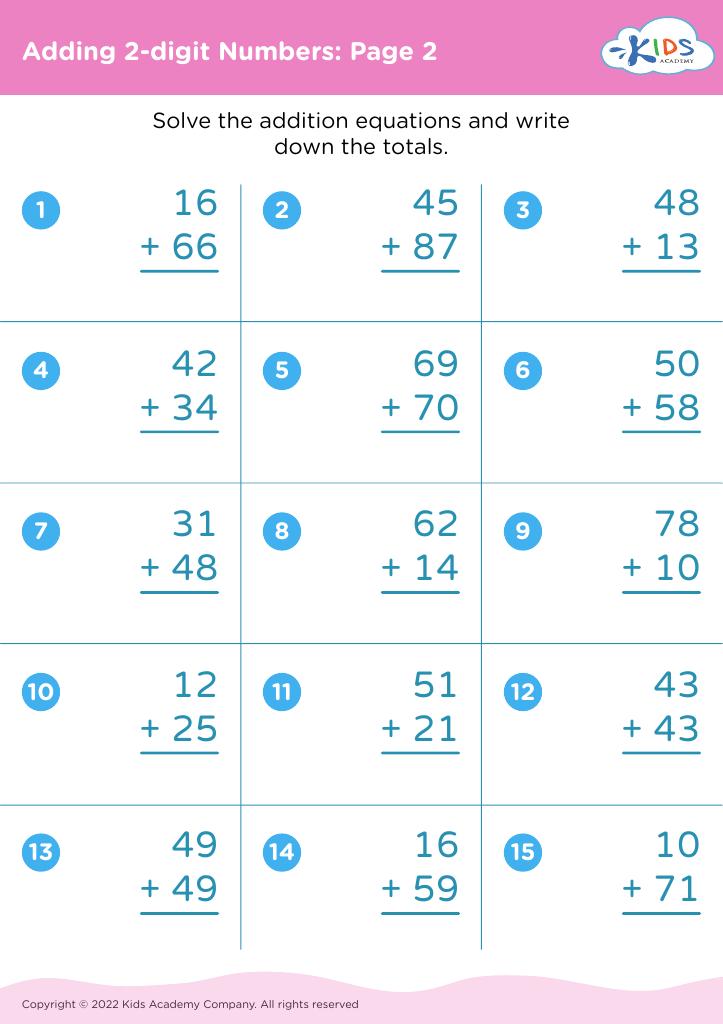
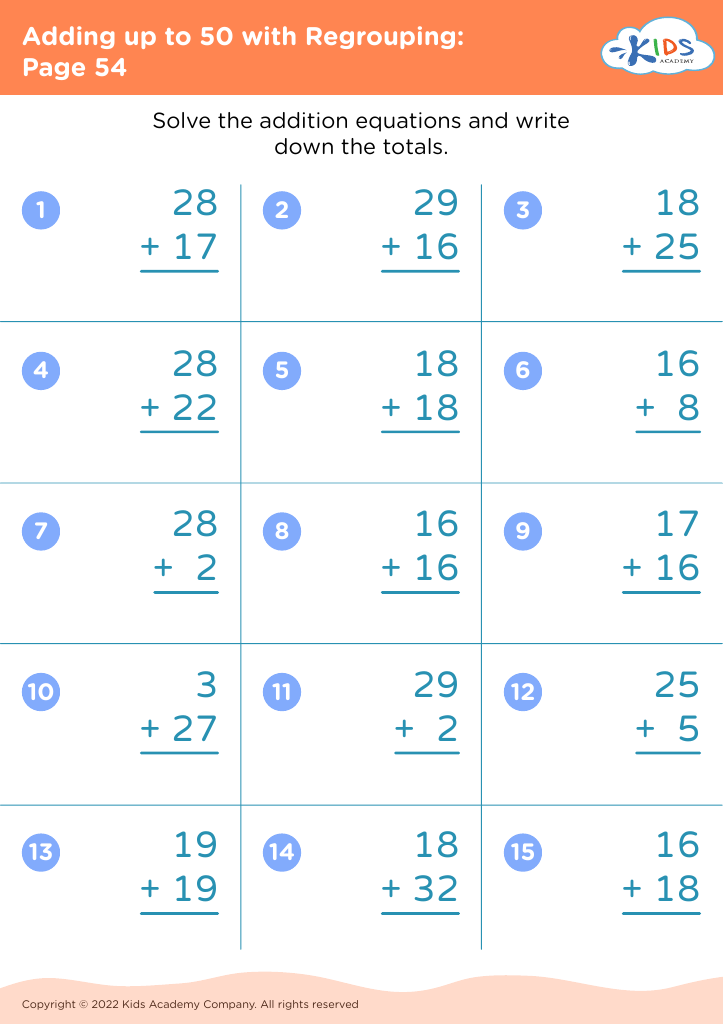
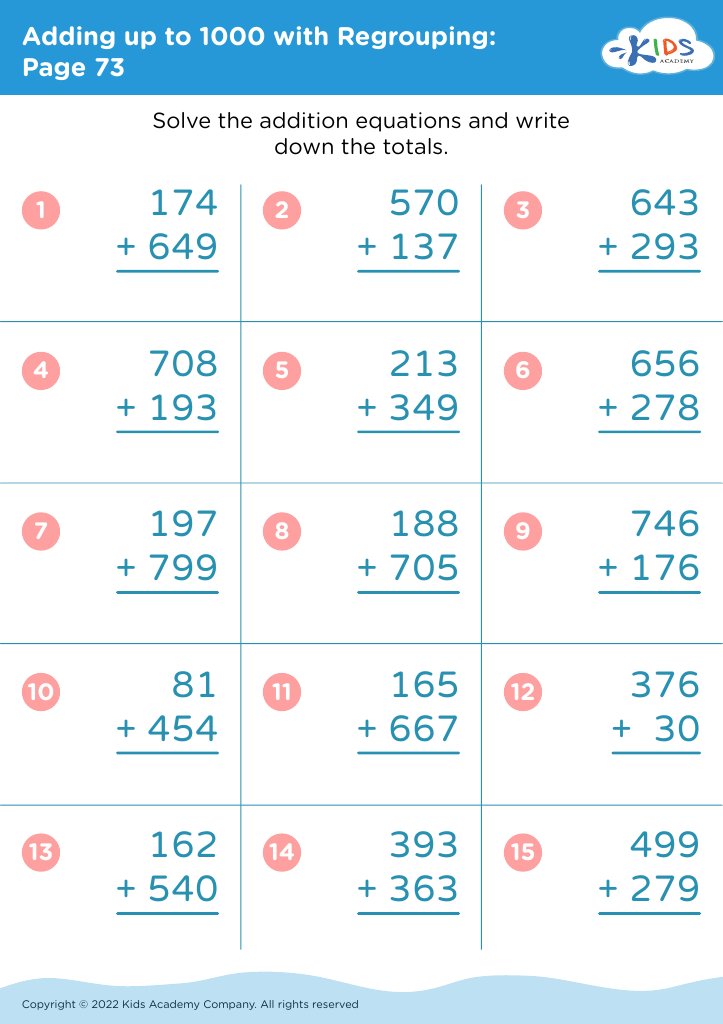
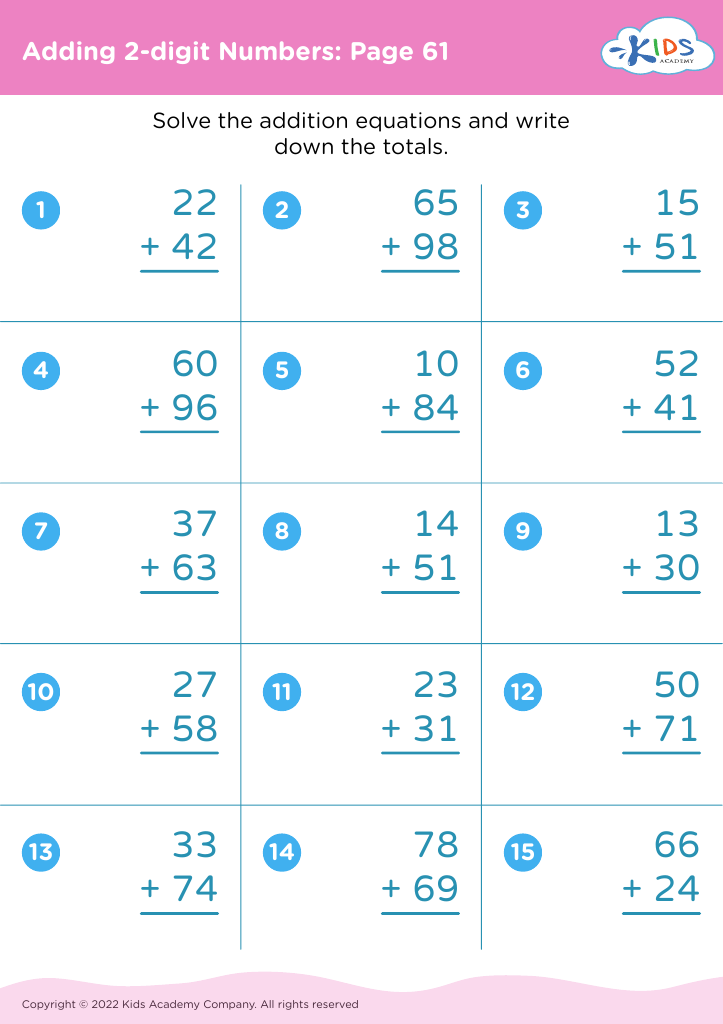
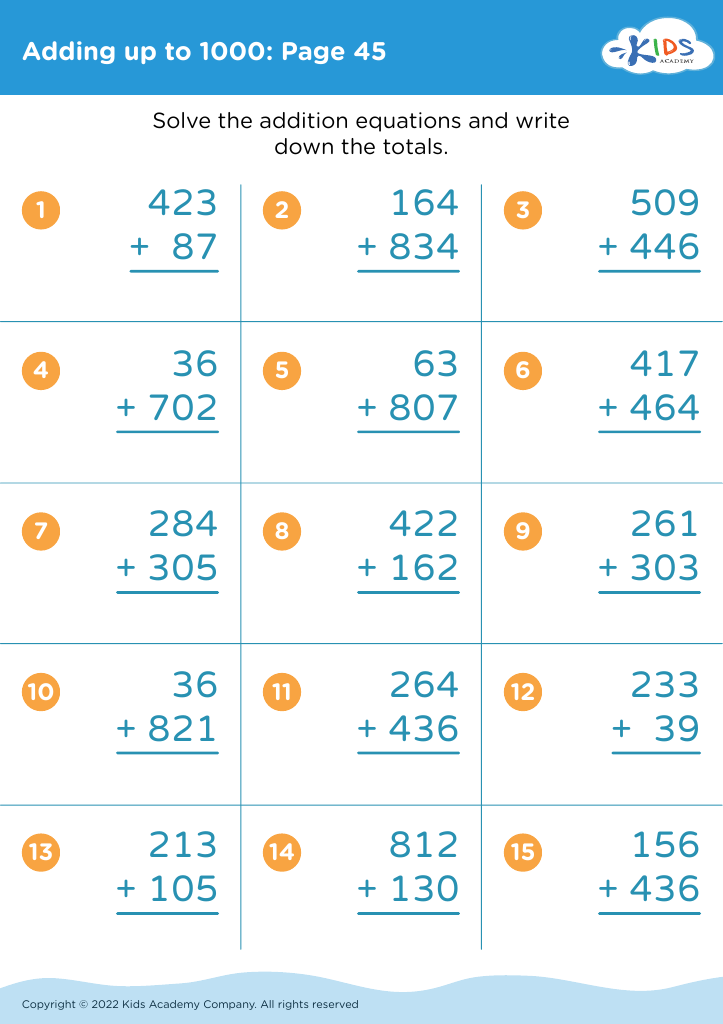
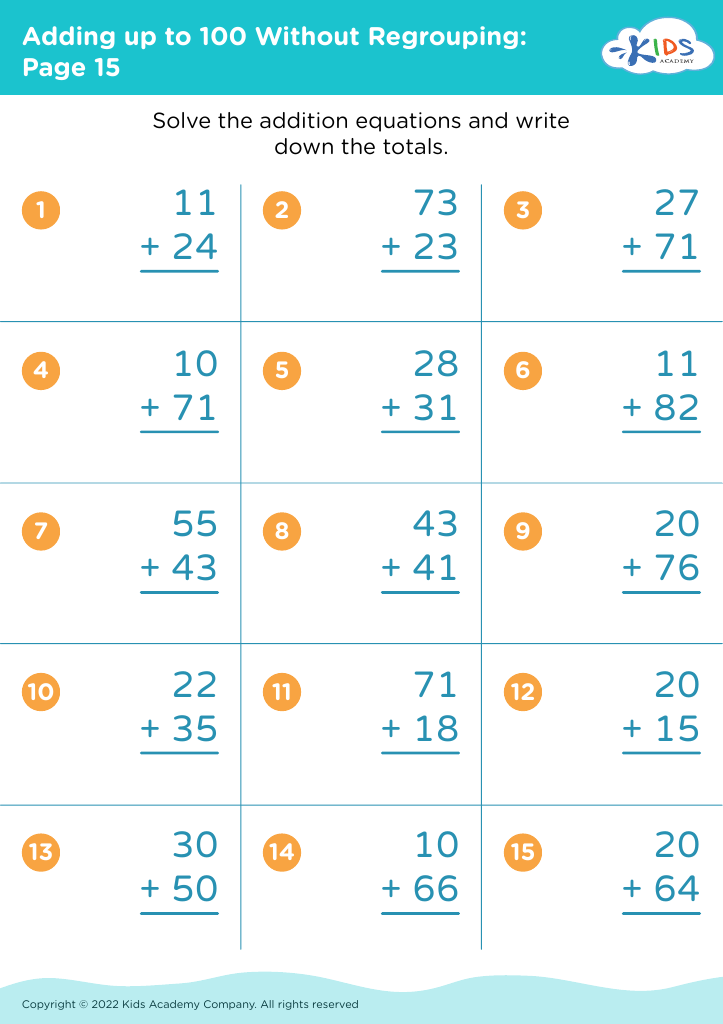
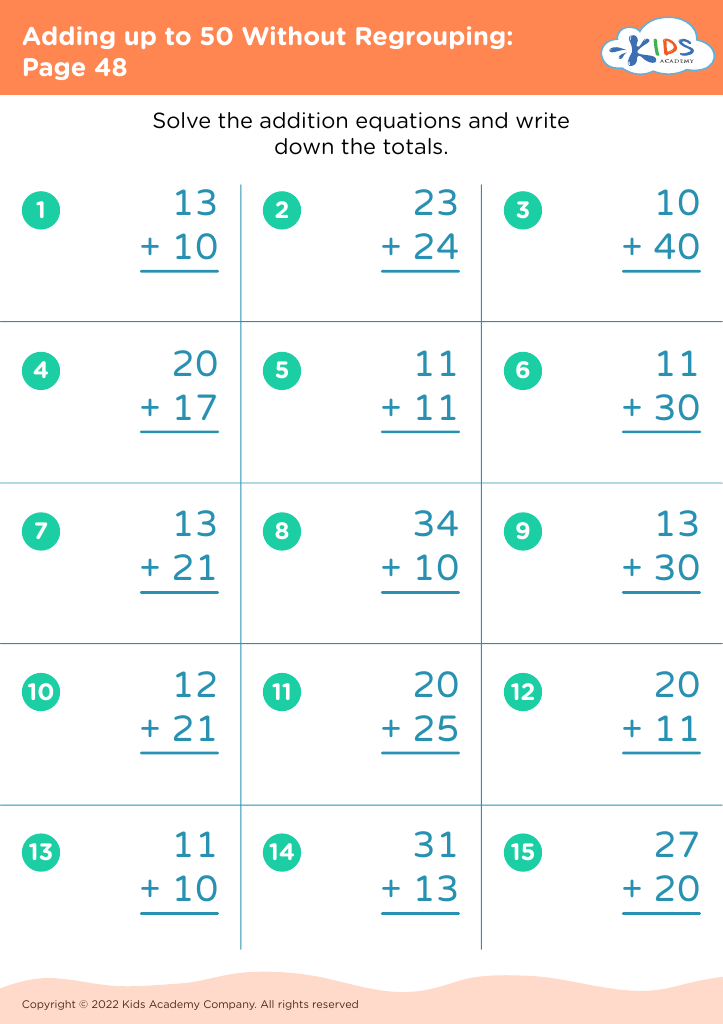
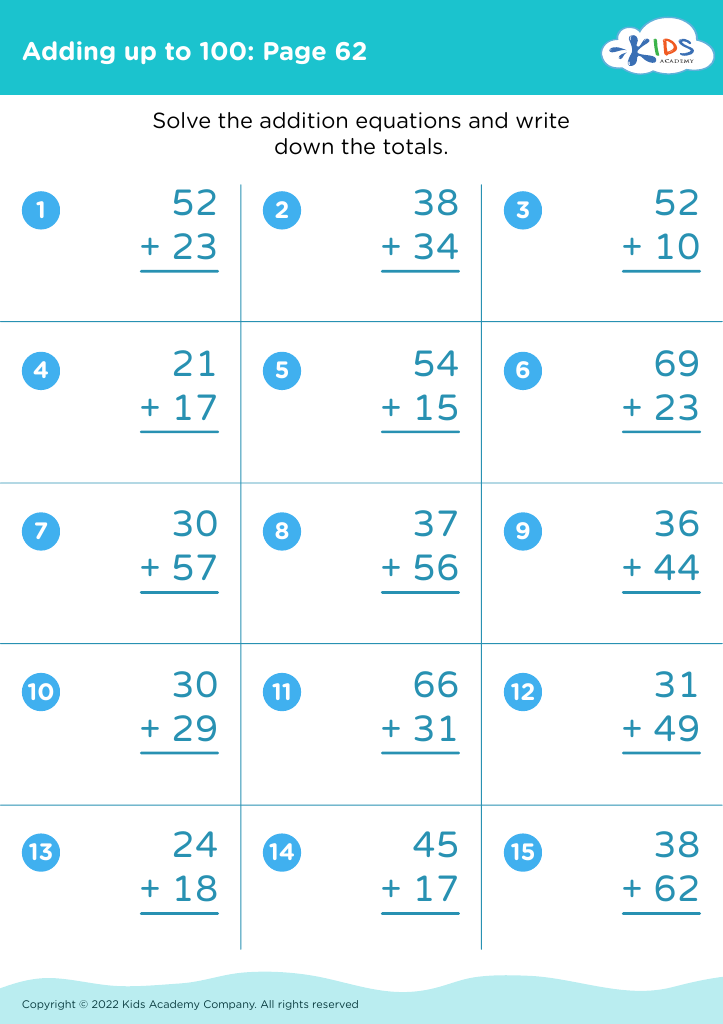








Recognizing shapes and understanding addition and subtraction are fundamental skills for children aged 7 to 9, and both play critical roles in their cognitive development and everyday life.
Firstly, recognizing shapes lays the foundation for spatial awareness, which is essential not only in mathematics but also in art, science, and problem-solving. Children learn to differentiate between 2D and 3D shapes, which helps them understand the world around them. This recognition fosters critical thinking and introduces basic geometry, preparing them for more complex concepts later in their education.
Secondly, addition and subtraction are foundational arithmetic skills that are crucial throughout one’s life. Mastering these operations enhances children's number sense and lays the groundwork for future math skills such as multiplication, division, and more advanced problem-solving. When children are confident with addition and subtraction, they can tackle real-world scenarios like budgeting, planning, and measuring, helping develop a practical understanding of math in daily life.
Ultimately, parents and teachers should prioritize these skills to nurture well-rounded, capable individuals who are prepared for academic challenges and confident in their ability to understand and interact with the world around them. By ensuring children master shape recognition and basic operations, we equip them with essential tools for lifelong learning.








