Shape Recognition Geometry Worksheets for Ages 7-9 - Page 2
43 filtered results
-
From - To
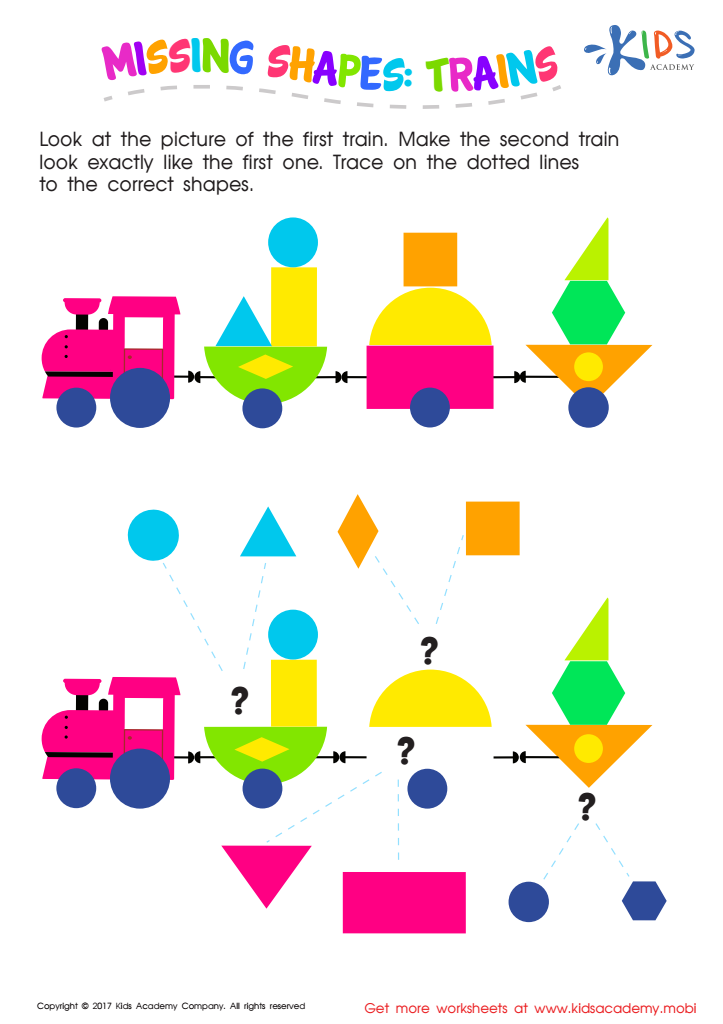
Missing Shapes: Trains Worksheet











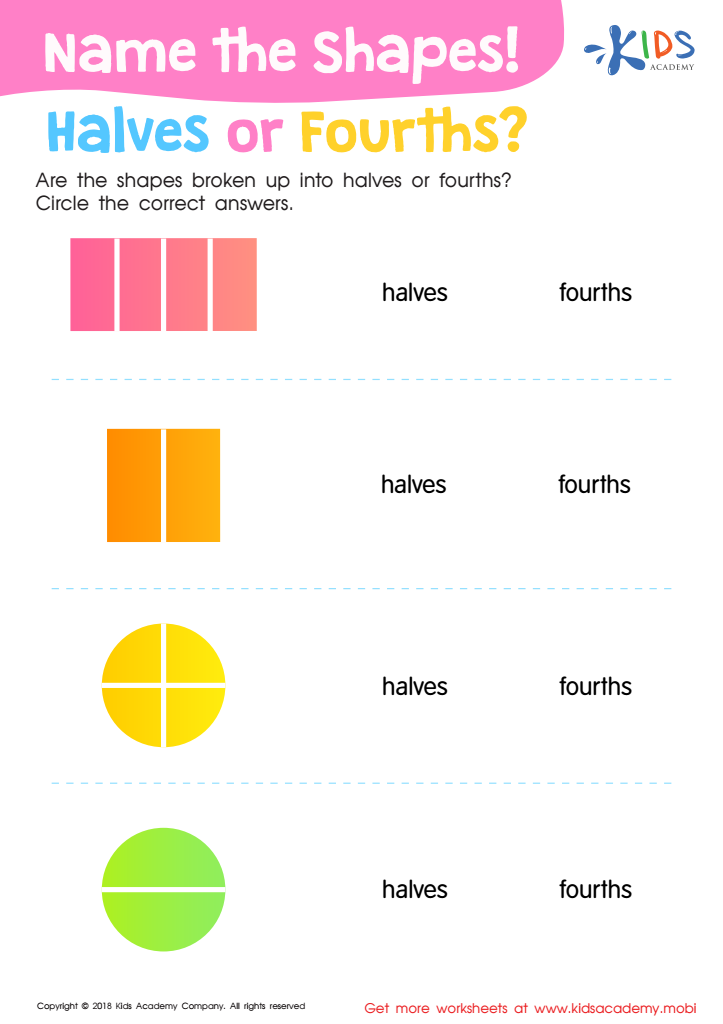
Name the Shapes Halves or Fourths? Worksheet
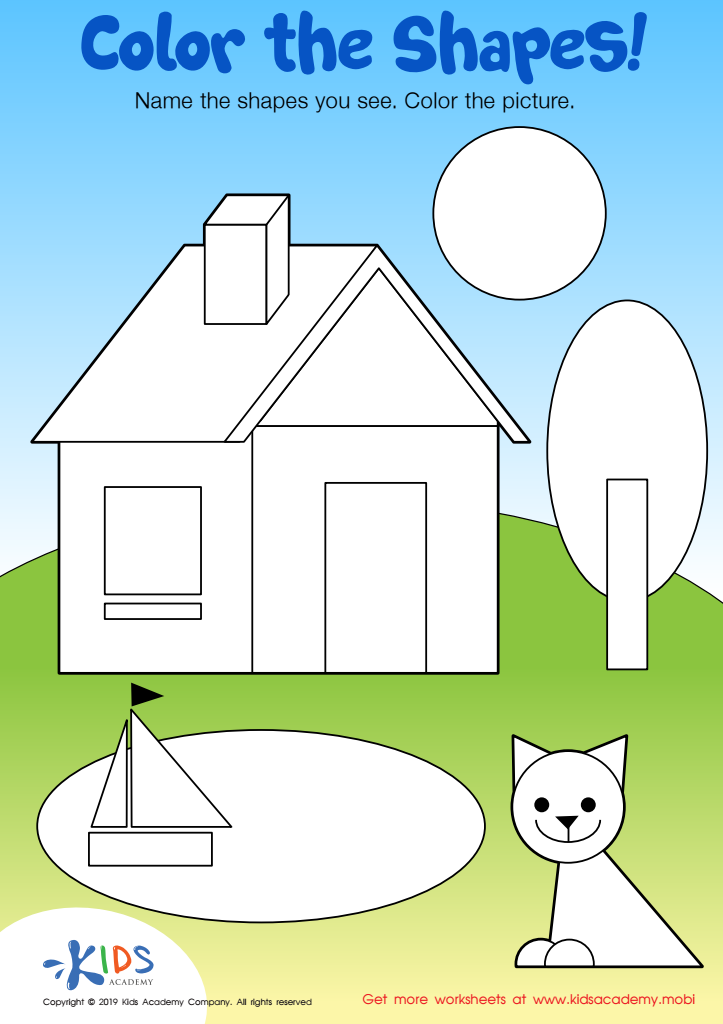
Color the Shapes Worksheet
 Assign to My Students
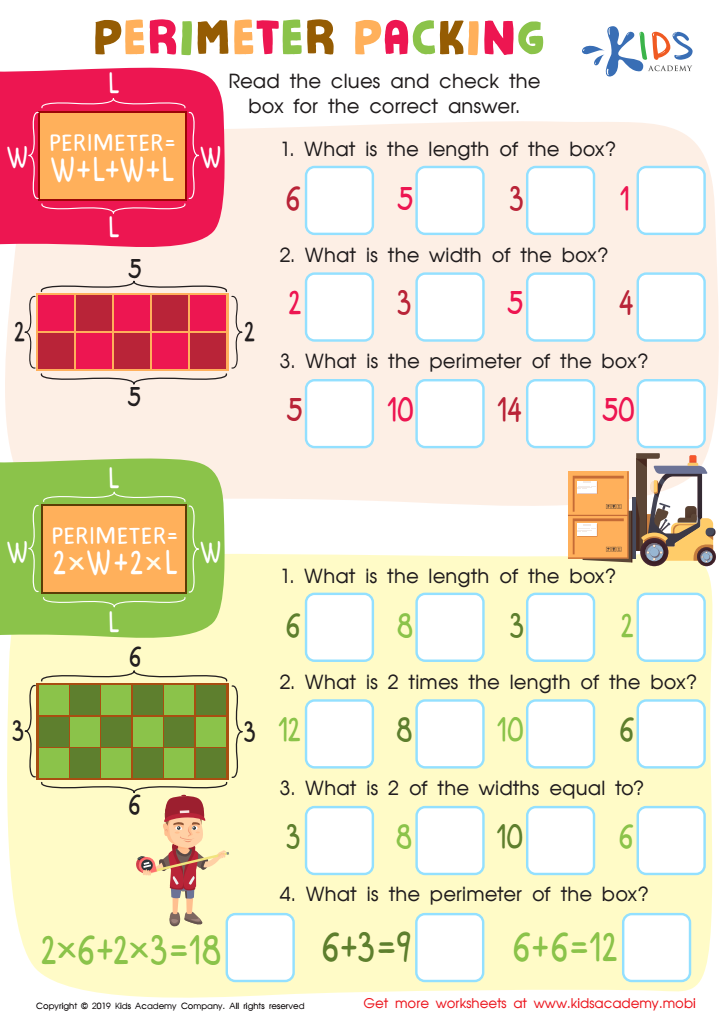
Perimeter Parking Worksheet
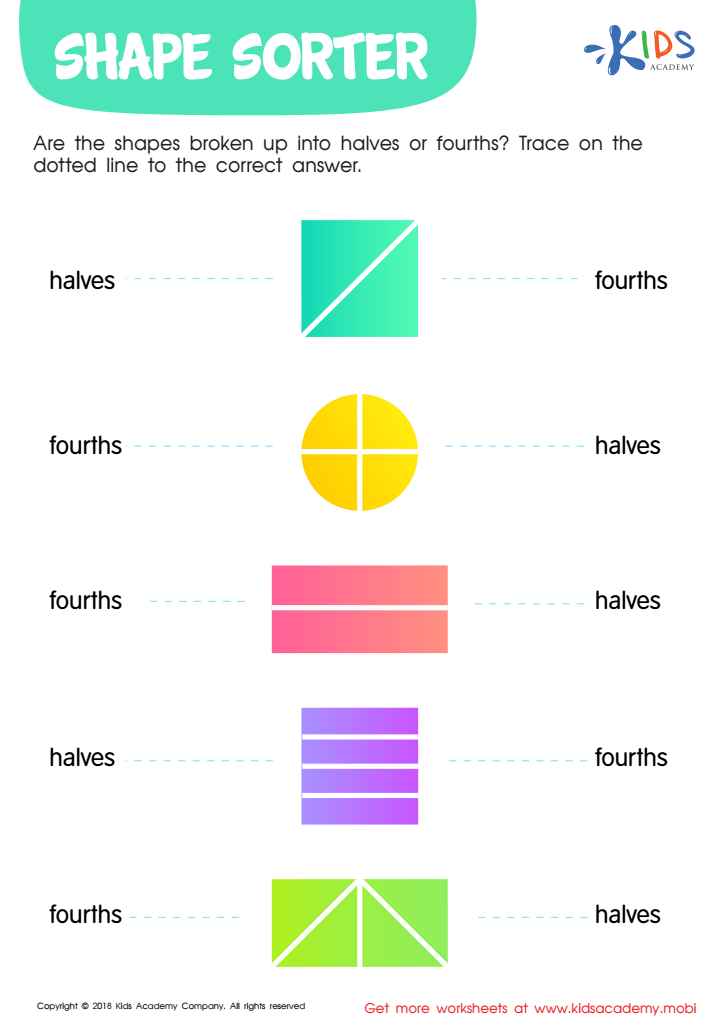
Shape Sorter Worksheet
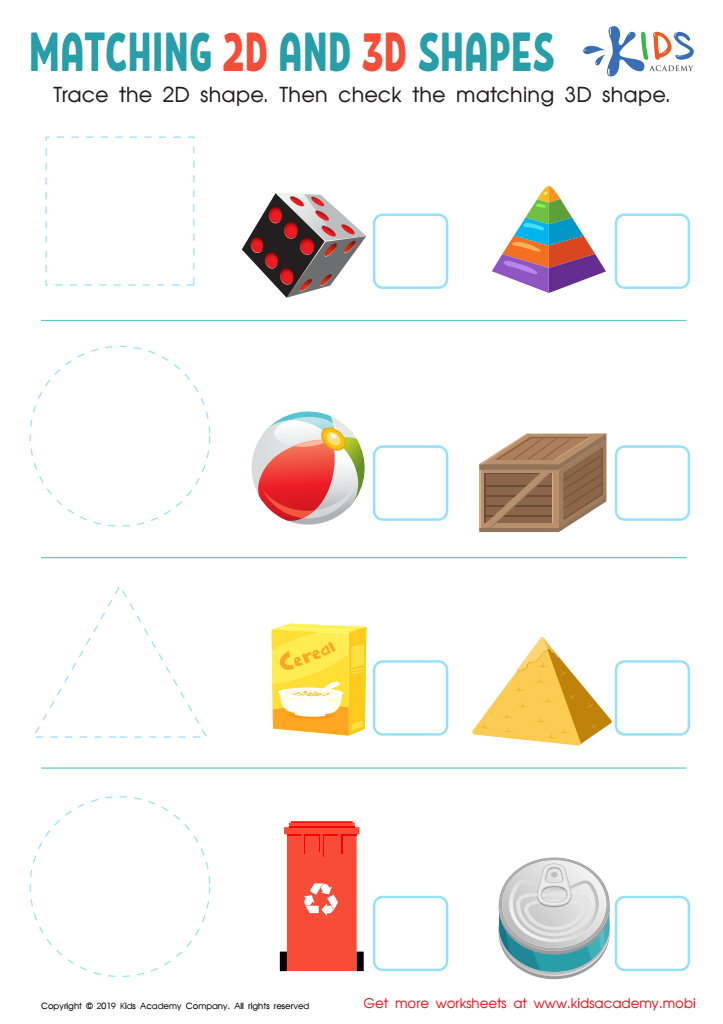
Matching 2D and 3D Shapes Worksheet
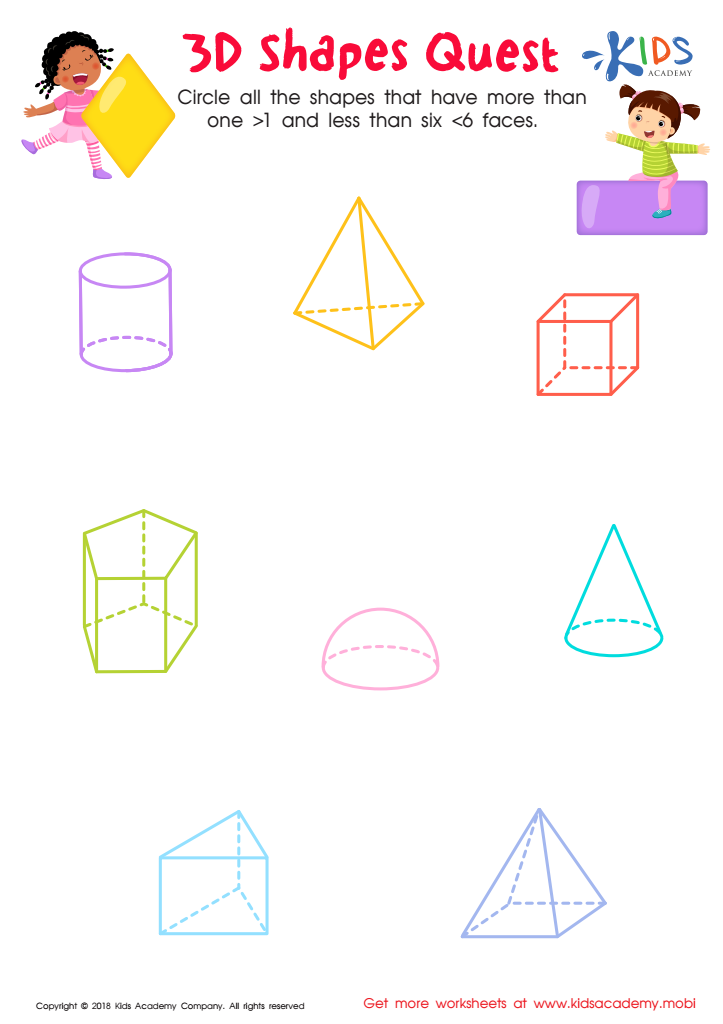
3D Shapes Quest Worksheet
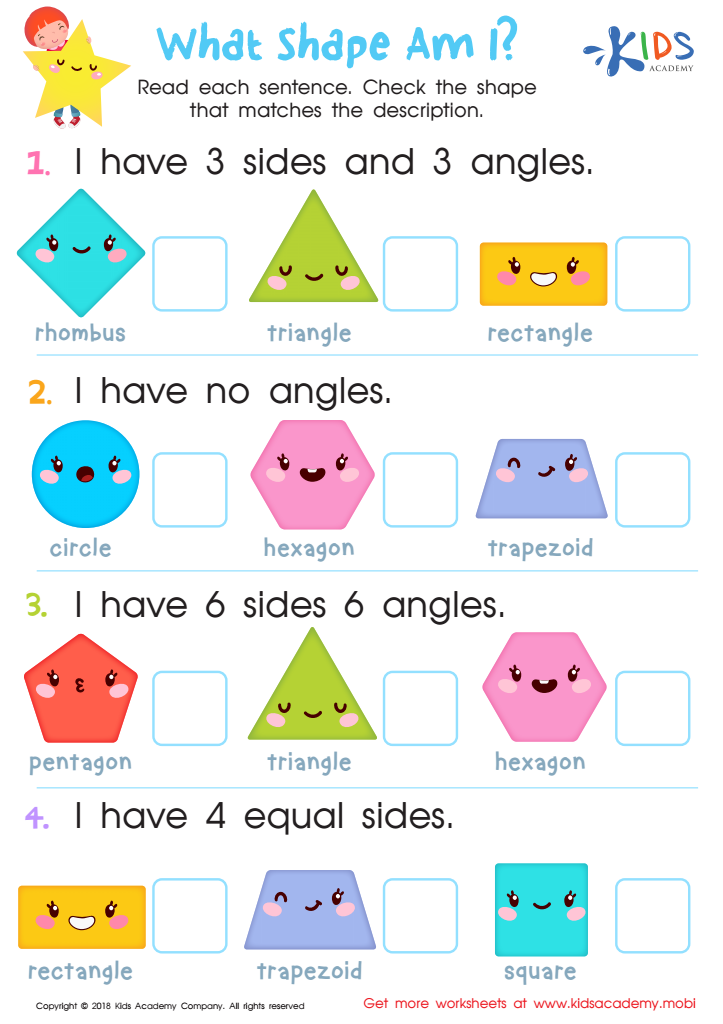
What Shape Am I? Worksheet
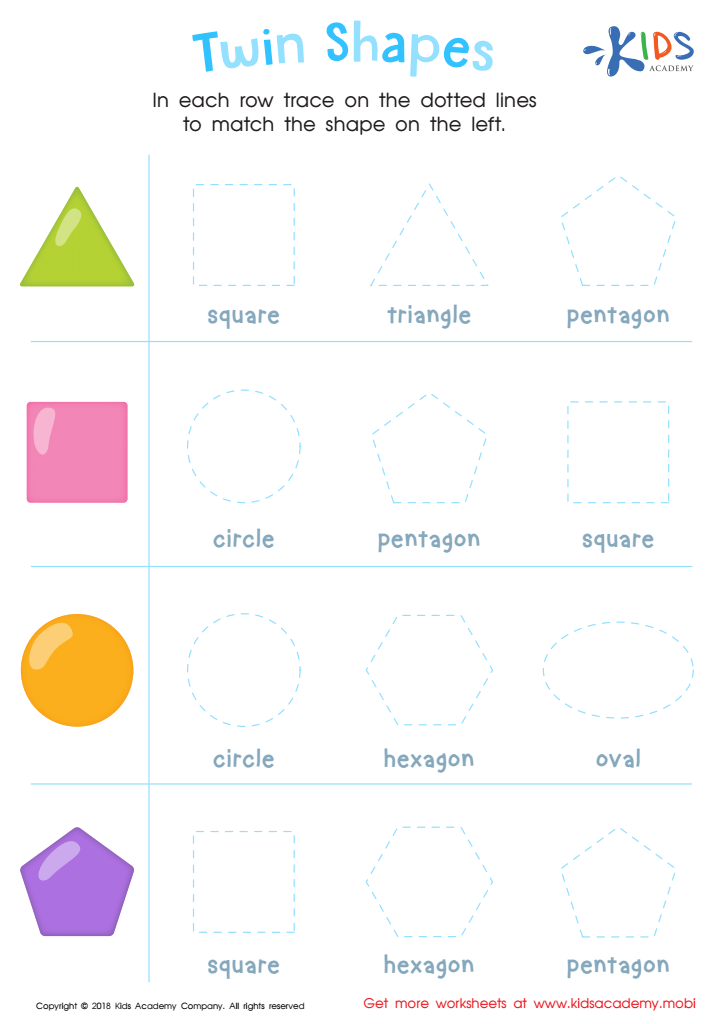
Twin Shapes Dot-to-Dot Worksheet
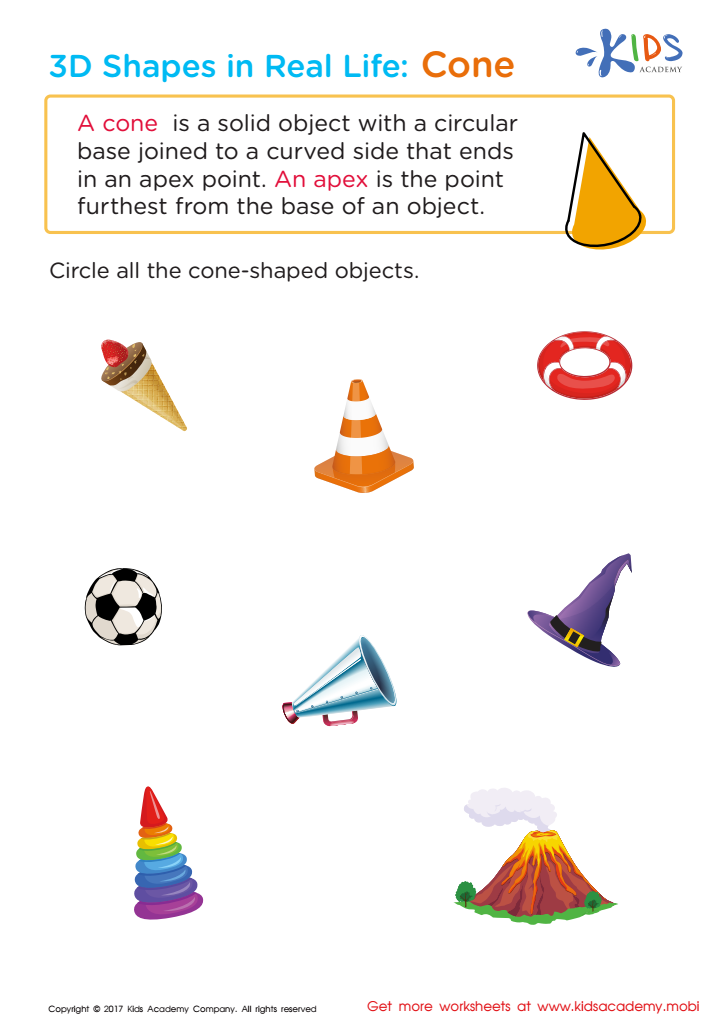
Shapes in Real Life: Cone Worksheet
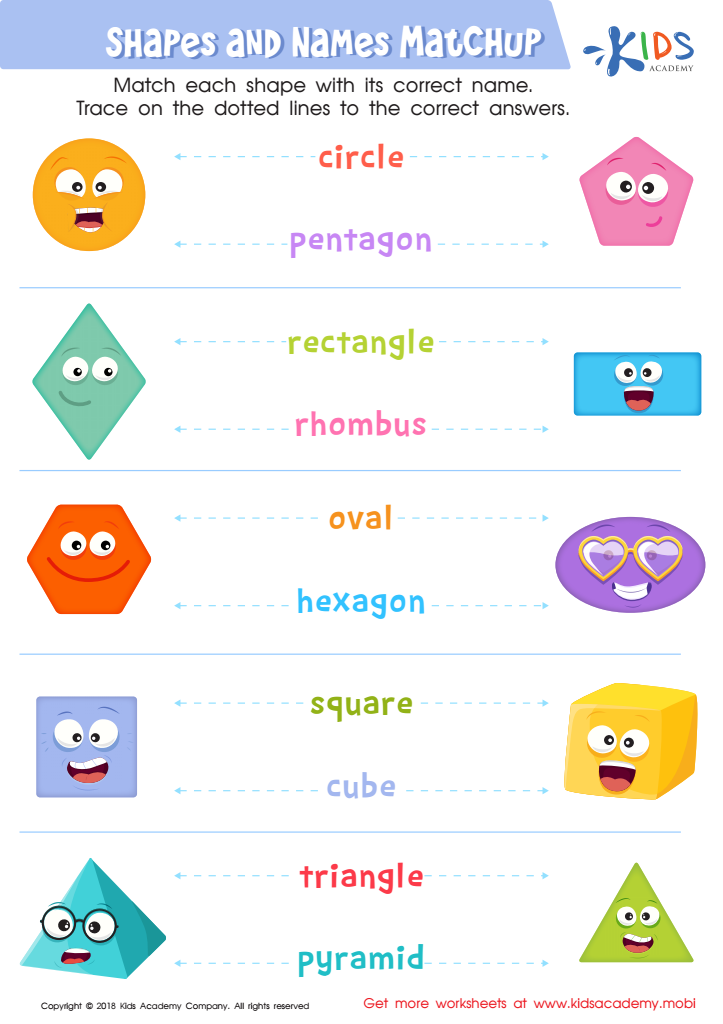
Shapes and Names Matchup Worksheet
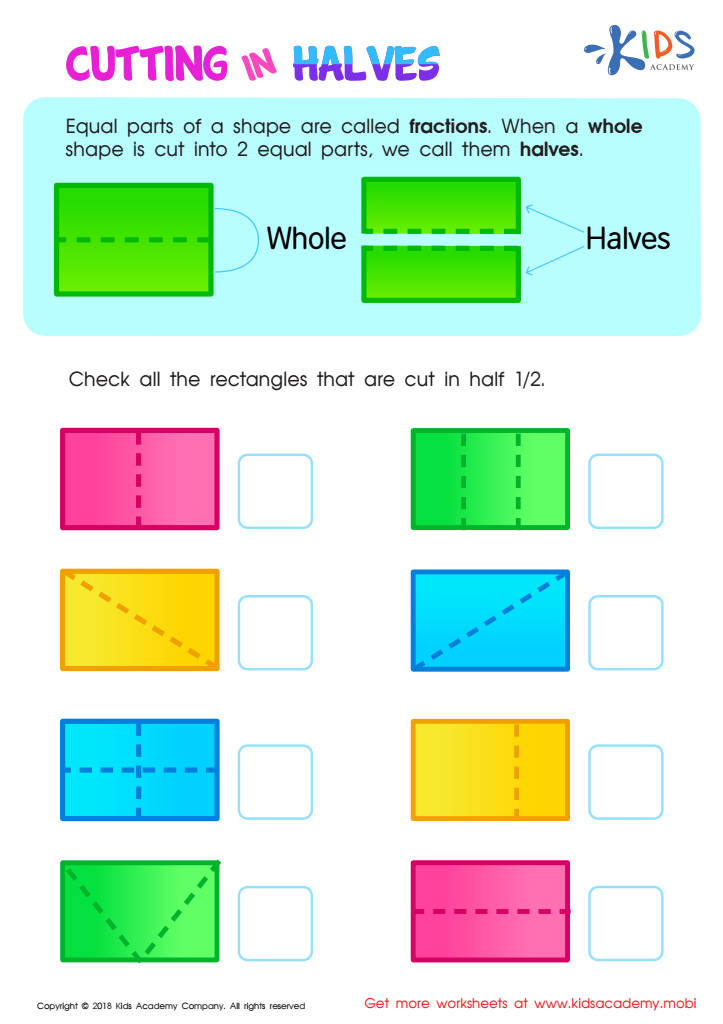
Cutting in Halves Worksheet
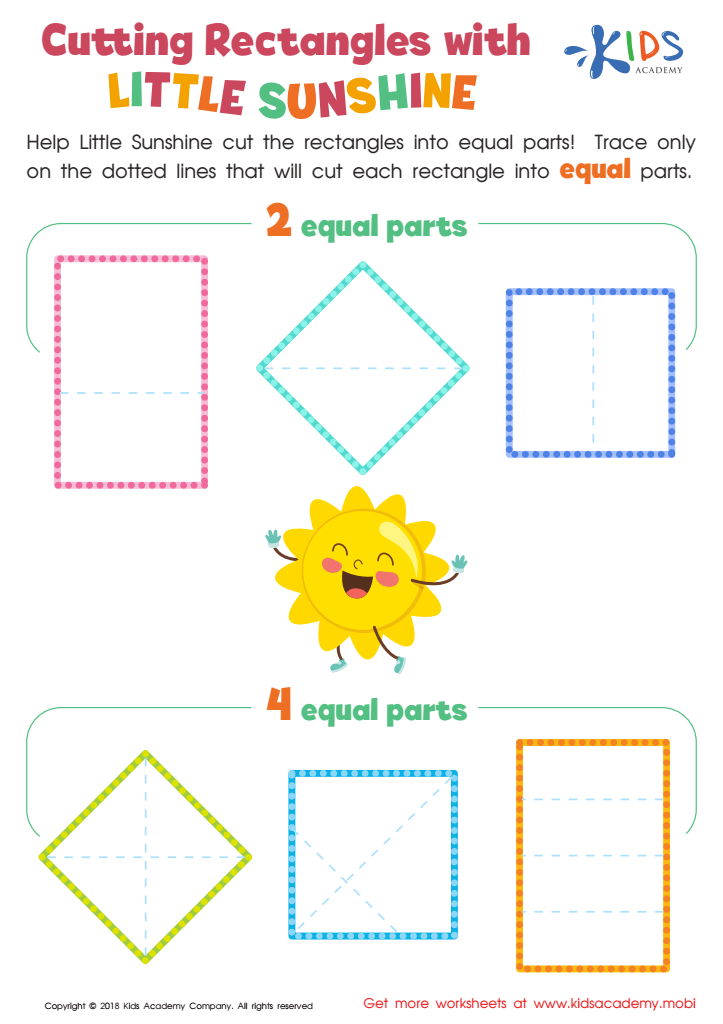
Cutting Rectangles with Little Sunshine Worksheet
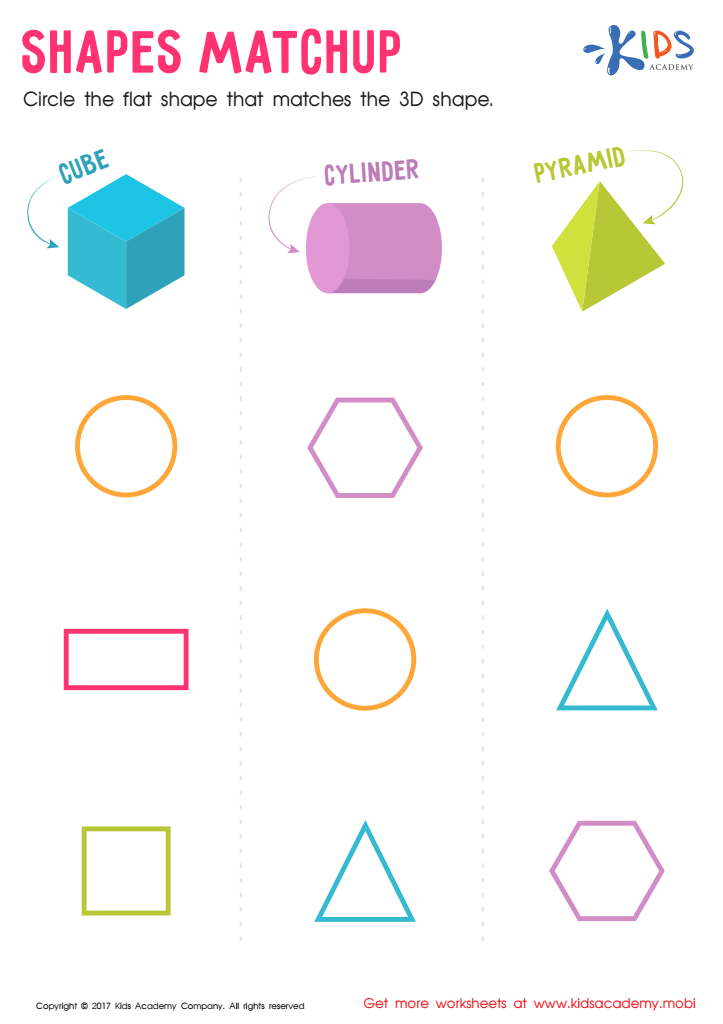
Shapes Matchup Worksheet
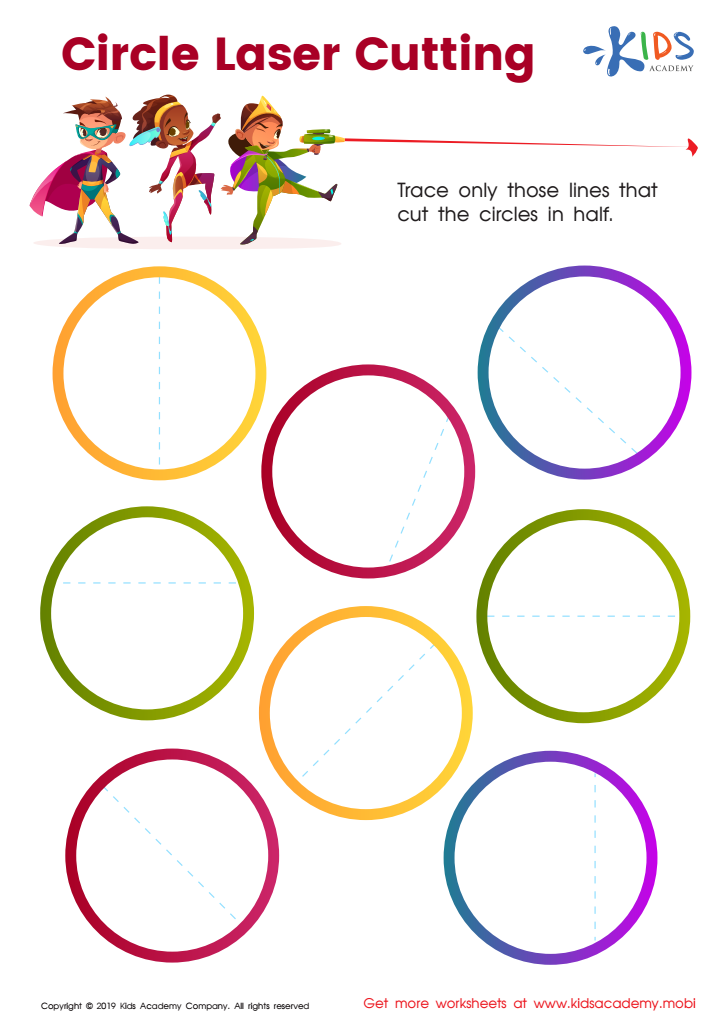
Circle Laser Cutting Worksheet
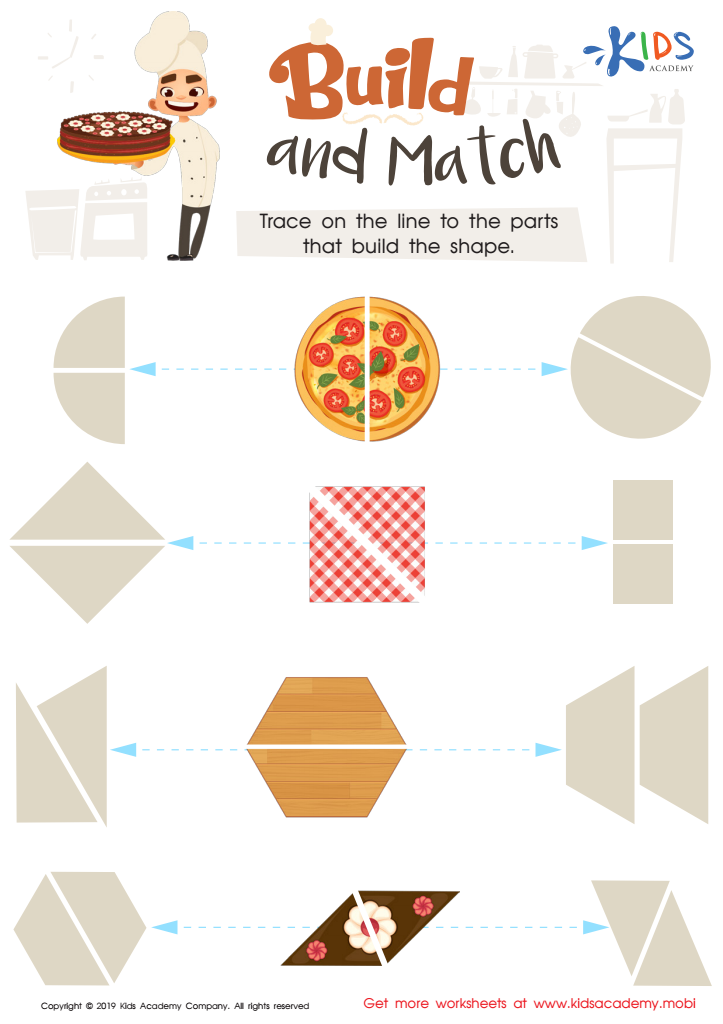
Build and Match Worksheet
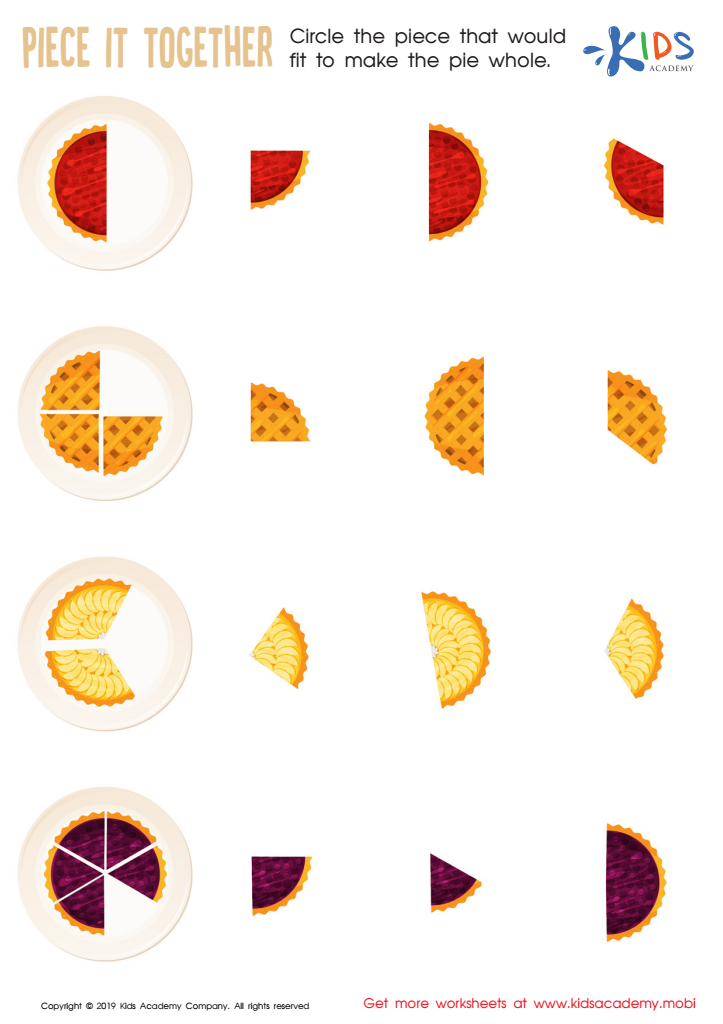
Piece it together Worksheet
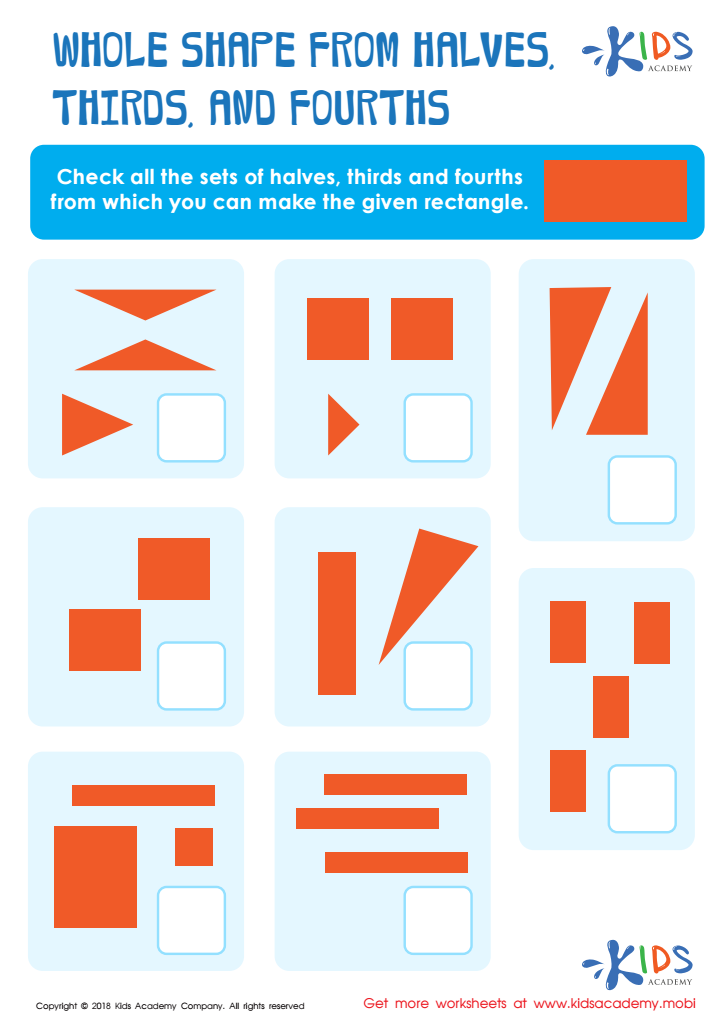
Whole Shape from Halves, Thirds and Fourths Worksheet
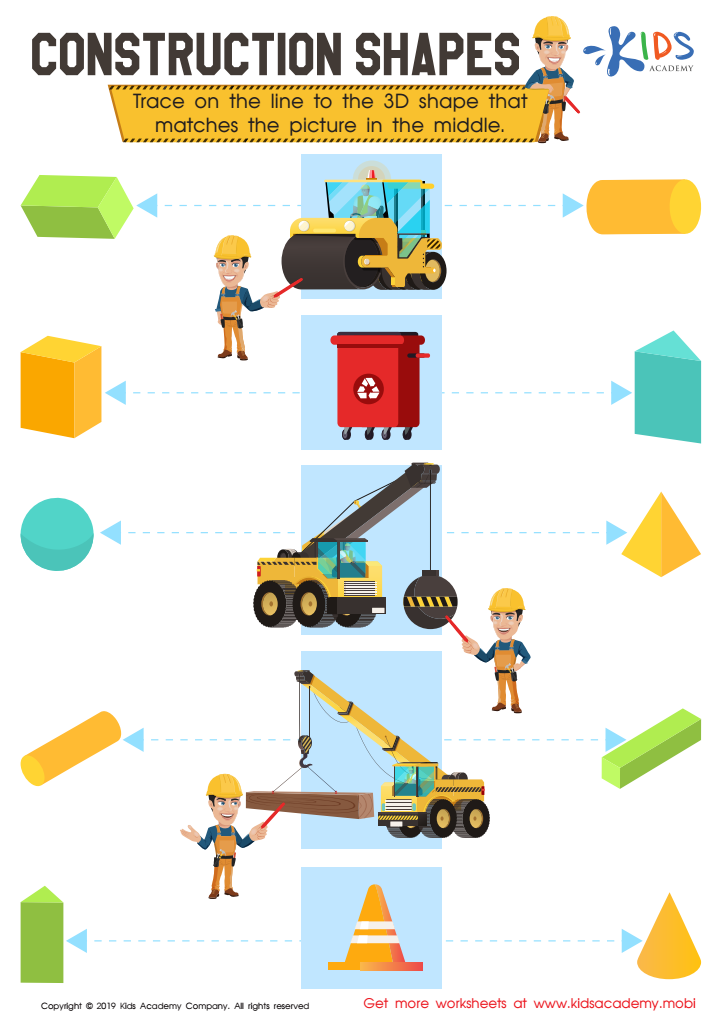
Construction Shapes Worksheet








Shape recognition geometry is essential for young children, particularly those aged 7-9, as it lays the foundation for numerous cognitive and academic skills. At this developmental stage, children are beginning to grasp more complex mathematical and spatial concepts. Understanding shapes and their properties enhances their spatial awareness, which is critical not just for geometry in higher grades but also for everyday activities such as navigation, puzzle-solving, and even sports.
Recognizing and distinguishing between different shapes helps develop essential skills like categorization, comparison, and problem-solving. When children learn to identify shapes, they are also learning the basics of awareness, symmetry, and balance, all of which contribute to better visual-spatial reasoning. These skills are directly linked to improved performance in STEM fields (Science, Technology, Engineering, and Mathematics) because they form the building blocks for more advanced topics like geometry, physics, and engineering.
Furthermore, integrating shape recognition into playful activities such as drawing, cutting paper outlines, or building with blocks makes learning enjoyable and fosters creativity. Engaging children in such hands-on experiences ensures that they develop a positive attitude towards learning. Teachers and parents who emphasize shape recognition lay the groundwork for their children’s future academic success and holistic development.








