Multiplication practice Math Worksheets for Ages 7-9 - Page 2
74 filtered results
-
From - To
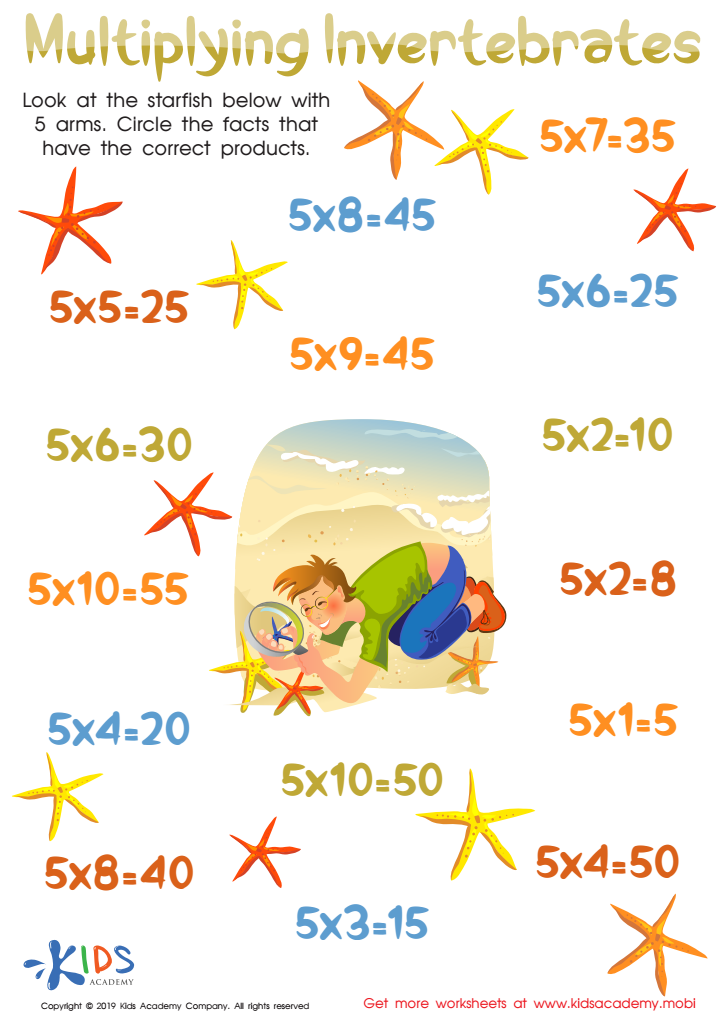
Multiplying Invertebrates Worksheet
 Assign to My Students
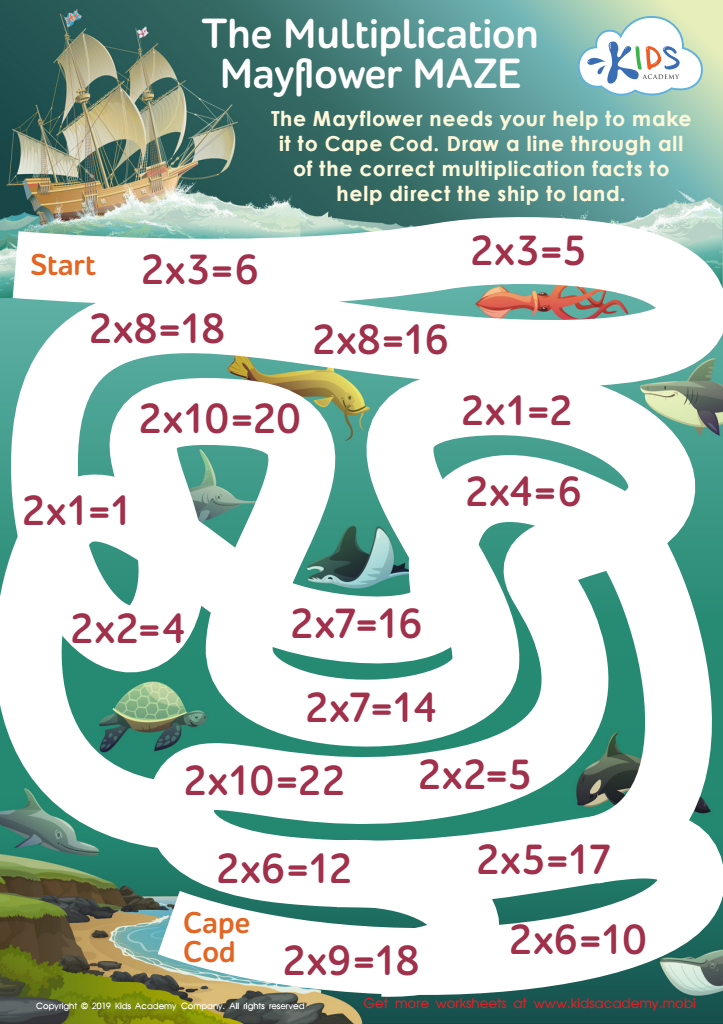
The Multiplication Mayflower Maze Worksheet
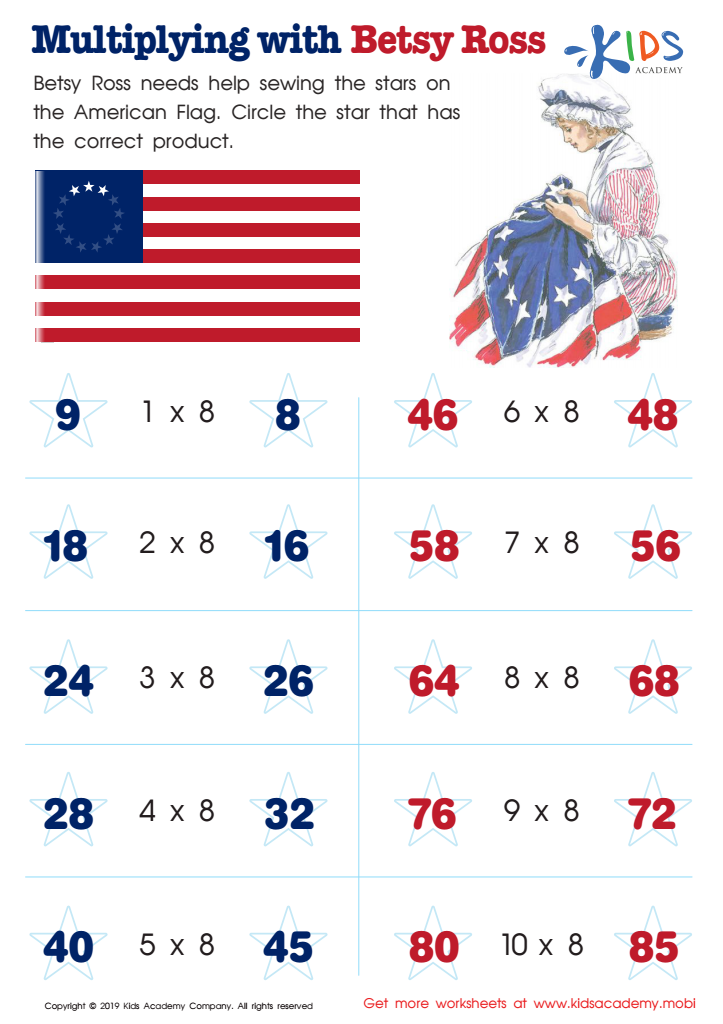
Multiplying with Betsy Ross Worksheet
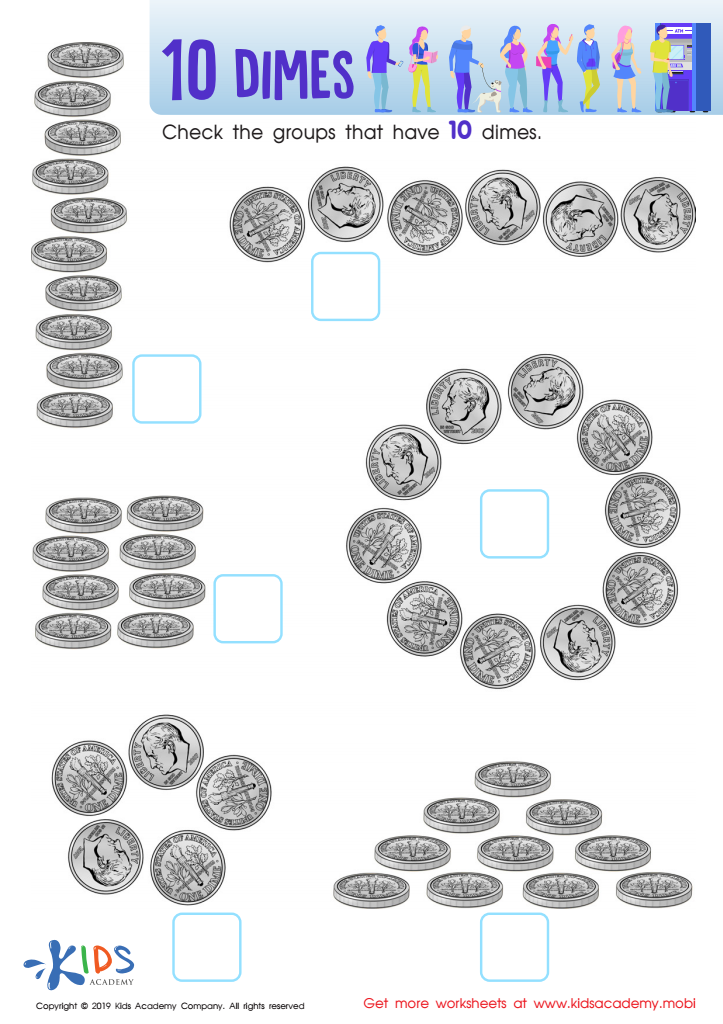
10 Dimes Worksheet
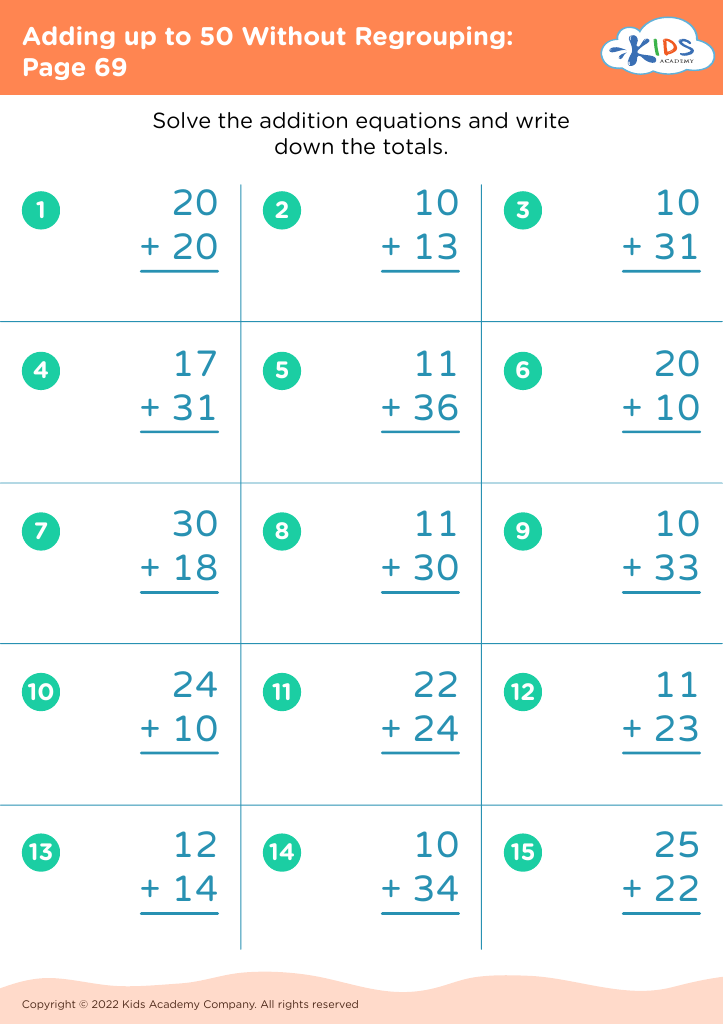
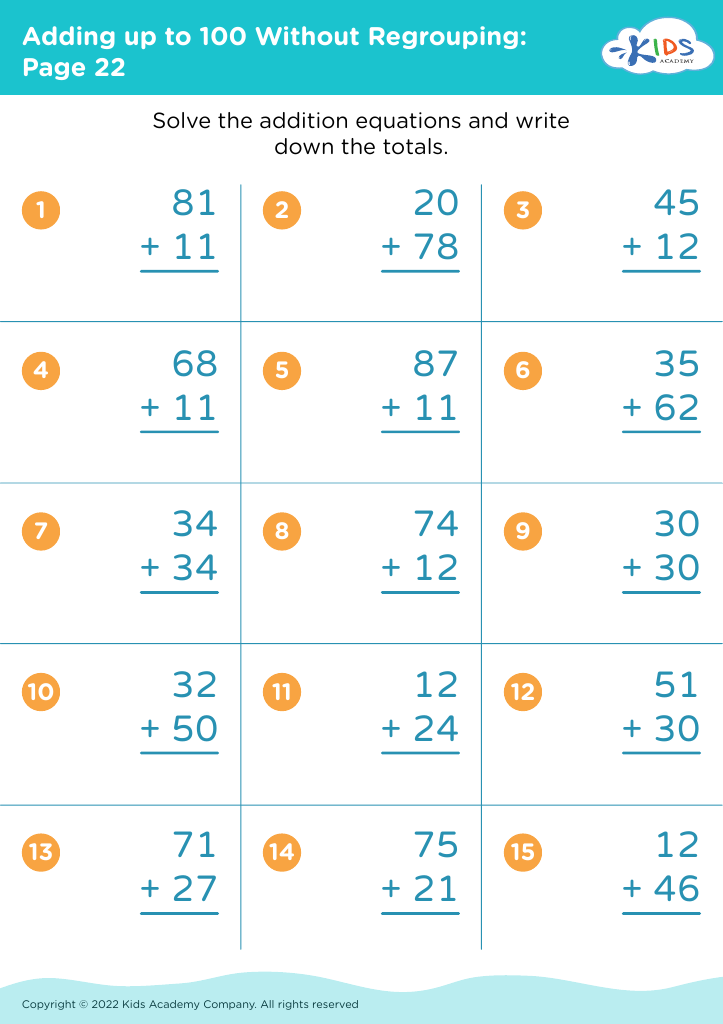
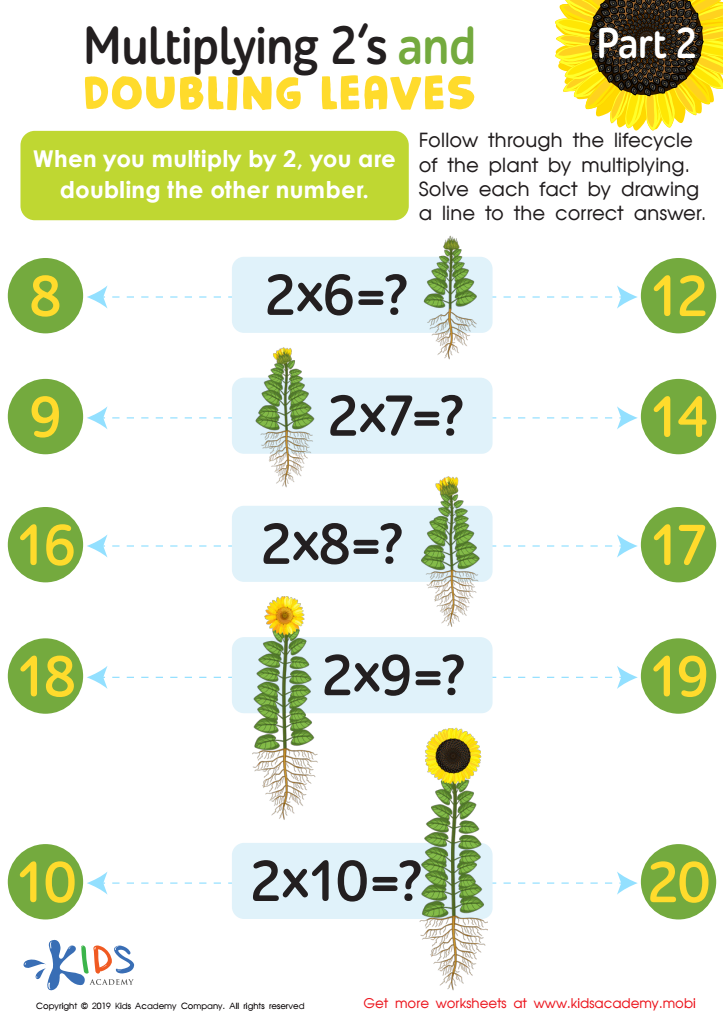
Multiplying 2’s and Doubling Leaves Part 2 Worksheet
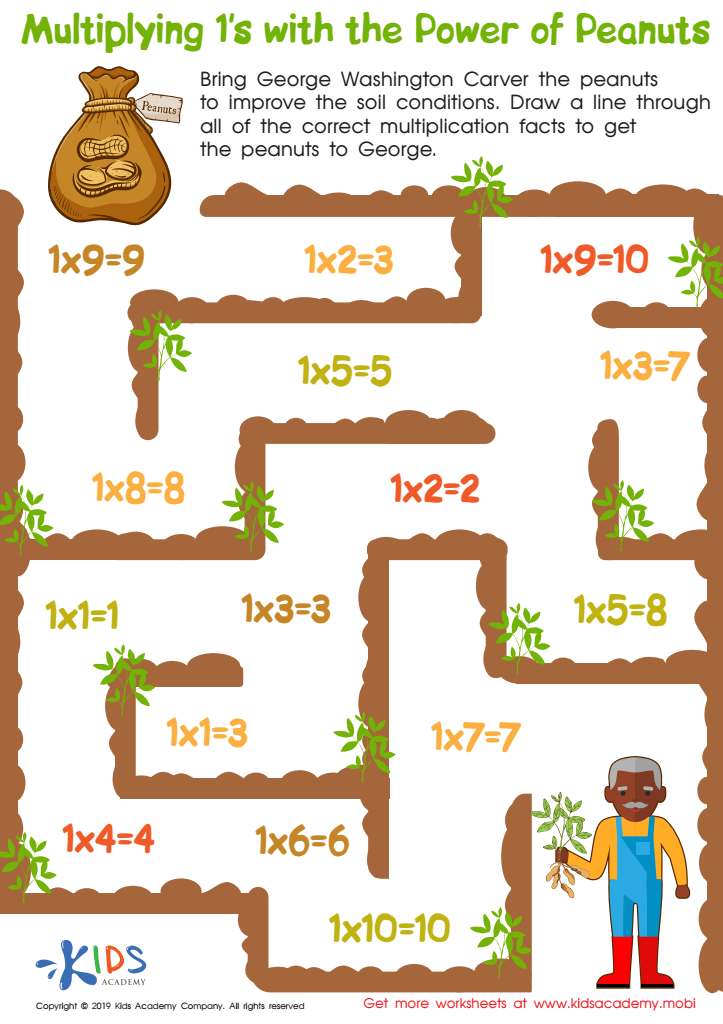
Multiplying 1’s With the Power of Peanuts Worksheet
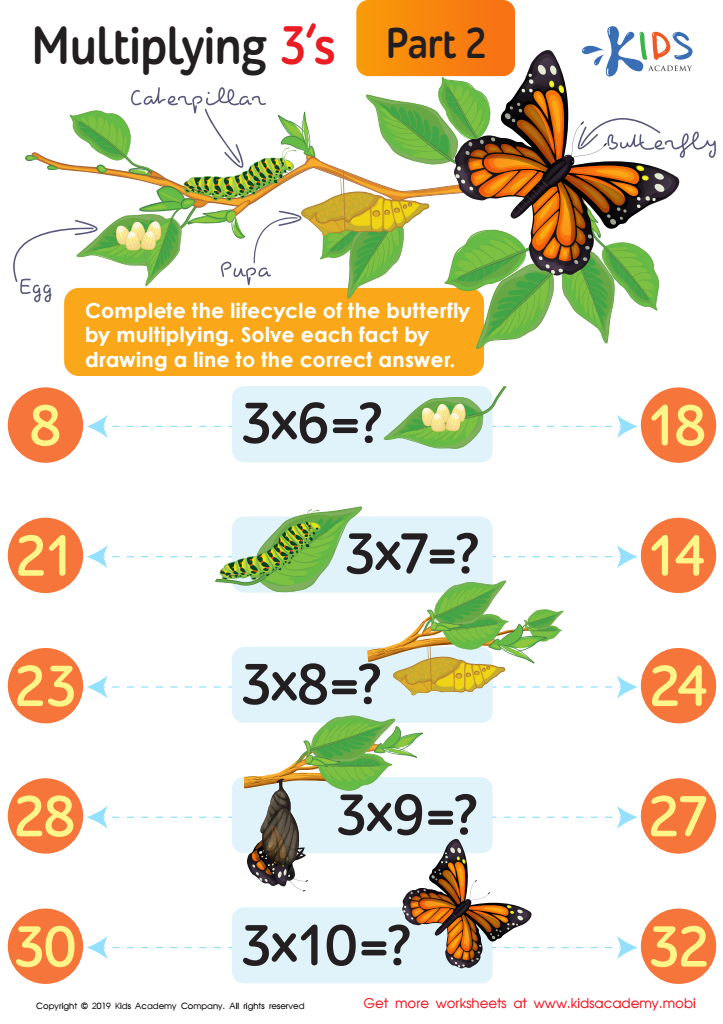
Multiplying 3s Part 2 Worksheet
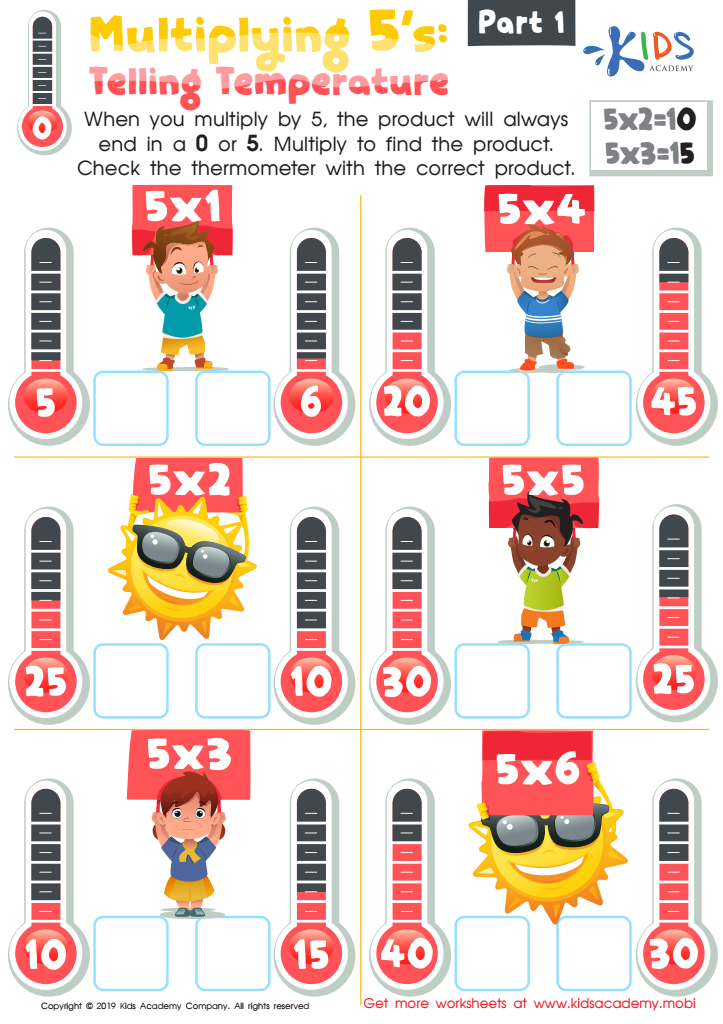
Multiplying 5’s: Telling Temperature Worksheet
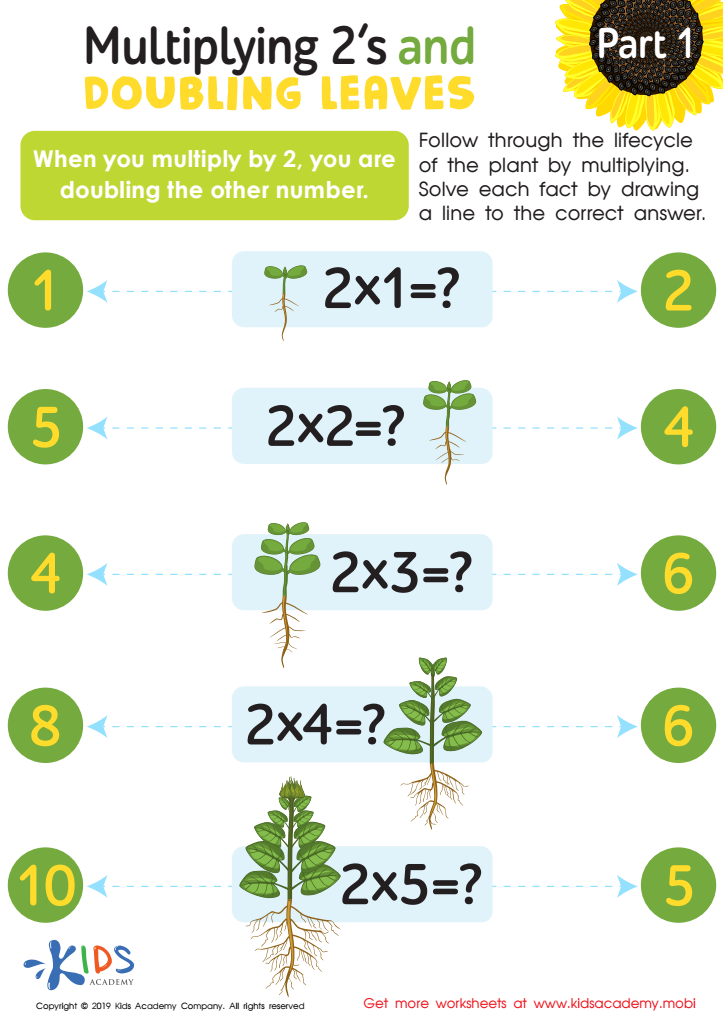
Multiplying 2’s and Doubling Leaves Part 1 Worksheet
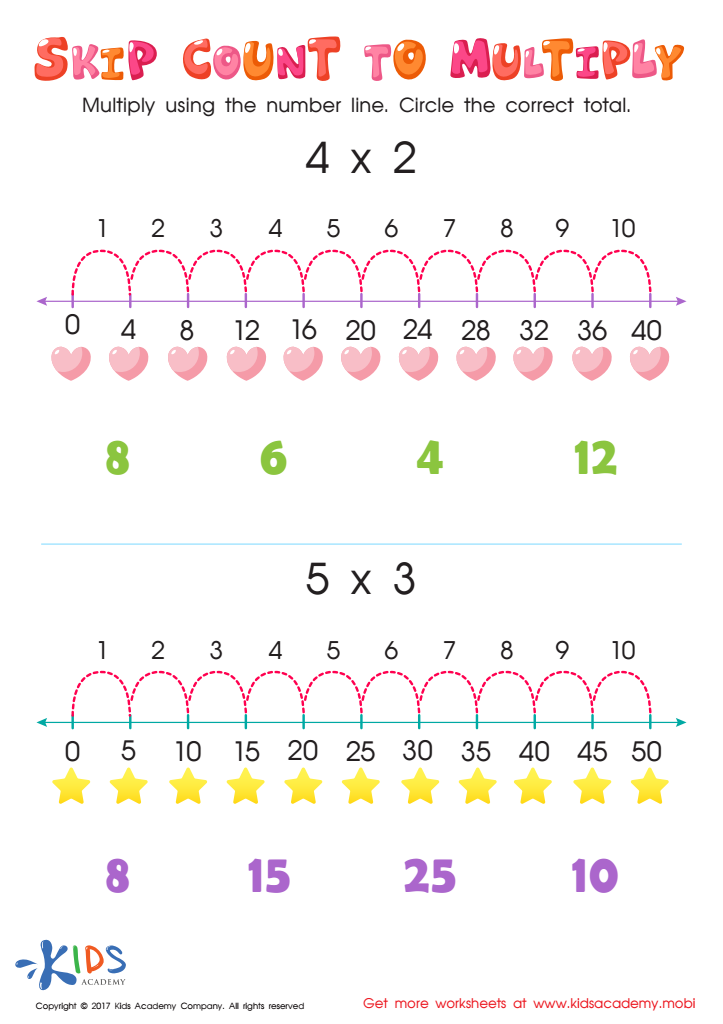
Skip Count Multiplication Worksheet
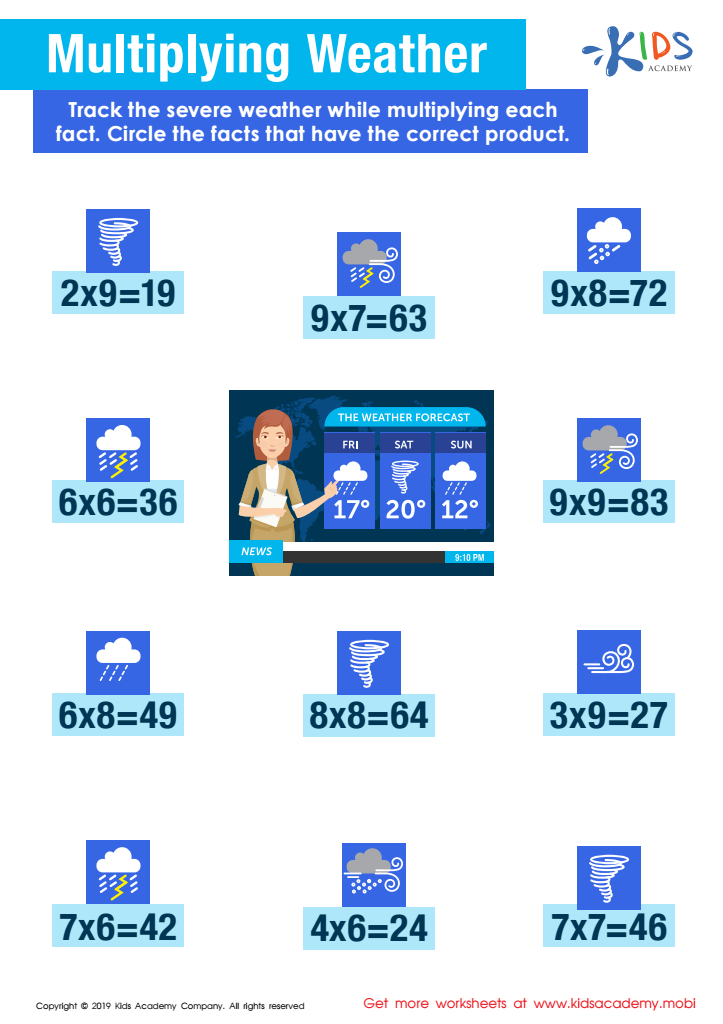
Multiplying Weather Worksheet
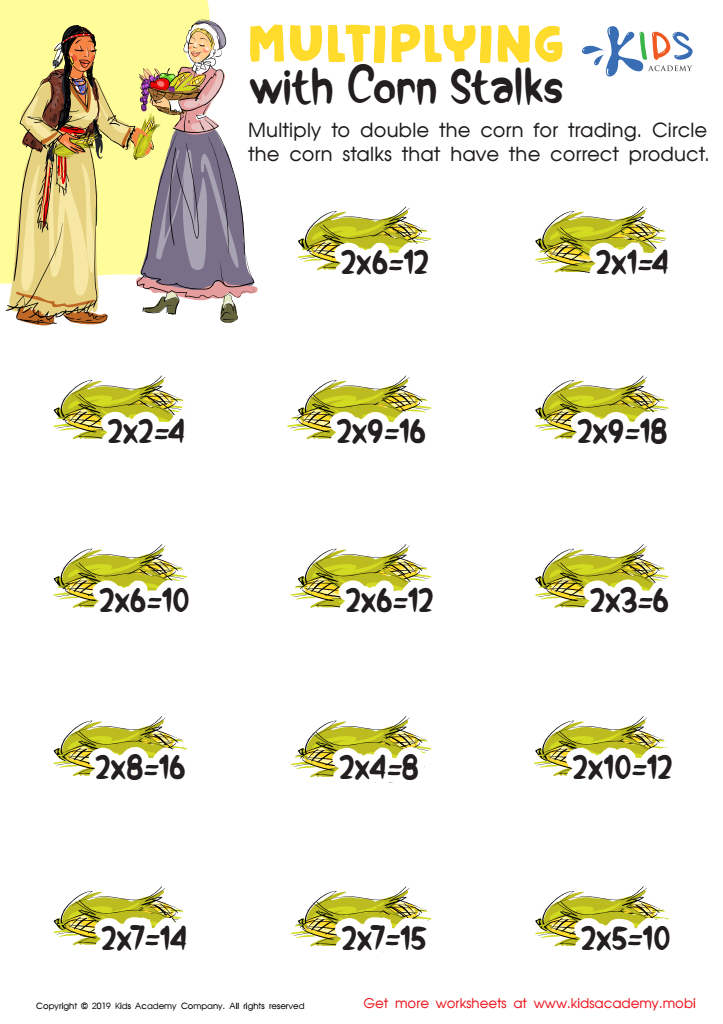
Multiplying With Corn Stalks Worksheet
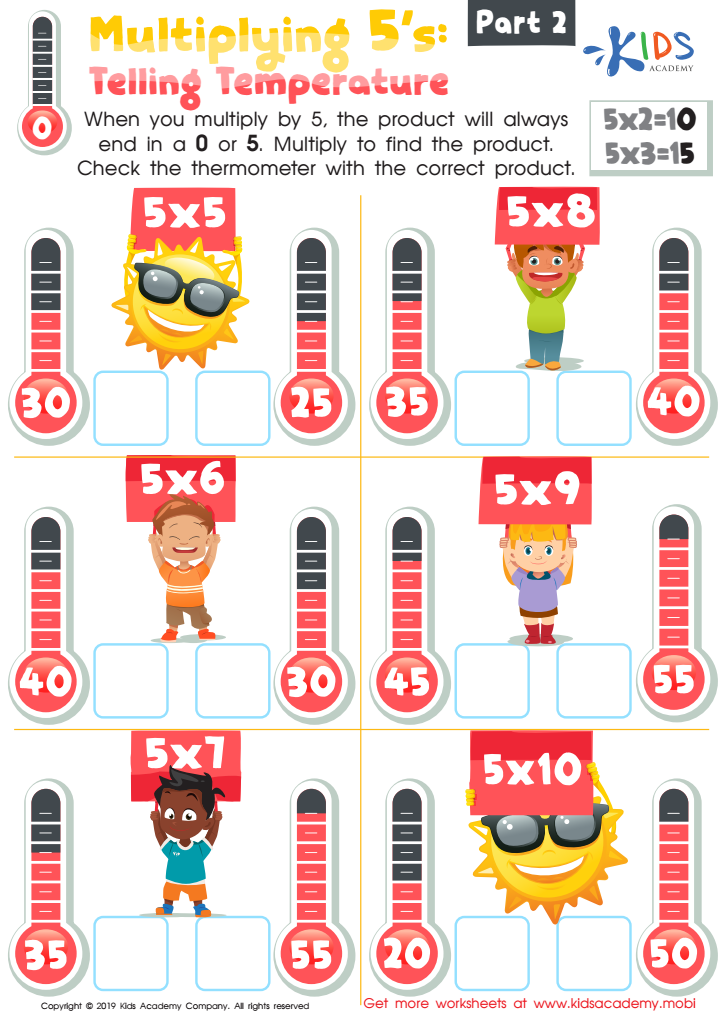
Multiplying 5’s: Telling Temperature Part 2 Worksheet
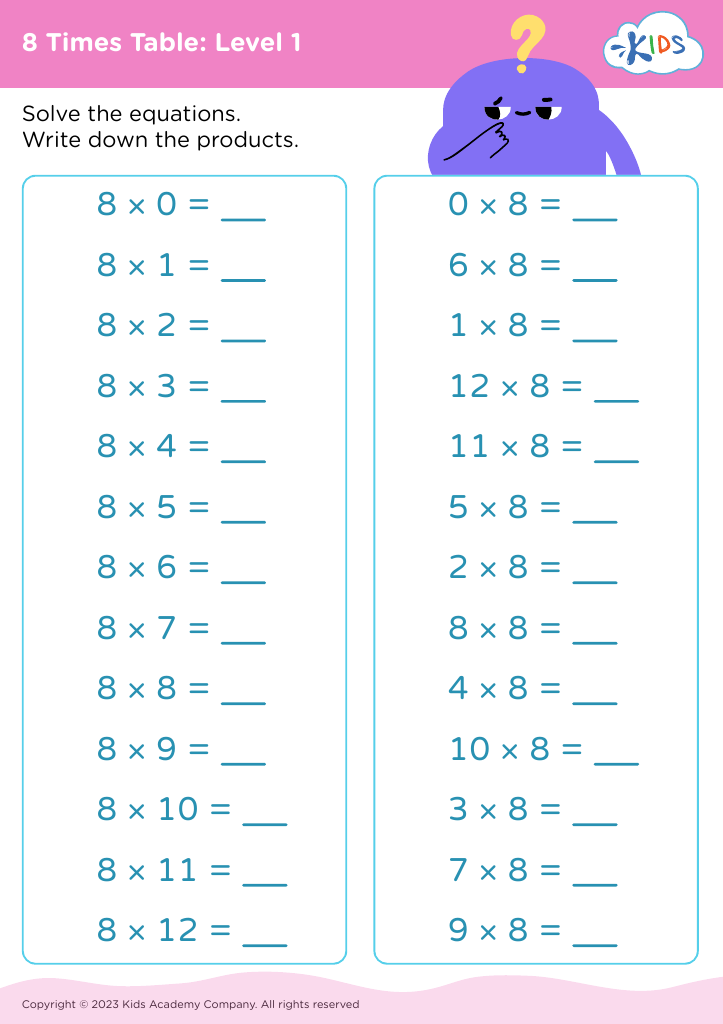
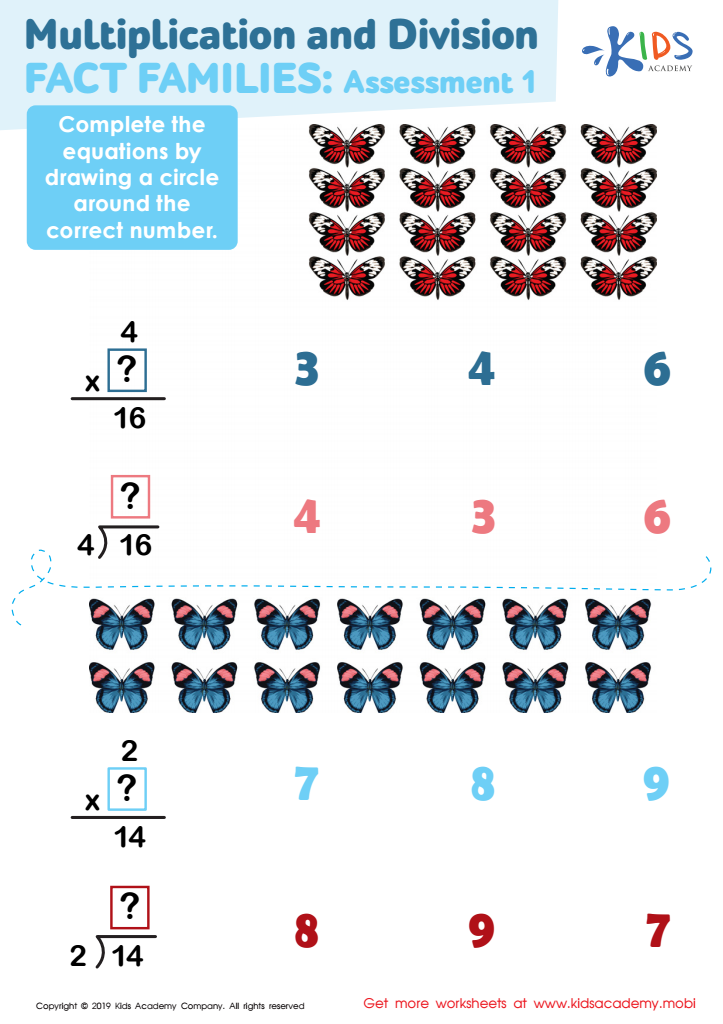
Multiplication and Division Fact Families Assessment 1 Worksheet
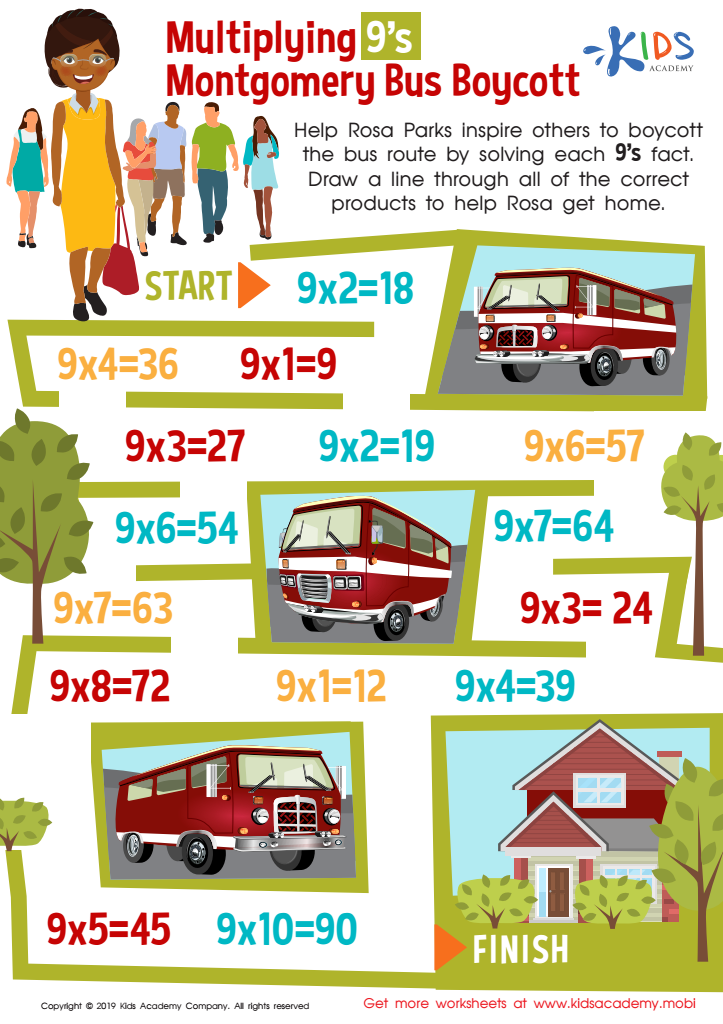
Multiplying 9’s Montgomery Bus Boycott Worksheet
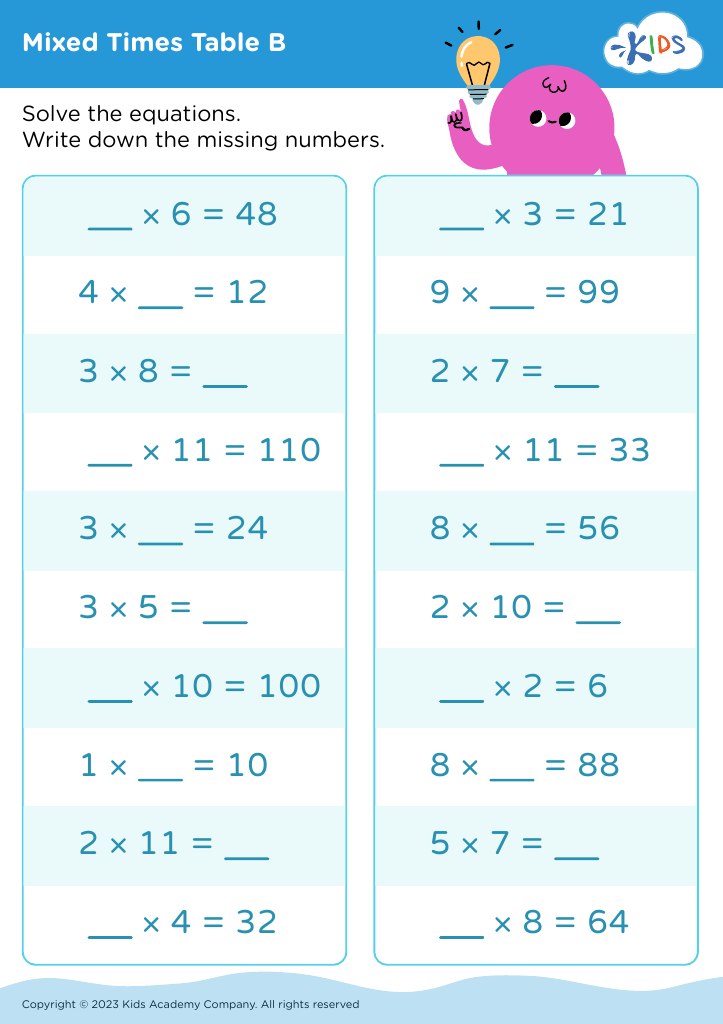
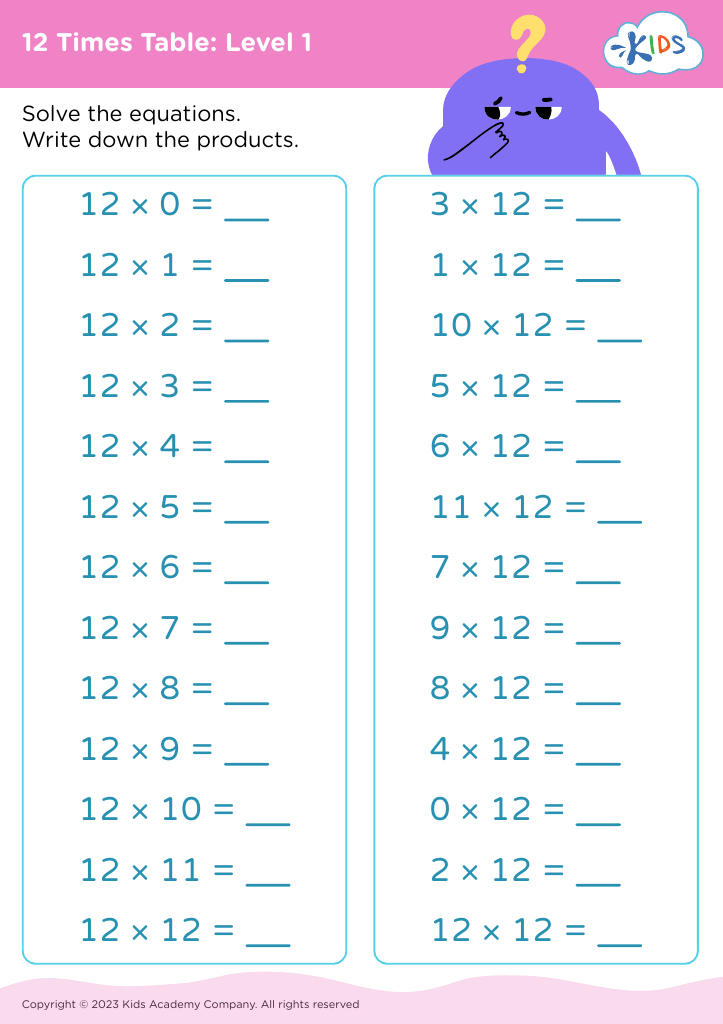
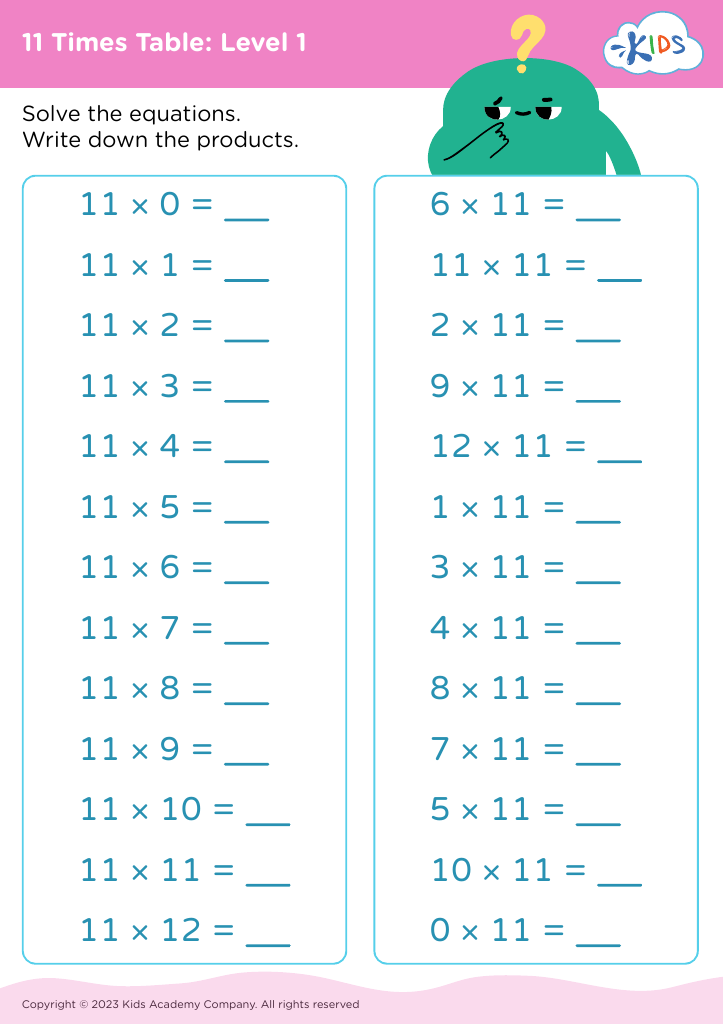
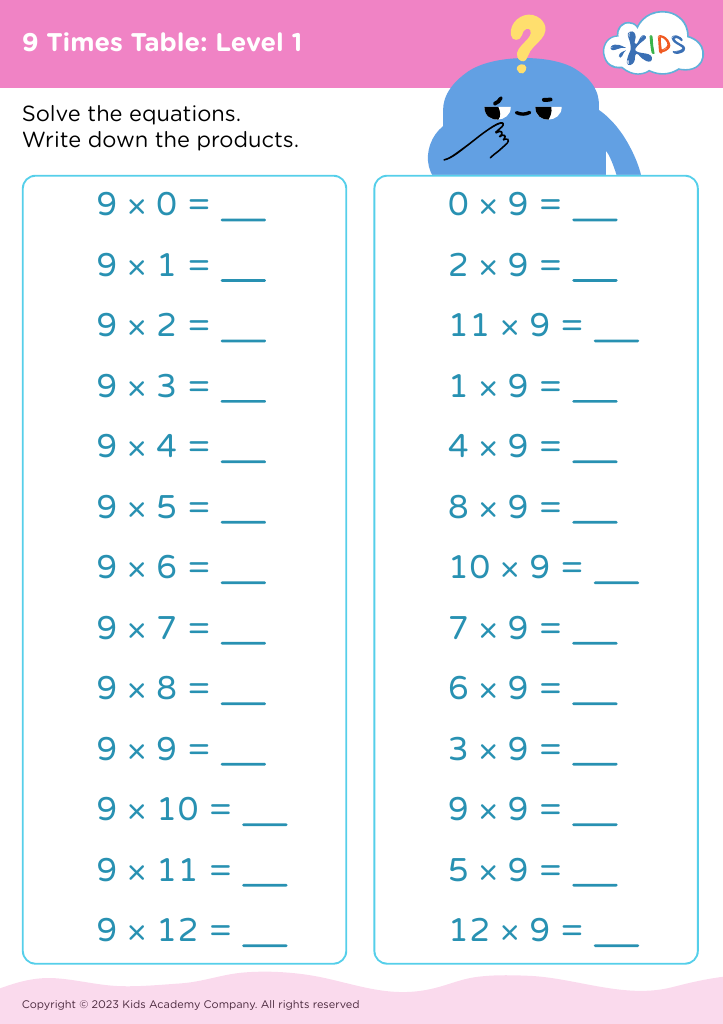








Multiplication practice for children aged 7-9 is crucial for several reasons, and parents and teachers should prioritize it for the long-term educational and cognitive benefits. At this developmental stage, children transition from concrete to more abstract thinking, and multiplication lays the foundation for numerous advanced math concepts they'll encounter later.
Firstly, mastering multiplication facts boosts mathematical confidence. When children know their times tables, they can solve problems more quickly and accurately, reducing frustration and encouraging a positive attitude toward math.
Secondly, multiplication is a building block for other essential math skills. Concepts like division, fractions, algebra, and even geometry rely heavily on a solid understanding of multiplication. Struggling with these foundational skills can create a domino effect, leading to difficulties in higher-level math courses.
Thirdly, multiplication enhances problem-solving abilities. It encourages logical thinking, patterns recognition, and memory retention. As students work to memorize and apply multiplication facts, they develop mental processes that are useful in both academic and real-life scenarios, such as budgeting or cooking.
Lastly, early proficiency in multiplication can lead to academic success across subjects. Strong math skills are linked to better overall performance in school because they enhance analytical thinking and reasoning skills, which are valuable in subjects like science and even reading comprehension. Therefore, engaging students in multiplication practice at ages 7-9 sets the stage for academic excellence and future opportunities.








