Shape identification Math Worksheets for Ages 7-9
26 filtered results
-
From - To
Enhance your child's learning experience with our Shape Identification Math Worksheets designed for ages 7-9. These engaging worksheets provide a fun and interactive way for students to recognize and differentiate between various shapes, including circles, squares, triangles, and more. Each activity is crafted to strengthen their visual-spatial skills and boost their confidence in math. With colorful illustrations and age-appropriate challenges, kids will enjoy exploring geometry while developing critical thinking skills. Perfect for home or classroom use, these worksheets support foundational math concepts that align with educational standards. Bring joy to learning math shapes today!
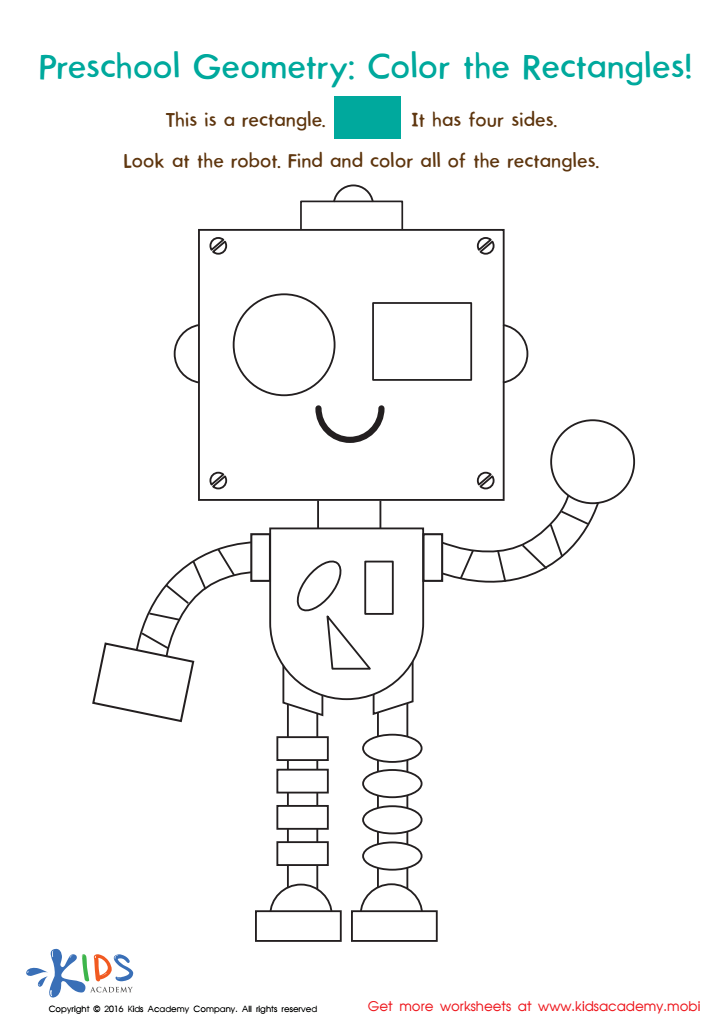
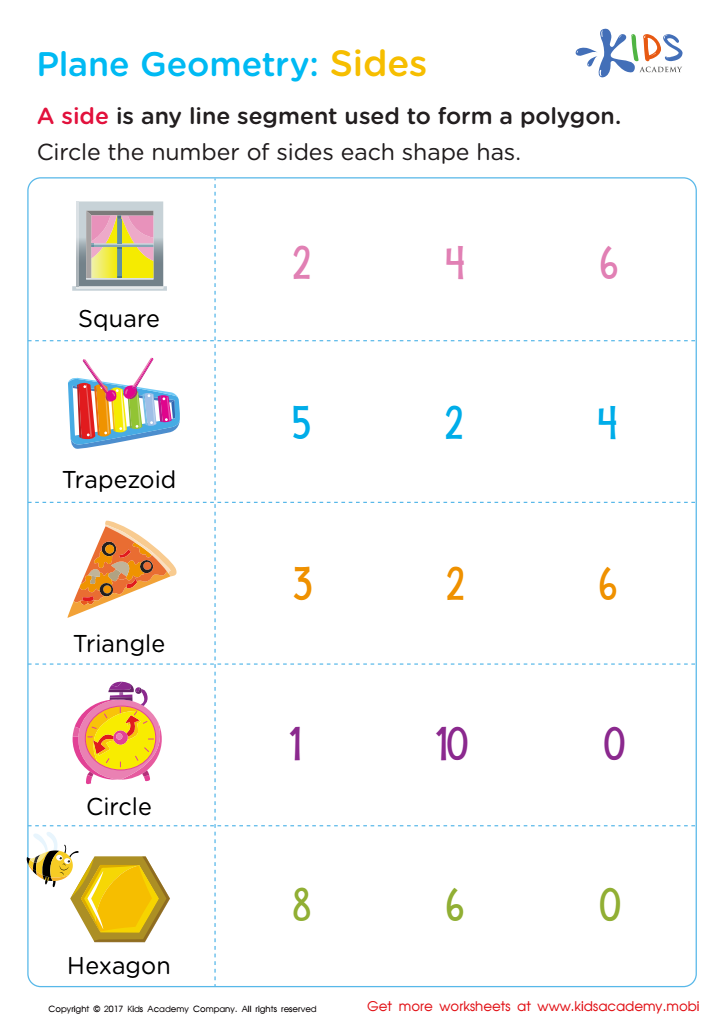
Geometry Worksheet
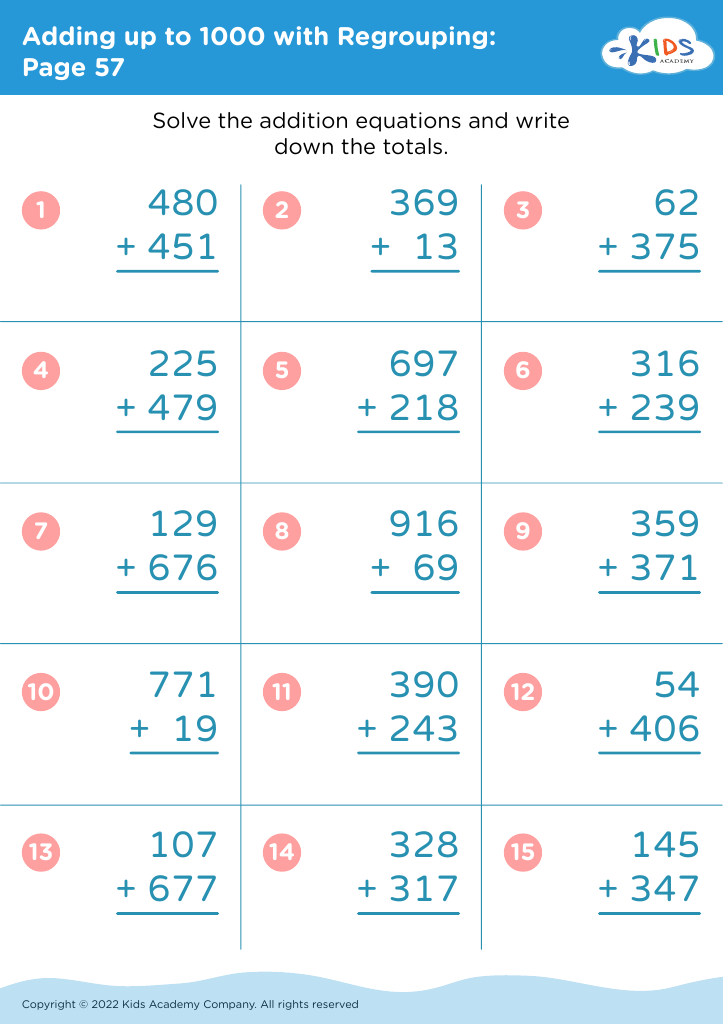
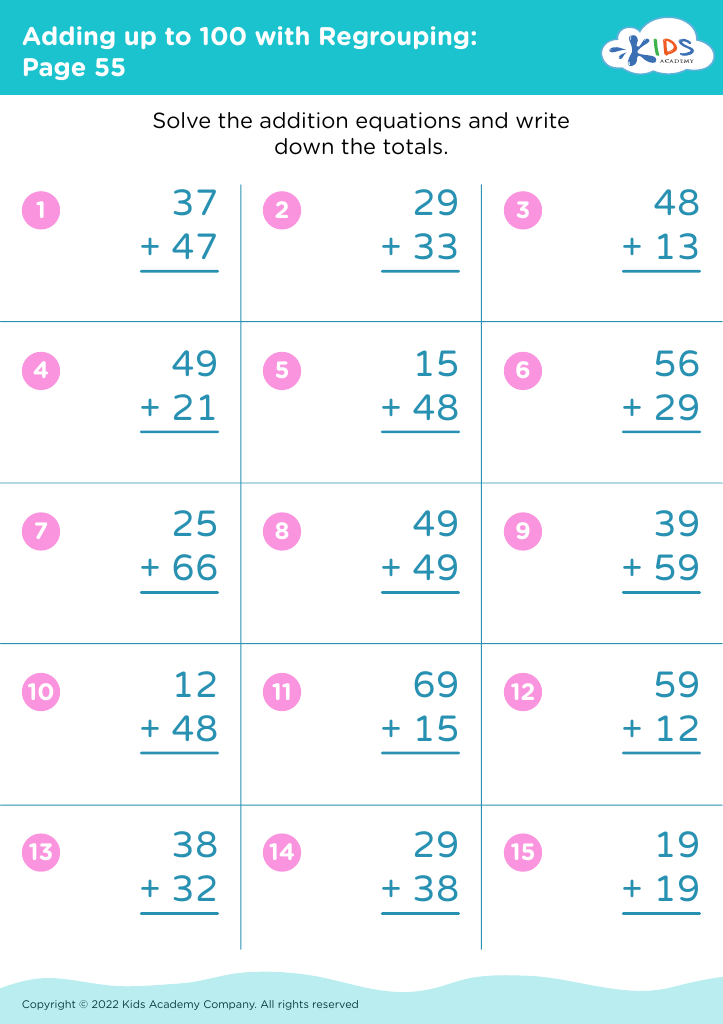
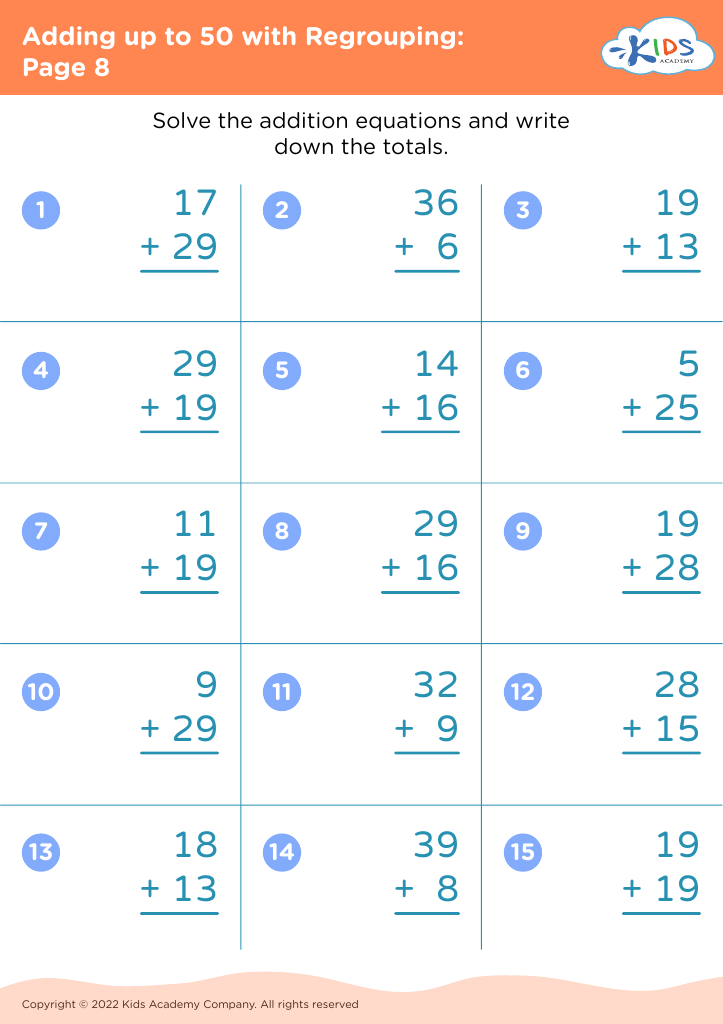
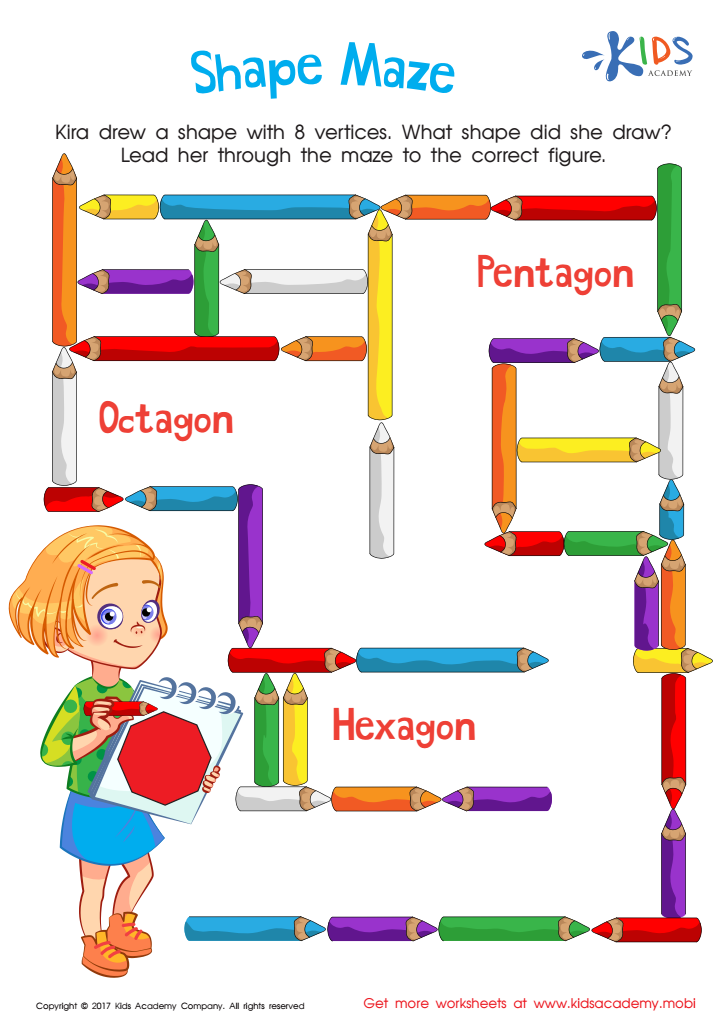
Shape Maze Worksheet
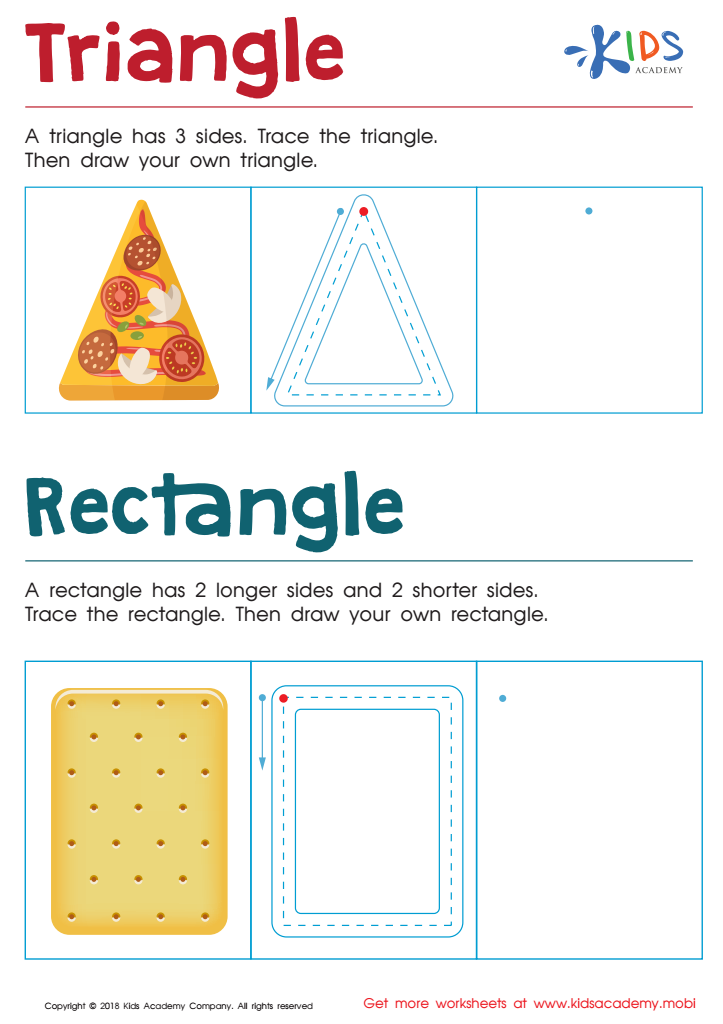
Triangle Rectangle Worksheet
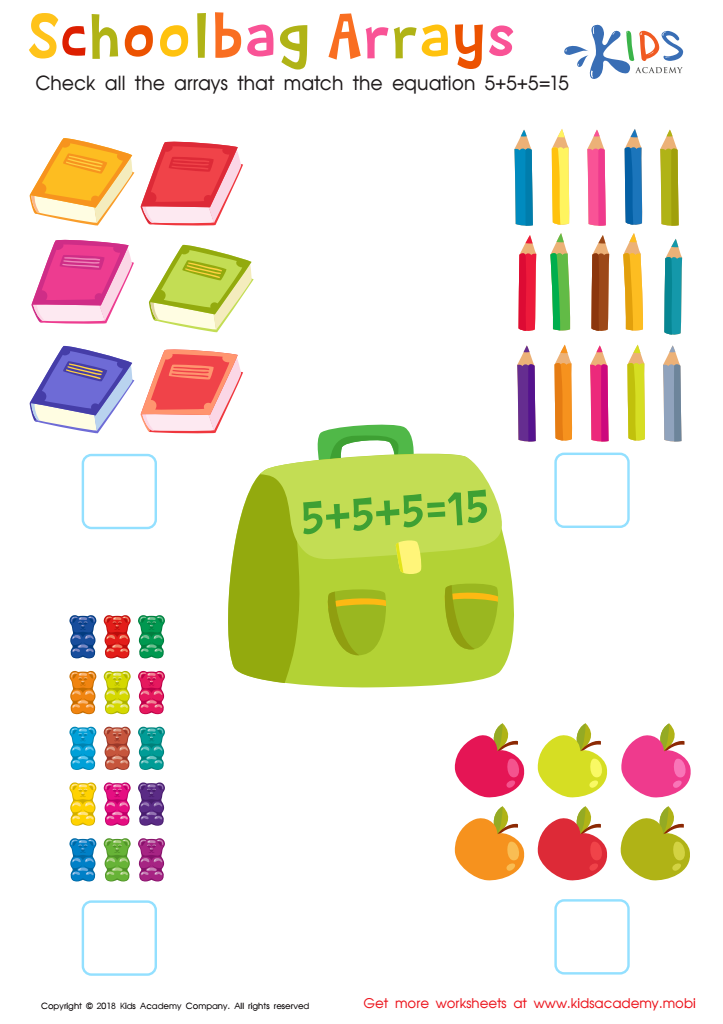
Schoolbag Arrays Worksheet
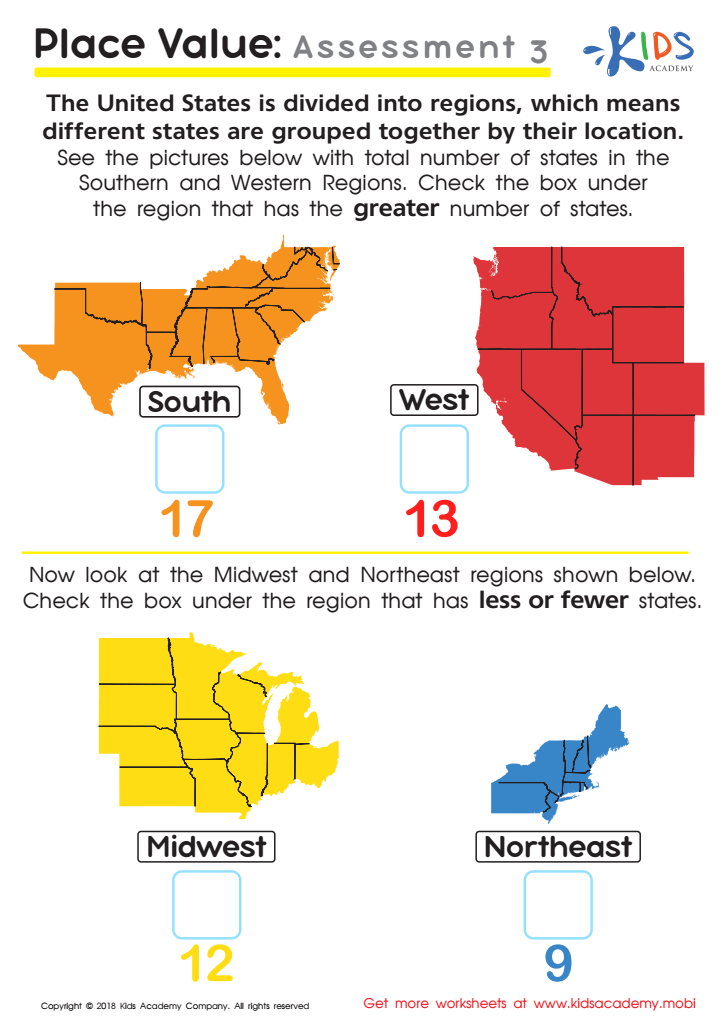
Place Value: Assessment 3 Worksheet
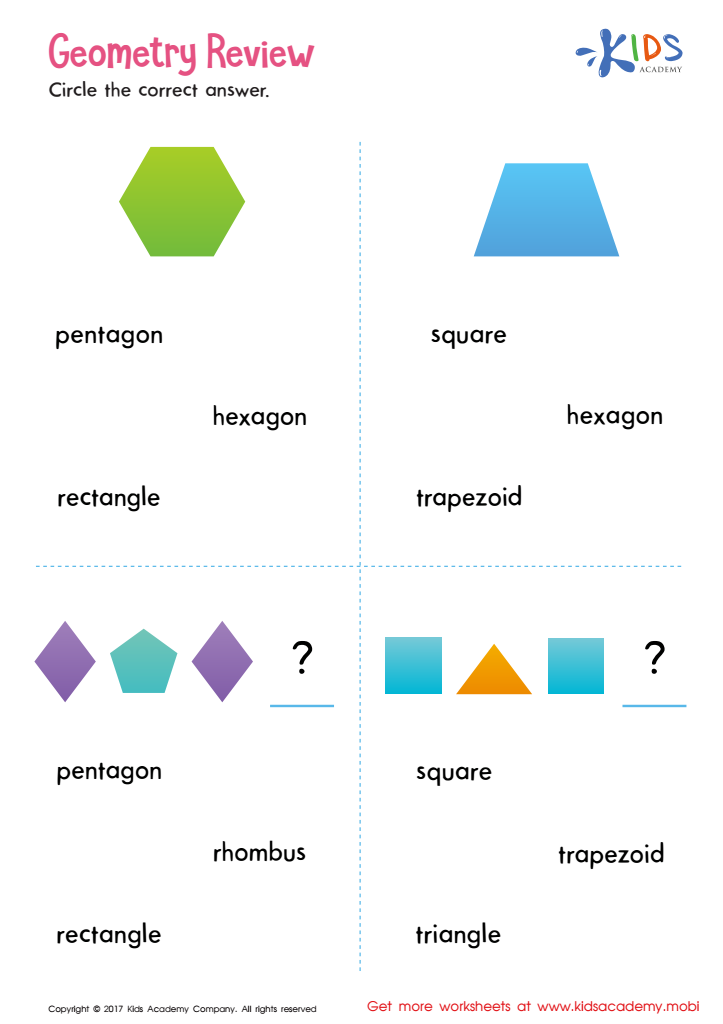
Geometry Review Printable
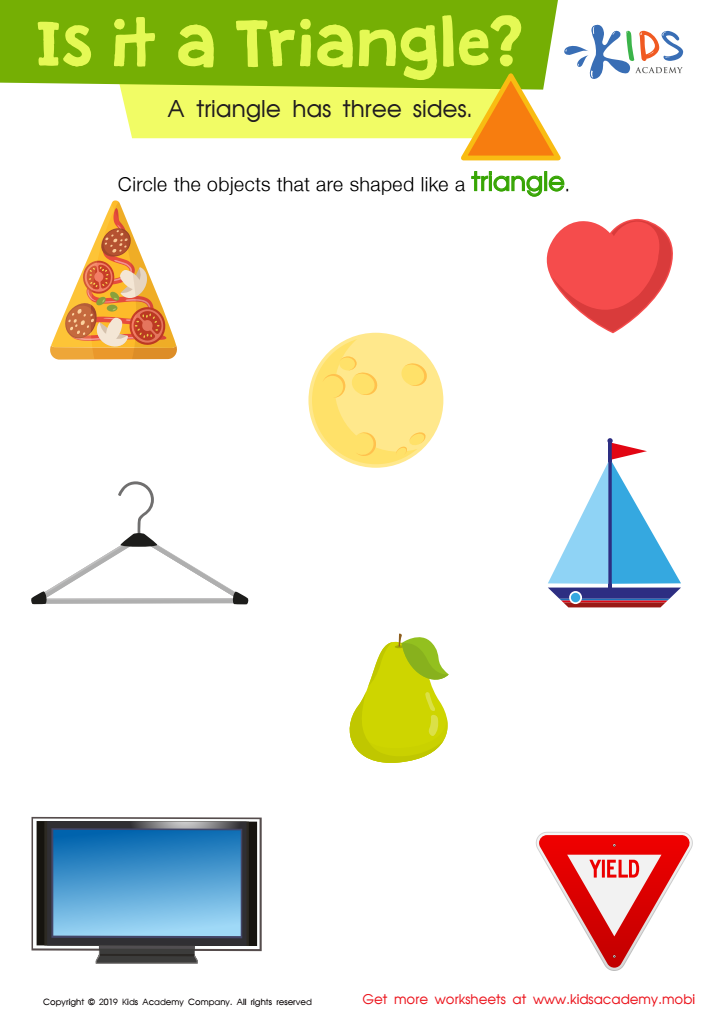
Is It a Triangle? Worksheet
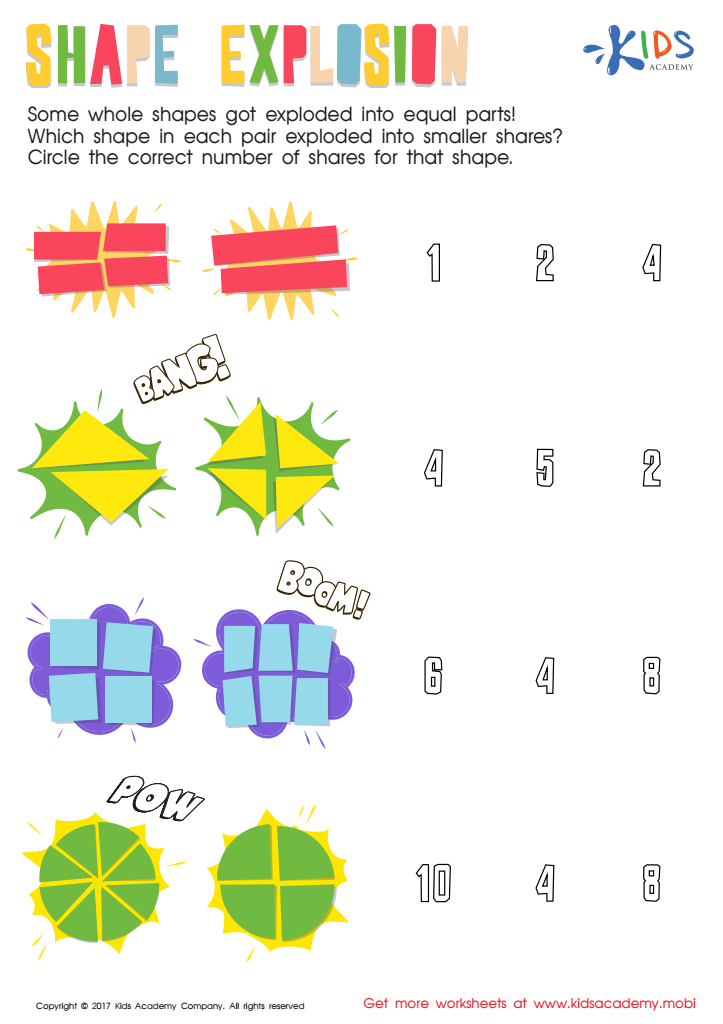
Shape Explosion Worksheet
Number 2 Printable
 Assign to My Students
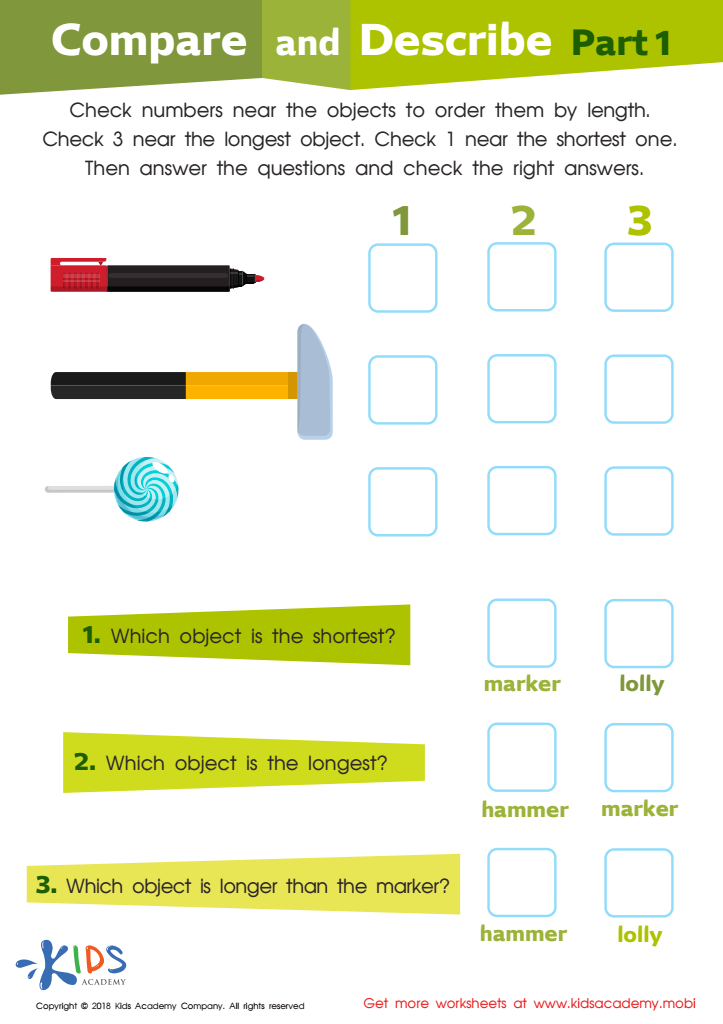
Compare and Describe: Part 1 Worksheet








Shape identification is a fundamental aspect of early math education for children aged 7-9. During this developmental phase, children not only solidify their understanding of basic geometric figures but also enhance critical cognitive skills essential for problem-solving and analytical thinking. Recognizing shapes lays the groundwork for more complex mathematical concepts such as spatial reasoning, measurement, and geometry, which are pivotal in higher-level math.
Moreover, shape identification ties into everyday life, reinforcing its relevance. Children learn to identify shapes in their environment, fostering observational skills and encouraging them to connect classroom learning with real-world applications. This understanding also supports literacy development, as children learn the vocabulary associated with different shapes, bolstering their communication skills.
Parents and teachers should prioritize shape identification because it stimulates creativity and fosters an interest in math and science. When children can visualize shapes, they are better equipped to approach tasks like drawing, crafting, and even navigating technology. Ultimately, strong shape identification skills contribute to a child's overall mathematical fluency, critical thinking, and confidence in their academic journey, preparing them for future success in STEM fields and beyond. Supporting this learning at home and in the classroom helps lay a solid foundation for lifelong learning.








