Visual perception Math Worksheets for Ages 7-9
15 filtered results
-
From - To
Enhance your child's mathematical skills with our Visual Perception Math Worksheets designed for ages 7-9. These engaging printables help sharpen crucial learning skills, such as pattern recognition, spatial awareness, and logical reasoning. Perfectly tailored to young learners, our worksheets make math fun and accessible while promoting active problem-solving. Each activity combines visual puzzles and mathematical concepts to strengthen comprehension and retention. Ideal for at-home practice or classroom use, our resources support and challenge your child, encouraging a love for learning that lasts a lifetime. Explore our collection today and watch your young mathematician thrive!
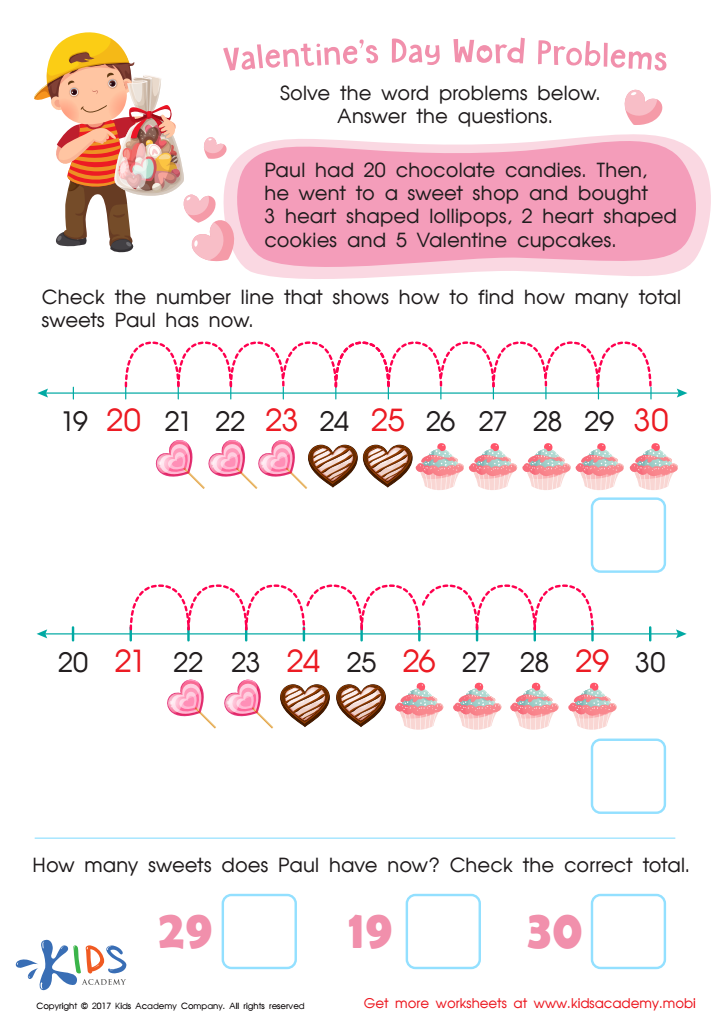
Valentines Day 2 Printable
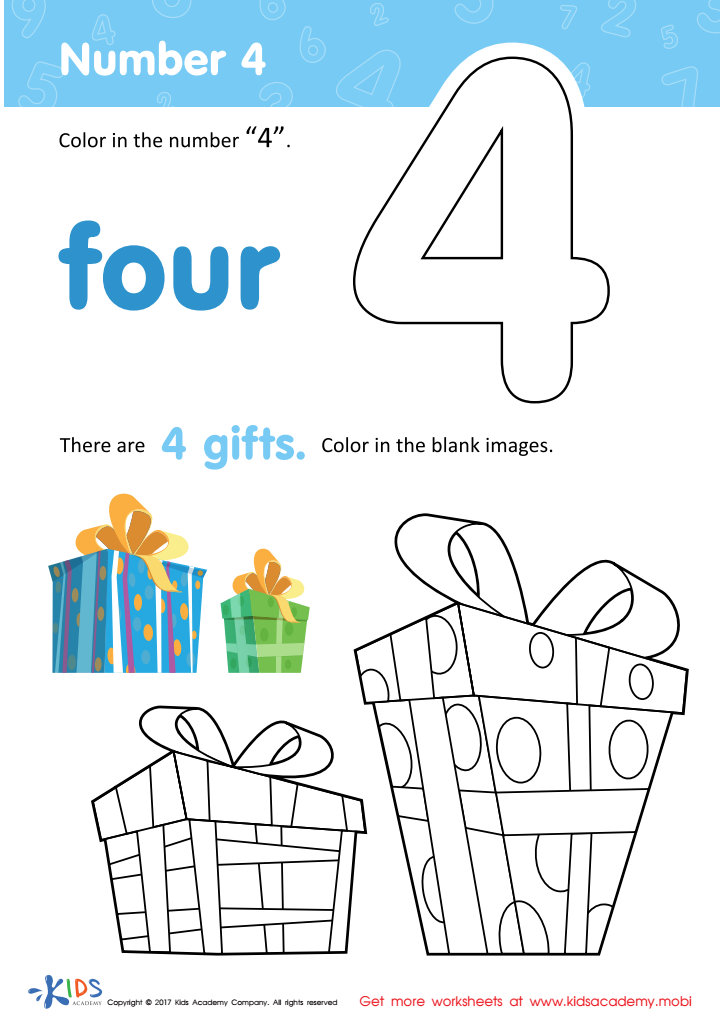
Number 4 Printable
 Assign to My Students
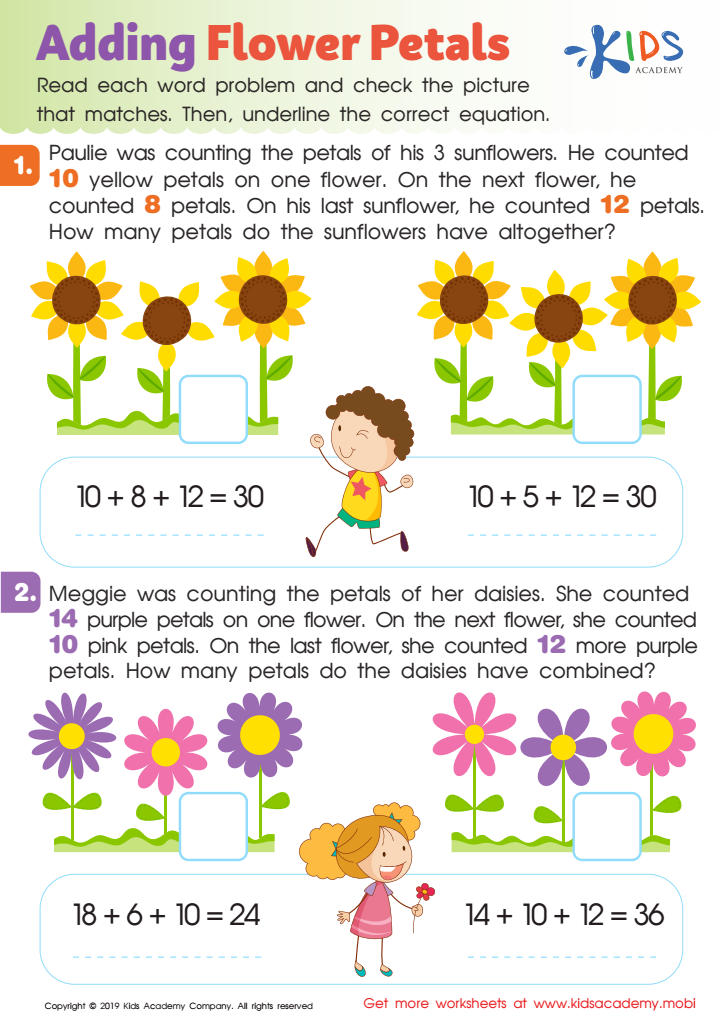
Adding Flower Petals Worksheet
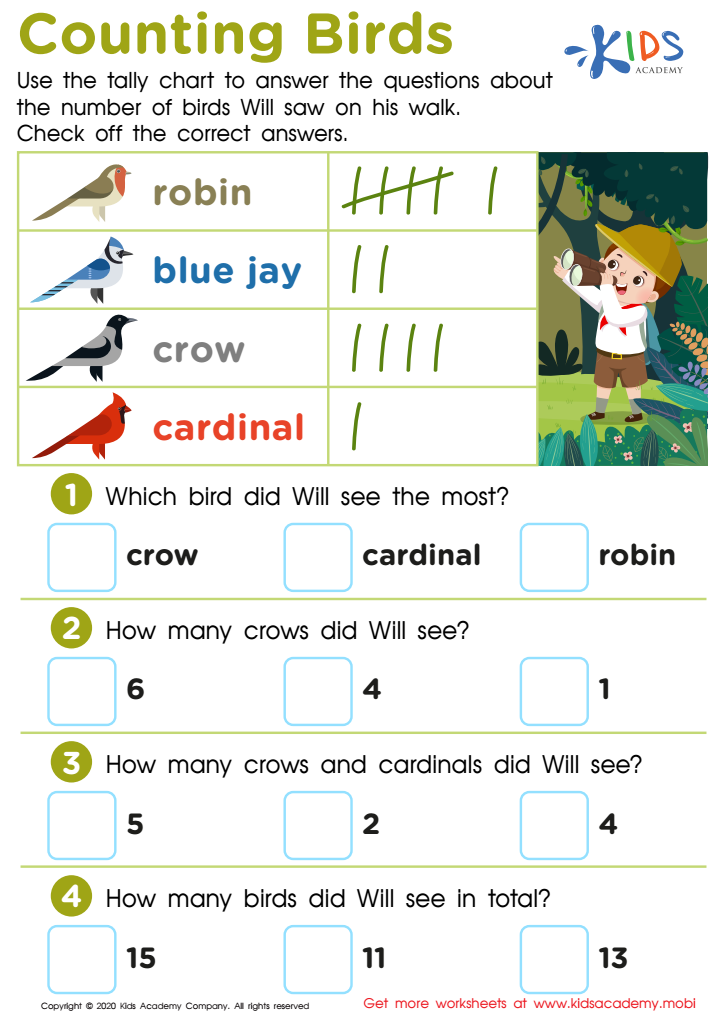
Counting Birds Worksheet
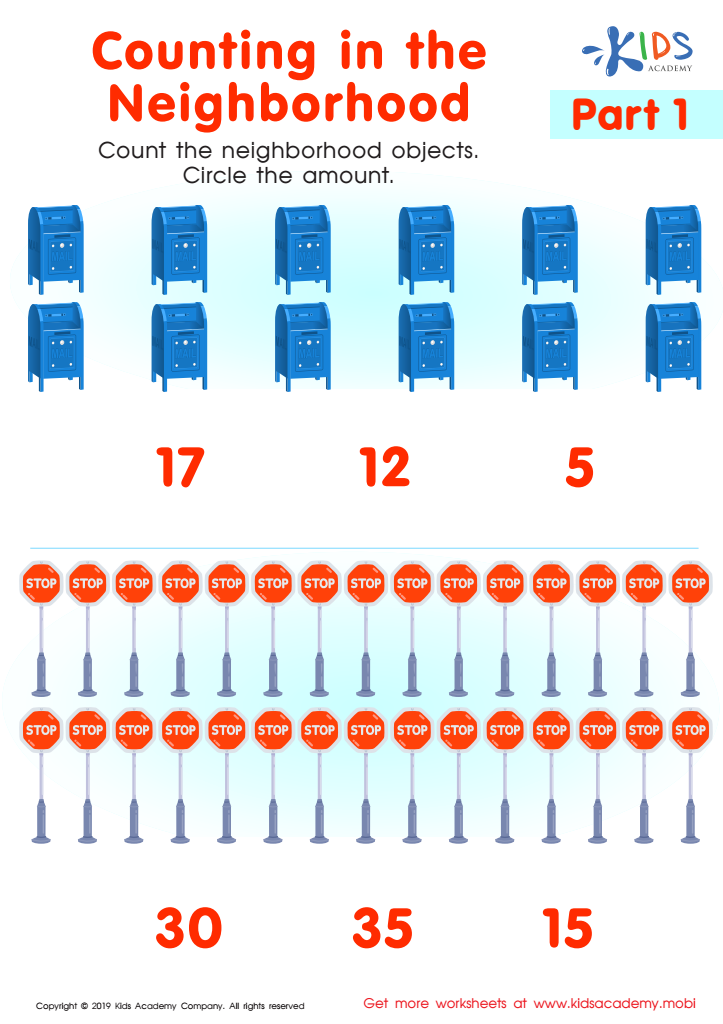
Counting in the Neighborhood Part1 Worksheet
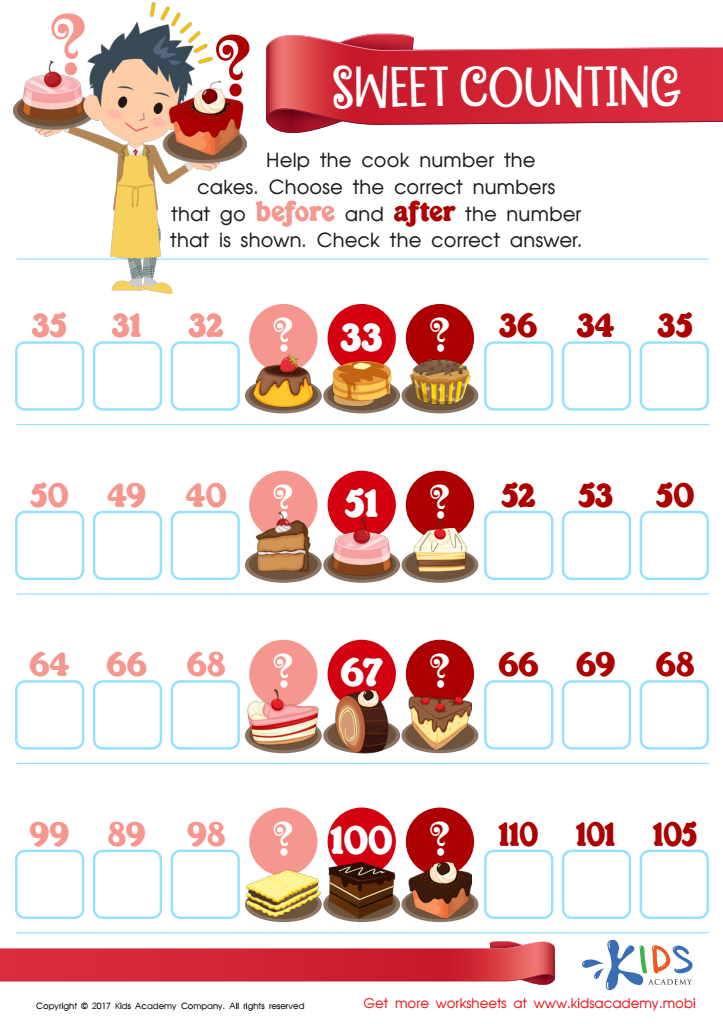
Sweet Counting - Part 1 Worksheet
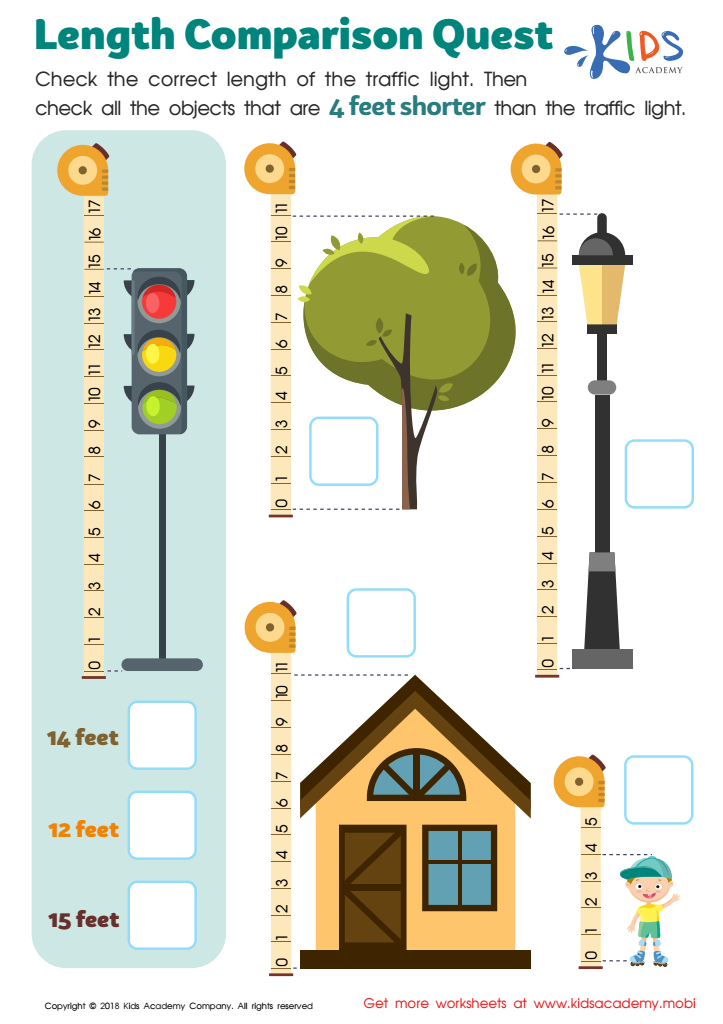
Length Comparison Quest Worksheet
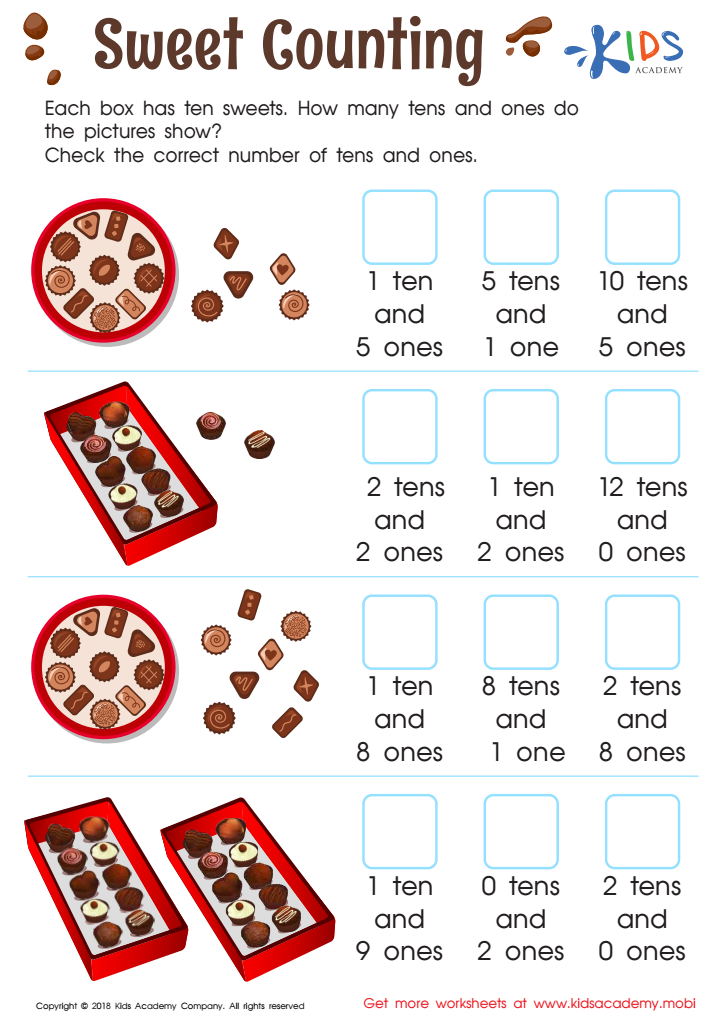
Sweet Counting - Part 2 Worksheet
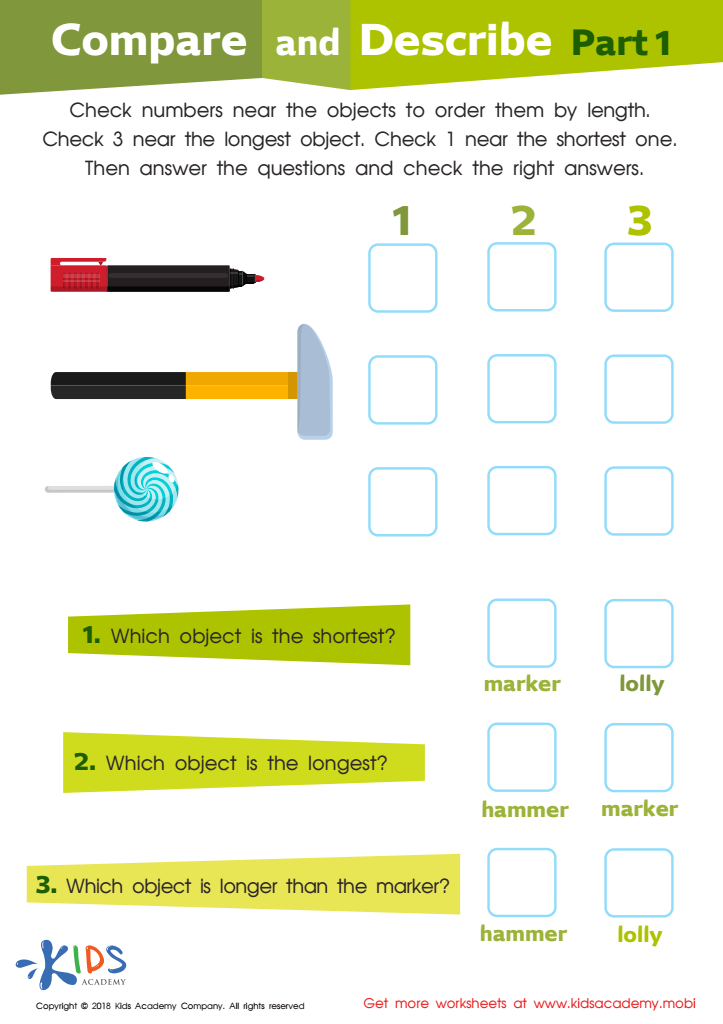
Compare and Describe: Part 1 Worksheet
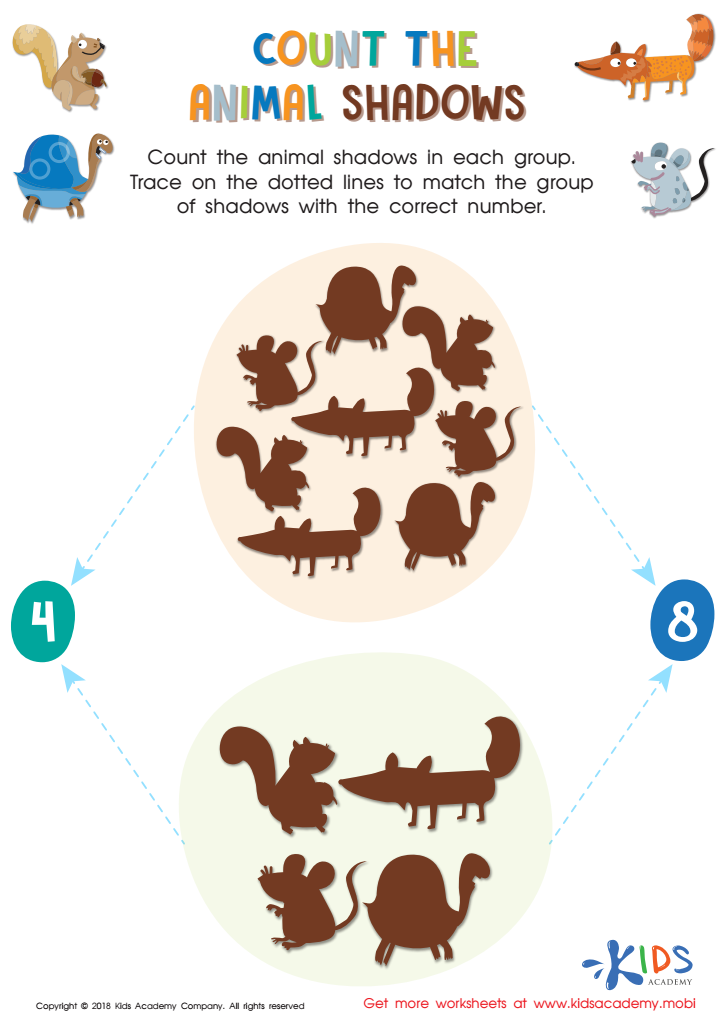
Count the Animal Shadows Worksheet
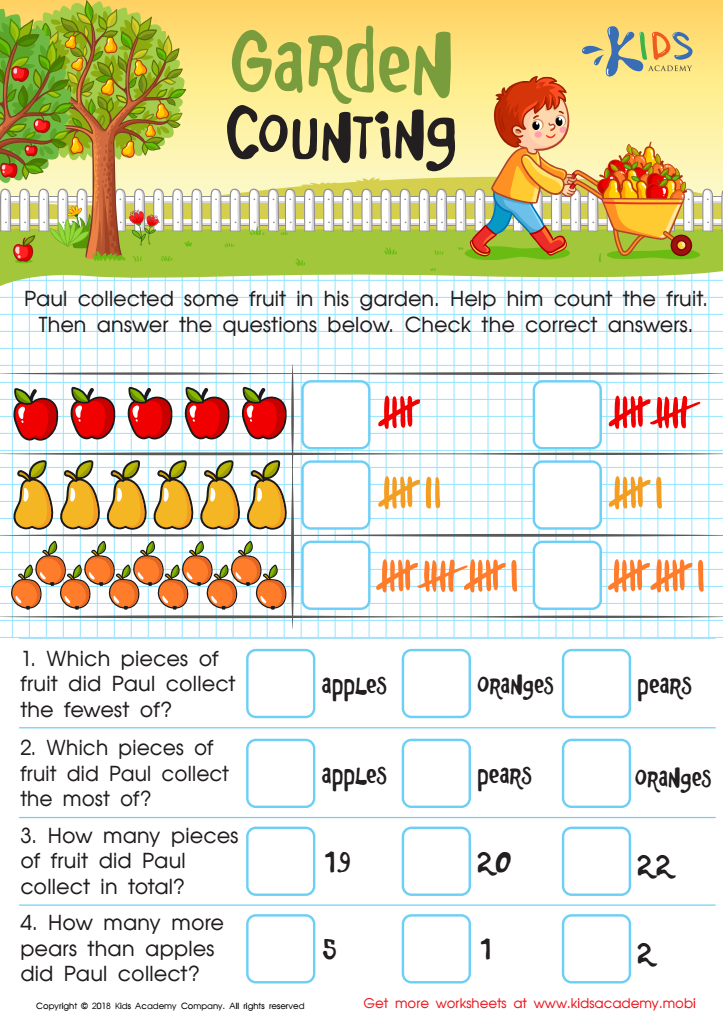
Garden Counting Worksheet
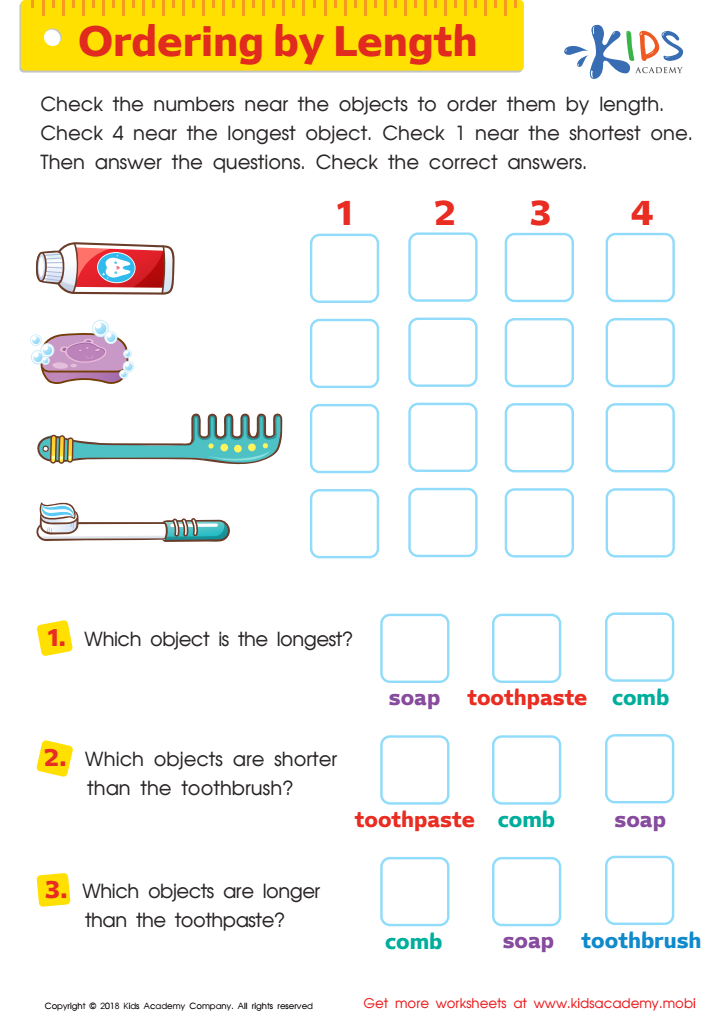
Ordering by Length Worksheet



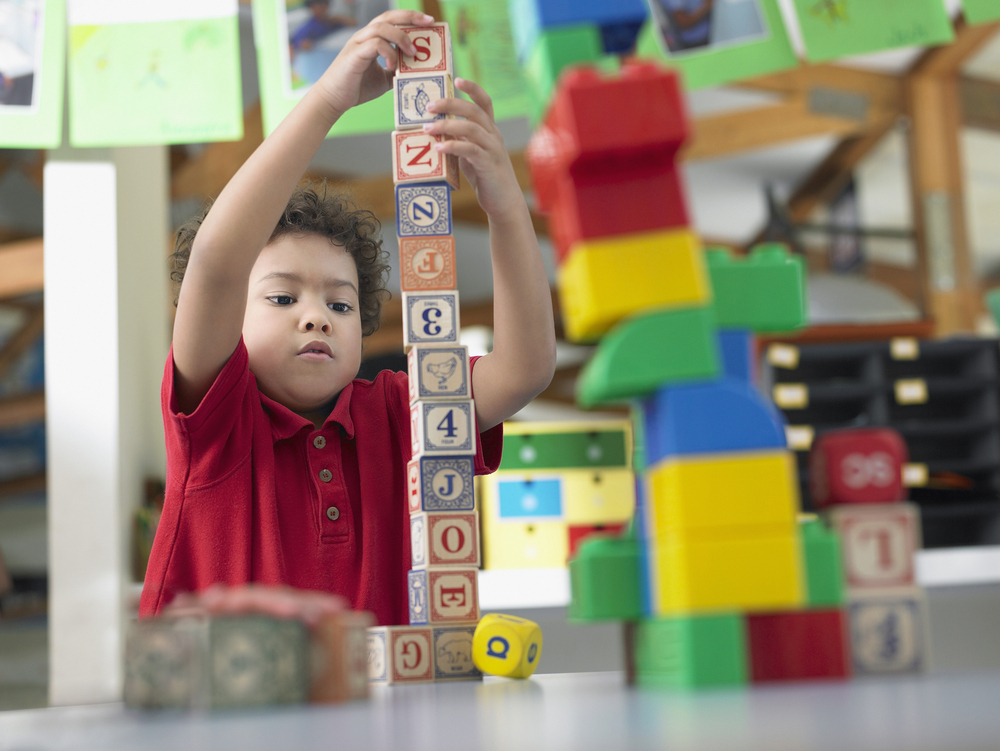



Visual perception in math is crucial for children aged 7-9 as it builds fundamental skills essential for understanding and applying mathematical concepts. During these formative years, kids transition from basic arithmetic to more complex problem-solving. Visual perception helps them to interpret and organize visual information, ensuring they can grasp patterns, shapes, and spatial relationships, which are pivotal in geometry and spatial reasoning.
For teachers, focusing on visual perception in math instruction enhances student engagement and comprehension. Activities involving puzzles, pattern recognition, and shape manipulation can make abstract concepts more tangible, fostering a deeper understanding. These skills are foundational for advanced math topics like graphing and algebra, where visualization is key.
Parents, too, play a vital role by providing opportunities for kids to strengthen these skills at home. Simple exercises like sorting objects, identifying shapes in the environment, or playing board games can significantly boost visual perception. Encouraging this kind of learning helps children develop critical thinking and problem-solving skills that extend beyond mathematics, aiding their overall cognitive development.
By prioritizing visual perception in math, parents and teachers empower children, providing them with the tools they need for academic success and everyday problem-solving, thus laying the groundwork for a lifelong appreciation and understanding of mathematics.








