Place Value Worksheets for Ages 7-9 - Page 4
74 filtered results
-
From - To
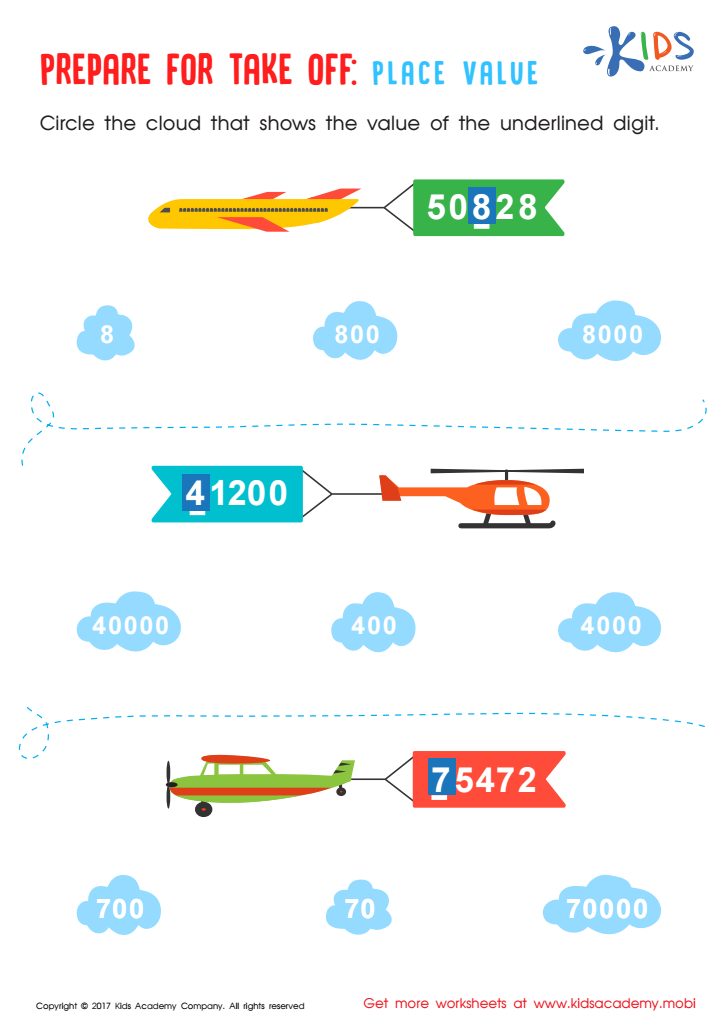
Free Place Value Worksheet for 3rd Grade
 Assign to My Students
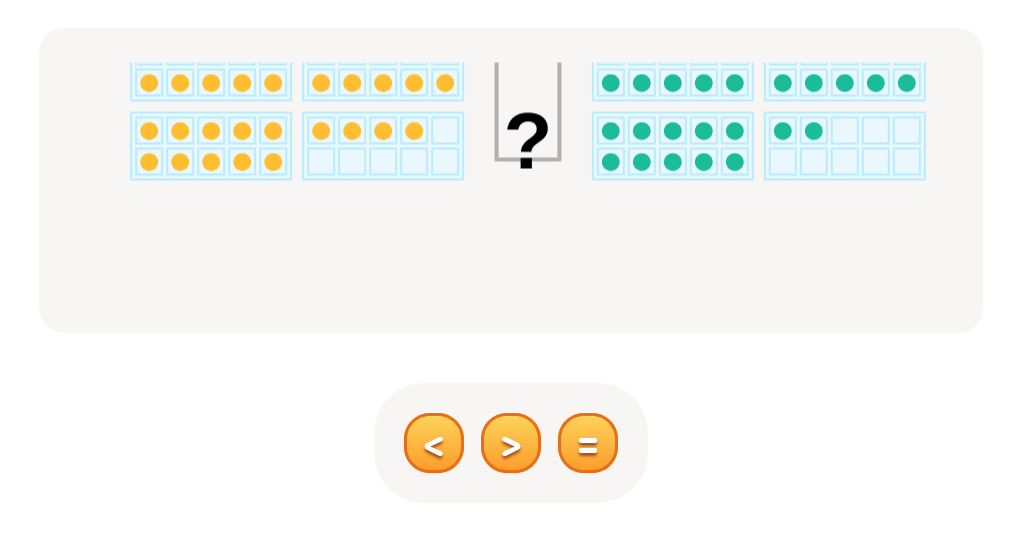

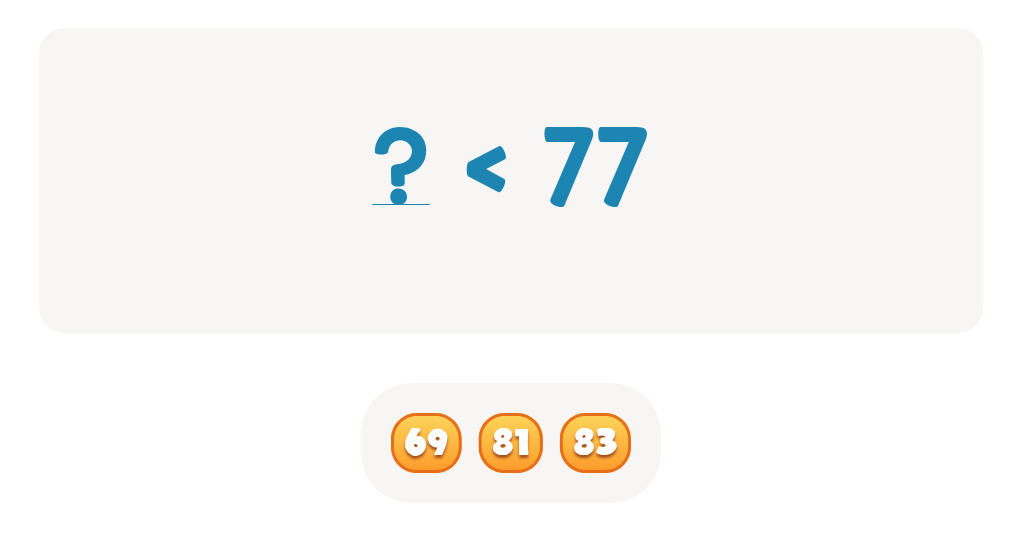
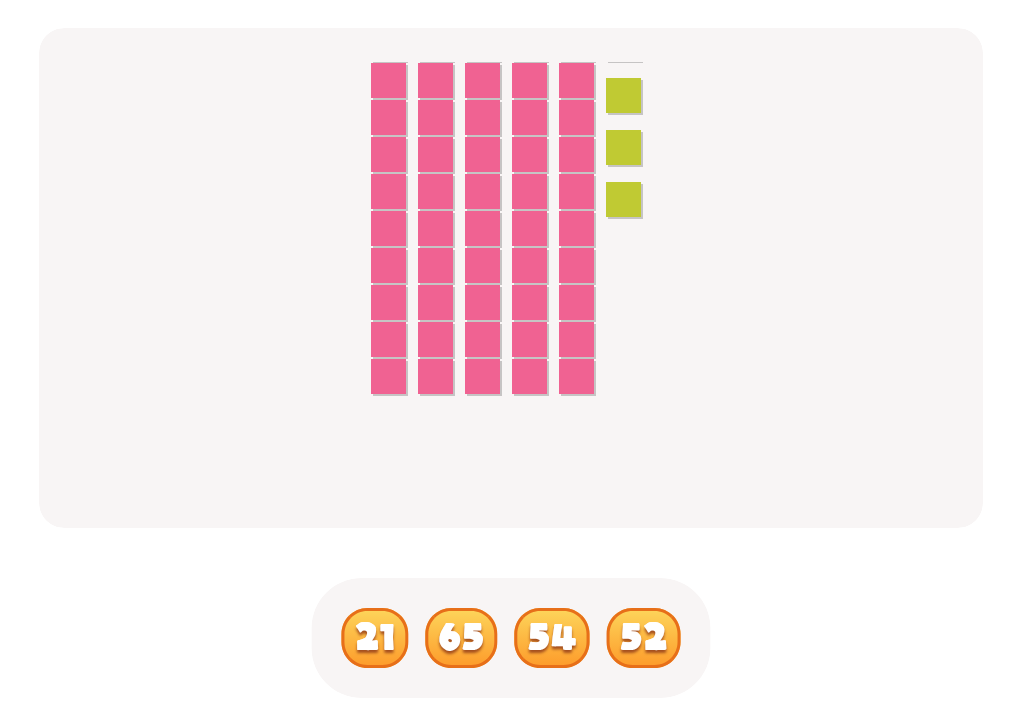
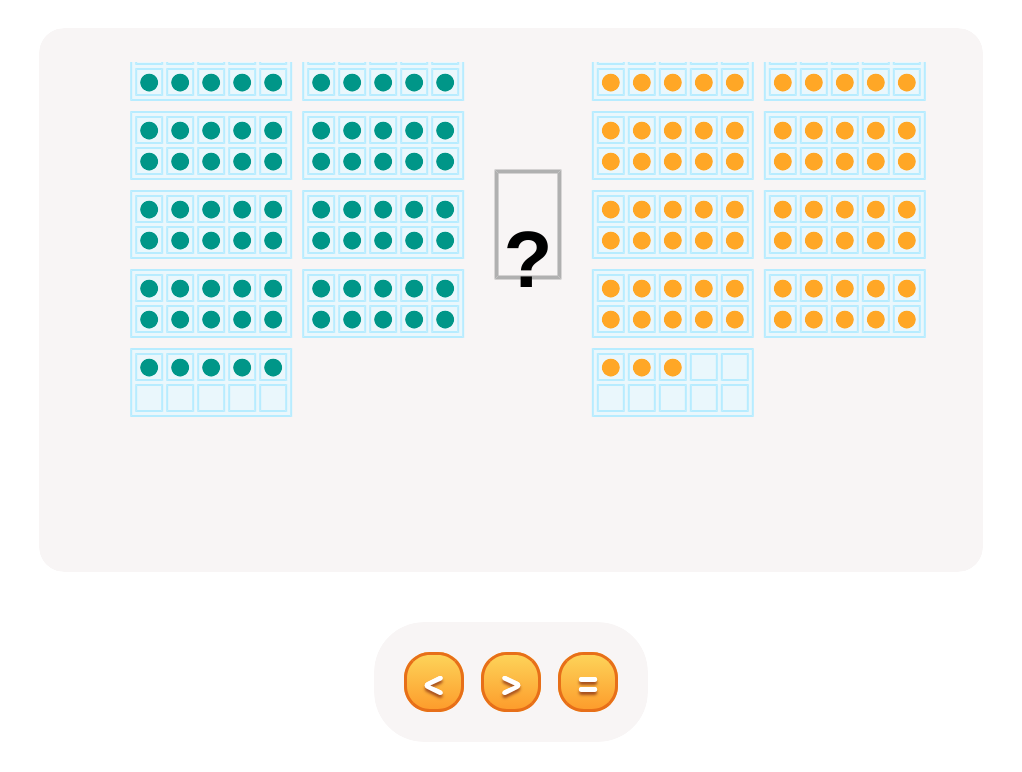
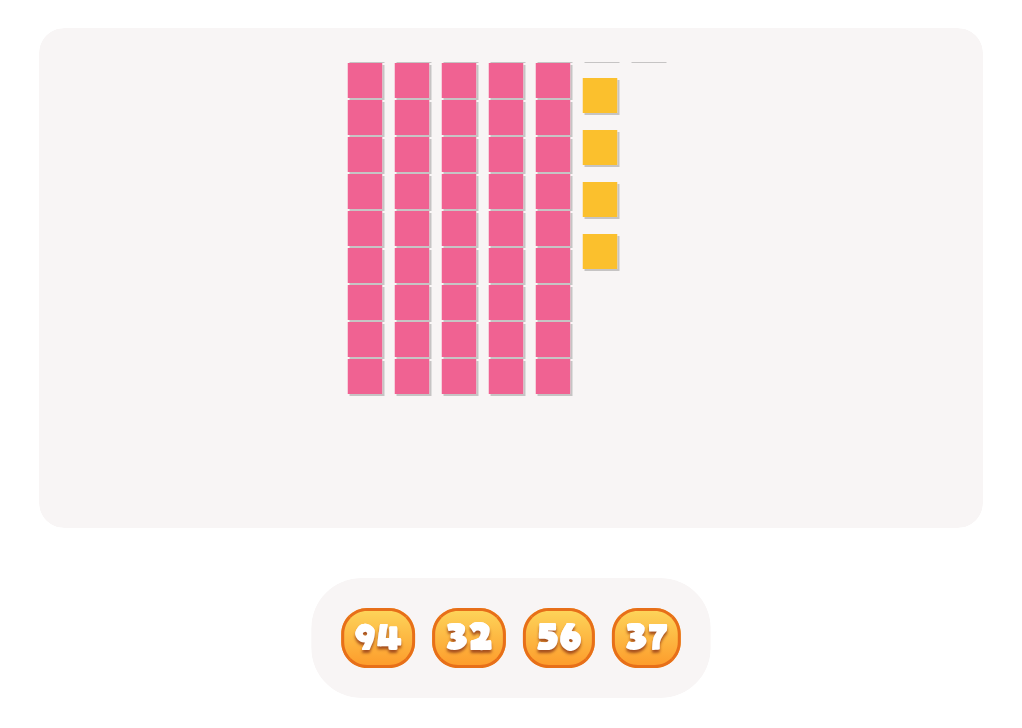
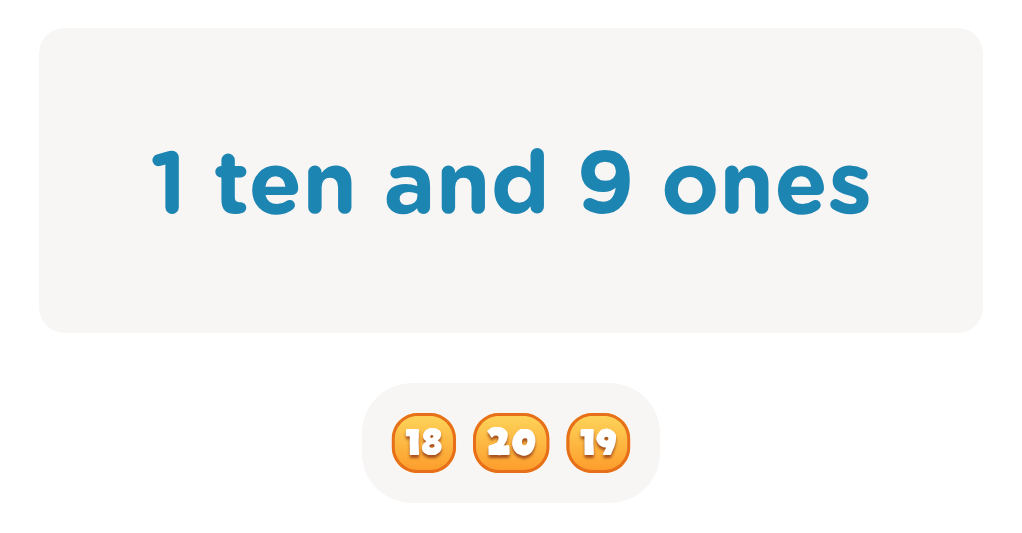
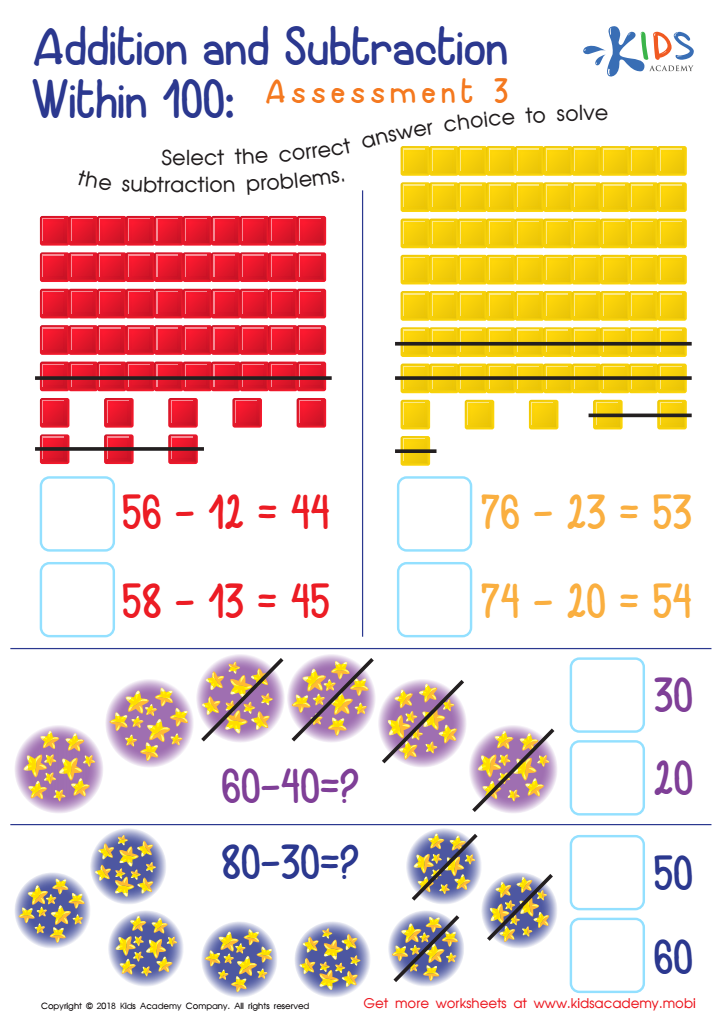
Addition and Subtraction Within 1: Assessment 3 Worksheet






Place value is a foundational mathematical concept crucial for children between the ages of 7 and 9. During these formative years, understanding place value helps students grasp the value of digits based on their position. For instance, in the number 345, the digit '3' represents 300, not just 3. This understanding is essential for performing operations like addition, subtraction, and later, multiplication and division with ease and accuracy.
Parents and teachers should prioritize place value because it underpins their child's future success in math. A solid grasp of place value enables students to efficiently solve arithmetic problems, understand the decimal system, and measure effectively. Without this comprehension, children can struggle with more advanced math concepts, potentially leading to math anxiety or disinterest in the subject.
Furthermore, place value skills are not confined to the classroom; they play a significant role in everyday activities, such as handling money, telling time, and measuring quantities in cooking or crafts. Additionally, strengthening these skills can boost a child’s cognitive development by enhancing their problem-solving abilities and logical thinking. As early supporters of a child's education, parents and teachers can make a significant impact by ensuring young learners establish a robust foundation in place value, setting the stage for future academic achievements and life skills.