Classification skills Science Worksheets for Ages 7-9
5 filtered results
-
From - To
Enhance your child's understanding of classification skills with our engaging Science Worksheets for ages 7-9! Designed to spark curiosity and foster critical thinking, these worksheets will help young learners explore the organization of living things and materials through fun and interactive activities. Children will categorize plants, animals, and objects based on attributes, honing their observational skills while developing a strong foundation in scientific concepts. Our printable resources are perfect for classroom or at-home learning, providing both educational value and entertainment. Encourage your child to discover the world around them with our comprehensive classification skills worksheets, supporting their journey toward becoming confident, knowledgeable individuals.
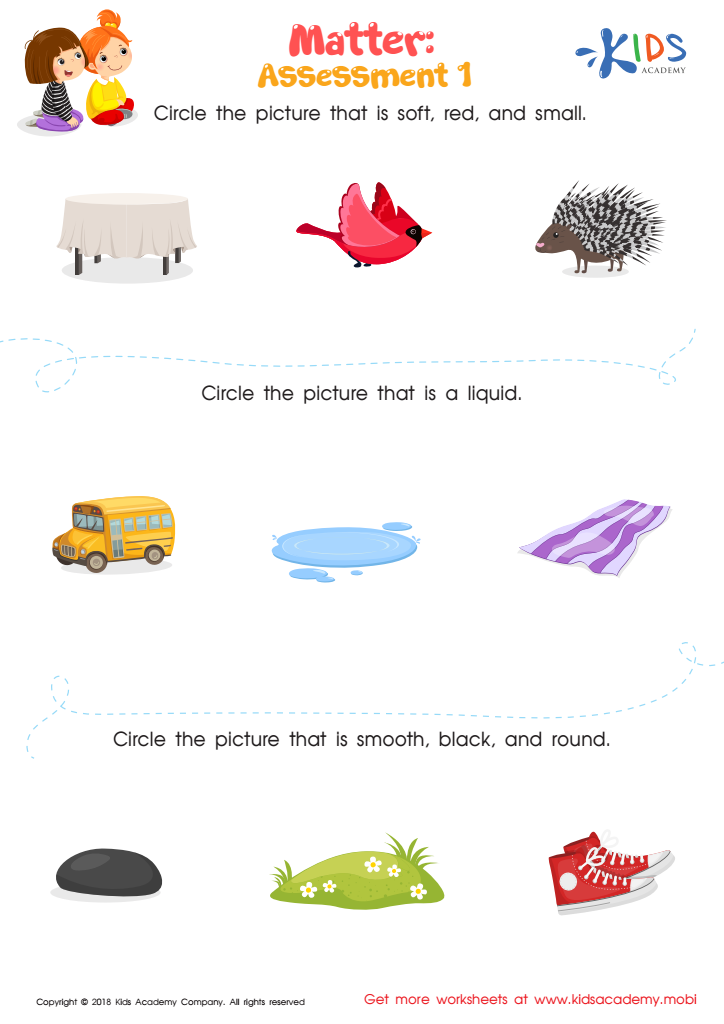
Matter: Assessment 1 Worksheet
 Assign to My Students
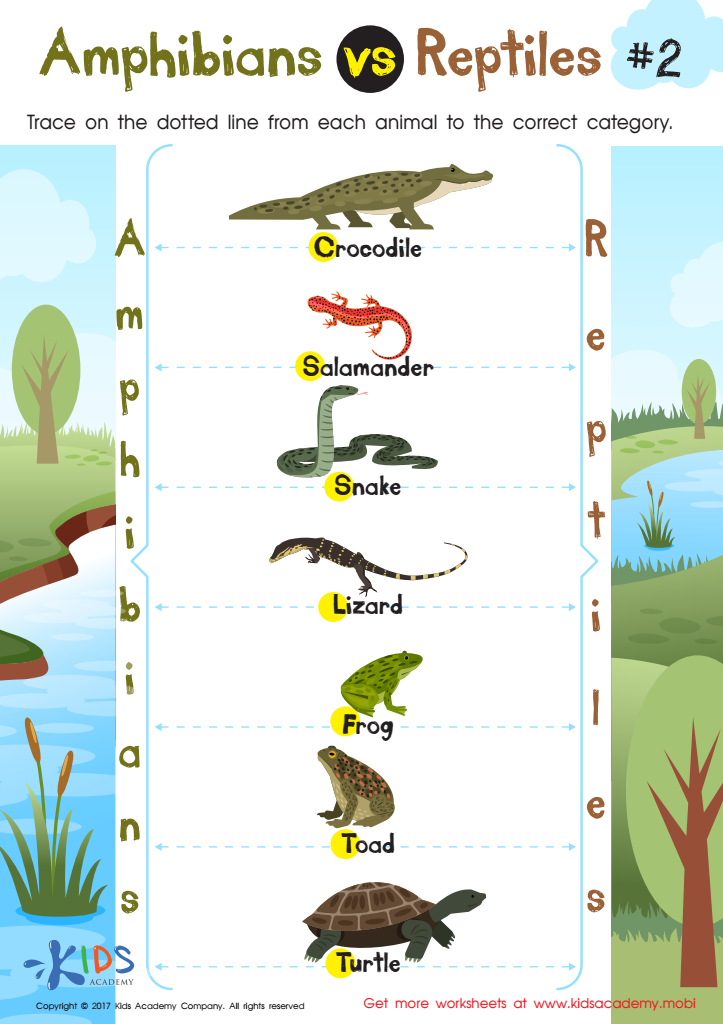
Amphibians vs Reptiles Worksheet for 3rd Grade
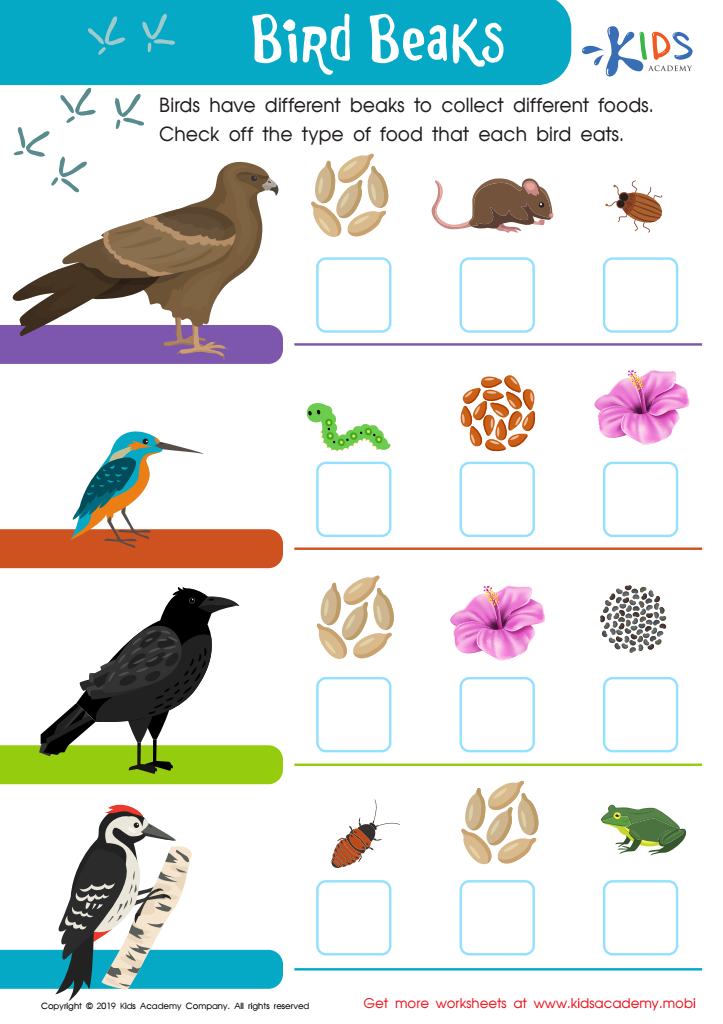
Bird Beaks Worksheet
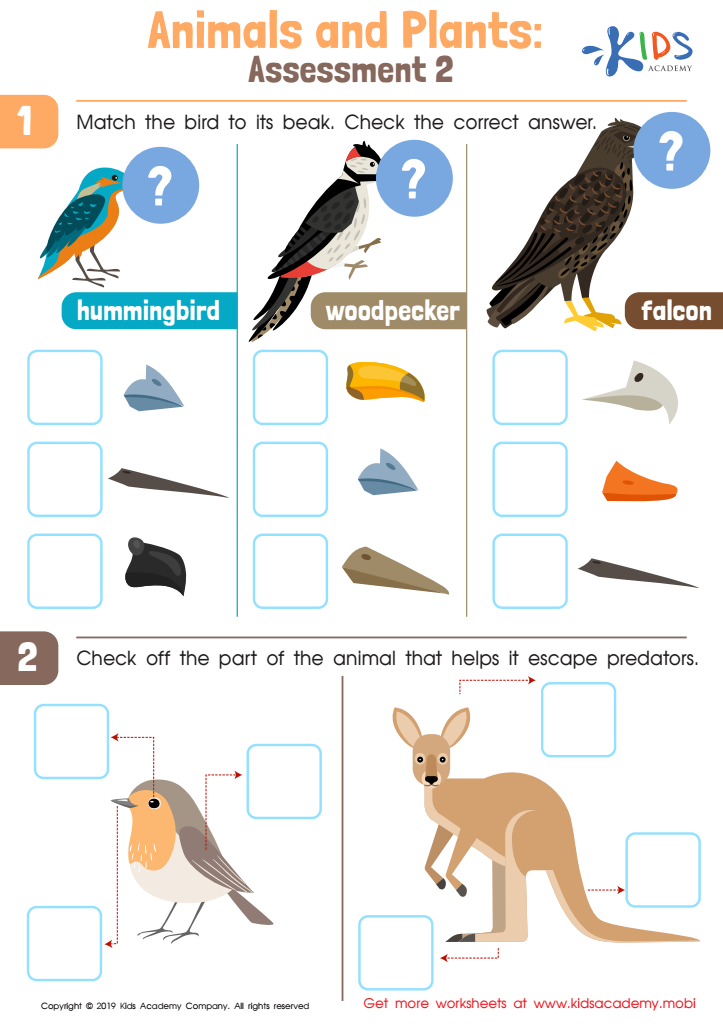
Animals and Plants: Assessment 2 Worksheet
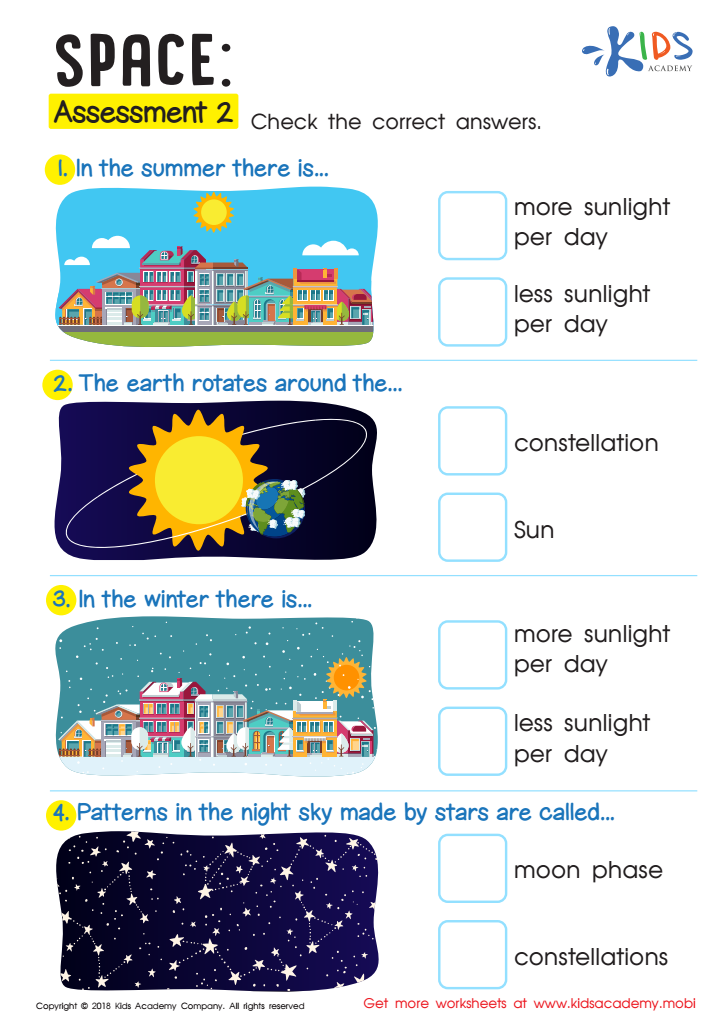
Space: Assessment 2 Worksheet






Parents and teachers should prioritize classification skills in science for ages 7-9 because these skills lay a foundational understanding of the natural world, fostering critical thinking and analytical abilities. During this developmental stage, children become curious explorers, eager to understand their environment. By learning to classify objects, animals, or even ideas, they develop an essential organizational skill that enhances their cognitive development.
Classification encourages children to observe similarities and differences, which promotes analytical skills and enhances their problem-solving abilities. For instance, when children classify plants and animals, they learn about ecosystems, habitats, and biological relationships, fostering an appreciation for biodiversity and environmental awareness. This not only develops scientific literacy but also nurtures responsible citizenship and stewardship of our planet.
Additionally, classification activities can make learning interactive and engaging. They can encourage collaboration, communication, and teamwork when children work together on classification tasks or projects. Ultimately, by fostering classification skills in young learners, parents and teachers are empowering them to become inquiry-driven thinkers who are equipped to explore and understand complex ideas in science and beyond. Engaging in classification activities can ignite a lifelong passion for learning and exploration in young minds.







