Counting practice Science Worksheets for Ages 7-9
4 filtered results
-
From - To
Introduce young learners to the world of numbers and science with our Counting Practice Science Worksheets for Ages 7-9. Our engaging and educational resources help children master counting skills while exploring fascinating scientific concepts. Specifically designed for 2nd and 3rd graders, these printable worksheets blend math and science seamlessly, making learning fun and interactive. With colorful illustrations and diverse counting activities, your child will develop critical thinking and problem-solving abilities. Perfect for both classroom and home use, let our expertly crafted worksheets guide your child to success in both math and science. Boost their confidence with Kids Academy's impeccable resources.
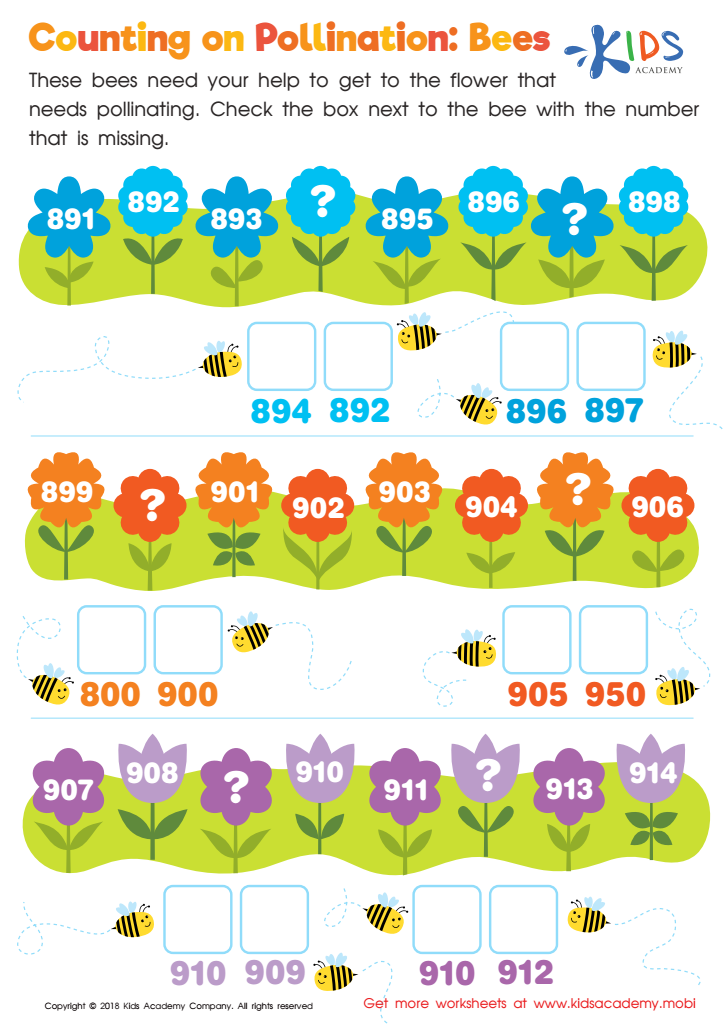
Counting on Pollination: Bees Worksheet
 Assign to My Students
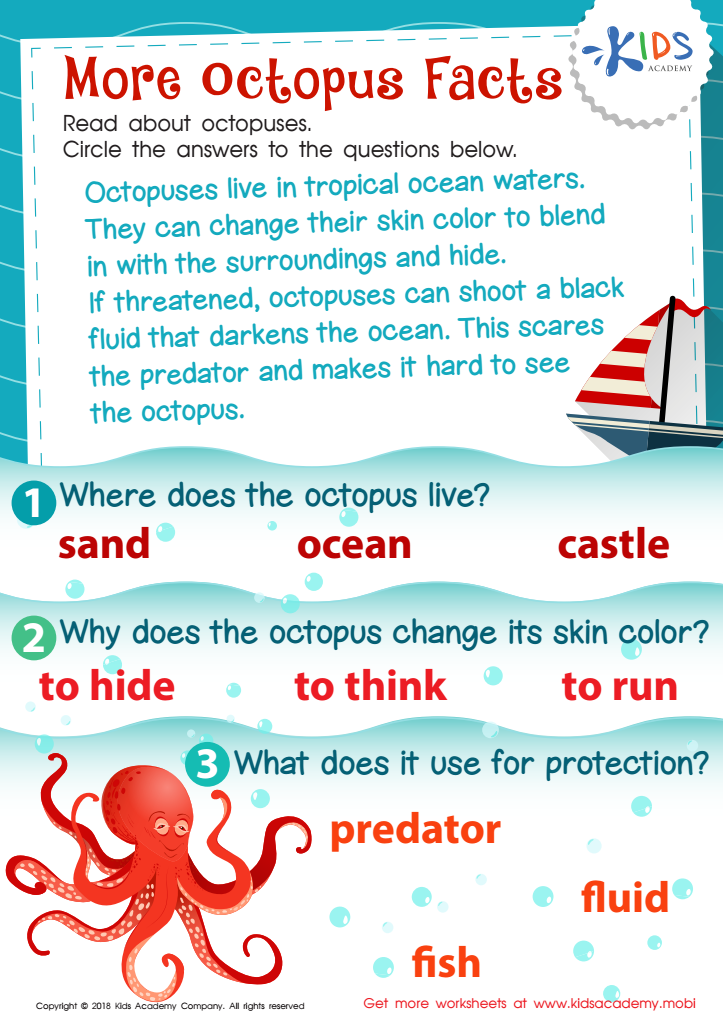
More Octopus Facts Worksheet
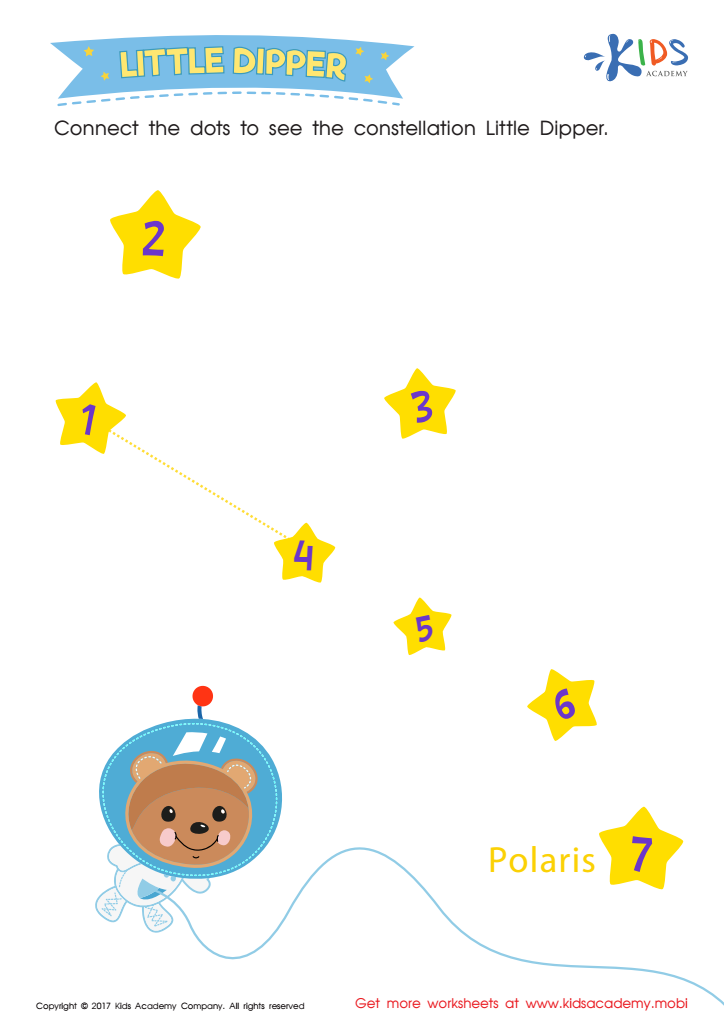
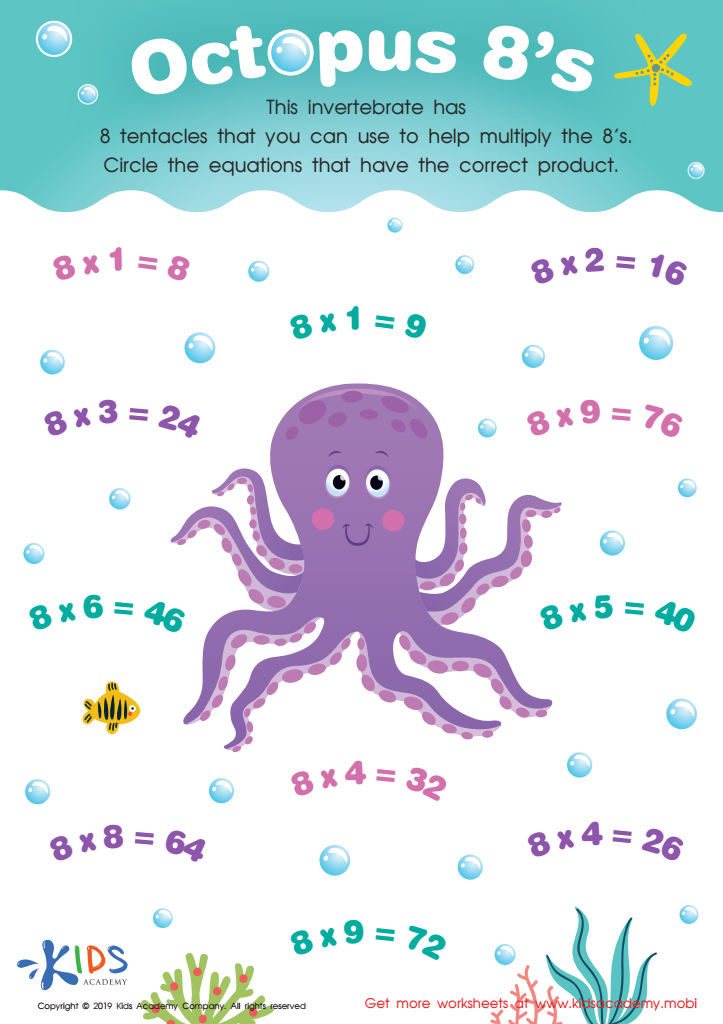
Octopus 8’s Worksheet


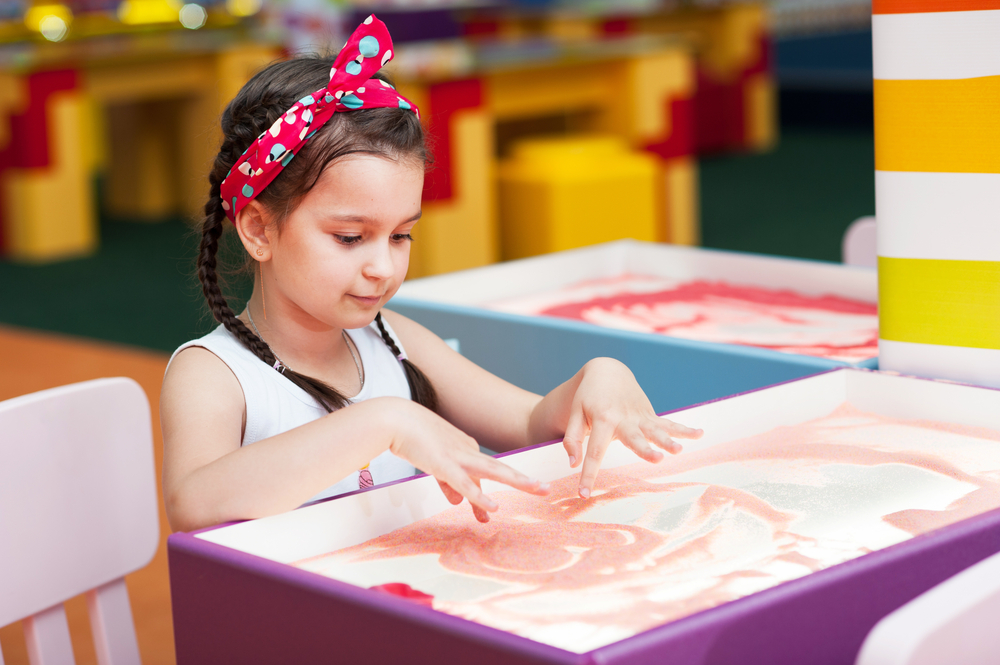





Counting practice is more than simply a mathematical exercise; it's a foundational pillar for a child's cognitive development. For ages 7-9, engaging in counting practice supports not only basic arithmetic skills but also bolsters logical thinking and problem-solving abilities. At this stage, students are transitioning from concrete to more abstract thought processes; enhanced counting skills can facilitate smoother understanding of advanced concepts like multiplication and division.
For parents and teachers, prioritizing counting practice nurtures children's numerical literacy, laying down the crucial groundwork for future academic achievements. Children with strong counting and number sense skills tend to perform better in more complex areas of math, and they are better equipped to understand scientific measurements, data analysis, and probability.
Moreover, mastery in counting also plays a critical role in everyday life skills such as telling time, handling money, and measuring ingredients. These practical applications illustrate how math is relevant beyond the classroom, fostering motivation and engagement.
In summary, counting practice is an investment in a child's academic journey and practical life capacity, making it essential for parents and teachers to integrate and emphasize this practice consistently during formative years.







