Filters

6 filtered results

Clear all filters
Favorites
With answer key
Interactive

6 filtered results

Difficulty Level

Grade


Explore our engaging Cognitive Development Worksheets on Plants and Animals, designed especially for children aged 7-9. These interactive resources aim to enhance critical thinking, observation, and understanding of the natural world. Each worksheet blends fun activities with educational content, allowing young learners to identify habitats, classify plants and animals, and understand ecosystems. Perfect for both classroom and home use, our worksheets provide a solid foundation in scientific concepts while stimulating curiosity and creativity. Foster your child’s cognitive skills and spark their interest in nature with our thoughtfully crafted materials that promote learning through exploration and discovery!

Check out this FREE Trial Lesson on Plants and Animals for age 7-9!

Animal Habitats

Favorites
With answer key
Interactive
  • 7-9
  • Cognitive Development
  • Plants and Animals
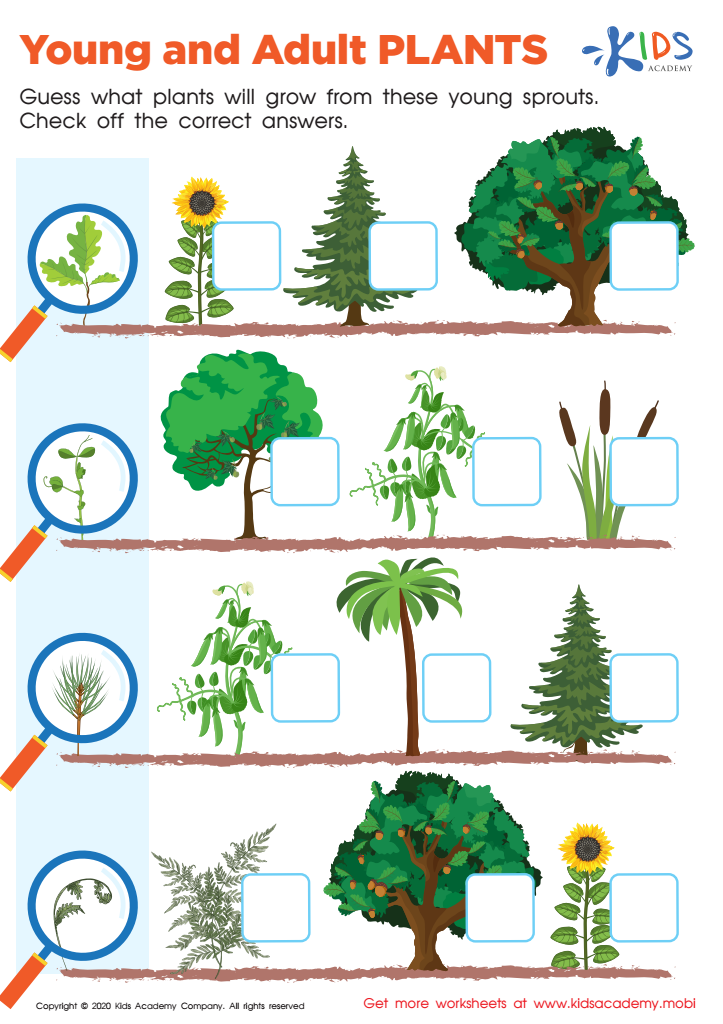
Young and Adult Plants Worksheet

Young and Adult Plants Worksheet

Examine the sprouts, then compare the leaves of the nearby trees. Check the box next to the tree that looks similar to the sprout to complete the worksheet. Problem-solving and analysis skills will be put to the test! 80 words.
Young and Adult Plants Worksheet
Worksheet
Nature Word Search Worksheet

Nature Word Search Worksheet

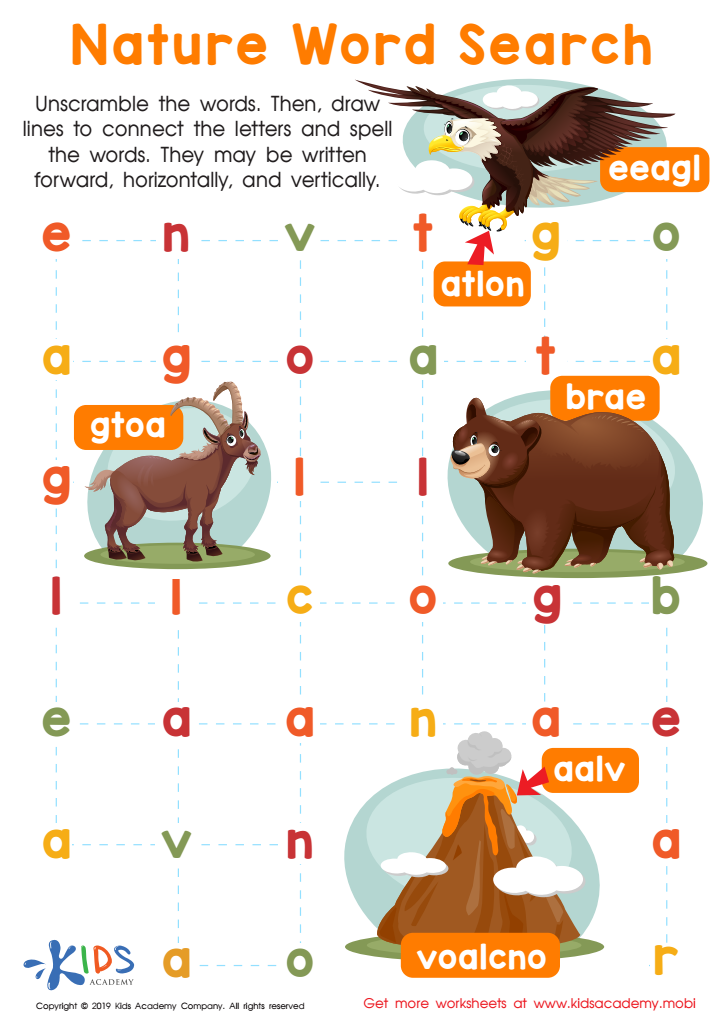
Unscramble science vocabulary words and find them in this fun worksheet! Use the pictures as clues if you get stumped; you can also write down the words for reference. Solve the puzzle when you're done to finish!
Nature Word Search Worksheet
Worksheet
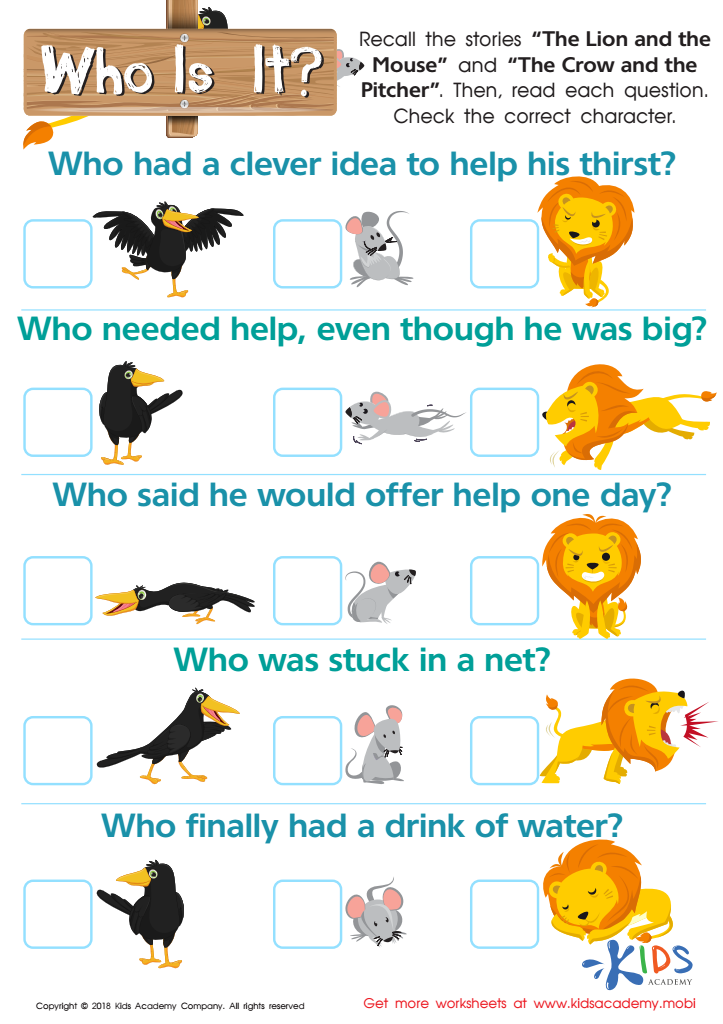
Who Is It? Worksheet

Who Is It? Worksheet

This worksheet helps students recall details from The Crow and the Pitcher and The Lion and the Mouse stories. Students will answer questions about the characters' actions. Use it to assess their understanding of both stories, as this is a key comprehension skill.
Who Is It? Worksheet
Worksheet
Arctic Animals Worksheet

Arctic Animals Worksheet

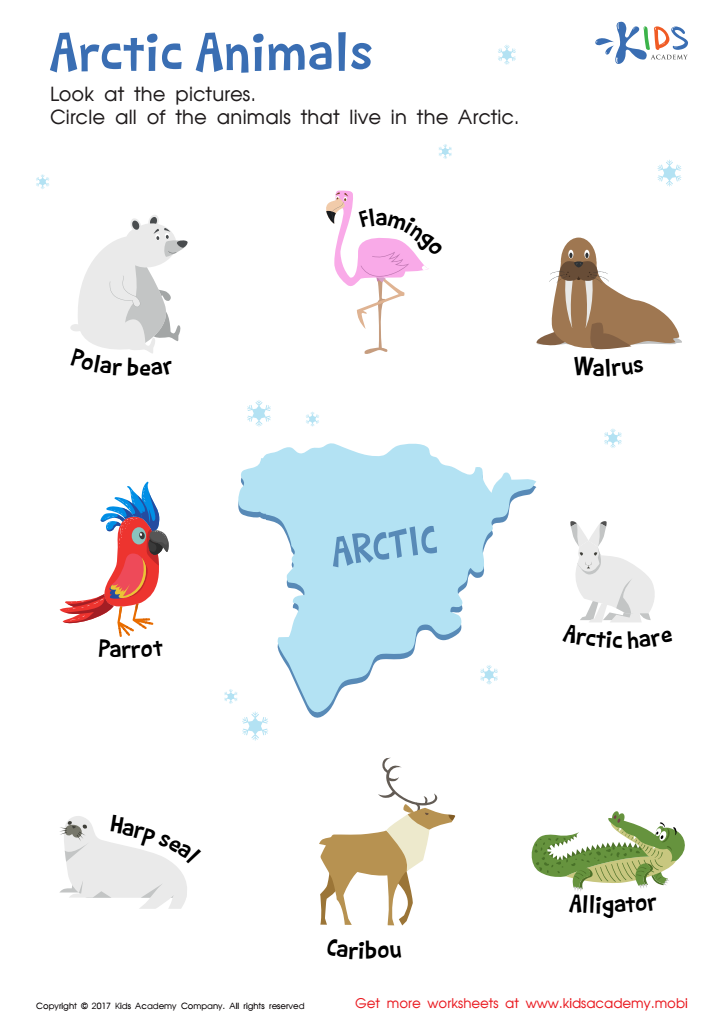
Kids love animals and this worksheet is a great way to teach them where they live. It reinforces classification skills and introduces new animals, like the Arctic hare. Use it to discuss the Arctic climate and how these animals live, then ask your child where other animals live to keep the conversation going.
Arctic Animals Worksheet
Worksheet
Animal Word Search Worksheet

Animal Word Search Worksheet

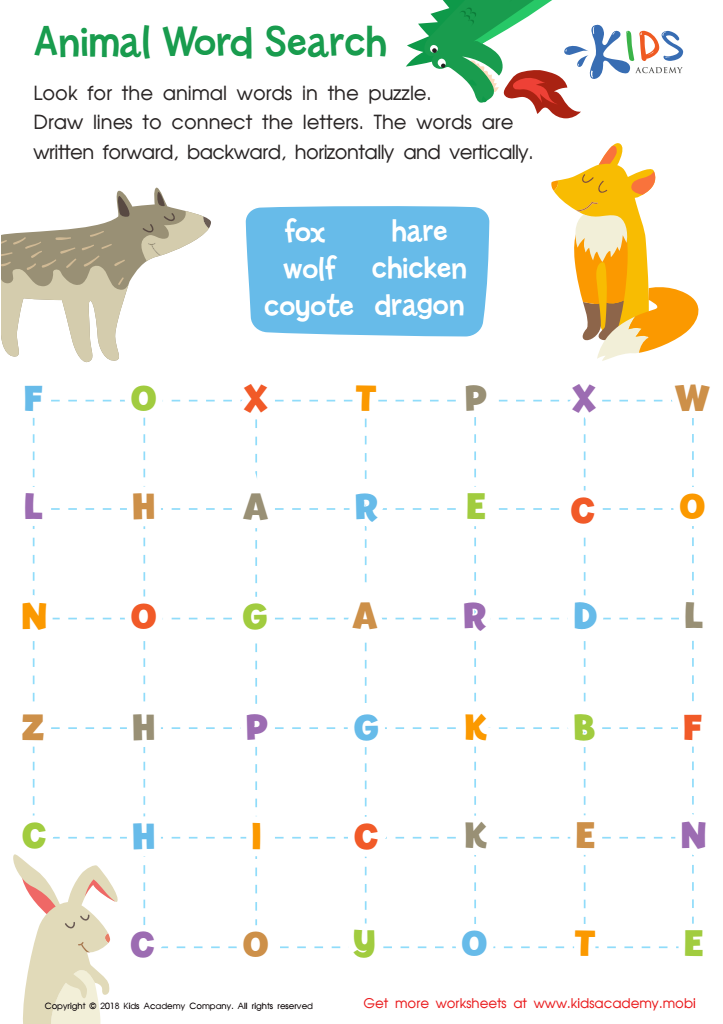
Students can have fun and strengthen spelling and vocabulary skills with this word search worksheet. Search for animal words and circle the letters in the puzzle. Words can be found forwards, backwards, horizontally or vertically, providing a great challenge to foster critical thinking skills. An enriching activity for all ages!
Animal Word Search Worksheet
Worksheet
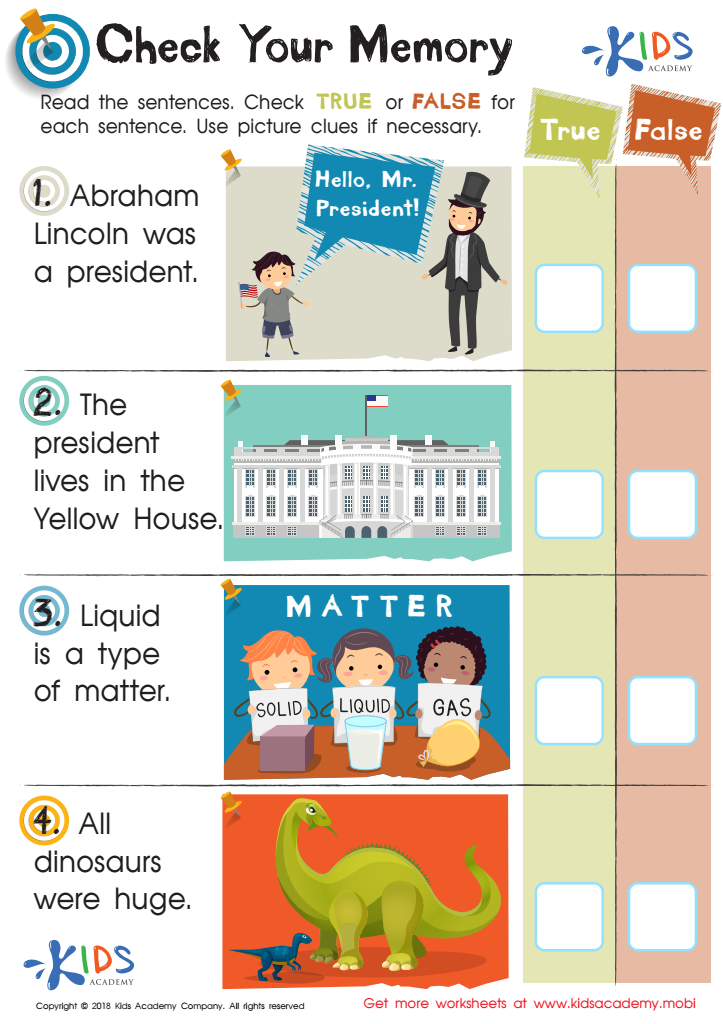
Check Memory Worksheet

Check Memory Worksheet

Assisting your kids with their homework and using worksheets is a great way for them to learn. The vibrant visuals in this printout can help stimulate the mind and motivate your child. Have them read the sentences and then point to the associated images. Afterwards, ask them to state True or False for each sentence. If they are still uncertain, offer them the picture clues to assist further.
Check Memory Worksheet
Worksheet


Cognitive development regarding plants and animals for children aged 7-9 is vital for several reasons. At this stage, children are naturally curious and eager to explore the world around them. Engaging with the concepts of plants and animals helps to nurture critical thinking skills as they learn about ecosystems, life cycles, and interdependence in nature. This knowledge not only fosters an appreciation for biodiversity but also instills a sense of responsibility towards environmental stewardship.

Incorporating studies of plants and animals into the curriculum promotes cross-disciplinary learning, integrating science with language arts, mathematics, and even art, enhancing overall cognitive abilities. Hands-on activities, such as gardening or observing local wildlife, allow children to engage in experiential learning, which solidifies their understanding and encourages problem-solving skills.

Moreover, these lessons can serve as a platform for discussions about health, nutrition, and the importance of conserving our natural resources, thereby enriching a child's understanding of their personal impact on the planet. Ultimately, when parents and teachers prioritize cognitive development in the context of plants and animals, they equip children not only with knowledge but also with the confidence and ambition to advocate for a healthier, sustainable world.