Filters

10 filtered results

Clear all filters
Favorites
With answer key
Interactive

10 filtered results

Difficulty Level

Grade


Enhance your child's cognitive abilities with our "Critical Thinking Plants and Animals Worksheets," designed for ages 7-9. These engaging worksheets will captivate young learners as they explore the fascinating world of plants and animals. Each worksheet aims to develop vital skills such as analysis, problem-solving, and logical reasoning through fun and interactive activities. Perfect for both classroom and home use, these resources encourage kids to think critically about the natural world while solidifying their science knowledge. Empower your child's learning journey and foster a love for science with our expertly crafted worksheets.

Check out this FREE Trial Lesson on Plants and Animals for age 7-9!

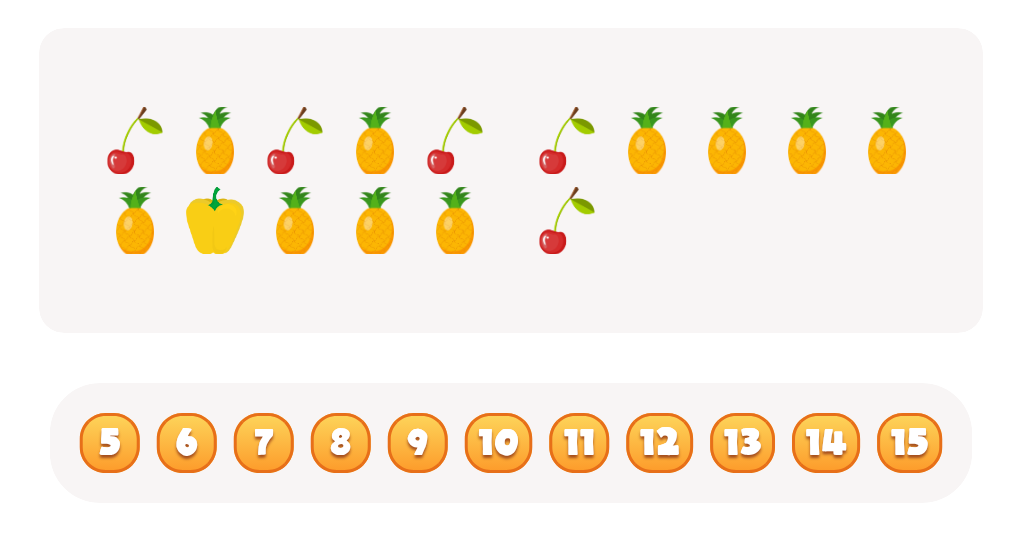
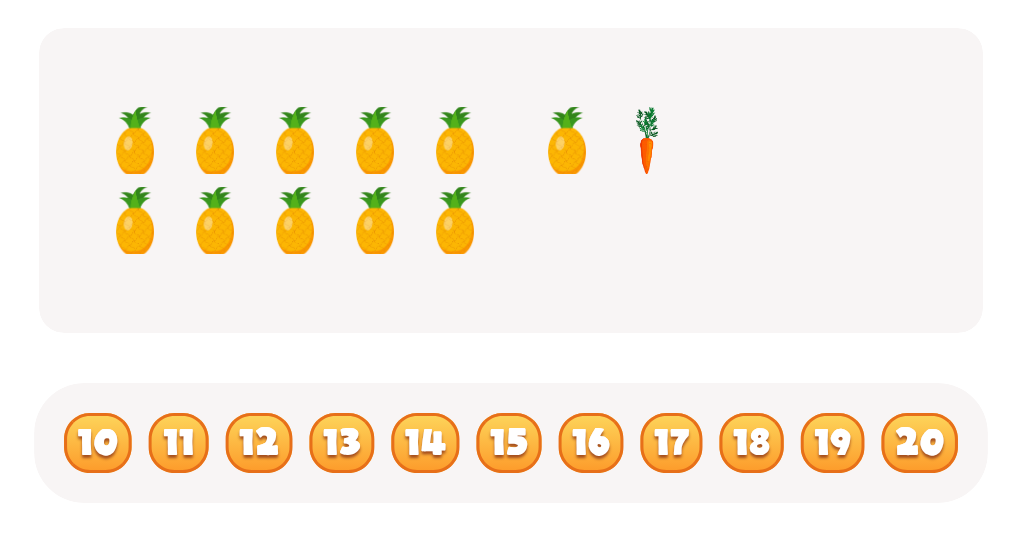
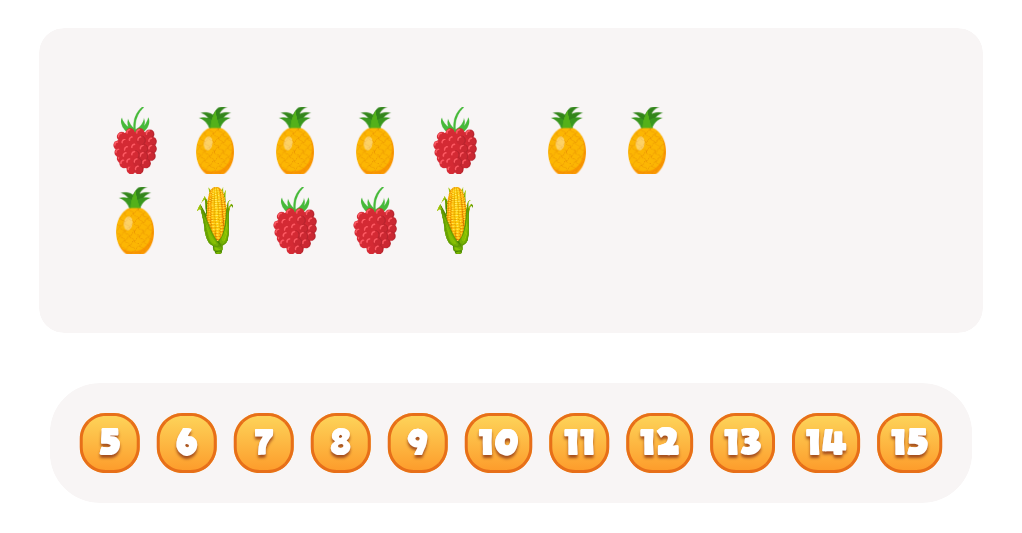
Multiplication and Division Fact Families Multiplication Facts Part 2

Favorites
With answer key
Interactive
  • 7-9
  • Critical Thinking
  • Plants and Animals
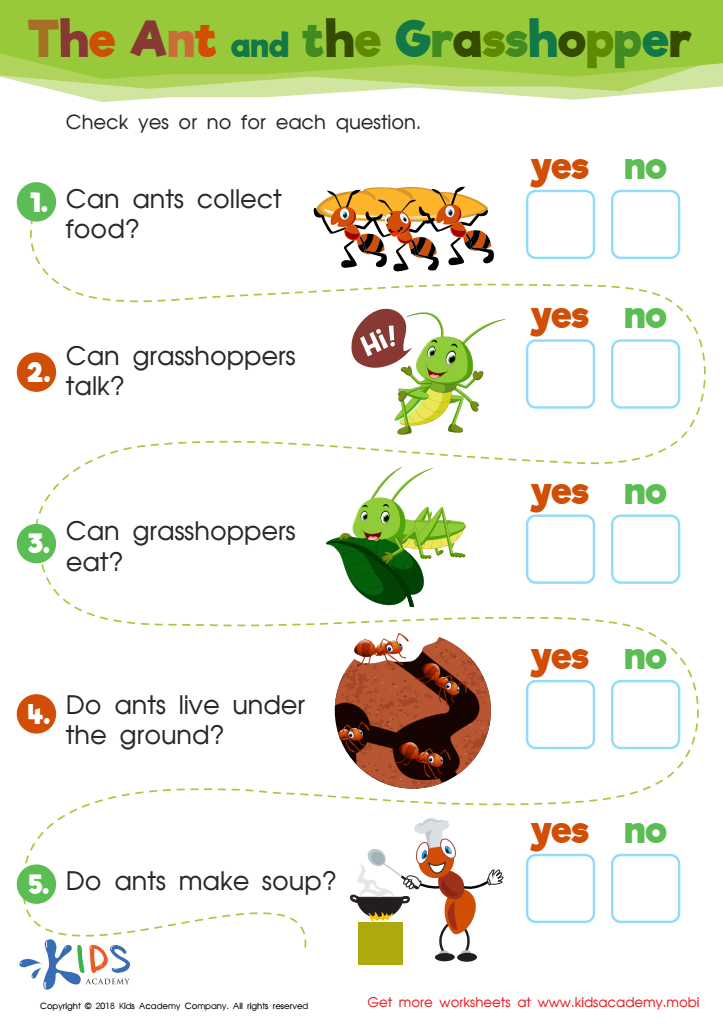
The Ant and The Grasshopper Worksheet

The Ant and The Grasshopper Worksheet

Does your child know about insects? If they're a nature lover or scared of them, use this worksheet to learn more. Read each of the questions and help them fill in the yes or no boxes. This may help them become less scared of insects.
The Ant and The Grasshopper Worksheet
Worksheet
Am I a Mammal or Bird? Worksheet

Am I a Mammal or Bird? Worksheet

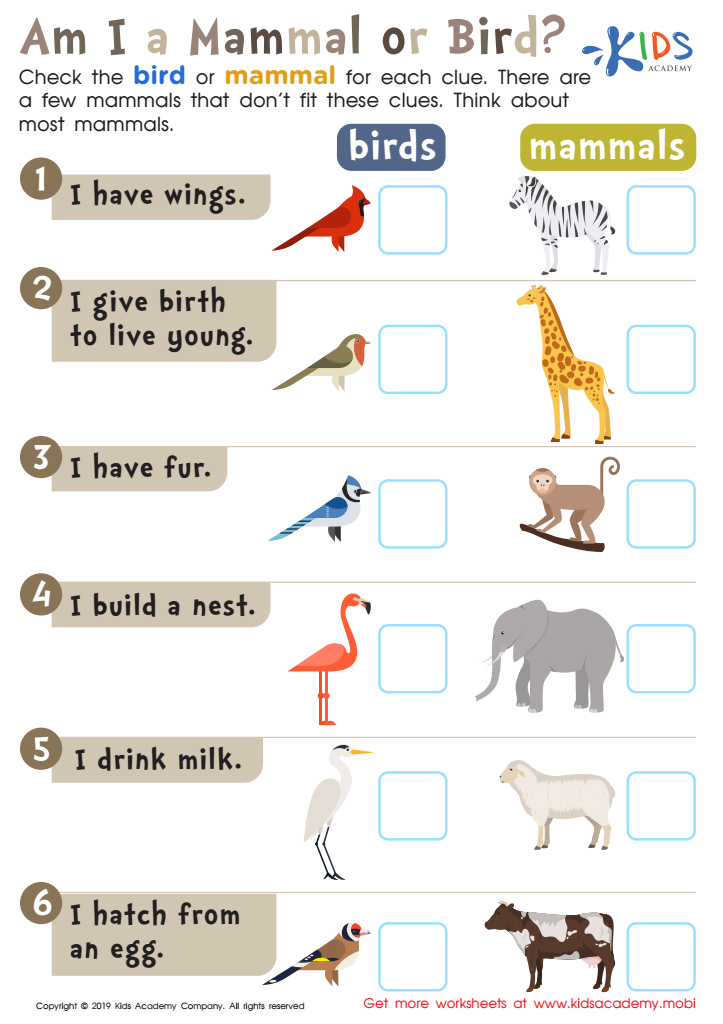
We categorize animals into groups such as mammals, birds, reptiles, etc. This worksheet helps kids understand the difference between birds and mammals. Read through the clues and think about each one. Then decide if it describes a bird or mammal, check the box and complete!
Am I a Mammal or Bird? Worksheet
Worksheet
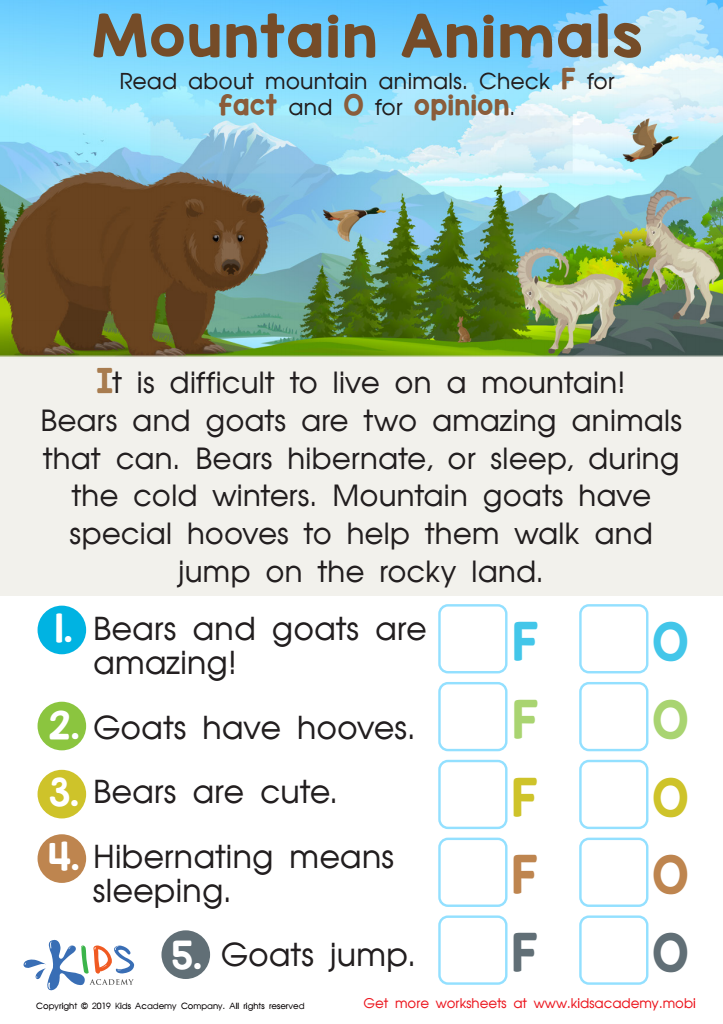
Mountain Animals Worksheet

Mountain Animals Worksheet

Is mountain wildlife amazing? Fact or fiction? Help your child sharpen critical-thinking skills with this engaging worksheet. Featuring a fun nonfiction passage about animals like bears and goats, your child will read through the text and identify each statement as fact or fiction. Perfect for boosting reading comprehension and analytical abilities!
Mountain Animals Worksheet
Worksheet
Divide up the Garden Worksheet

Divide up the Garden Worksheet

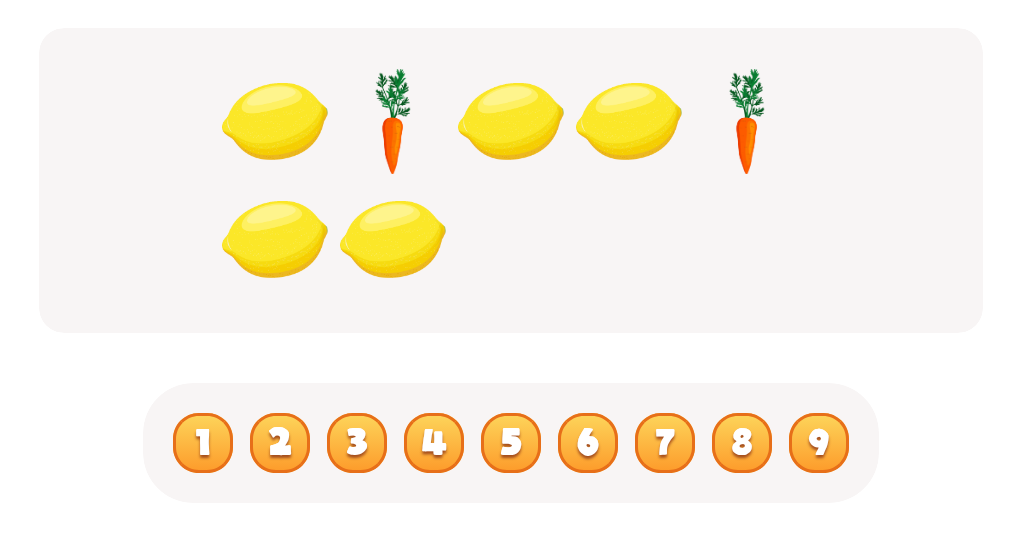
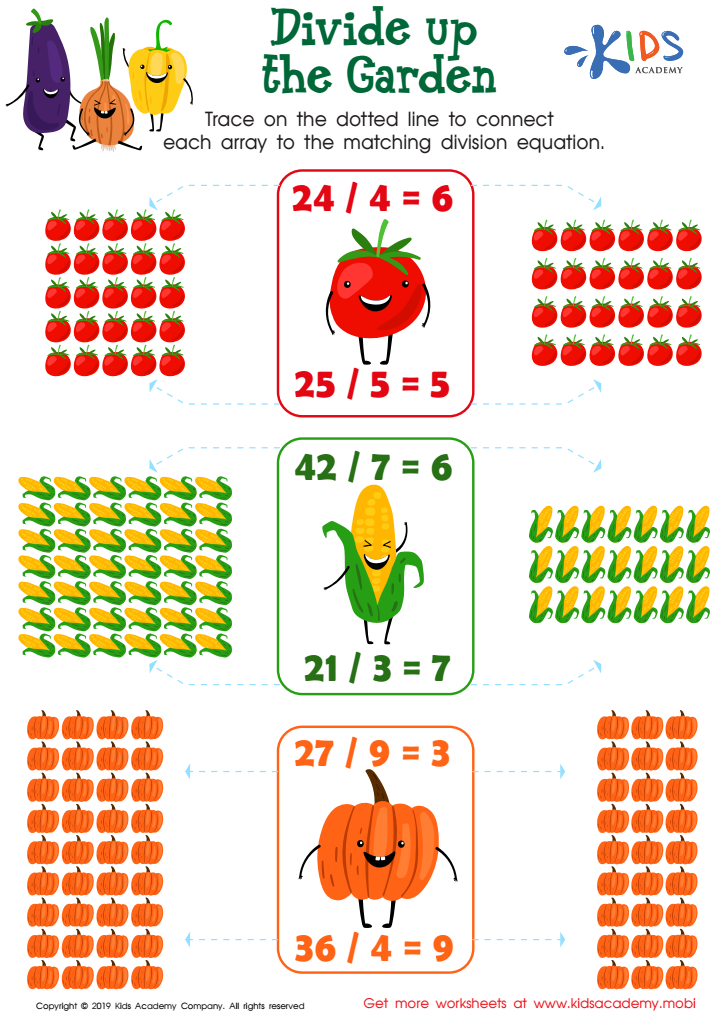
Dividing is simply grouping items into equal sets. This worksheet helps kids see division problems in array form. They'll match each equation with a picture group, using the lines provided. It's a great way for beginners to understand division more concretely.
Divide up the Garden Worksheet
Worksheet
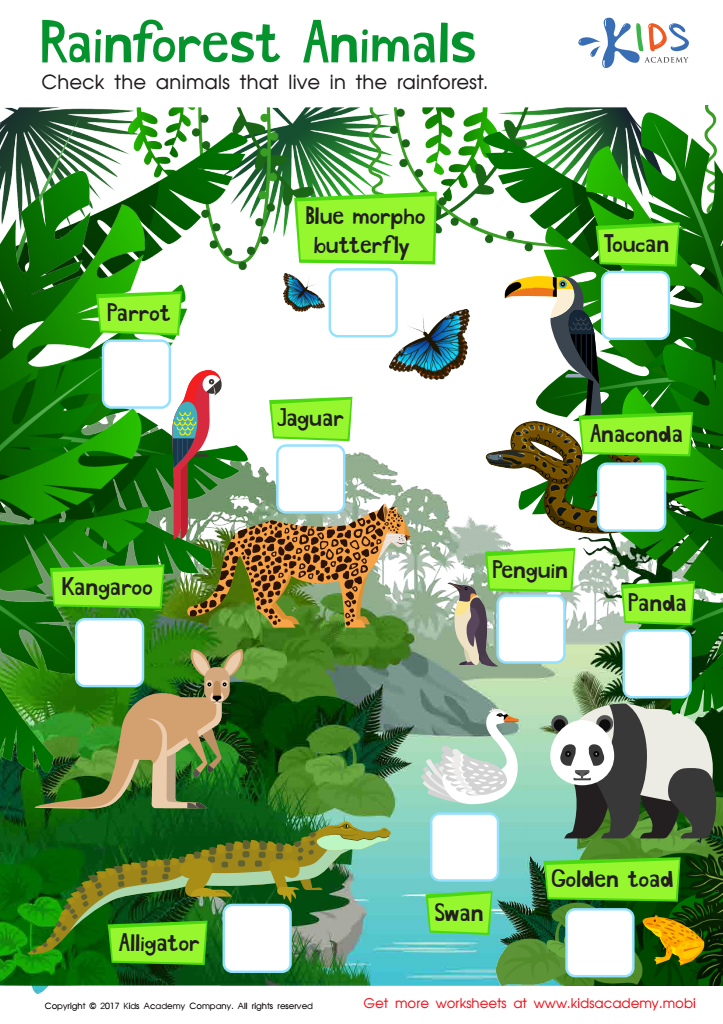
Rainforest animals worksheet

Rainforest Animals Worksheet

Kids love the bright, vivid pics of rainforest animals in this worksheet. It fuels their interest in life science and brings joy to their learning. It encourages them to study these animals in detail.
Rainforest Animals Worksheet
Worksheet
Animal Extinction Worksheet

Animal Extinction Worksheet

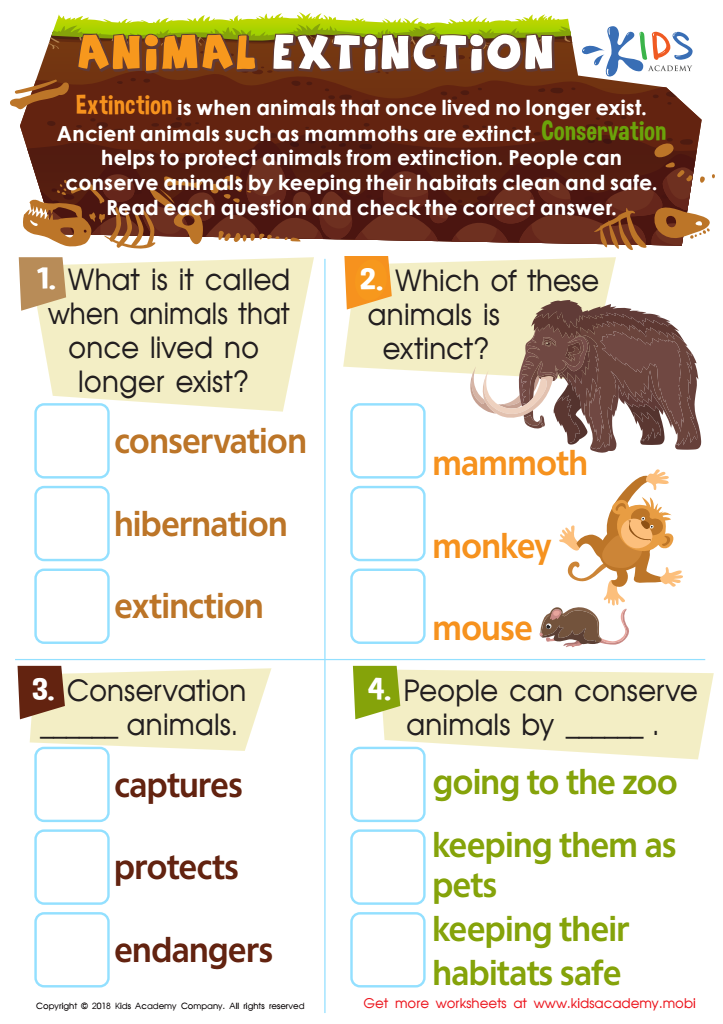
Children can learn how their actions can help endangered animals with this free PDF worksheet. It explains extinction, looks at the mammoth as an example, and poses questions about conservation. Keeping habitats clean and safe is key to protecting animals and keeping them abundant. Learning about this now can make a huge difference for future generations.
Animal Extinction Worksheet
Worksheet
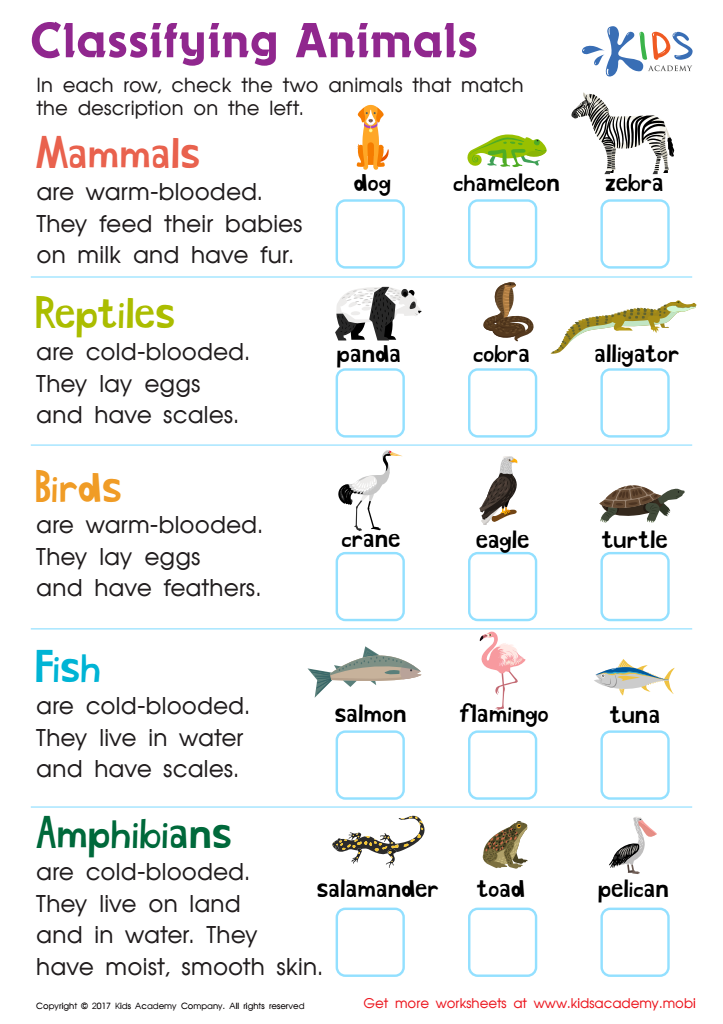
Classifying animals worksheet 2nd grade

Classifying Animals Worksheet

Print the 2nd grade animal classification worksheet and help kids study the differences between mammals, reptiles, birds, fish and amphibians. Let them pick two examples from the options given.
Classifying Animals Worksheet
Worksheet
What Does It Mean? Worksheet

What Does It Mean? Worksheet

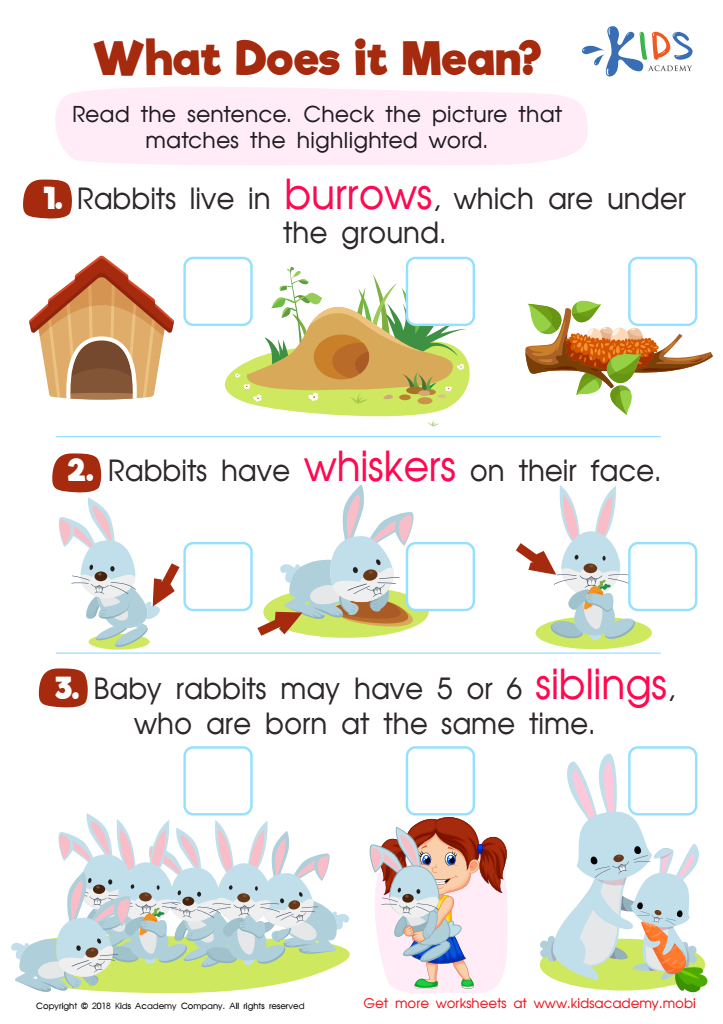
Teach your child to use context clues with this engaging Kids Academy worksheet. Read the sentences and find the pink-highlighted word. Use the other words in the sentence to figure out the meaning, then check the box next to the picture that represents it.
What Does It Mean? Worksheet
Worksheet
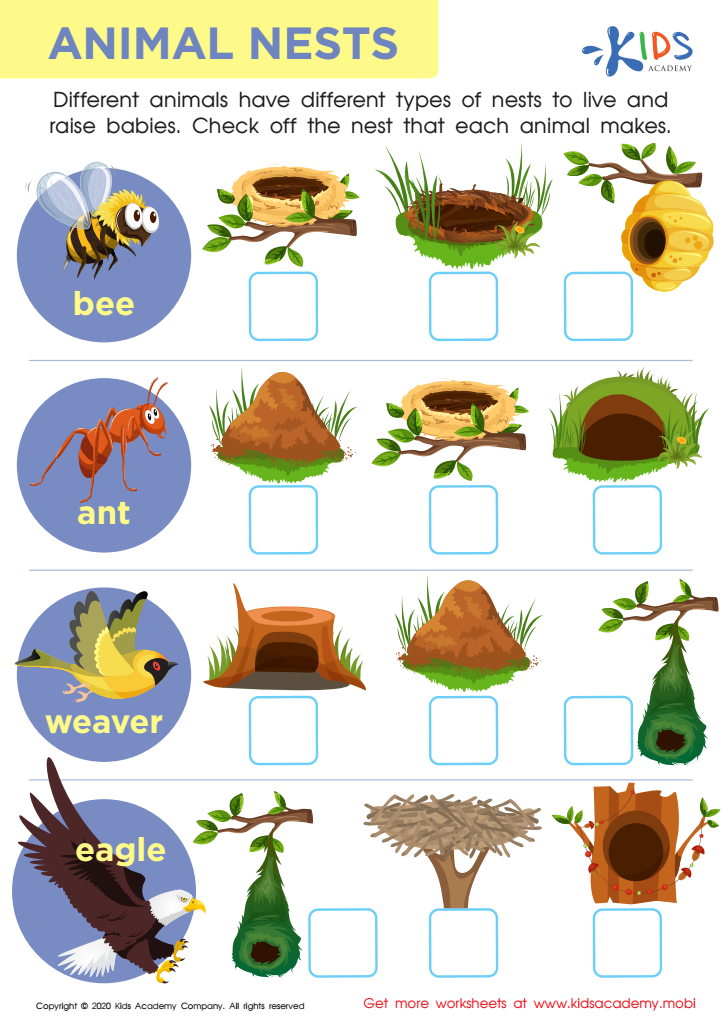
Animal Nests Worksheet

Animal Nests Worksheet

Animals need homes to sleep and stay safe. Look at the animal on the left and examine the nests and hives to the right. Check off the correct one for each animal to complete the worksheet! From birds to bees, it's a great way to show different types of homes animals make!
Animal Nests Worksheet
Worksheet
Assessment: Aquarium Sign Worksheet


Assessment: Aquarium Sign Worksheet
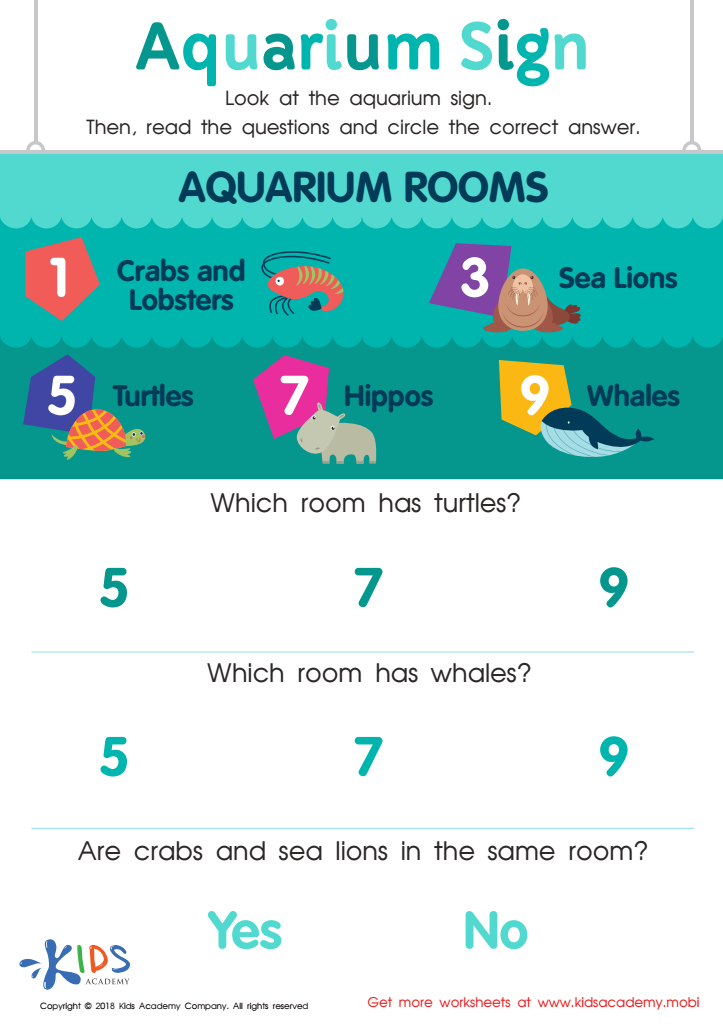
Take your kids to an aquarium and marvel at the sea creatures! Help them identify the animals they see, and ask them which one is their favorite. Look at the aquarium sign and point to each creature. Ask your kids the questions and help them circle the right answer.
Assessment: Aquarium Sign Worksheet
Worksheet


Parents and teachers should care about introducing critical thinking concepts to children ages 7-9 through plants and animals for several key reasons. First, engaging young minds in observing and analyzing the natural world fosters curiosity and a love for learning. When children learn to ask questions and draw conclusions about how plants grow or why animals behave in certain ways, they develop inquisitive minds that continually seek knowledge.

Second, critical thinking is a fundamental skill that enhances problem-solving abilities. As children investigate the needs of plants or the habitats of animals, they employ logical reasoning and make connections between cause and effect. For instance, understanding how plants need water and sunlight for photosynthesis teaches children about biological processes and interdependence within ecosystems.

Moreover, exploring plants and animals can improve observational and data collection skills. Children learn to notice details, compare objects or behaviors, and record their observations, translating these abilities to other subjects such as mathematics, reading comprehension, and science.

Lastly, caring for plants or pets nurtures empathy and responsibility. By tending to living things, children learn that their actions can directly impact the health and wellbeing of another life, cultivating a sense of stewardship and responsibility toward the environment and other creatures.

In summary, integrating critical thinking practices through the study of plants and animals equips young learners with essential cognitive skills, fosters a deep connection to nature, and helps develop responsible and thoughtful individuals.