Word Recognition Phonics Worksheets for 7-Year-Olds
17 filtered results
-
From - To
Boost your child's reading skills with our engaging Word Recognition Phonics Worksheets designed specifically for 7-year-olds! Ideal for early learners, these worksheets combine fun illustrations with phonics exercises to enhance word recognition and build phonemic awareness. Each activity encourages children to identify, read, and spell words effectively, fostering their confidence in reading. Our collection covers various themes and difficulty levels, ensuring that your child stays motivated while learning. Perfect for classroom use or home practice, these worksheets make mastering phonics an enjoyable experience. Help your 7-year-old develop a strong foundation in literacy with our comprehensive and interactive resources!
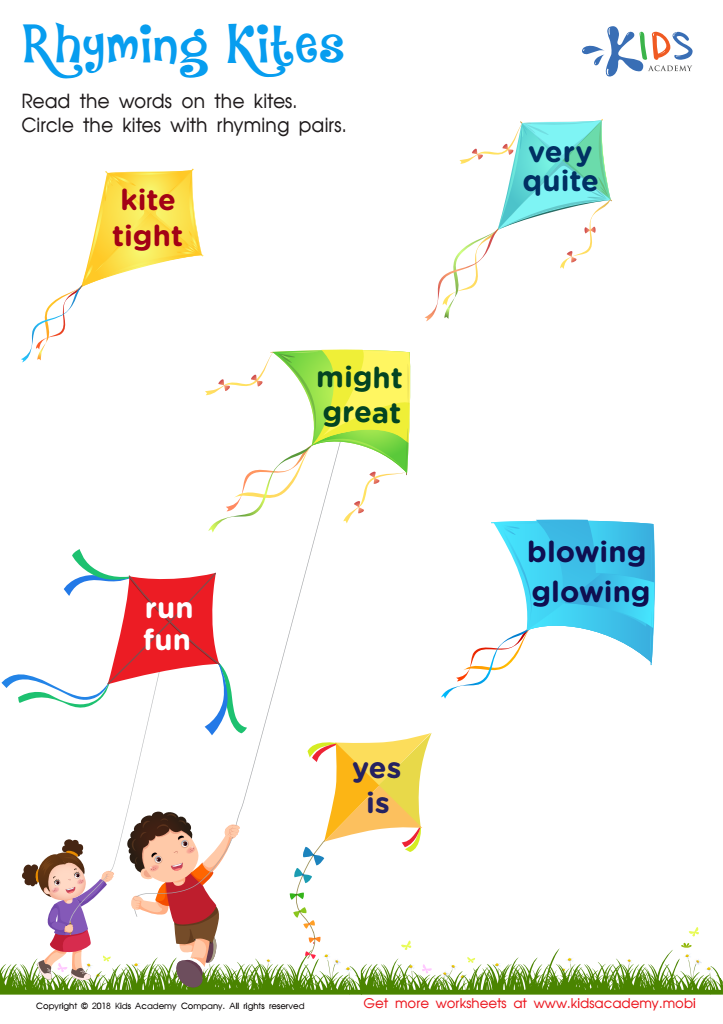
Rhyming Kites Worksheet
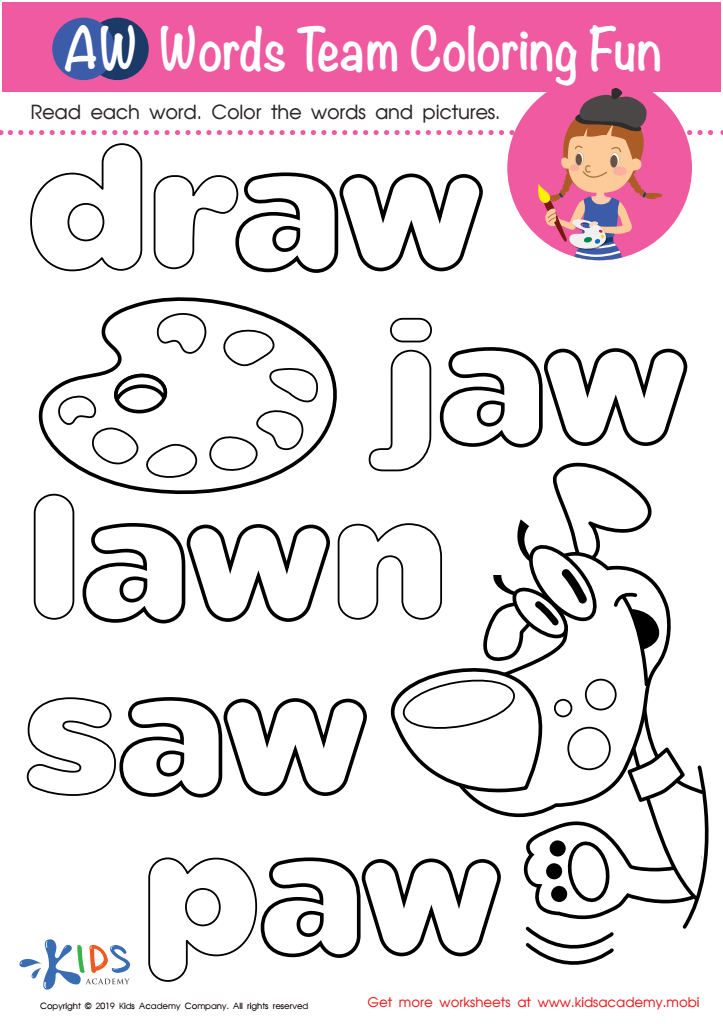
AW Words Team Coloring Fun Worksheet
 Assign to My Students
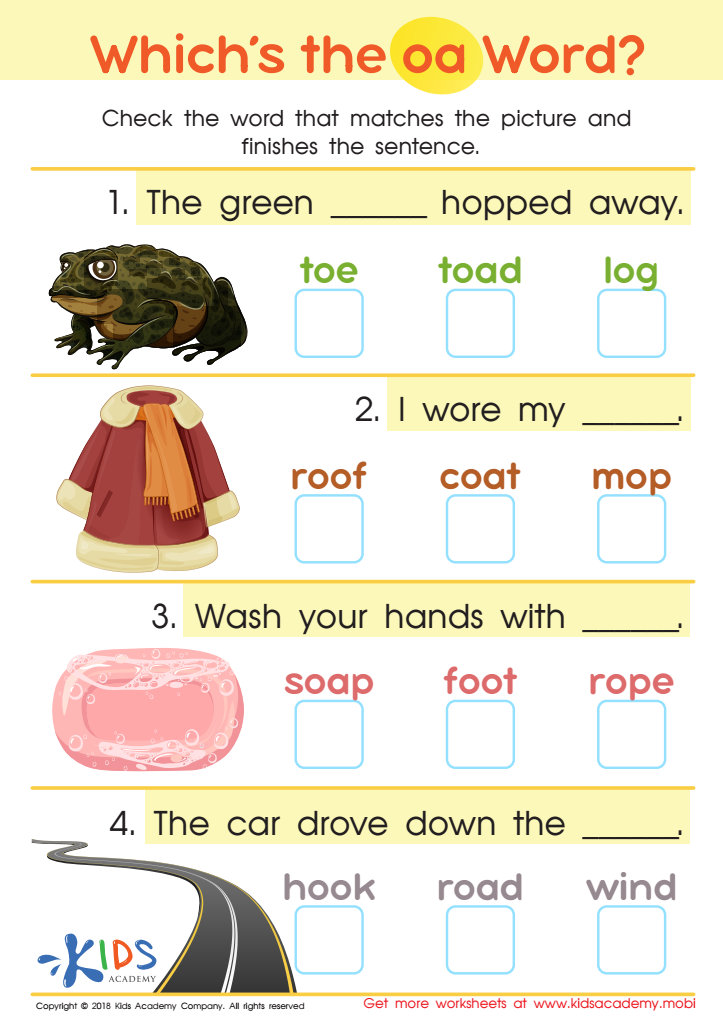
Which's the OA Word? Worksheet
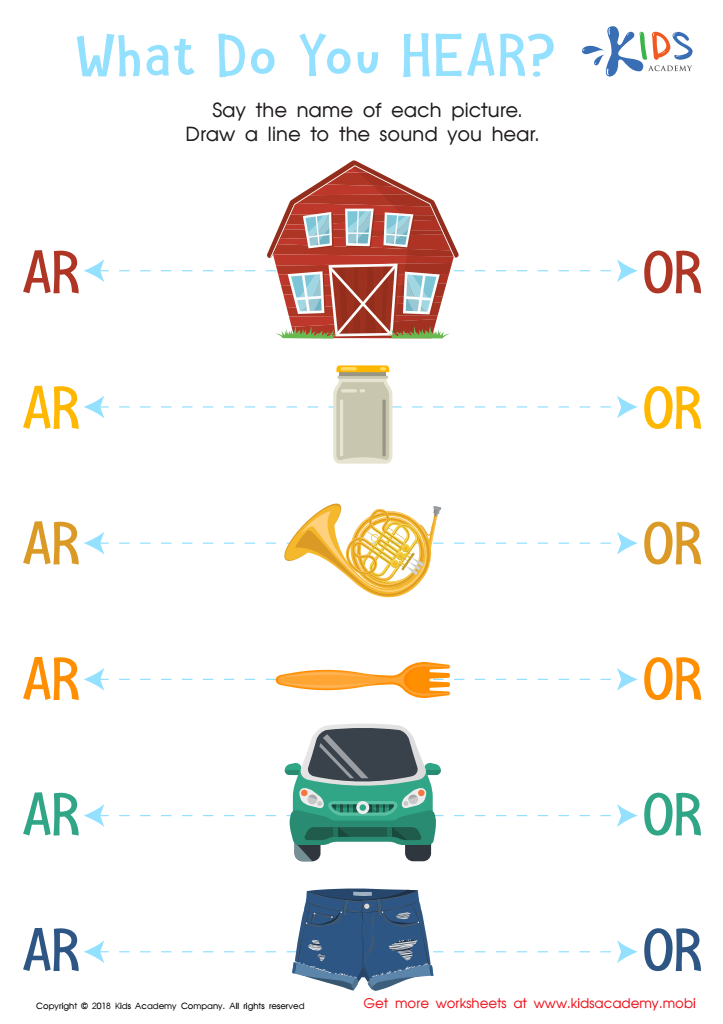
What do you hear Worksheet
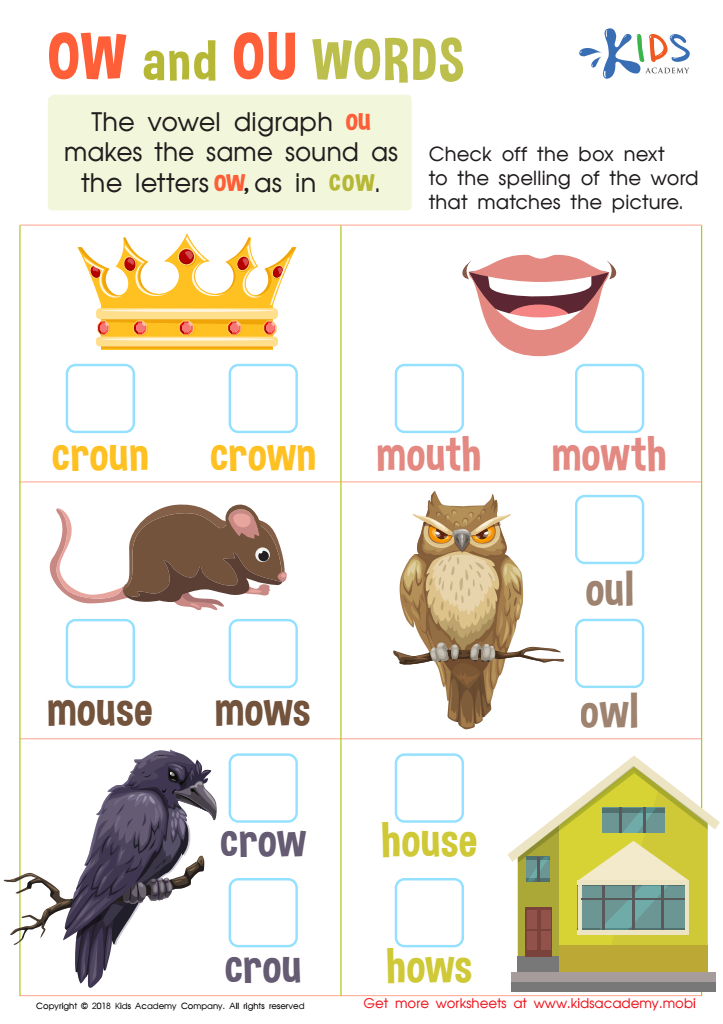
Reading: OW and OU Words Worksheet
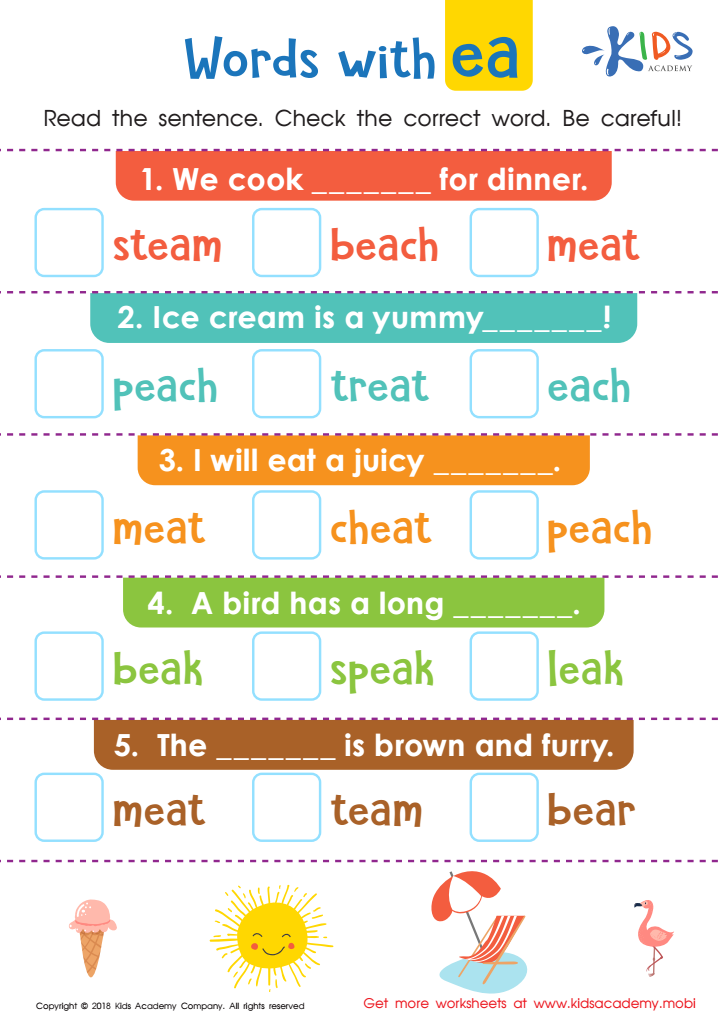
Words with ea Worksheet
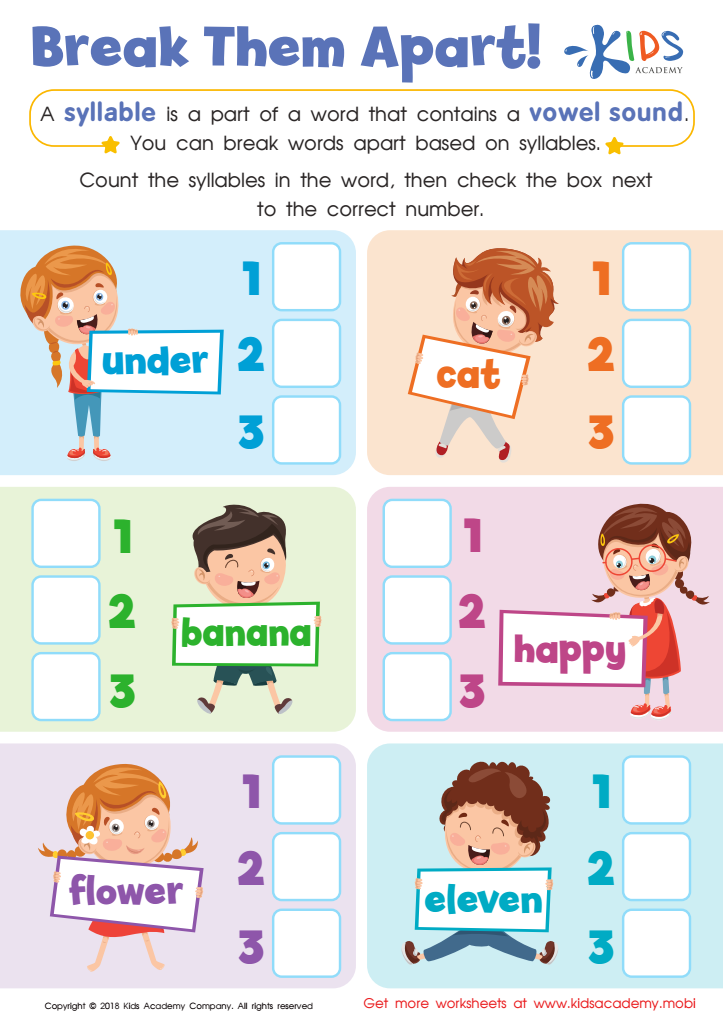
Reading: Break Them Apart Worksheet
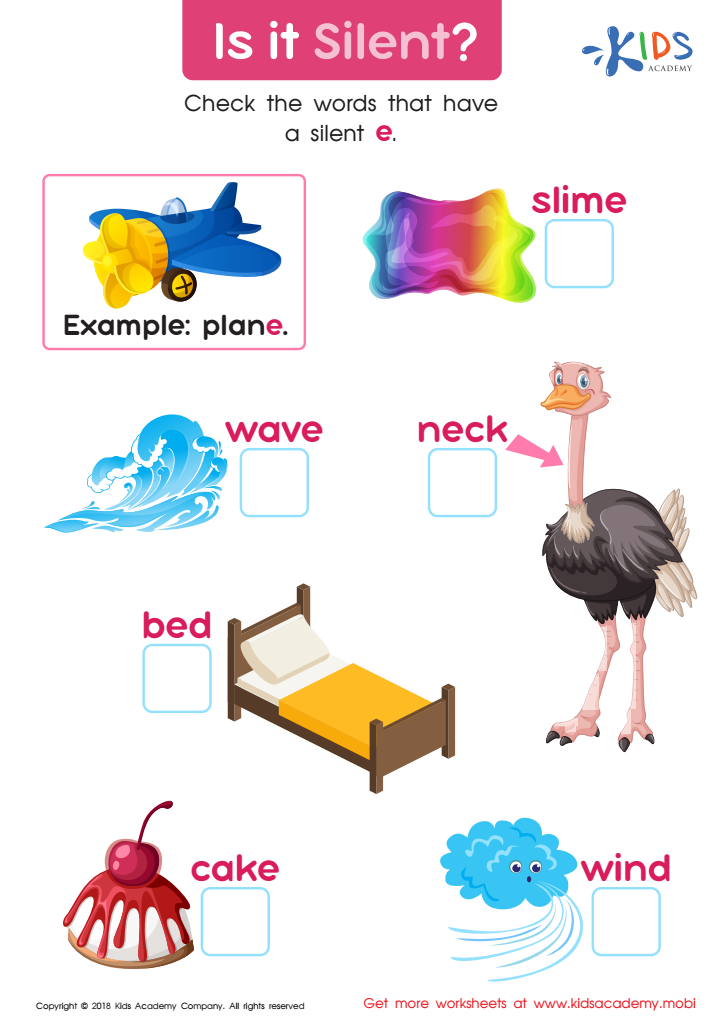
Is It Silent? Worksheet
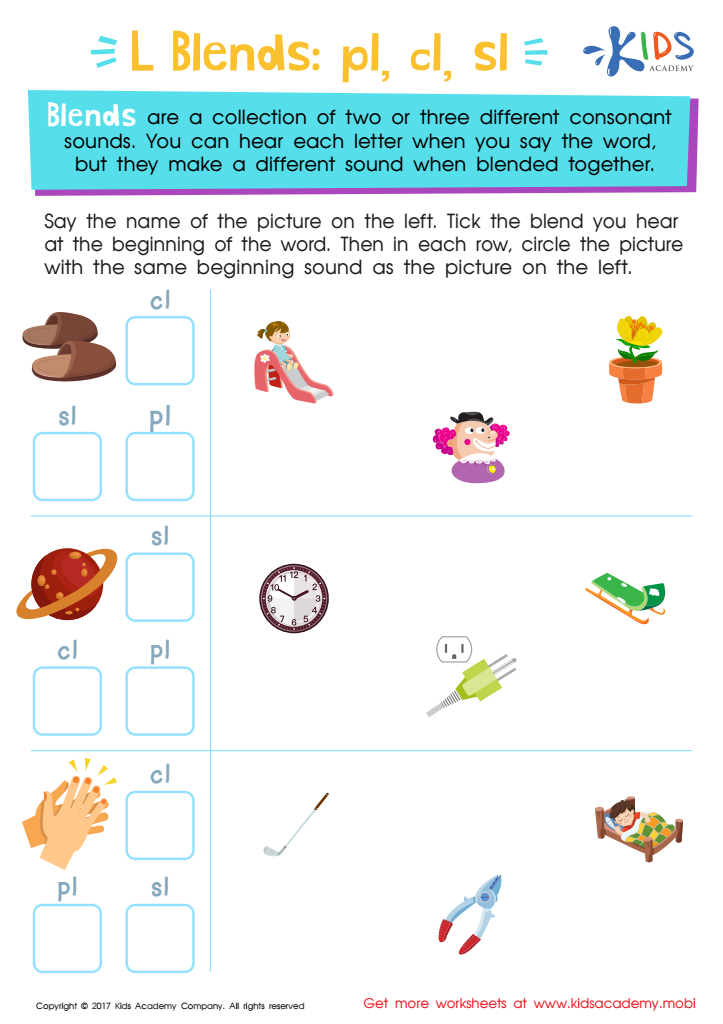
L Blends: "Pl", "Cl" and "Sl" Printable
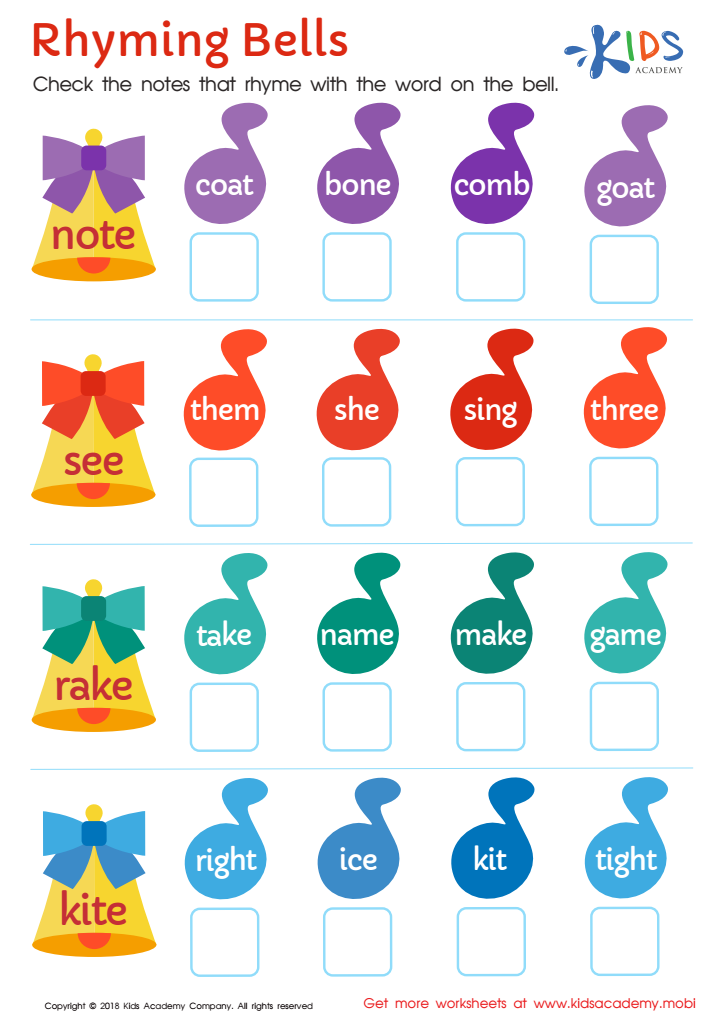
Rhyming Bells Worksheet
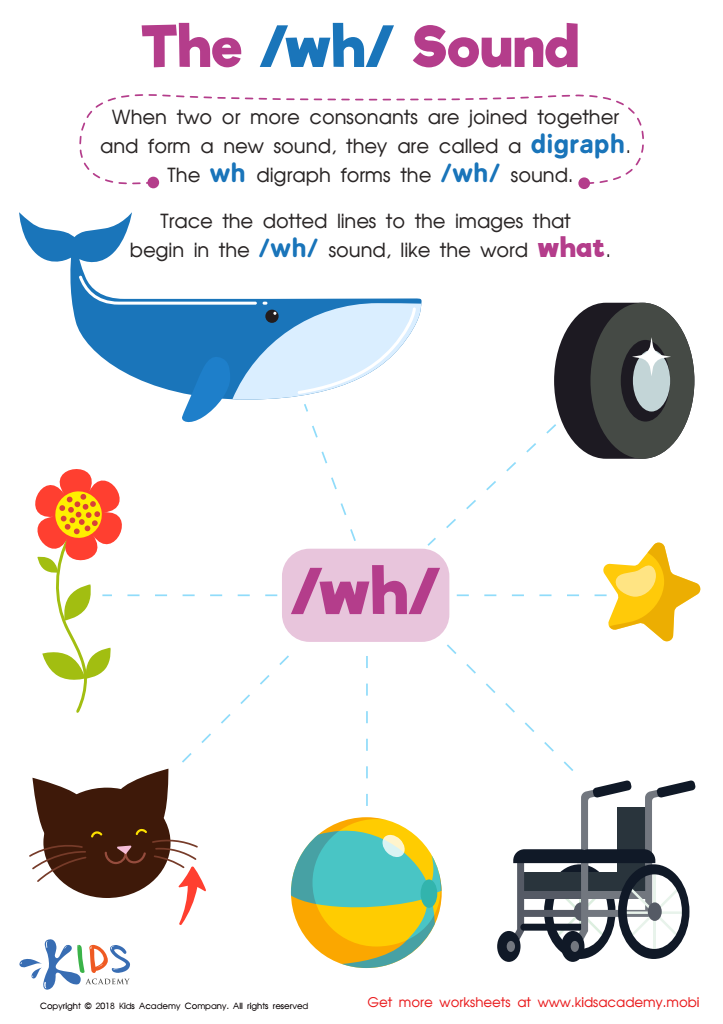
The /wh/ Sound Worksheet
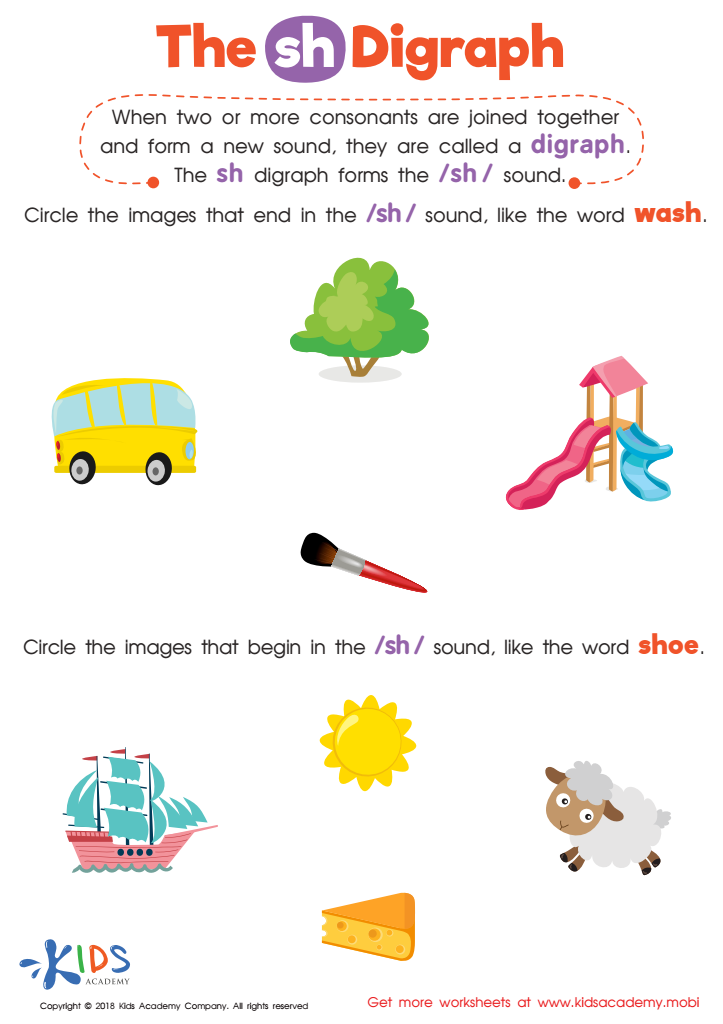
The SH Digraph Worksheet
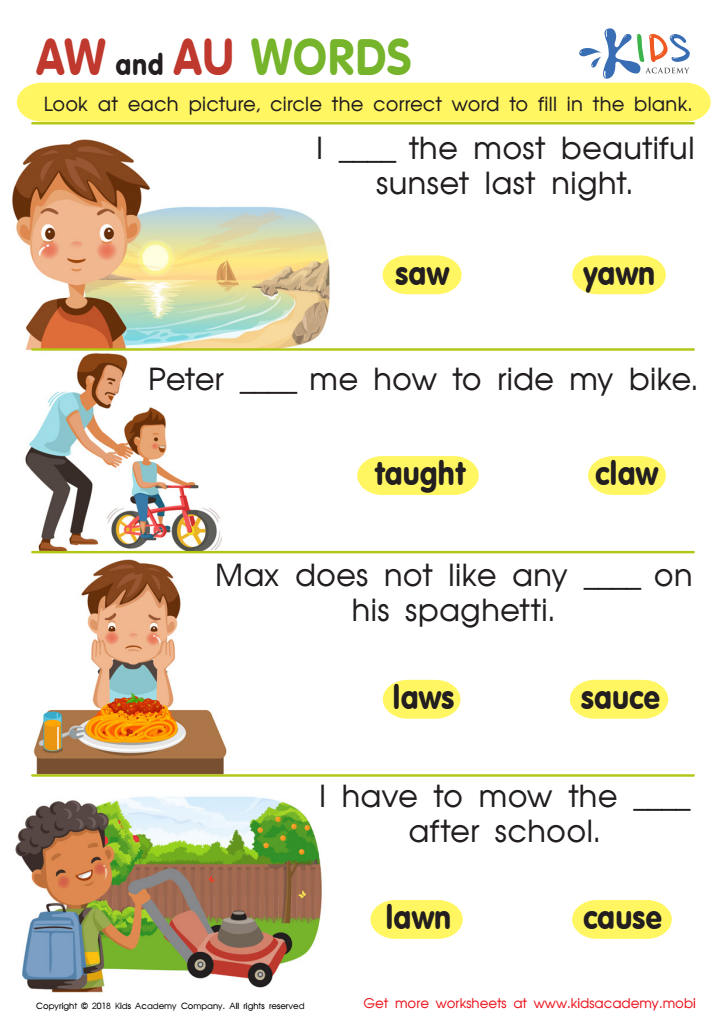
Reading: AW and AU Words Worksheet
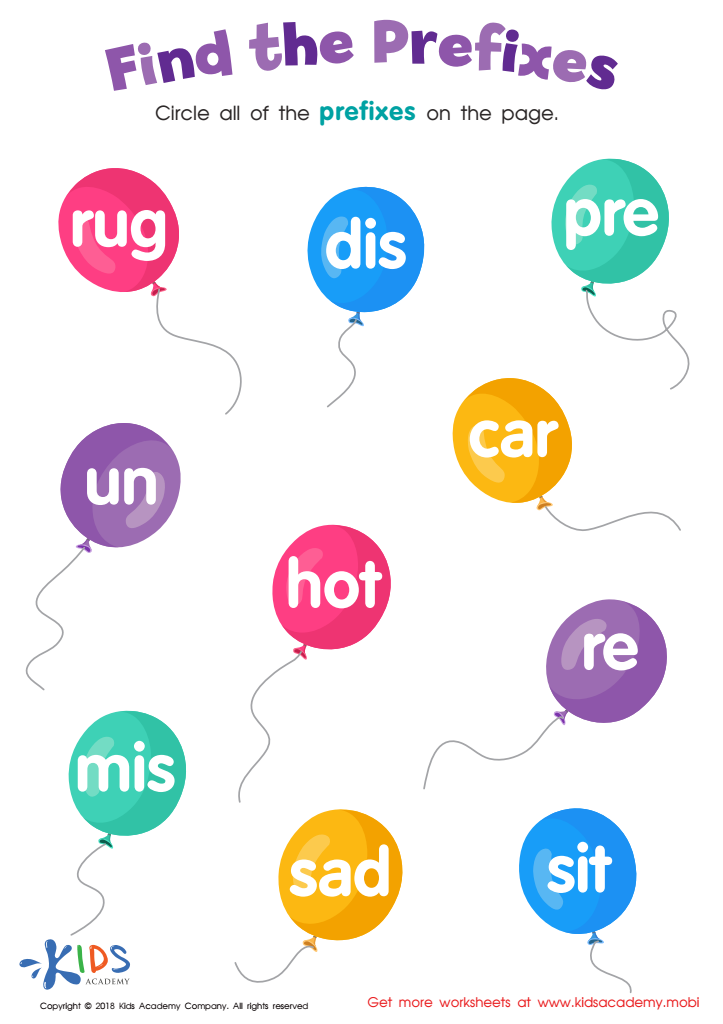
Reading: Find the Prefixes Worksheet
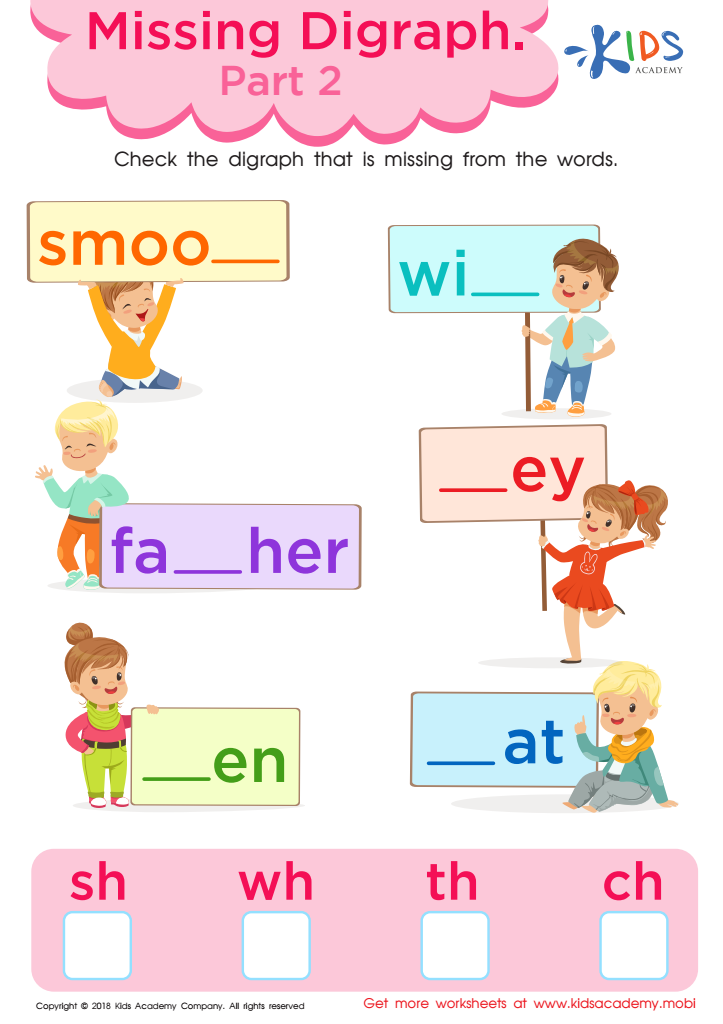
Missing Digraph: Part 2 Worksheet
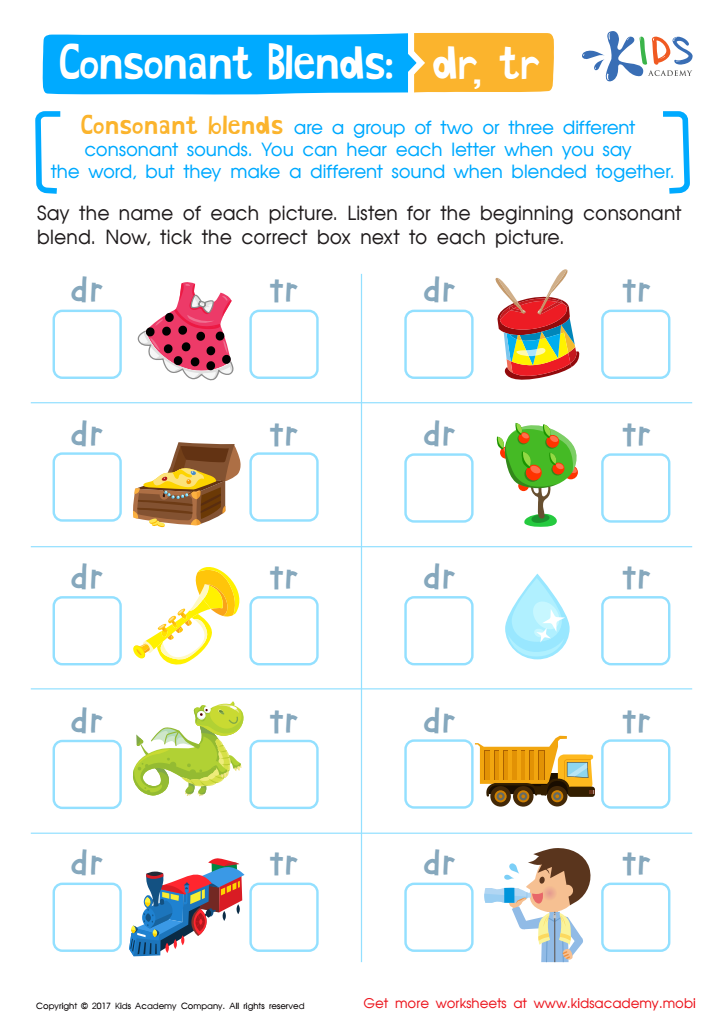
Consonant Blends: "Dr" and "Tr" Printable
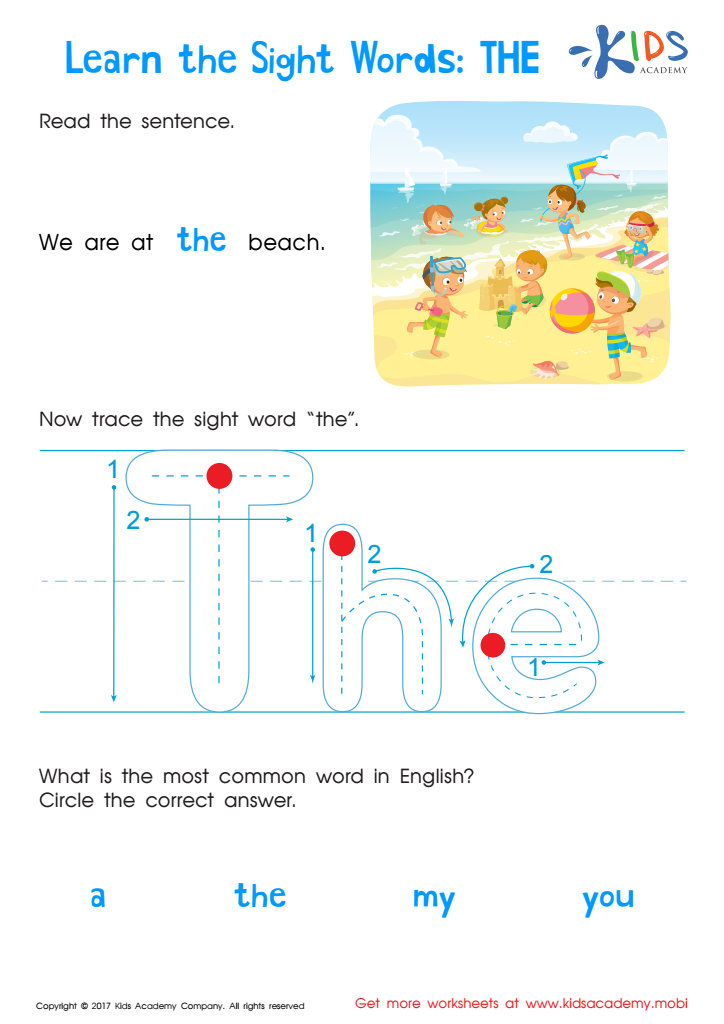
Sight Words: The Worksheet








Word recognition phonics is essential for 7-year-olds as it forms the foundation for reading success and literacy development. At this age, children are transitioning from learning to read to reading to learn. Proficient word decoding helps them understand texts better, which is crucial for their academic growth. When parents and teachers prioritize word recognition phonics, they enable children to identify and pronounce words correctly, improving their reading fluency and comprehension.
Research shows that strong phonics skills are linked to better performance in subjects beyond reading, such as math and science, where comprehension of written information is essential. Additionally, mastering word recognition can boost a child's confidence, making them more willing to participate in classroom discussions and reading activities.
Parents and teachers play a critical role in fostering a love for reading by integrating engaging phonics activities into daily learning. This approach not only enhances vocabulary but also cultivates critical thinking skills as children begin to analyze texts independently. When caregivers emphasize the importance of phonics, they equip children with the essential tools to become proficient readers, nurturing a lifelong appreciation for literature and learning. This ultimately supports their overall cognitive and emotional development.







