Critical Thinking Reading Comprehension Worksheets for 7-Year-Olds
24 filtered results
-
From - To
Enhance your 7-year-old's reading skills with our Critical Thinking Reading Comprehension Worksheets. Designed to cultivate analytical and critical thinking capabilities, these engaging worksheets introduce young readers to complex concepts in a fun, accessible way. Each exercise encourages deep understanding by prompting kids to draw inferences, discern themes, and make connections. Ideal for both classroom use and home practice, our uniquely crafted materials not only strengthen reading comprehension but also foster independent thinking and problem-solving skills. Perfectly tailored for young learners, these worksheets make learning an interactive and transformative experience. Download now to ignite a love for reading and critical thinking!
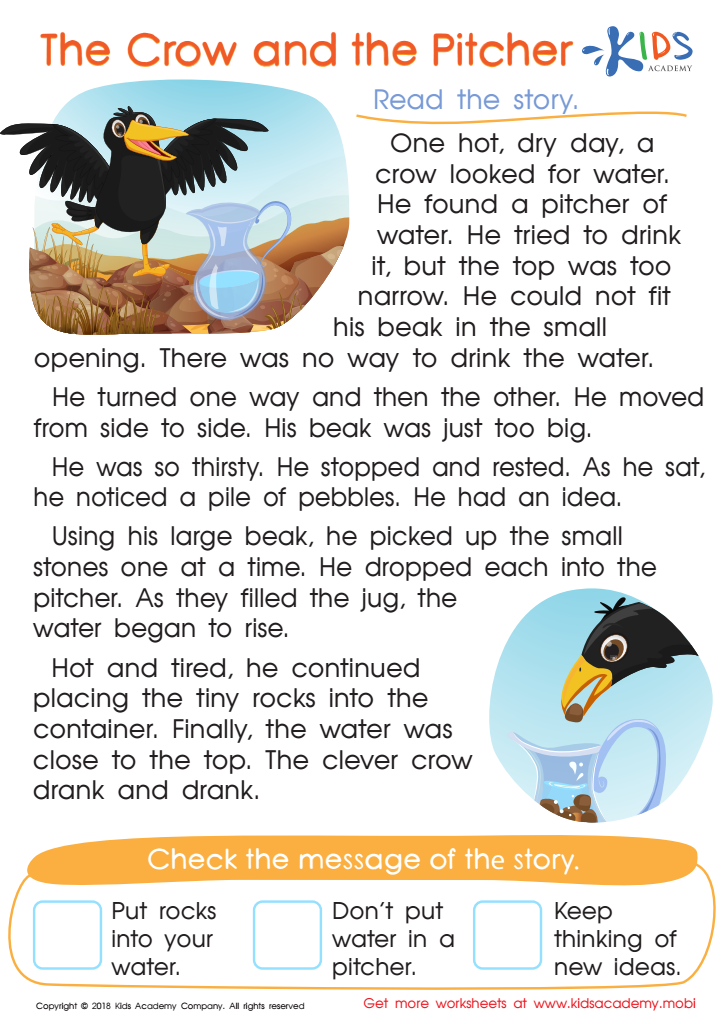
The Crow and the Pitcher Worksheet
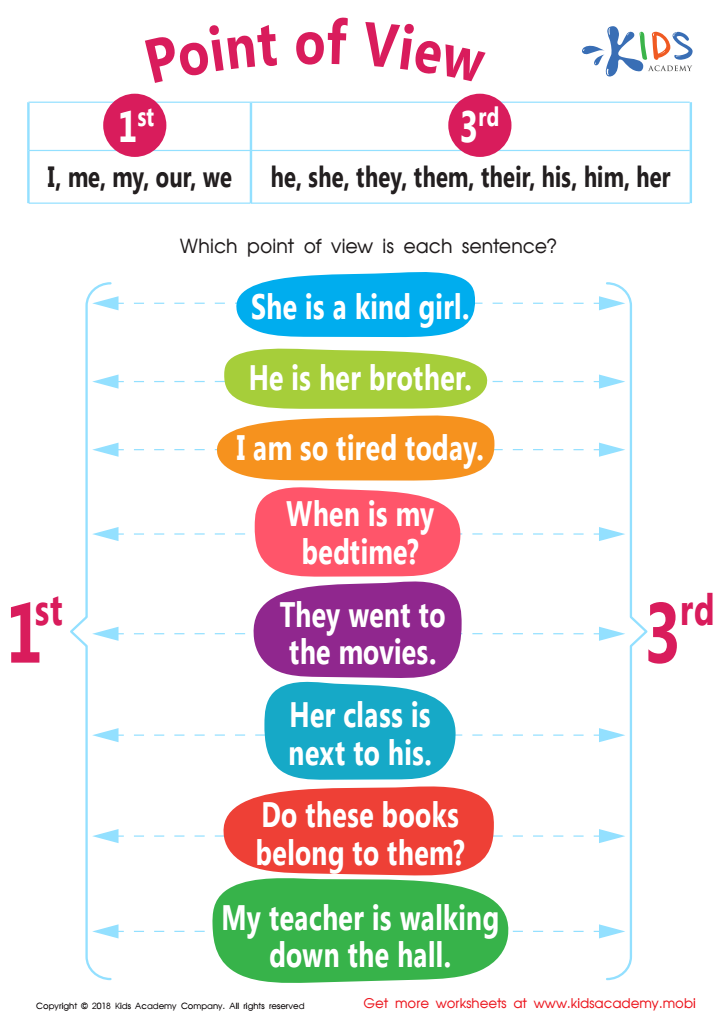
Point of View Worksheet
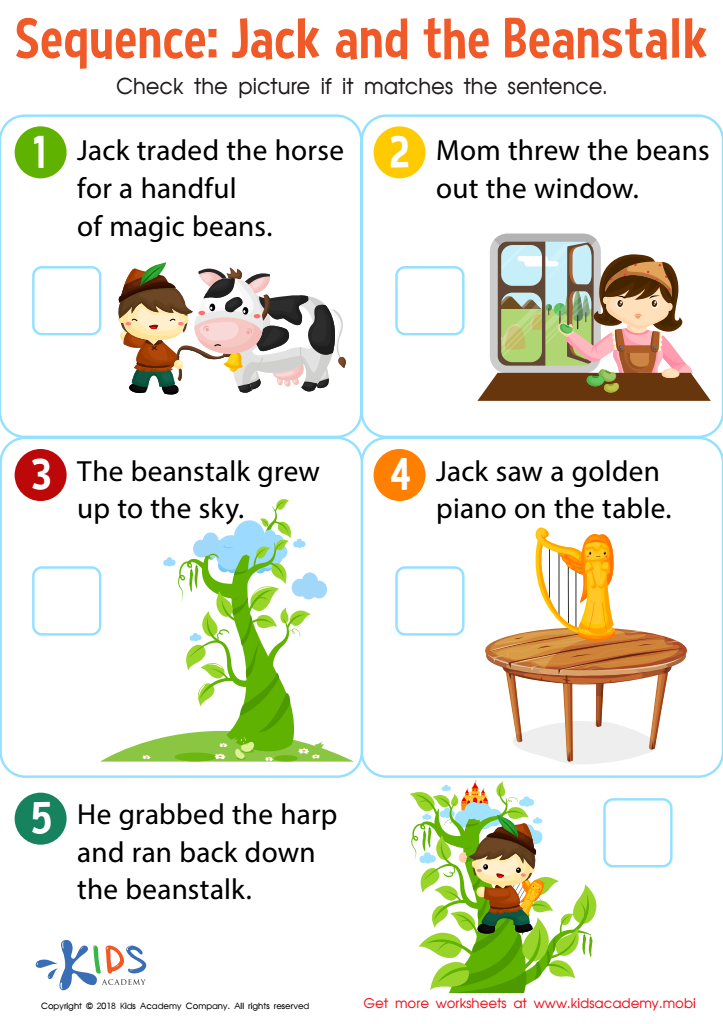
Sequence: Jack and The Beanstalk Worksheet
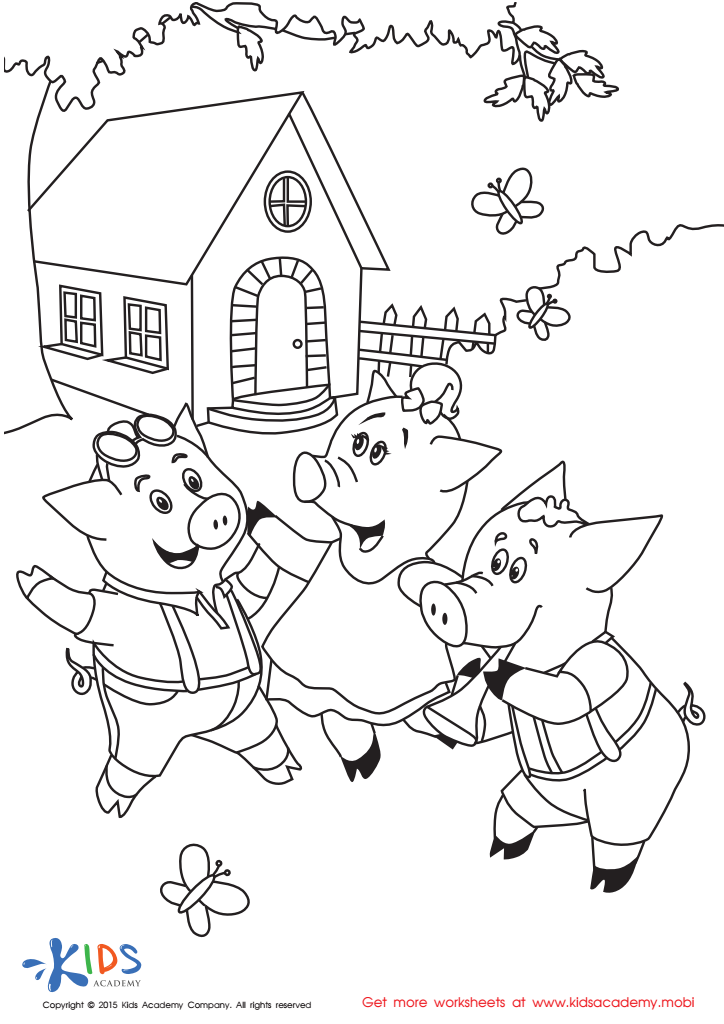
Folktales Printable PDF Worksheet: The 3 Little Pigs
 Assign to My Students
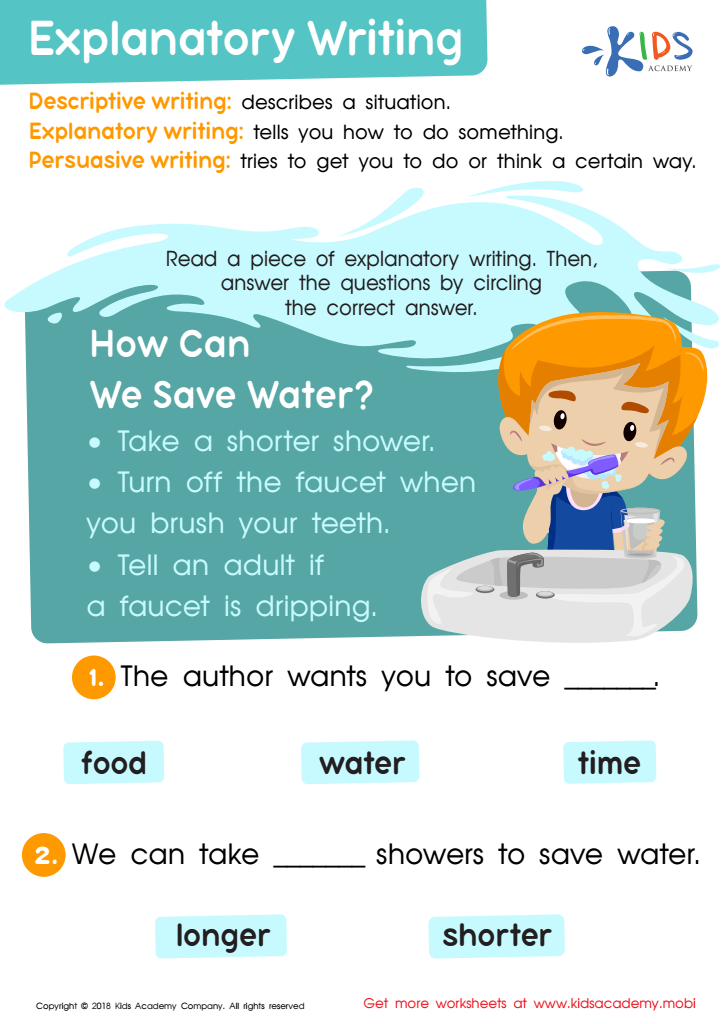
Explanatory Writing Worksheet
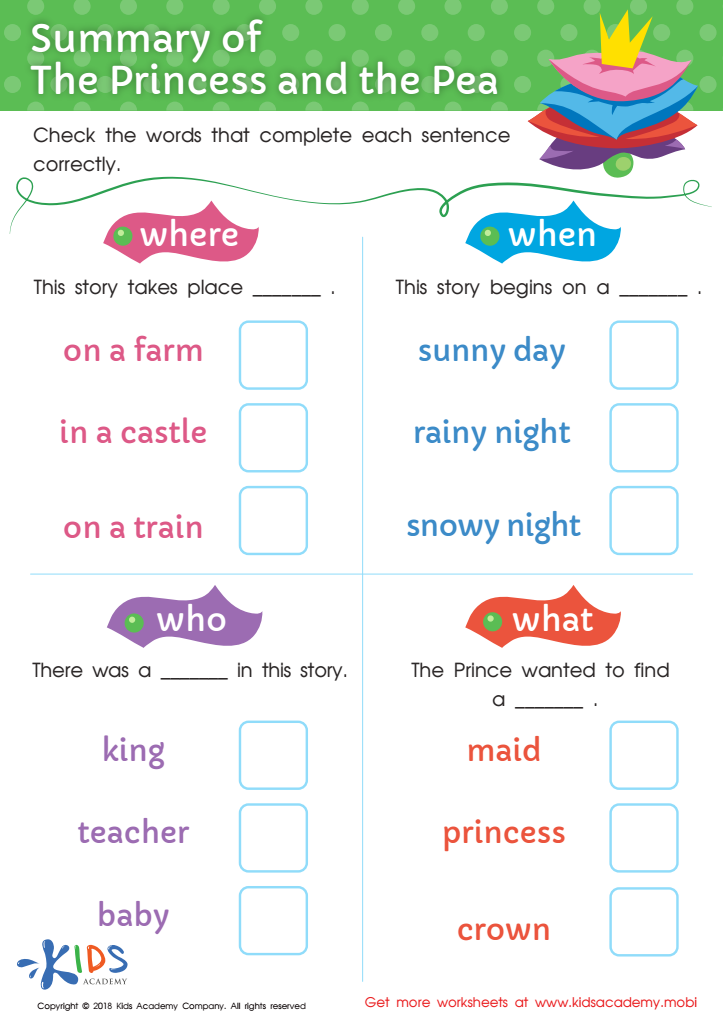
The Summary of the Princess and the Pea Worksheet
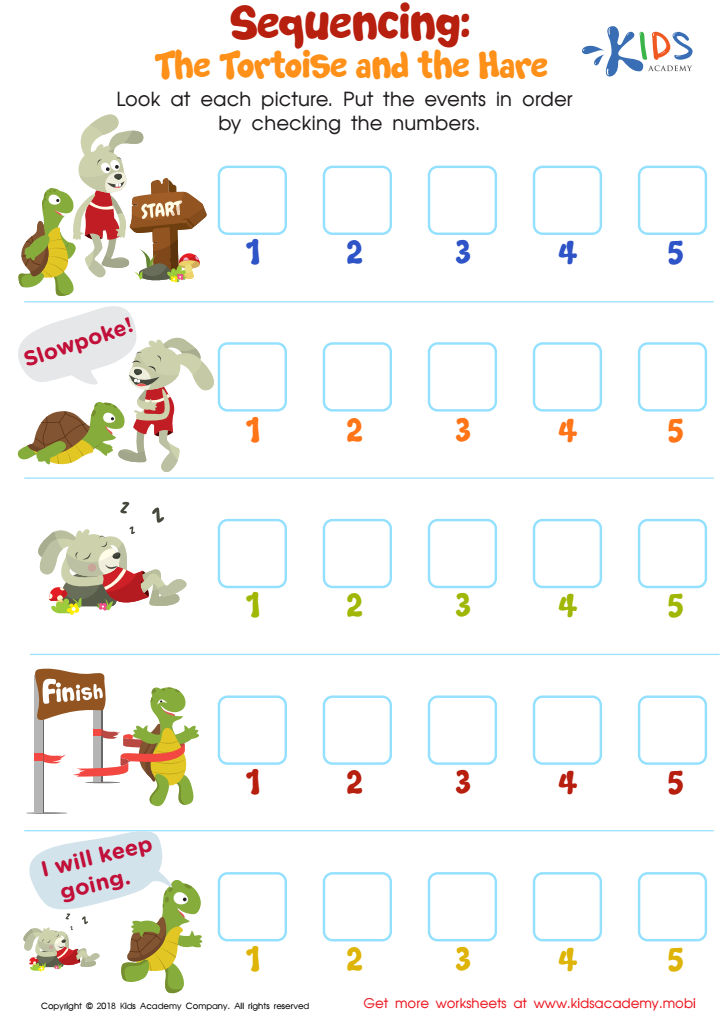
Sequencing: The Tortoise and the Hare Worksheet
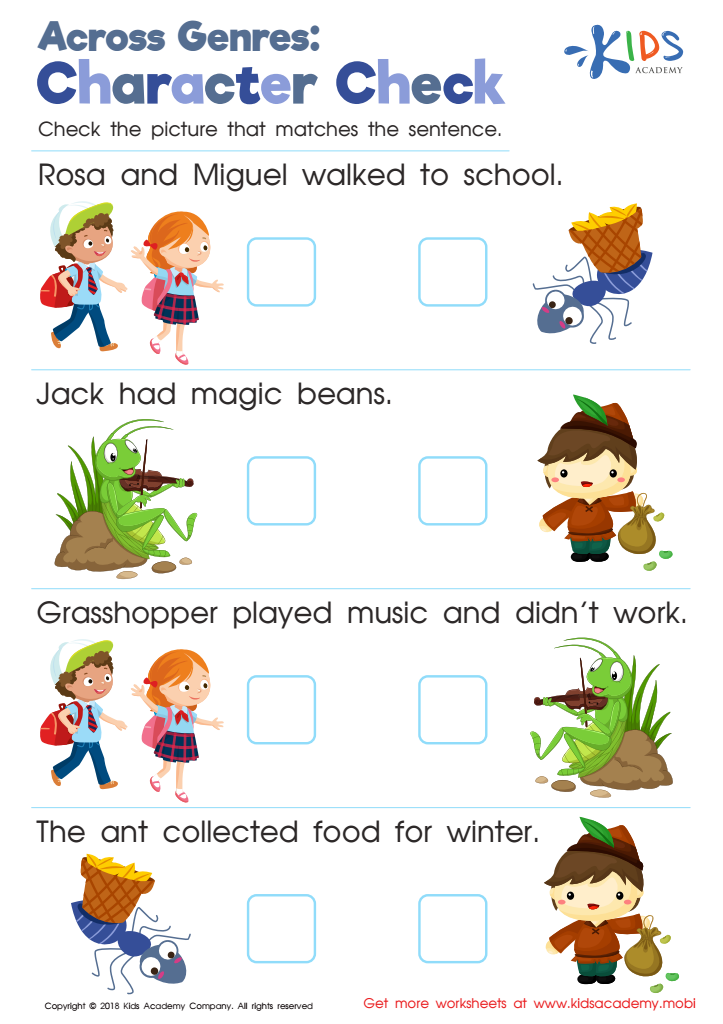
Across Genres: Character Check Worksheet
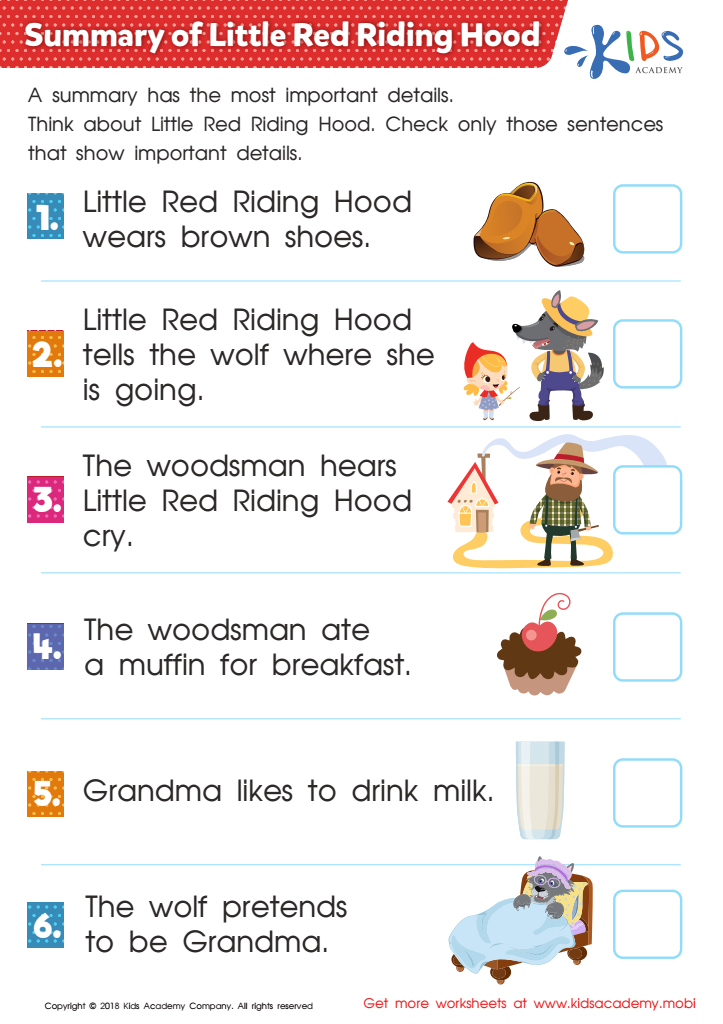
Summary of Little Red Riding Hood Worksheet
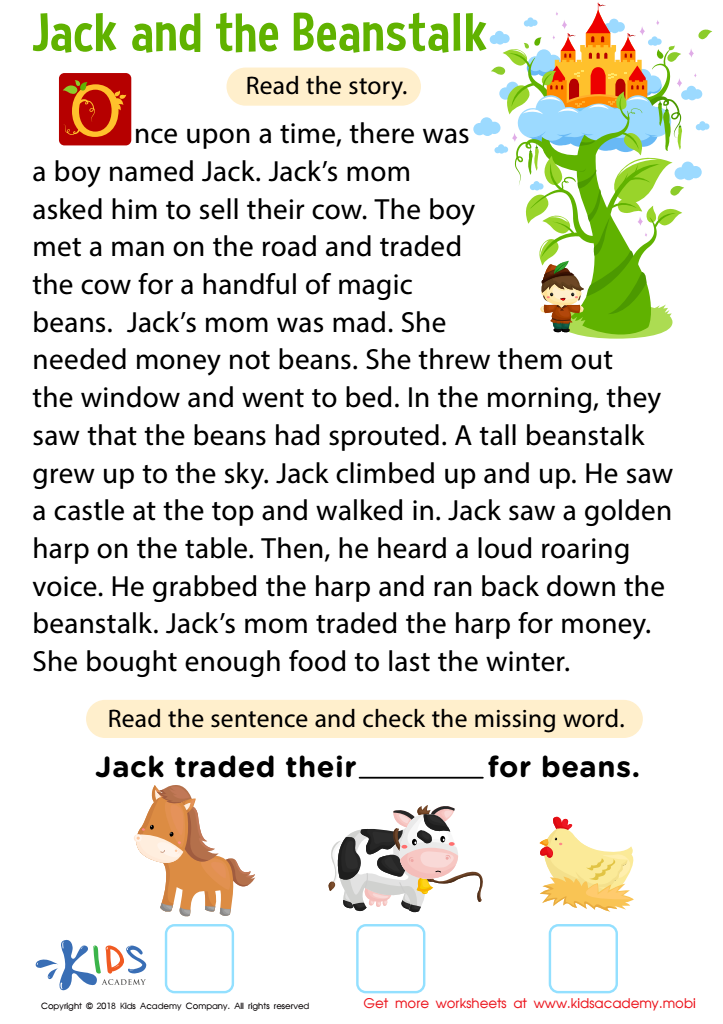
Jack and Beanstalk Worksheet
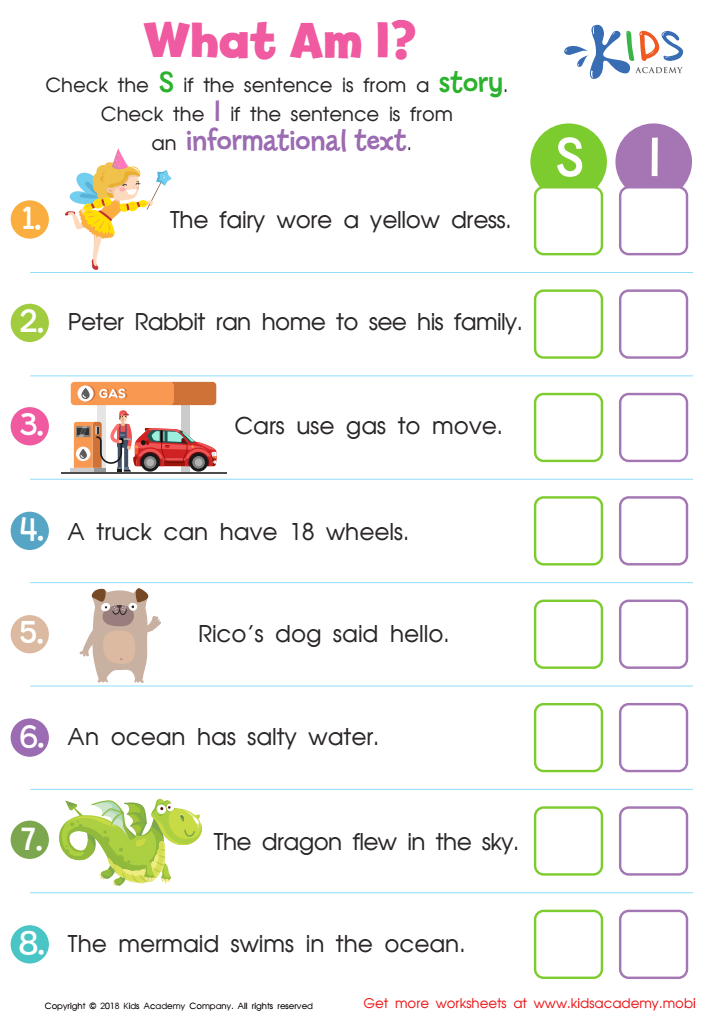
What Am I? Worksheet
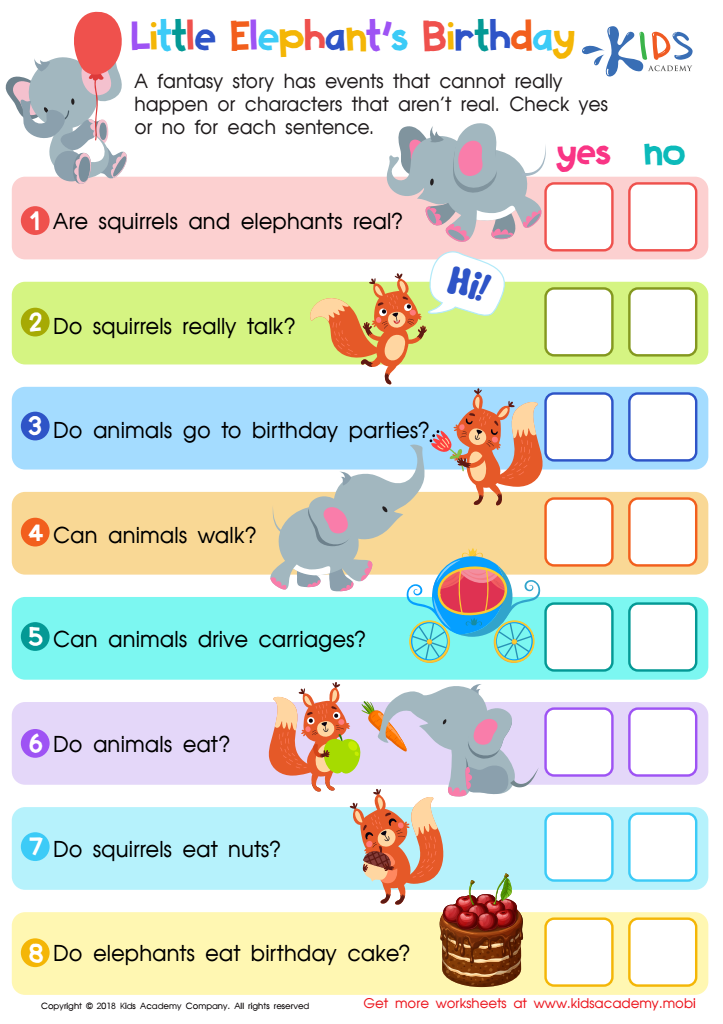
Little Elephant's Birthday Worksheet
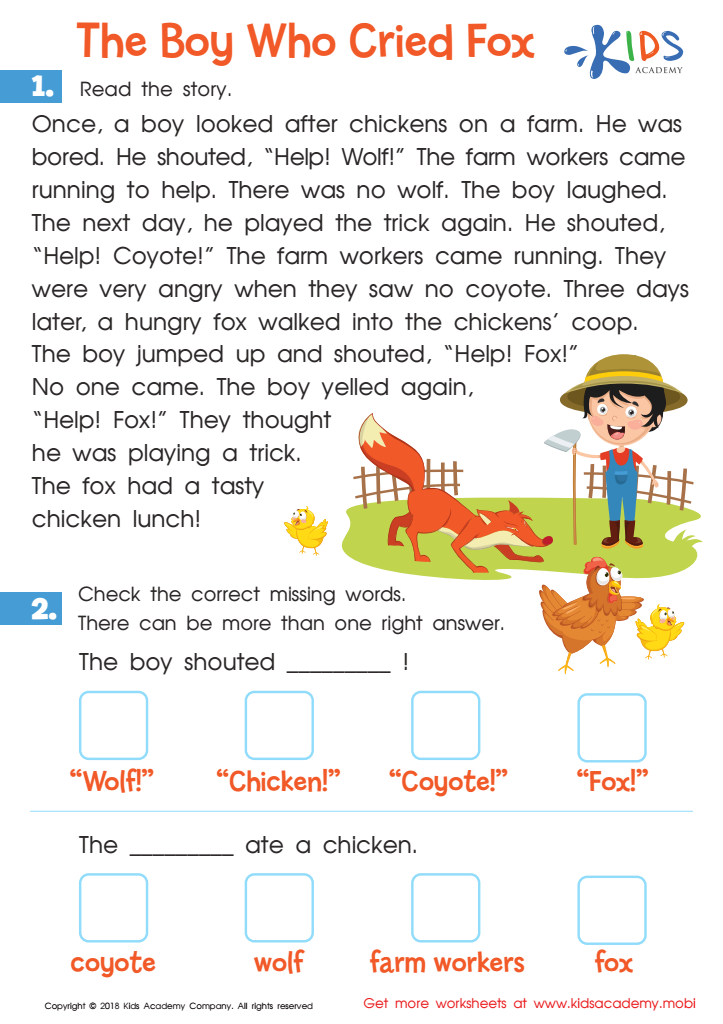
The Boy Who Cried Fox Worksheet
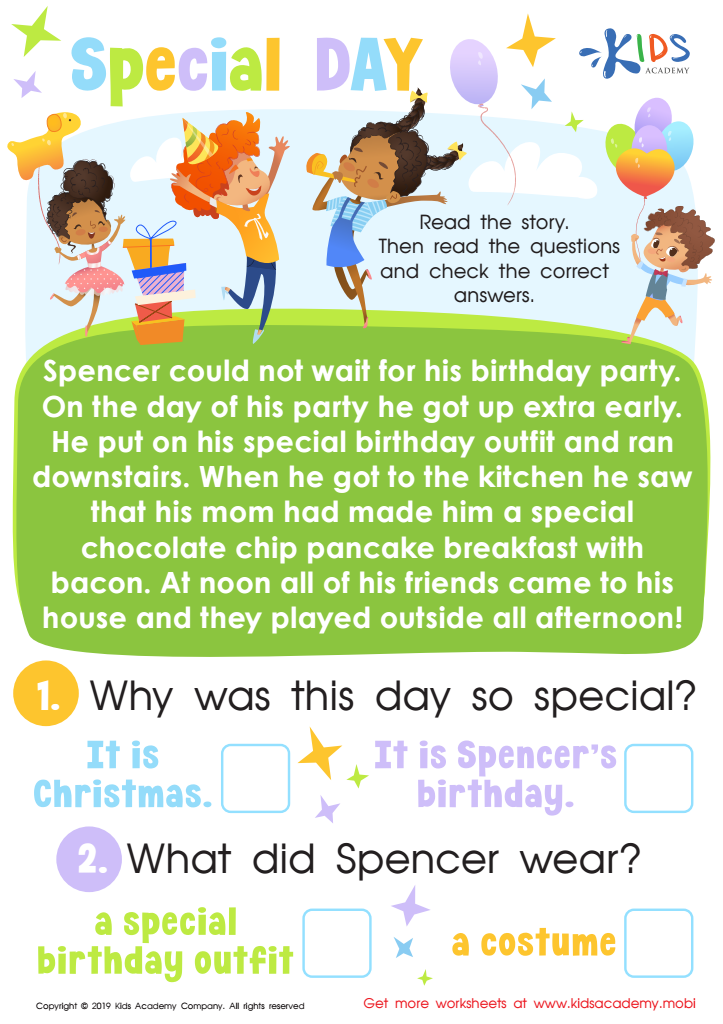
Special Day Worksheet
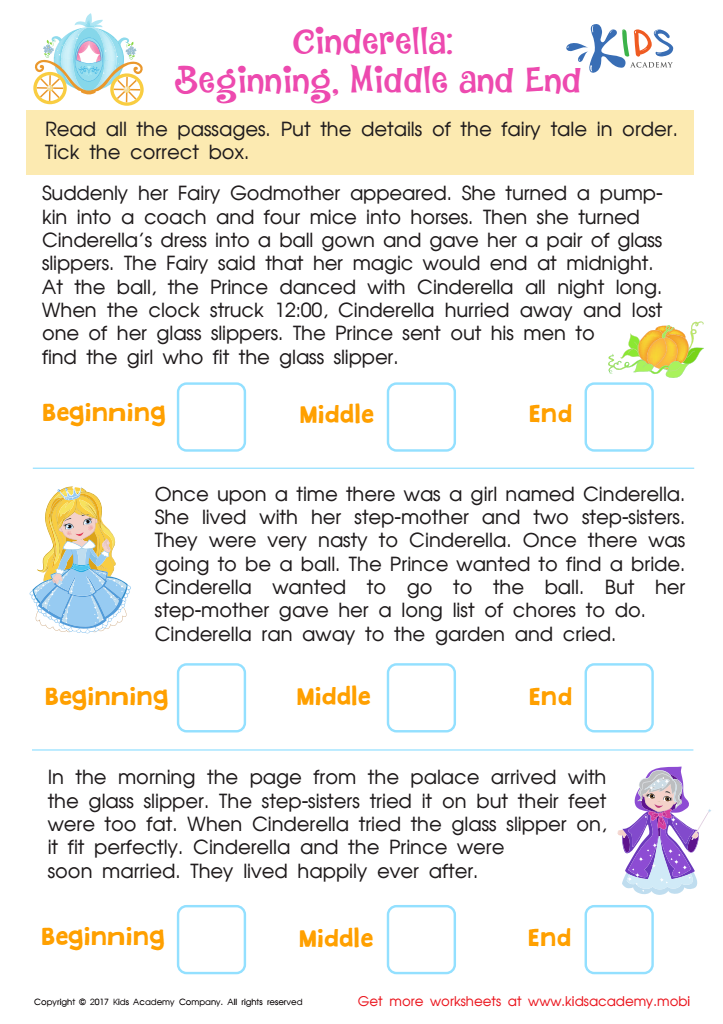
Cinderella: Beginning, Middle and End Worksheet
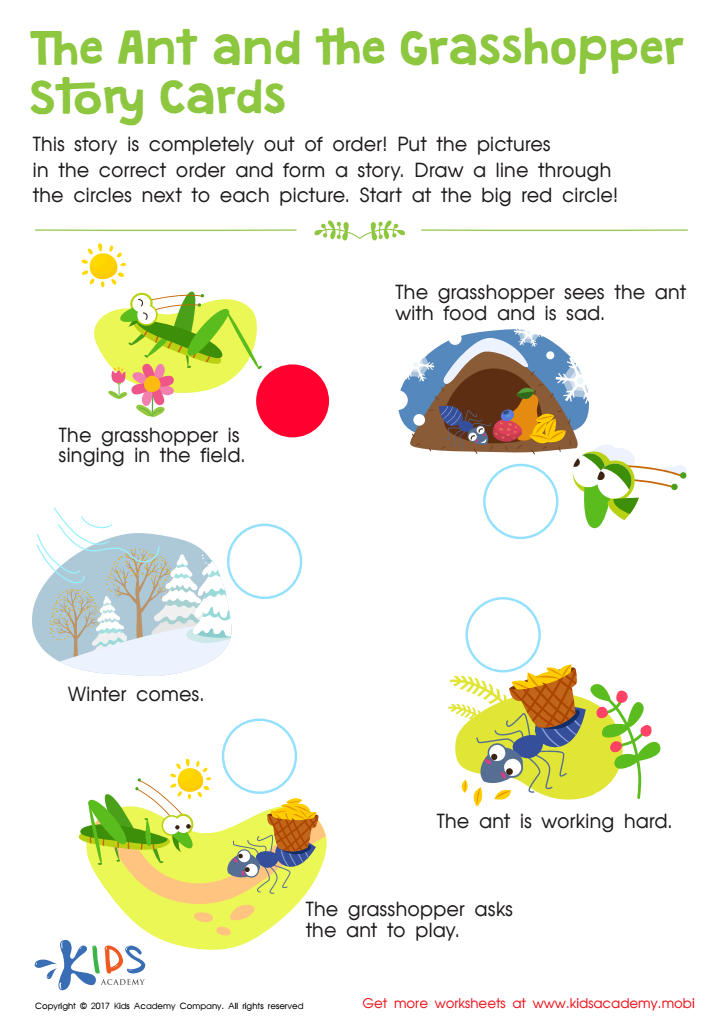
The Ant and The Grasshopper Worksheet
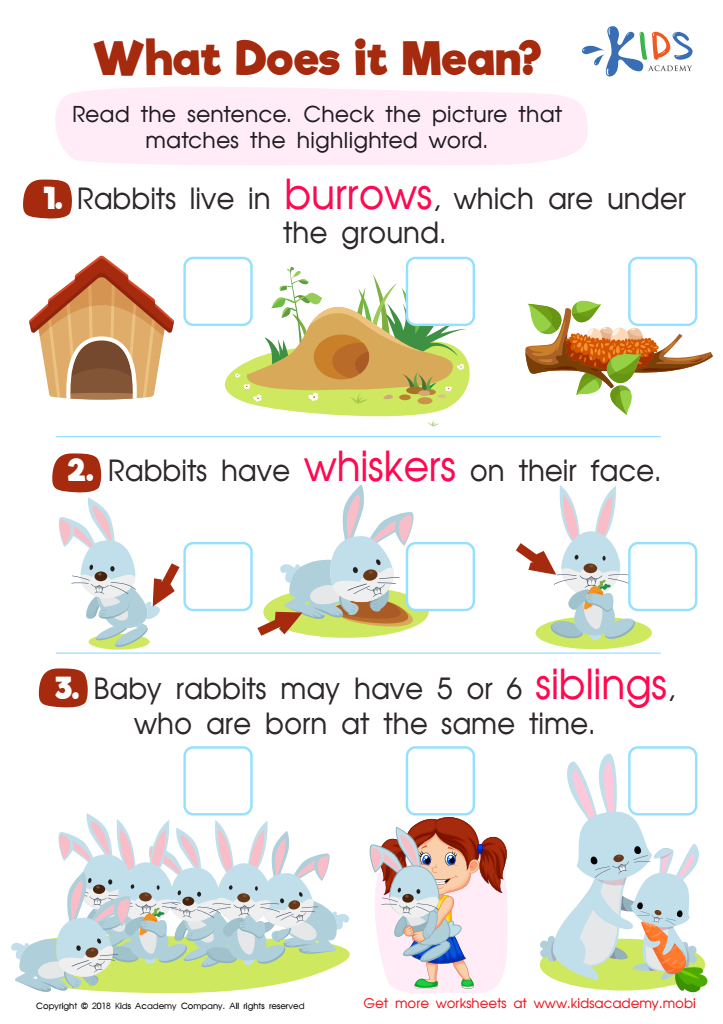
What Does It Mean? Worksheet
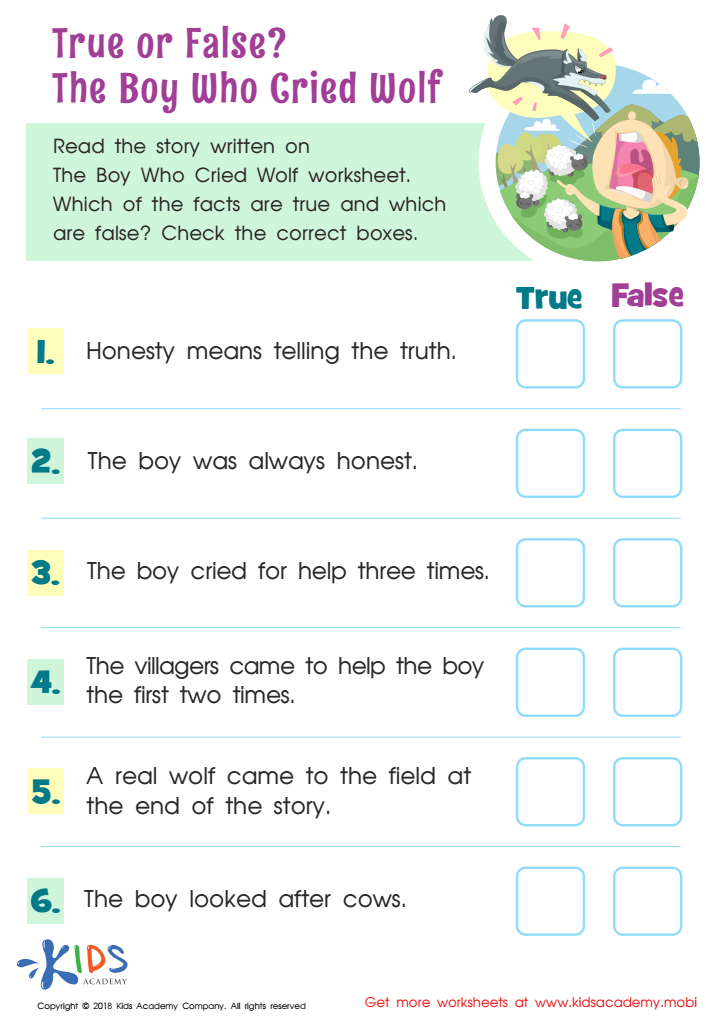
True or False? The Boy Who Cried Wolf Worksheet
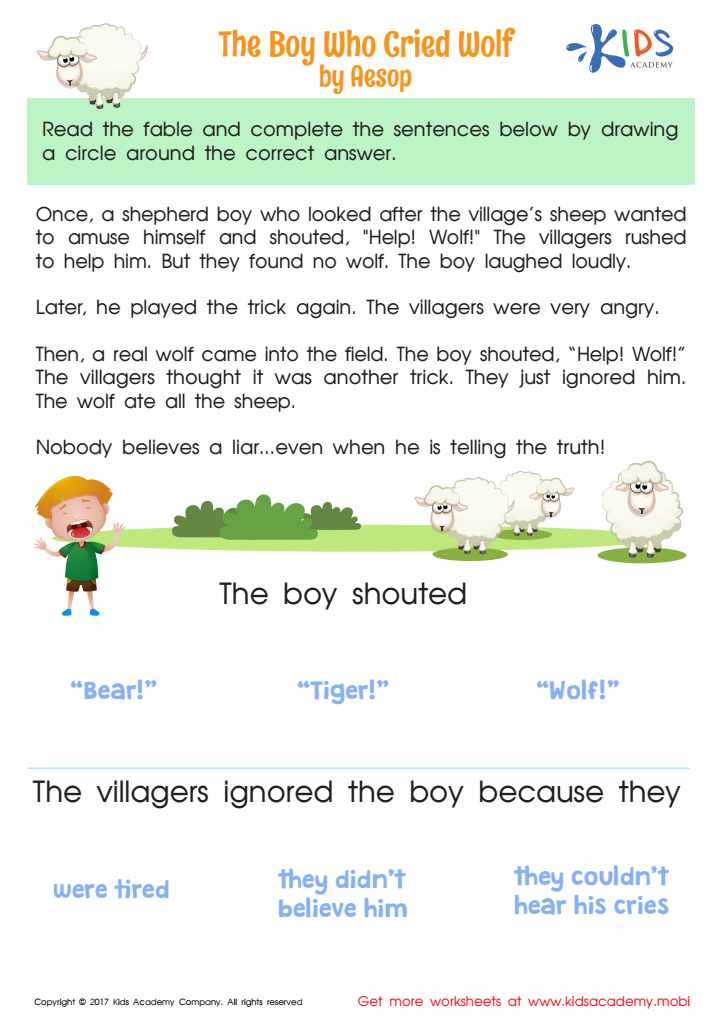
The Boy Who Cried Wolf Worksheet
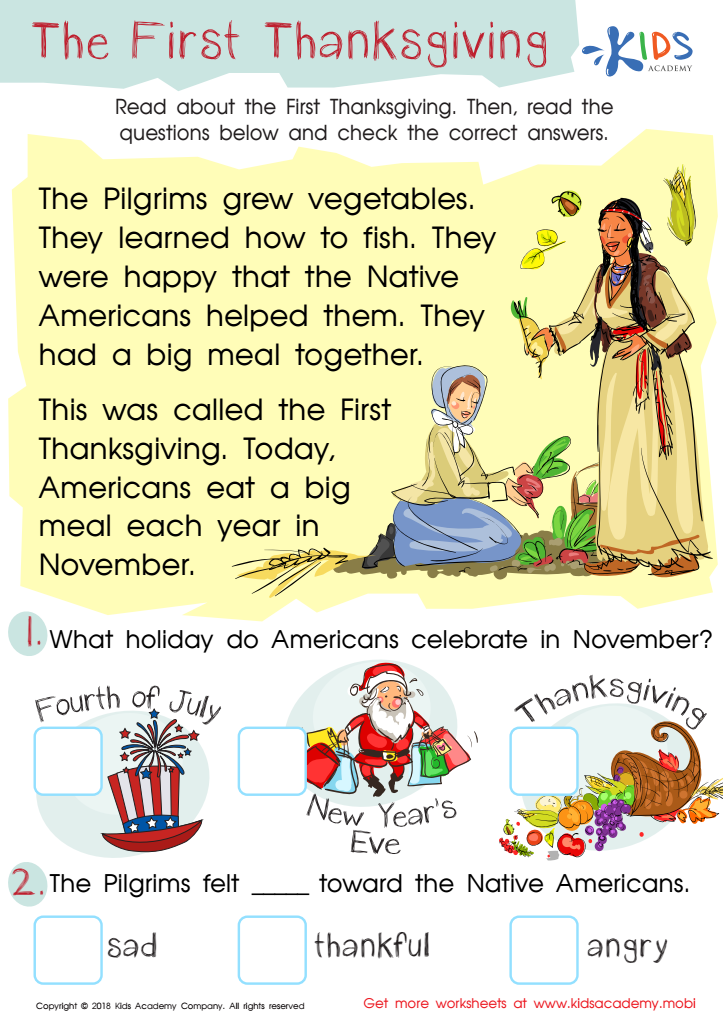
Assessment: First Thanksgiving Worksheet
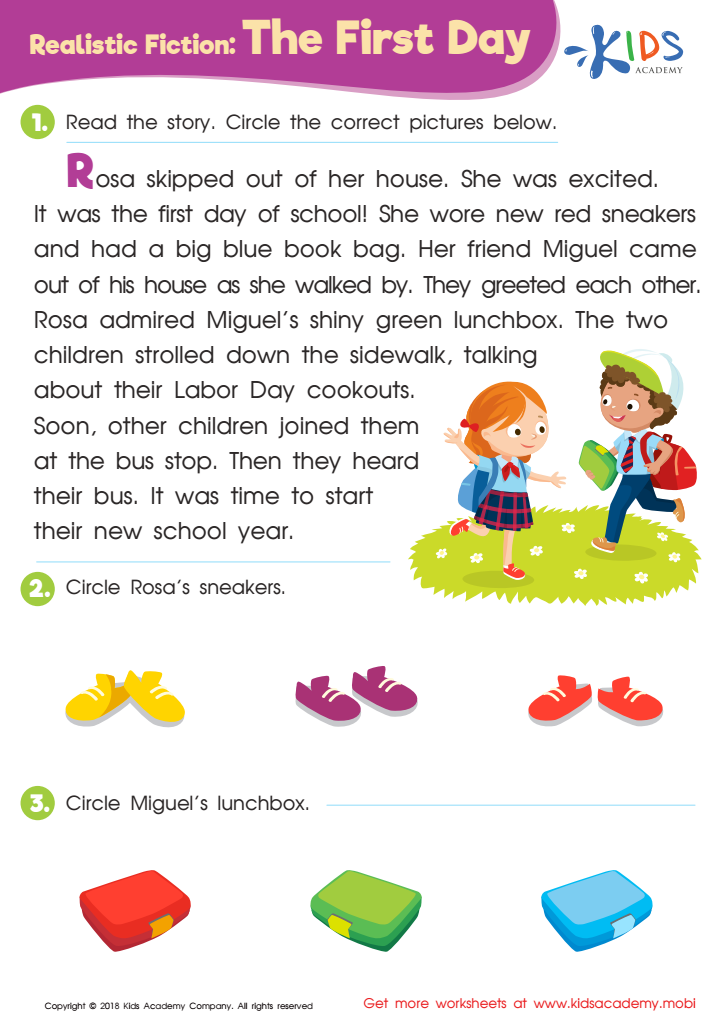
Realistic Fiction: The First Day Worksheet
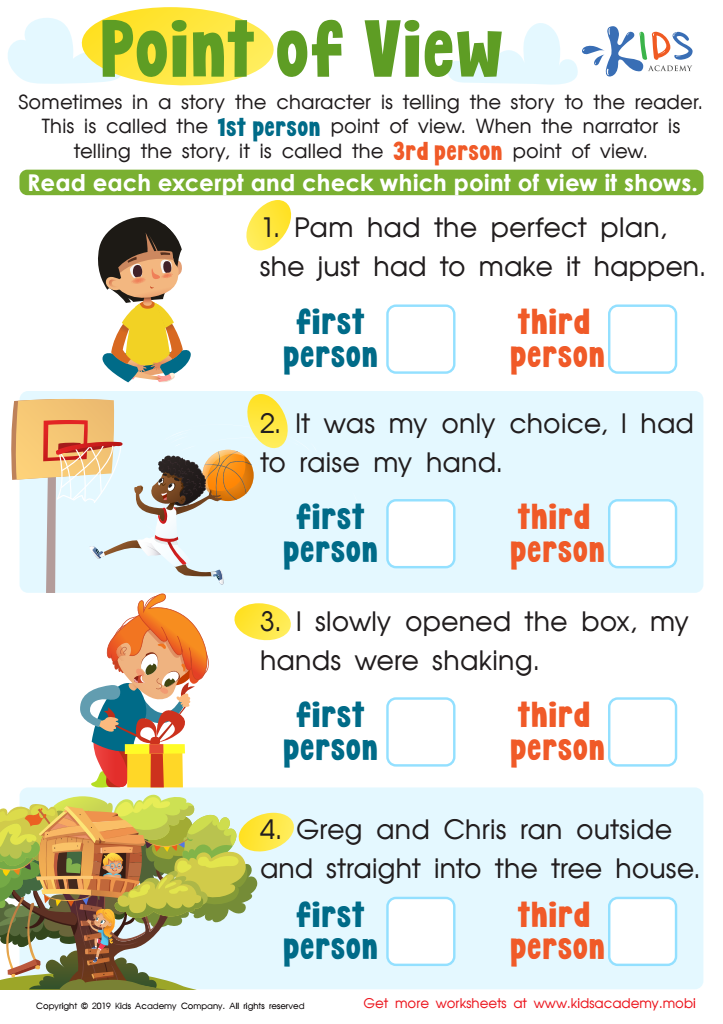
Point of View Printable
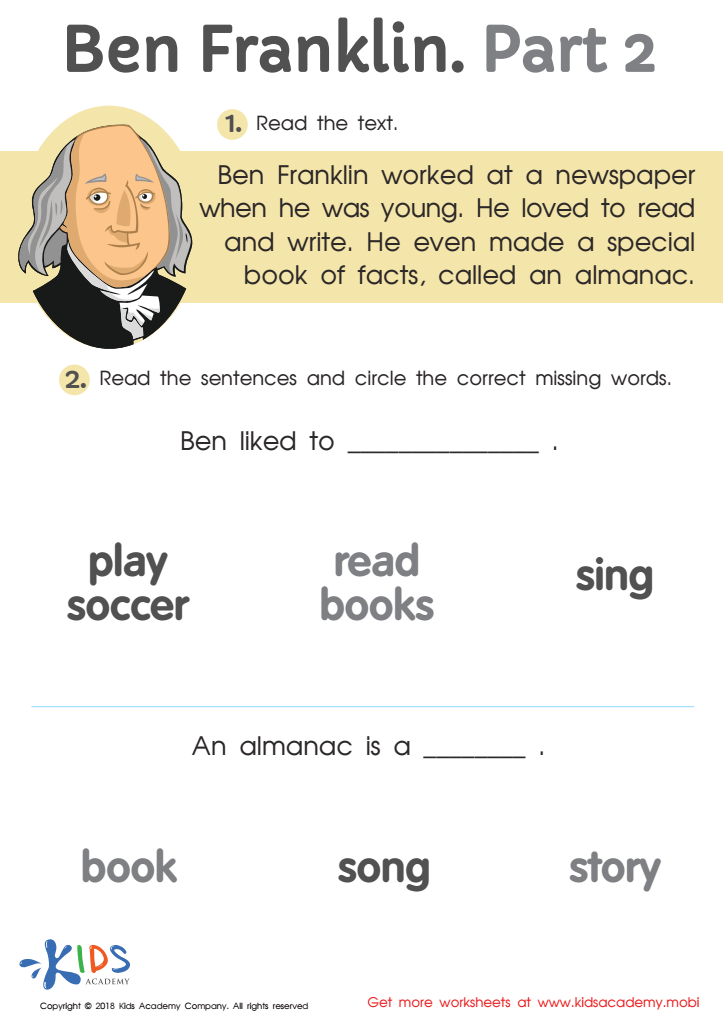
Ben Franklin Part 2 Worksheet
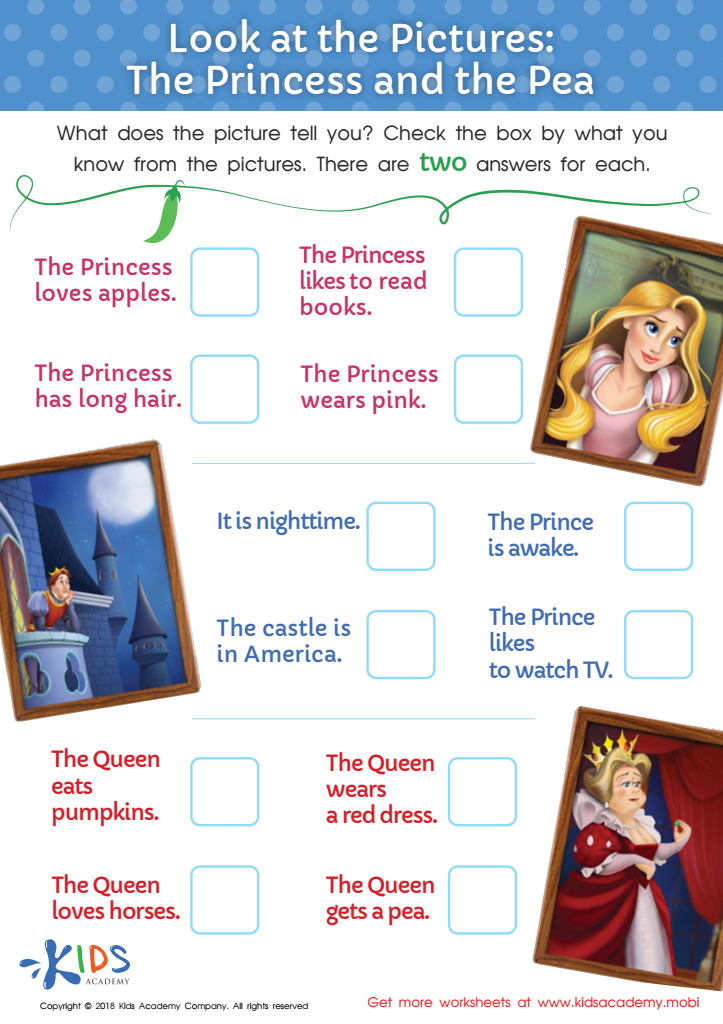
Look at the Pictures: The Princess and the Pea Worksheet








Parents and teachers should place a strong emphasis on critical thinking in reading comprehension for 7-year-olds because it lays a foundational cognitive framework necessary for lifelong learning and problem-solving. At this formative age, children's brains are incredibly malleable and are developing critical skills that influence their future academic success. Critical thinking in reading helps these young learners move beyond merely decoding words to engaging deeply with texts, allowing them to understand, interpret, and analyze information.
Developing critical thinking reading skills means that when children read, they are encouraged to ask questions, make predictions, and draw inferences. This not only enhances their comprehension but also fosters creativity, a sense of curiosity, and a willingness to explore new ideas. Moreover, such skills are transferable; the abilities to think critically and understand complex information will benefit them in science, math, social studies, and beyond. Practically, strengthening these abilities early helps children perform better on standardized tests and assists in problem-solving outside of the classroom.
Furthermore, consistently practicing critical thinking reading comprehension encourages resilience and patience. Children learn to approach challenging materials without frustration, leading to greater learning independence and self-confidence. As they grow older, these cognitive skills will equip them to navigate an increasingly complex world effectively.








