Categorizing objects Science Worksheets for 7-Year-Olds
3 filtered results
-
From - To
Discover an engaging way to enhance your child’s learning with our Categorizing Objects Science Worksheets for 7-Year-Olds. These printable resources help young learners develop crucial skills by teaching them how to sort and classify a variety of objects based on different attributes. Each worksheet provides hands-on activities that are both fun and educational, encouraging critical thinking and observation. Perfect for classroom use or at-home learning, our worksheets offer an interactive approach to science education tailored for young minds. Help your child become a confident, capable learner with these carefully crafted categorizing exercises.
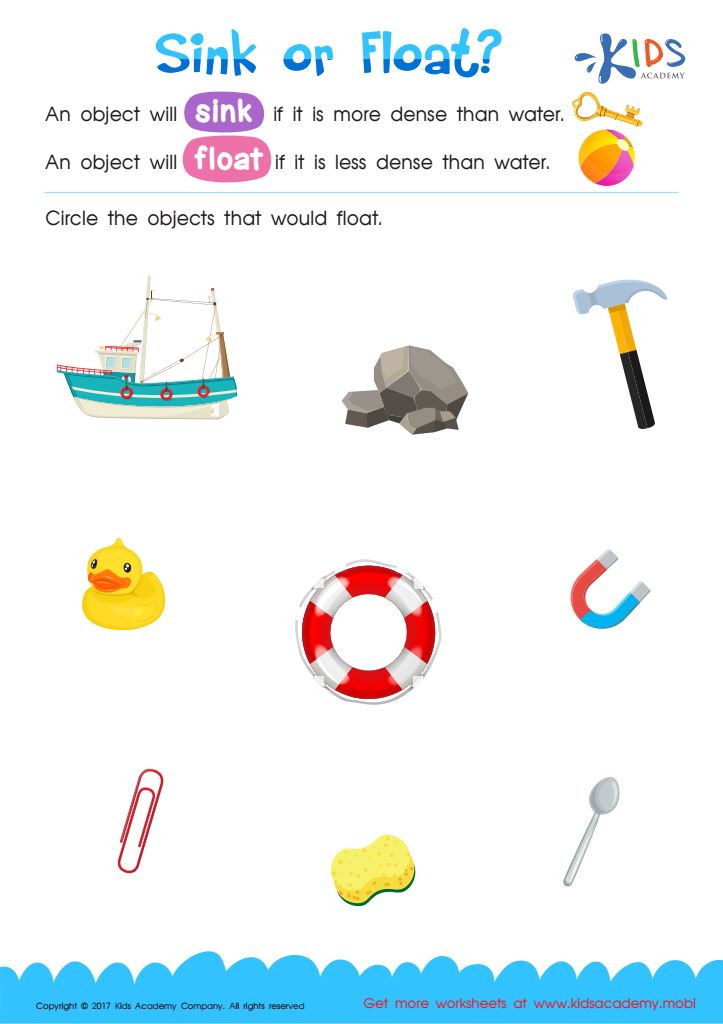
Sink or Float Printable
 Assign to My Students
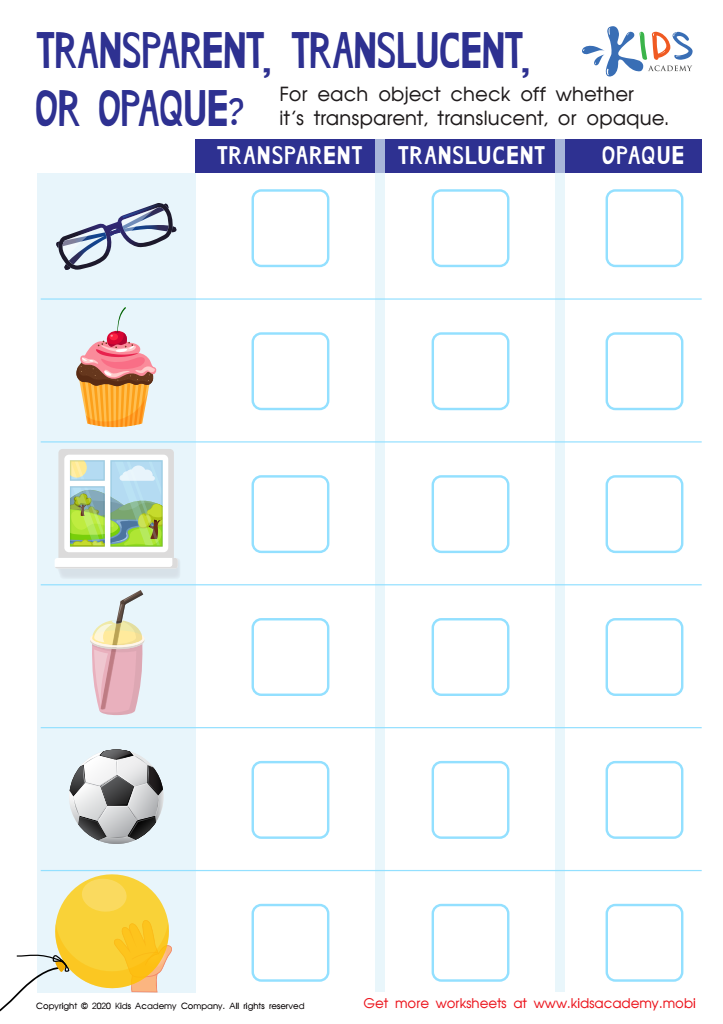
Transparent, Translucent, or Opaque Worksheet
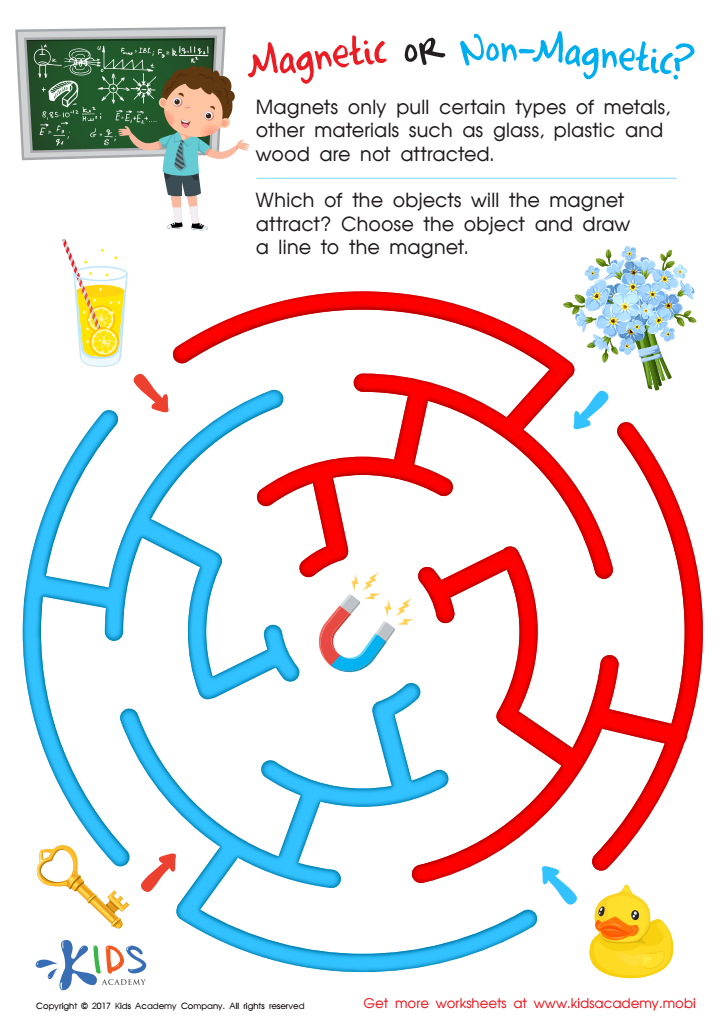
Magnetic or Non–Magnetic Worksheet


.jpg)



Categorizing objects in science for 7-year-olds is essential because it nurtures critical thinking and foundational skills vital for their overall cognitive development. When children learn to identify and group objects based on characteristics such as size, shape, color, or habitat, they are essentially engaging in organizing and processing information, which enhances their observational and analytical abilities. This skill is crucial not just in science, but across all subjects and in everyday problem solving.
Parents and teachers should recognize that categorization helps children make sense of the complex world around them. It sharpens their ability to compare and contrast, thus elevating their understanding of similarities and differences. For example, distinguishing living from non-living things teaches them about life sciences, ecosystems, and conservation in an intuitive manner.
Furthermore, categorizing reinforces language development and communication skills because children must articulate their reasoning and describe the properties they observe. It's a gateway for them to engage in scientific inquiry, promoting curiosity and a love for learning. Encouraging these activities lays a solid educational foundation, fostering critical skills that will help in more advanced areas of study and in real-life decision making, making it worthwhile for parents and teachers to invest time and effort in teaching this fundamental scientific concept.







