Enhancing reading skills Science Worksheets for 7-Year-Olds
7 filtered results
-
From - To
Boost your child's literacy and curiosity with our "Enhancing Reading Skills Science Worksheets" designed specifically for 7-year-olds. These engaging worksheets seamlessly blend science concepts with reading practice, encouraging young learners to explore the world around them while enhancing vocabulary and comprehension. Each worksheet provides captivating stories and factual passages, accompanied by questions that develop critical thinking and inferencing skills. Perfect for independent learning or guided instruction, our resources will spark a lifelong love for reading and science in your child. Make learning fun and effective with activities crafted by education experts to nurture and challenge your young reader.
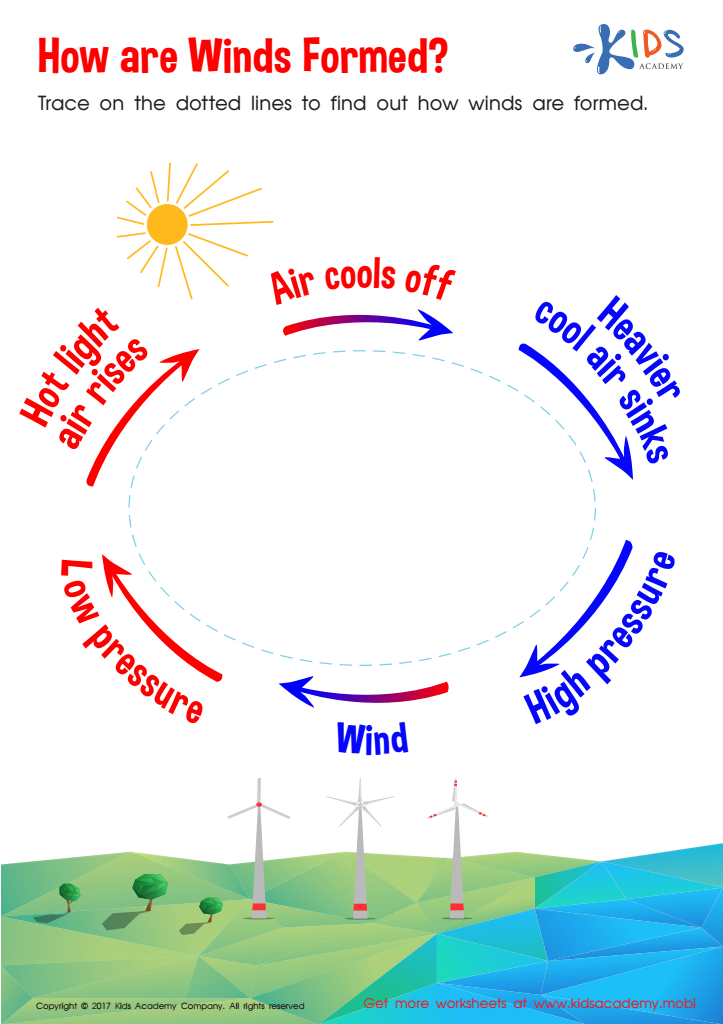
How are Winds Formed? Printable
 Assign to My Students
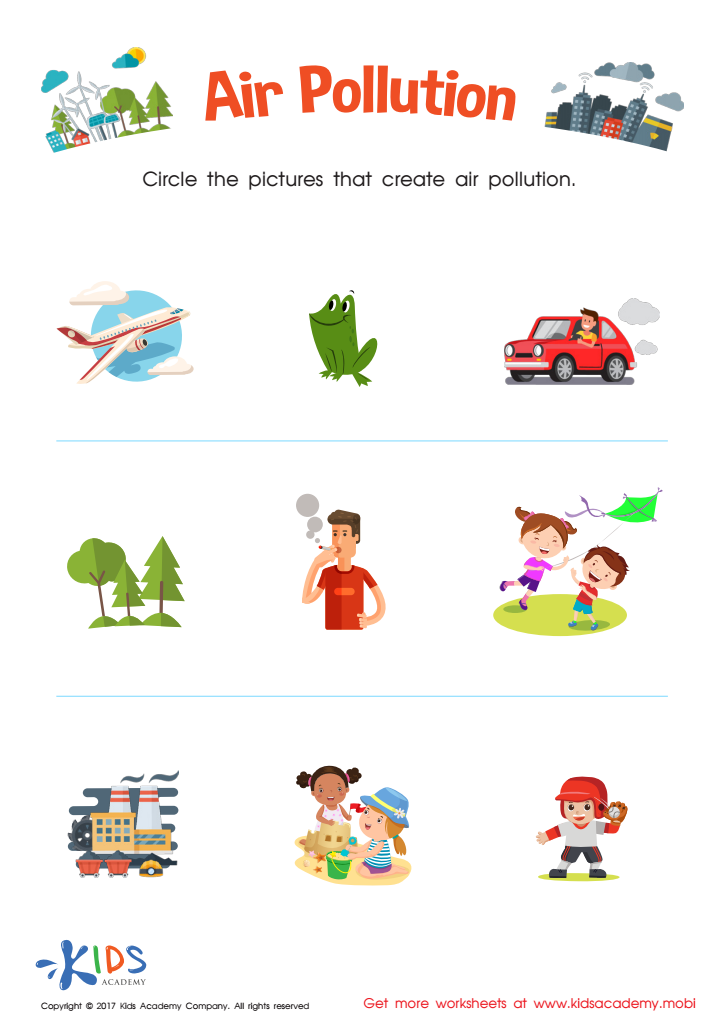
Air Pollution Worksheet
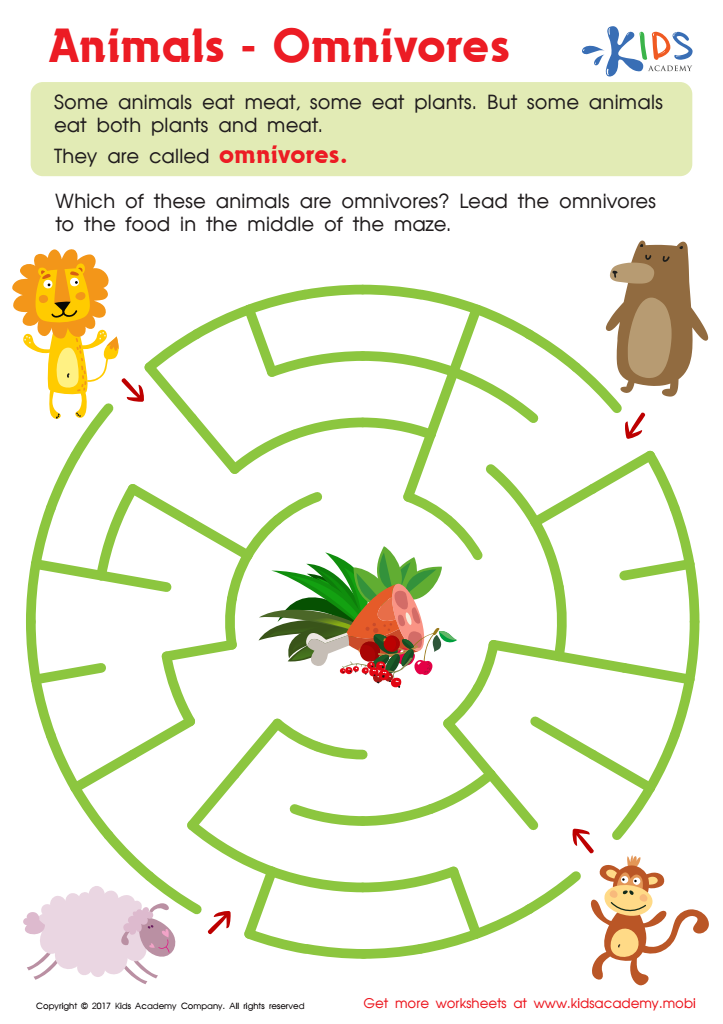
Omnivores Animals Worksheet
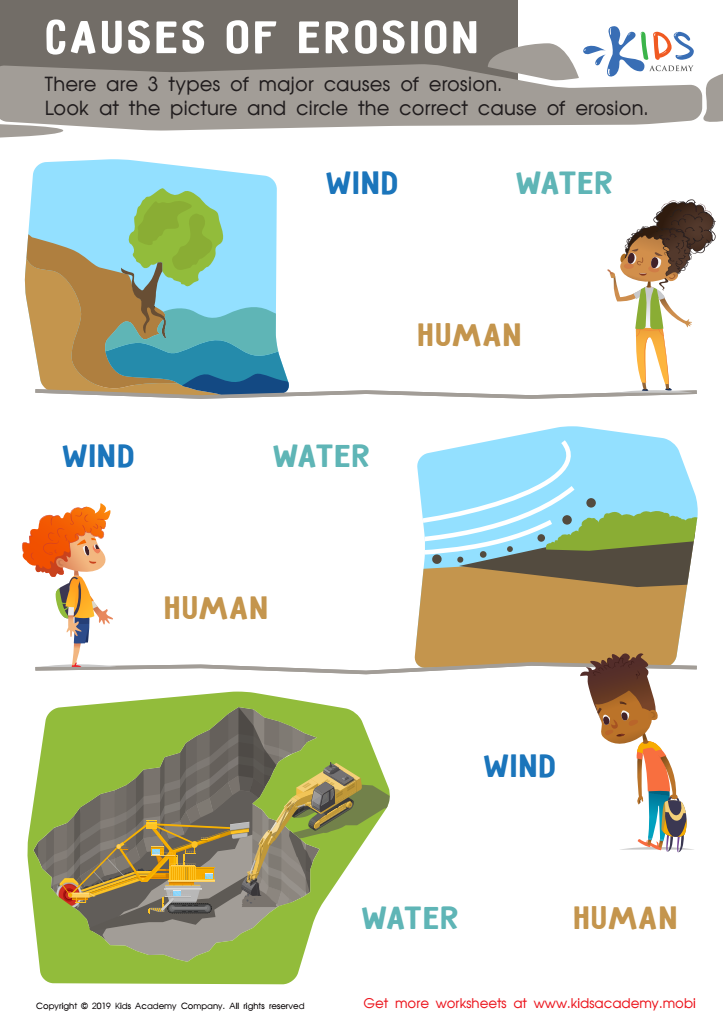
Causes of Erosion Worksheet
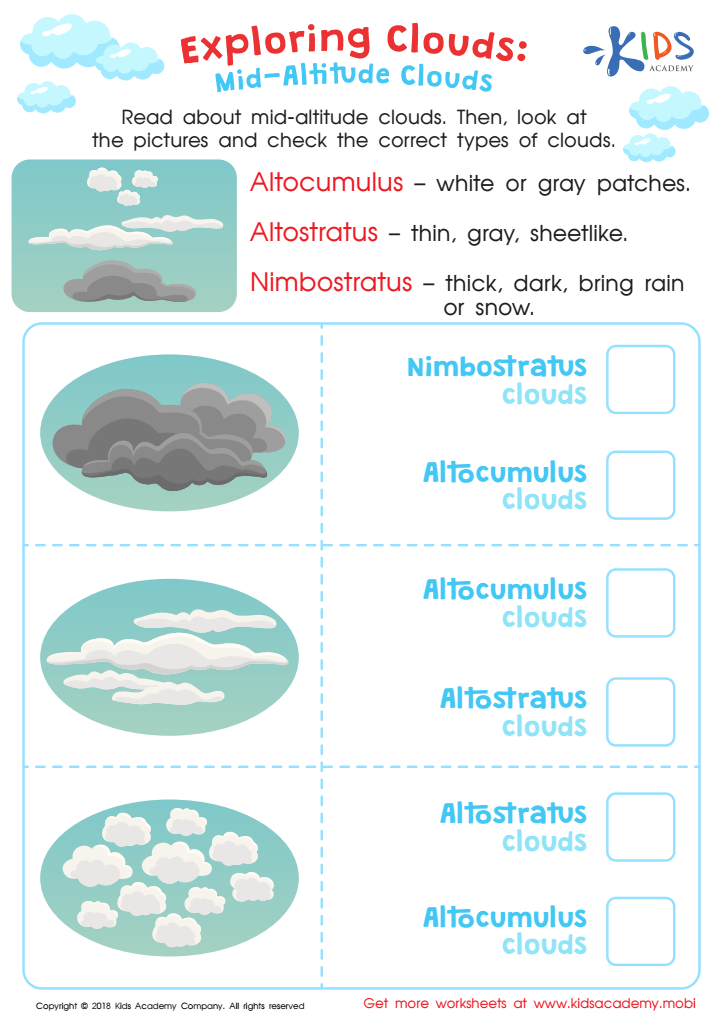
Exploring Clouds: Mid-altitude Clouds Worksheet
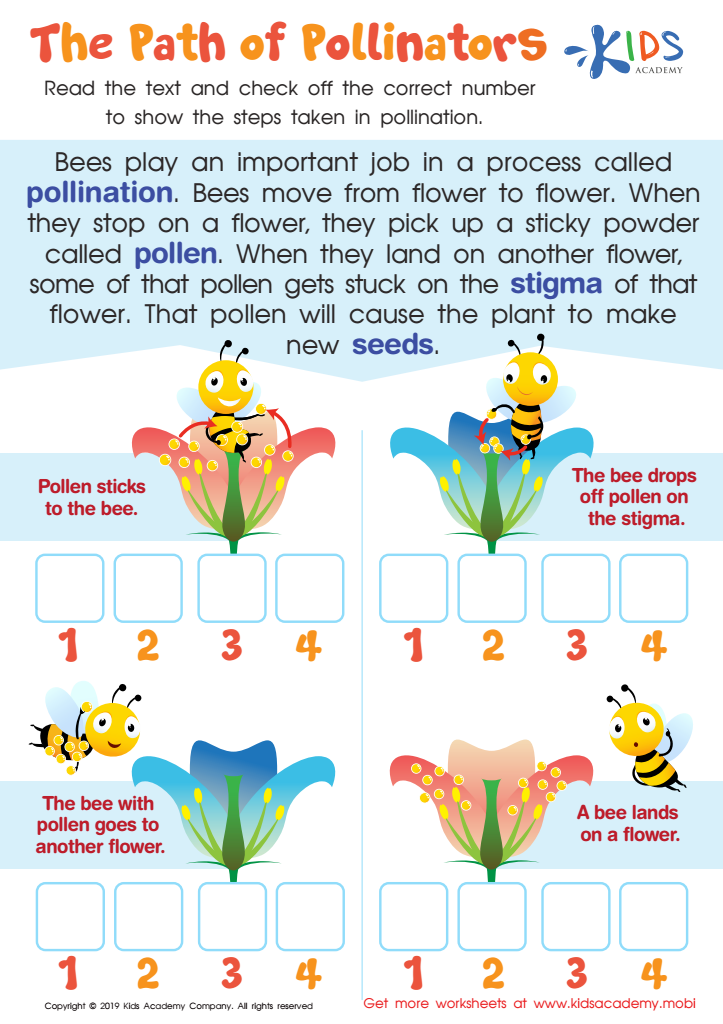
The Path of Pollinators Worksheet
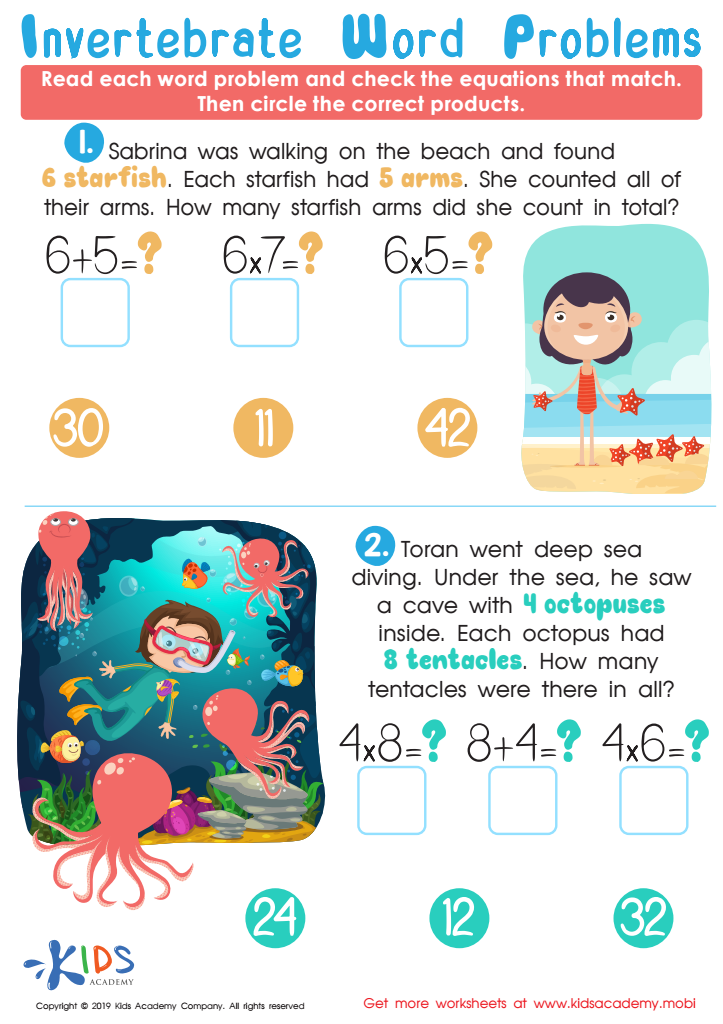
Invertebrate Problems Worksheet



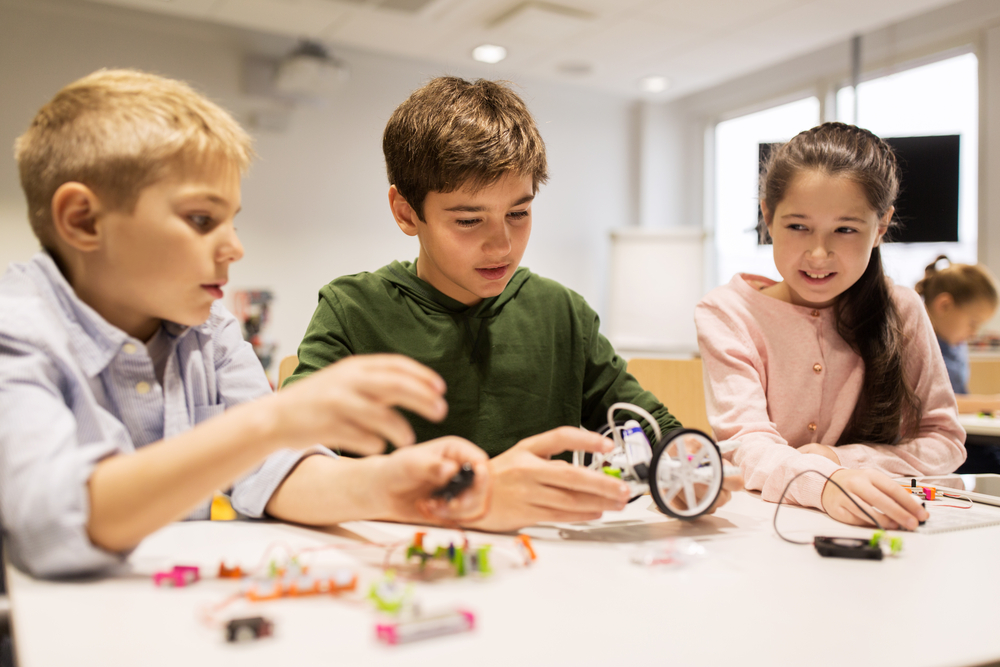




Enhancing reading skills in science for 7-year-olds is crucial for numerous reasons. At this formative age, children's brains are highly receptive to absorbing new information, making it the ideal time to instill fundamental literacy skills. Proficiency in reading not only eases the learning of other subjects but also fosters curiosity and critical thinking, vital for understanding scientific concepts.
For parents and teachers, focusing on reading skills in science nurtures a child's natural curiosity about the world. This nurtures a sense of wonder and exploration, laying a solid foundation for lifelong learning. Strong reading skills enhance comprehension, enabling children to understand scientific texts, conduct simple experiments, and interpret results, which are essential skills in today’s information-driven world.
Moreover, the integration of science and reading promotes interdisciplinary learning. For instance, reading about plant life can improve children's vocabulary and biological concepts simultaneously. It can also develop problem-solving skills as children analyze 'how' and 'why' questions regarding scientific phenomena.
Ultimately, fostering these skills at a young age supports cognitive and academic development while motivating children to become inquisitive learners. It can spark a passion for science that could lead to future educational and career opportunities in STEM (science, technology, engineering, and mathematics) fields. Prioritizing this development is an investment in the child's future, equipping them with the intellectual tools they need to succeed in an increasingly complex world.







