Fine Motor Skills Alphabet Worksheets for Ages 8-9 - Page 3
51 filtered results
-
From - To
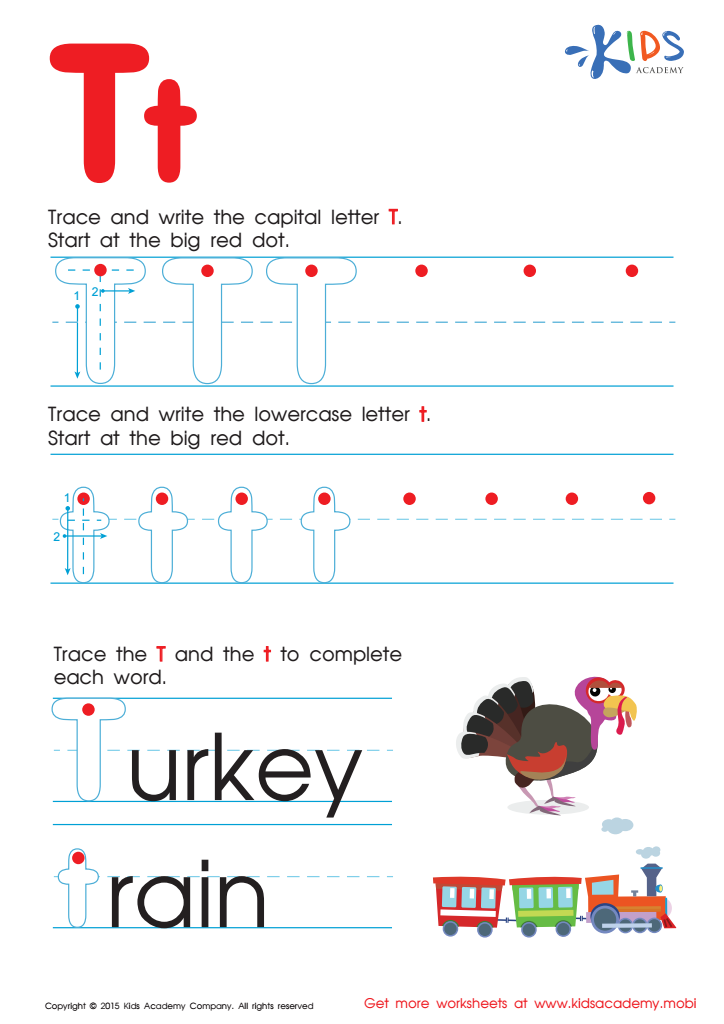
Letter T Tracing Page
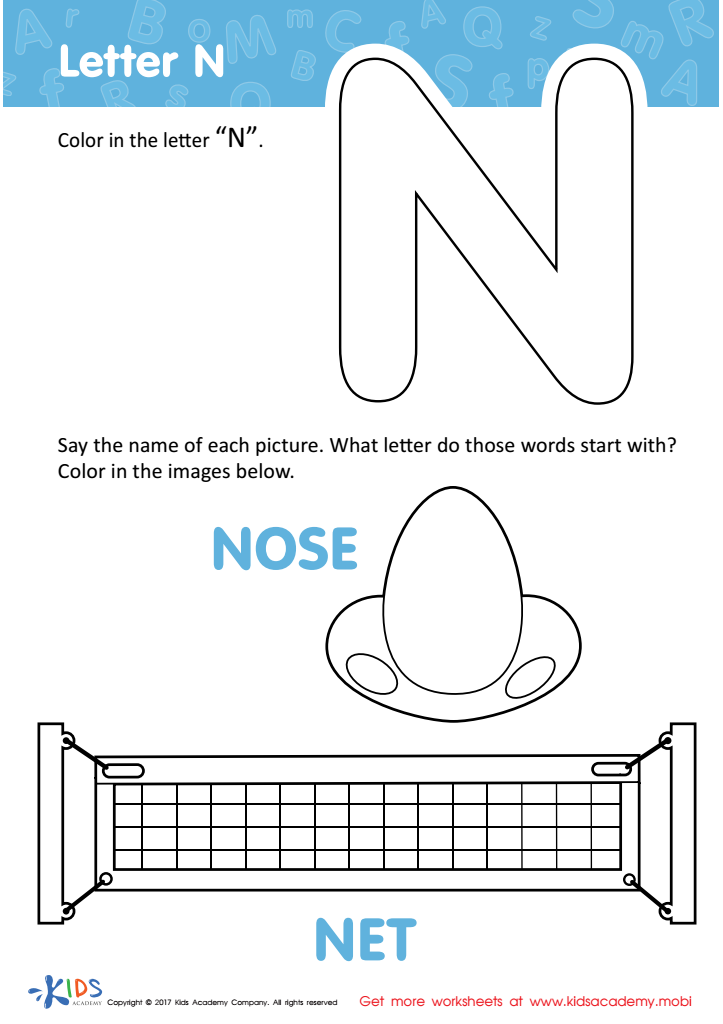
Letter N Coloring Sheet
 Assign to My Students

Letter D Tracing Page








Fine motor skills are essential for children aged 8-9 as they significantly contribute to their overall development. During this crucial age, children are refining their ability to complete intricate tasks that require precision, such as handwriting, drawing, and manipulating small objects. The Fine Motor Skills Alphabet, which focuses on activities that enhance these abilities, is particularly beneficial as it aligns with their academic and creative endeavors.
Parents and teachers should prioritize fine motor skill development because it has a direct impact on a child's confidence and independence. Proficient fine motor skills enable children to perform academic tasks with ease, such as writing neatly and managing classroom materials. Additionally, these skills play a role in their ability to engage in arts and crafts, promoting creativity and self-expression.
Furthermore, good fine motor skills can have social implications, as activities like team-based crafts or group projects encourage cooperation and communication among peers. As children navigate these experiences, they build friendships and important social skills. Ultimately, by supporting the Fine Motor Skills Alphabet, parents and teachers can foster a well-rounded development, enhancing not only academic performance but also social interactions and personal satisfaction. Investing time in fine motor skill activities is a way to equip children for lifelong success.







