Fine Motor Skills Letter Recognition Worksheets for Ages 8-9 - Page 2
46 filtered results
-
From - To
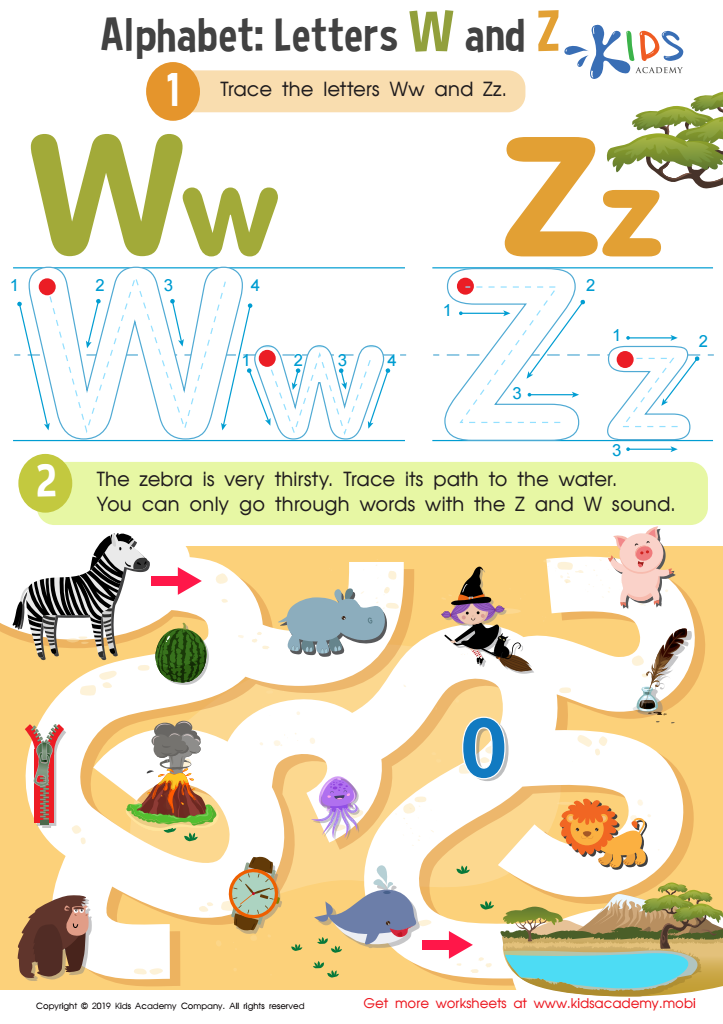
Letters W and Z Tracing Worksheet
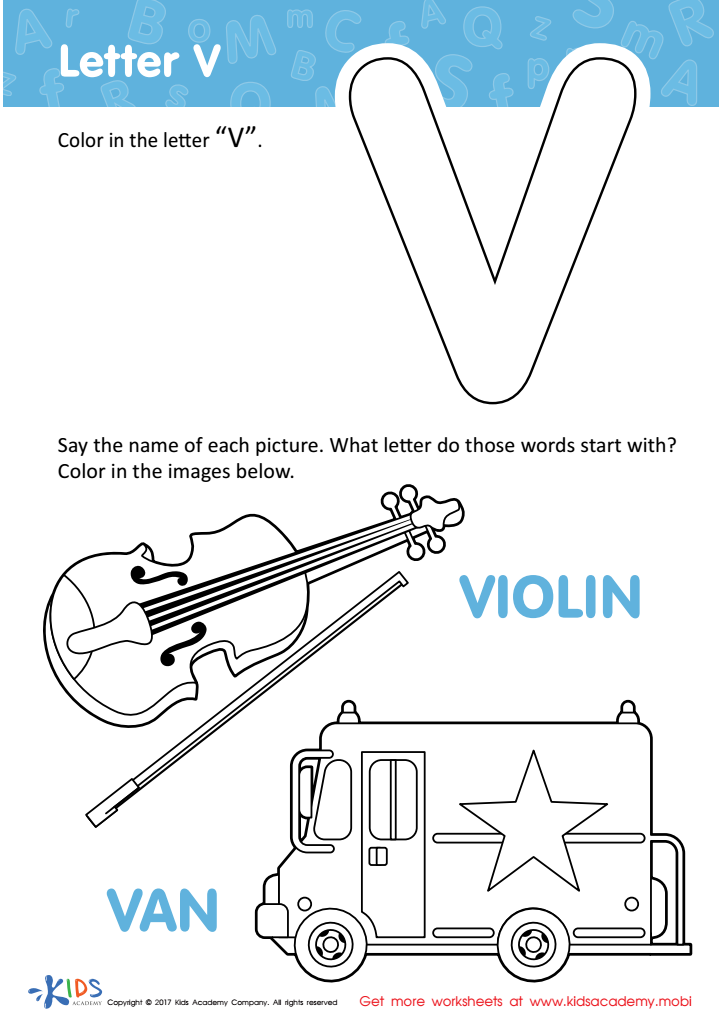
Letter V Coloring Sheet
 Assign to My Students
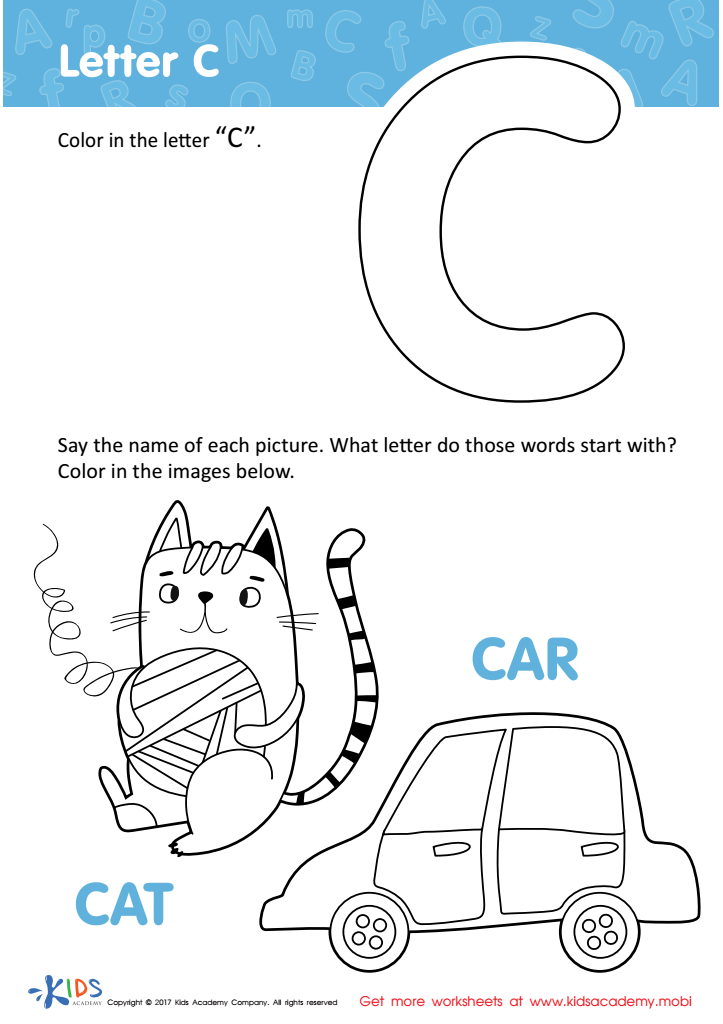
Letter C Coloring Sheet
Assign to My Students
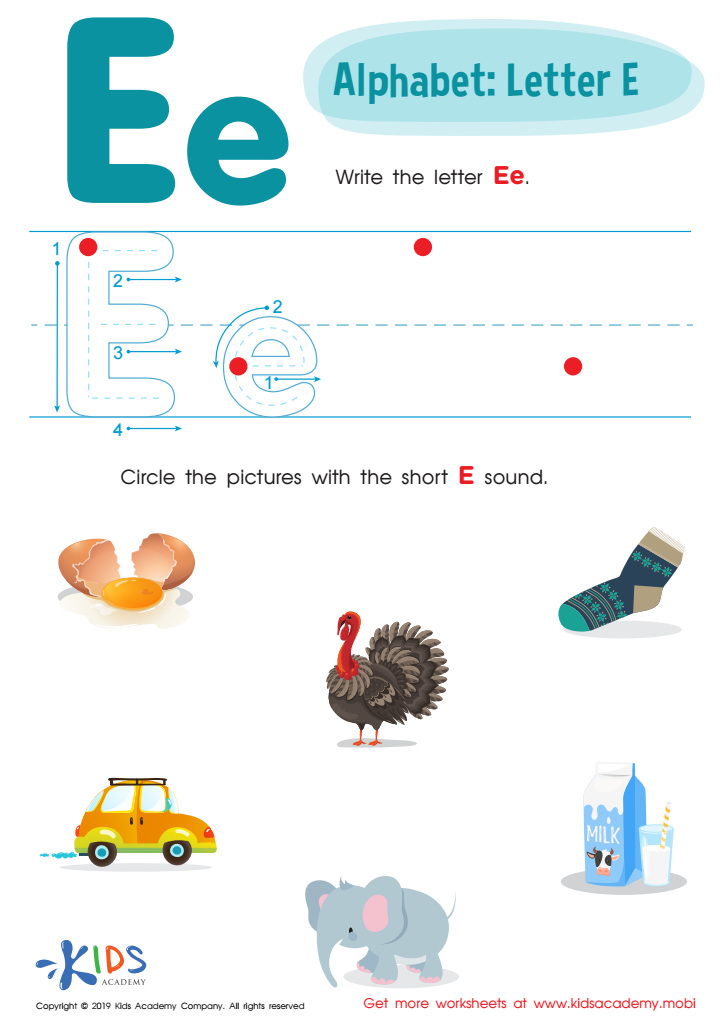
Letter E Tracing Worksheet
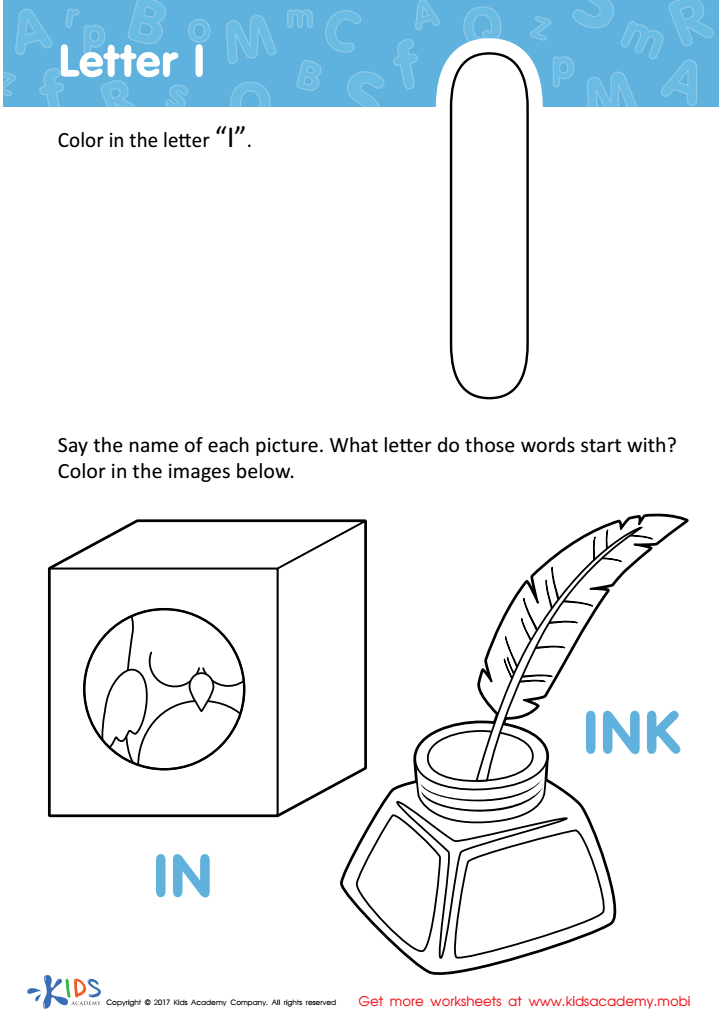
Letter I Coloring Sheet
Assign to My Students
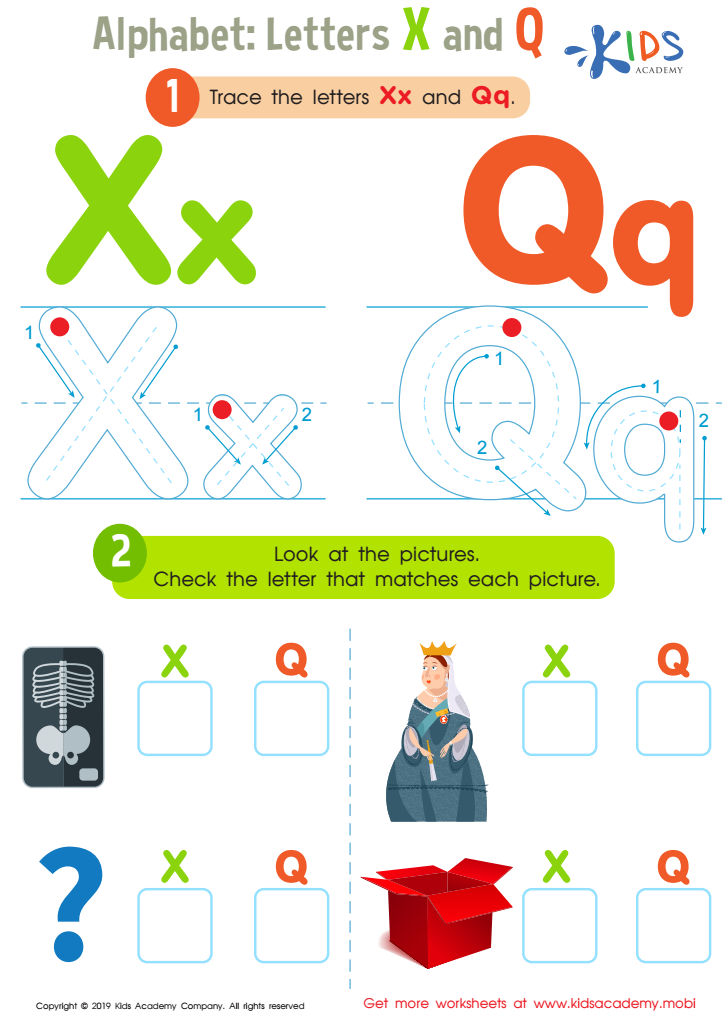
Letters X and Q Tracing Worksheet
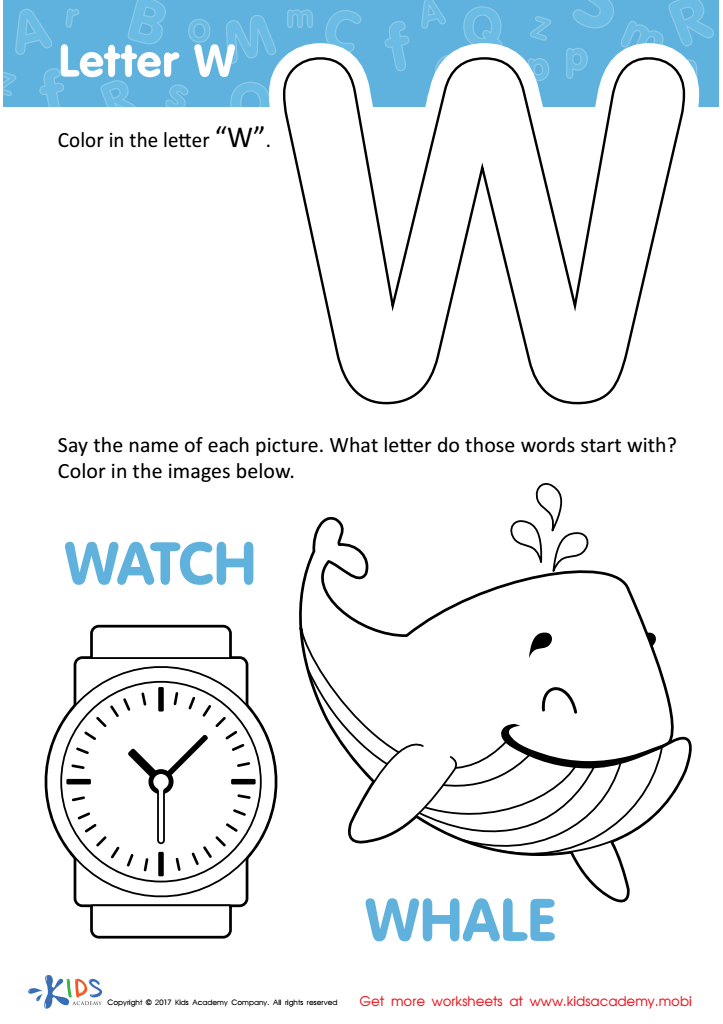
Letter W Coloring Sheet
Assign to My Students
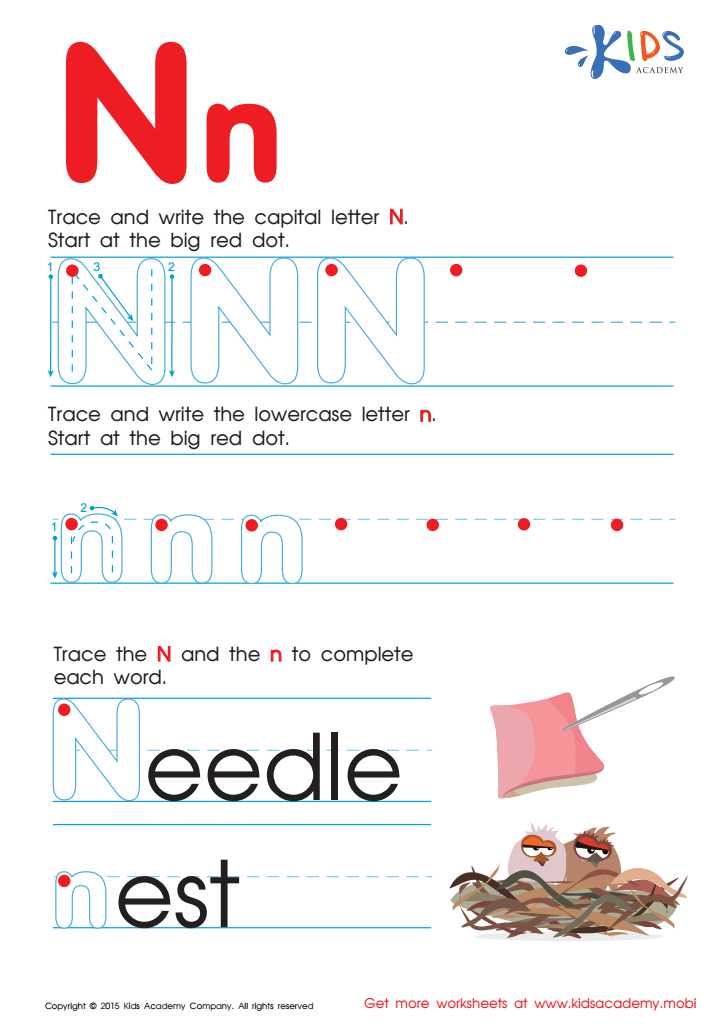
Letter N Tracing Page
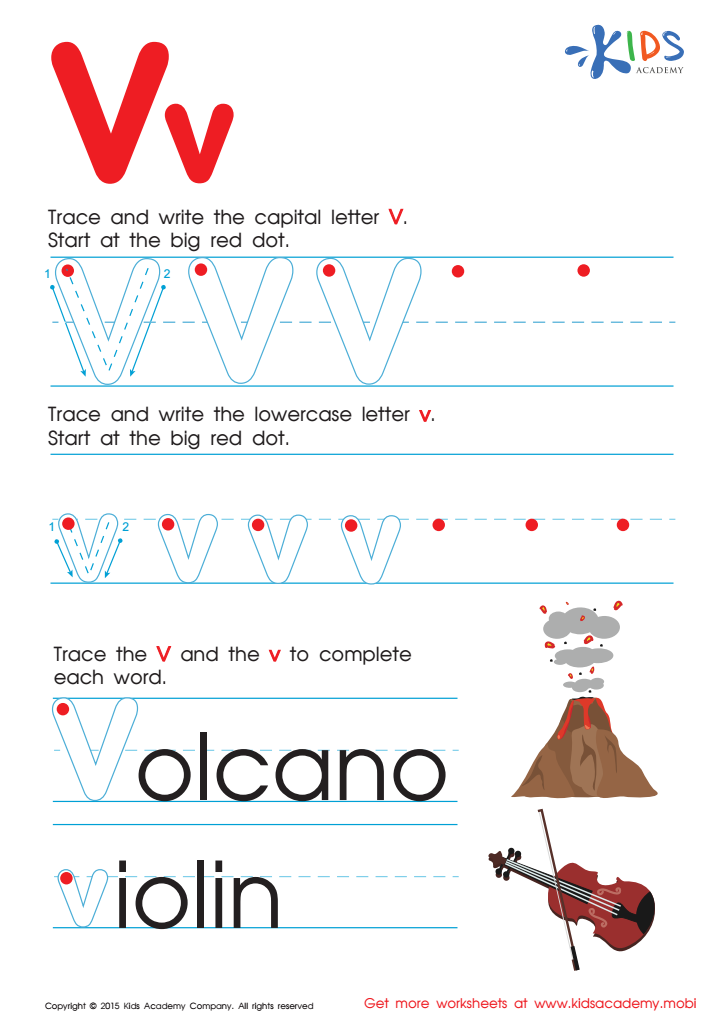
Letter V Tracing Page
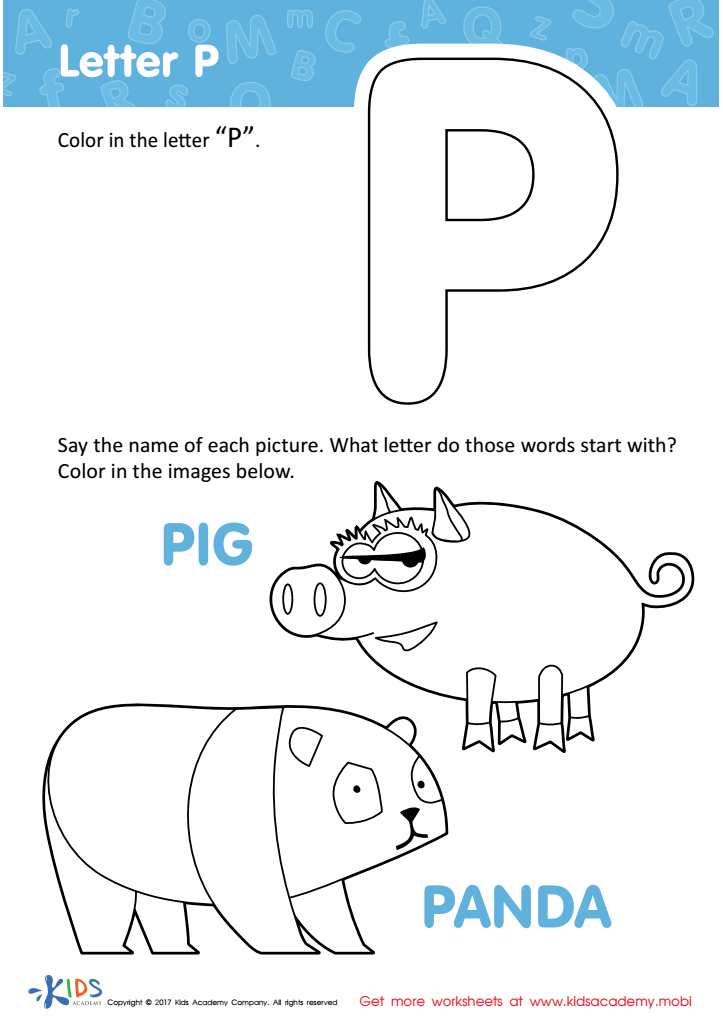
Letter P Coloring Sheet
Assign to My Students
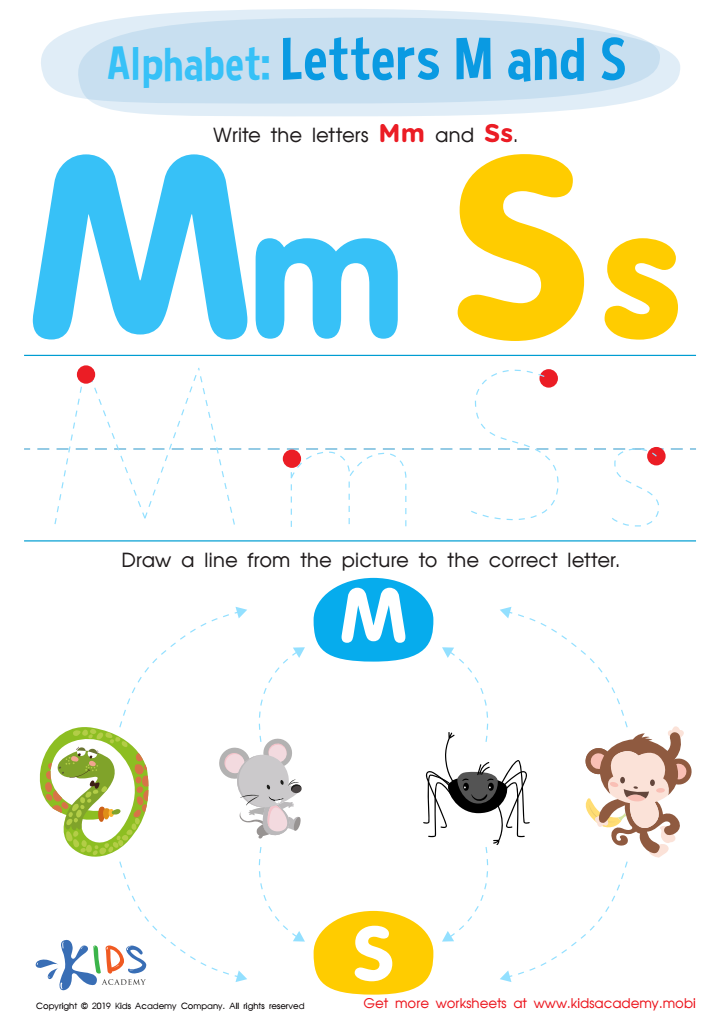
Letters M and S Tracing Worksheet
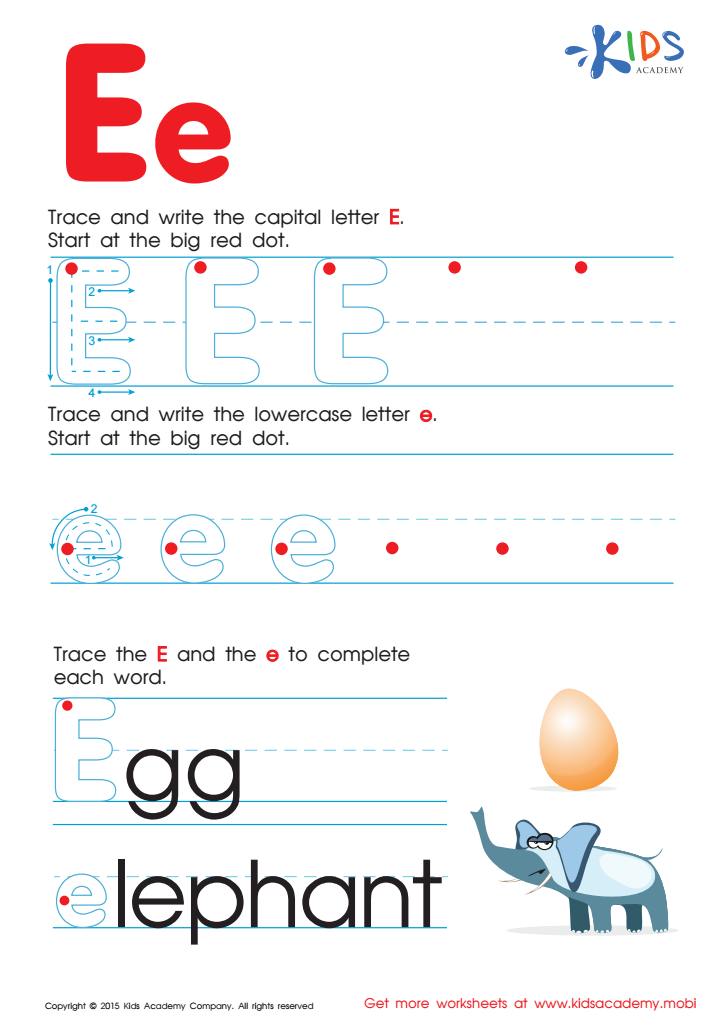
Letter E Tracing Page
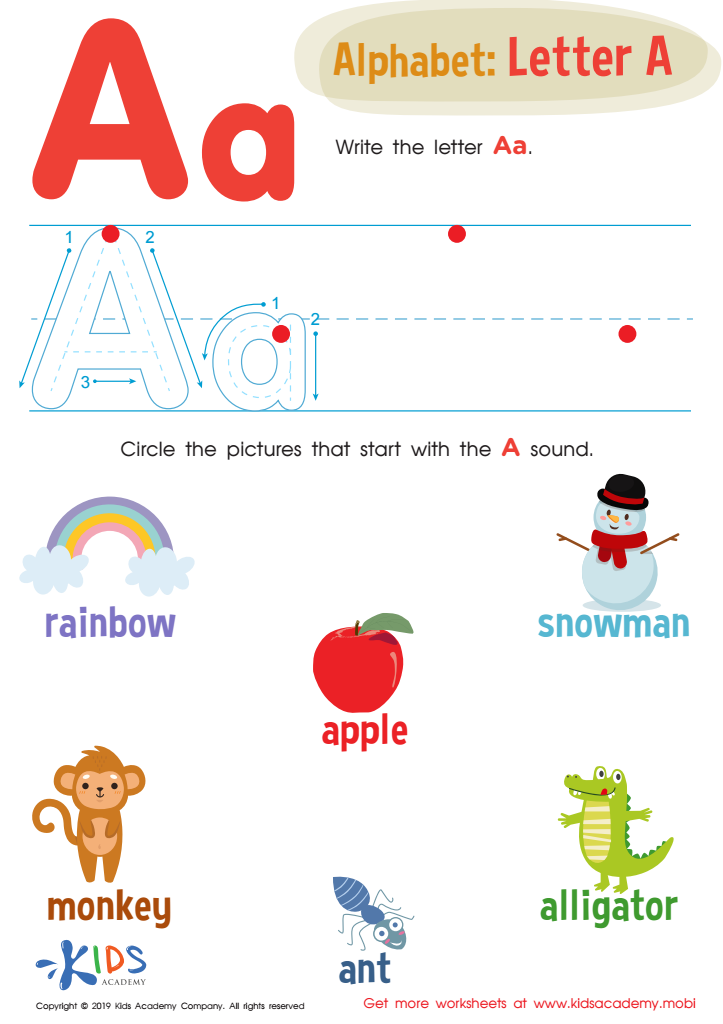
Letter A Tracing Worksheet
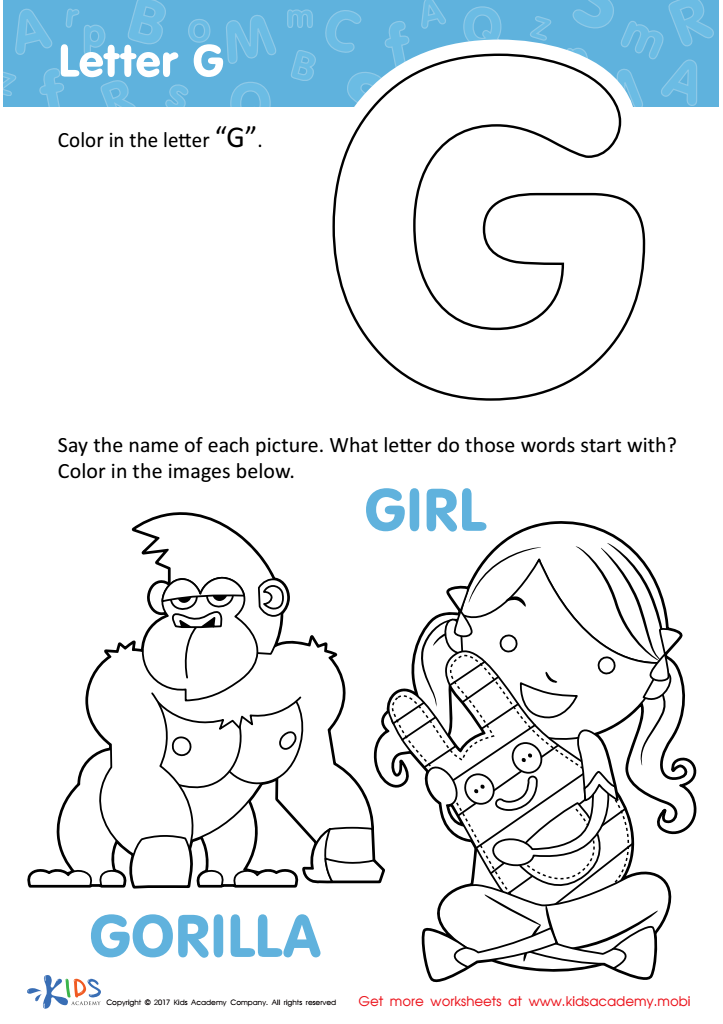
Letter G Coloring Sheet
Assign to My Students
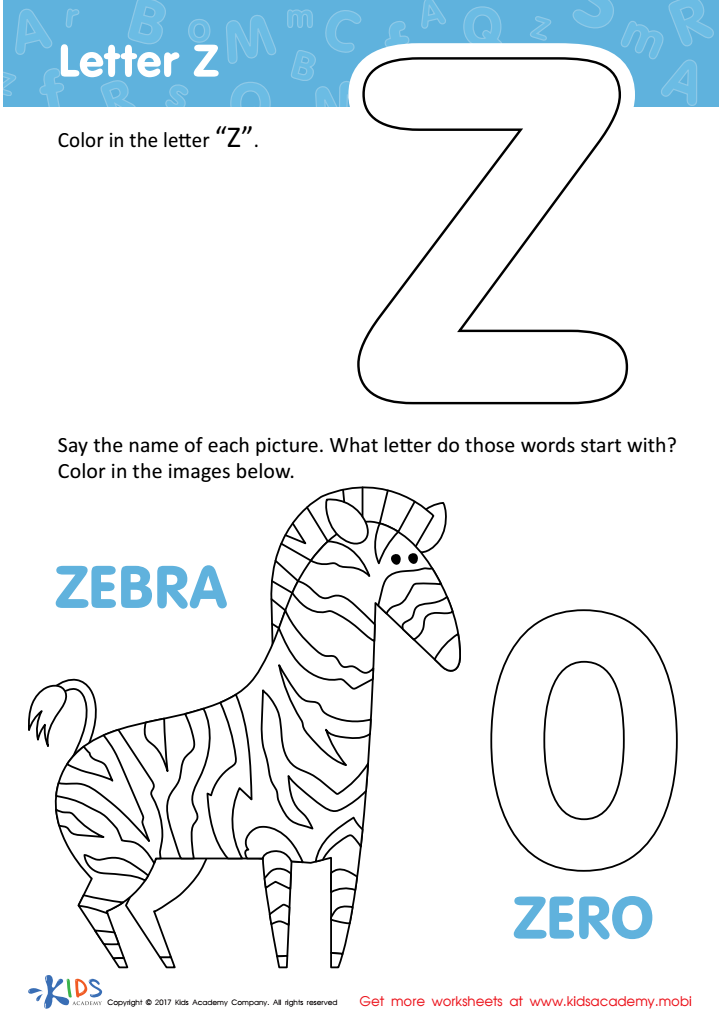
Letter Z Coloring Sheet
Assign to My Students
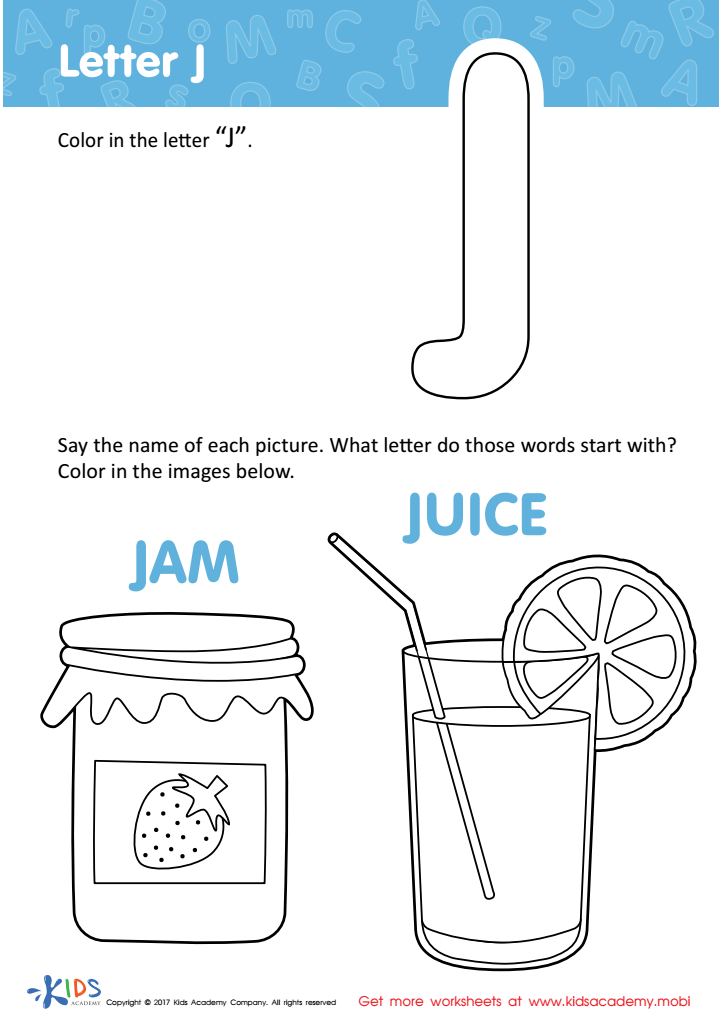
Letter J Coloring Sheet
Assign to My Students
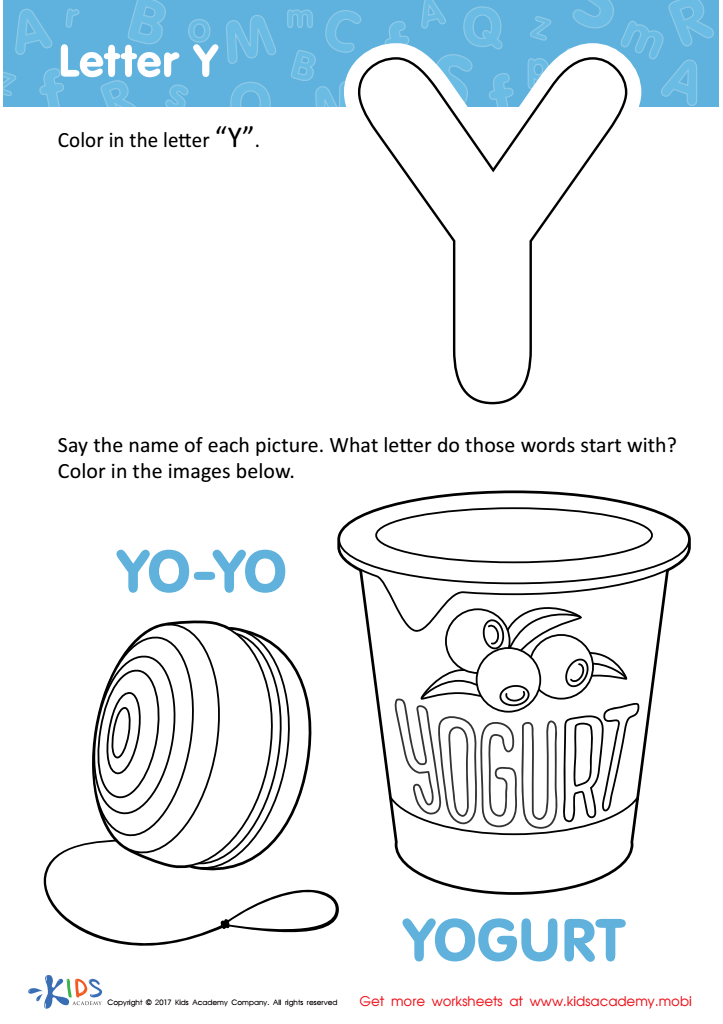
Letter Y Coloring Sheet
Assign to My Students
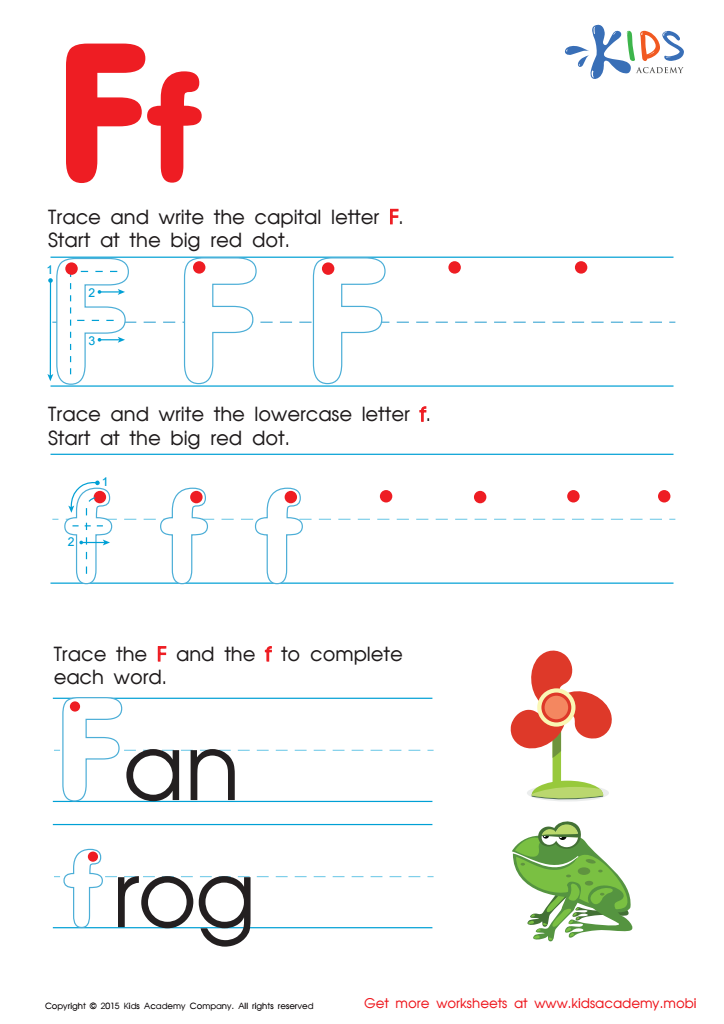
Letter F Tracing Page
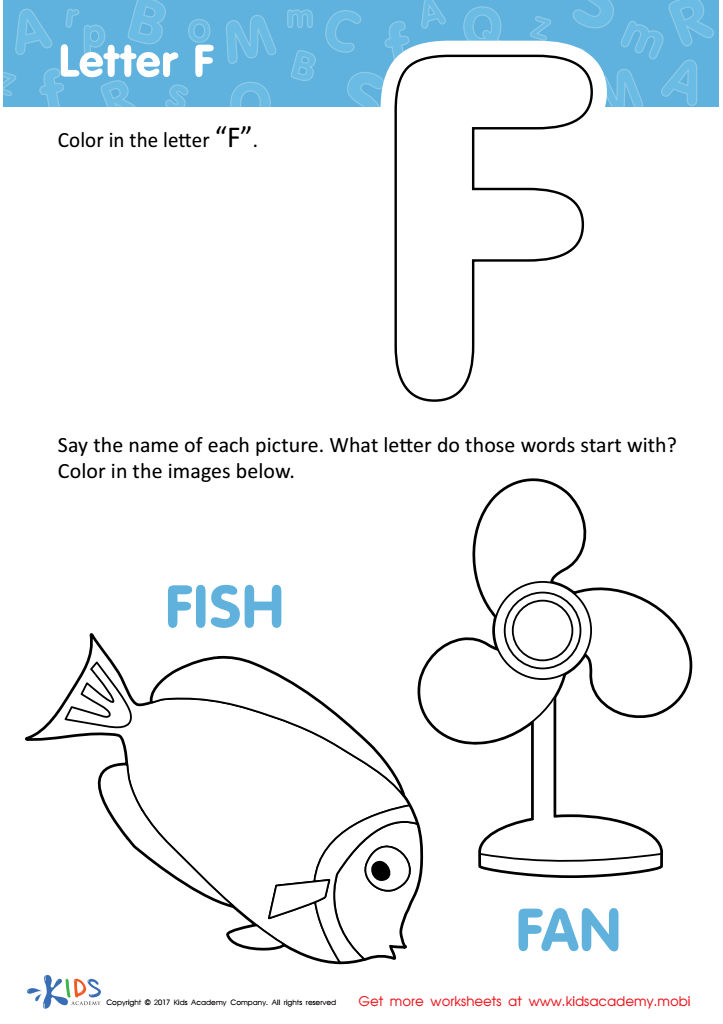
Letter F Coloring Sheet
Assign to My Students
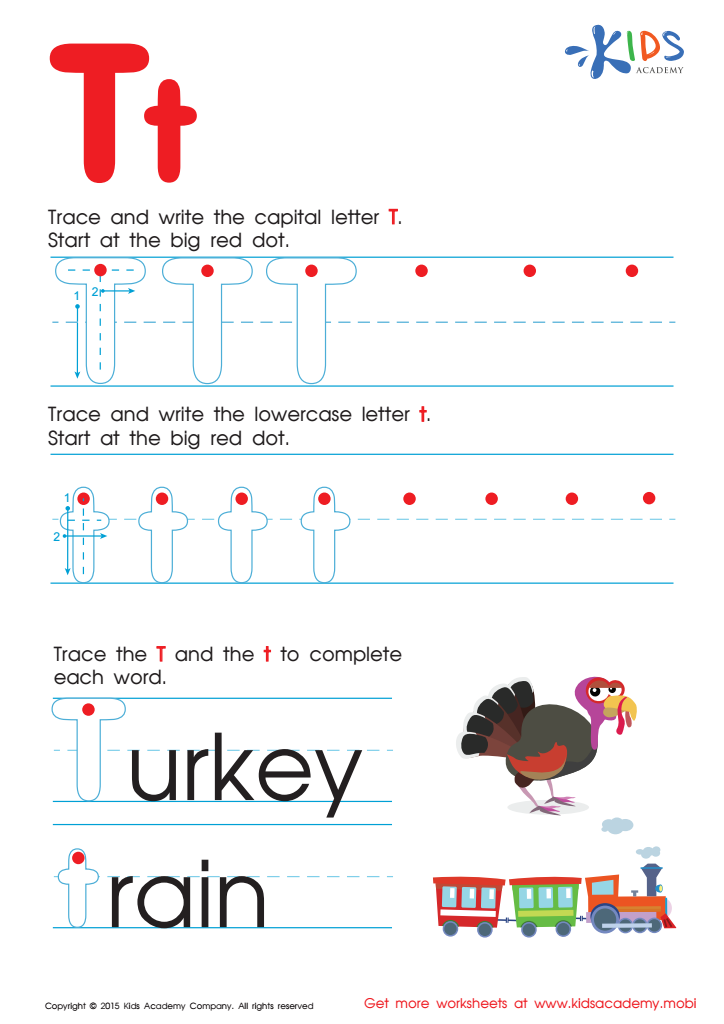
Letter T Tracing Page
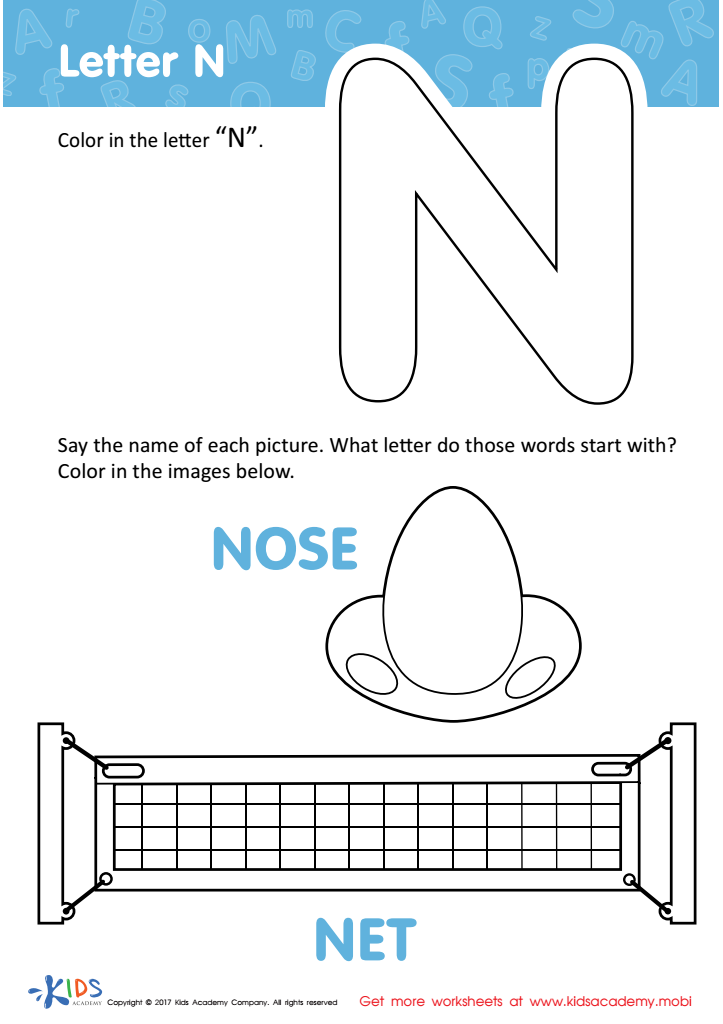
Letter N Coloring Sheet
Assign to My Students
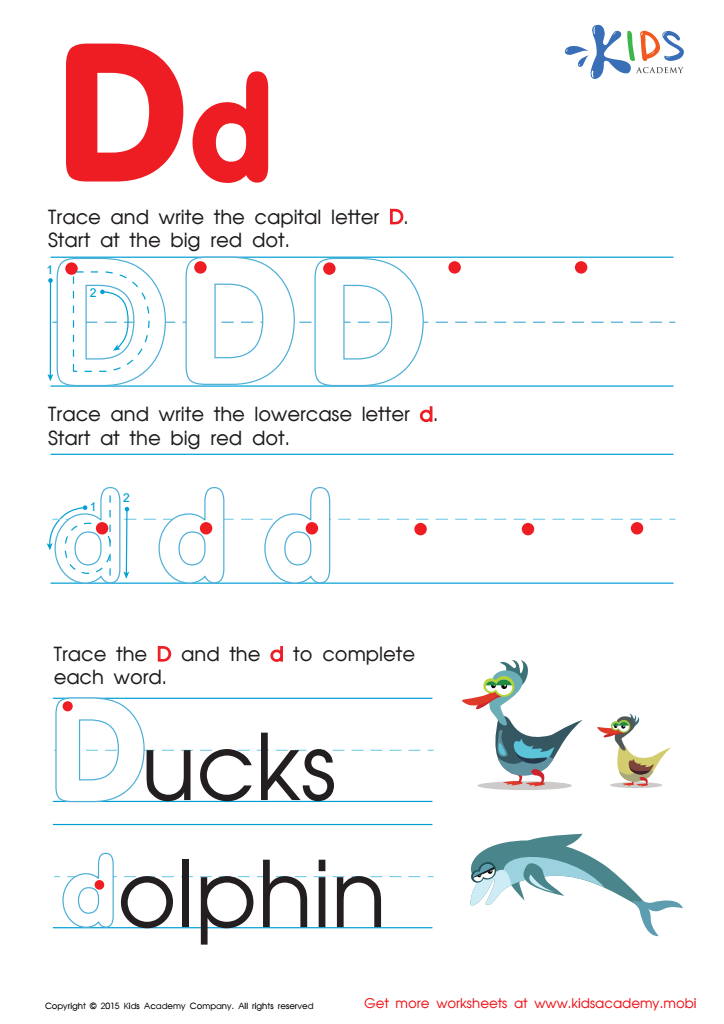
Letter D Tracing Page








Fine motor skills and letter recognition are essential components of a child’s development, particularly for ages 8-9, as they mark a critical stage in their literacy journey. Fine motor skills involve the coordination of small muscles in the hands and fingers, which are crucial for tasks such as writing, drawing, and manipulating small objects. At this age, children are expected to produce clear handwriting and engage in more complex writing tasks, making refined motor skills increasingly important.
Letter recognition is equally vital, forming the foundation for proficient reading and spelling. Children who can efficiently recognize letters are better equipped to decode words, ultimately enhancing their comprehension skills. It fosters a love for reading, broadens vocabulary, and encourages effective communication.
Parents and teachers should prioritize the development of these skills, as they intertwined support a child's academic success and confidence. By engaging in activities that promote fine motor skills—like arts and crafts, puzzles, and other hands-on projects—parents and educators can create a rich learning environment that fosters growth. Recognizing these skills as integral to literacy development will ensure children are well-prepared for future educational challenges and instill a lifelong love of learning.







