Shape Recognition Worksheets for Ages 8-9 - Page 2
63 filtered results
-
From - To
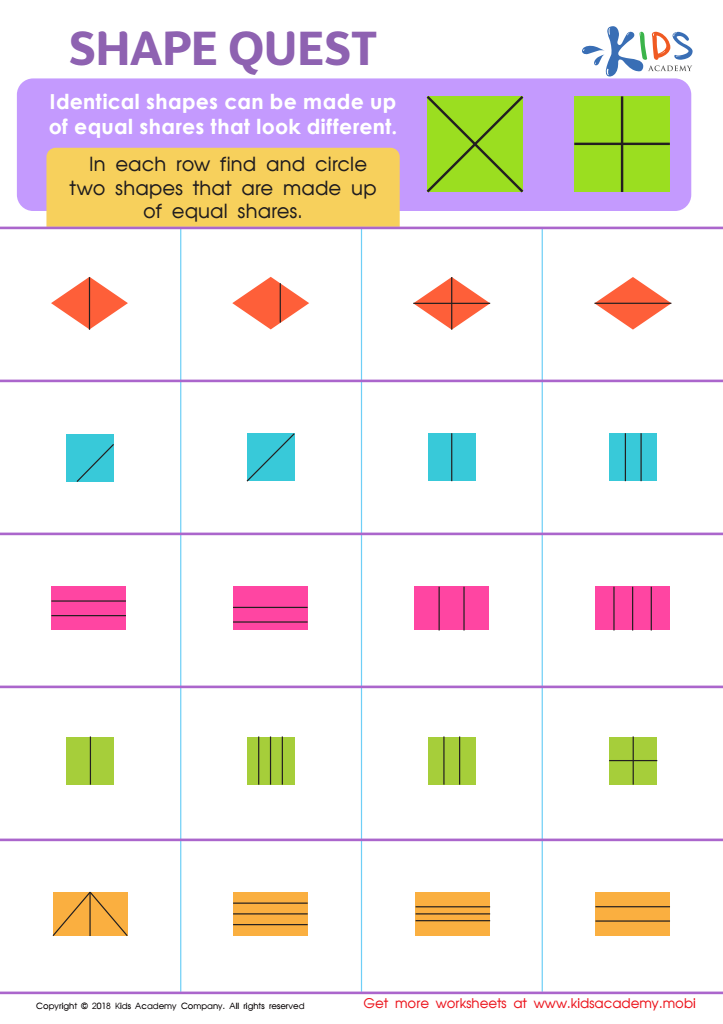
Shape Quest Worksheet
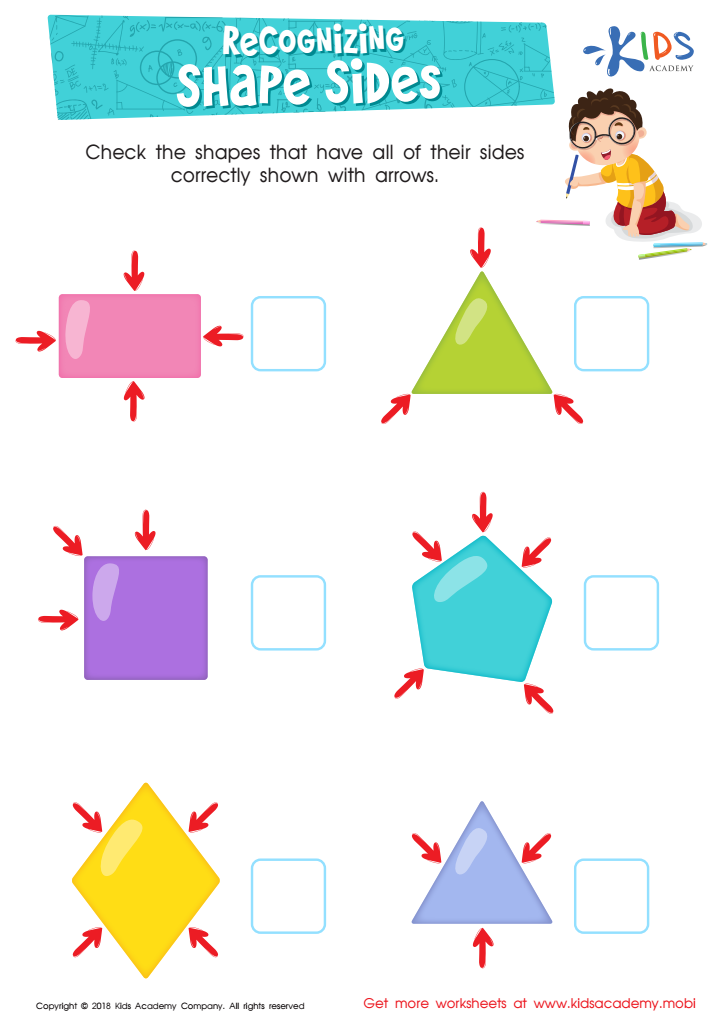
Recognizing Shape Sides Worksheet
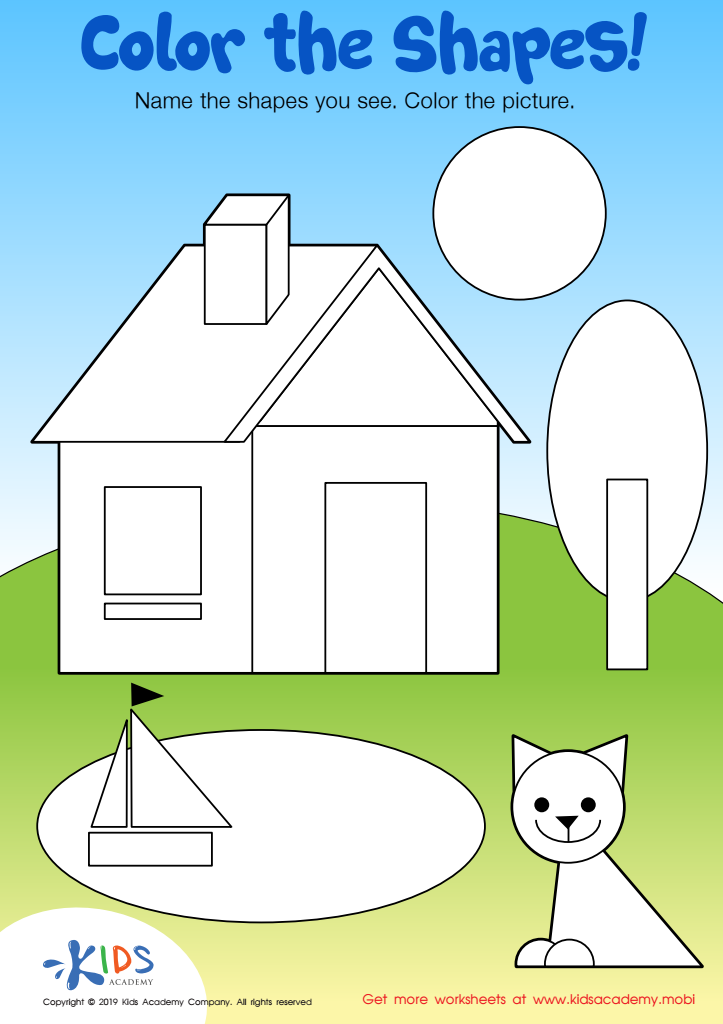
Color the Shapes Worksheet
 Assign to My Students
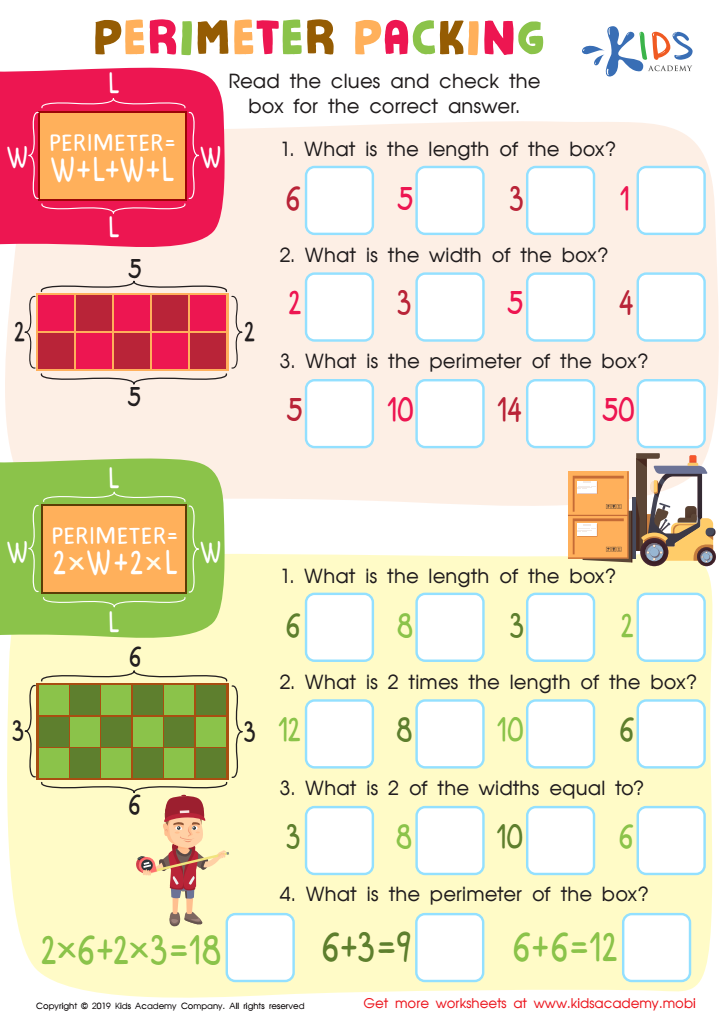
Perimeter Parking Worksheet
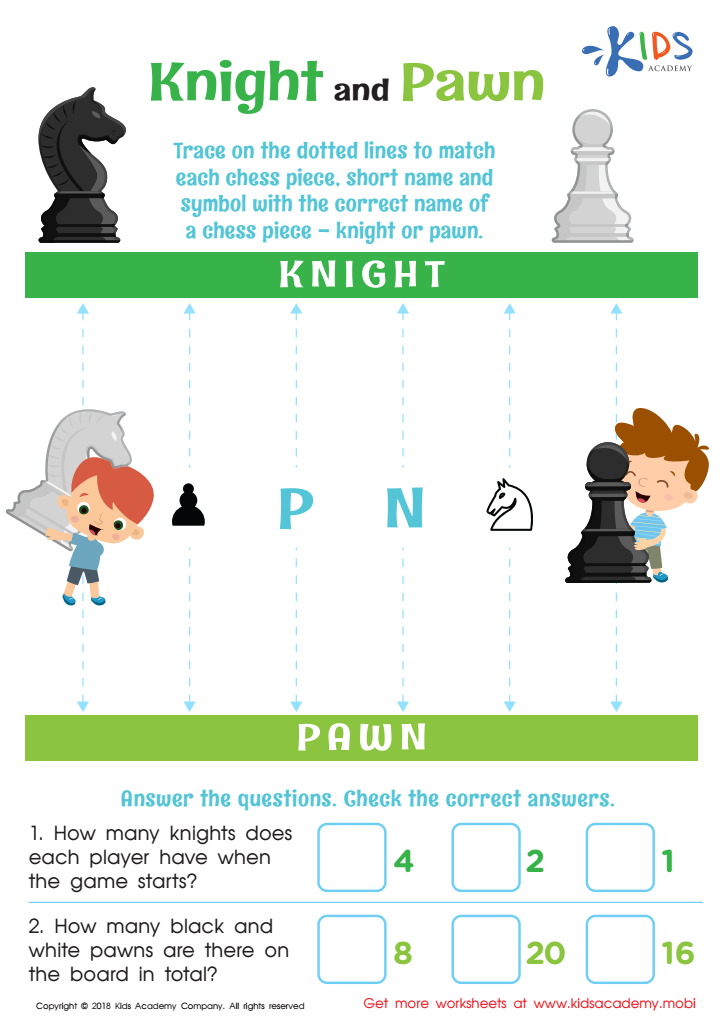
Knight and Pawn Worksheet
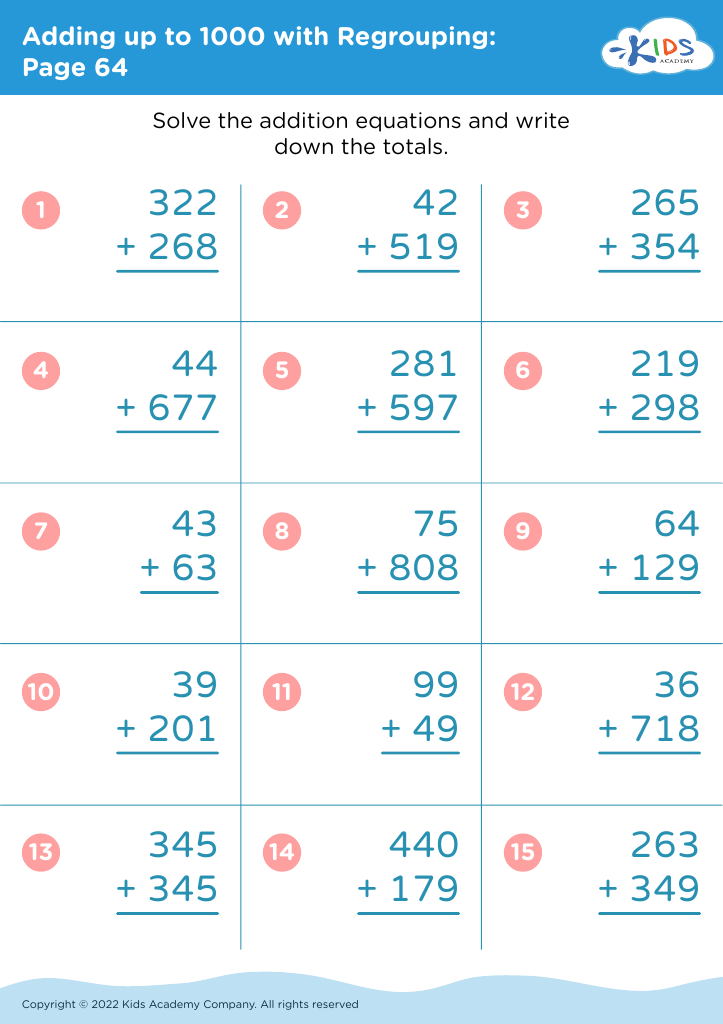
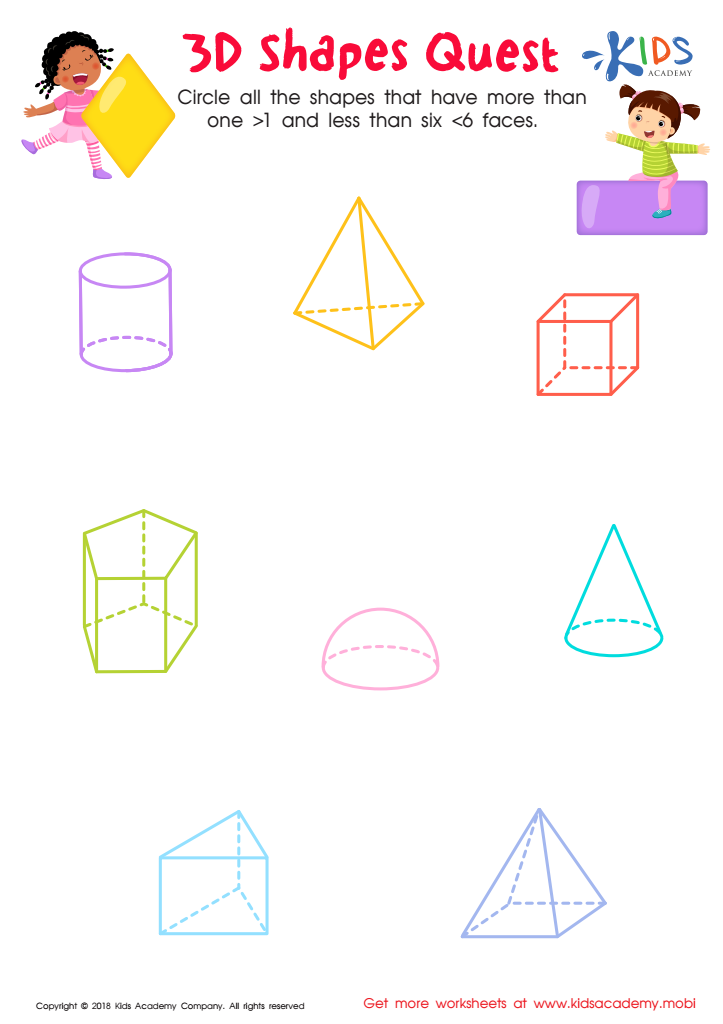
3D Shapes Quest Worksheet
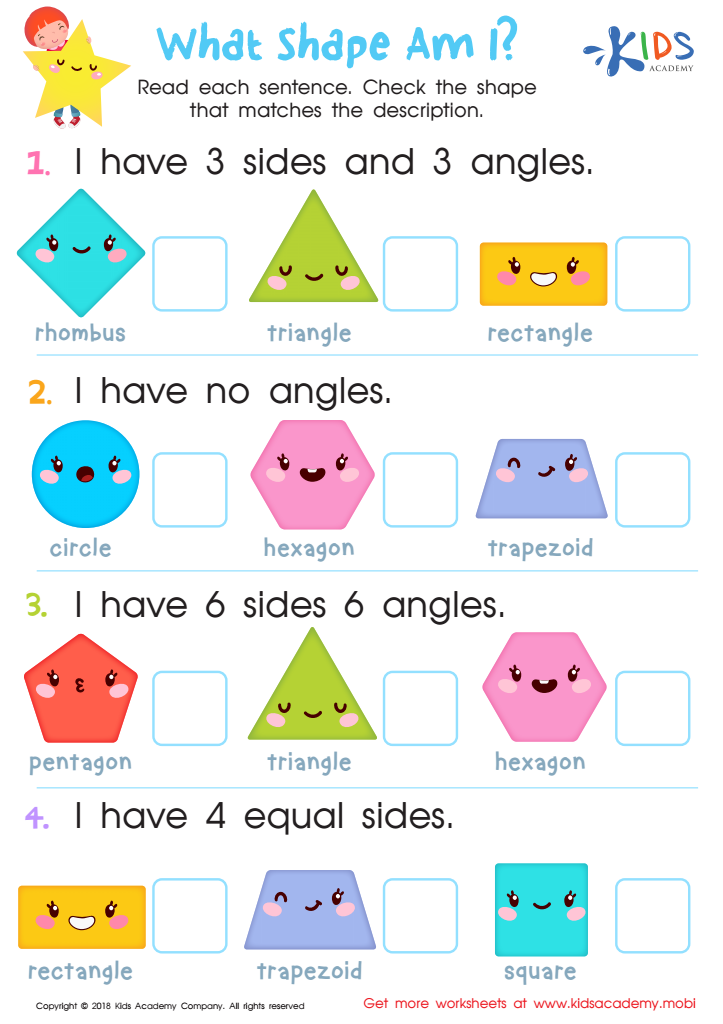
What Shape Am I? Worksheet
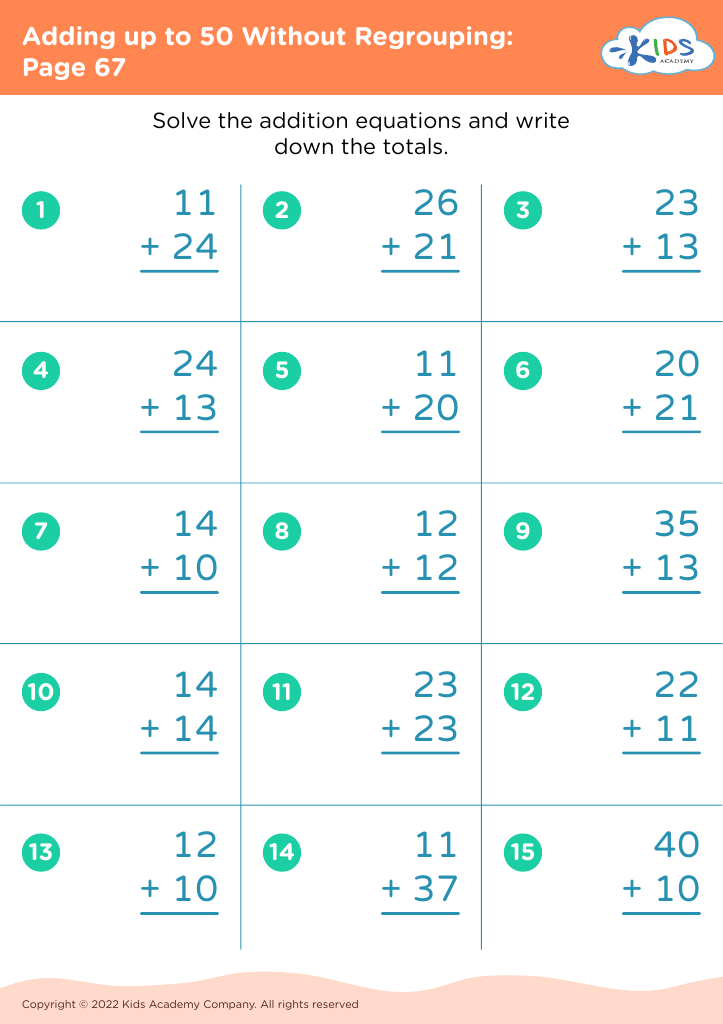
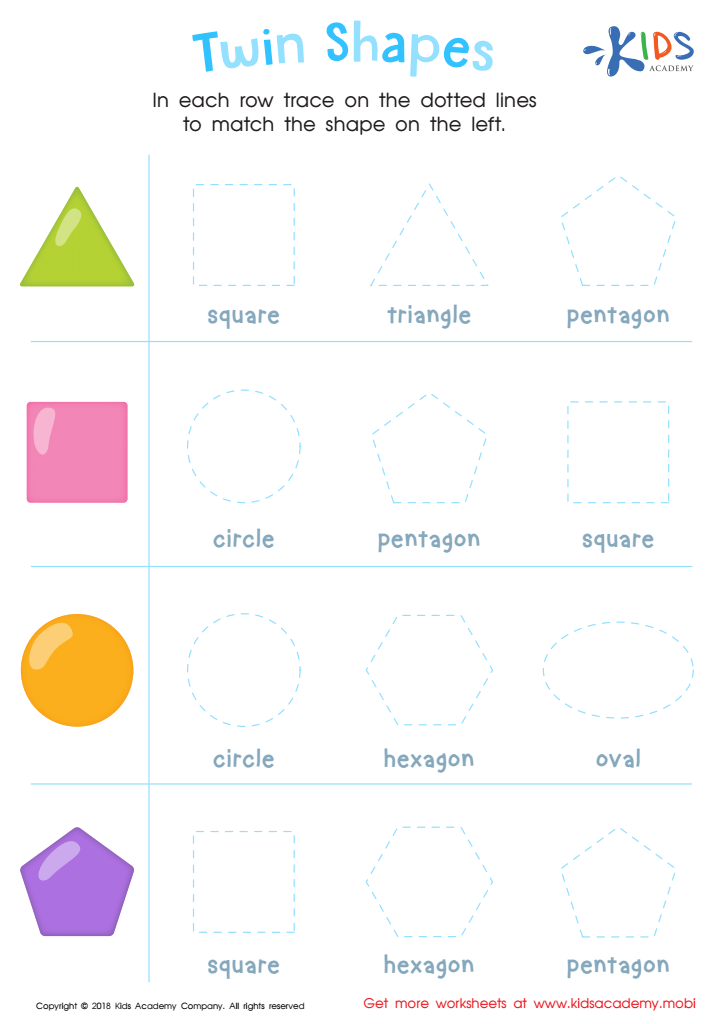
Twin Shapes Dot-to-Dot Worksheet
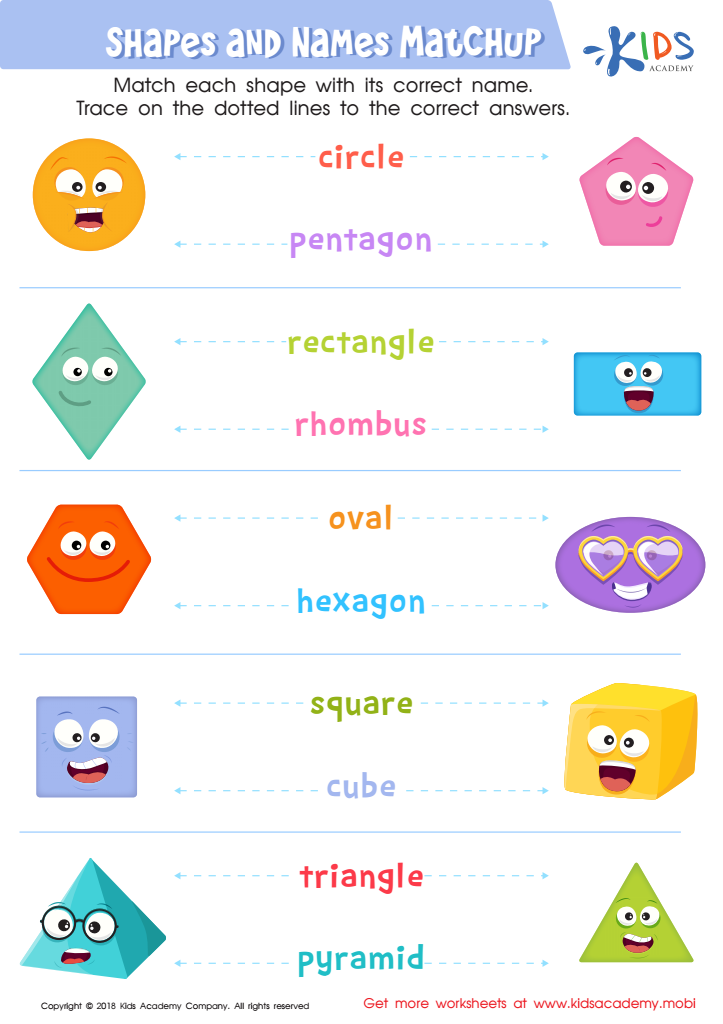
Shapes and Names Matchup Worksheet







Shape recognition is crucial for children aged 8-9 as it serves as a foundational skill for various academic subjects and essential life skills. At this age, children are transitioning from basic identification to understanding concepts like geometry, symmetry, and spatial reasoning. Mastering shape recognition enhances their problem-solving abilities, critical thinking, and cognitive development, making it easier for them to tackle mathematical concepts in the future.
For parents and teachers, fostering shape recognition helps promote fine motor skills through activities like drawing and modeling shapes, which are valuable for artistic expression and handwriting. Furthermore, it encourages observational skills as children start to relate shapes to objects in their environment, promoting curiosity and exploration.
Understanding shapes also lays the groundwork for more complex concepts such as fractions and measurement, ensuring students are adequately prepared for higher-level math. Additionally, recognizing patterns and symmetries in shapes can improve logical reasoning skills. This knowledge instills confidence and a positive attitude towards learning, setting the stage for academic success. Thus, by prioritizing shape recognition, parents and teachers nurture well-rounded, capable students equipped to understand and engage with the world around them effectively.








