Understanding Sequences Worksheets for Ages 8-9
18 filtered results
-
From - To
Welcome to our "Understanding Sequences Worksheets” tailored specifically for children ages 8-9. These engaging worksheets are designed to help young learners develop essential skills in recognizing and completing patterns. Kids will practice identifying number sequences, letter patterns, and visual sequences through fun activities. Our resources support critical thinking, improve mathematical comprehension, and enhance problem-solving abilities. Ideal for classroom use or at-home practice, these worksheets cater to different learning styles, making understanding sequences enjoyable for every student. Encourage your child’s curiosity and boost their confidence in math with our thoughtfully designed materials. Explore our collection today and watch their skills flourish!
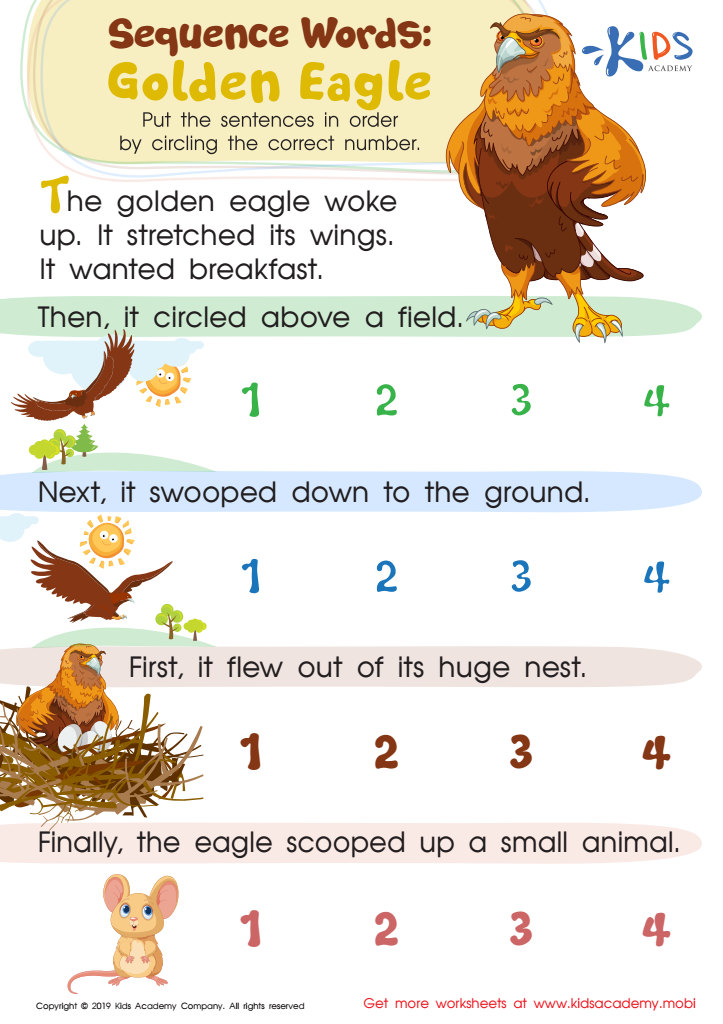
Sequence Word Eagle Worksheet
 Assign to My Students
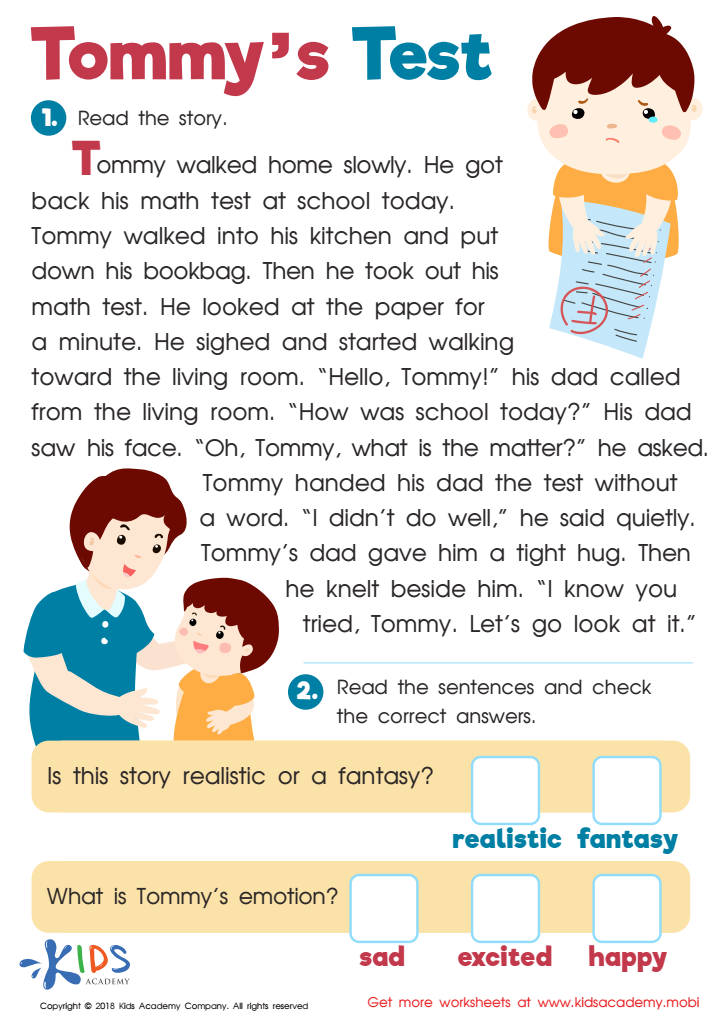
Tommys Test Worksheet
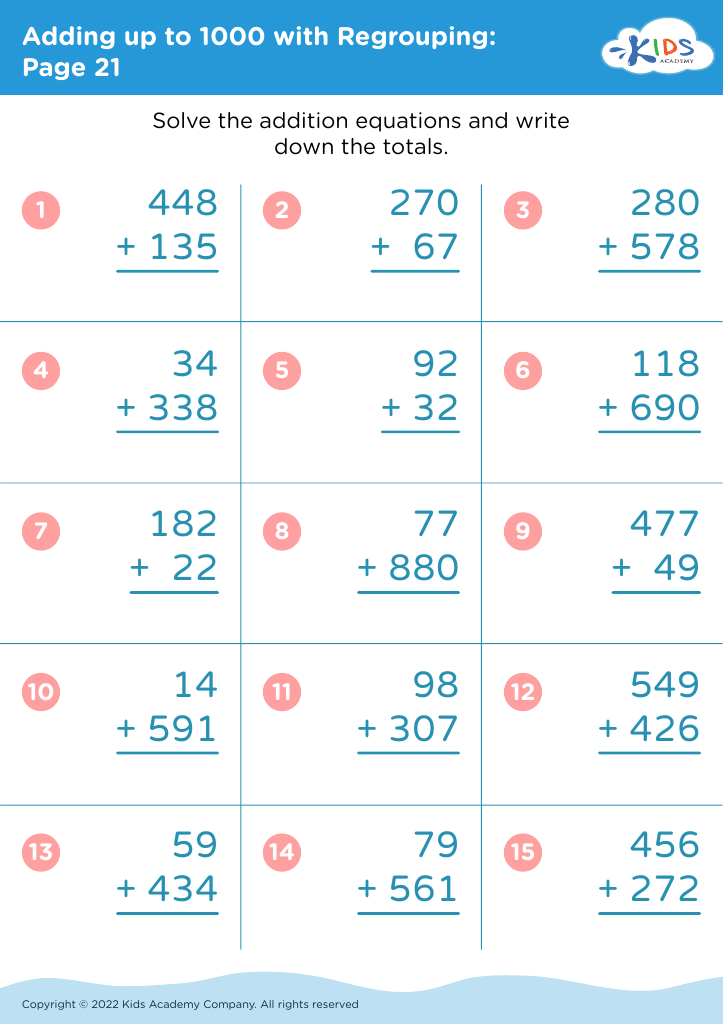
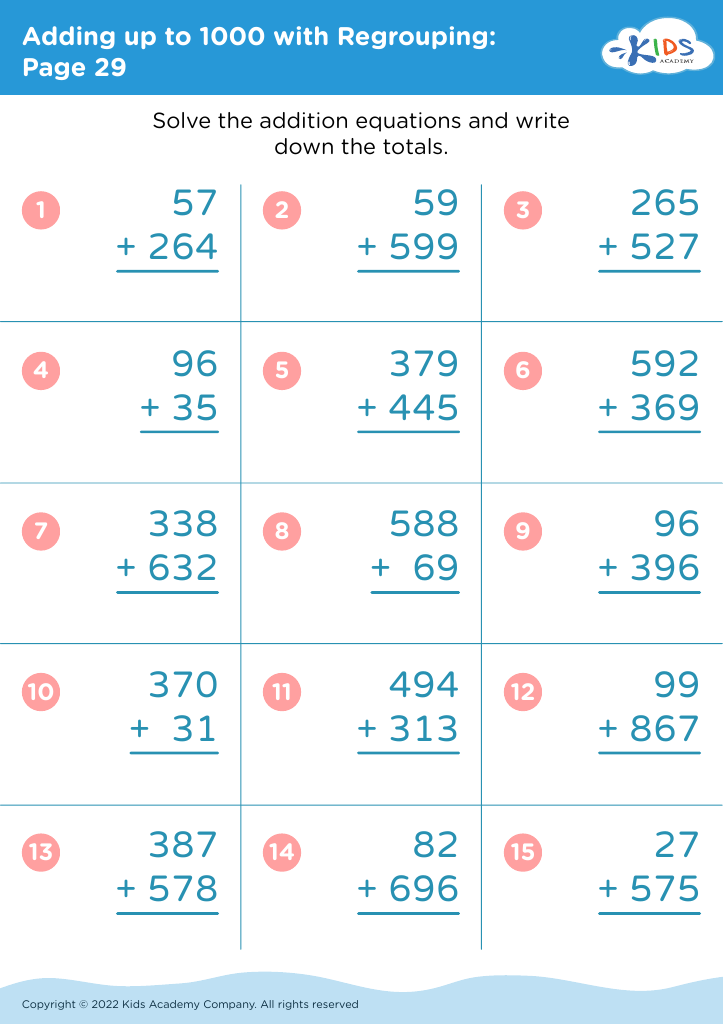
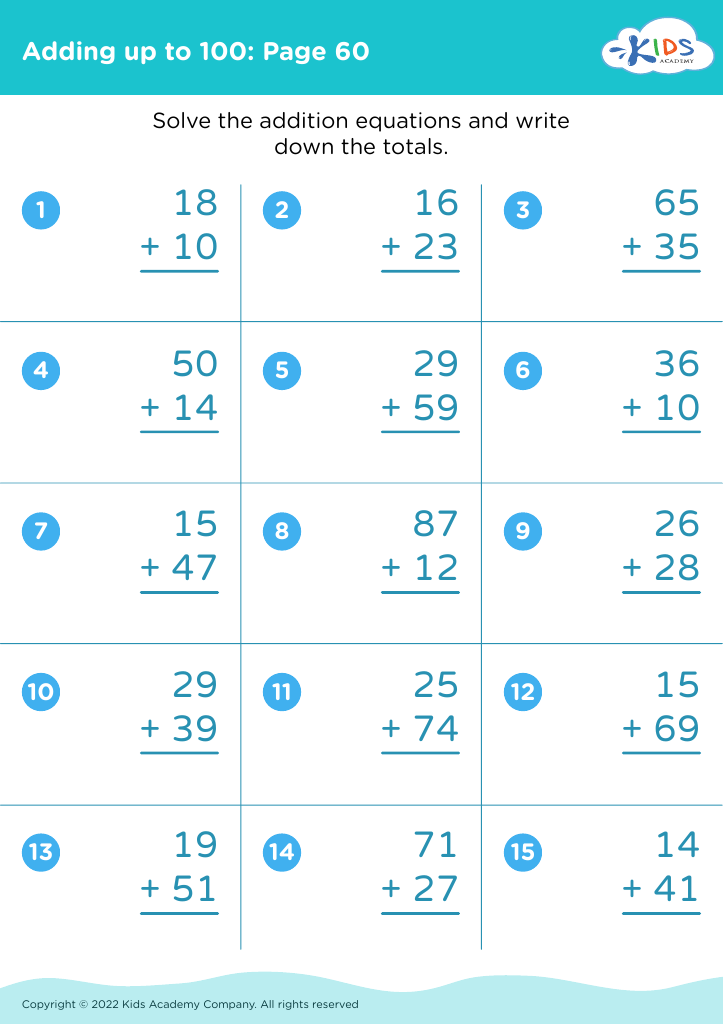
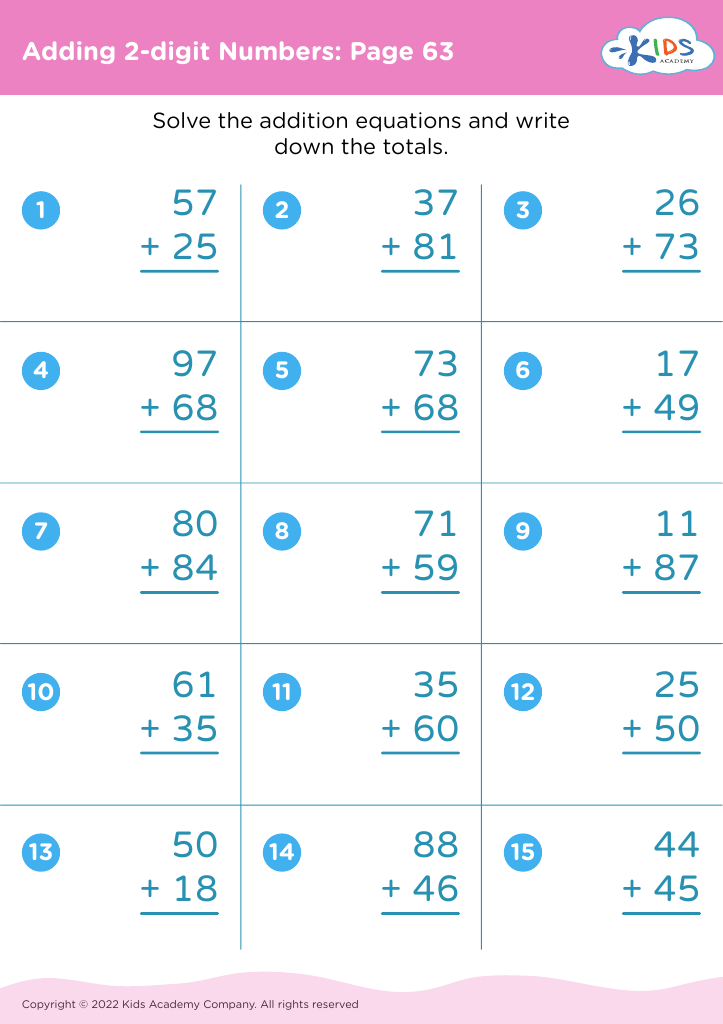
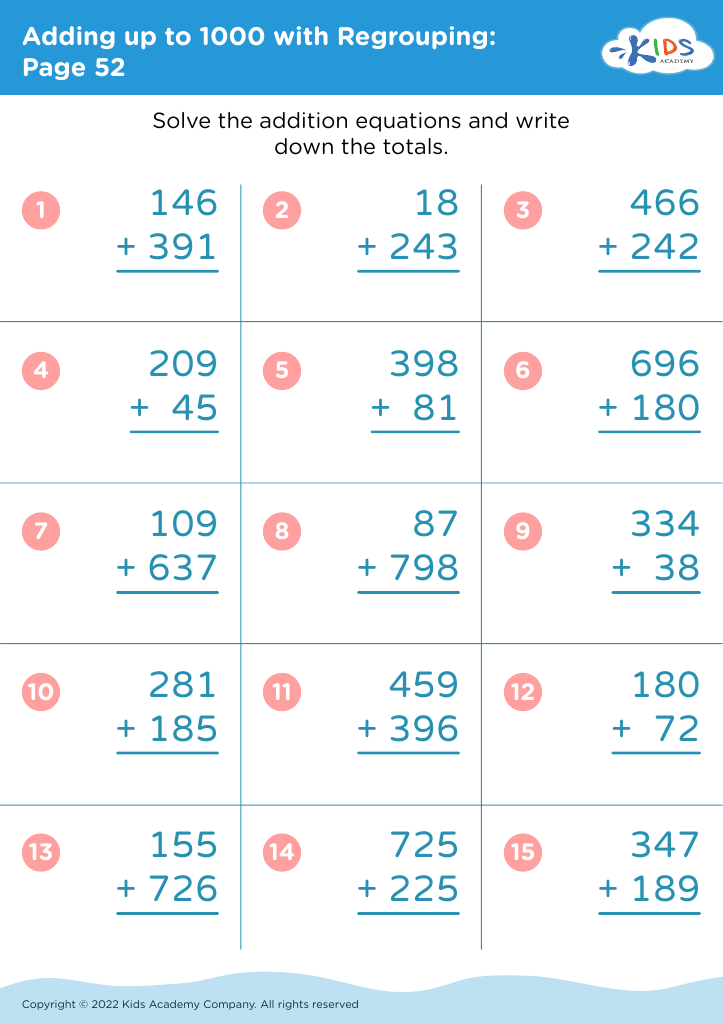
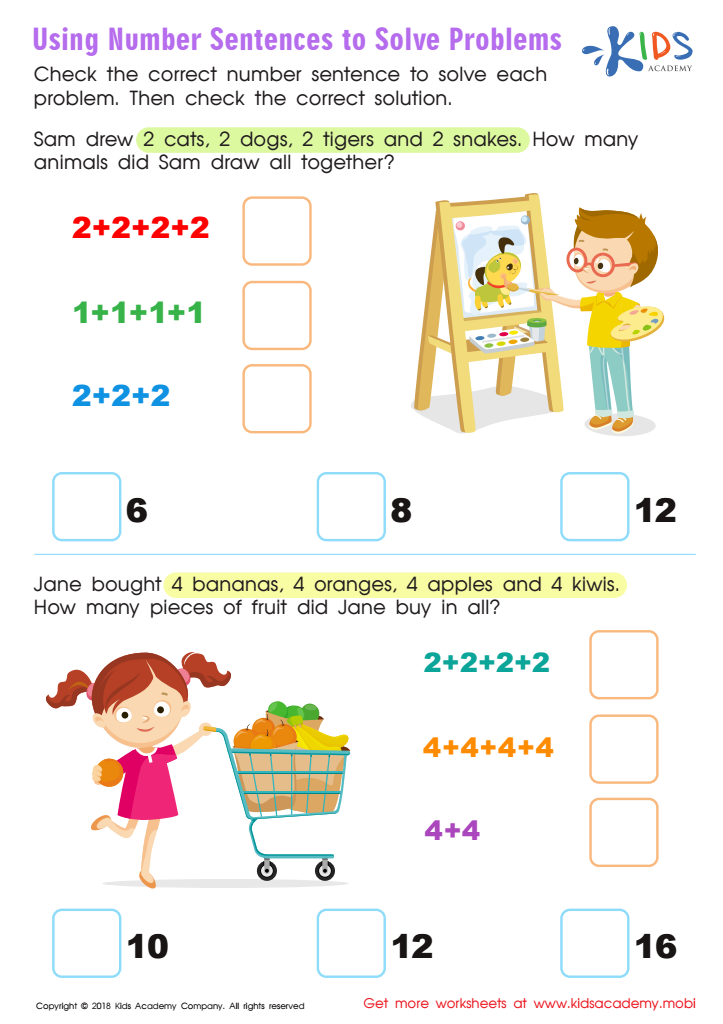
Using Number Sentences to Solve Problems Worksheet
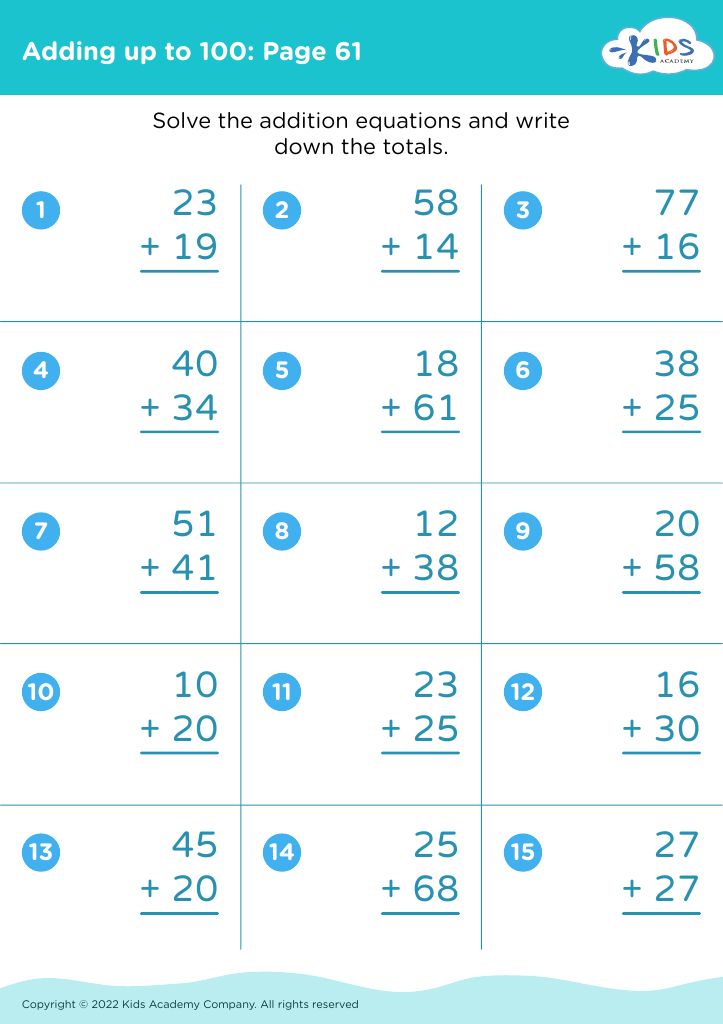
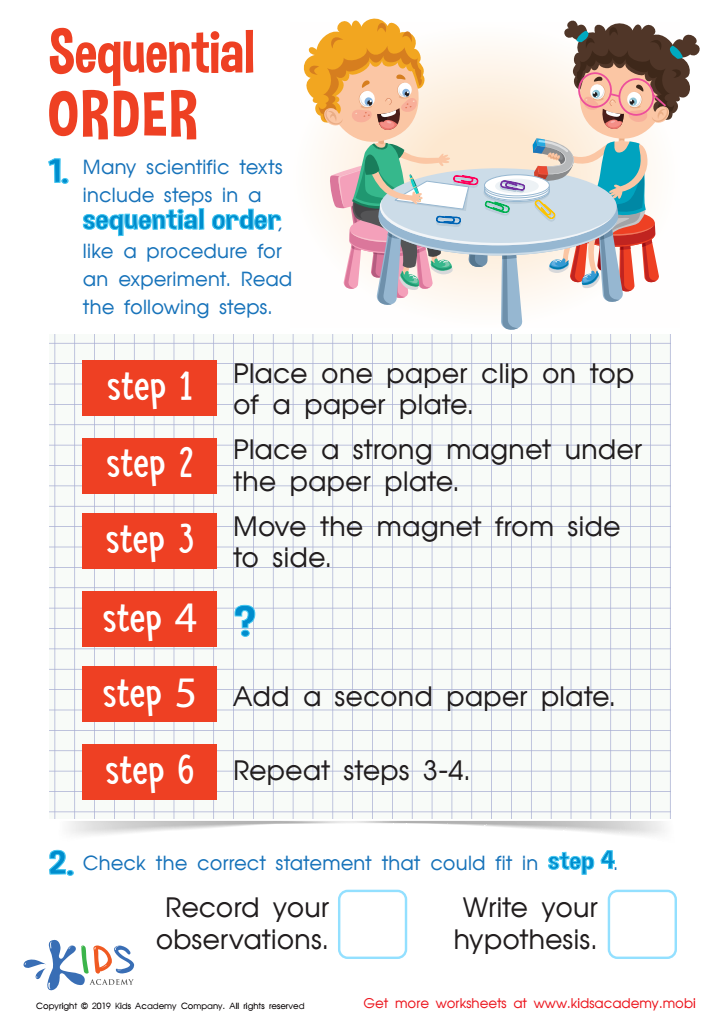
Sequencential Order Worksheet
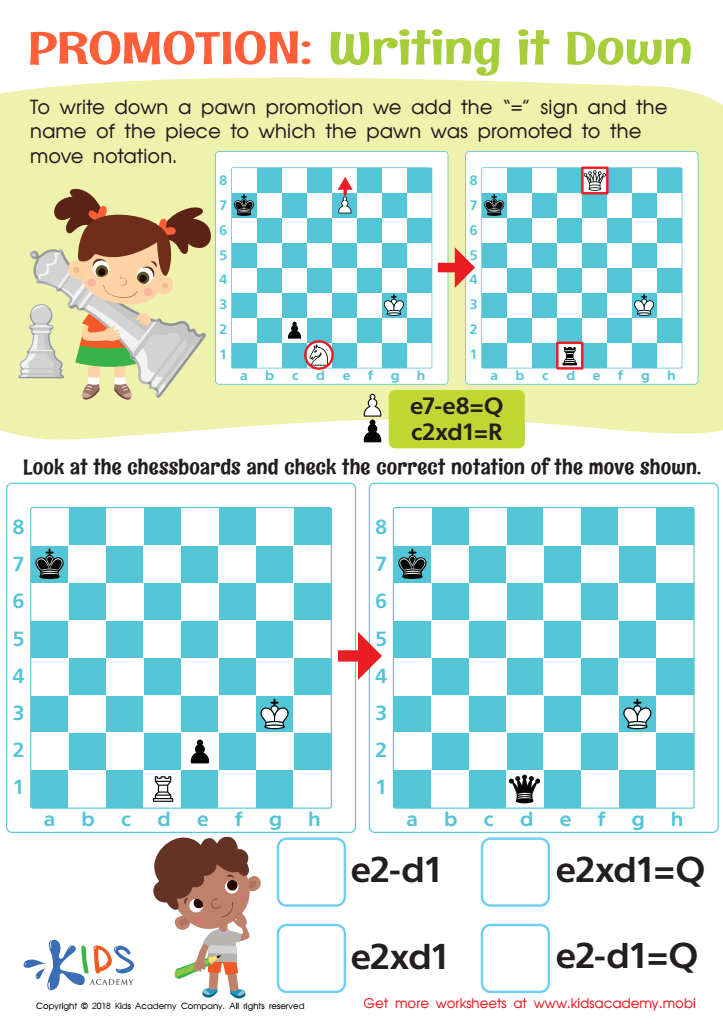
Writing it Down Worksheet
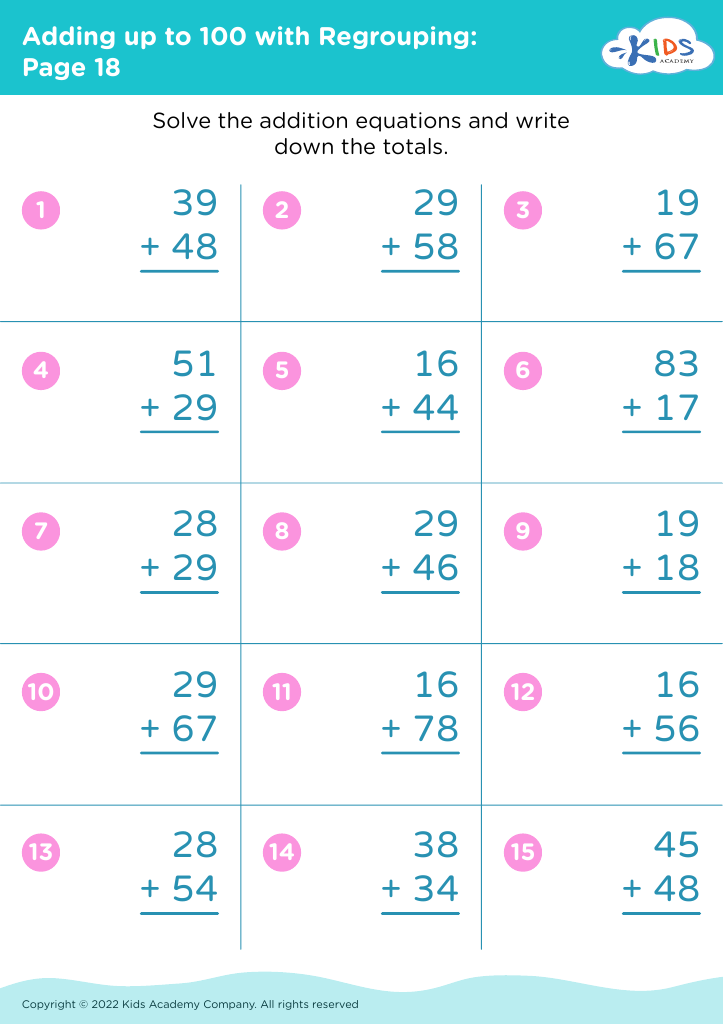
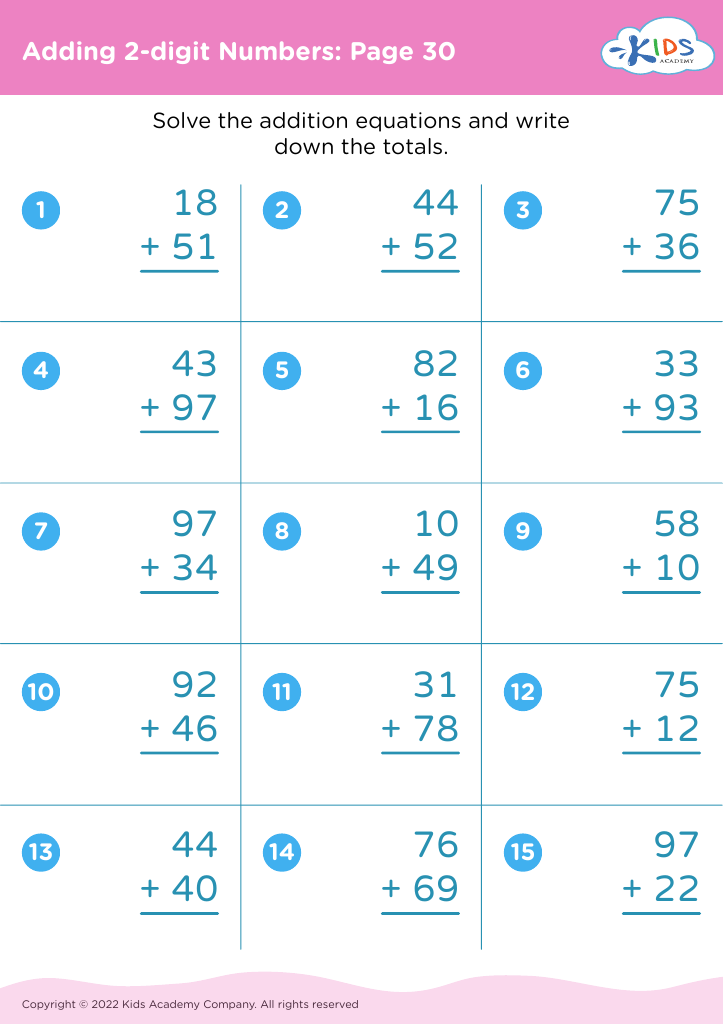
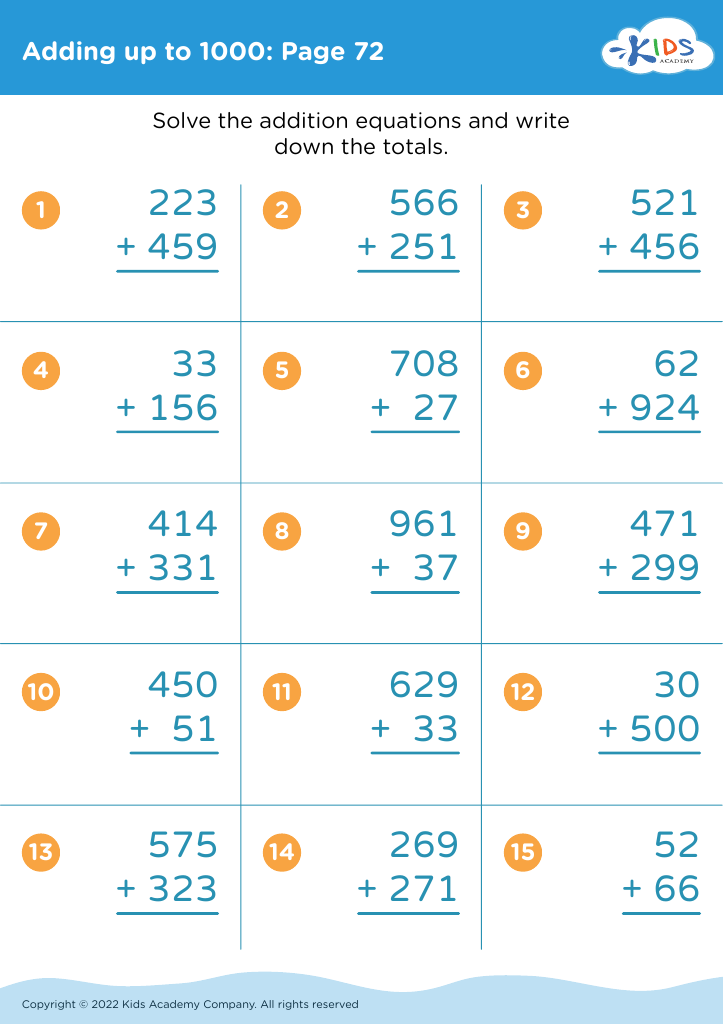
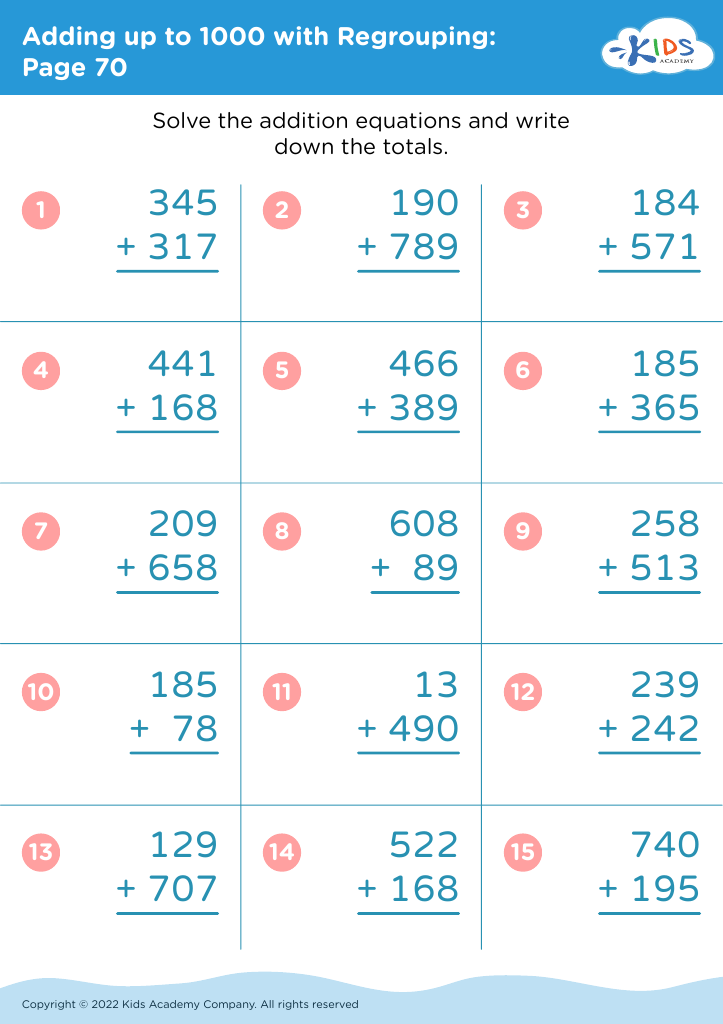





Understanding sequences is crucial for children aged 8-9, as it forms the foundation for more complex mathematical concepts and problem-solving skills. At this age, students begin to explore number patterns, arithmetic sequences, and basic algebra, which are essential for math proficiency. Grasping sequences helps children recognize relationships within numbers, enhancing their ability to predict outcomes and develop logical thinking.
Beyond mathematics, sequences foster cognitive skills such as ordering, organizing, and critical thinking. Understanding sequences can also assist children in various real-life situations—such as planning events, following directions, or understanding data presented in graphs. Engaging with patterns encourages a lifelong interest in mathematics, making it crucial for teachers and parents to promote these concepts.
Additionally, embracing sequences ignites students' creativity and boosts their confidence as they learn to manipulate numbers systematically. It bridges the gap between tangible experiences and abstract concepts, paving the way for higher-level math skills. Therefore, prioritizing sequence learning in the classroom and at home is essential for nurturing well-rounded, mathematically literate individuals. By caring about their children’s understanding of sequences, parents and teachers are actively preparing them for academic success and critical thinking in a rapidly changing world.








