Filters

157 filtered results

Clear all filters
Favorites
With answer key
Interactive

157 filtered results

Difficulty Level

Grade


Check out this FREE Trial Lesson on Addition for age 8-9!

D

Favorites
With answer key
Interactive
  • 8-9
  • Understanding fractions
  • Addition
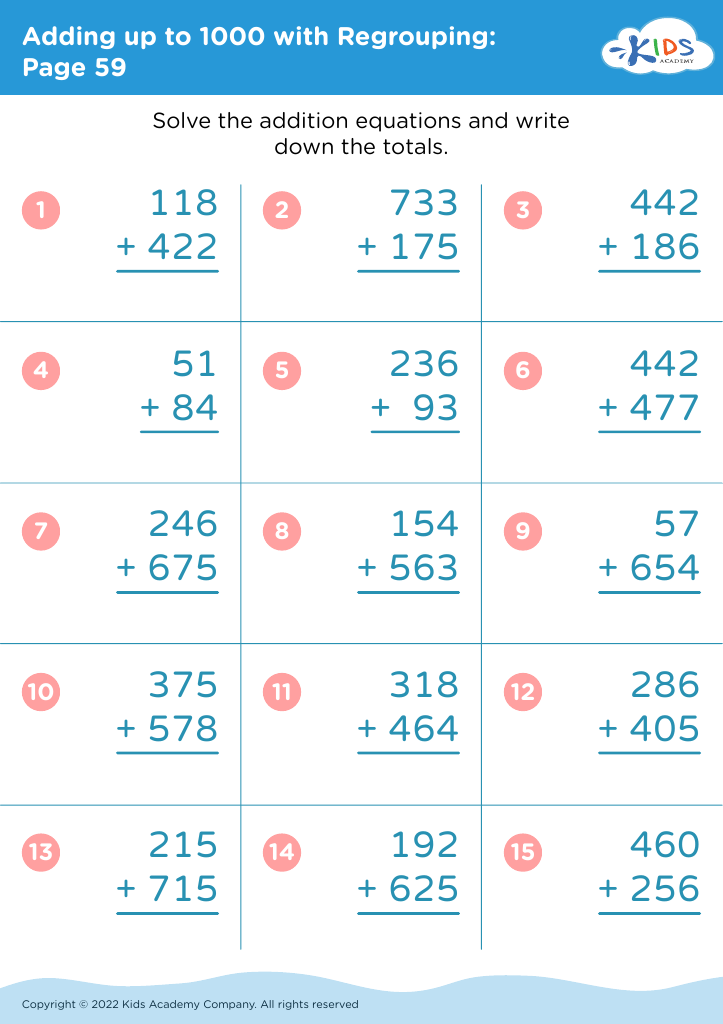
Adding up to 1000 with Regrouping: Page 59
Worksheet
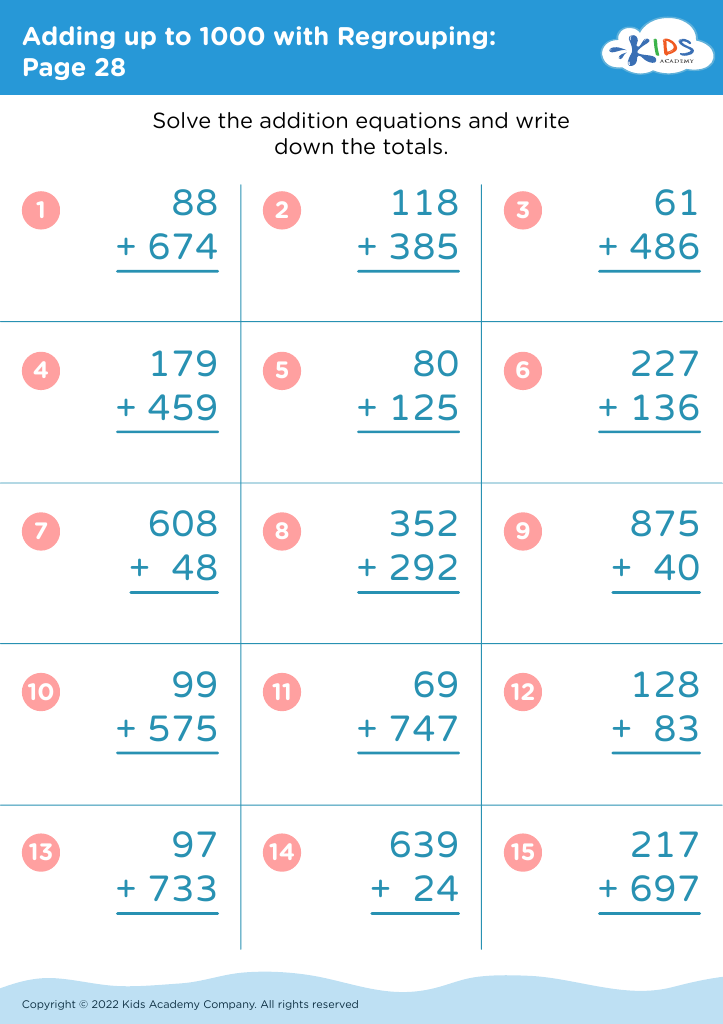
Adding up to 1000 with Regrouping: Page 28
Worksheet
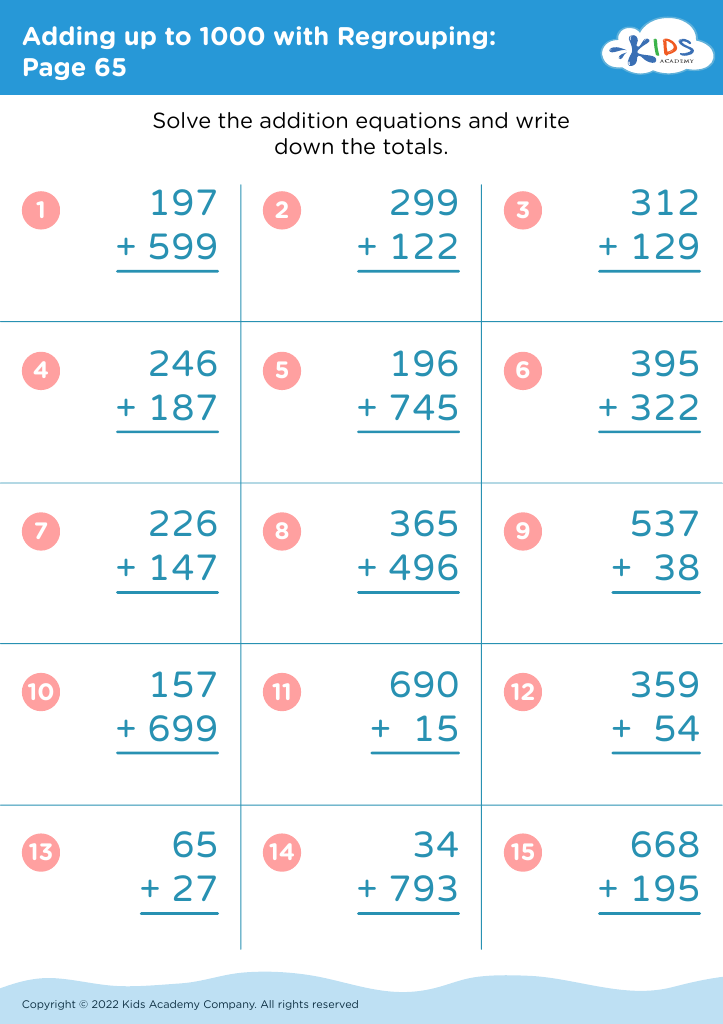
Adding up to 1000 with Regrouping: Page 65
Worksheet
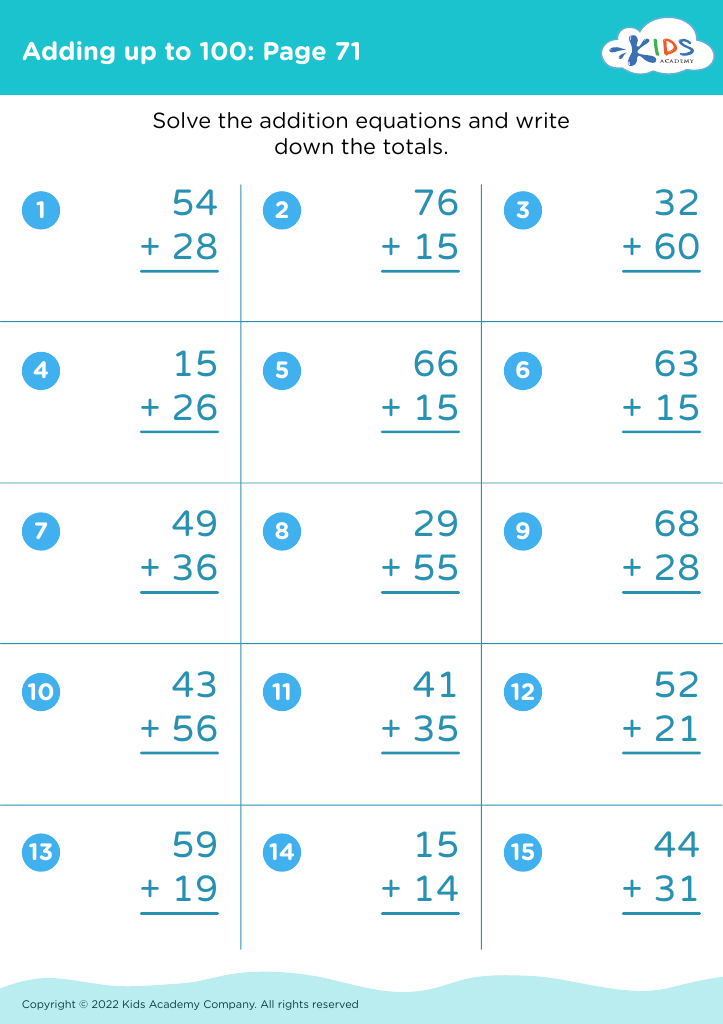
Adding up to 100: Page 71

Adding up to 100: Page 71

Adding up to 100: Page 71
Worksheet
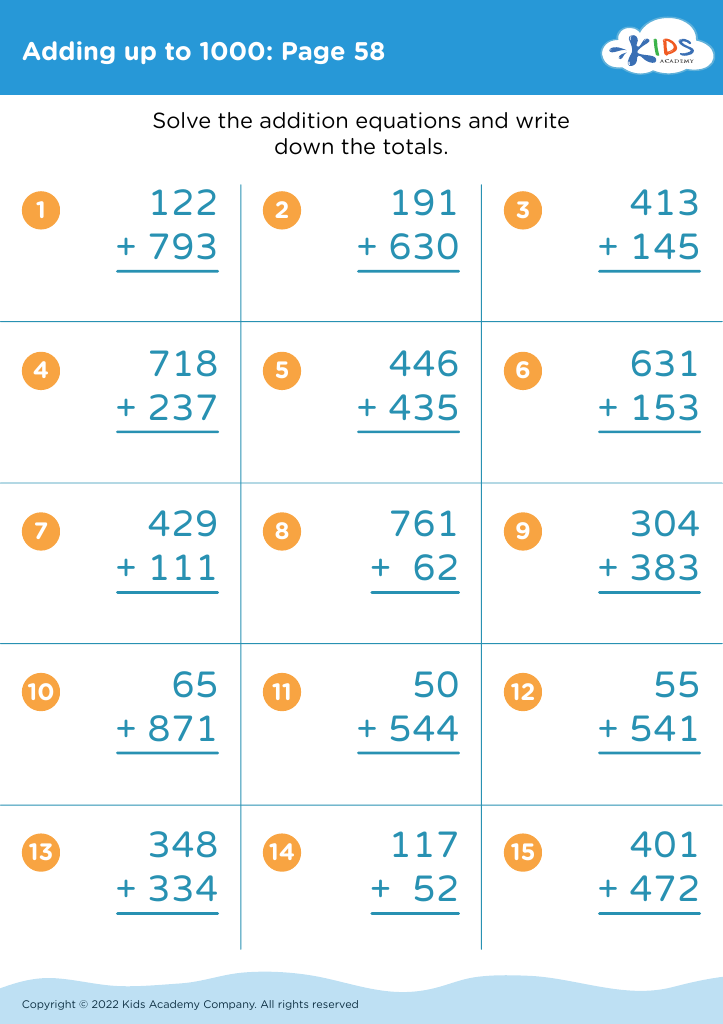
Adding up to 1000: Page 58

Adding up to 1000: Page 58

Adding up to 1000: Page 58
Worksheet
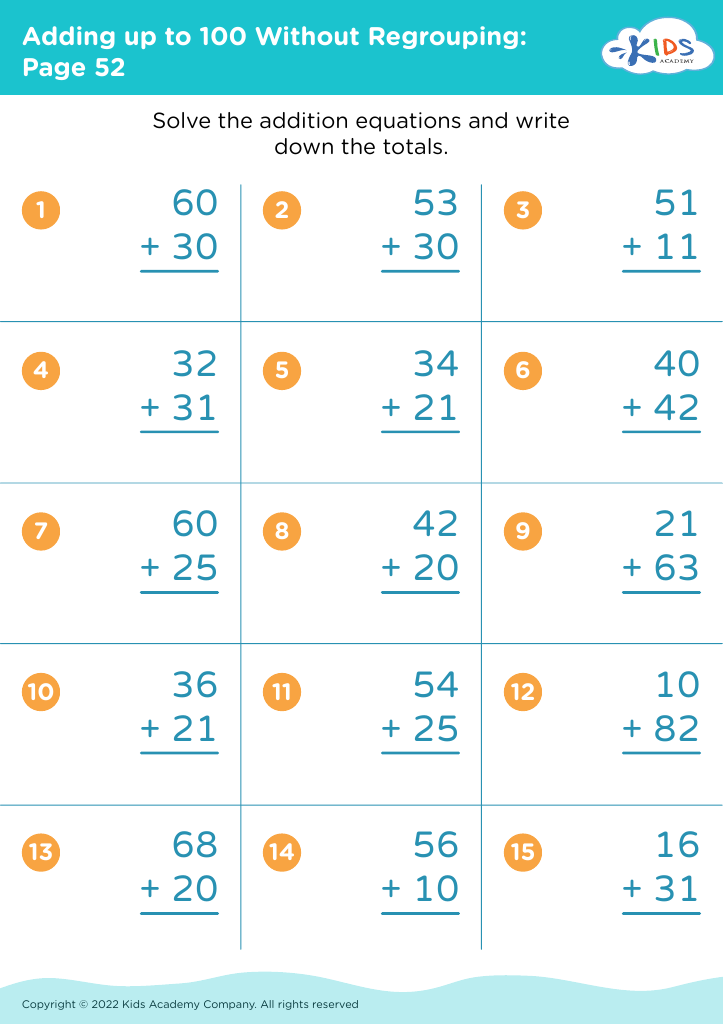
Adding up to 100 Without Regrouping: Page 52
Worksheet
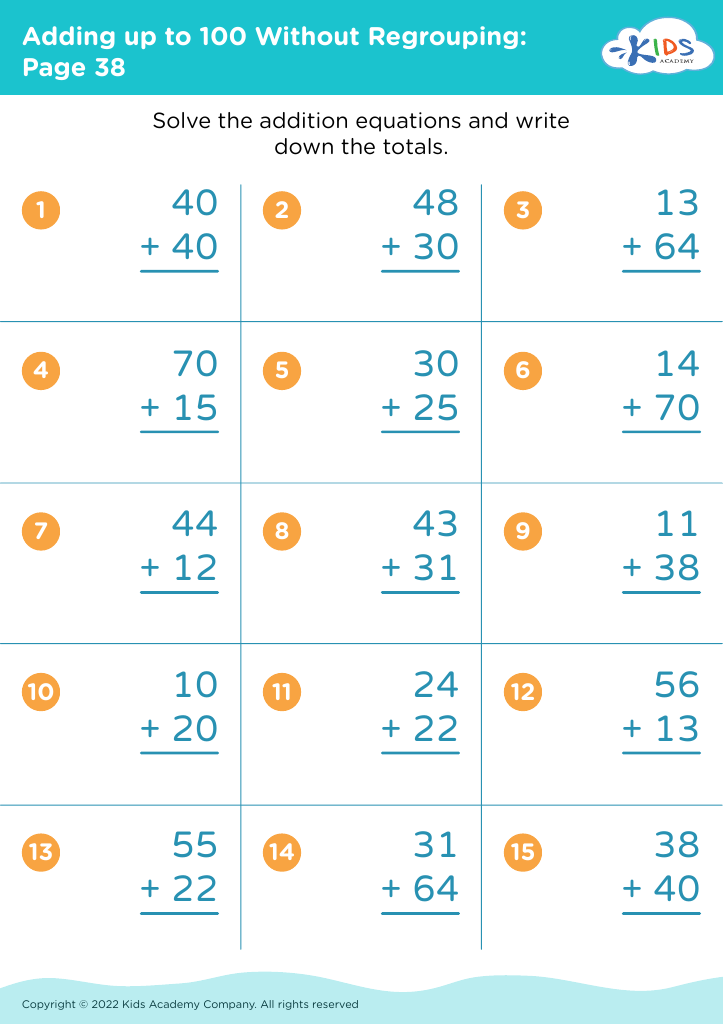
Adding up to 100 Without Regrouping: Page 38
Worksheet
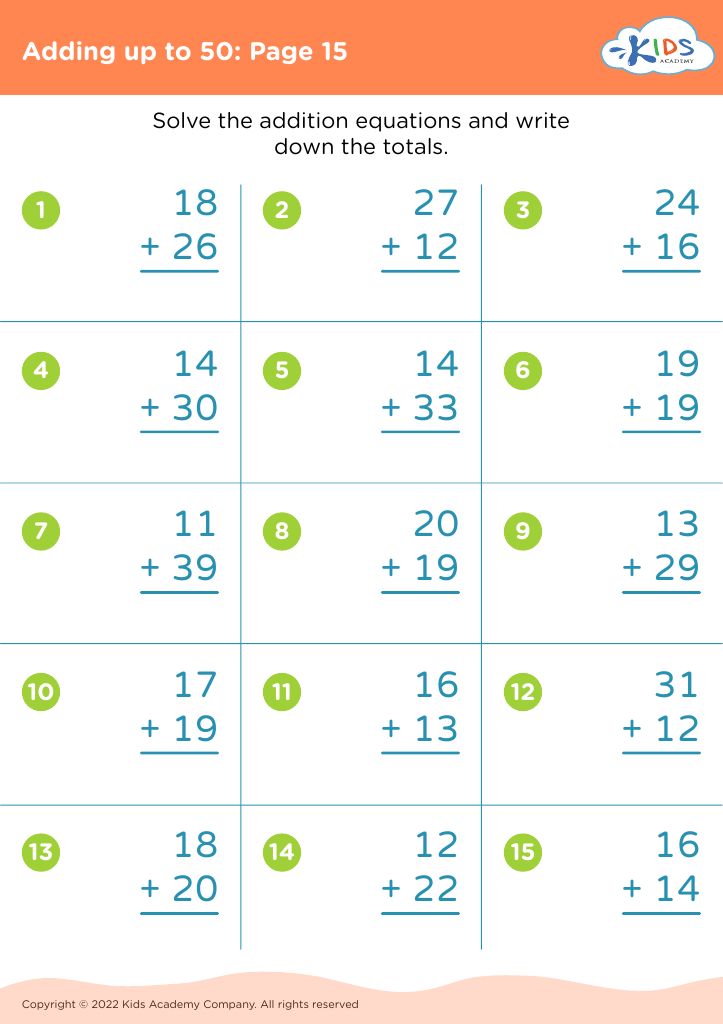
Adding up to 50: Page 15

Adding up to 50: Page 15

Adding up to 50: Page 15
Worksheet
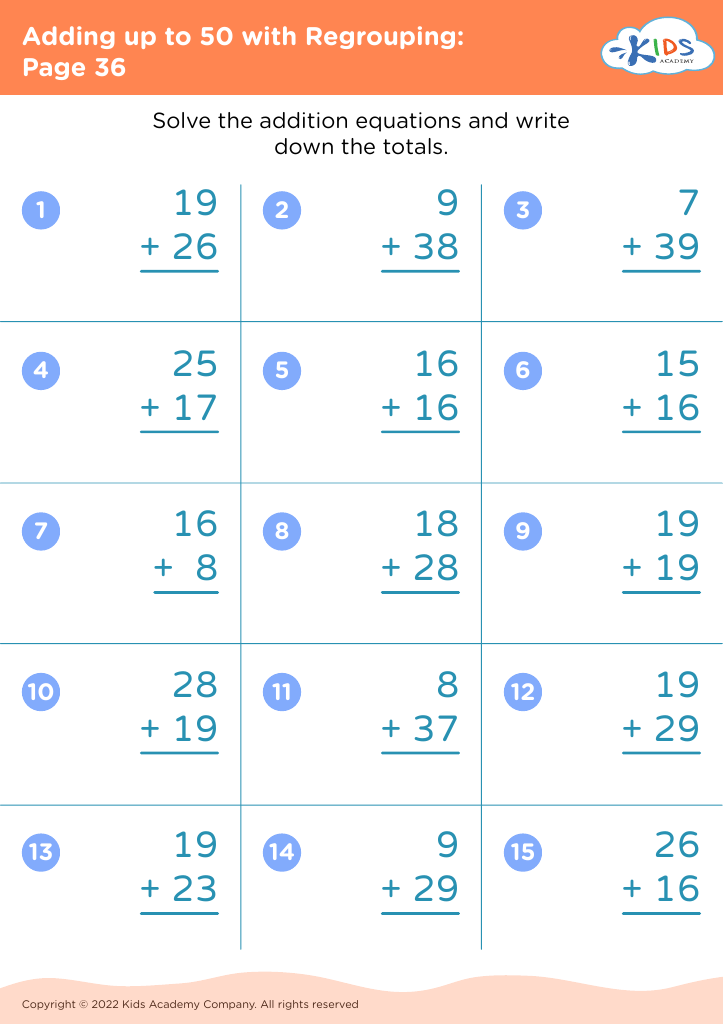
Adding up to 50 with Regrouping: Page 36
Worksheet
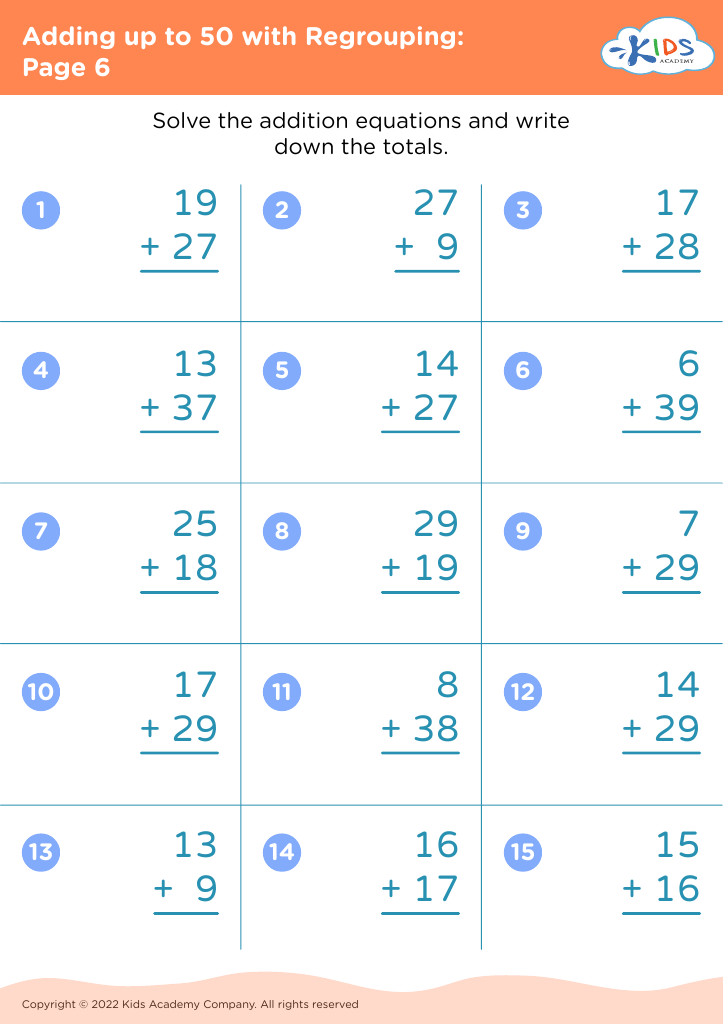
Adding up to 50 with Regrouping: Page 6
Worksheet
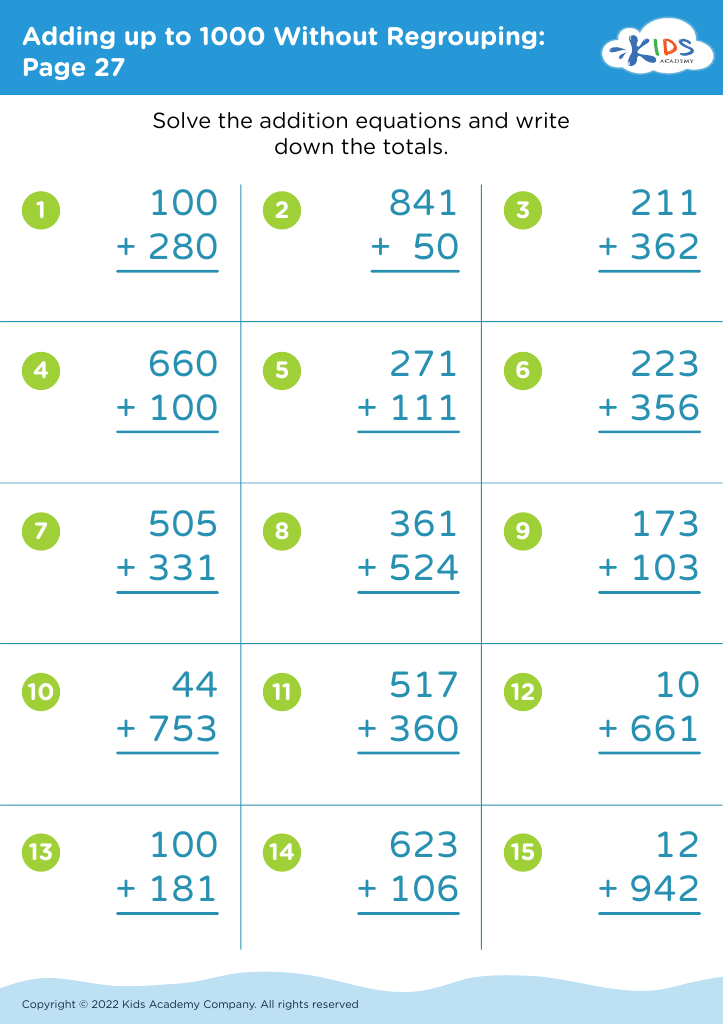
Adding up to 1000 Without Regrouping: Page 27
Worksheet
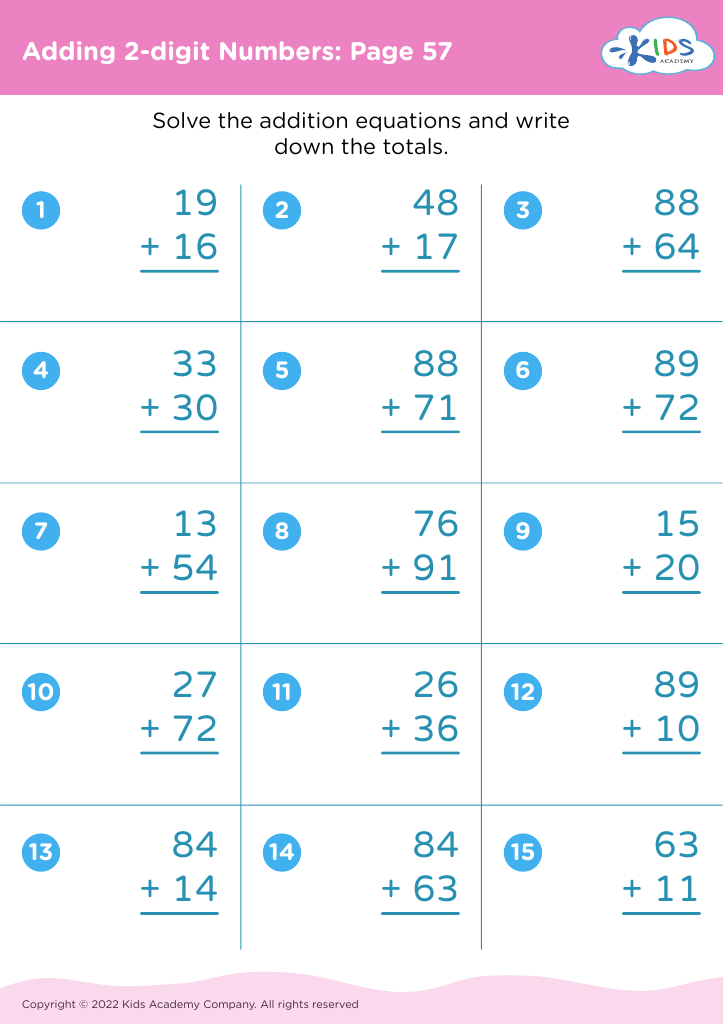
Adding 2-digit Numbers: Page 57

Adding 2-digit Numbers: Page 57

Adding 2-digit Numbers: Page 57
Worksheet
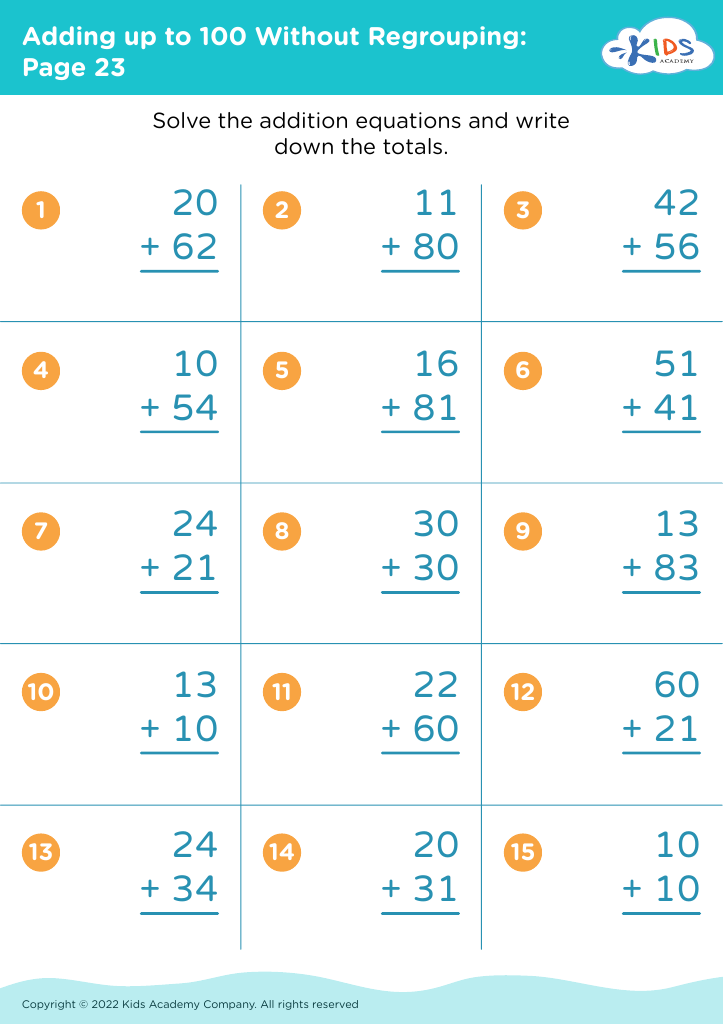
Adding up to 100 Without Regrouping: Page 23
Worksheet
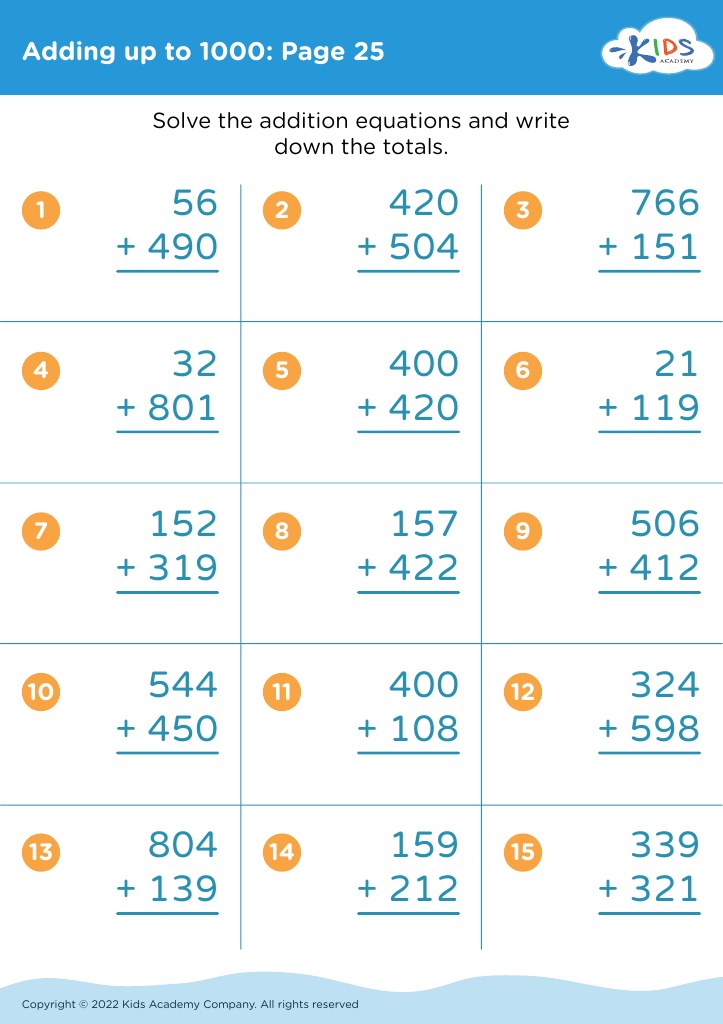
Adding up to 1000: Page 25

Adding up to 1000: Page 25

Adding up to 1000: Page 25
Worksheet
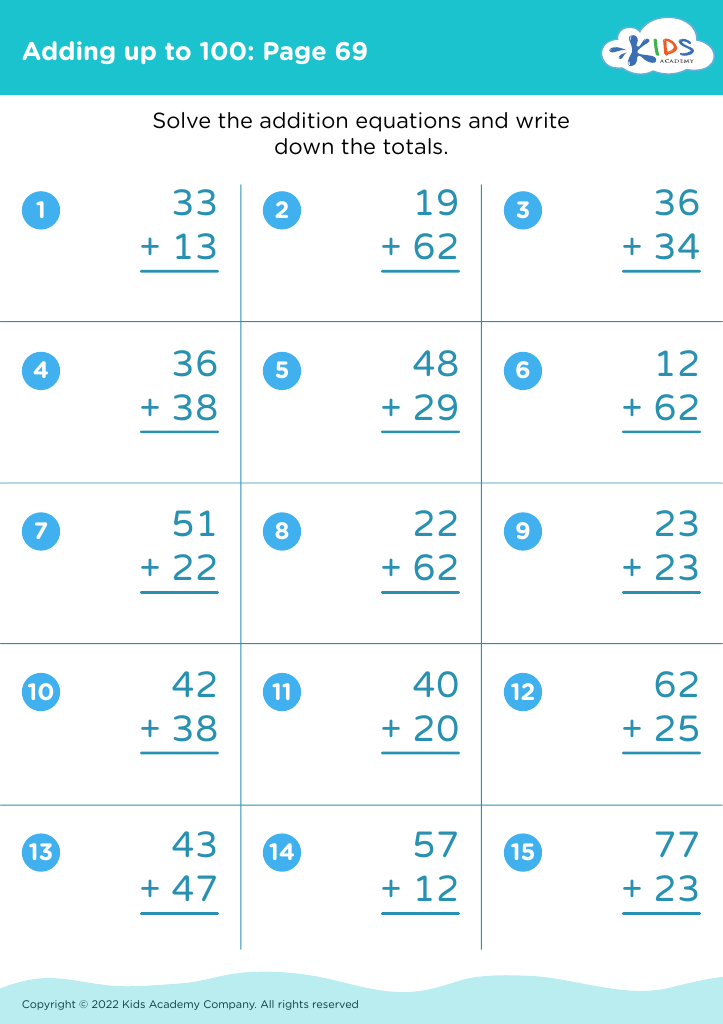
Adding up to 100: Page 69

Adding up to 100: Page 69

Adding up to 100: Page 69
Worksheet
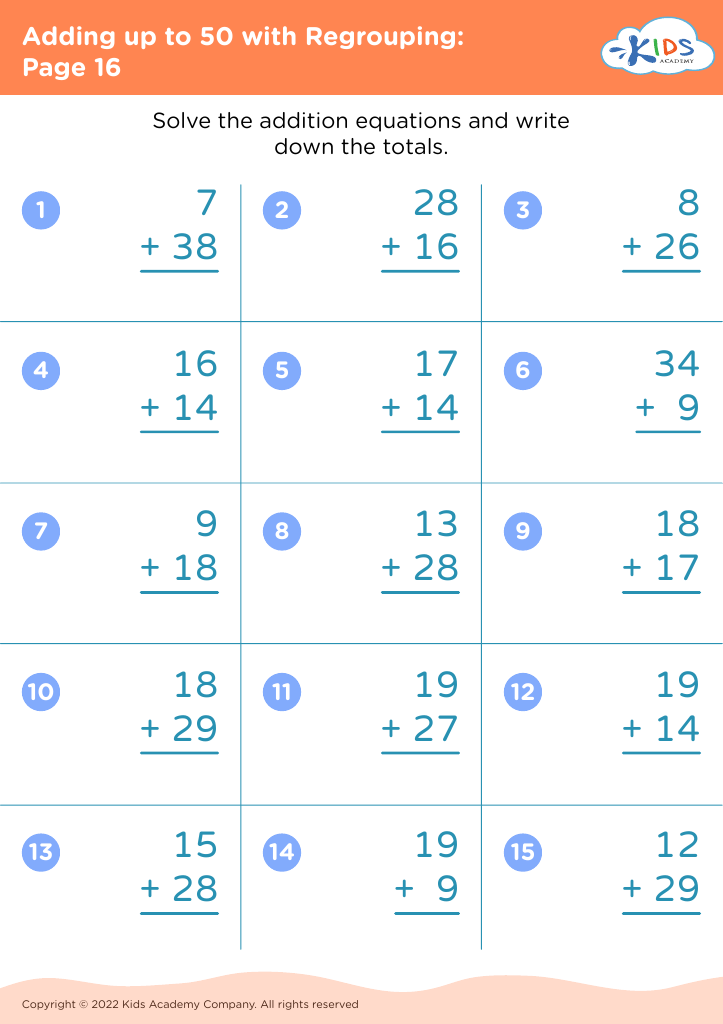
Adding up to 50 with Regrouping: Page 16
Worksheet
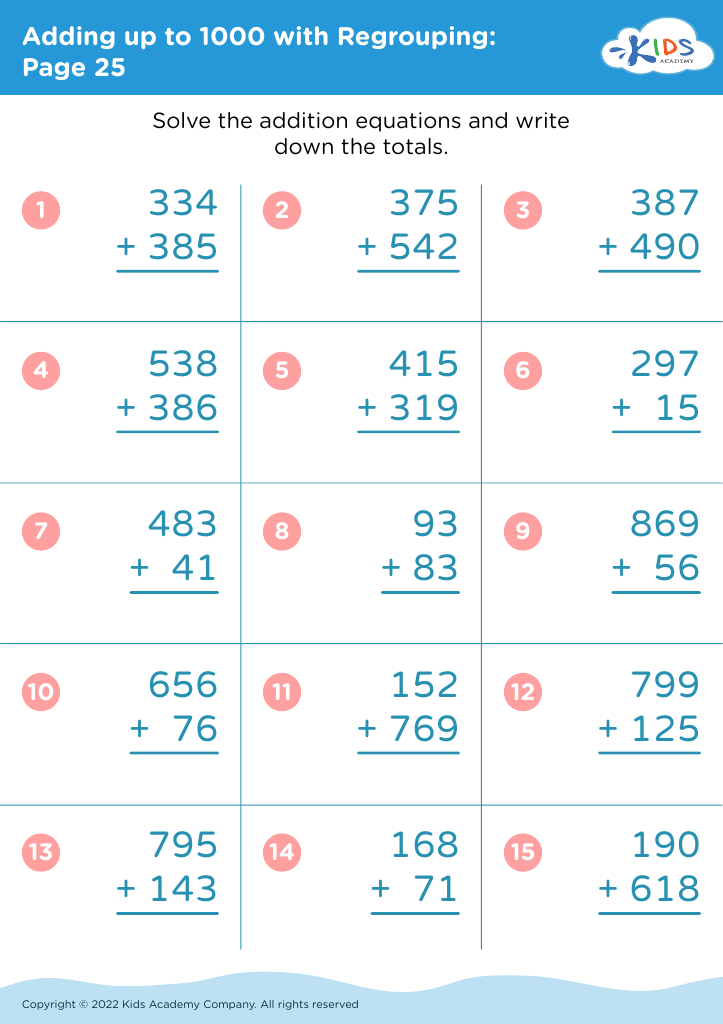
Adding up to 1000 with Regrouping: Page 25
Worksheet
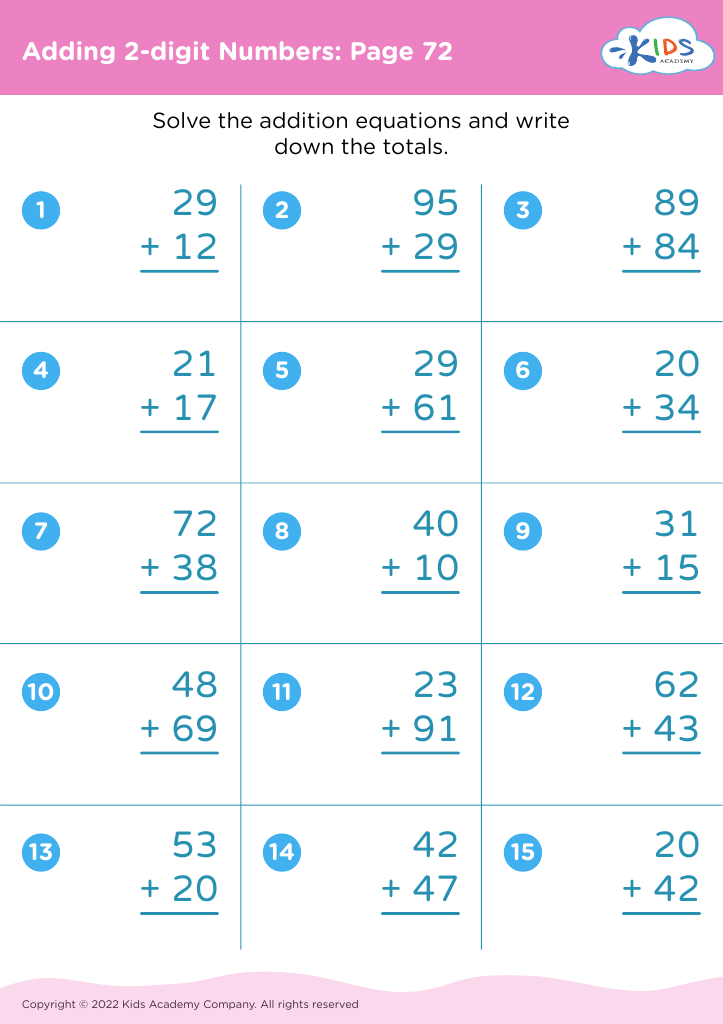
Adding 2-digit Numbers: Page 72

Adding 2-digit Numbers: Page 72

Adding 2-digit Numbers: Page 72
Worksheet
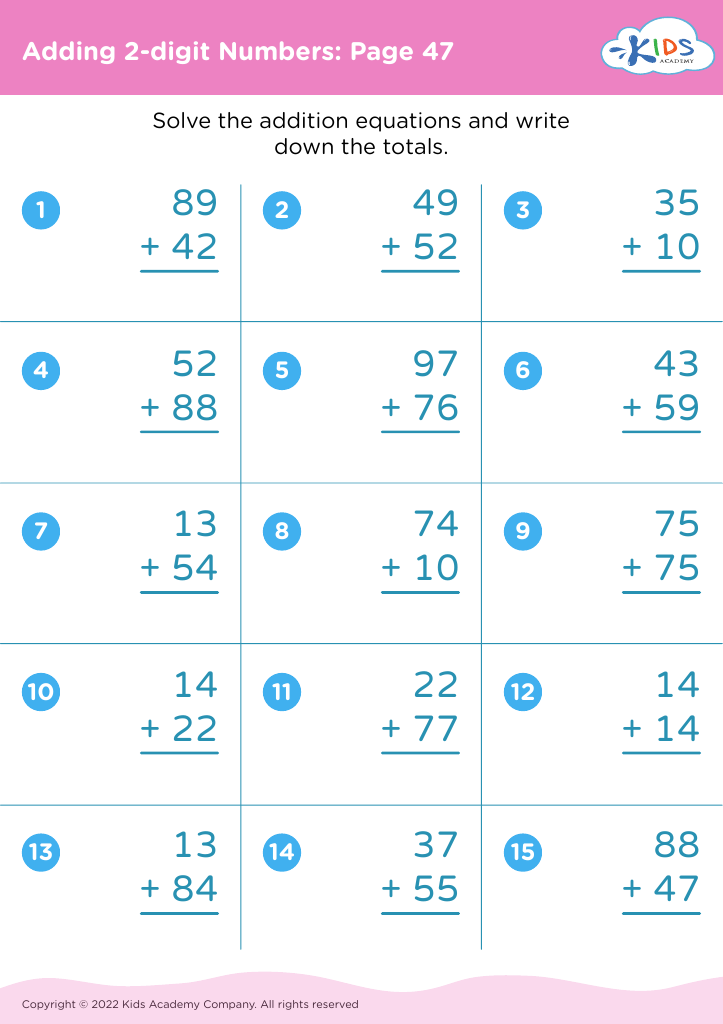
Adding 2-digit Numbers: Page 47

Adding 2-digit Numbers: Page 47

Adding 2-digit Numbers: Page 47
Worksheet
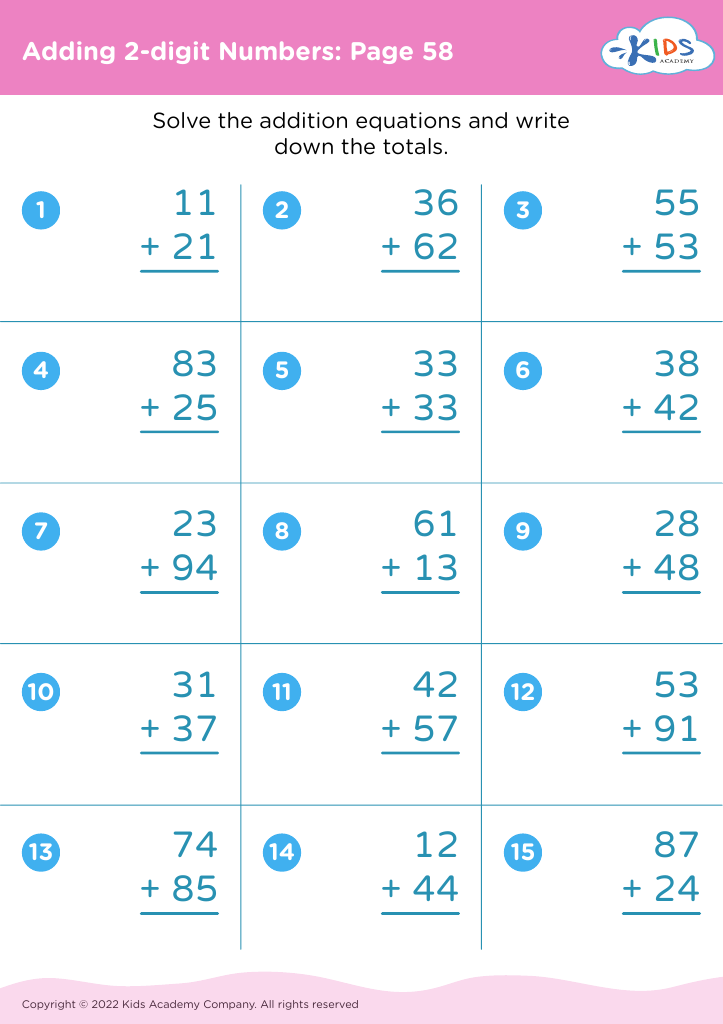
Adding 2-digit Numbers: Page 58

Adding 2-digit Numbers: Page 58

Adding 2-digit Numbers: Page 58
Worksheet
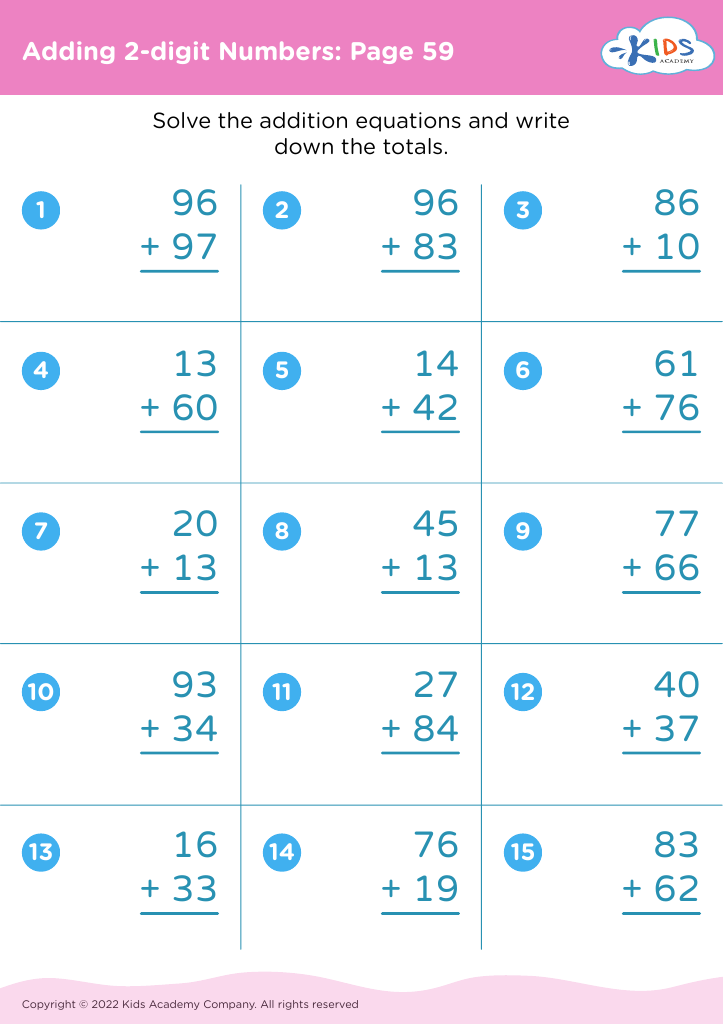
Adding 2-digit Numbers: Page 59

Adding 2-digit Numbers: Page 59

Adding 2-digit Numbers: Page 59
Worksheet
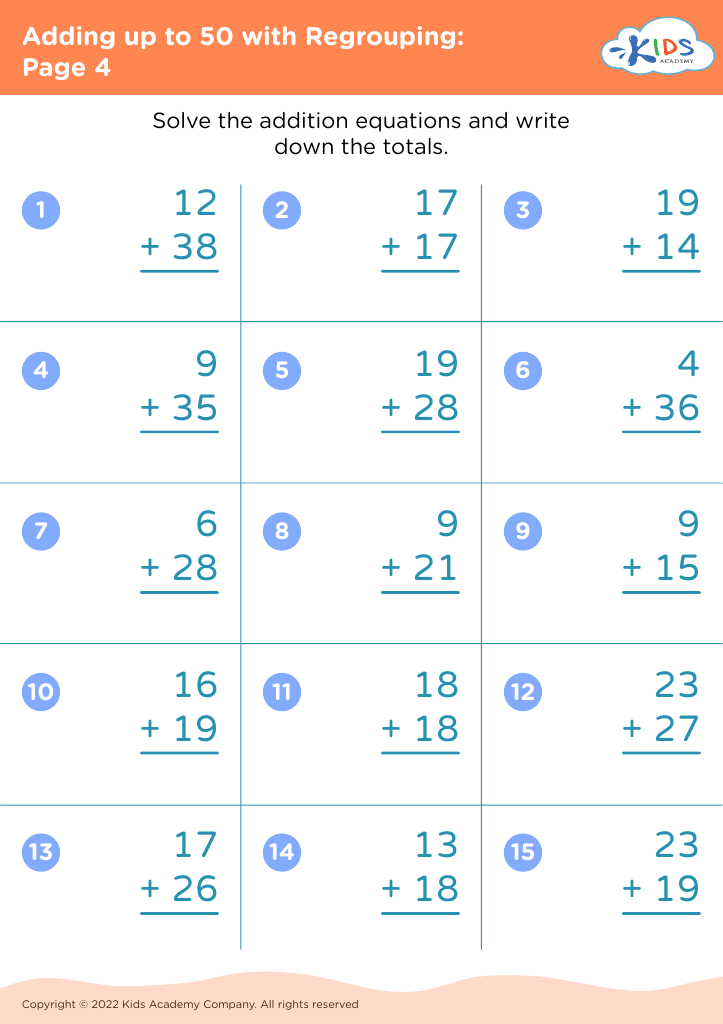
Adding up to 50 with Regrouping: Page 4
Worksheet
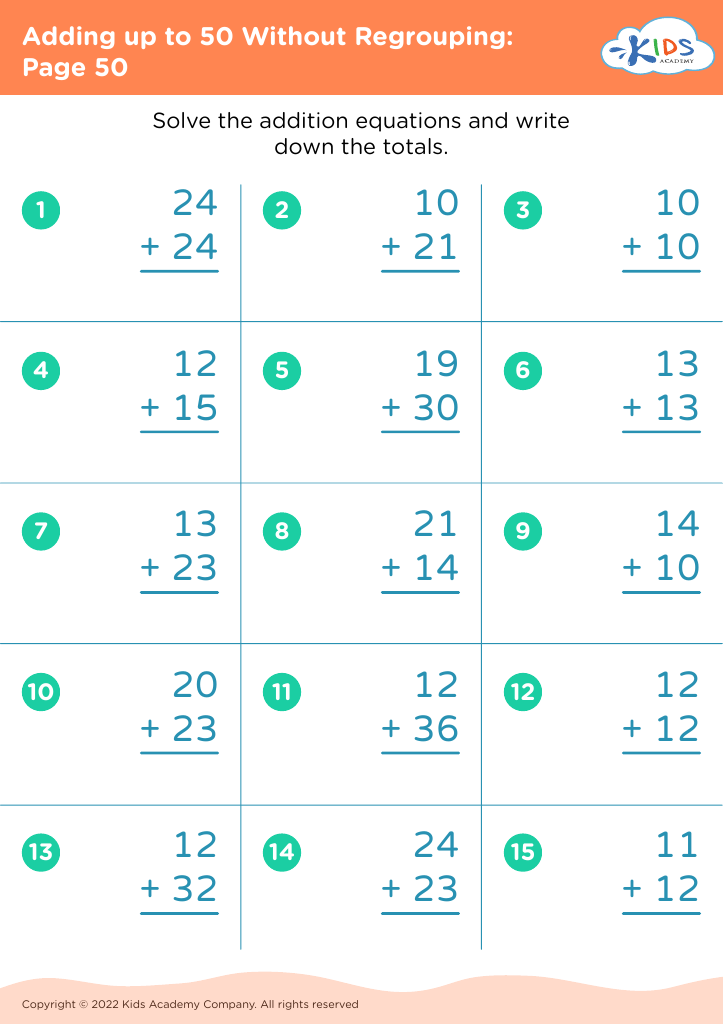
Adding up to 50 Without Regrouping: Page 50
Worksheet
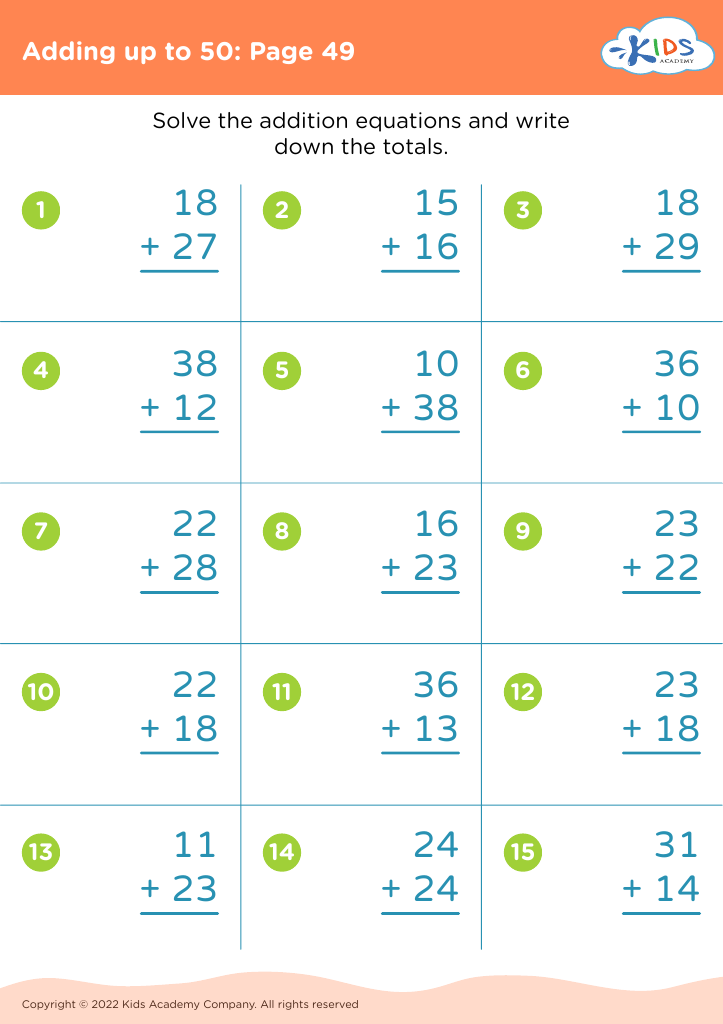
Adding up to 50: Page 49

Adding up to 50: Page 49

Adding up to 50: Page 49
Worksheet


Understanding fraction addition is crucial for children ages 8-9, as it forms a foundational skill in their mathematical education and everyday life. At this age, students begin to transition from whole numbers to rational numbers, making it essential to grasp how to work with fractions.

Teaching fractions at this stage aids in developing problem-solving skills and logical reasoning. These concepts are not only vital in mathematics but also apply to various real-life situations, such as cooking, sharing, and budgeting, where fractions play a significant role.

Moreover, understanding fraction addition helps build a child’s confidence in math, promoting a positive attitude towards more complex topics encountered later, such as decimals and ratios. When parents and teachers emphasize this skill, they inherently motivate learners to explore mathematical concepts with enthusiasm.

Furthermore, the ability to add fractions correctly lays the groundwork for later advanced studies in mathematics. Recognizing different fractions and finding common denominators encourages critical thinking and attention to detail, skills that are valuable beyond the classroom. Ultimately, prioritizing this understanding fosters a love for math, nurtures analytical skills, and prepares children for future academic success.