Practicing multiplication Math Worksheets for Ages 8-9
11 filtered results
-
From - To
Our "Practicing Multiplication Math Worksheets for Ages 8-9" are expertly designed to bolster your child's multiplication skills. Tailored to young learners, these engaging activities transform learning into an exciting adventure. Each worksheet focuses on strengthening multiplication understanding through a variety of fun, illustrative problems that promote critical thinking and problem-solving. Perfect for third graders, our worksheets ensure your child builds a solid foundation in math while enjoying the process. Ideal for use in classrooms or at home, they provide the essential practice needed for mastering multiplication in a stress-free and engaging way. Explore, learn, and multiply with us!
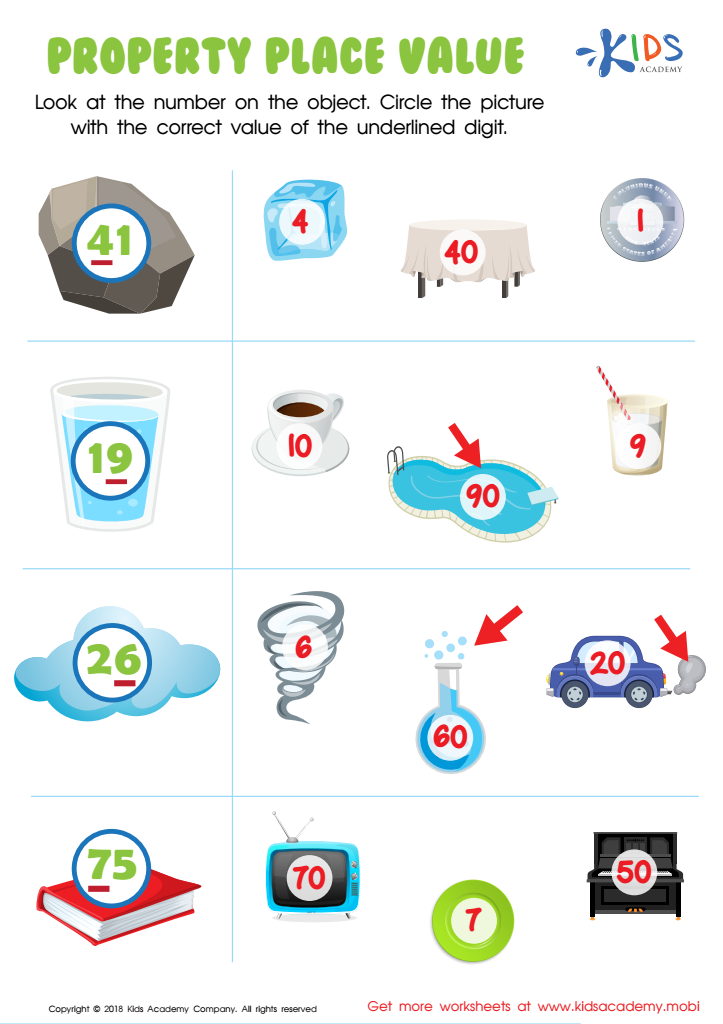
Property Place Value Worksheet
 Assign to My Students
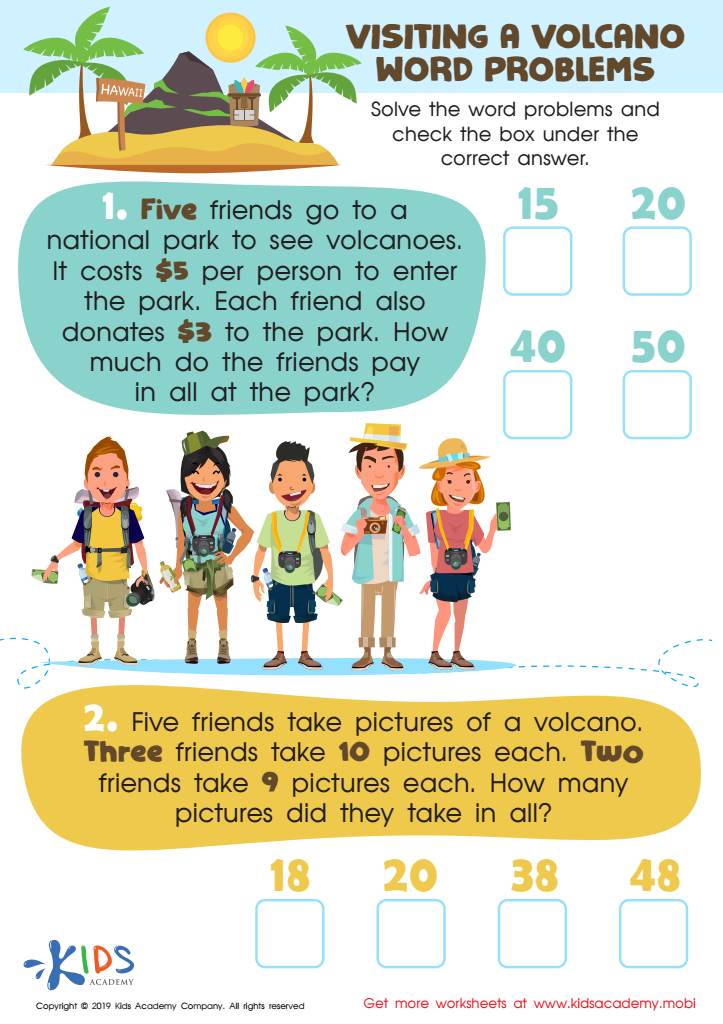
Visiting a Volcano Word Problems Worksheet
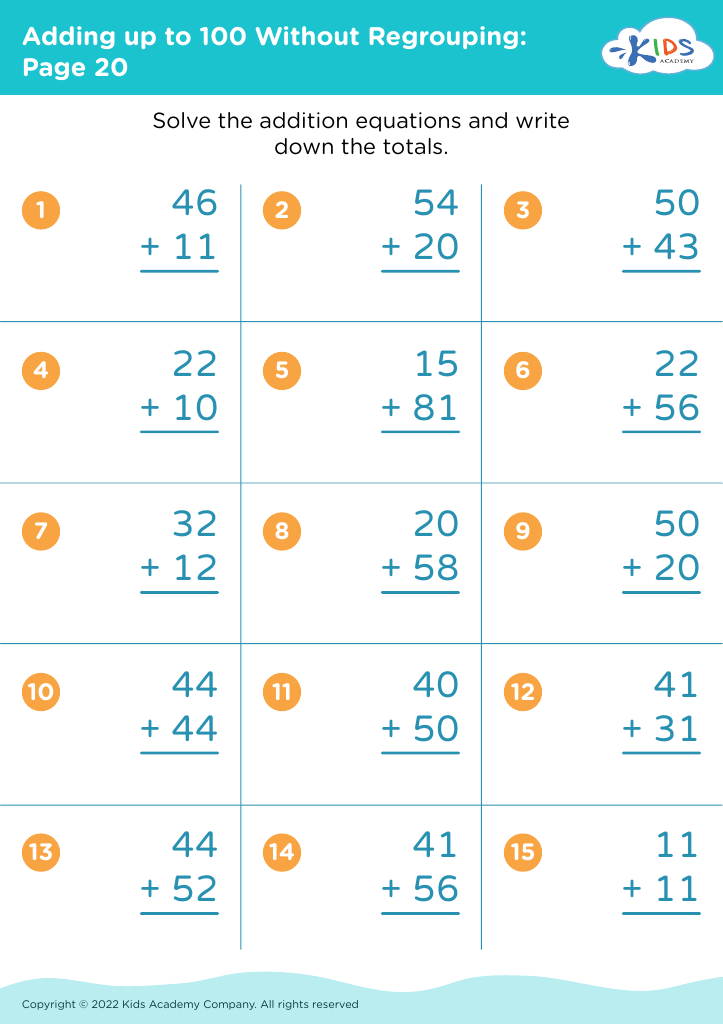
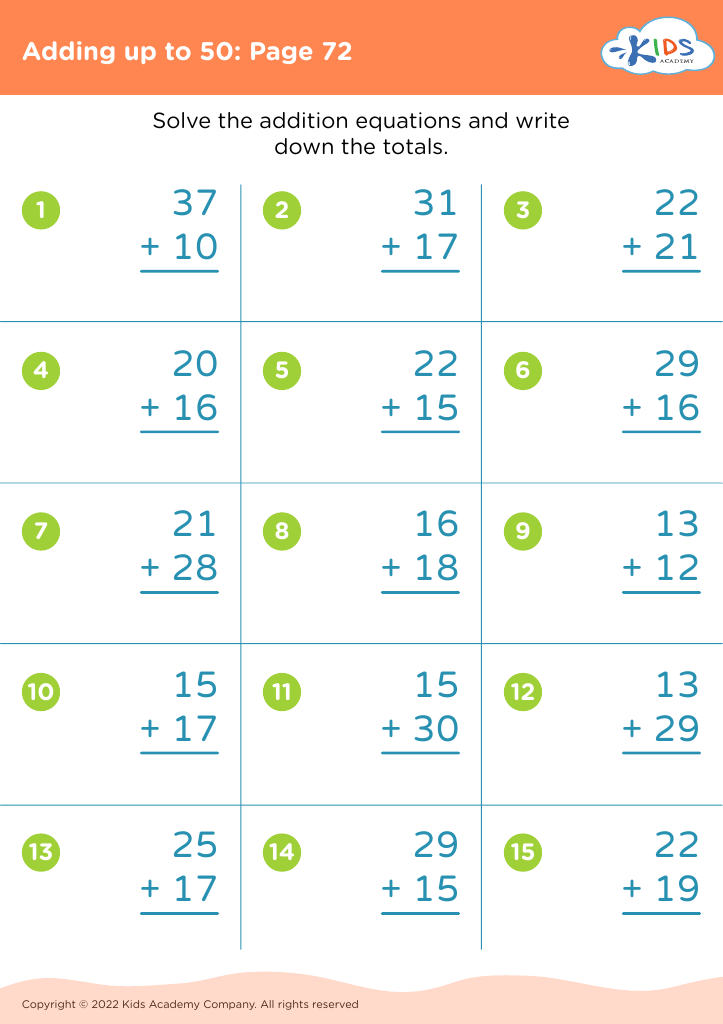
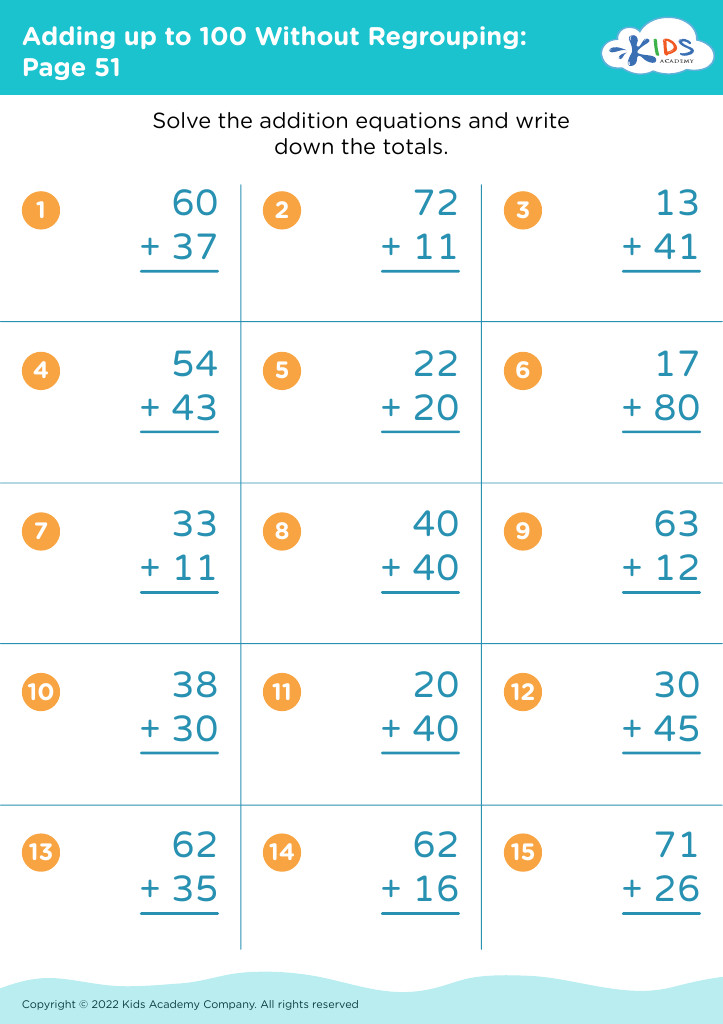




.jpg)



Practicing multiplication math for children aged 8-9 is crucial because it lays the foundation for their future mathematical understanding and academic success. During these early school years, kids begin to develop key cognitive skills, and grasping multiplication sets the groundwork for more advanced mathematical concepts such as division, fractions, algebra, and problem-solving.
Proficiency in multiplication also enhances a child’s confidence in their math skills. Without a solid understanding, kids may struggle with math anxiety or feel discouraged when faced with more complex problems. Additionally, multiplication skills are essential in everyday life—ranging from understanding time and money to measuring ingredients in recipes or calculating distances while traveling.
Teachers and parents who emphasize multiplication ensure that children aren’t just memorizing facts, but building a deeper understanding of the concepts, patterns, and relationships within numbers. Engaging, interactive activities at home and school—like multiplying with objects, using multiplication charts, or digital math games—help reinforce these skills in a fun and meaningful way. This nurturing of numerical literacy at an early age sets the stage for academic achievement across all subjects, as math competence often correlates with better performance and higher confidence in other areas of study.








