Vocabulary enhancement Nursery Rhymes Worksheets for Ages 8-9
3 filtered results
-
From - To
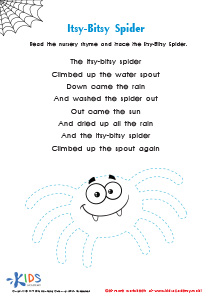
Explore our engaging Vocabulary Enhancement Nursery Rhymes Worksheets designed specifically for ages 8-9. These interactive resources help young learners develop their vocabulary through the playful rhythms and familiar melodies of classic nursery rhymes. Each worksheet encourages children to explore new words, understand meanings, and expand their language skills in a fun and enjoyable way. By the end of these activities, students will have a stronger vocabulary foundation, boosting their reading and writing abilities. Perfect for home or classroom use, these worksheets promote literacy through the joy of singing and storytelling. Start enriching your child’s vocabulary today!
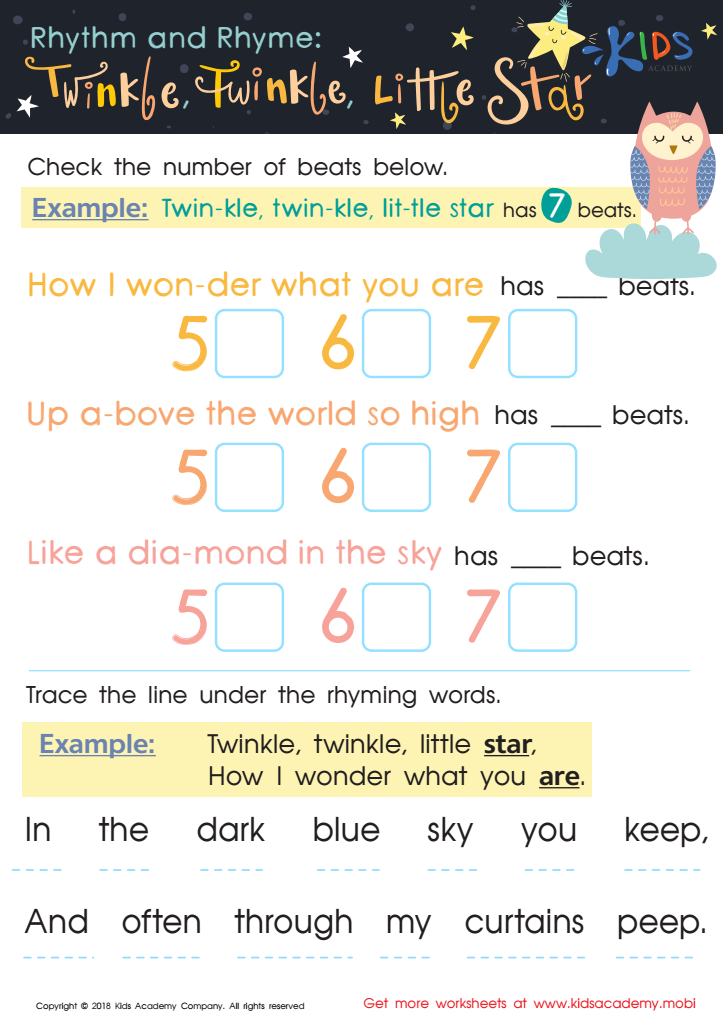
Rhythm and Rhyme: Twinkle, Twinkle, Little Star Worksheet
 Assign to My Students
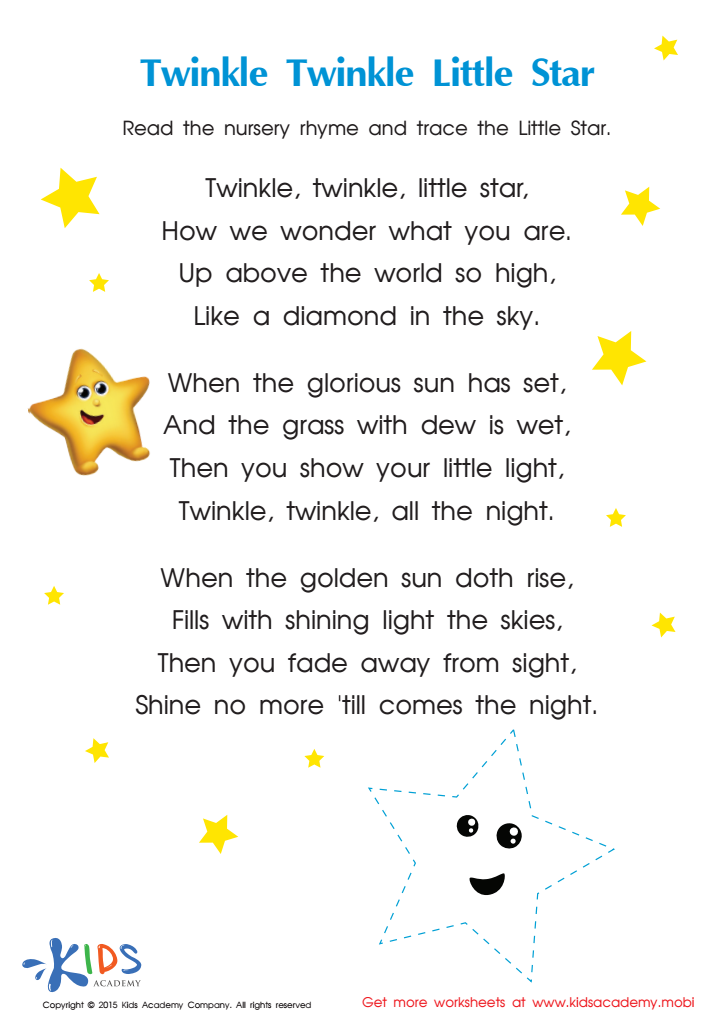
Nursery Rhymes: Twinkle Little Star Worksheet
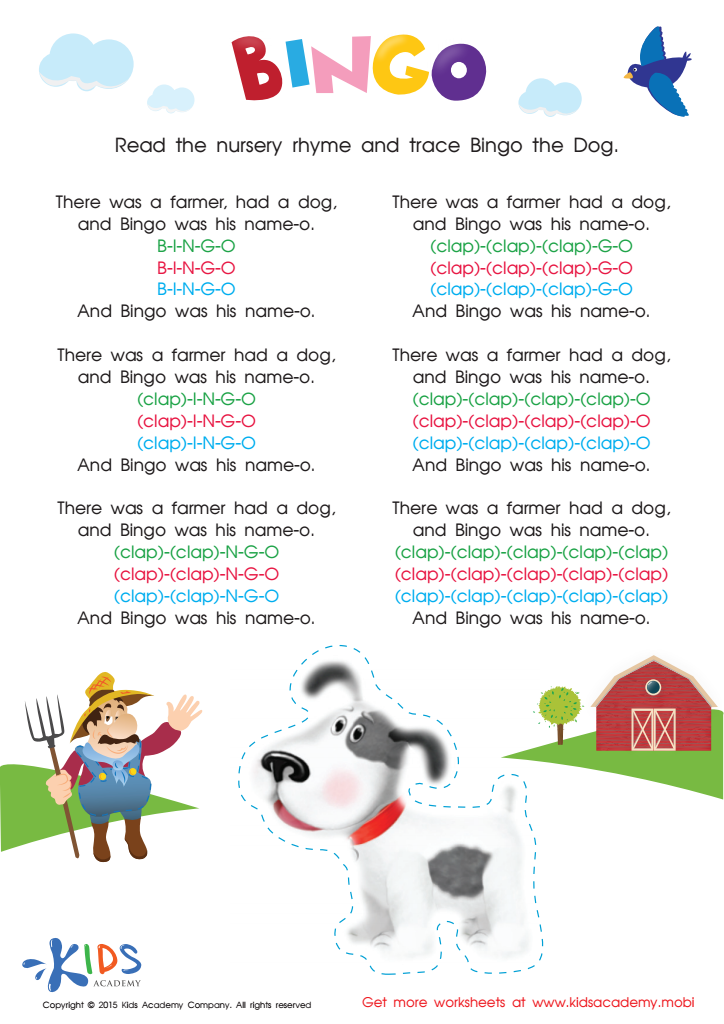
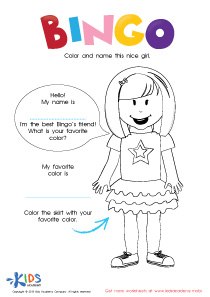
Nursery Rhymes: The Bingo Song Worksheet



.jpg)




Parents and teachers should prioritize vocabulary enhancement through nursery rhymes for children aged 8-9 because these playful tunes serve as valuable educational tools. Firstly, nursery rhymes introduce children to phonemic awareness, making it easier to recognize sounds and patterns in language. This foundational skill is crucial for reading and writing fluency.
Secondly, the repetitive and rhythmic nature of nursery rhymes allows children to experiment with language in a fun context, encouraging wider vocabulary usage in daily conversations. As they memorize and recite these rhymes, they effortlessly acquire new words and phrases, enhancing their linguistic repertoire.
Additionally, nursery rhymes often incorporate unique words and expressions that may not be present in everyday speech, stimulating curiosity and further exploration of language. They also foster critical thinking, as children begin to make connections between the content and the language used, deepening their comprehension skills.
Finally, involving parents and teachers in this activity builds bonds and creates an engaging learning environment. Sharing and singing nursery rhymes together can enhance listening skills and promote an appreciation for literature. Overall, vocabulary enhancement through nursery rhymes contributes significantly to a child's overall language development, cognitive growth, and academic success.