Learning about ecosystems Science Worksheets for Ages 8-9
4 filtered results
-
From - To
Explore the wonders of ecosystems with our engaging science worksheets designed specifically for children ages 8-9! These thoughtfully crafted worksheets provide young learners with the tools to understand the intricate balance of nature, including food chains, habitats, and the roles of different organisms. Each activity encourages critical thinking and promotes environmental awareness. Designed to align with educational standards, these worksheets are perfect for home or classroom use, making science fun and accessible. Boost your child's science skills while they discover the amazing connections within ecosystems. Download today to ignite curiosity and foster a love for learning about the natural world!
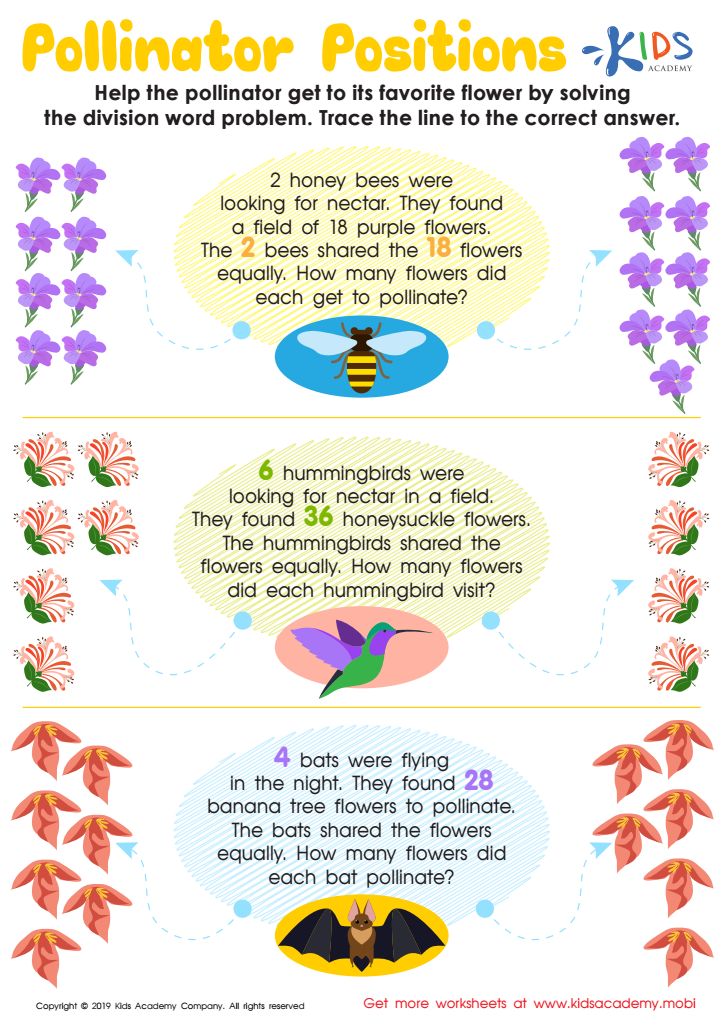
Pollinator Positions Worksheet
 Assign to My Students
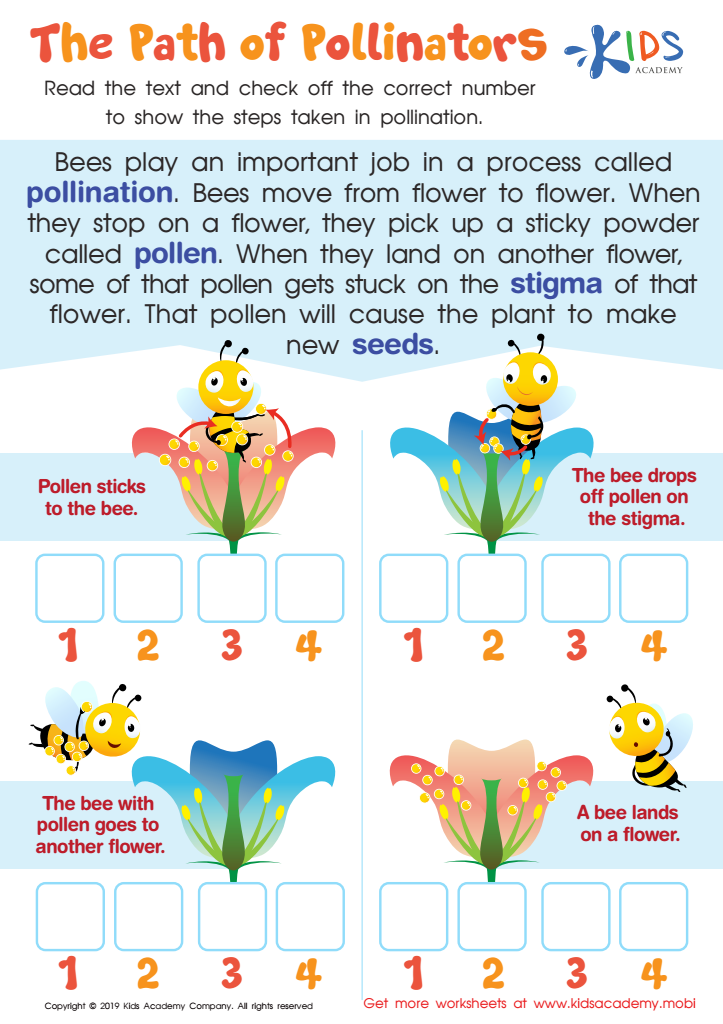
The Path of Pollinators Worksheet
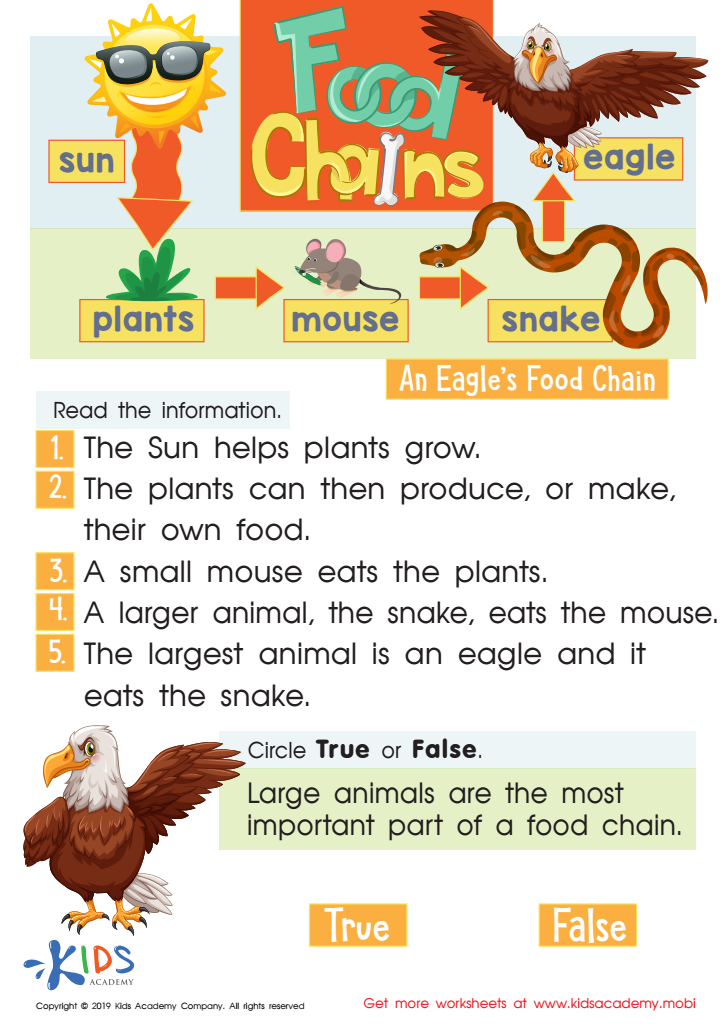
Food Chains Worksheet
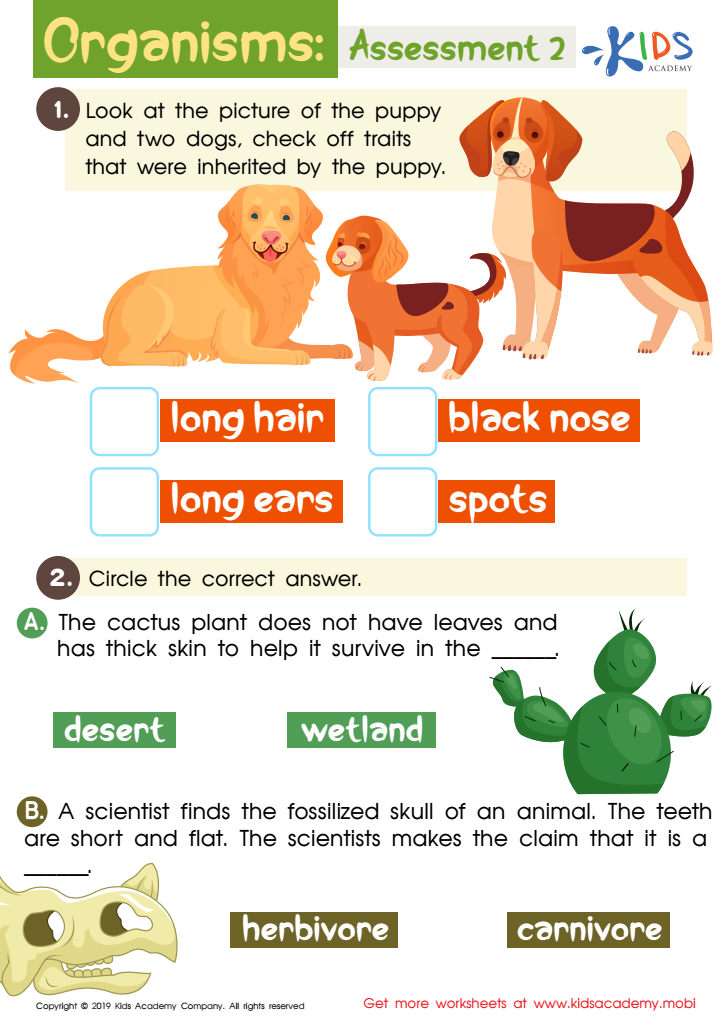
Organisms: Assessment 2 Worksheet







Parents and teachers should prioritize learning about ecosystems for children aged 8-9 because this foundational knowledge fosters curiosity, responsibility, and critical thinking. At this age, children are naturally inquisitive, and engaging them in ecosystem science nurtures their ability to ask questions about the world around them. Understanding ecosystems—interconnected communities of living organisms and their environments—helps young learners comprehend key concepts such as biodiversity, food chains, and the balance of nature.
Moreover, exposing children to ecosystem science promotes environmental stewardship. As they learn about the vital roles that plants, animals, and even microscopic organisms play in sustaining life, they begin to appreciate the fragility of our planet. This can inspire them to adopt eco-friendly behaviors and understand the importance of conservation efforts, fostering a sense of responsibility towards the environment.
Additionally, learning about ecosystems enhances critical thinking skills, as children analyze the relationships between different organisms and their habitats. Engaging education about ecosystems can spark a lifelong interest in biology, ecology, or environmental science, guiding children toward potential future careers in these fields. In short, teaching ecosystem science at this developmental stage lays the groundwork for informed, compassionate, and responsible future citizens.







