Sequencing skills improvement Science Worksheets for Ages 8-9
3 filtered results
-
From - To
Unlock your child's potential with our Sequencing Skills Improvement Science Worksheets for ages 8-9! Designed to enhance critical thinking and organizational skills, these engaging worksheets challenge students to arrange events, follow step-by-step processes, and connect scientific concepts. Each activity encourages hands-on learning and creativity, making the exploration of science fun and interactive. With clear instructions and diverse topics, children will build confidence and proficiency in sequencing while developing a deeper understanding of scientific principles. Perfect for at-home practice or reinforcement in the classroom, our worksheets are an essential resource for cultivating young minds. Dive into discovery today!
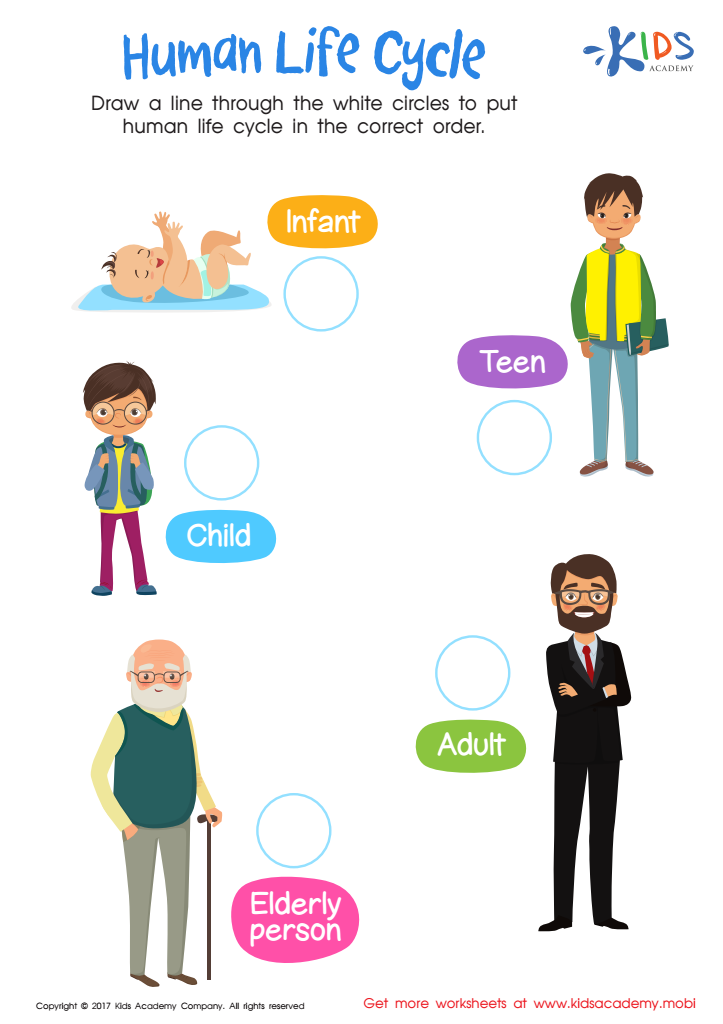
Human Life Cycle Worksheet
 Assign to My Students
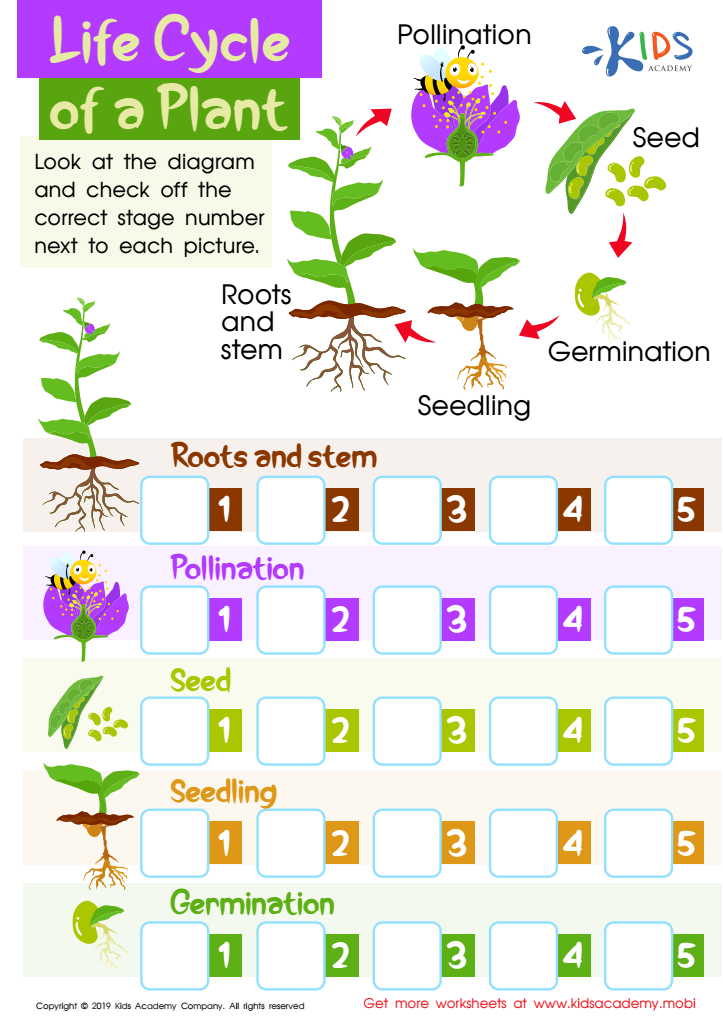
Life Cycle of a Plant Worksheet
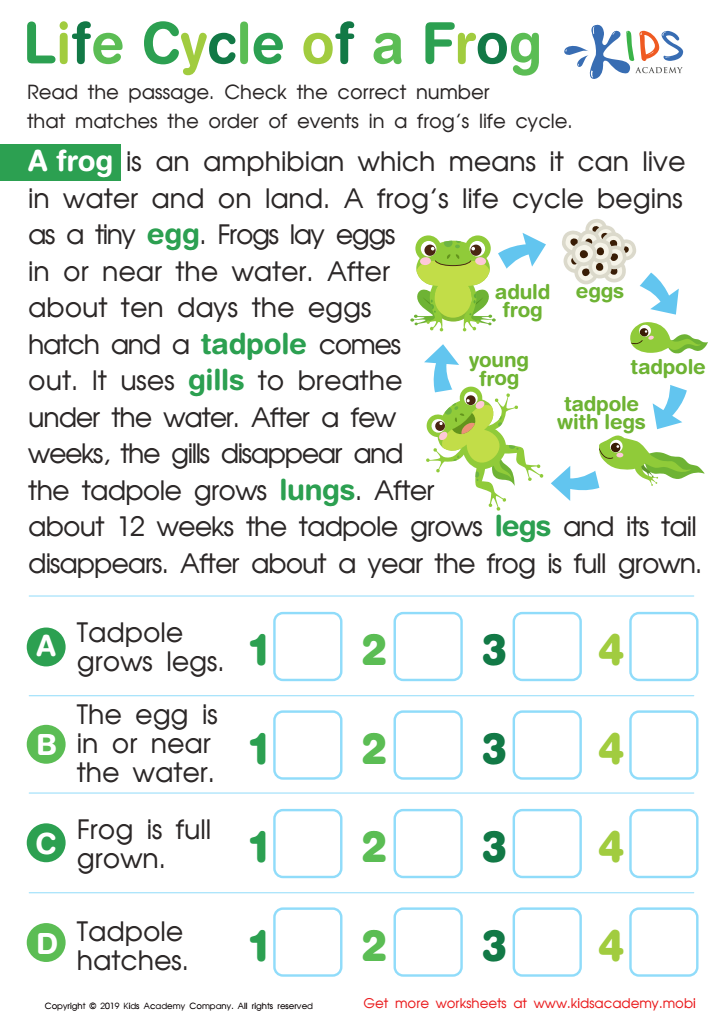
Life Cycle of a Frog Worksheet







Sequencing skills are vital for children ages 8-9 as they form the foundation for critical thinking and problem-solving abilities. In the context of science, sequencing allows students to understand the systematic nature of scientific processes, from hypotheses to experiments and conclusions. This skill helps them comprehend concepts like the life cycle of plants and animals, the steps in conducting an experiment, or the sequence of events leading to natural phenomena.
Improving sequencing skills enhances reading comprehension as well; children learn to follow narratives, identify key events, and better relate cause and effect. This ability is crucial when interpreting scientific texts and diagrams, enabling them to grasp complex ideas more effectively.
Moreover, strong sequencing skills foster organization and focus—a benefit not just in science but across all subjects. Students adept in sequencing can structure their thoughts and notes, making studying for tests or working on projects more manageable.
For parents and teachers, promoting sequencing skills means nurturing a child's overall academic performance and instilling a lifelong love of learning. Encouraging these skills at this crucial age prepares children not only for future scientific endeavors but also for critical life skills that rely on logical progression and organization.







