Animal Classification Plants and Animals Worksheets for Ages 8-9
3 filtered results
-
From - To
Explore the fascinating world of animal classification with our engaging Worksheets for ages 8-9! Designed to enhance scientific understanding, these interactive activities guide young learners through the various categories of animals, including mammals, reptiles, birds, and more. Each worksheet combines fun exercises, colorful illustrations, and thought-provoking questions, making learning about the diversity of life an exciting adventure. Perfect for classroom use or at-home learning, these resources help kids develop critical thinking skills, foster curiosity, and deepen their appreciation for the natural world. Get started on your journey to becoming a budding biologist today with our Animal Classification Worksheets!
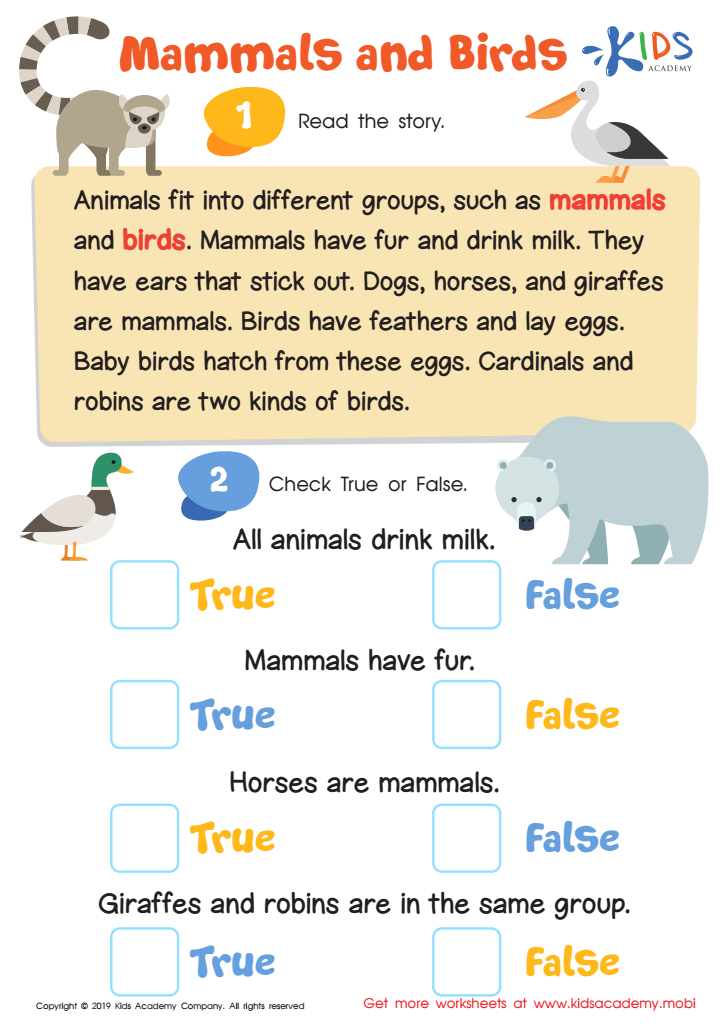
Mammals and Birds Worksheet
 Assign to My Students
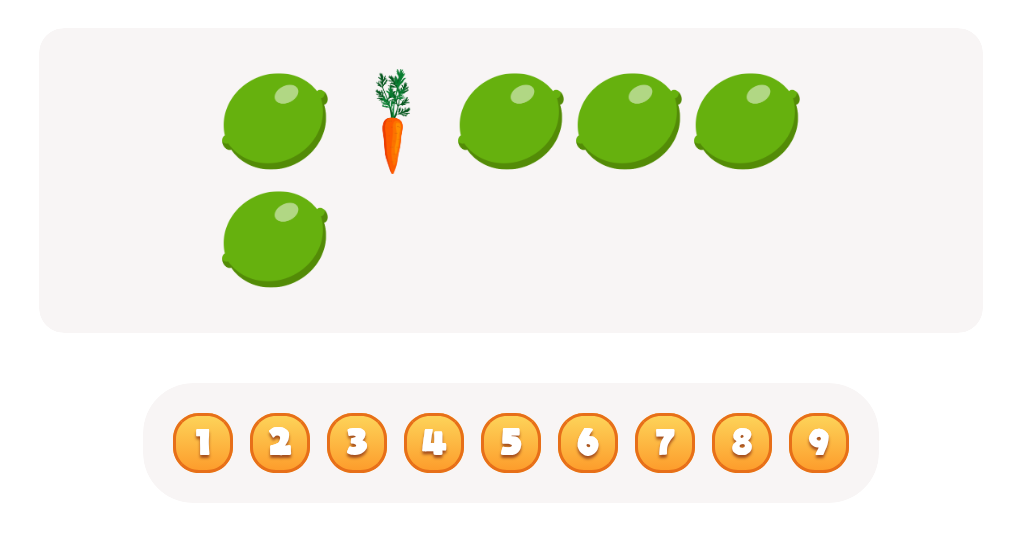

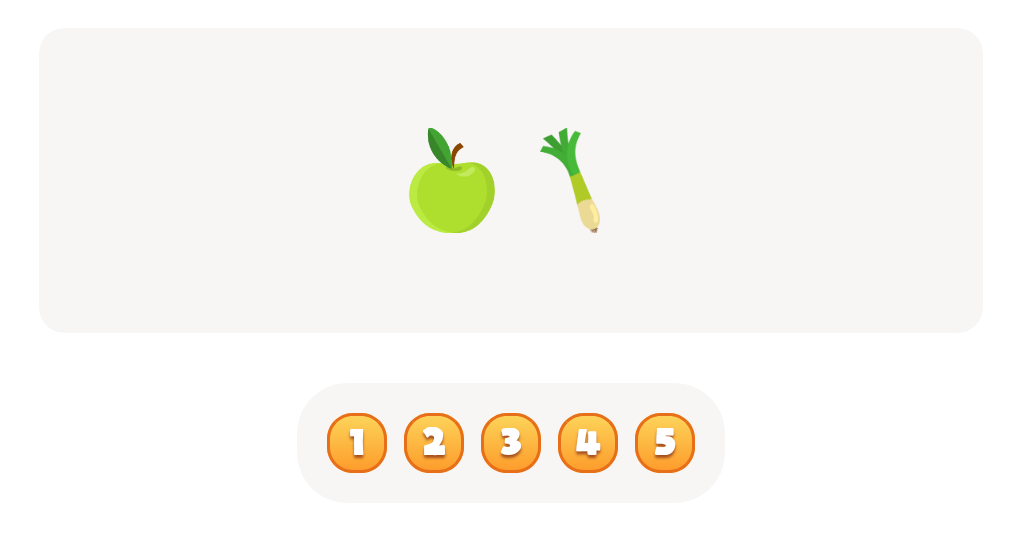
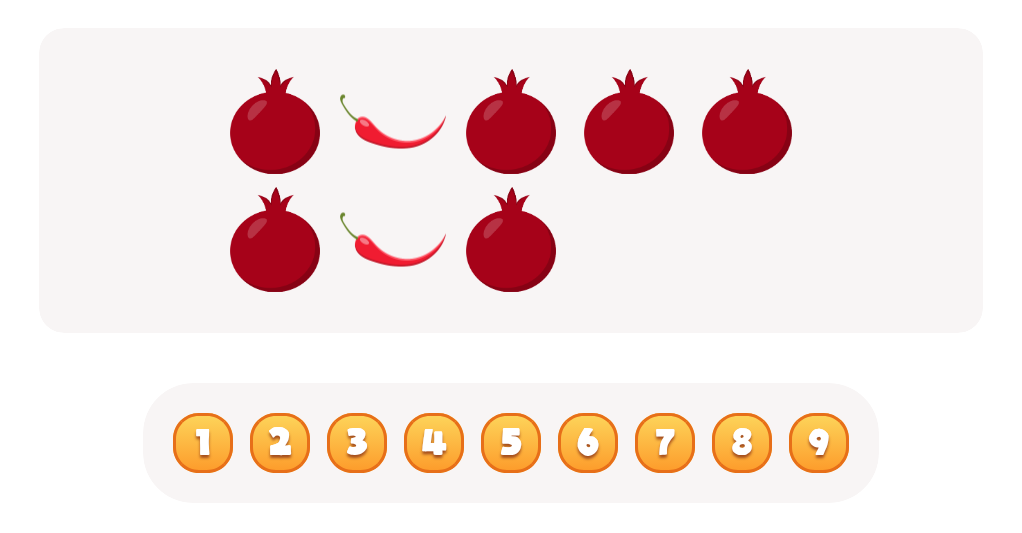
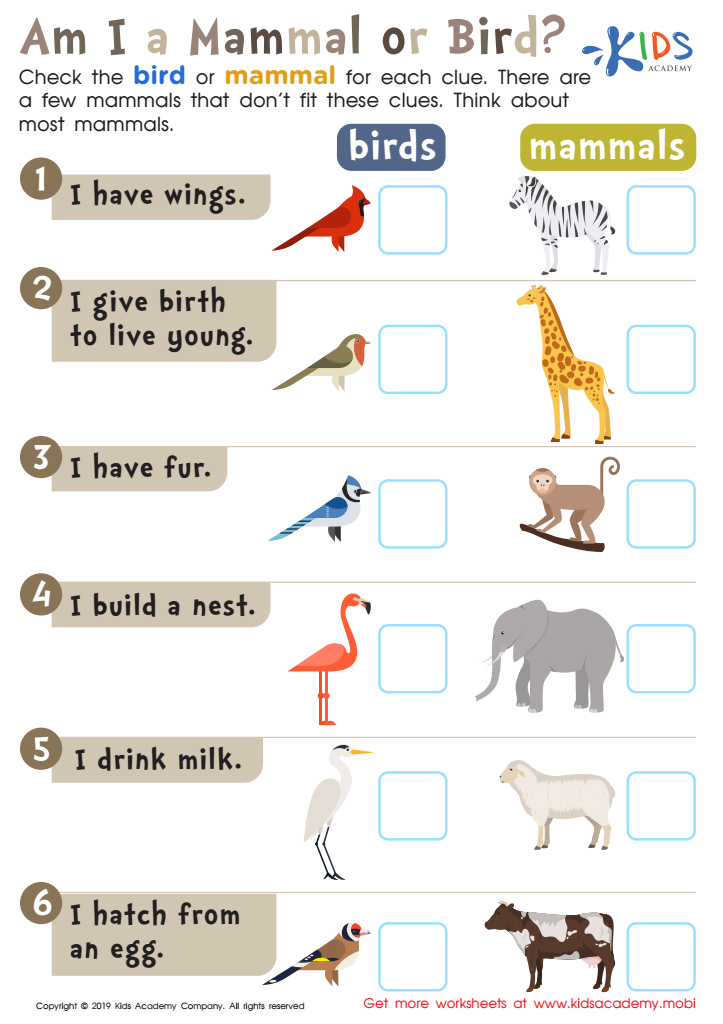
Am I a Mammal or Bird? Worksheet
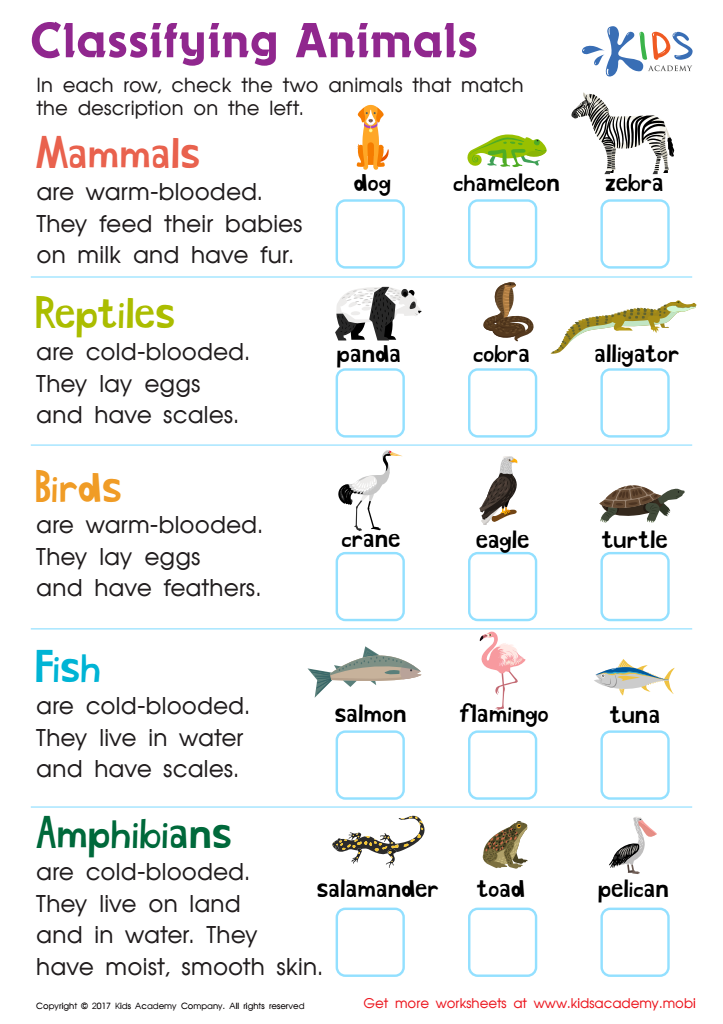
Classifying Animals Worksheet







Understanding animal classification is vital for young learners, particularly for ages 8-9, as it helps them grasp the diversity of life on Earth. Parents and teachers should care about this topic because it fosters critical thinking and observational skills, encouraging children to categorize organisms into distinct groups such as mammals, birds, reptiles, and plants. Classification also lays the groundwork for more advanced scientific concepts, making it easier for learners to comprehend ecosystems and the interdependence of species.
Learning about animal classification ties into broader educational objectives, including developing language skills through new vocabulary associated with biology. Additionally, it enhances children’s curiosity about the natural world, prompting them to explore further through field trips, nature walks, or gardening, fostering a sense of stewardship for the environment.
Moreover, early exposure to concepts related to biodiversity cultivates an appreciation for different species, contributing to environmental awareness as children grow. This, in turn, can inspire future generations to take action toward conservation efforts. In conclusion, making animal classification engaging and relatable at this critical age not only supports educational growth but also promotes a lifelong respect for nature and its inhabitants.








