Understanding pollination Plants and Animals Worksheets for Ages 8-9
3 filtered results
-
From - To
Dive into the fascinating world of pollination with our "Understanding Pollination Plants and Animals Worksheets for Ages 8-9"! Tailored specifically for young learners, these engaging worksheets cover essential concepts about how plants and animals interact to ensure the reproduction of plants. Through fun activities and insightful lessons, kids will explore the roles of pollinators like bees, butterflies, and birds. They'll also understand the parts of a flower and the process of pollination itself. Perfect for enhancing science knowledge and problem-solving skills, these worksheets make learning about nature exciting and educational. Boost your child's curiosity and comprehension in one comprehensive package!
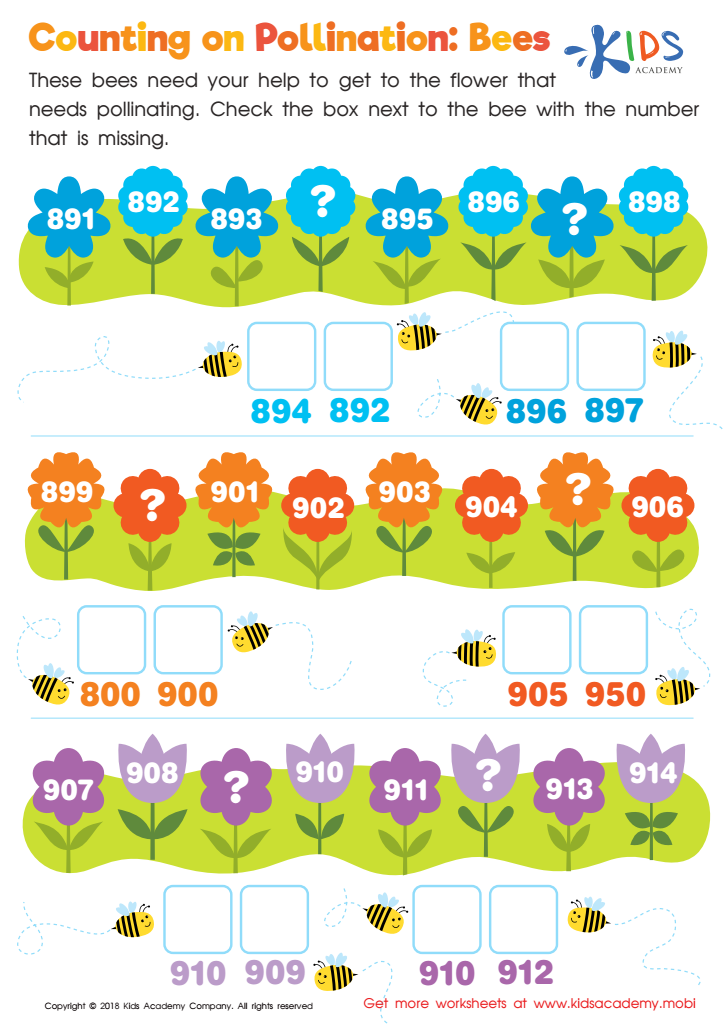
Counting on Pollination: Bees Worksheet
 Assign to My Students
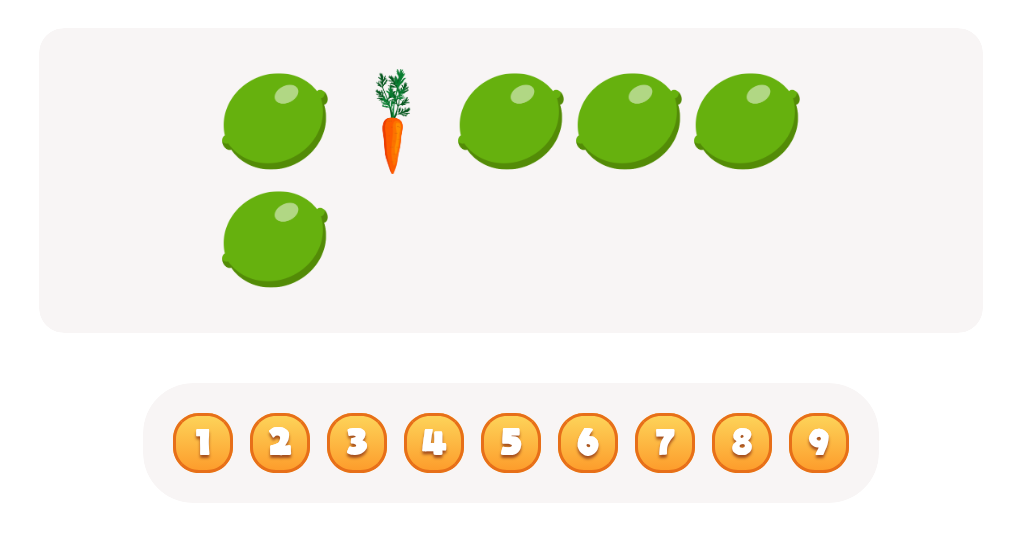

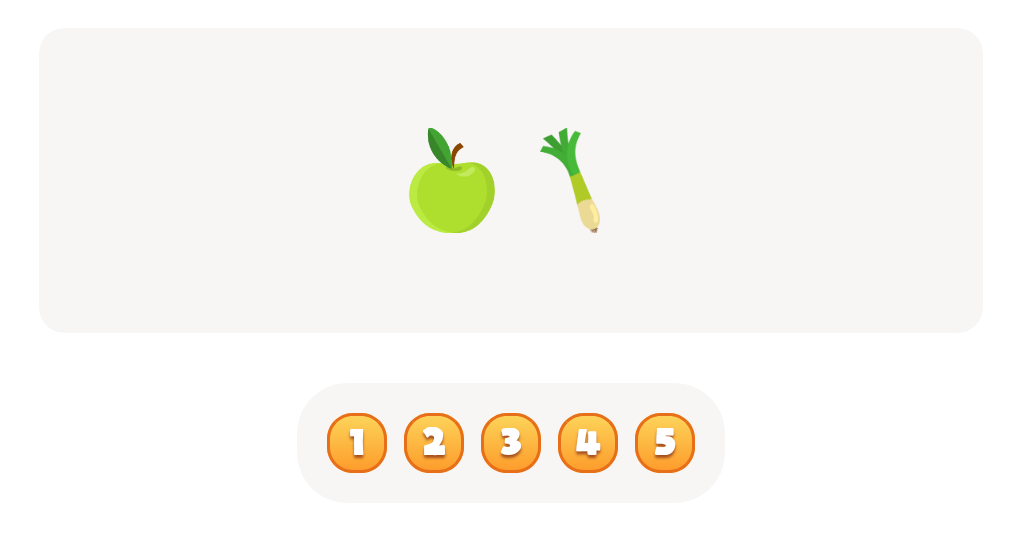
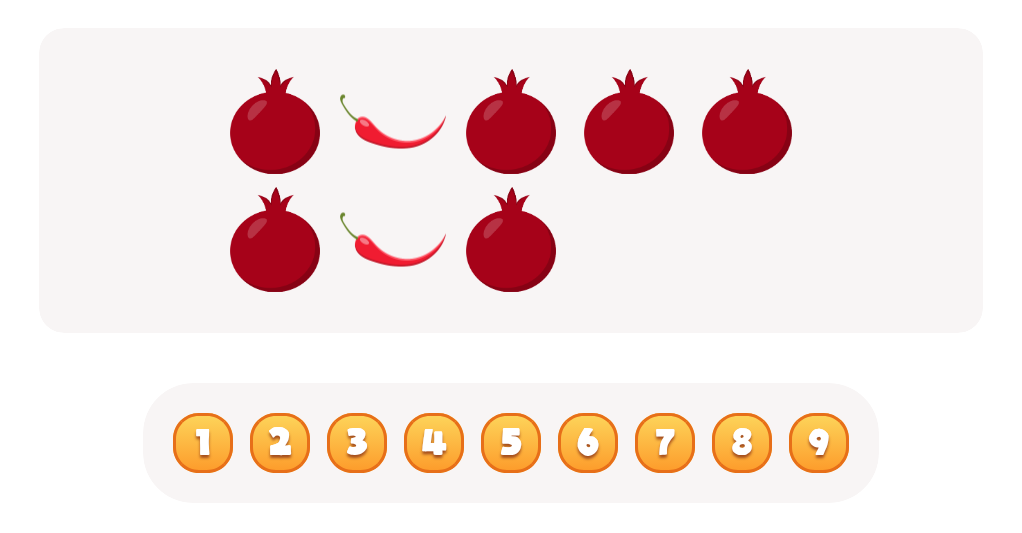
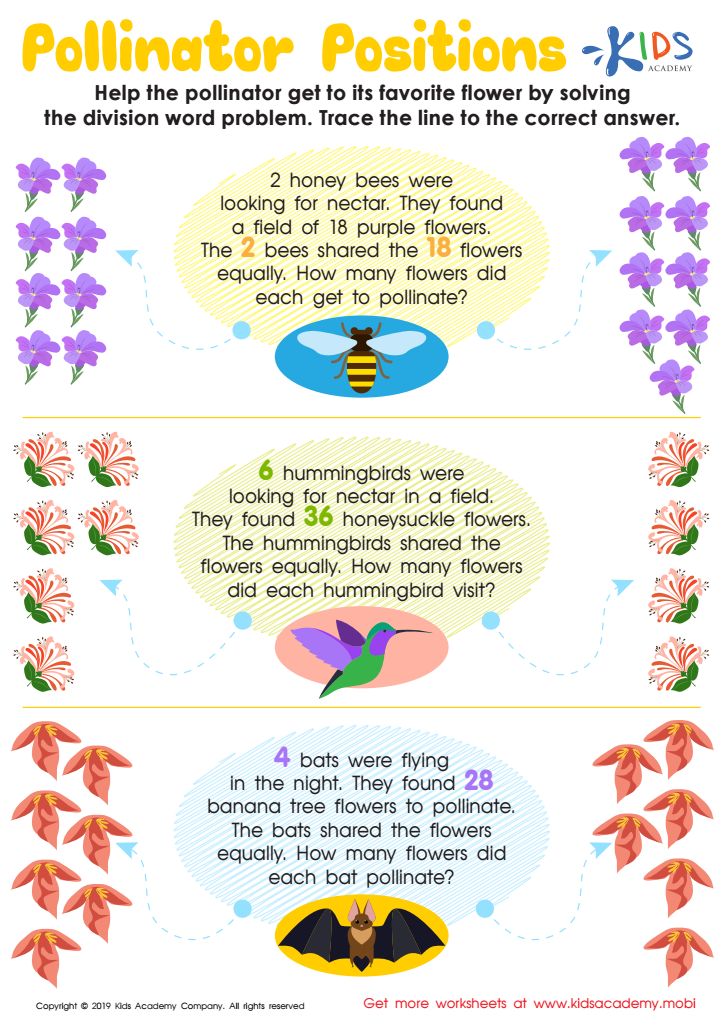
Pollinator Positions Worksheet
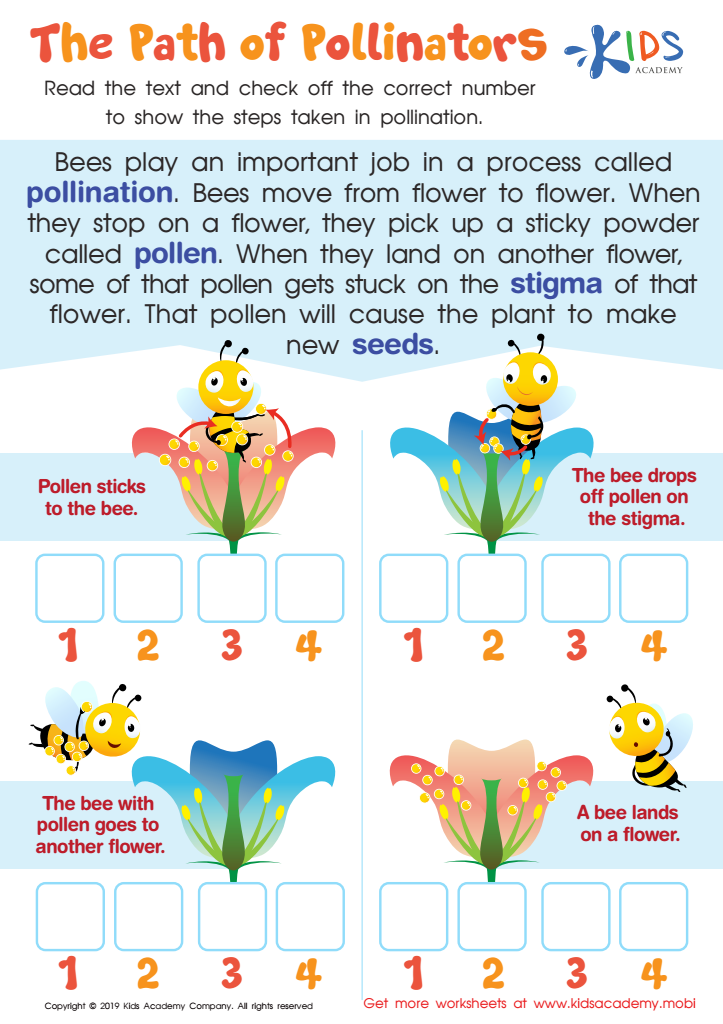
The Path of Pollinators Worksheet







Understanding pollination is crucial for children ages 8-9 because it fosters early awareness of essential ecological processes. Pollination, involving the transfer of pollen from male to female parts of flowers, is vital for plant reproduction and the production of fruits and seeds.
For young learners, understanding these processes promotes an appreciation for nature and how plants and animals interact. It helps them realize the importance of pollinators like bees, birds, butterflies, and even wind in sustaining ecosystems. This foundation in ecology highlights the interconnectedness of life forms and the role each species plays, which is fundamental for environmental stewardship.
Additionally, knowledge of pollination opens up engaging, hands-on learning opportunities. Activities like observing bees in action, growing flowers, or simulating pollination with art projects can captivate children's interest and enhance their observational skills. Such experiences encourage curiosity and a love for science and biology from a young age.
For both parents and teachers, emphasizing pollination aligns with educational goals of teaching life sciences, promoting critical thinking, and instilling a sense of responsibility toward the environment. In a world facing ecological challenges, nurturing informed, environmentally-conscious individuals is essential. Understanding pollination thus serves as an educational cornerstone, fostering respect for the natural world and encouraging sustainable practices from a young age.








