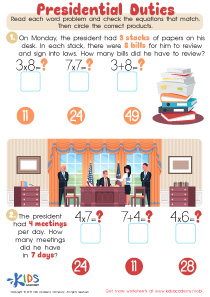
Vocabulary development Social Studies Worksheets for Ages 8-9
3 filtered results
-
From - To
Enhance your child's learning experience with our Vocabulary Development Social Studies Worksheets designed specifically for ages 8-9. These engaging resources aim to expand students’ understanding of essential concepts linked to history, geography, and culture while boosting their vocabulary skills. Each worksheet features age-appropriate activities that promote critical thinking and context comprehension, ensuring a comprehensive exploration of social studies topics. Perfect for reinforcing classroom learning or supplemental home education, these worksheets encourage curiosity and a love for learning. Download our fun, interactive worksheets today and watch your child's confidence grow as they master key vocabulary in the fascinating world of social studies!
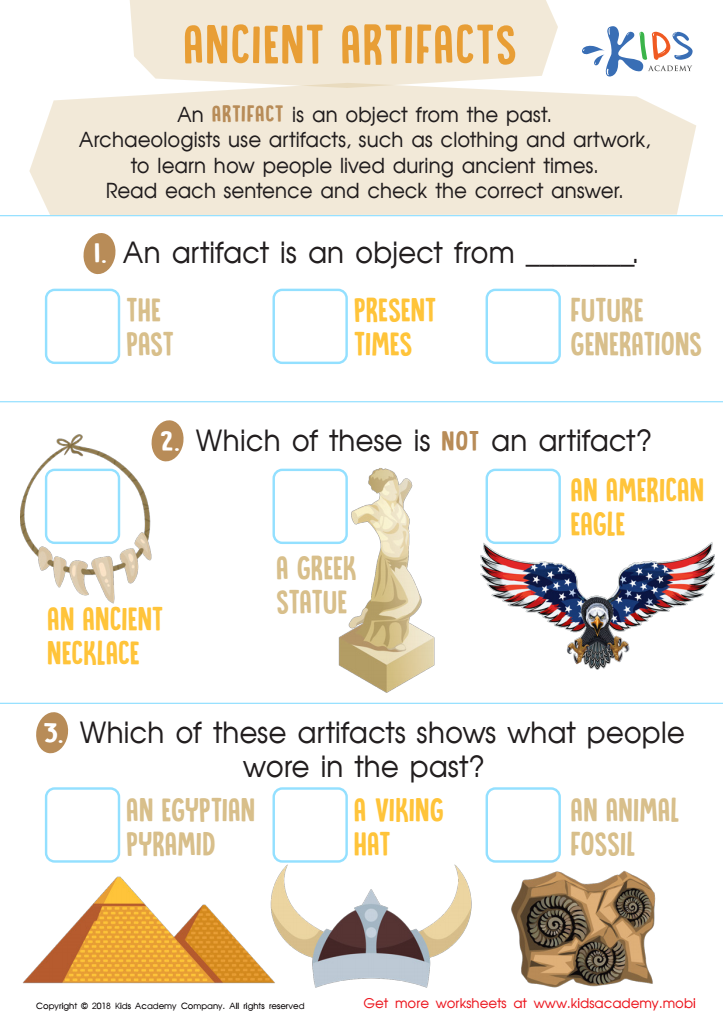
Ancient Artifacts Worksheet
 Assign to My Students
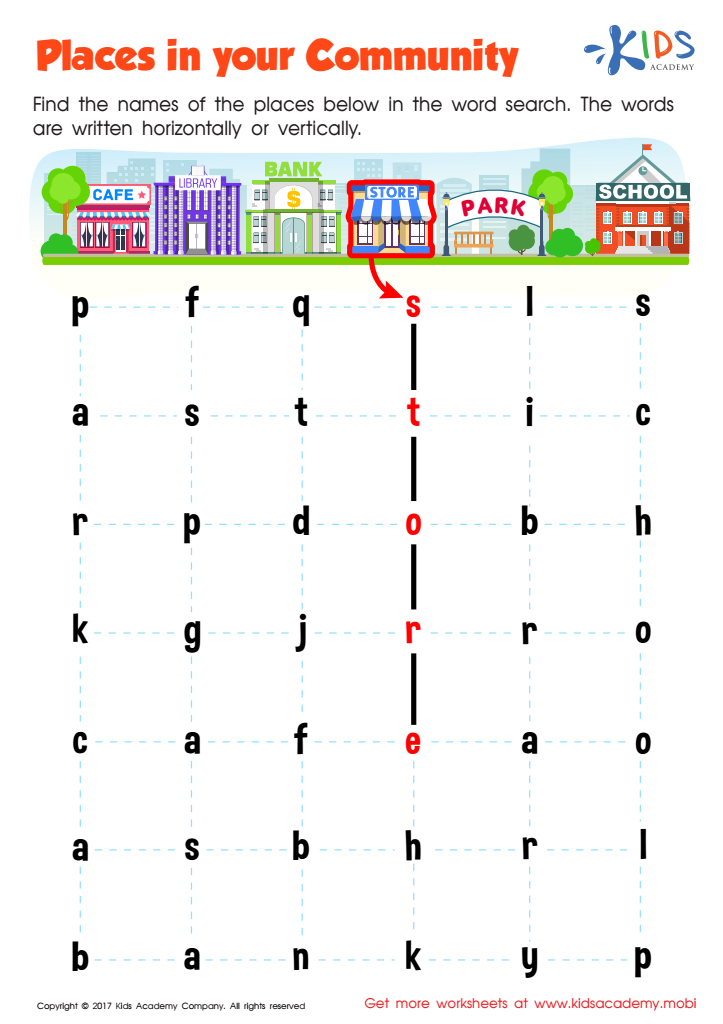
Places in Your Community Worksheet
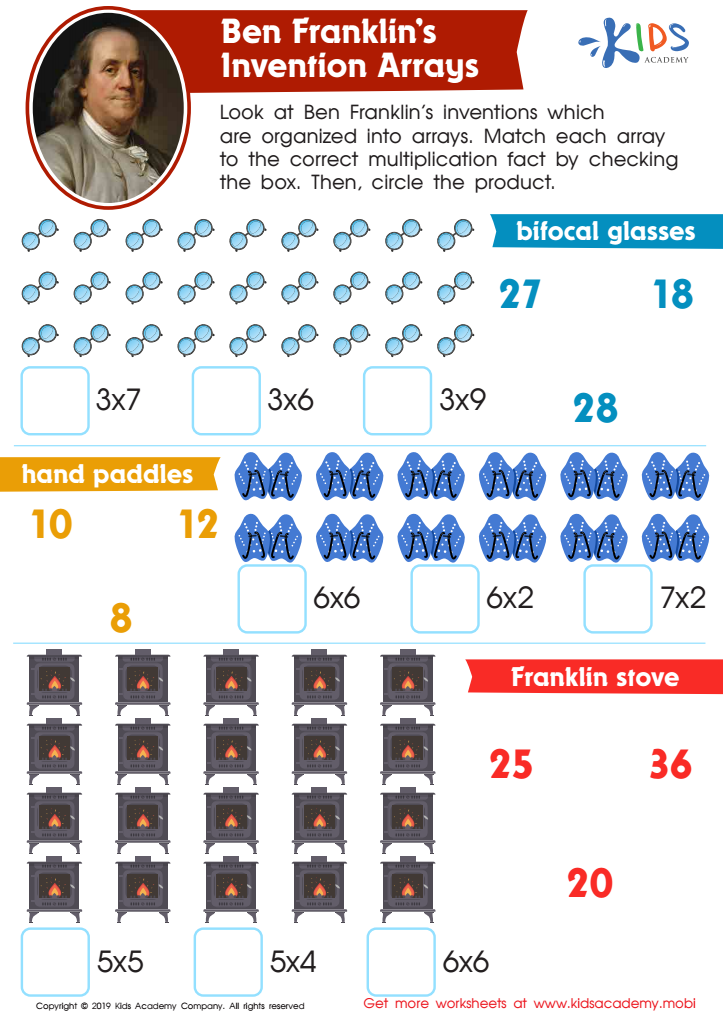
Ben Franklin’s Invention Arrays Worksheet






.jpg)
Vocabulary development in Social Studies is crucial for children ages 8-9 as it enhances their understanding of complex concepts and ideas related to their world. At this age, children begin to explore more abstract themes, such as citizenship, culture, and history. A rich vocabulary allows them to articulate their thoughts, ask meaningful questions, and engage in discussions that deepen their understanding of social dynamics.
Teachers and parents should prioritize vocabulary development in this context because strong language skills underpin academic success across all subjects. Furthermore, enhancing vocabulary helps children make connections between historical events and contemporary issues, fostering critical thinking and problem-solving skills.
As they encounter diverse terms related to geography, government, and society, children develop a nuanced view of their role within the community. These vocabulary skills enable students to read and comprehend texts more effectively, building confidence in their reading and writing abilities.
Engaging in discussions, interactive activities, and thematic projects supports vocabulary growth and enriches children's learning experiences. Ultimately, a strong vocabulary foundation in Social Studies not only empowers children academically but also cultivates informed, responsible citizens who can engage thoughtfully with the world around them. Parents and teachers play a key role in nurturing this essential skill.