Fine Motor Skills Letter E Worksheets for 8-Year-Olds
3 filtered results
-
From - To
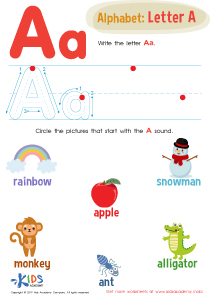
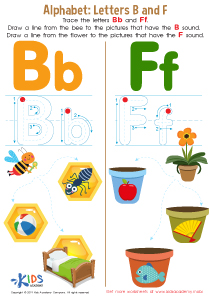
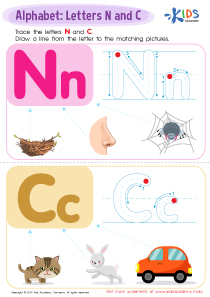
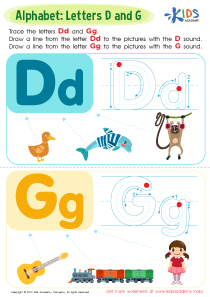
Enhance your child's fine motor skills with our engaging Letter E worksheets designed specifically for 8-year-olds! These printable activities focus on developing hand-eye coordination and dexterity through fun exercises. Children will practice tracing, coloring, and cutting shapes related to the letter E, fostering their creativity as they learn. Each worksheet is crafted to align with educational standards while keeping the learning experience enjoyable. Perfect for home or classroom use, our letter E fine motor skills worksheets will not only help improve writing abilities but also boost confidence in young learners as they master this essential skill. Download now and watch their skills flourish!
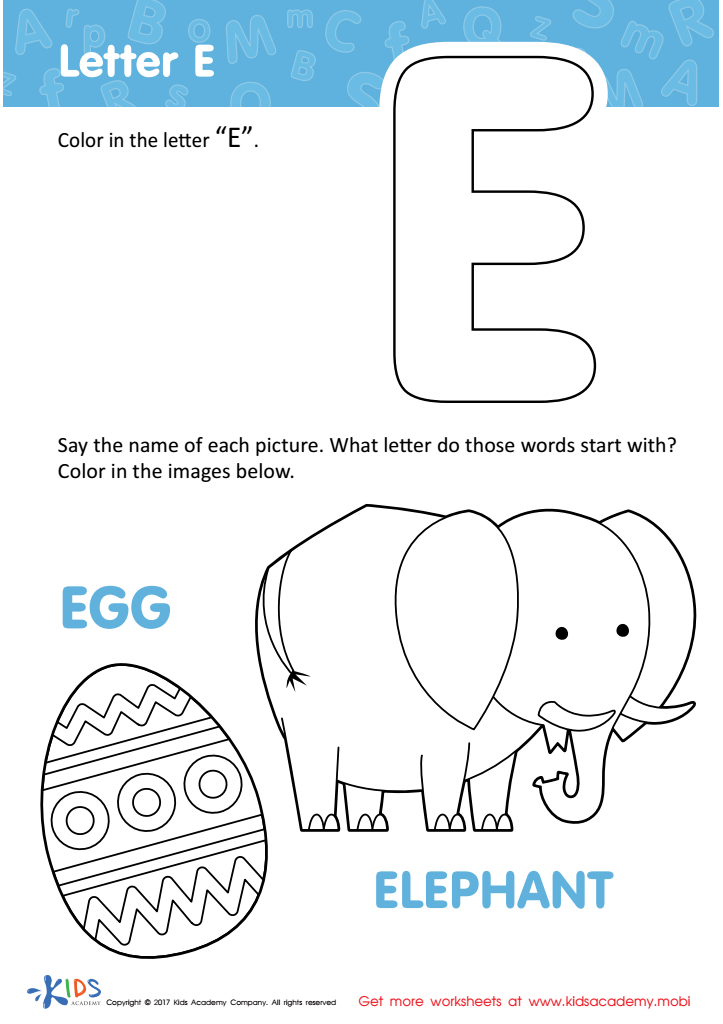
Letter E Coloring Sheet
 Assign to My Students
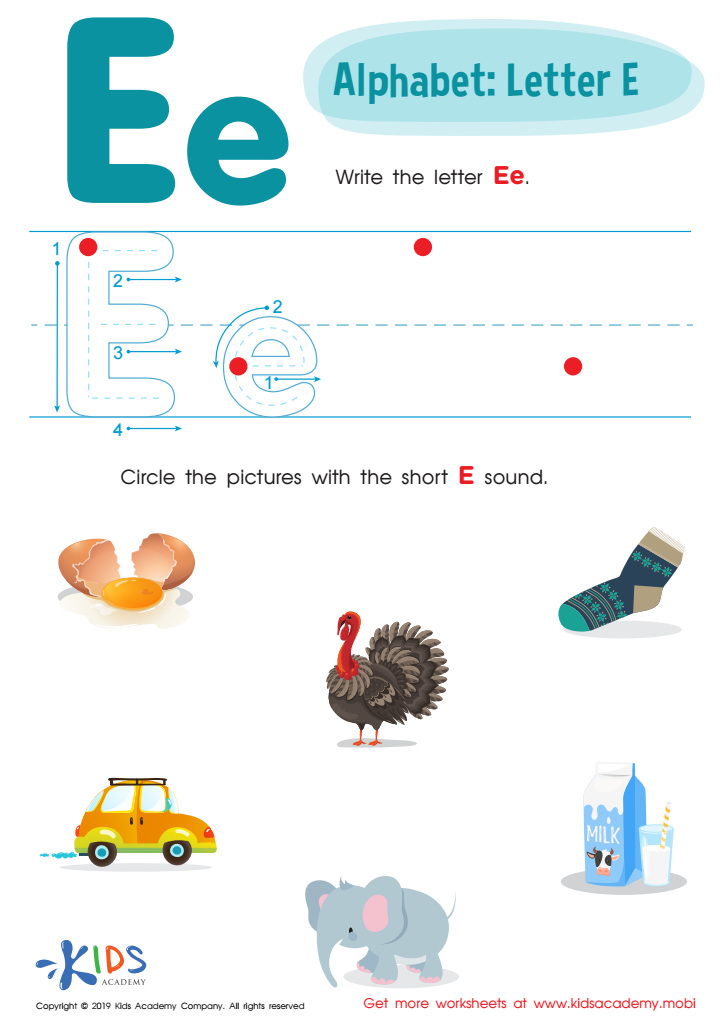
Letter E Tracing Worksheet
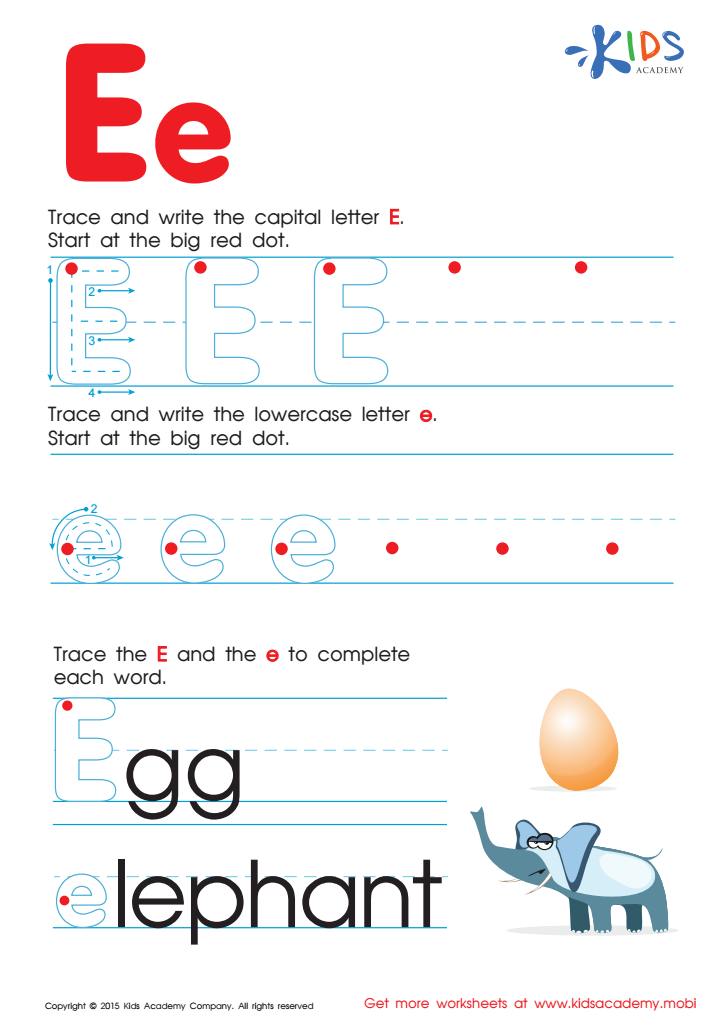
Letter E Tracing Page







Fine motor skills are crucial for children, particularly at the age of eight, as they intertwine with various aspects of their development. Firstly, these skills enhance academic performance. Proficient fine motor coordination enables children to write neatly, use scissors effectively, and manage other tasks that demand precision, ensuring their work is both legible and organized.
Moreover, fine motor skills are integral to self-care and independence. Mastering tasks like buttoning shirts, tying shoelaces, or using utensils boosts a child’s confidence and self-sufficiency. This age is also key for social interaction, as children engage in group activities that often require sharing tools or collaborative projects, further honing these skills.
From a cognitive perspective, developing fine motor skills improves hand-eye coordination and the brain's problem-solving abilities. Engaging in activities like crafting, drawing, or playing musical instruments can lead to a deeper engagement in learning, making education more enjoyable.
Therefore, parents and teachers should prioritize activities that enhance fine motor skills, as they not only support academic and personal growth but also lay the groundwork for future skills in both school and daily life. Investing time in these areas will yield beneficial and lasting impacts on a child's development.