Color Identification Worksheets for 8-Year-Olds - Page 2
40 filtered results
-
From - To
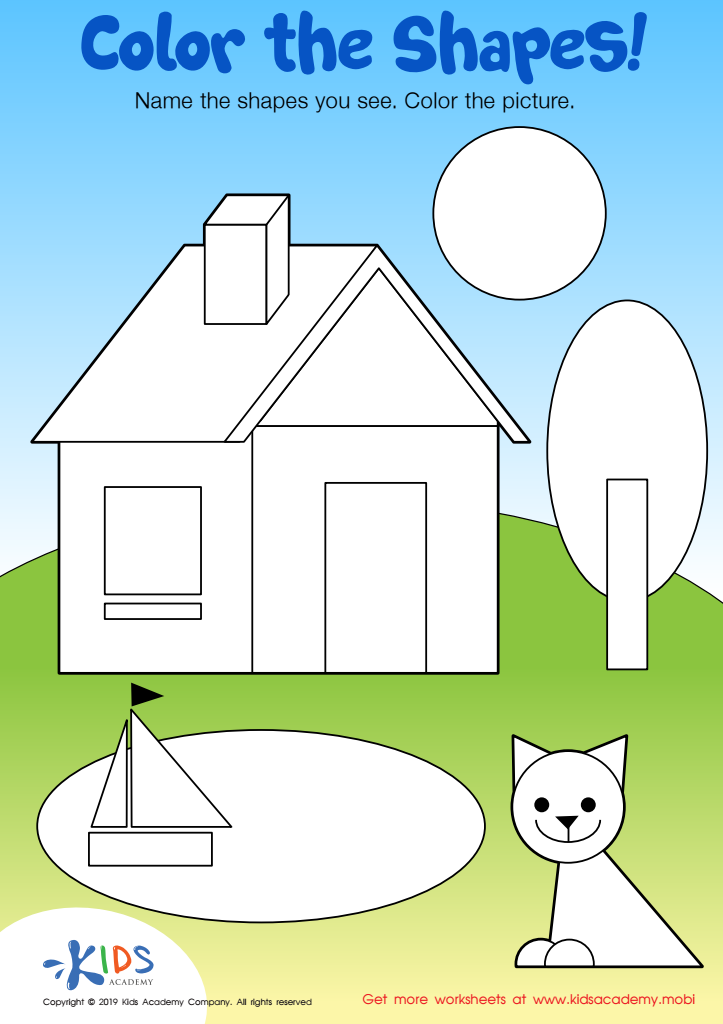
Color the Shapes Worksheet
 Assign to My Students
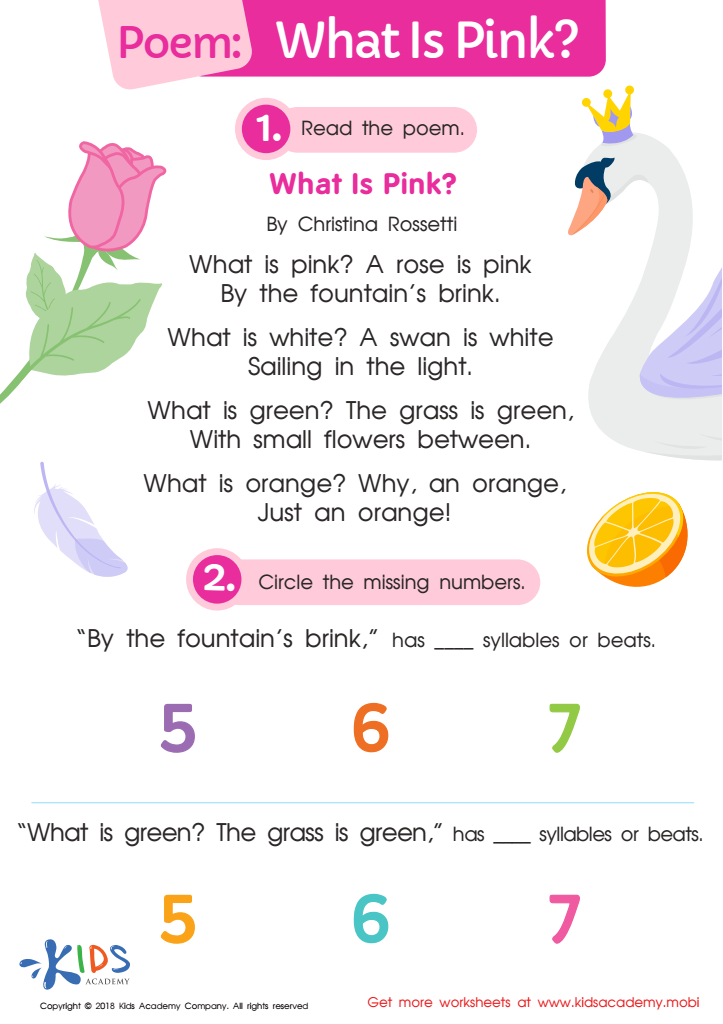
Poem: What Is Pink? Worksheet
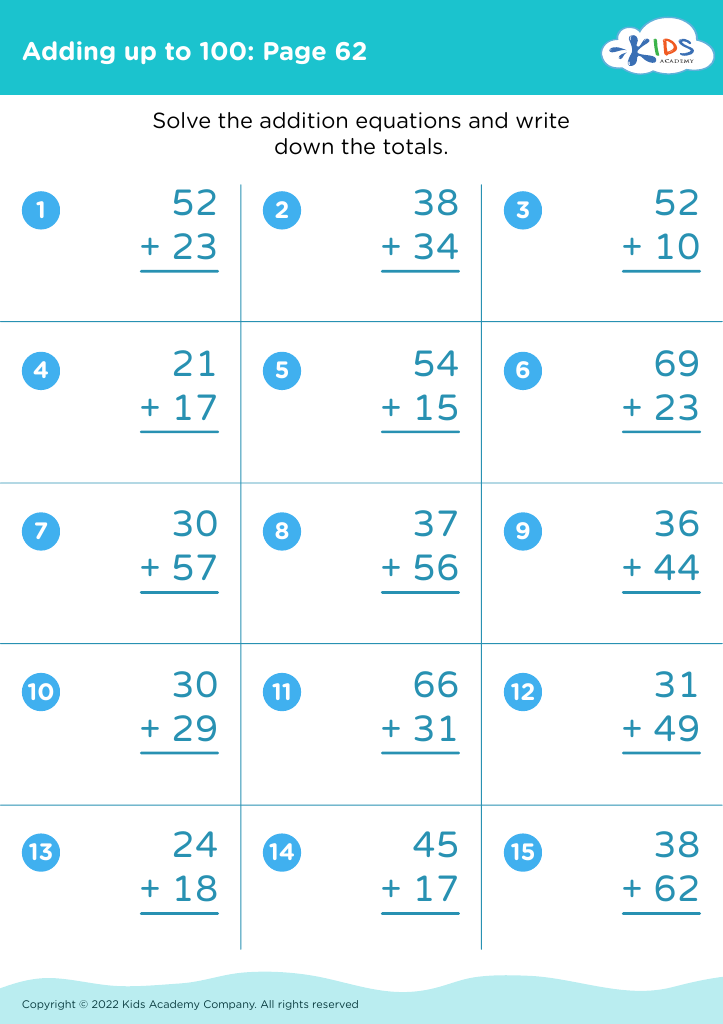
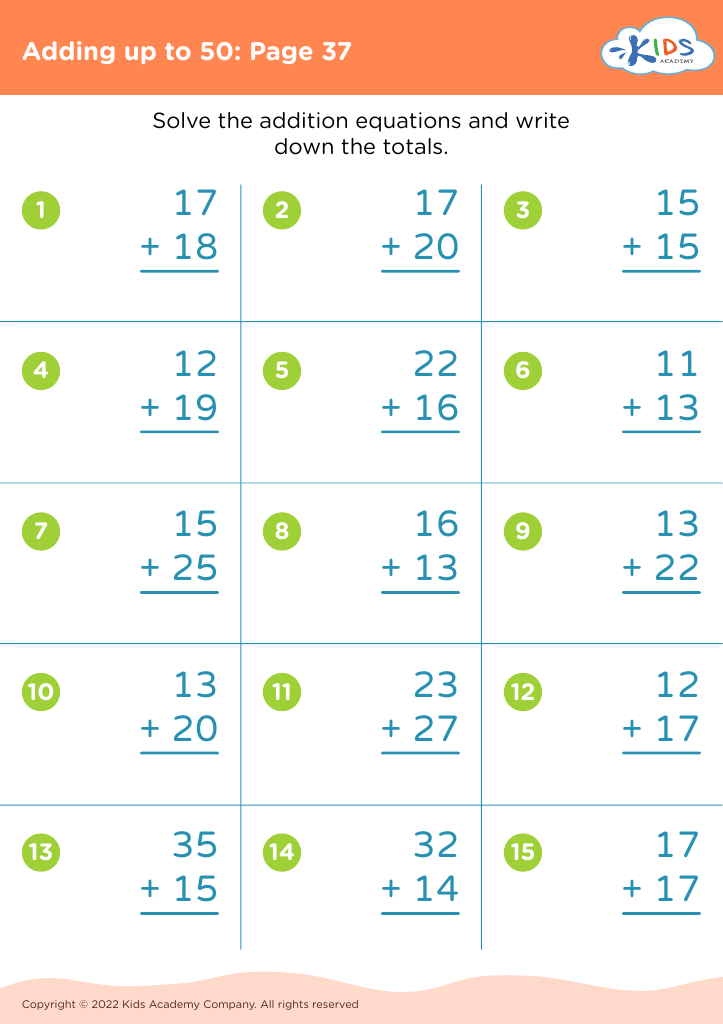
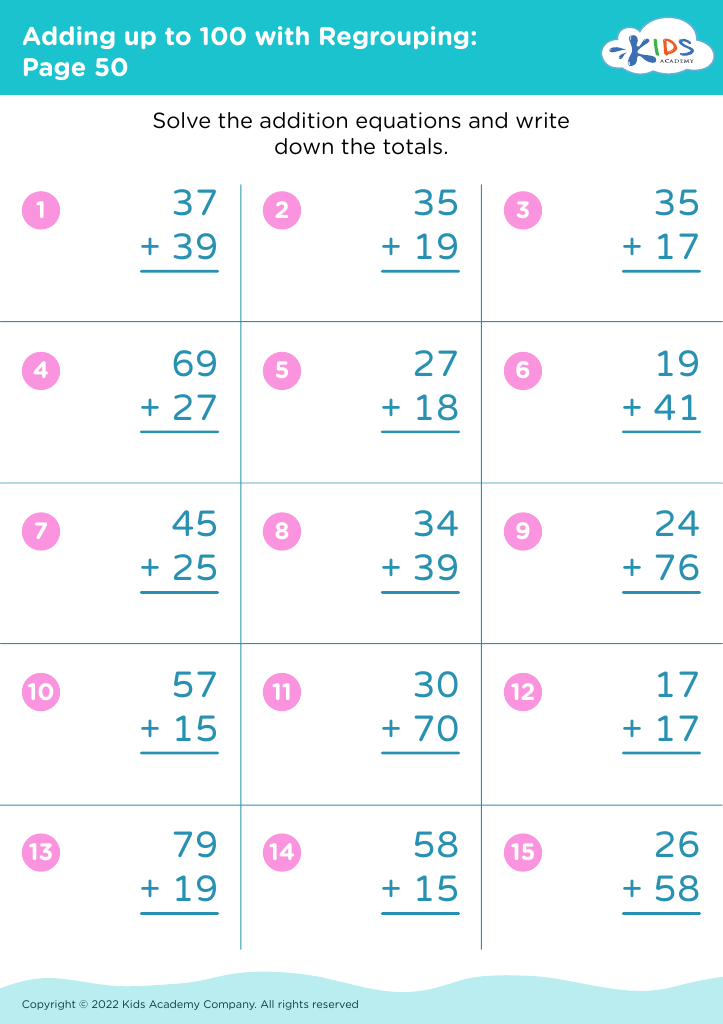
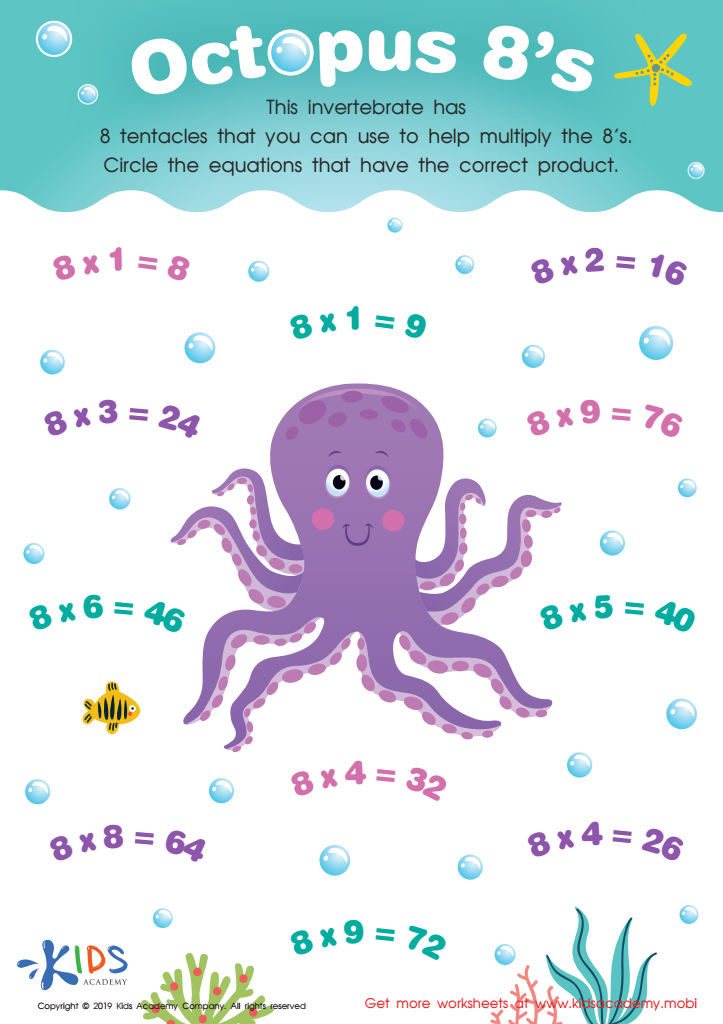
Octopus 8’s Worksheet
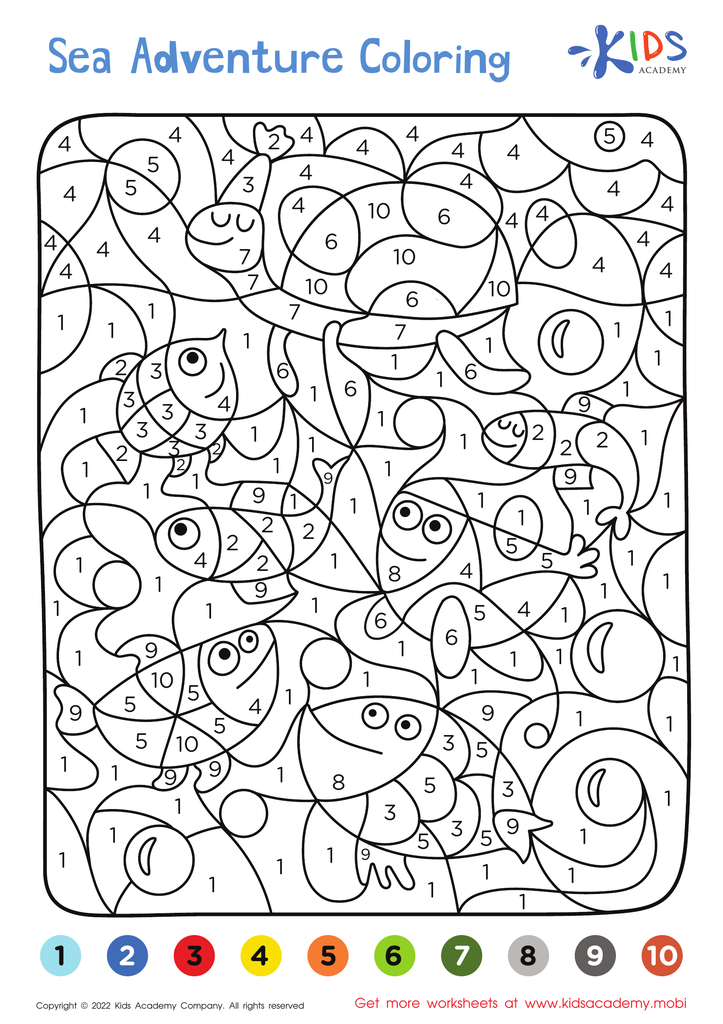
Sea Adventure – Coloring by Numbers
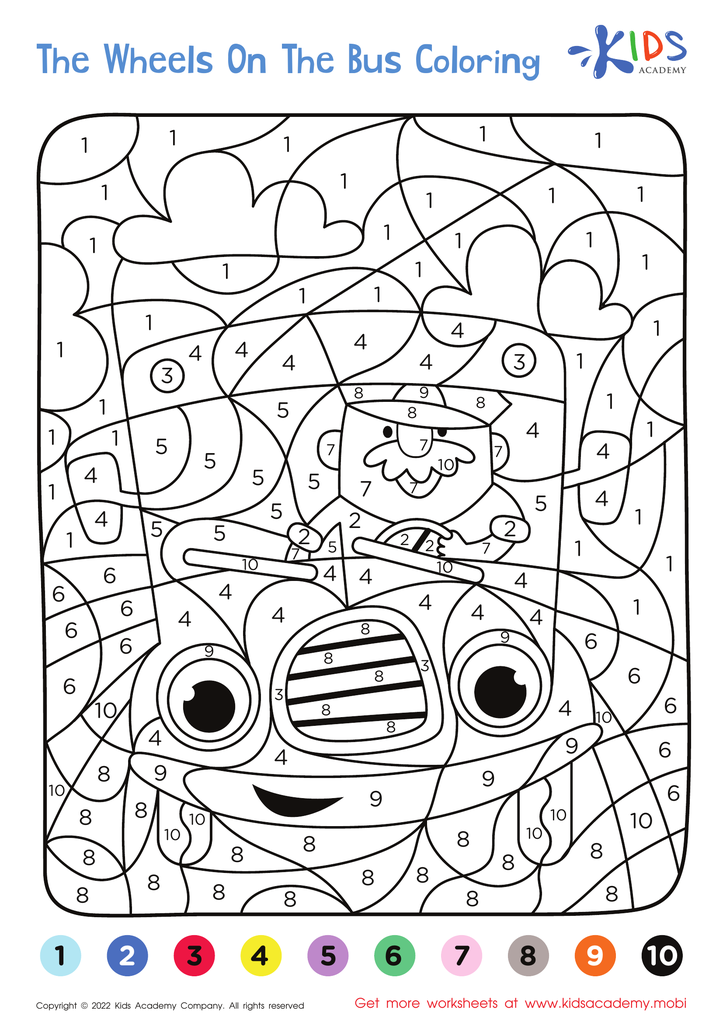
Wheels on the Bus – Coloring by Numbers
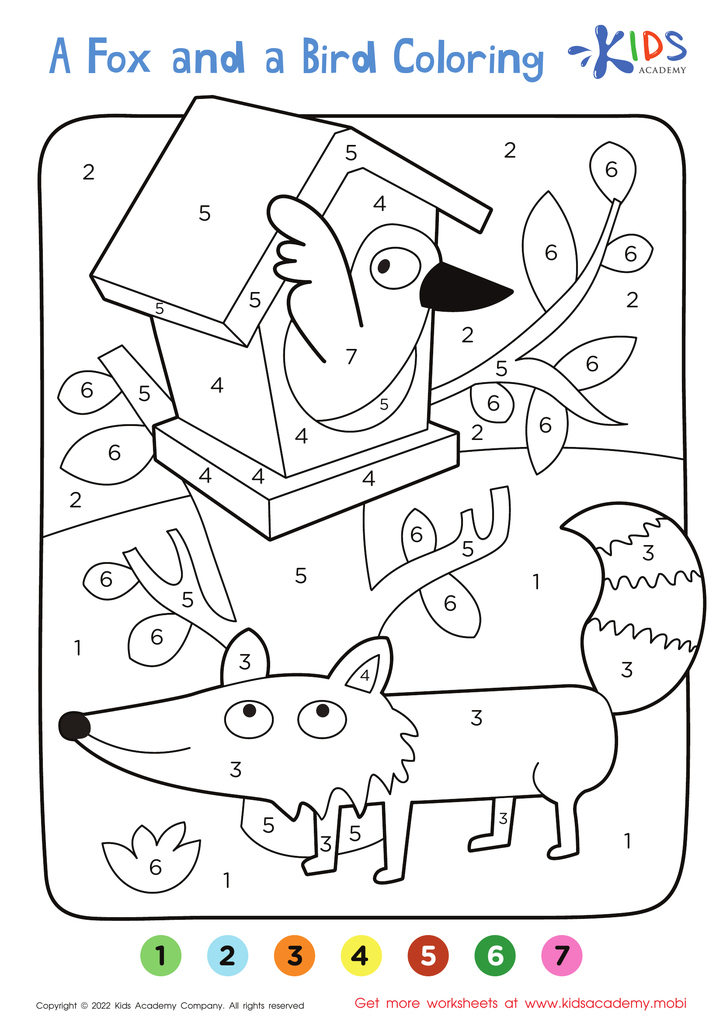
A Fox and a Bird – Coloring by Numbers







Color identification is an essential skill for 8-year-olds that extends beyond simple recognition. At this age, children are developing their cognitive abilities and understanding of the environment. Recognizing and differentiating colors helps enhance their observational skills, promotes creativity, and aids in critical thinking.
For parents and teachers, caring about color identification means encouraging opportunities for children to explore and express themselves. Color awareness plays a significant role in art, science, and even mathematics, as it helps children understand concepts like categorization and sorting. It also fosters language development, as children learn to articulate their thoughts and feelings about colors.
Social skills are enhanced as children collaborate on projects, using colors to communicate ideas and emotions. Familiarity with colors can boost confidence, allowing children to engage more fully in activities, whether it’s through drawing, crafting, or even problem-solving exercises. Additionally, understanding colors can help develop decision-making skills—children learn to make choices based on preference, aesthetics, or practicality.
Ultimately, supporting color identification helps empower children to express themselves, engage with the world around them, and build foundational skills for future academic success. Thus, making it a valuable focus in early education.








