Understanding Quantities Worksheets for 8-Year-Olds
6 filtered results
-
From - To
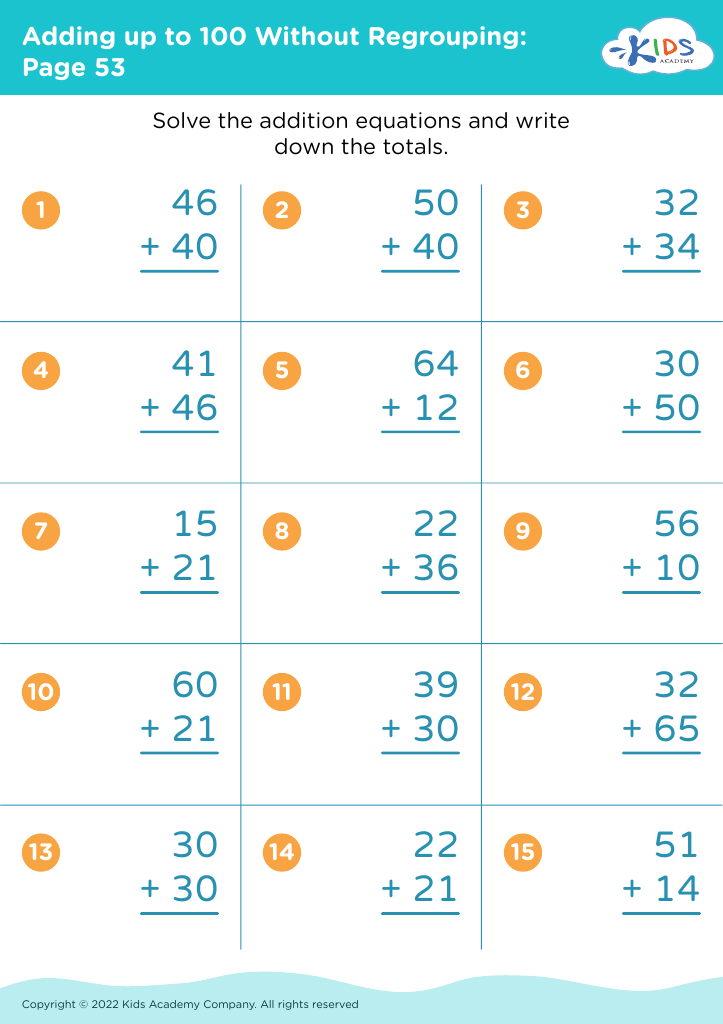
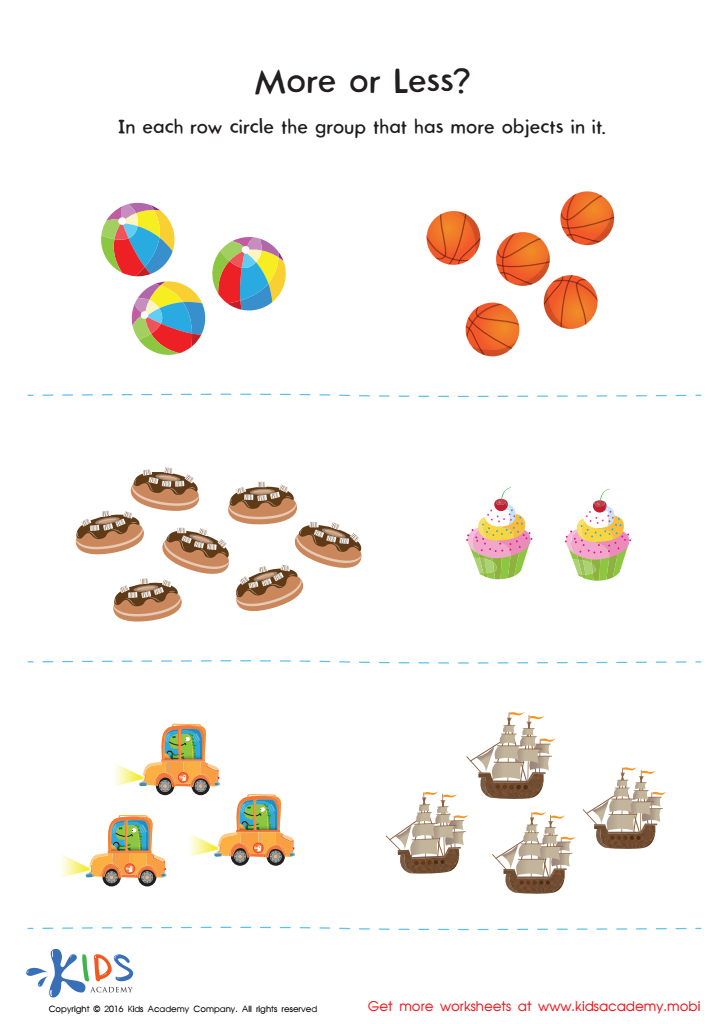
Explore our engaging "Understanding Quantities Worksheets" designed specifically for 8-year-olds! These worksheets help children grasp the concept of quantities through fun and interactive activities. By working with illustrations, number lines, and practical exercises, students will develop essential skills in counting, comparing, and measuring. Our user-friendly resources are perfect for enhancing classroom learning or providing additional practice at home. Encourage your child's mathematical growth and confidence with our variety of worksheets tailored to their learning needs. Dive into the world of quantities and make math an enjoyable experience today! Perfect for teachers and parents looking for effective educational tools.
 Assign to My Students
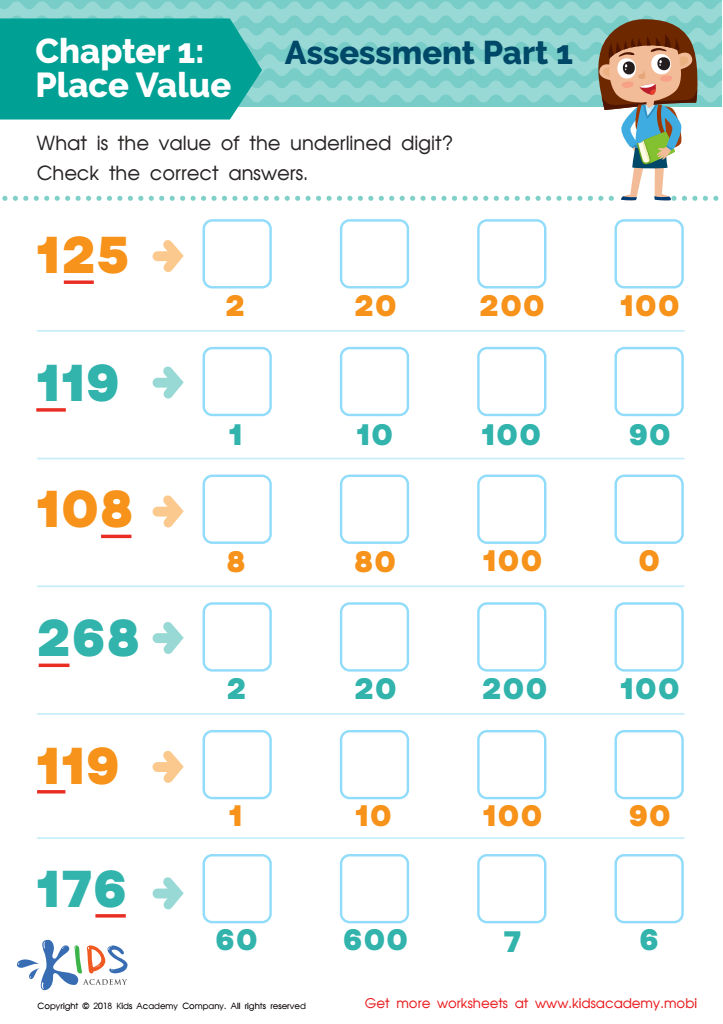
Place Value: Chapter 1 Worksheet
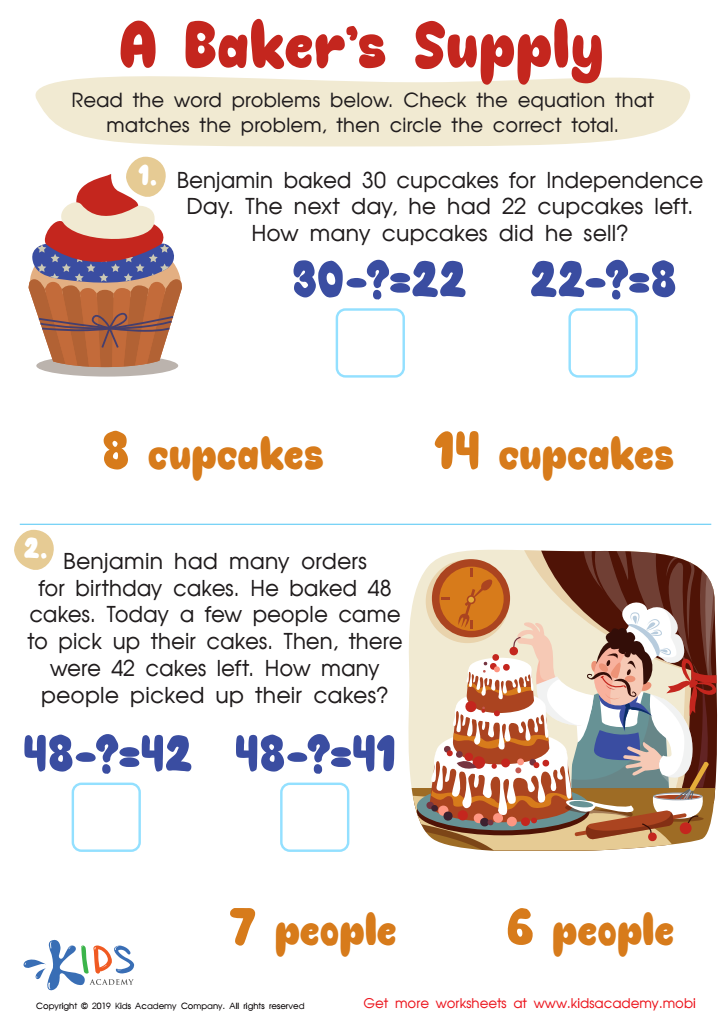
A Baker's Supply Worksheet
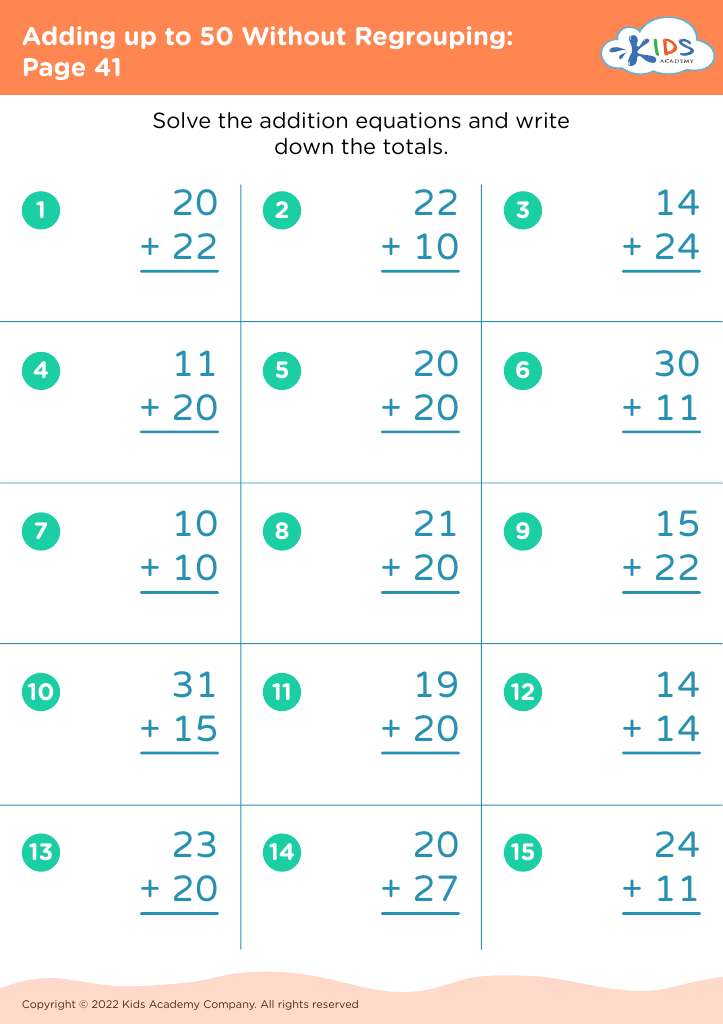
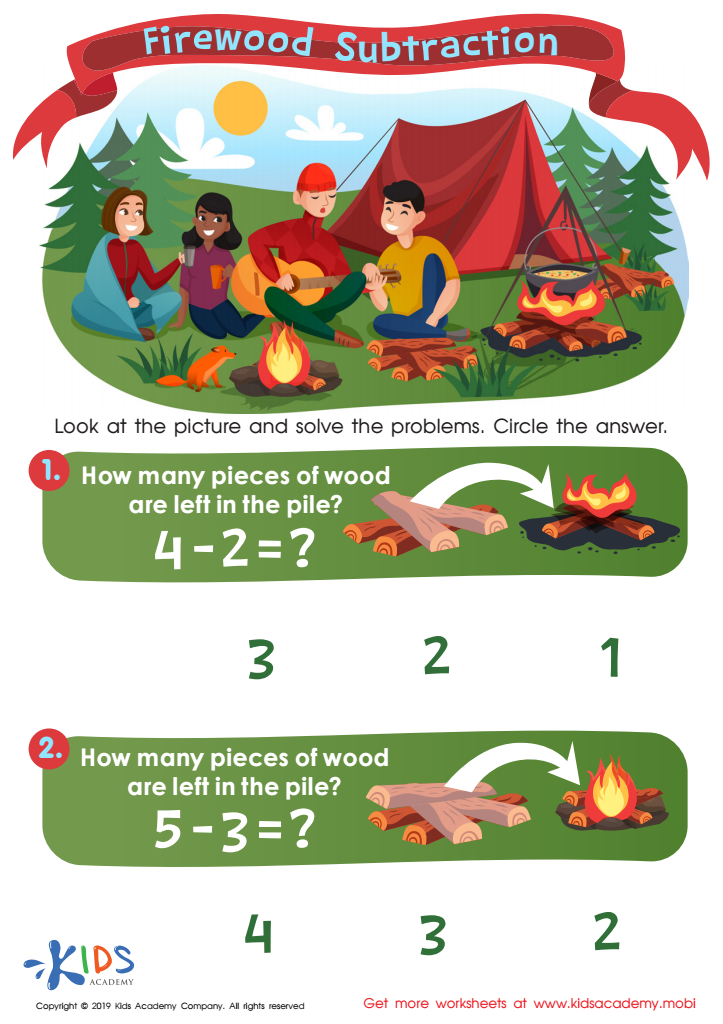
Firewood Subtraction Worksheet








Understanding quantities is crucial for 8-year-olds as it lays the foundation for fundamental math skills and real-world problem-solving. During this age, children transition from concrete to more abstract thinking, making it essential for them to grasp not only the numbers but also what they represent in size, amount, and value. This understanding helps instill confidence and promotes a positive attitude toward mathematics, reducing math anxiety in future years.
Parents and teachers play a pivotal role in fostering this understanding through everyday interactions, engaging activities, and targeted instruction. By emphasizing quantities in various contexts—whether through measuring ingredients while cooking, counting toys, or managing allowances—children learn to apply mathematical concepts to daily life.
Moreover, a solid comprehension of quantities aids in broader cognitive development, enabling children to analyze, compare, and interpret information critically. It supports literacy skills as children learn to relate numbers to stories and real-life scenarios. Investing time in enhancing this understanding not only primes children for more complex math in the future but also teaches them to navigate their world with awareness and precision. Ultimately, fostering quantity comprehension is an investment in a child’s future success in both academics and life.








