Explore our "Understanding Sequences Worksheets" designed specifically for 8-year-olds, where learning becomes fun! These engaging worksheets present a variety of sequences, helping young learners grasp essential skills in pattern recognition, logical reasoning, and prediction. Perfect for reinforcing classroom learning, our activities challenge students to identify, continue, and create sequences through colorful illustrations and relatable examples. Ideal for both independent practice and group activities, these worksheets promote cognitive development while encouraging creativity. Empower your child to master the concept of sequences and enhance their mathematical confidence today! Discover the joy of learning with our thoughtfully curated resources.
Check out this FREE "Understanding Sequences" Trial Lesson for age 8!

Realistic Fiction

Favorites
With answer key
Interactive
  • 8
  • Understanding Sequences
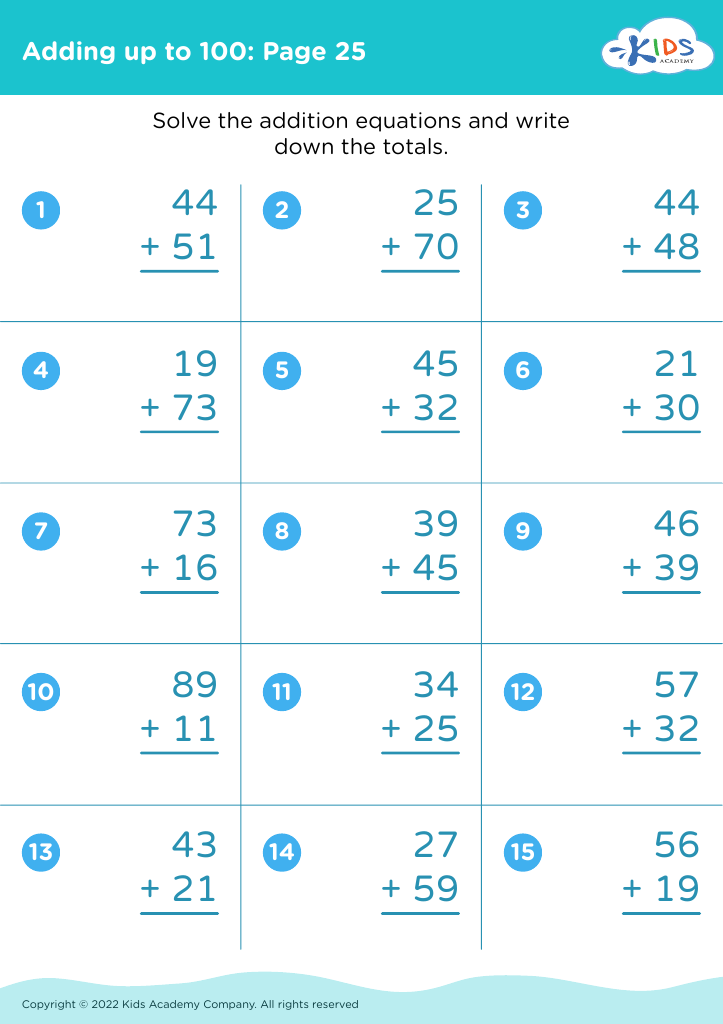
Adding up to 100: Page 25

Adding up to 100: Page 25

Adding up to 100: Page 25
Worksheet
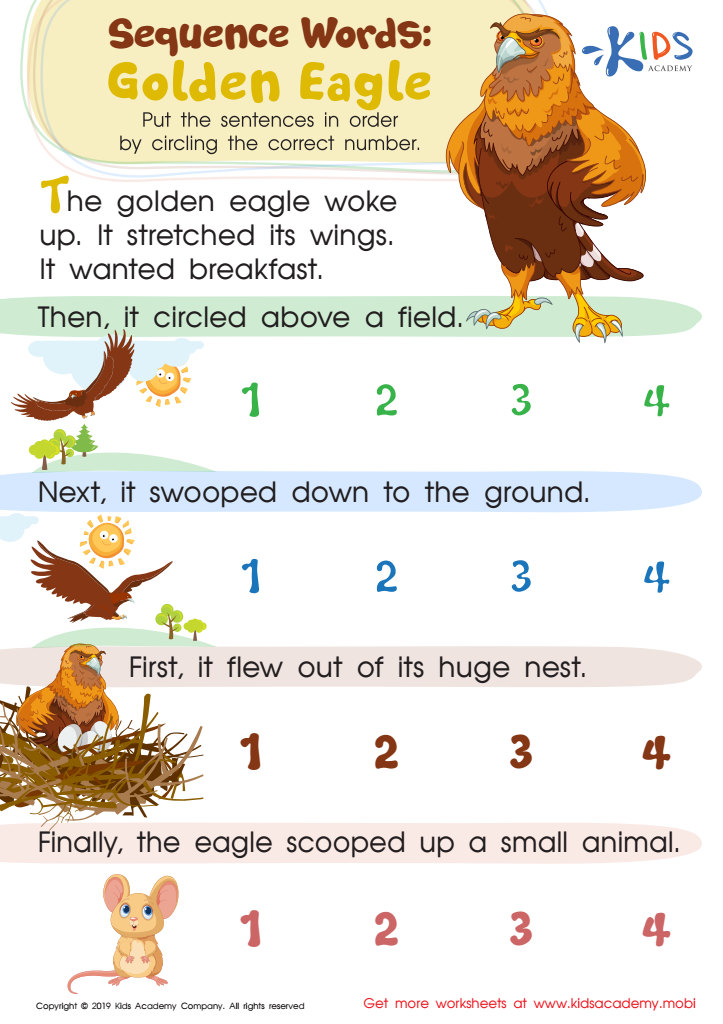
Sequence Word Eagle Worksheet

Sequence Word Eagle Worksheet

Help your child brush up on reading and writing with this fun worksheet. Read the story of the golden eagle's day, then have the child circle the numbers in the right order. Point out the sequence words that tell the order of events. This helps learners understand how to make their writing clear and understandable to others.
Sequence Word Eagle Worksheet
Worksheet
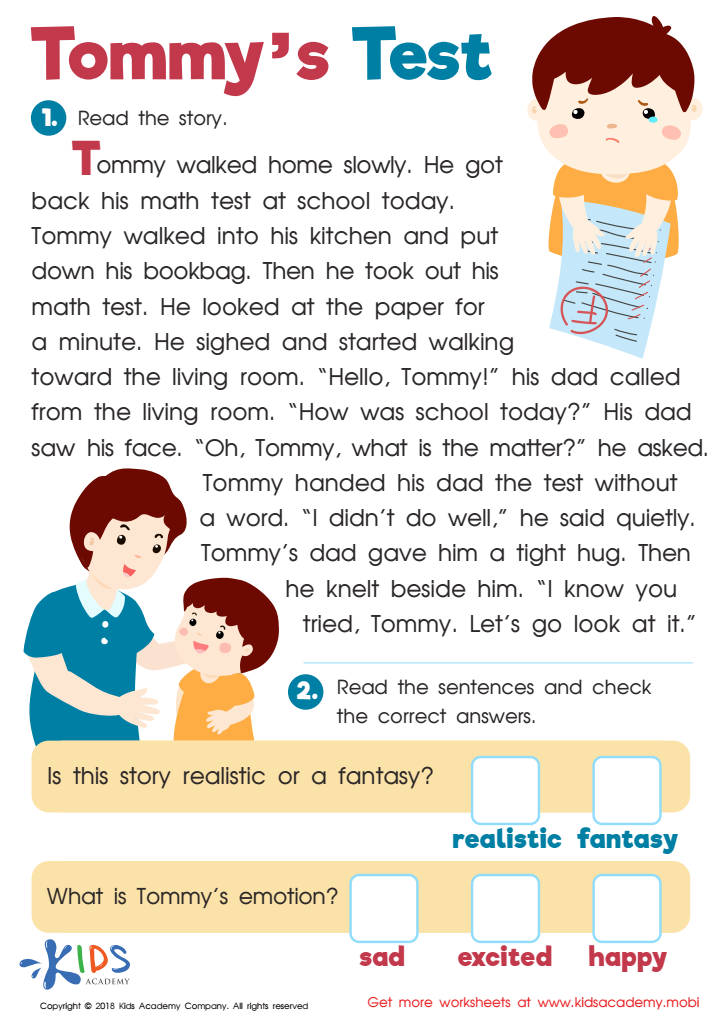
Tommys Test Worksheet

Tommys Test Worksheet

Reading short stories to your students builds a bond, teaches new words and lessons. Read the story aloud and then have them listen for details. Ask them the questions at the bottom and help them check the answers.
Tommys Test Worksheet
Worksheet
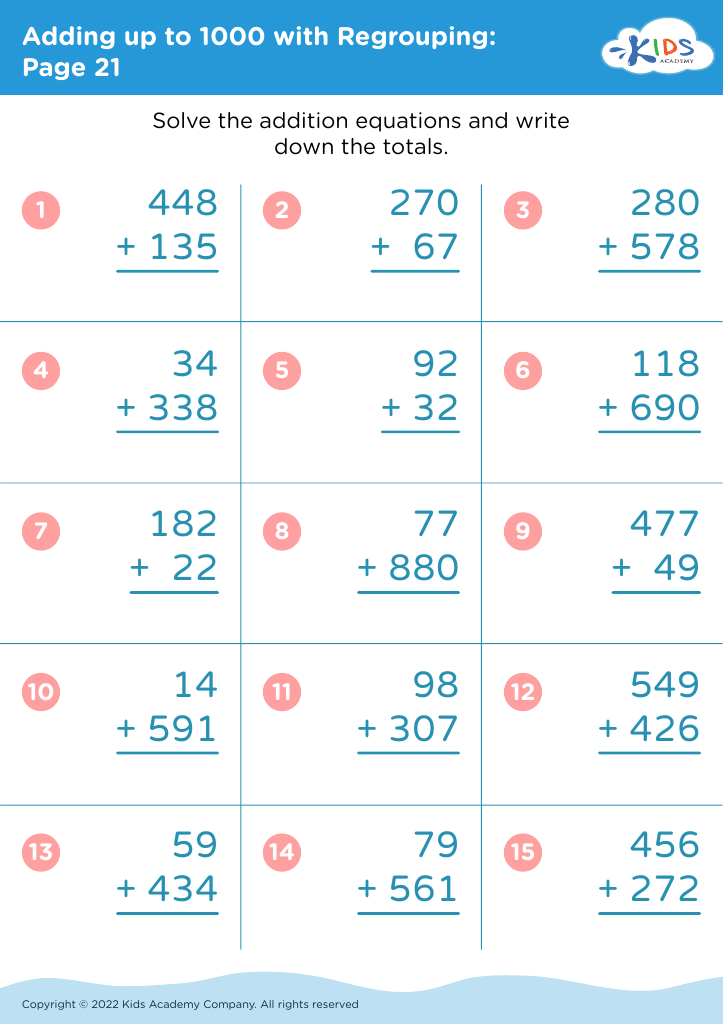
Adding up to 1000 with Regrouping: Page 21
Worksheet
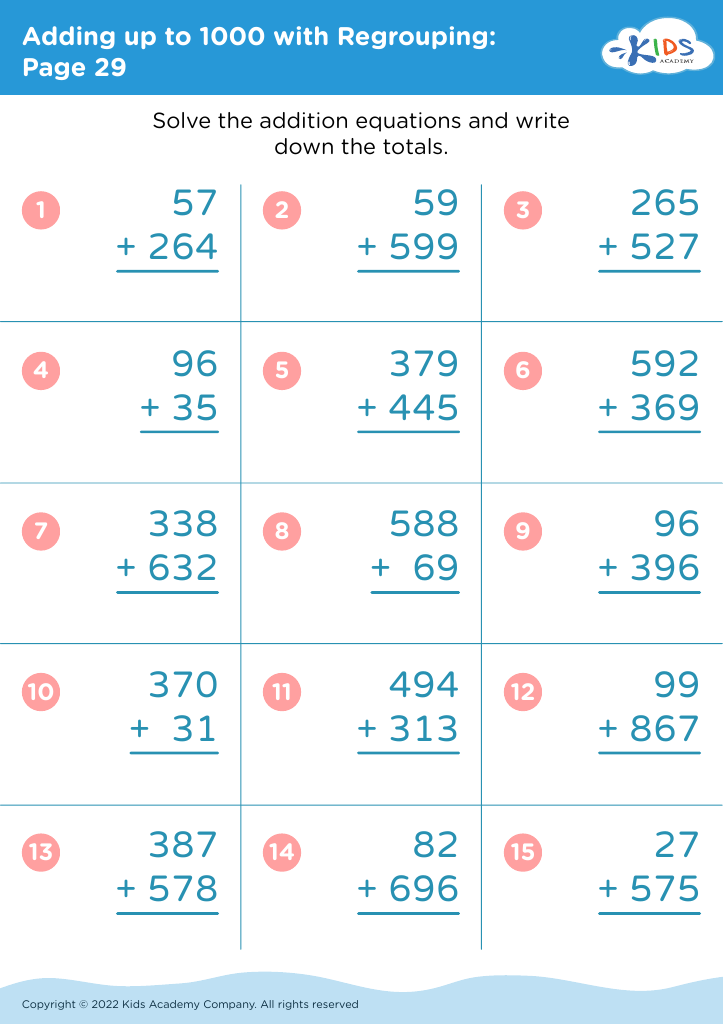
Adding up to 1000 with Regrouping: Page 29
Worksheet
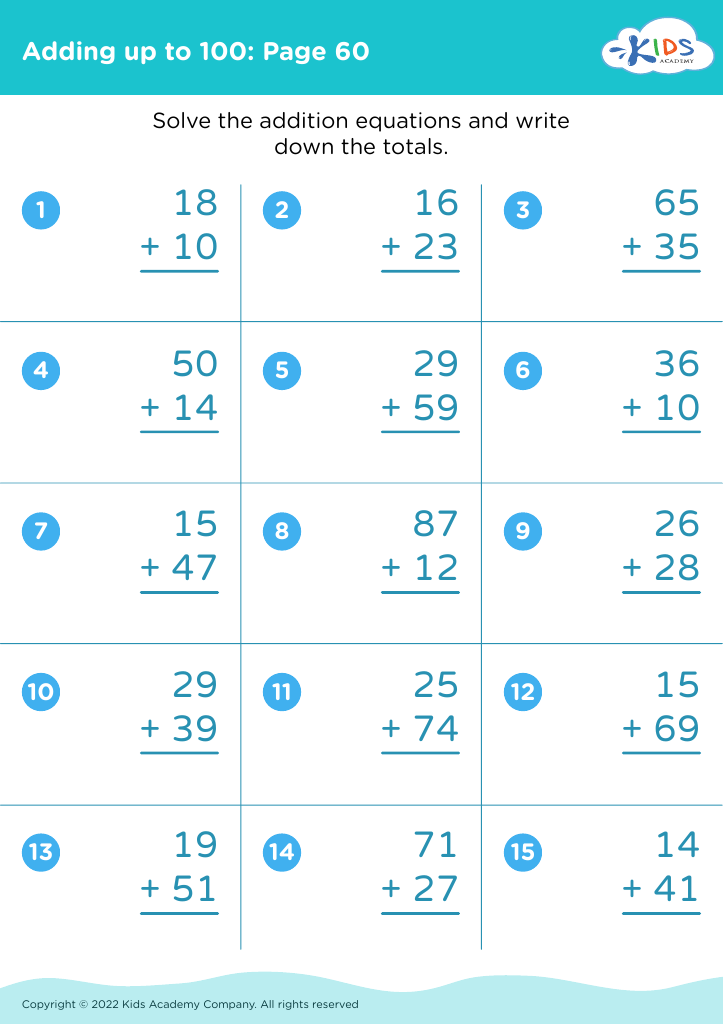
Adding up to 100: Page 60

Adding up to 100: Page 60

Adding up to 100: Page 60
Worksheet
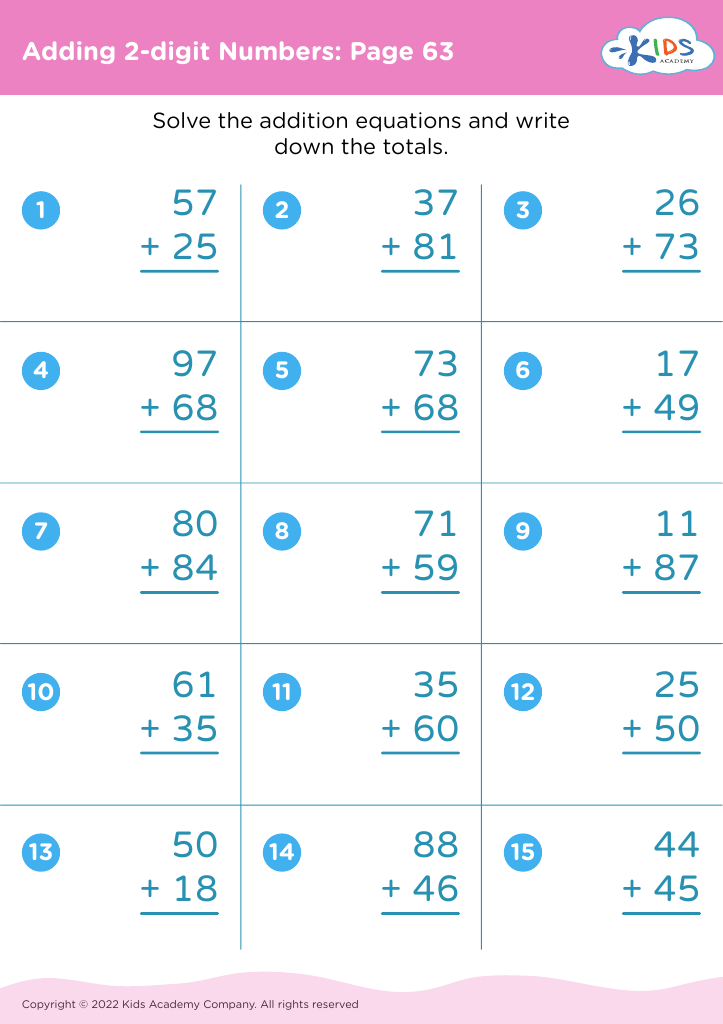
Adding 2-digit Numbers: Page 63

Adding 2-digit Numbers: Page 63

Adding 2-digit Numbers: Page 63
Worksheet
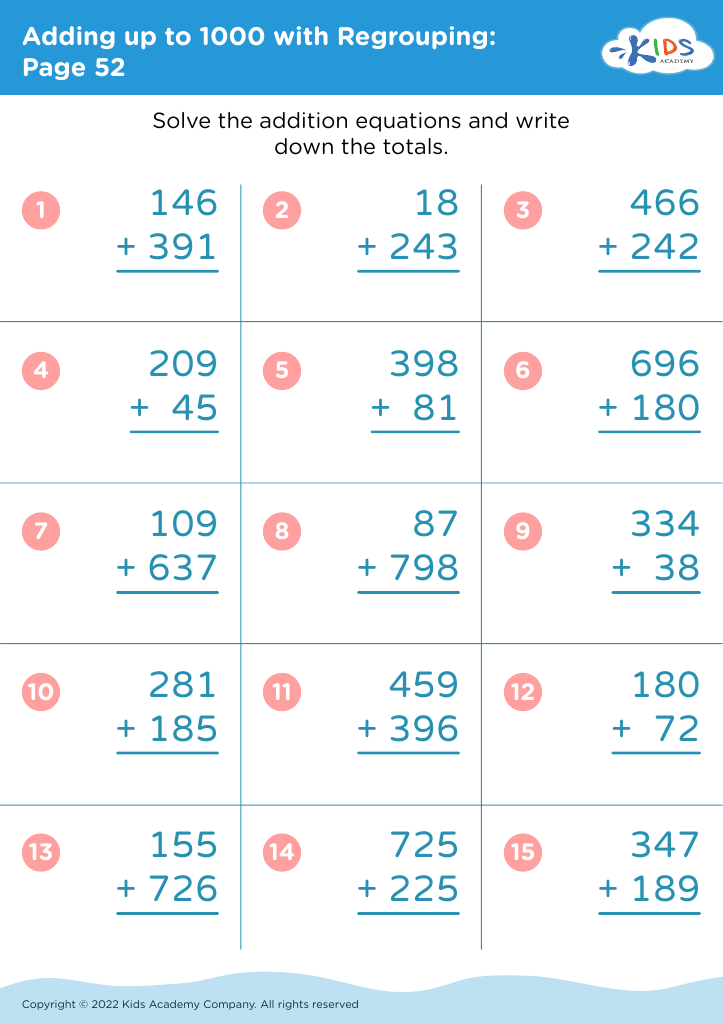
Adding up to 1000 with Regrouping: Page 52
Worksheet
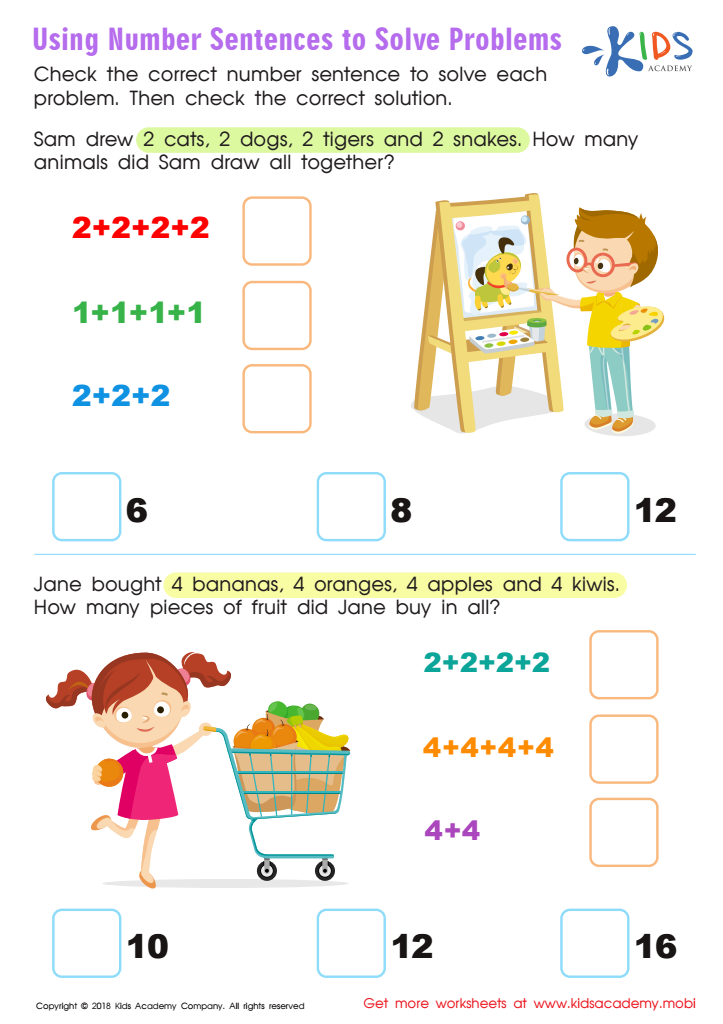
Using Number Sentences to Solve Problems Worksheet
Using Number Sentences to Solve Problems Worksheet

Solving math problems requires an efficient strategy. Picture representation can help young mathematicians with basic addition problems, especially when it involves repeated addends. As they gain confidence, they'll be able to apply their number sentence solving abilities to more complex equations.
Using Number Sentences to Solve Problems Worksheet
Worksheet
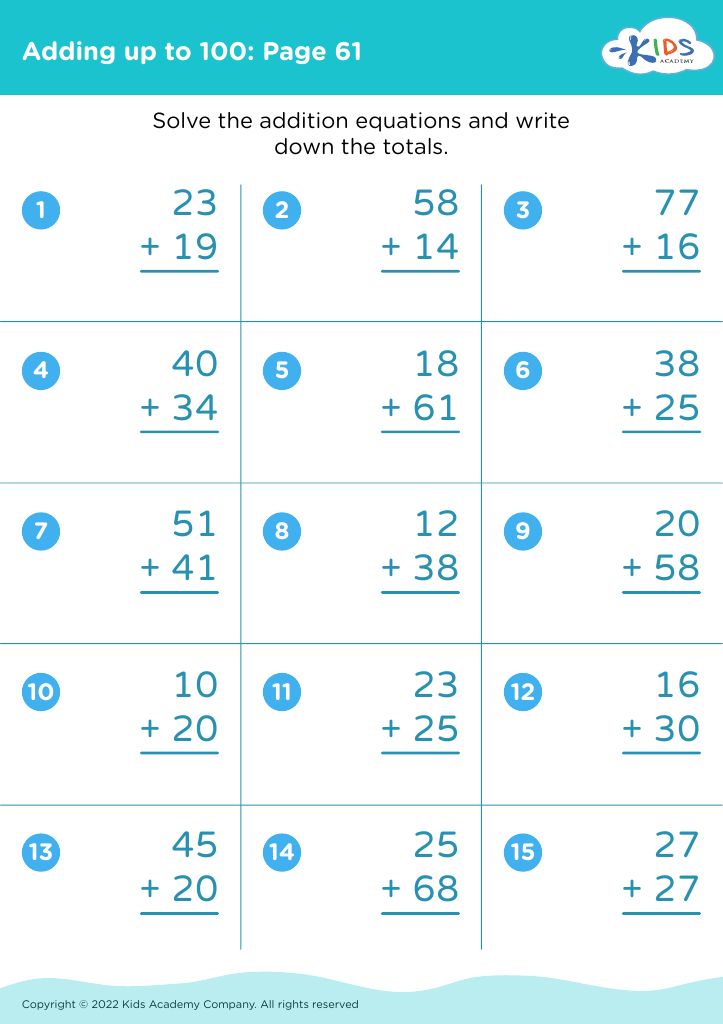
Adding up to 100: Page 61

Adding up to 100: Page 61

Adding up to 100: Page 61
Worksheet
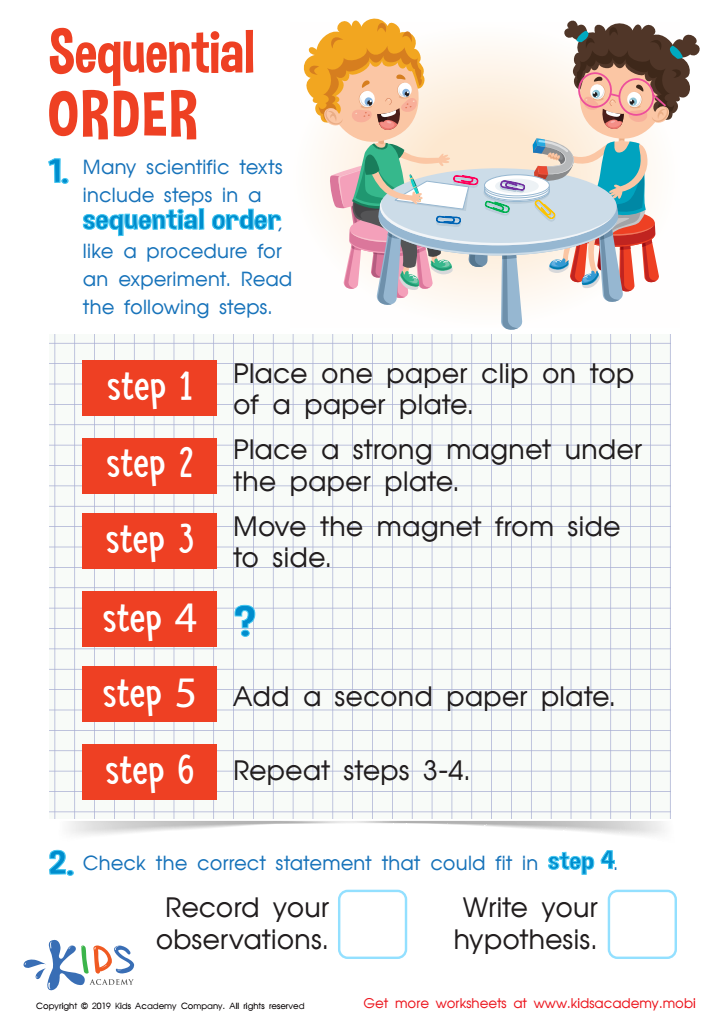
Sequencential Order Worksheet

Sequencential Order Worksheet

This worksheet is perfect for science-lovers: it'll test how good your child is at following instructions by asking them to complete the steps in the right order. Have them read the steps and then choose the statements that correctly fill in the blanks. It's more than just fun experiments and results - science also requires careful procedure.
Sequencential Order Worksheet
Worksheet
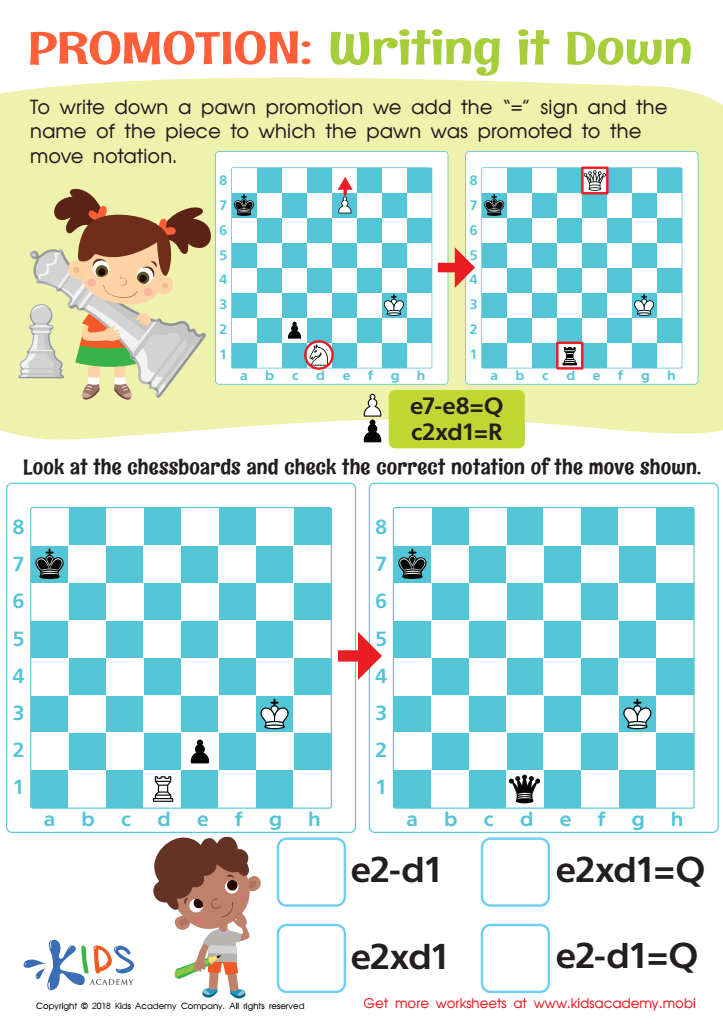
Writing it Down Worksheet
Writing it Down Worksheet
To document pawn promotion, add "=<piece name>" to the move notation. For example: e7-e8=Q. Ask your child to look at the chessboard and take note of the moves. Check the notations are correct. (80 words)
Writing it Down Worksheet

Worksheet
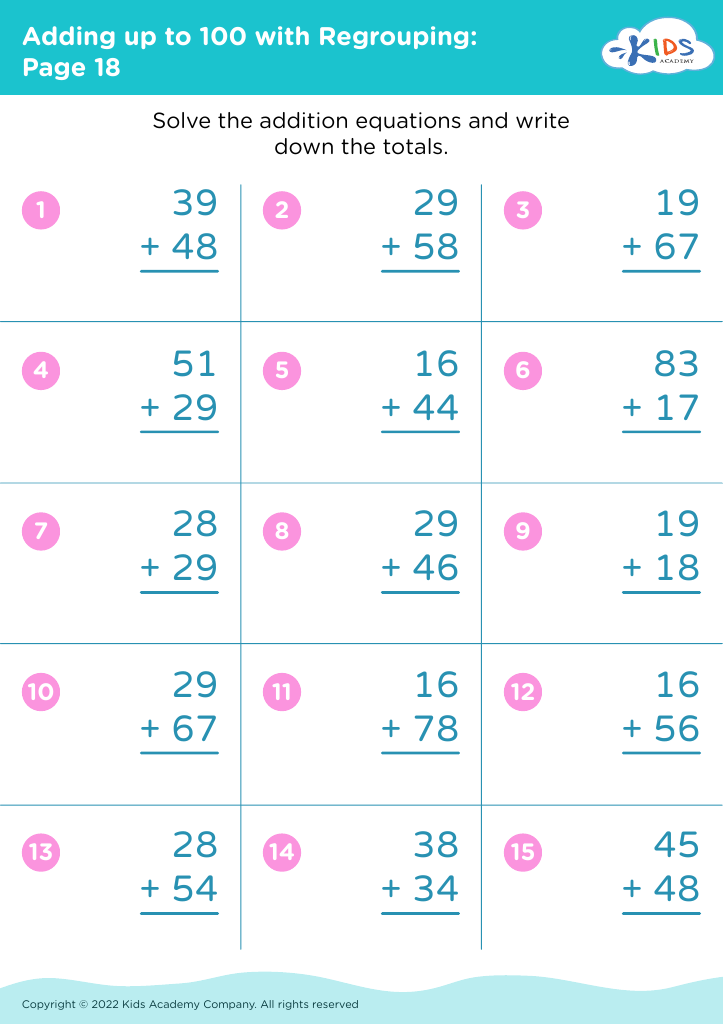
Adding up to 100 with Regrouping: Page 18
Worksheet
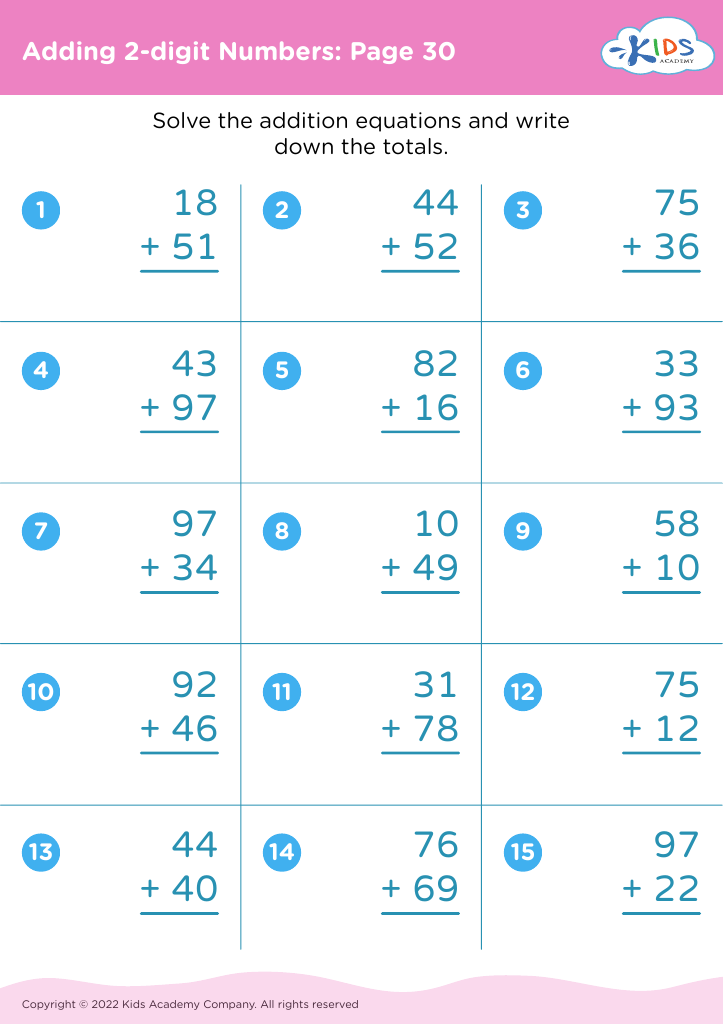
Adding 2-digit Numbers: Page 30

Adding 2-digit Numbers: Page 30

Adding 2-digit Numbers: Page 30
Worksheet
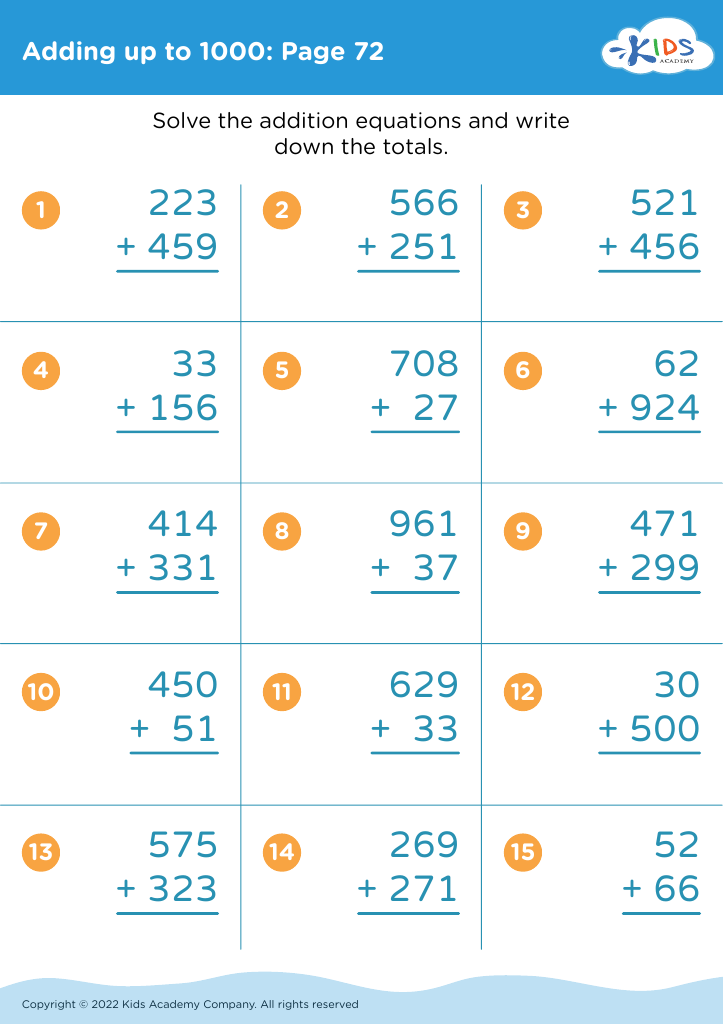
Adding up to 1000: Page 72

Adding up to 1000: Page 72

Adding up to 1000: Page 72
Worksheet
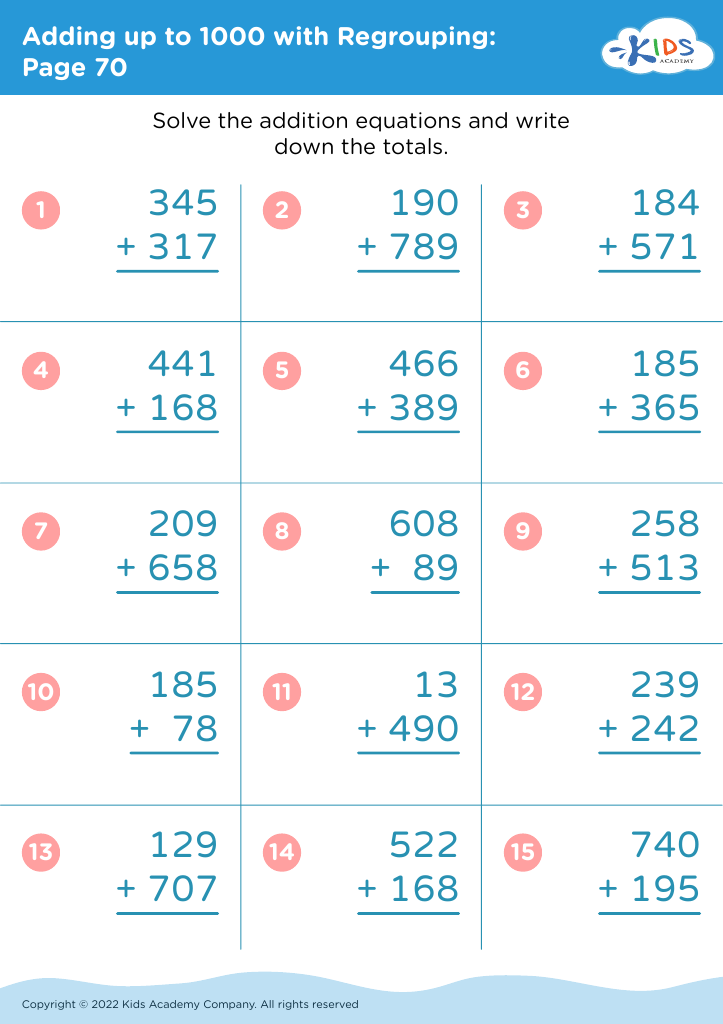
Adding up to 1000 with Regrouping: Page 70
Worksheet
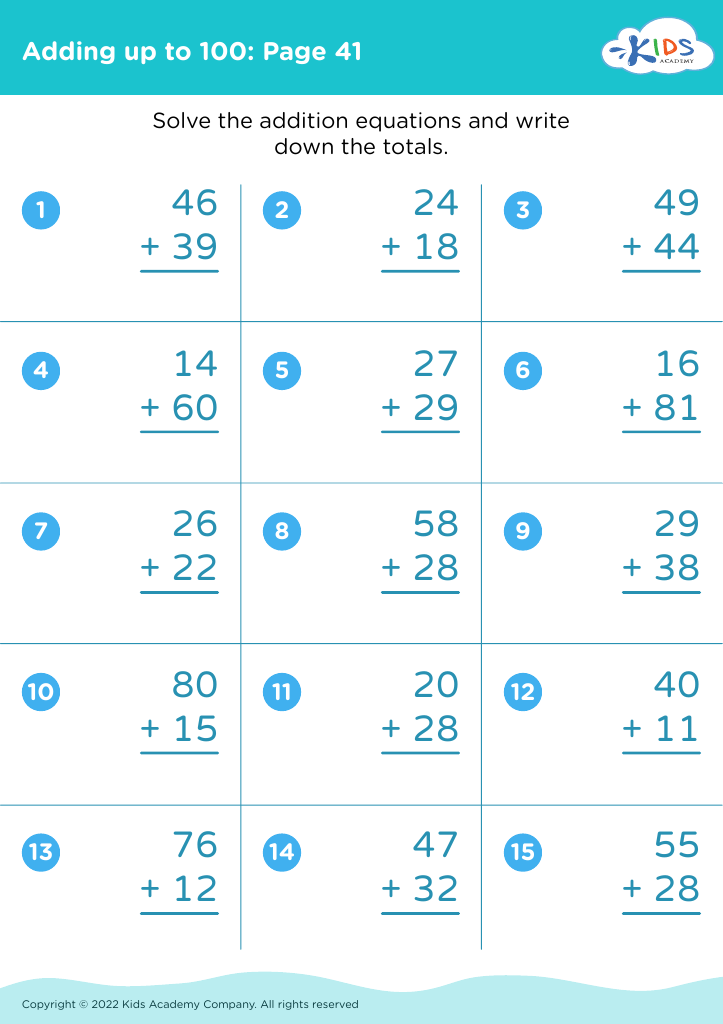
Adding up to 100: Page 41

Adding up to 100: Page 41

Adding up to 100: Page 41
Worksheet
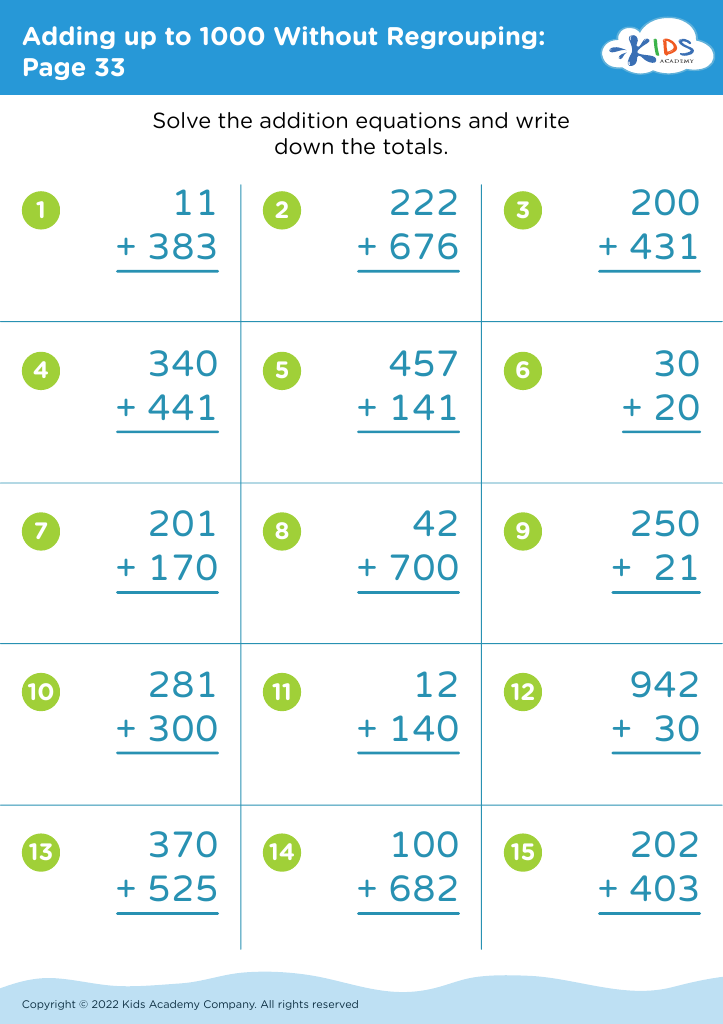
Adding up to 1000 Without Regrouping: Page 33
Worksheet


Understanding sequences is fundamental for 8-year-olds as it lays the groundwork for critical thinking and problem-solving skills. During this age, children begin to grasp the concept of patterns, which enhances their ability to organize information and make predictions based on observed trends. Recognizing sequences in mathematics—such as counting by twos, fives, or tens—is essential for developing computational fluency and understanding more complex math concepts in the future.

Furthermore, sequences extend beyond mathematics; they appear in language, music, and everyday life. For instance, recognizing the order of events in a story helps improve reading comprehension, while understanding sequences in music fosters creativity and analytical skills.

Teachers and parents play a crucial role in reinforcing these concepts. Engaging children with activities that involve sequencing—like sorting objects, storytelling, or even coding games—can make learning more interactive and enjoyable.

Caring about a child’s understanding of sequences not only aids in academic success but also fosters a curious and analytical mindset that benefits all areas of learning. As children build these foundational skills, they develop greater confidence, a love for learning, and the ability to connect different concepts, setting them up for future success.