Basic arithmetic skills Numbers Worksheets for 8-Year-Olds
5 filtered results
-
From - To
Unlock your child’s potential with our engaging Basic Arithmetic Skills Worksheets designed specifically for 8-year-olds! These printable resources focus on enhancing foundational math skills, including addition, subtraction, multiplication, and division. Each worksheet is crafted to make learning enjoyable, featuring colorful illustrations and fun exercises that encourage independent problem-solving. Perfect for use at home or in the classroom, these worksheets help your child develop confidence in their math abilities while reinforcing essential number concepts. Explore a wide range of activities tailored to your child's learning pace, making math both fun and educational. Get started on their arithmetic journey today!
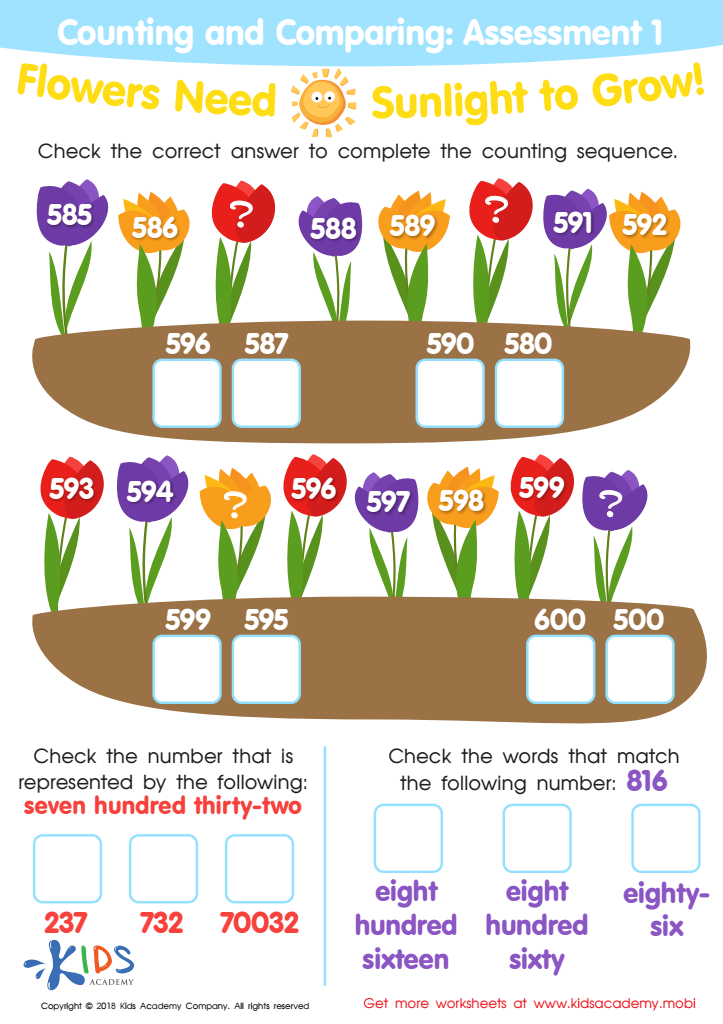
Counting and Comparing: Assessment 1 Worksheet
 Assign to My Students
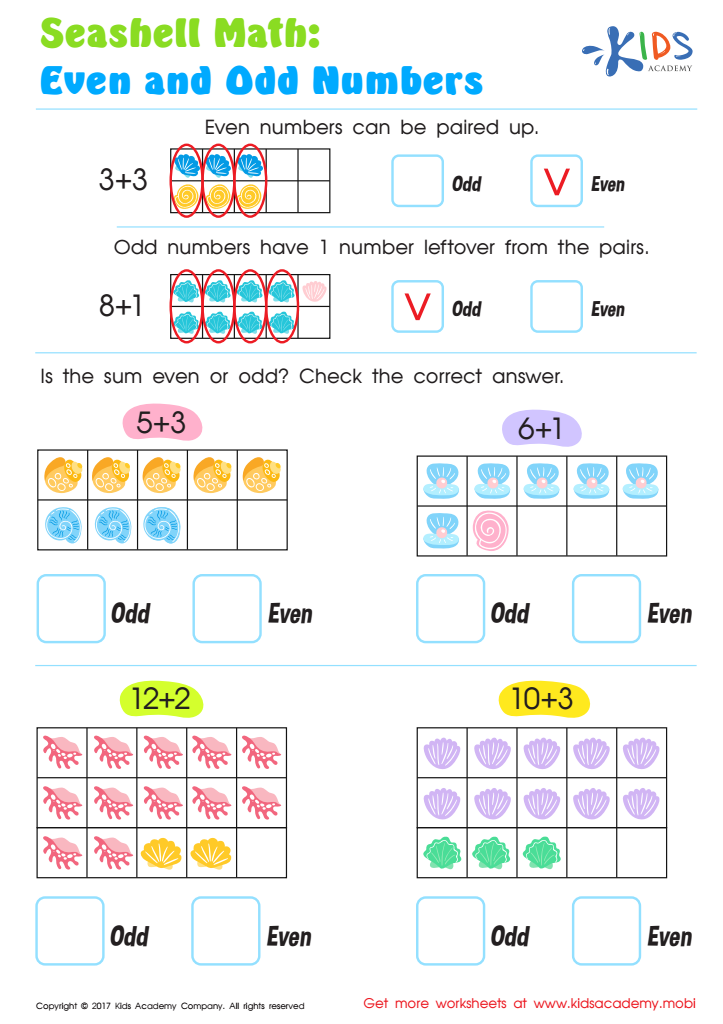
Even and Odd Numbers Worksheet
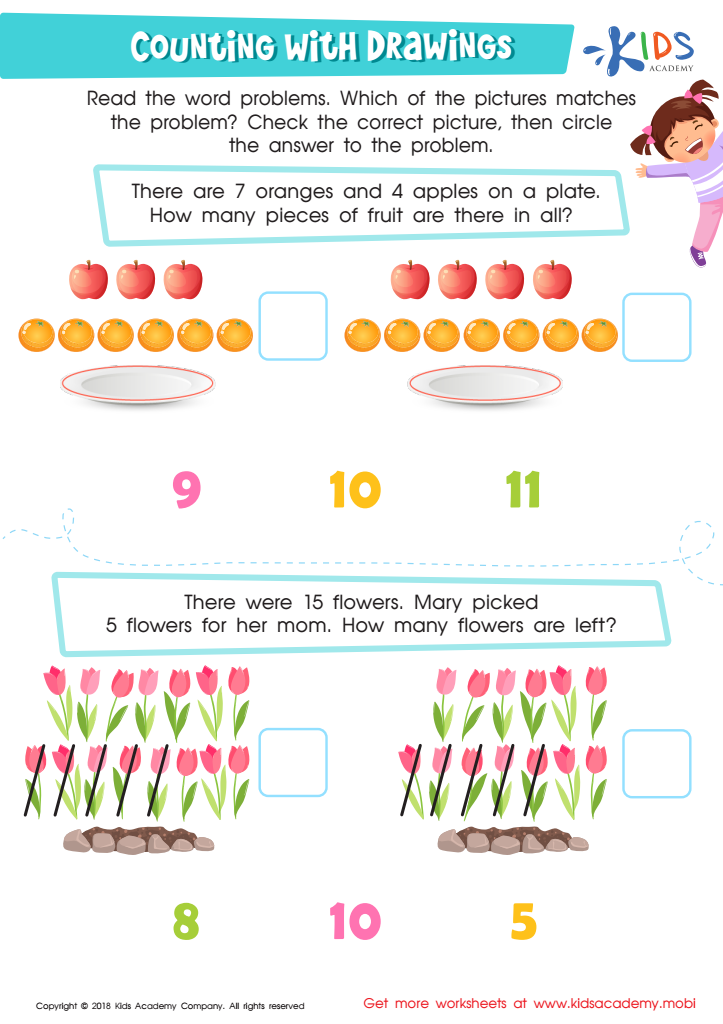
Counting with Drawings: Fruits & Chocolates Worksheet
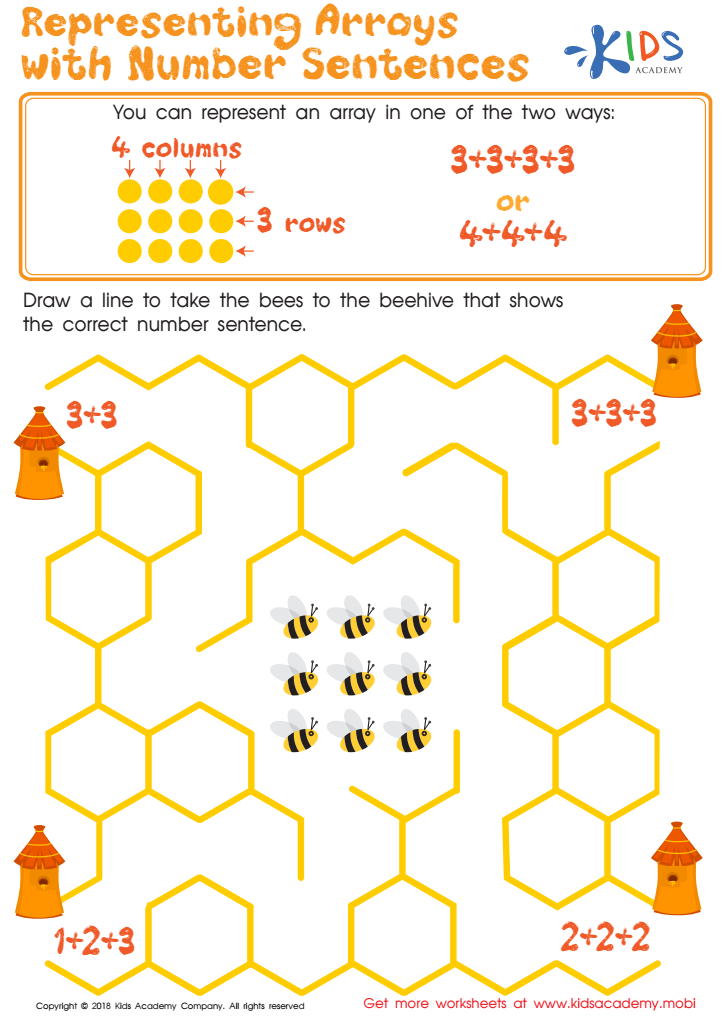
Representing Arrays with Number Sentences Worksheet
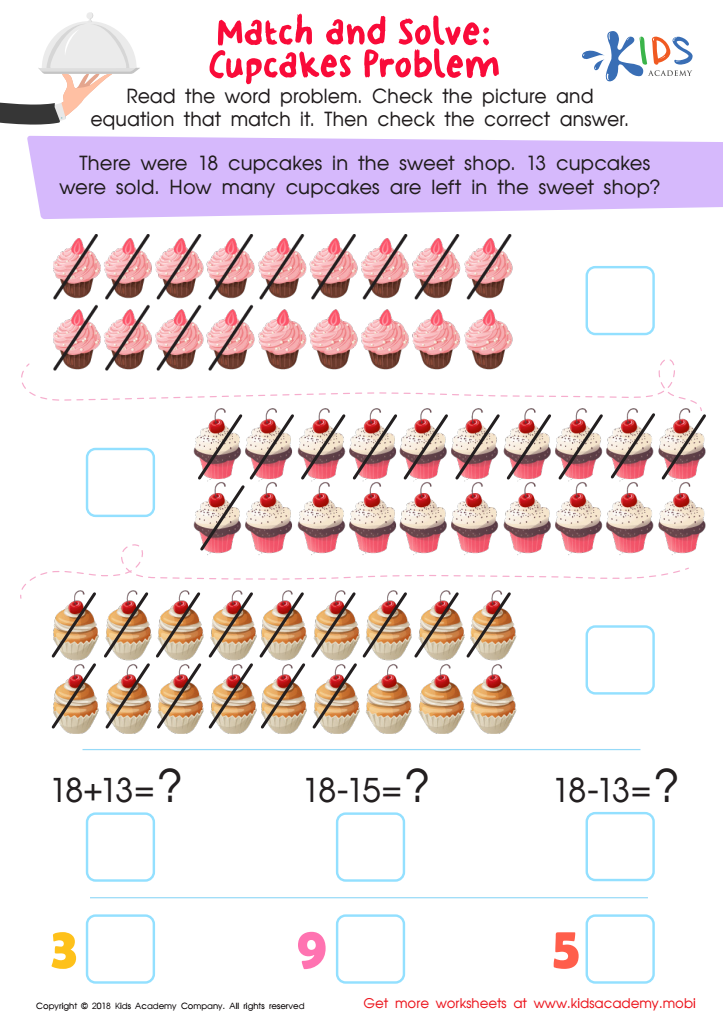
Match and Solve: Cupcakes Problem Worksheet








Basic arithmetic skills are fundamental for 8-year-olds as they form the foundation for all future mathematics learning. At this age, children typically transition from learning to count to applying numbers to solve problems. Proficiency in basic arithmetic—addition, subtraction, multiplication, and division—enhances their analytical abilities and fosters critical thinking.
By developing strong arithmetic skills, children gain confidence in their abilities, which can lead to improved performance in their academic journey. Furthermore, these skills are essential not only in mathematics but also in real-life scenarios, such as budgeting, cooking, or shopping. Mastery of arithmetic can lead to a greater comfort level with more advanced mathematical concepts later, ensuring they are prepared for secondary education.
Additionally, fostering these skills through engaging activities can strengthen the bond between parents, teachers, and children. Interactive games, practical applications, and supportive learning environments encourage children to explore numbers enthusiastically. Teachers can leverage this eagerness to further educate while parents can reinforce learning at home. Ultimately, when parents and teachers prioritize basic arithmetic skills, they empower children with tools for lifelong learning and problem-solving, equipping them to succeed in school and beyond.








