Recognizing numbers Math Worksheets for 8-Year-Olds
5 filtered results
-
From - To
Enhance your child's math skills with our engaging "Recognizing Numbers" worksheets designed specifically for 8-year-olds. These printable resources help young learners strengthen their number identification and comprehension abilities through a variety of fun activities. From colorful visuals to challenging exercises, children will enjoy learning while developing essential foundational skills to boost their confidence in mathematics. Our worksheets cater to diverse learning styles, ensuring every child can master number recognition at their own pace. Perfect for use at home or in the classroom, these resources provide valuable practice in recognizing numbers 1-100, paving the way for future math success. Explore the collection today!
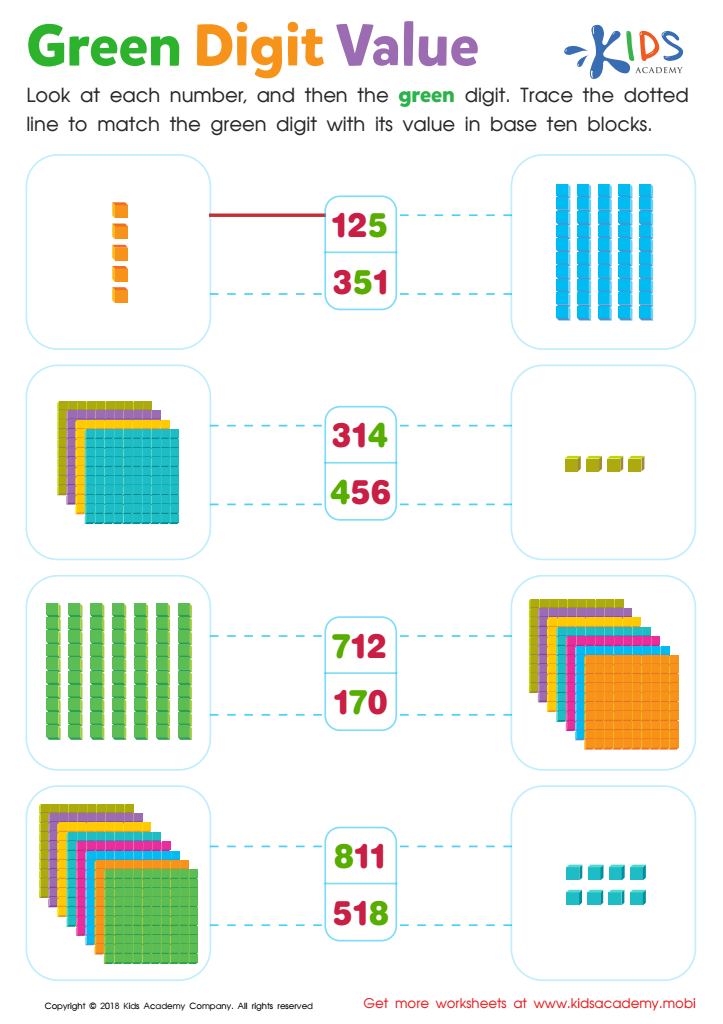
Green Digit Value Worksheet
 Assign to My Students
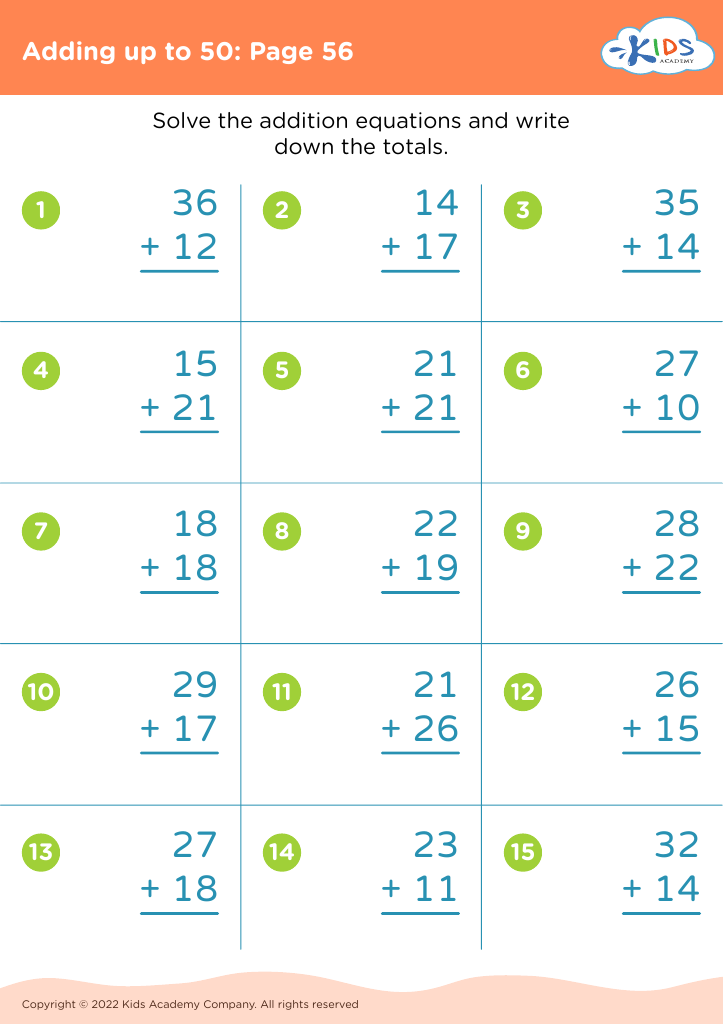
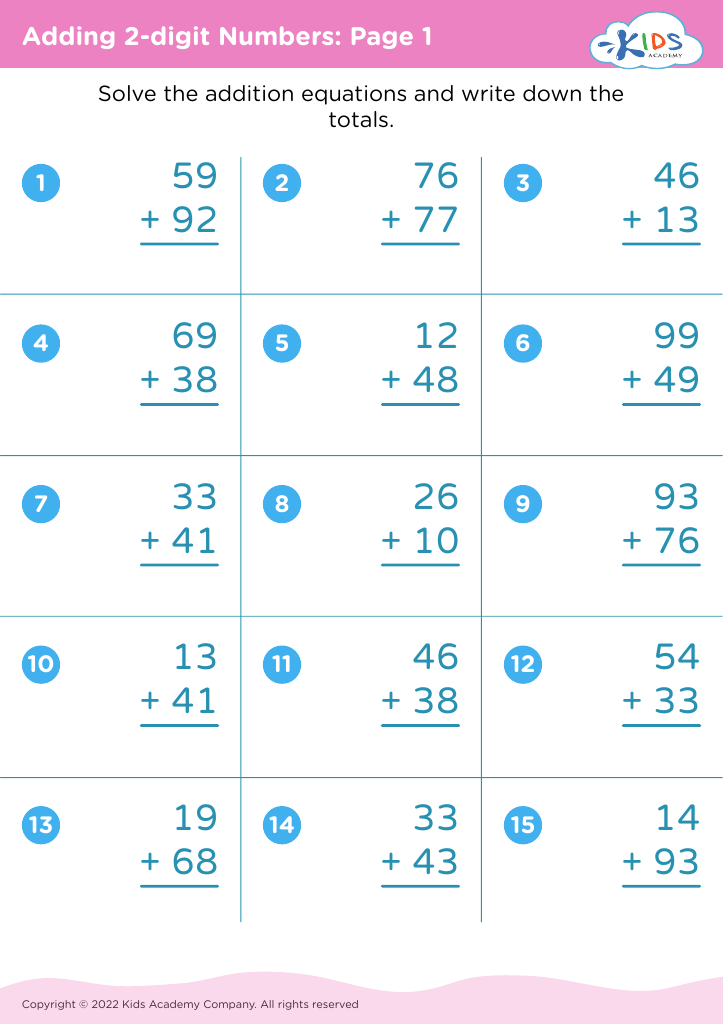
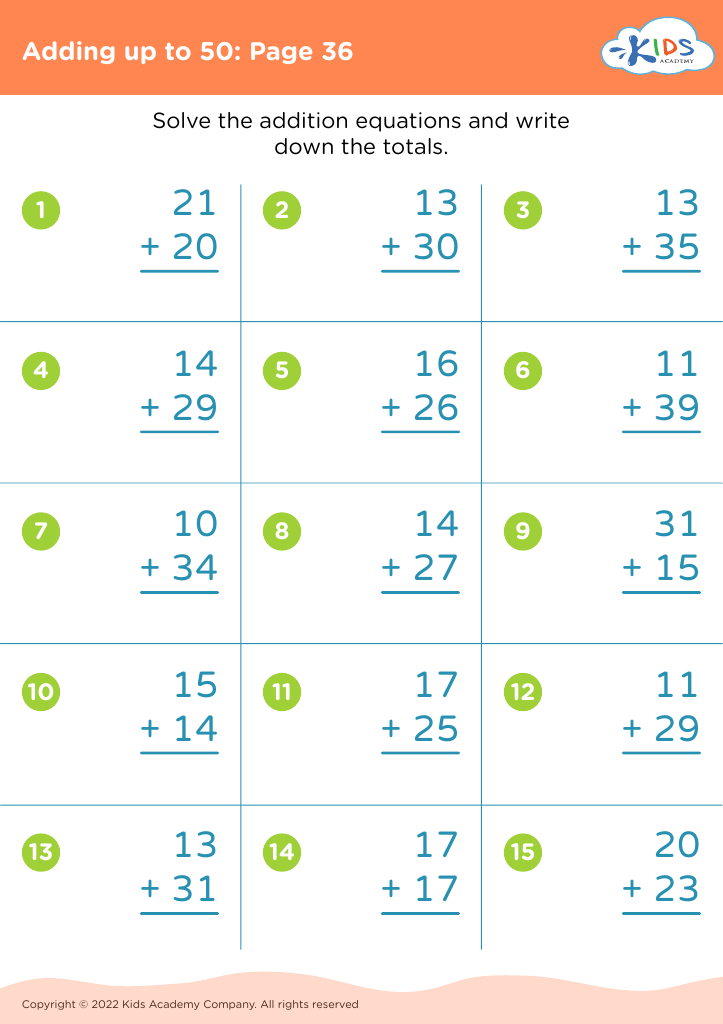
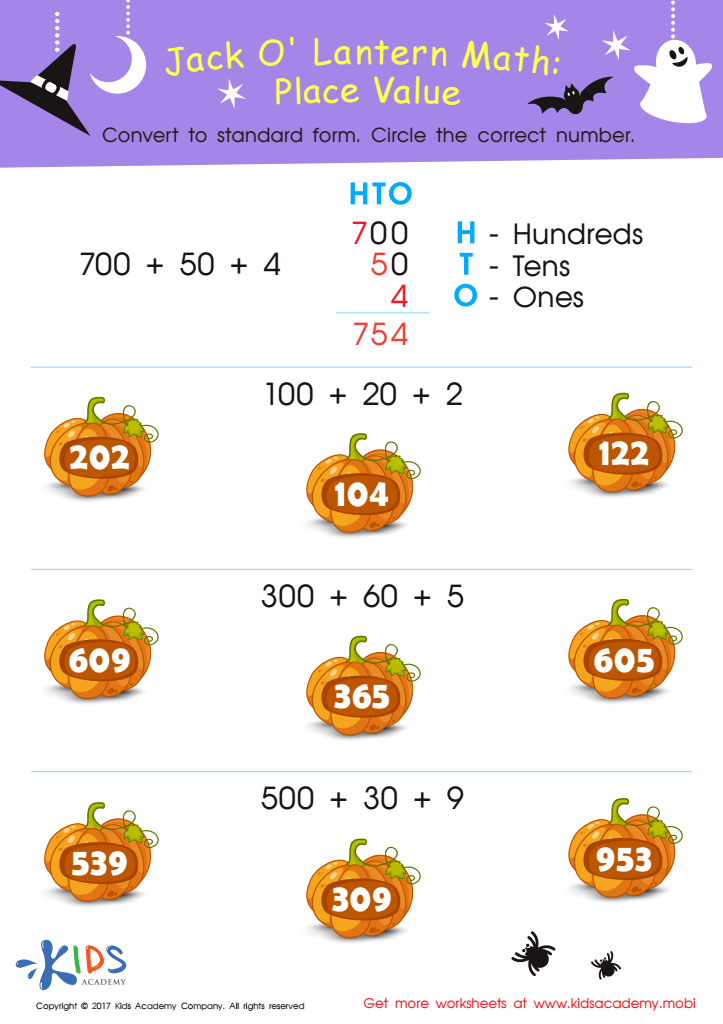
Free Place Value Worksheet







Recognizing numbers is a foundational skill that significantly impacts an 8-year-old's mathematical understanding and overall academic success. At this stage, children's cognitive abilities and concept of number sense are developing rapidly, making it essential for parents and teachers to prioritize recognition skills.
When children confidently recognize numbers, they are better equipped to engage with mathematical concepts such as addition, subtraction, and basic multiplication. This skill aids in real-life situations, such as telling time, shopping, or managing allowances, fostering independence and decision-making. Understanding numerical relationships and representations at this age also lays the groundwork for more complex topics in the future, including fractions, decimals, and geometry.
Moreover, encouraging number recognition fosters a positive attitude toward math. When children succeed at recognizing and working with numbers, their confidence grows, reducing math anxiety as they progress to higher grades. Active involvement by parents and teachers through games, visual aids, and practical activities helps strengthen these skills, reinforcing the value of cooperation in the learning process.
In summary, recognizing numbers helps children gain essential skills, boosts self-confidence, and builds the foundation for advanced mathematical understanding, making it crucial for both parents and educators to emphasize this skill.








