Shape Recognition Math Worksheets for 8-Year-Olds - Page 3
54 filtered results
-
From - To
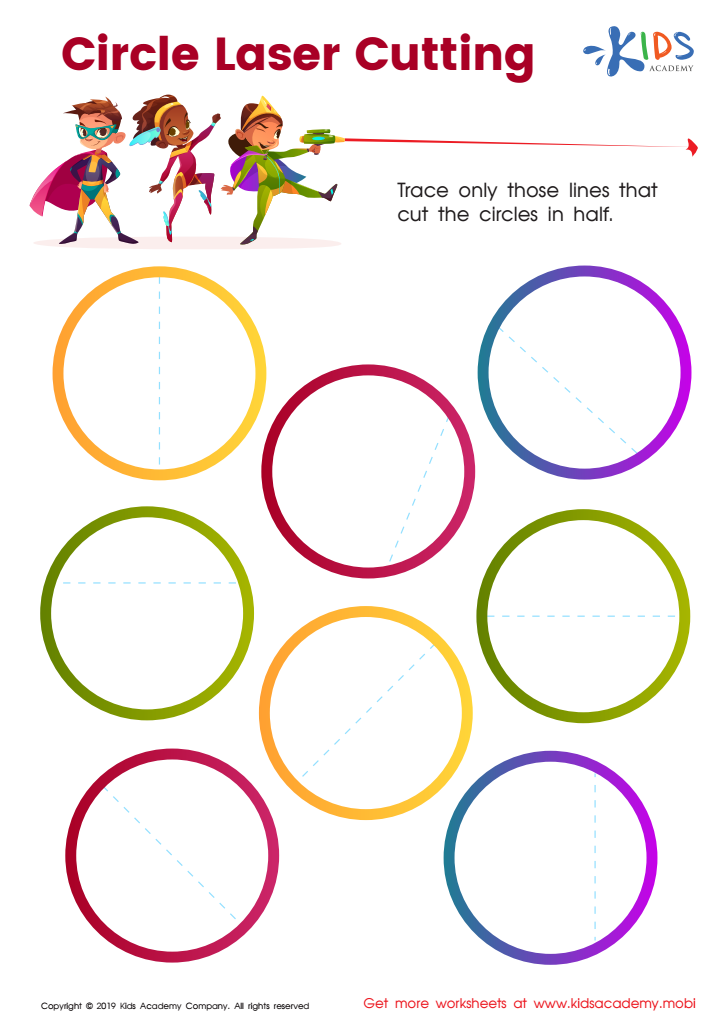
Circle Laser Cutting Worksheet
 Assign to My Students
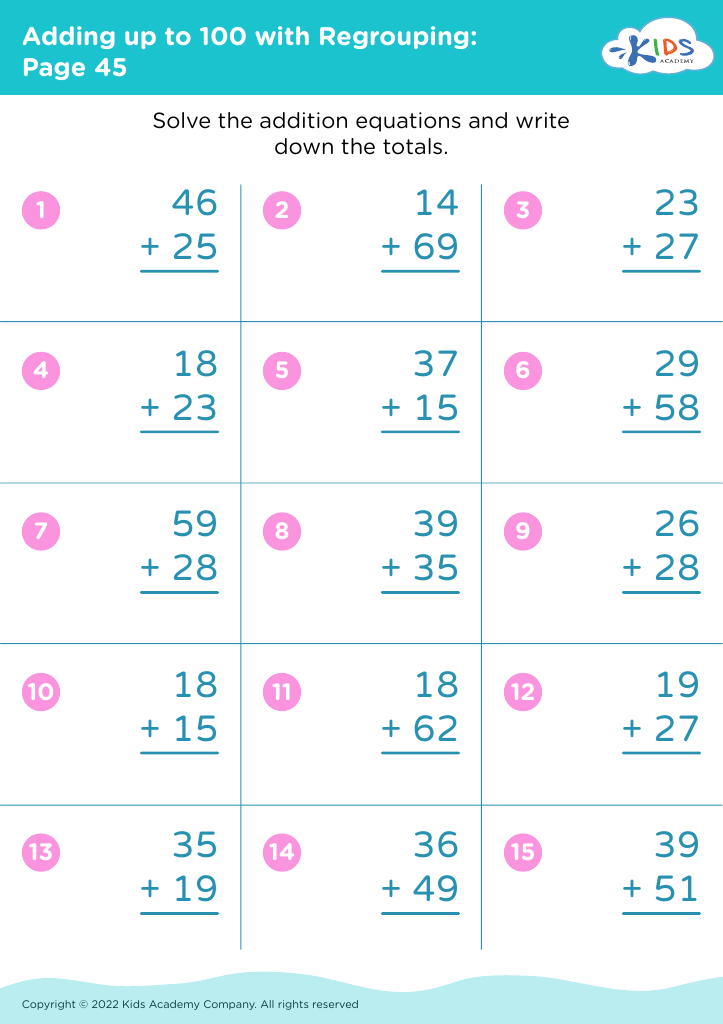
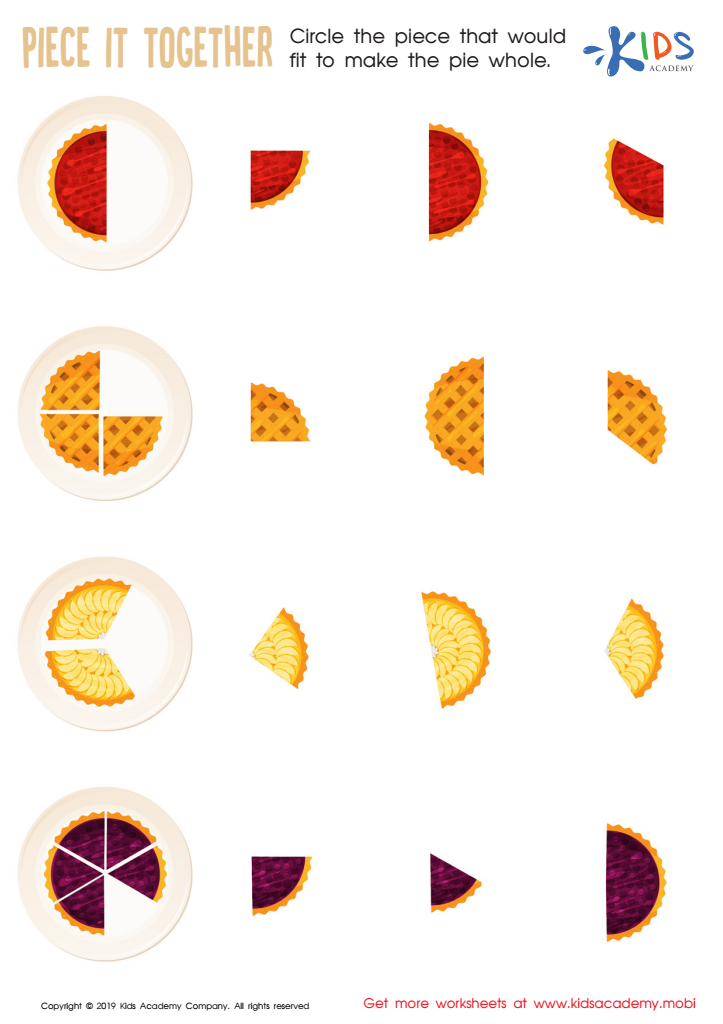
Piece it together Worksheet
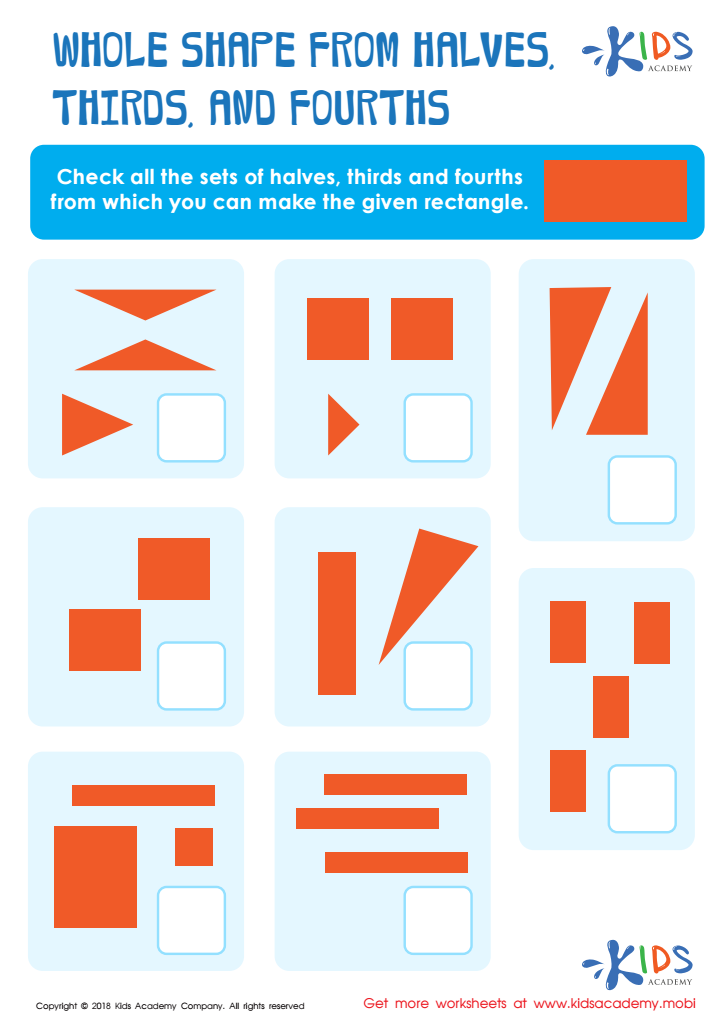
Whole Shape from Halves, Thirds and Fourths Worksheet








Shape recognition is foundational in a child’s mathematical education, especially around the age of 8. At this stage, children’s cognitive abilities are expanding rapidly, allowing them to grasp more complex concepts. Shape recognition helps develop critical spatial awareness skills, enabling children to comprehend and navigate the world around them. Understanding shapes is not just about identifying circles, squares, or triangles; it forms the basis for geometry, a key component of higher mathematics.
Moreover, shape recognition aids in pattern identification and logical reasoning. These skills go beyond the classroom, influencing everyday activities such as understanding maps, packing efficiently, or even playing sports. Recognizing shapes also enhances problem-solving abilities as children begin to understand how different shapes can fit together to form new structures.
For teachers and parents, incorporating shape recognition activities can make learning enjoyable and engaging. This can be achieved through fun drawing tasks, interactive games, or hands-on activities like building blocks. Encouraging children to discuss and play with shapes not only fortifies their academic foundation but also stimulates their creative and critical thinking skills.
Therefore, parents and teachers should prioritize shape recognition in early math education to build a robust foundation for future learning, foster spatial and logical reasoning, and integrate fun into the learning process.








