Sequencing Skills Reading Worksheets for 8-Year-Olds
3 filtered results
-
From - To
Enhance your 8-year-old's reading proficiency with our Sequencing Skills Reading Worksheets. These expertly designed resources help young readers understand the logical order of events in a story. By engaging in fun, educational activities, children will improve their comprehension and critical thinking skills. Our worksheets feature a wide range of exercises that challenge students to sequence pictures, sentences, and paragraphs accurately. Ideal for both home and classroom use, these printables support curriculum standards and are perfect for developing essential literacy skills. Equip your child with the tools they need for reading success with our Sequencing Skills Reading Worksheets.
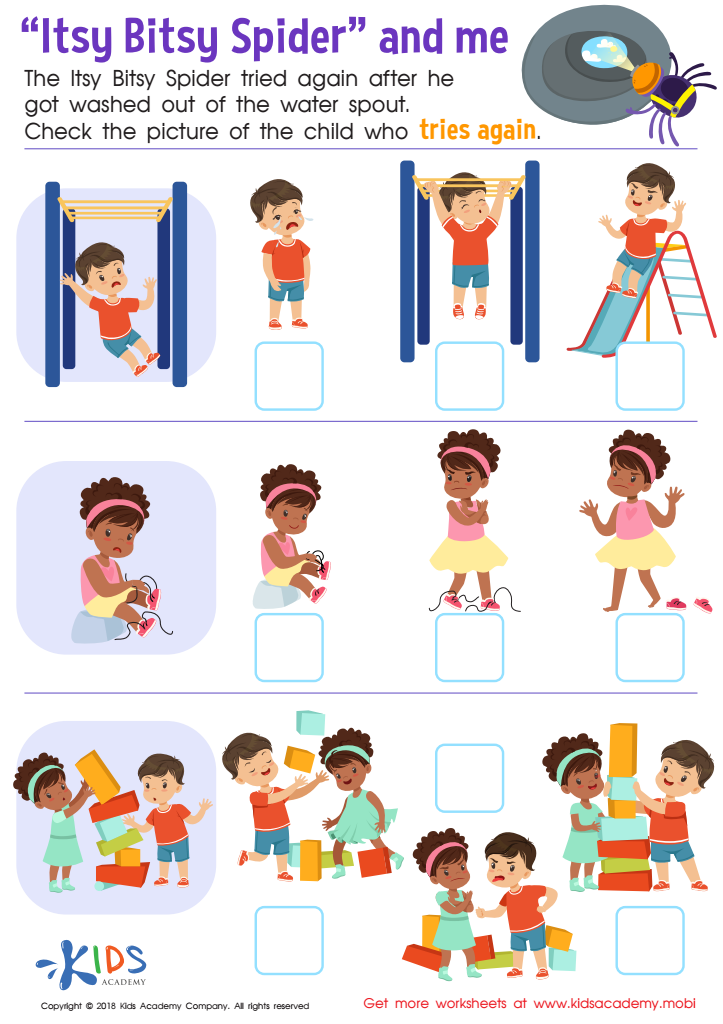
Itsy Bitsy Spider and Me Worksheet
 Assign to My Students
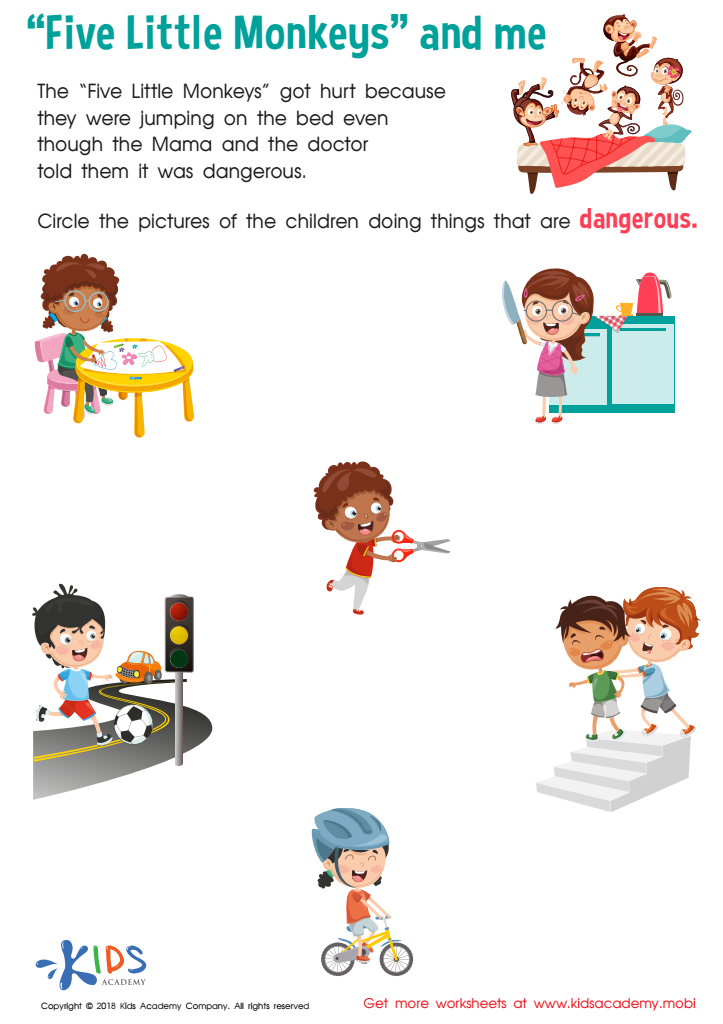
Five Little Monkeys and Me Worksheet








Sequencing skills in reading are crucial for 8-year-olds because they are fundamental to comprehension and overall literacy development. When children learn to sequence events correctly, they can better understand the logical order of stories, which enhances their grasp of cause and effect, relationships between events, and the progression of narratives. This understanding is not just important for reading but also for everyday functioning, problem-solving, and critical thinking skills.
Parents and teachers should prioritize sequencing because it directly impacts a child's ability to retell stories, summarize content, and make predictions, all of which are essential academic skills. Mastery of sequencing helps children answer questions about what happened first, next, and last, improving their ability to interact with texts and engage in meaningful discussions. This skill also underpins more complex analytical abilities like comparing and contrasting events or understanding plot development.
Furthermore, effective teaching of sequencing skills supports children in organizing their thoughts and writing coherently, thus enhancing their overall communication abilities. For parents, supporting sequencing through regular reading and discussion at home provides a solid foundation that complements school learning. By fostering robust sequencing skills in 8-year-olds, teachers and parents lay the groundwork for academic success, critical thinking, and lifelong learning.








