Understanding context Reading Worksheets for 8-Year-Olds
4 filtered results
-
From - To
Boost your child's reading comprehension with our "Understanding Context Reading Worksheets for 8-Year-Olds." These engaging worksheets are designed to help young readers develop critical context clues skills, enhancing their ability to make sense of texts and words within real-life situations. Our expertly crafted activities align with educational standards, ensuring your 8-year-old grasps the nuances of language, vocabulary, and narrative elements. With a variety of fun and challenging exercises, kids will enjoy learning to interpret and infer meaning, making reading more enjoyable and effective. Elevate your child's reading abilities and confidence with our essential context understanding practice.
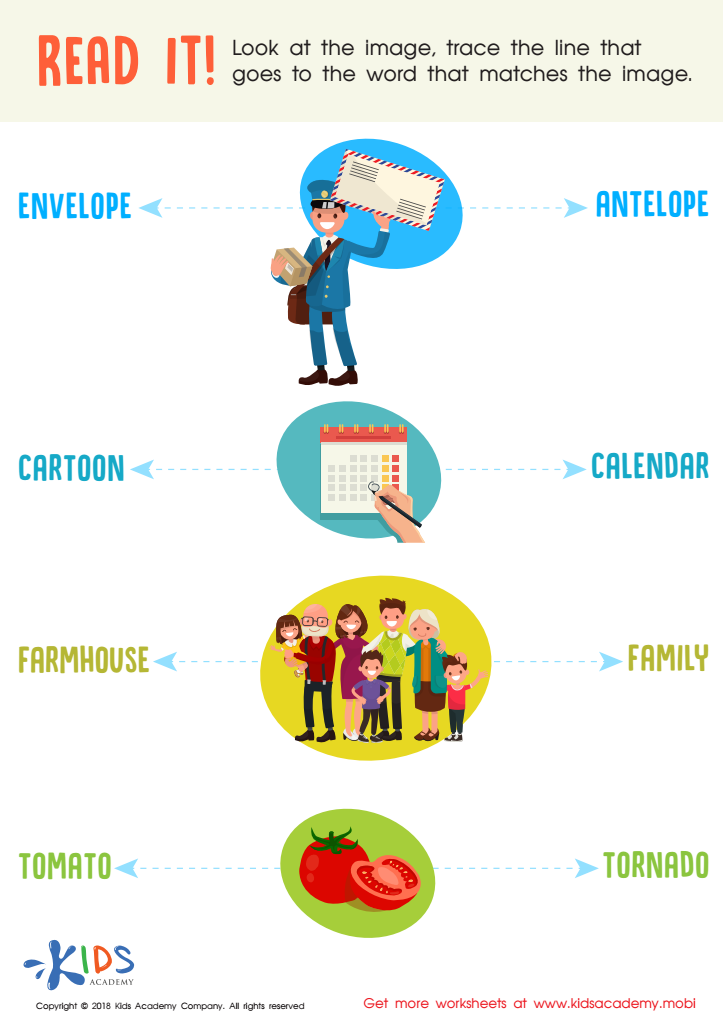
Read It! Worksheet
 Assign to My Students
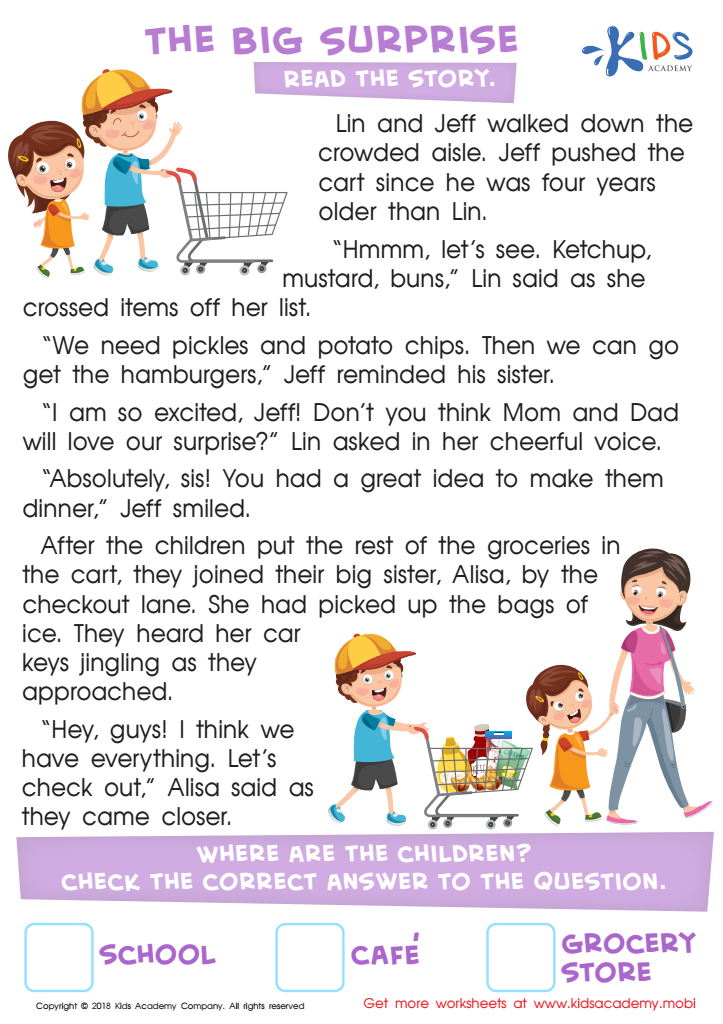
The Big Surprise Worksheet
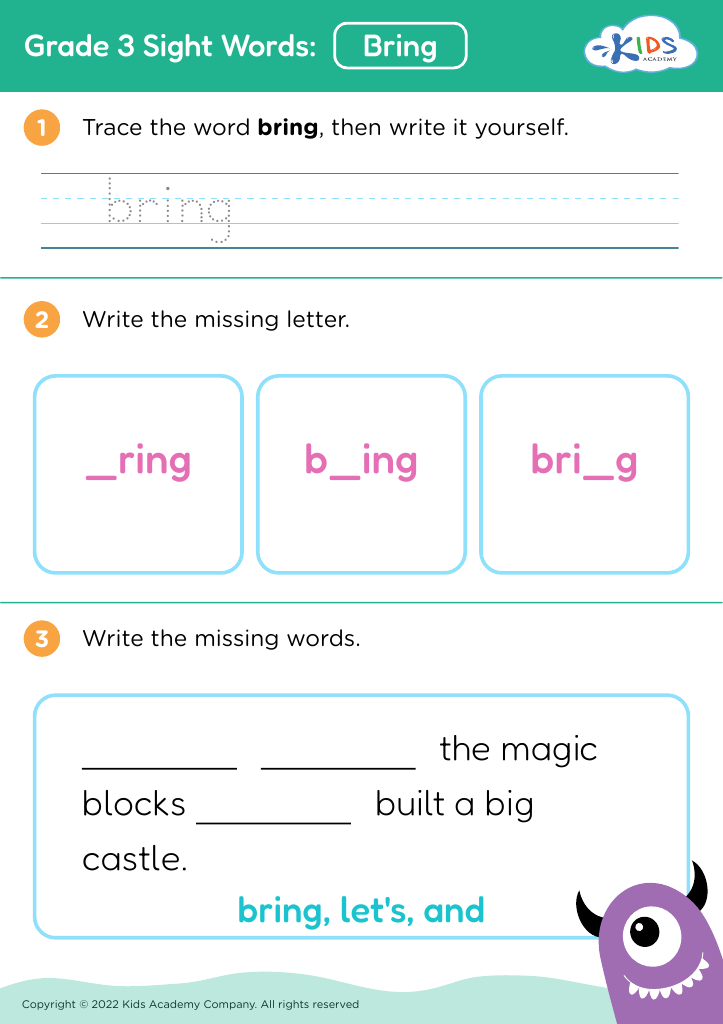
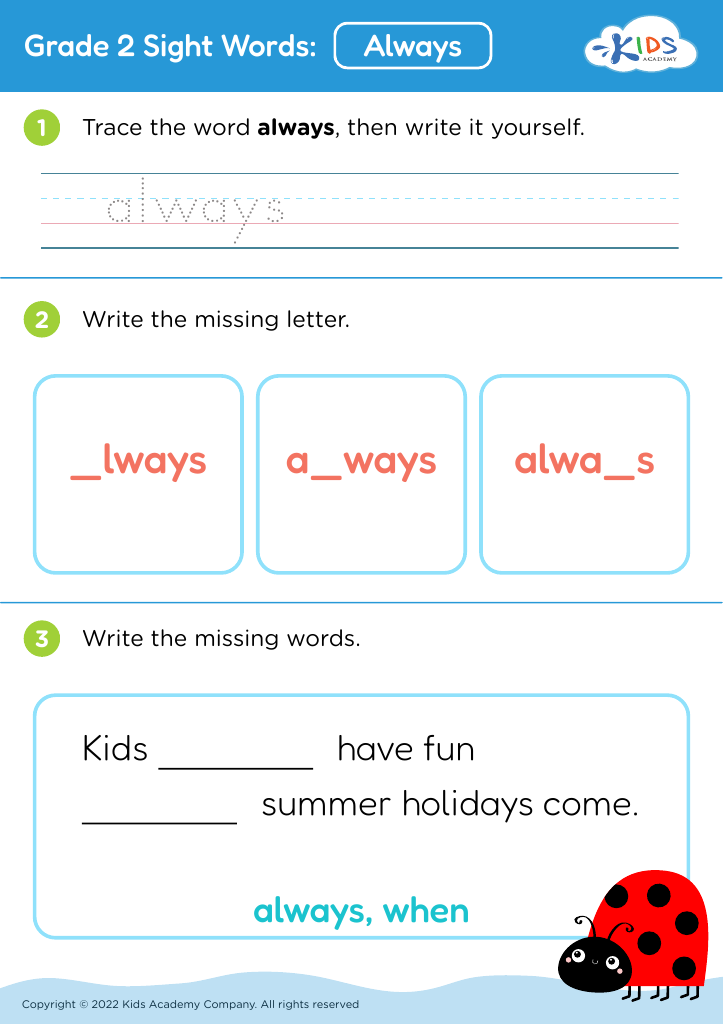







Understanding the context when reading is crucial for 8-year-olds as it forms the foundation for deeper comprehension skills. At this age, children are transitioning from learning to read to reading to learn. Comprehending the context in which words, sentences, and stories are presented helps them not only grasp the literal meaning but also infer the underlying ideas, emotions, and motivations of characters. This skill is essential for overall academic success across subjects, as it allows students to connect what they read to their own knowledge and experiences.
Parents and teachers should recognize that understanding context enables students to become critical and thoughtful readers. When children appreciate the setting, plot, and nuances of a story, they can make predictions, draw conclusions, and better understand cause-and-effect relationships. These skills boost cognitive development, enhance vocabulary, and improve language skills.
Moreover, contextual reading enhances children's empathy and social-emotional intelligence. By understanding diverse perspectives and experiences, students develop a deeper appreciation for different cultures and viewpoints. This awareness can foster inclusivity and compassion in their interactions with others.
Investing in strategies to help 8-year-olds master contextual reading, such as discussing story elements, exploring character motivations, and relating content to real life, can set the stage for lifelong learning and personal growth.








