Critical Thinking Reading Fiction Worksheets for 8-Year-Olds
14 filtered results
-
From - To
Enhance your 8-year-old’s reading comprehension with our Critical Thinking Reading Fiction Worksheets. Designed to engage young minds, these worksheets help develop analytical skills as children explore captivating stories. Each activity encourages them to think deeper about characters, plot, and themes, fostering an appreciation for literature while improving critical thinking abilities. With thought-provoking questions and creative exercises, kids learn to make connections, infer meaning, and express their opinions effectively. Perfect for classroom use or at-home learning, our worksheets are an excellent resource for nurturing confident, reflective readers ready to tackle complex ideas in their literary adventures. Let the journey of discovery begin!
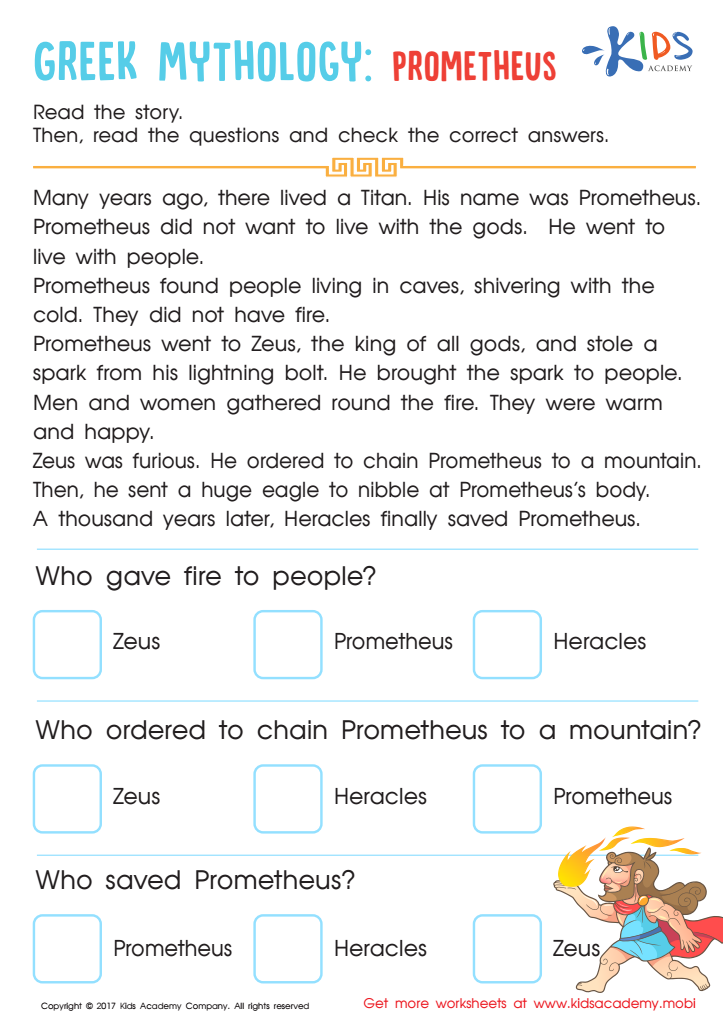
Prometheus Story Worksheet
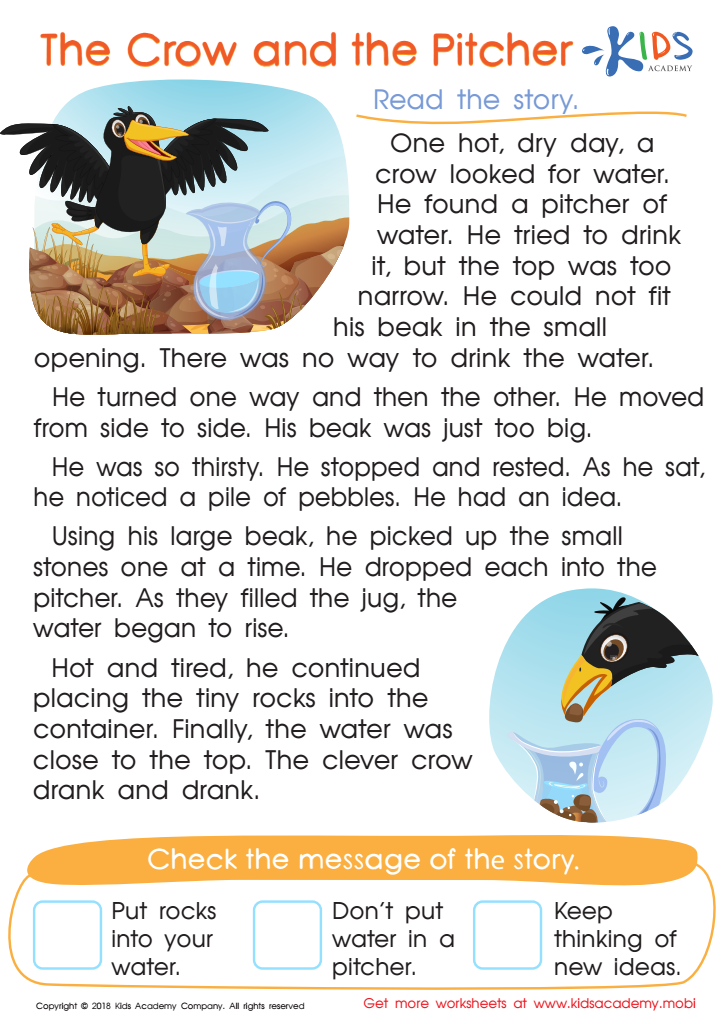
The Crow and the Pitcher Worksheet
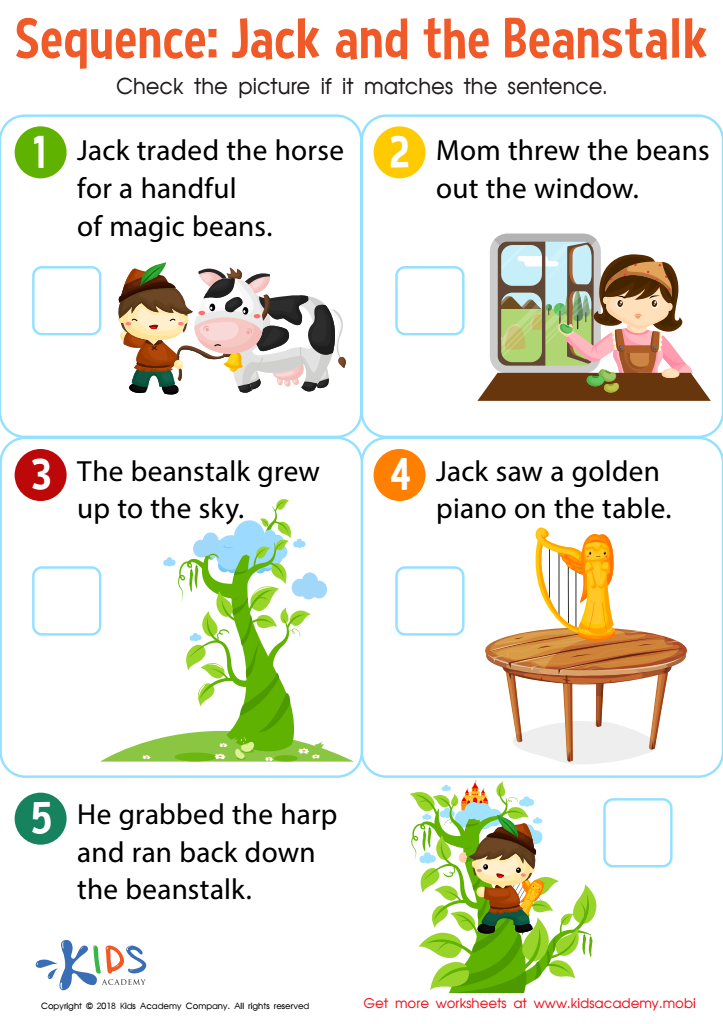
Sequence: Jack and The Beanstalk Worksheet
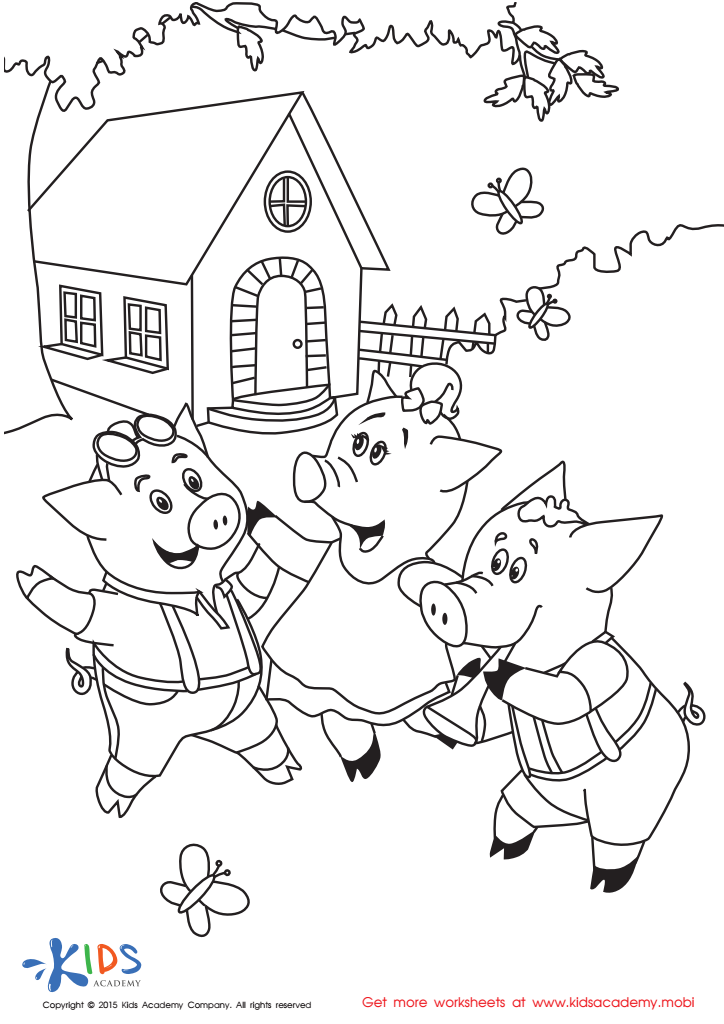
Folktales Printable PDF Worksheet: The 3 Little Pigs
 Assign to My Students
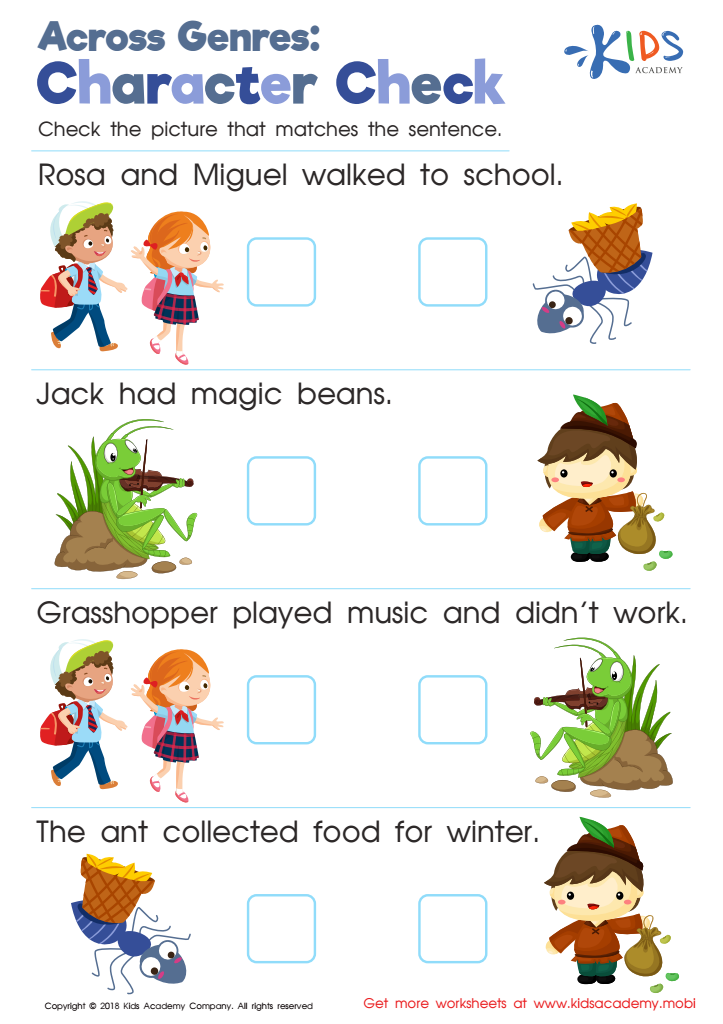
Across Genres: Character Check Worksheet
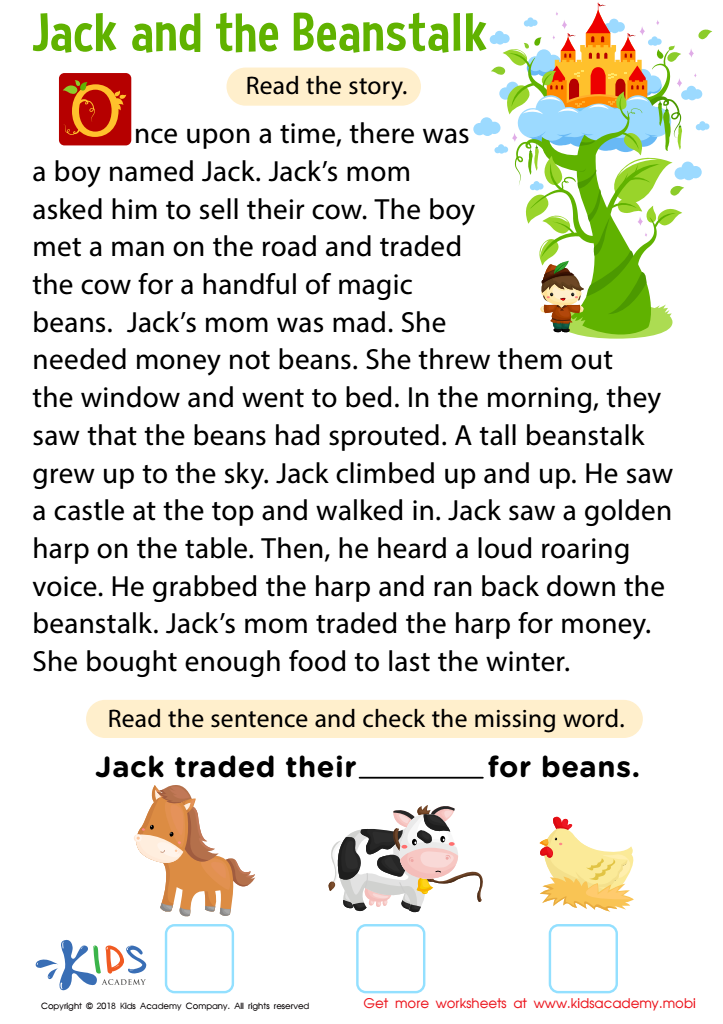
Jack and Beanstalk Worksheet
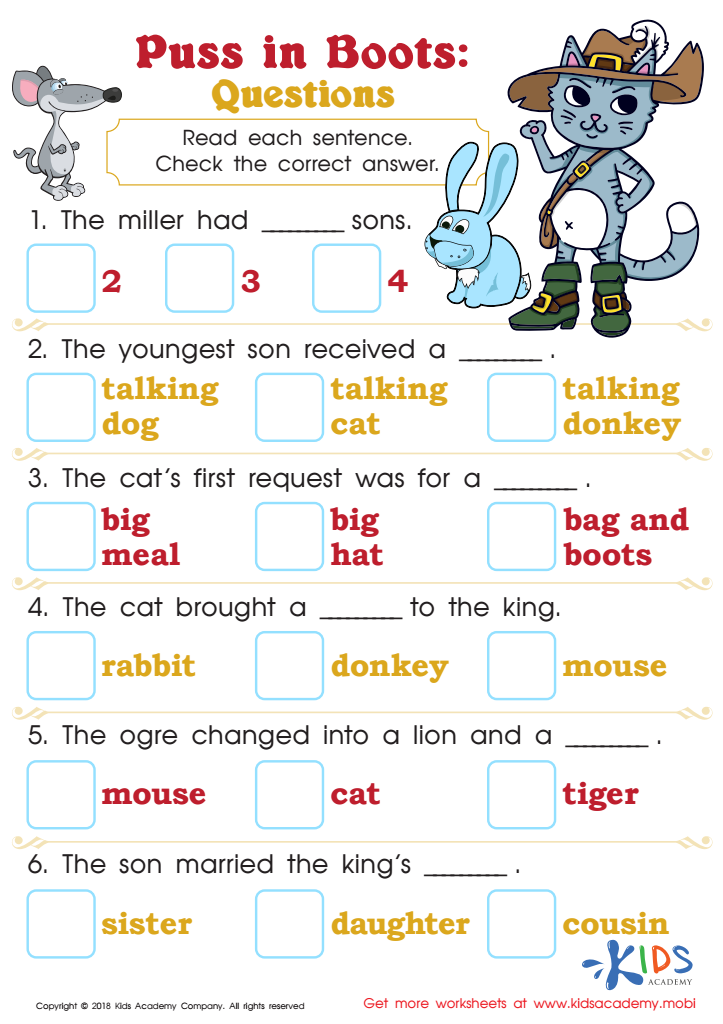
Puss in Boots: Questions Worksheet
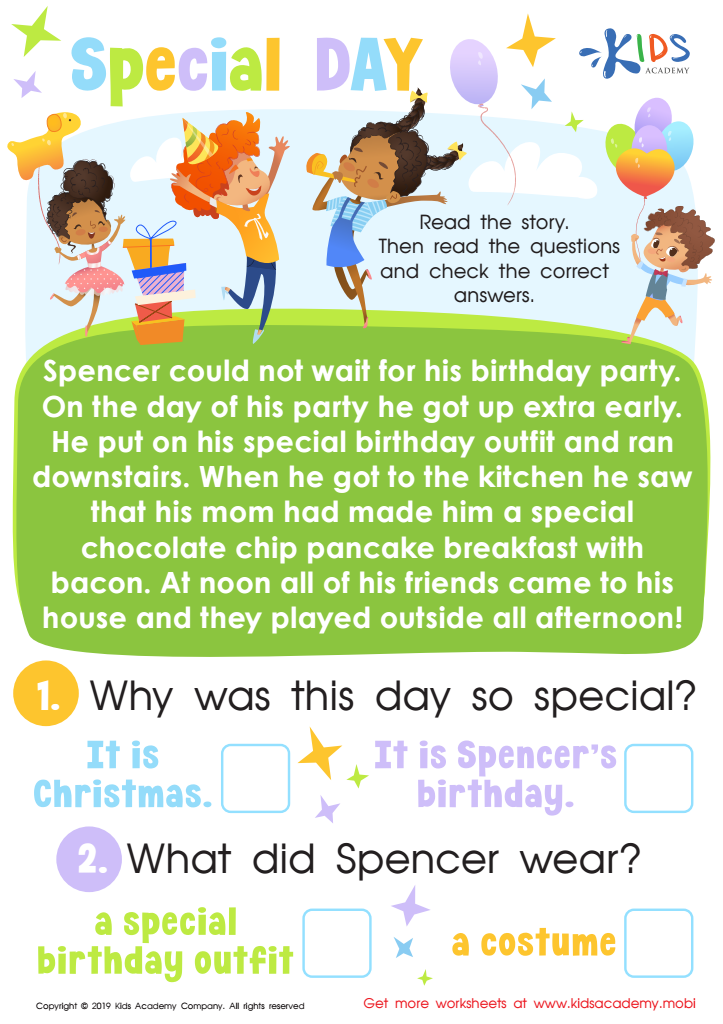
Special Day Worksheet
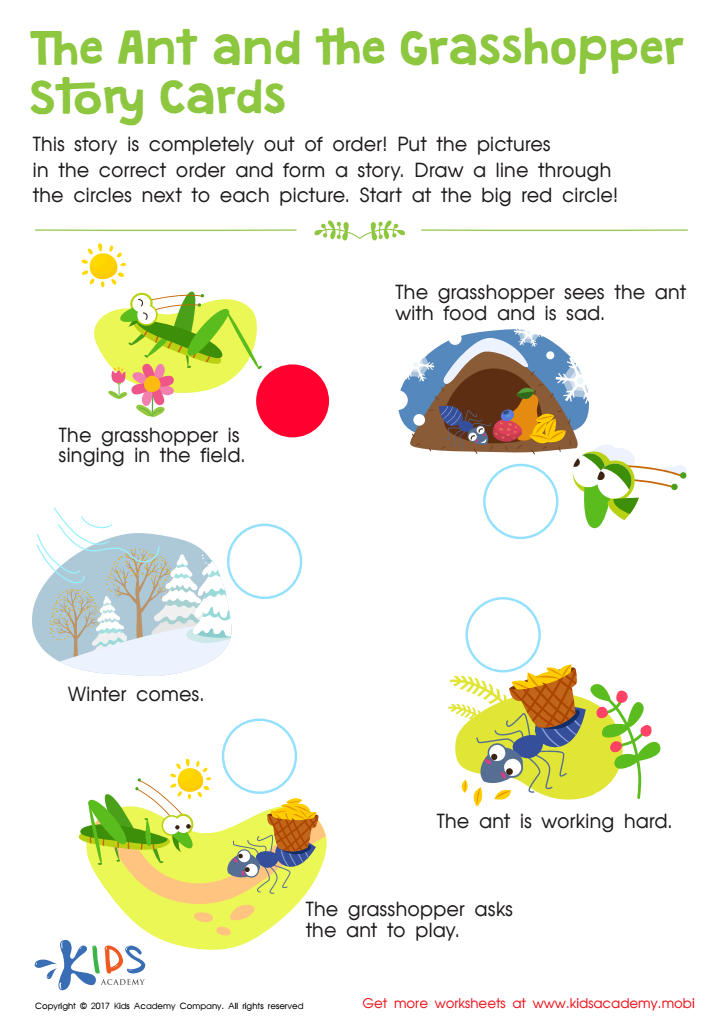
The Ant and The Grasshopper Worksheet
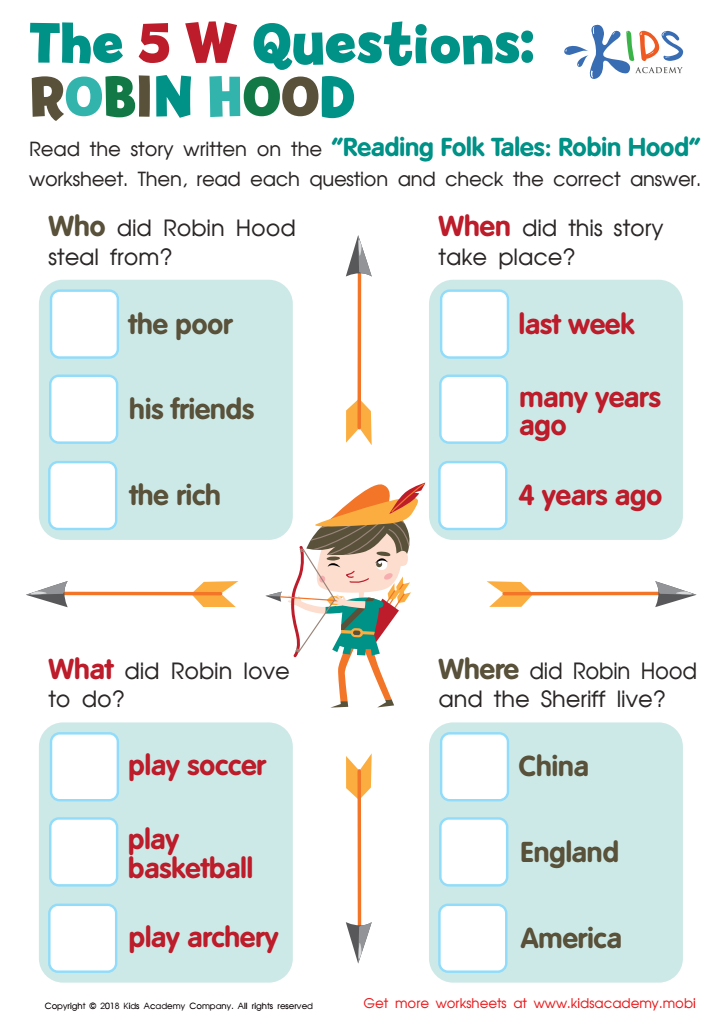
The 5 W Questions: Robin Hood Worksheet
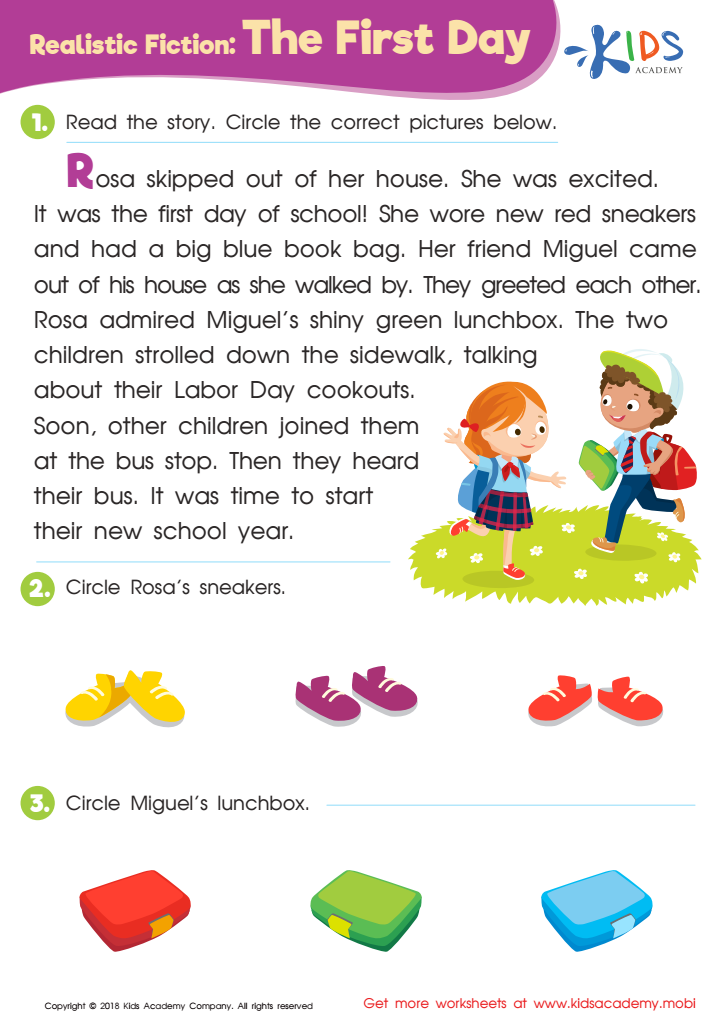
Realistic Fiction: The First Day Worksheet
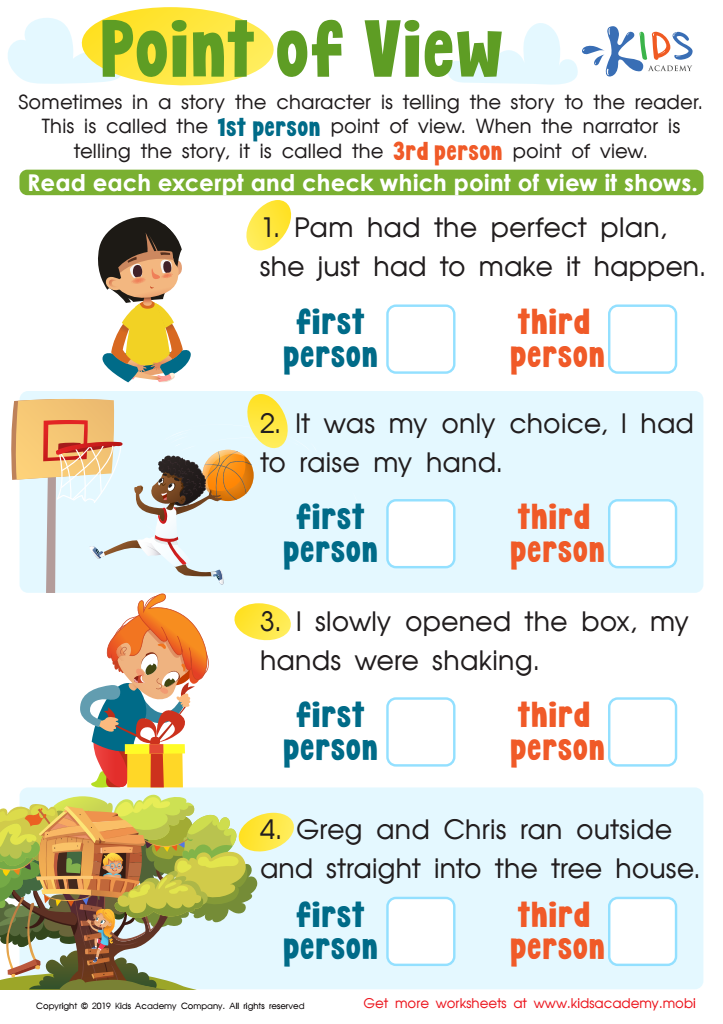
Point of View Printable
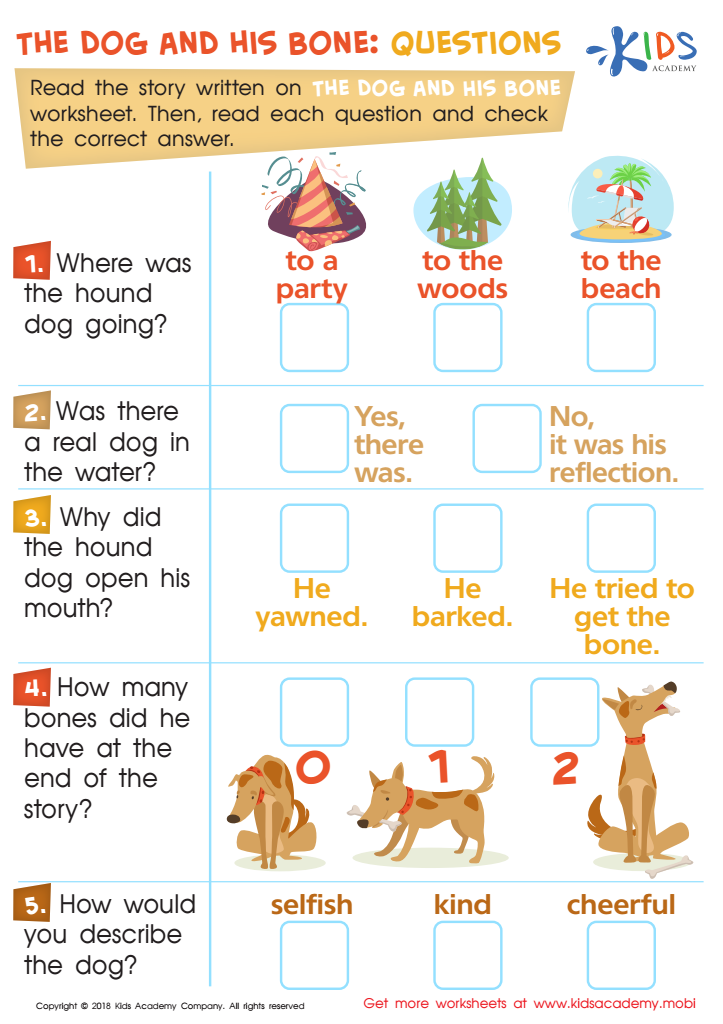
The Dog and His Bone: Questions Worksheet
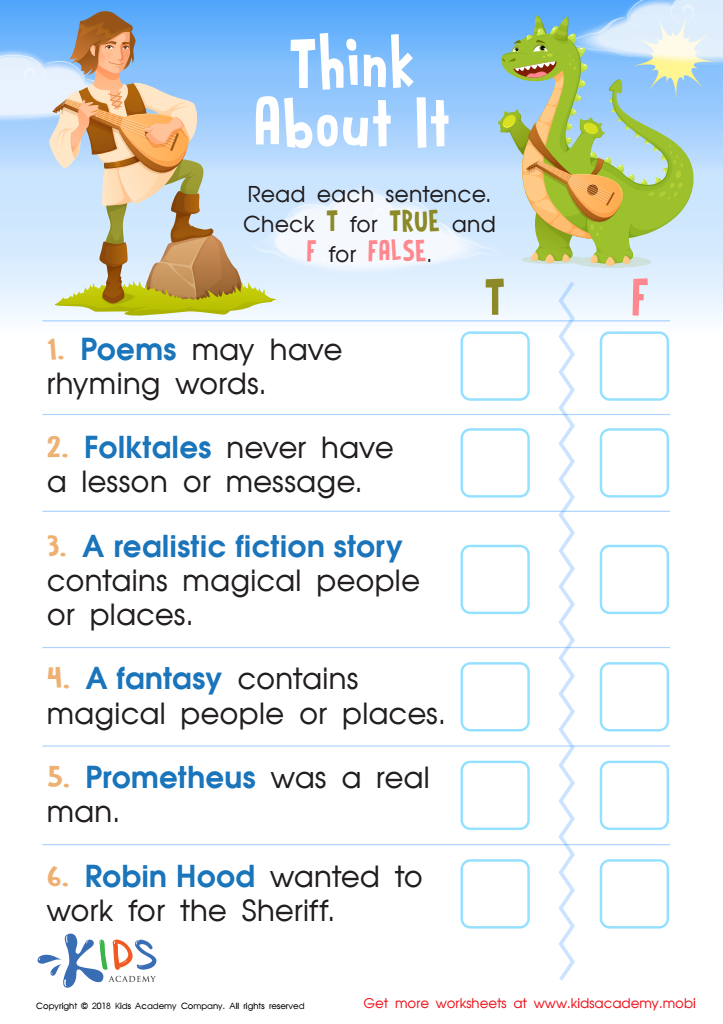
Think About It: Assessment Worksheet







Critical thinking skills are essential for children, especially when engaging with fiction. For 8-year-olds, reading fiction is not just about enjoying a story; it serves as a pivotal tool for cognitive development. When children read fiction, they are exposed to diverse perspectives, complex characters, and intricate plots. This exposure fosters their ability to analyze situations, empathize with others, and make inferences based on textual clues.
Parents and teachers should care about cultivating critical thinking in young readers because it enhances comprehension skills and promotes curiosity. As children learn to evaluate characters’ motives, anticipate outcomes, and discern themes, they develop a mindset that encourages questioning and exploration. These skills extend beyond literature and into everyday problem solving and decision-making.
Moreover, engaging with fiction can spark discussions in the classroom or at home, allowing children to articulate their thoughts and opinions, which boosts their confidence and verbal skills. In today’s rapidly changing world, critical thinking is imperative for navigating complex issues and challenges. By promoting critical thinking through reading fiction, parents and educators lay the groundwork for lifelong learning and enable children to become thoughtful, engaged citizens.








