Environmental awareness Science Worksheets for 8-Year-Olds
6 filtered results
-
From - To
Foster your child's love for nature with our Environmental Awareness Science Worksheets for 8-Year-Olds. These engaging and educational activities are designed to teach kids about ecosystems, conservation, and sustainability in a fun and interactive way. Perfect for both home and classroom use, our worksheets align with educational standards and help children develop a deeper understanding of environmental concepts. Through hands-on experiments, vibrant illustrations, and thought-provoking questions, kids will learn the importance of protecting our planet. Inspire the next generation of eco-conscious citizens with our curated collection of worksheets available at Kids Academy.
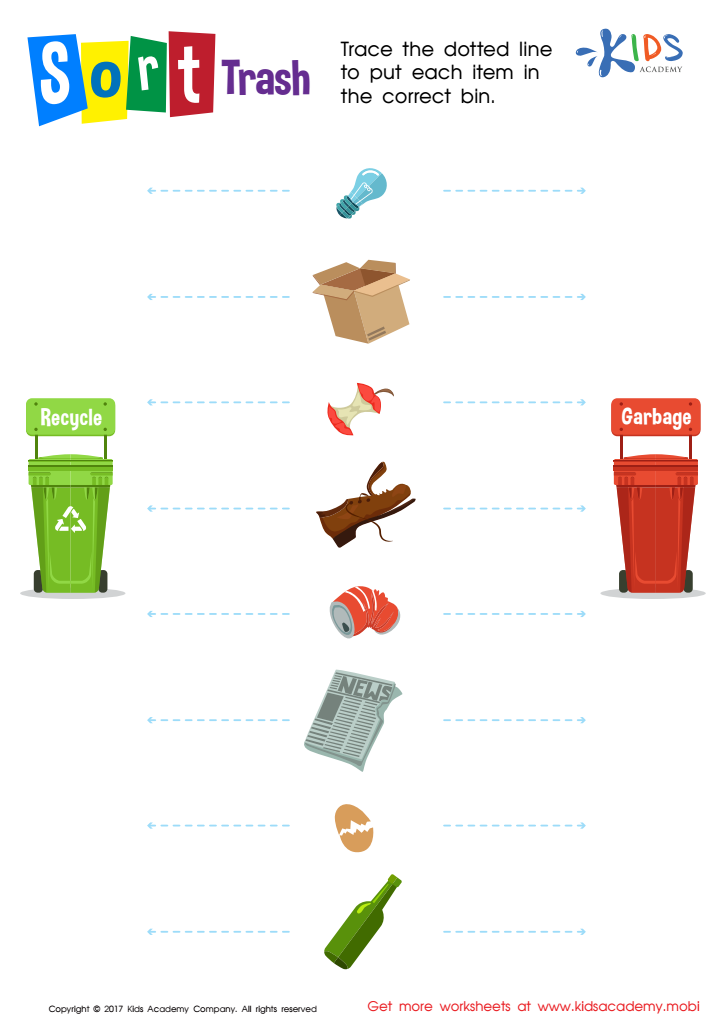
Trash Sorting Worksheet
 Assign to My Students
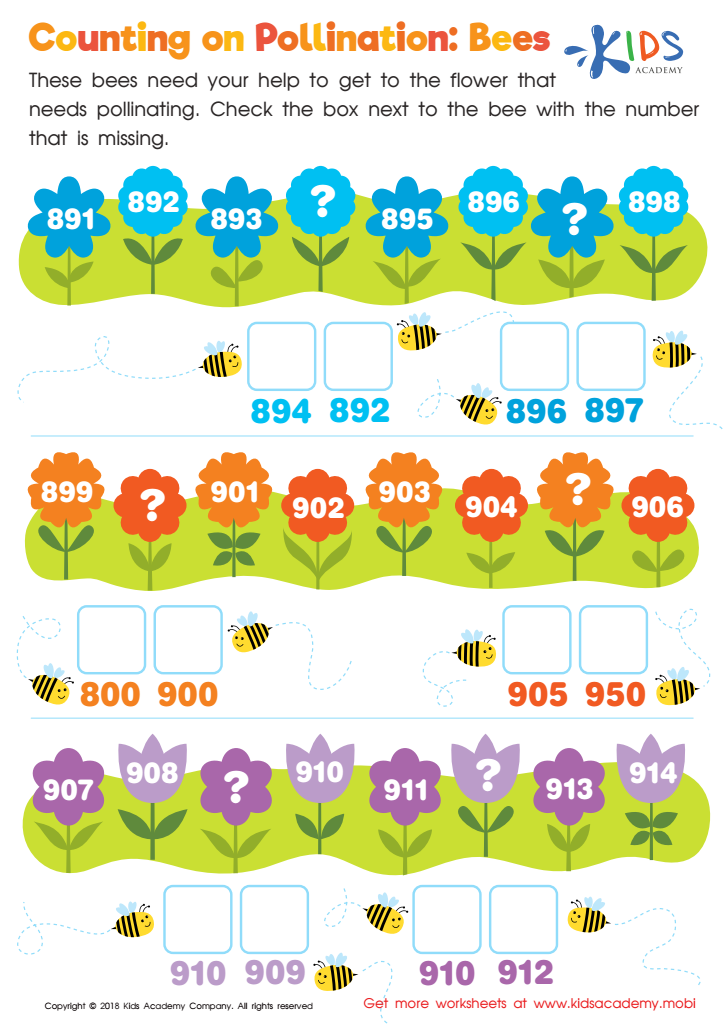
Counting on Pollination: Bees Worksheet
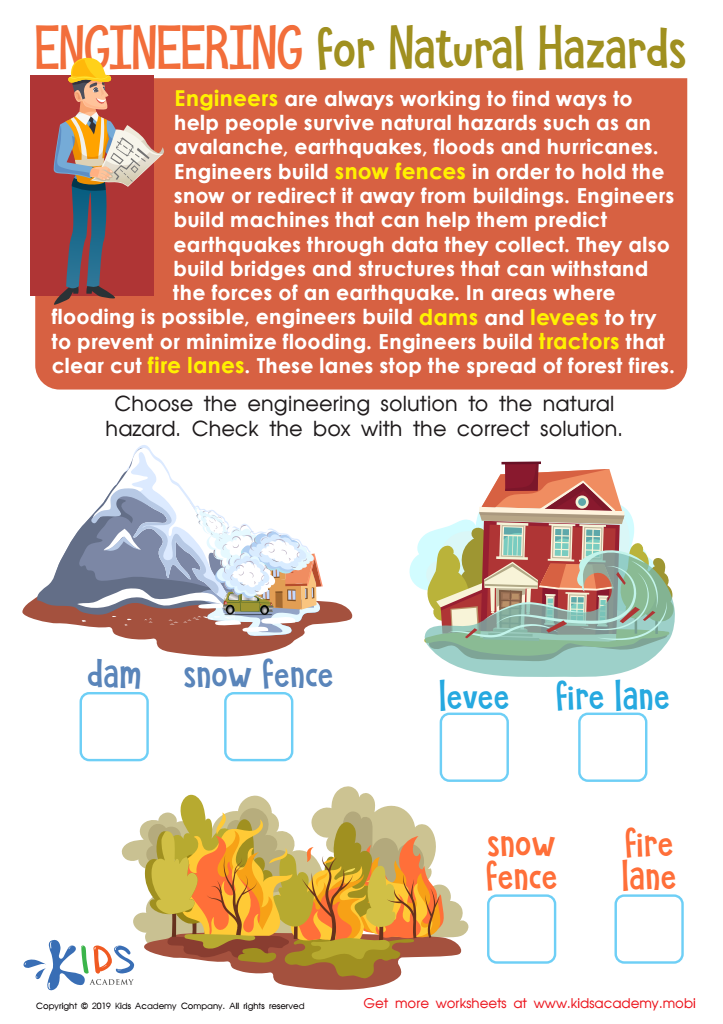
Engineering Natural Hazards Worksheet
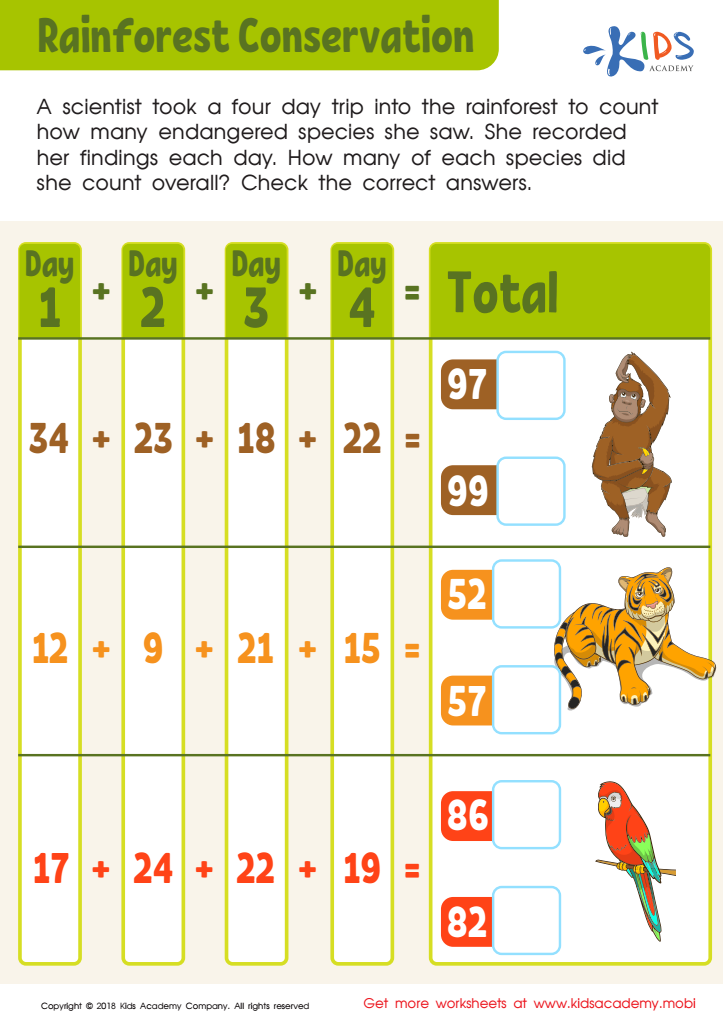
Rainforest Conservation Worksheet
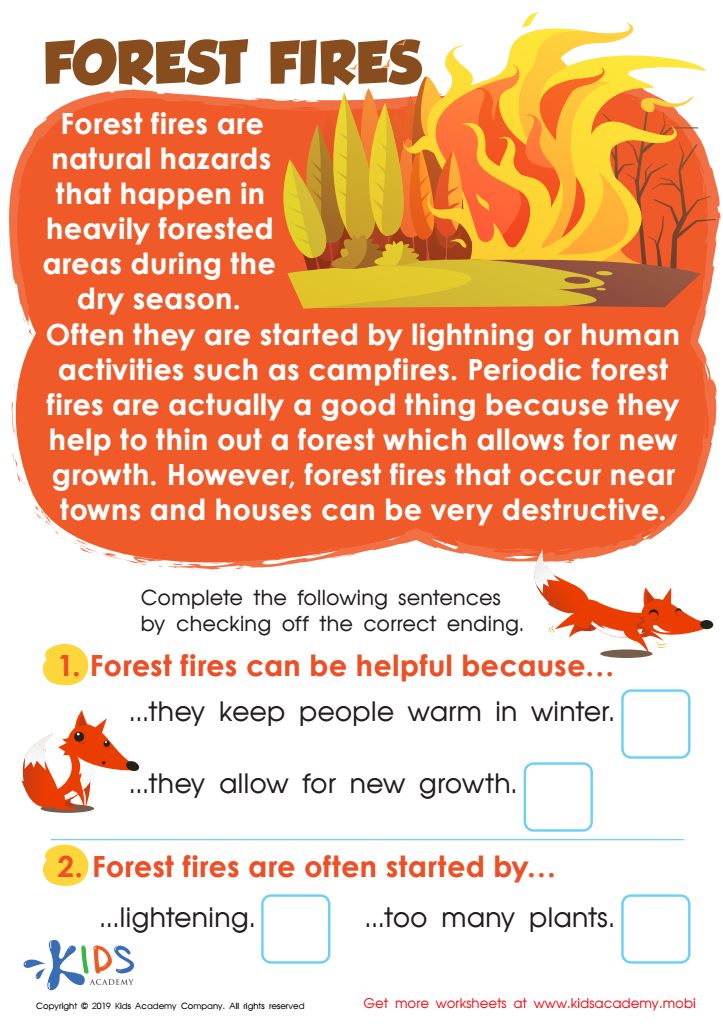
Forest Fires Worksheet
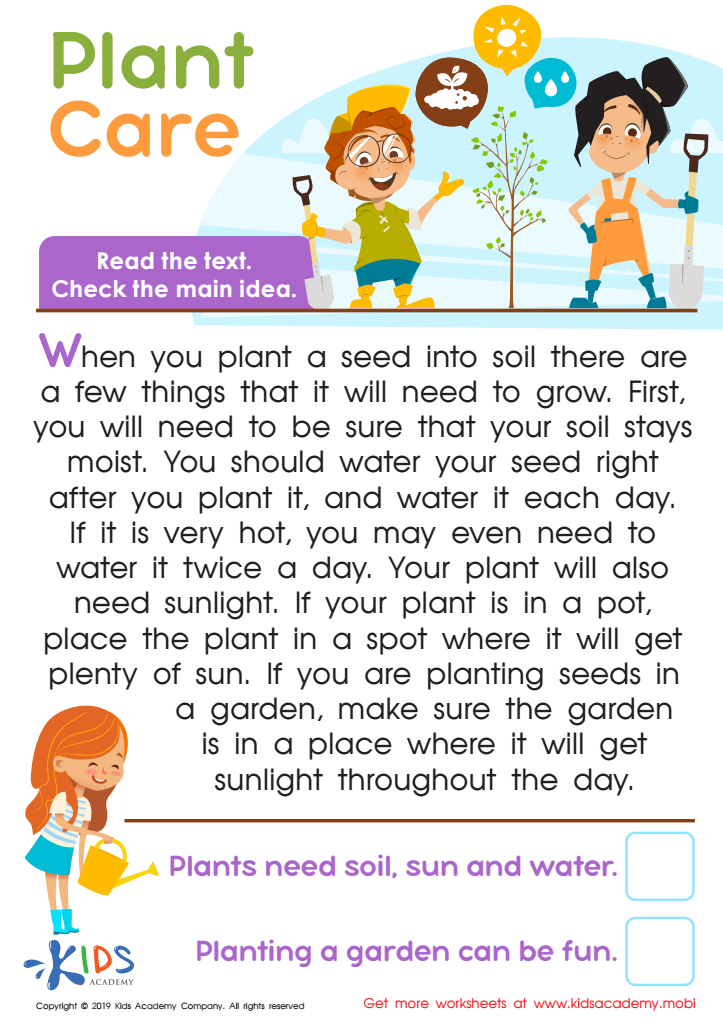
Plant Care Worksheet






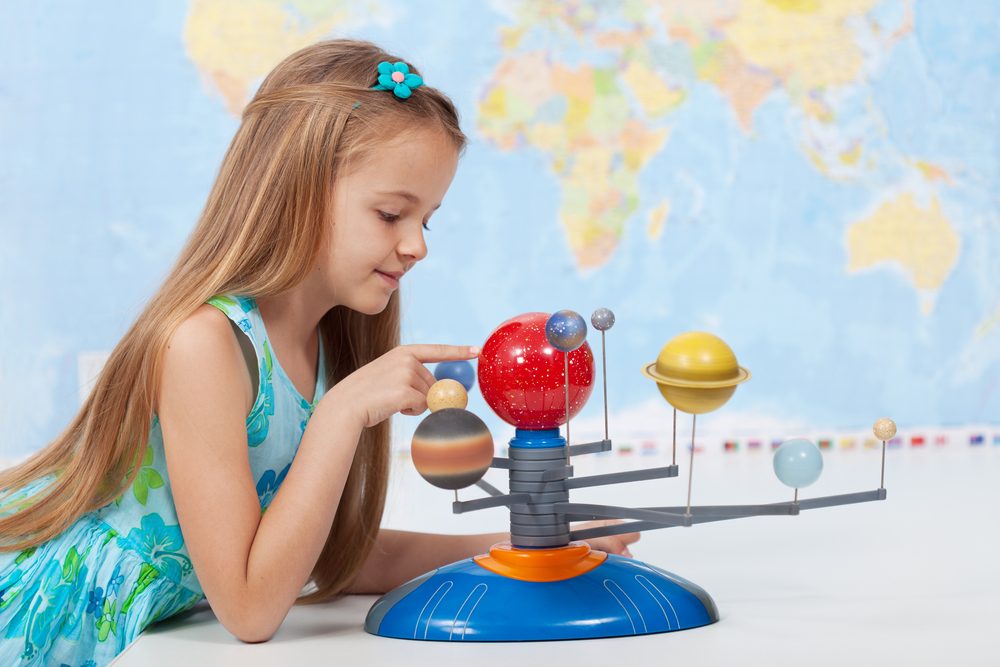
Parents and teachers play crucial roles in shaping children's understanding and appreciation of the world around them. Fostering environmental awareness in eight-year-olds, helps kids develop a sense of responsibility for the planet. This perspective is essential not only for their own benefit but for future generations as well.
At eight, children are naturally curious and impressionable, making it an ideal age to introduce concepts like recycling, conservation, and the importance of protecting wildlife. By educating young minds about how their actions impact the environment, parents and teachers can nurture a lifelong commitment to sustainable practices.
Moreover, engaging children in outdoor activities and hands-on experiments, like planting trees or monitoring rainfall, can make learning about the environment fun and tangible. These activities enhance their appreciation for nature and can stimulate critical thinking and problem-solving skills as they explore solutions for environmental issues such as pollution or climate change.
Additionally, equipping children with knowledge about environmental science equips them with the tools to participate in a broader conversation about sustainability. They become advocates within their families and communities, promoting eco-friendly habits, and fostering a collective sense of care for our planet. In the end, early education on environmental awareness cultivates informed, conscientious citizens capable of making a positive impact.







