
Understanding ecosystems Our Planet and Environment Worksheets for 8-Year-Olds
3 filtered results
Difficulty Level
Grade
Age
-
From - To
Subject
Activity
Standards
Explore the wonders of ecosystems with our engaging "Understanding Ecosystems" worksheets, designed specifically for 8-year-olds! These interactive activities introduce young learners to the intricate relationships within our planet's diverse environments. Students will discover how plants, animals, and their habitats interact, fostering a deeper appreciation for nature. Each worksheet encourages critical thinking, creativity, and hands-on learning, making science both fun and educational. Perfect for classroom use or at-home enrichment, our resources promote a solid foundation in environmental science. Let your child's curiosity thrive while they learn about the beauty and balance of our ecosystems!
Favorites
With answer key
Interactive
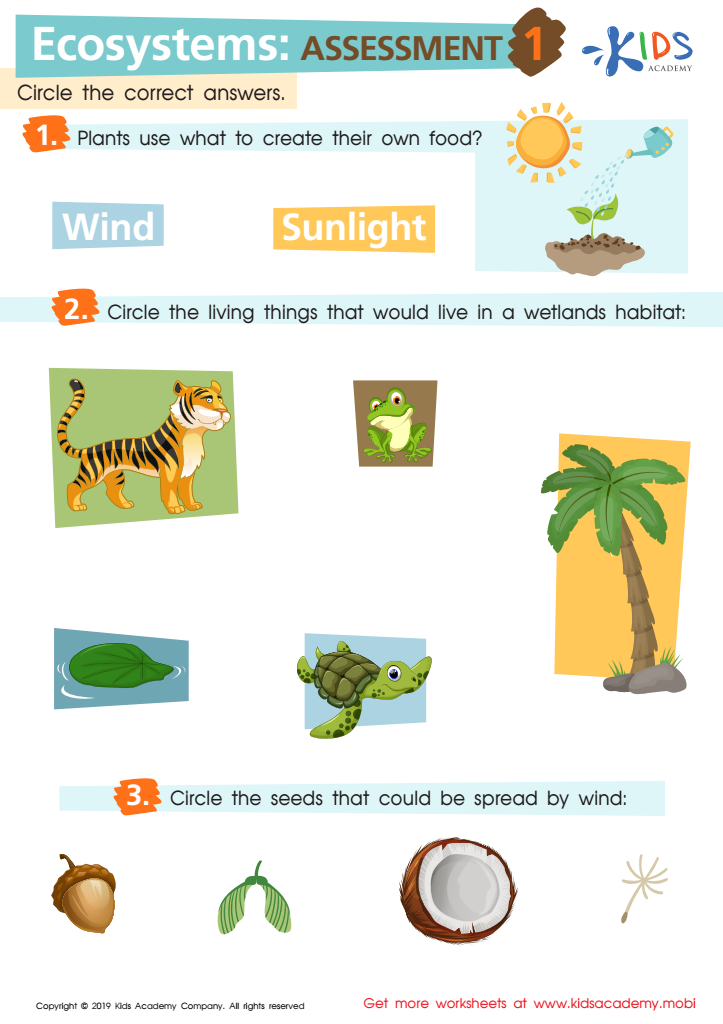
Ecosystems: Assessment 1 Worksheet
Before starting the worksheet, remind your child of the basics of the ecosystem, e.g. plants need light and winds carry small seeds. Encourage them to identify the images in the colorful printout. Ask them the questions and help them circle the correct answers.
 Assign to My Students
Ecosystems: Assessment 1 Worksheet
Worksheet
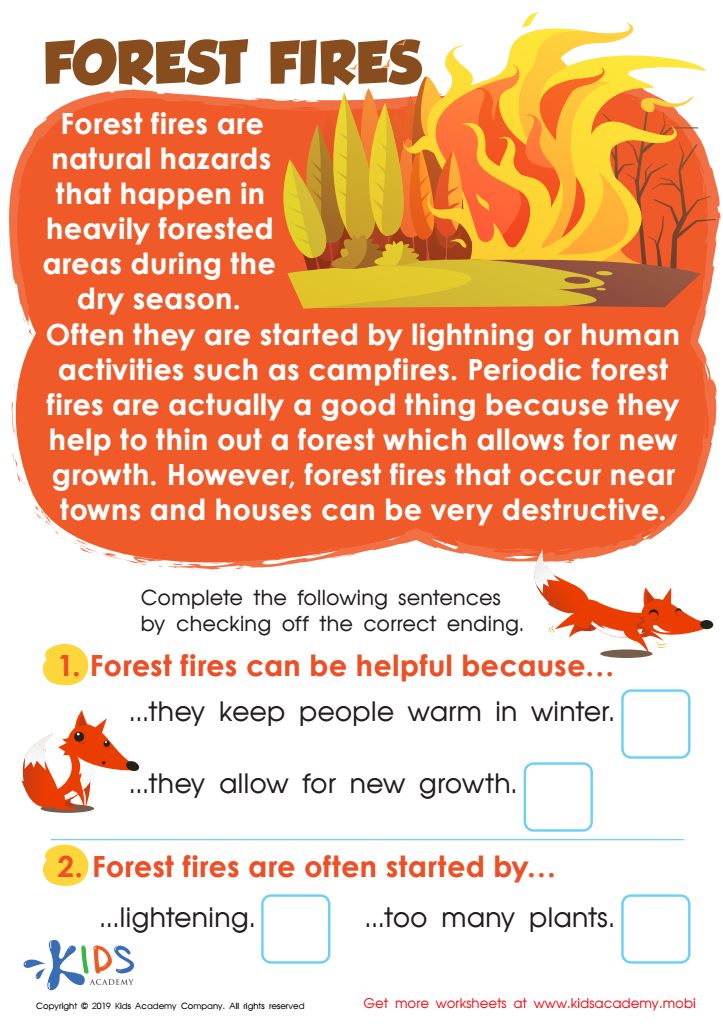
Forest Fires Worksheet
This free worksheet helps kids learn about forest fires. It encourages critical thinking by allowing them to answer multiple-choice questions. It is an important opportunity for children to develop reading skills, as understanding text is essential for further academic success. Download the PDF to give them the chance to practice comprehension and strengthen their knowledge.
Forest Fires Worksheet
Worksheet
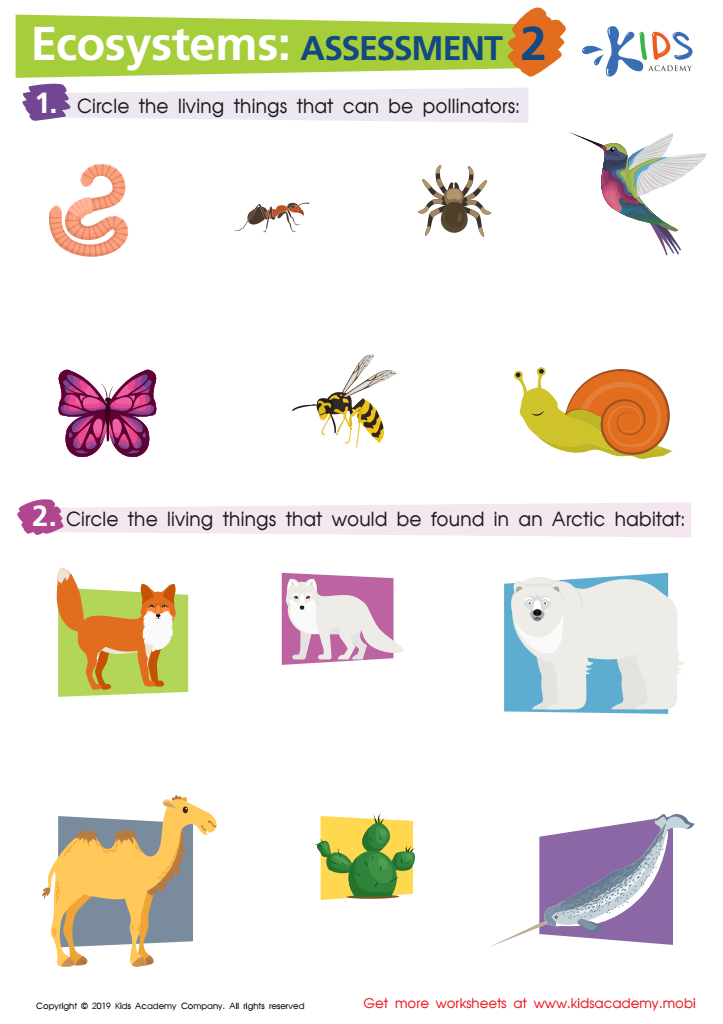
Ecosystems: Assessment 2 Worksheet
Pollinators are living or non-living things that help pollen spread. Test your child's knowledge of the ecosystem with this worksheet. Point out animals in the picture, then ask the simple questions. Help your child circle the right answers.
Ecosystems: Assessment 2 Worksheet
Worksheet
Join Kids Academy for Free
Who is primarily going to use this learning content?





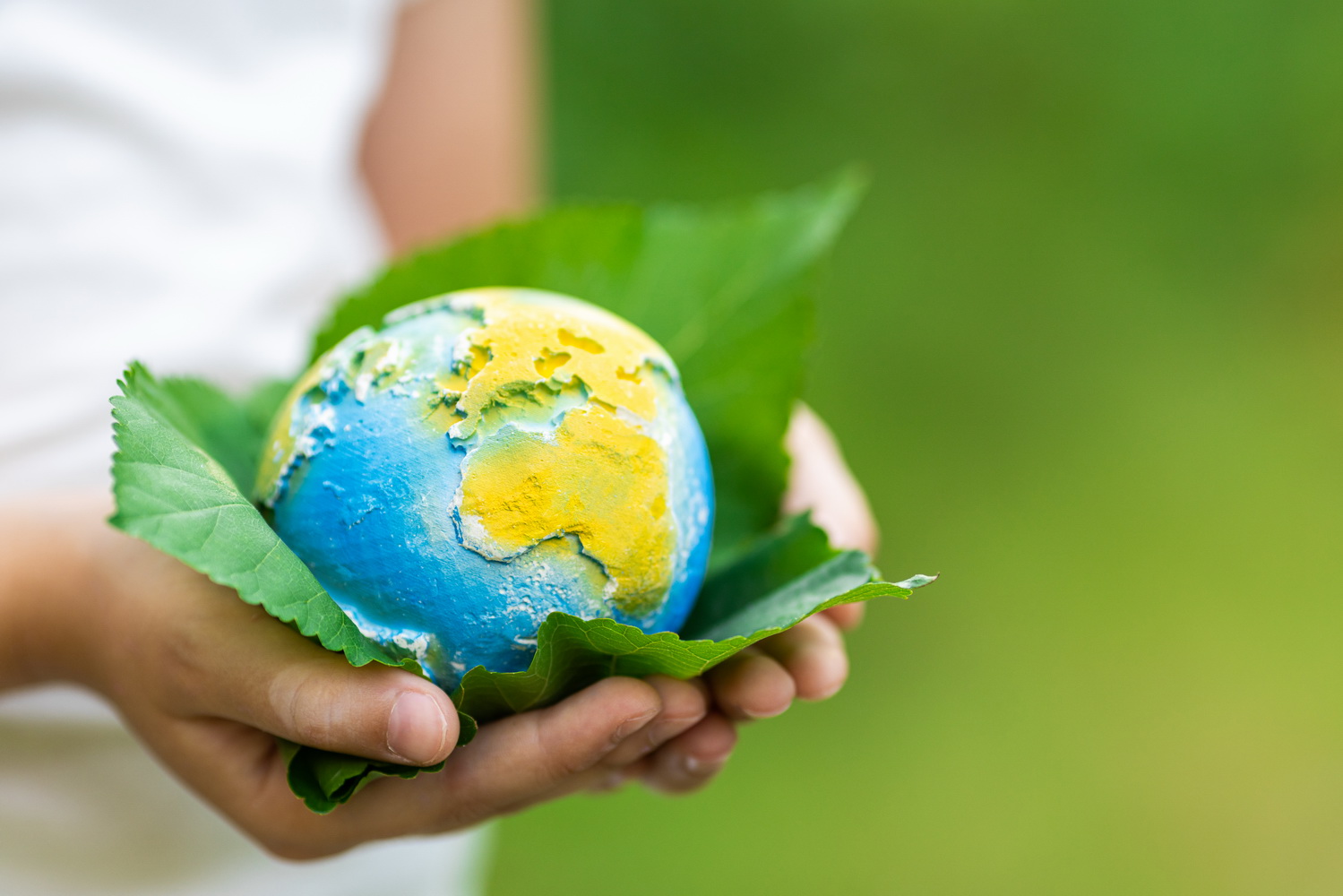
Understanding ecosystems and our planet's environment is essential for 8-year-olds as it shapes their worldview and instills a sense of responsibility toward nature. At this age, children are naturally curious and eager to explore concepts that affect their lives. Learning about ecosystems helps them comprehend how living organisms—animals, plants, and humans—interact and depend on one another for survival. This foundational knowledge fosters an appreciation for biodiversity and the vital role each species plays, allowing children to better understand concepts like food chains and habitats.
Parents and teachers should care about this education because it encourages critical thinking and environmental stewardship from a young age. Early exposure to environmental issues—such as pollution, climate change, and conservation—empowers children to become informed citizens and advocates for positive change. It cultivates empathy for all living beings and inspires them to develop sustainable habits that could impact their communities and the world.
By making this learning relevant and engaging, adults can motivate children to explore their surroundings, ask questions, and actively participate in protecting the environment. Ultimately, teaching 8-year-olds about ecosystems lays the groundwork for a healthier planet and a future generation of environmental guardians.







