Understanding life cycles Plants and Animals Worksheets for 8-Year-Olds
3 filtered results
-
From - To
Explore the fascinating world of nature with our "Understanding Life Cycles of Plants and Animals" worksheets, specially designed for 8-year-olds. These engaging and educational printables will take young learners through the stages of life cycles, promoting a deeper understanding of how living organisms grow and change. Perfect for both classroom and at-home learning, our worksheets feature a range of activities, from labeling diagrams to sequencing events. Dive into the wonders of biology and help your child develop essential science skills with our expertly crafted resources. Foster a love for learning with our interactive and fun-filled worksheets today!
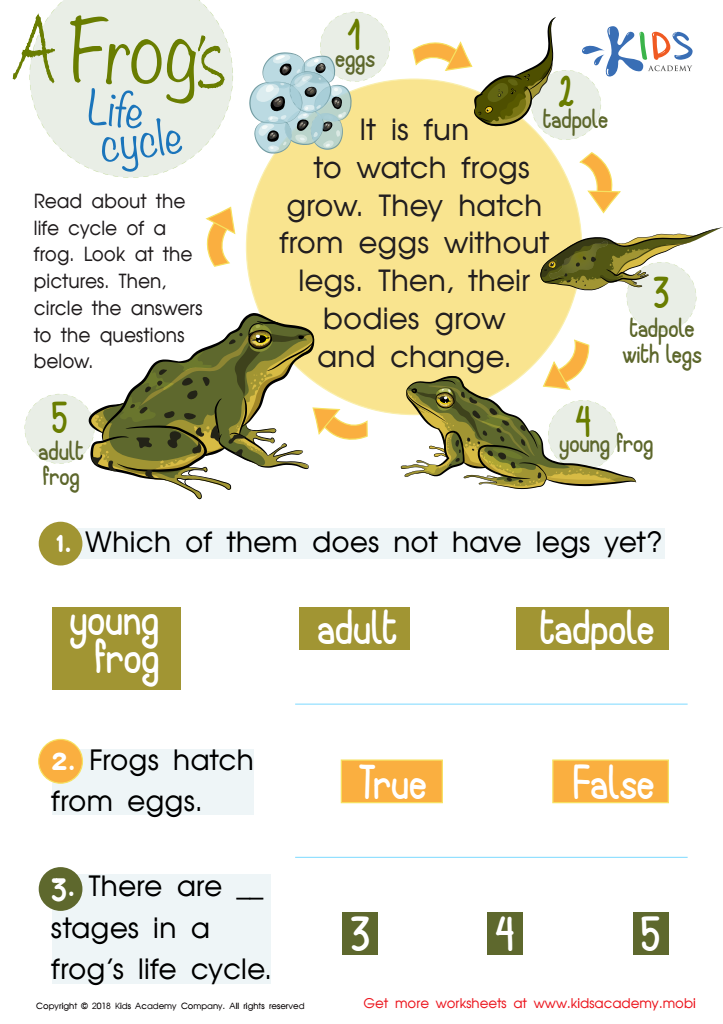
A Frog’s Life Cycle Worksheet
 Assign to My Students











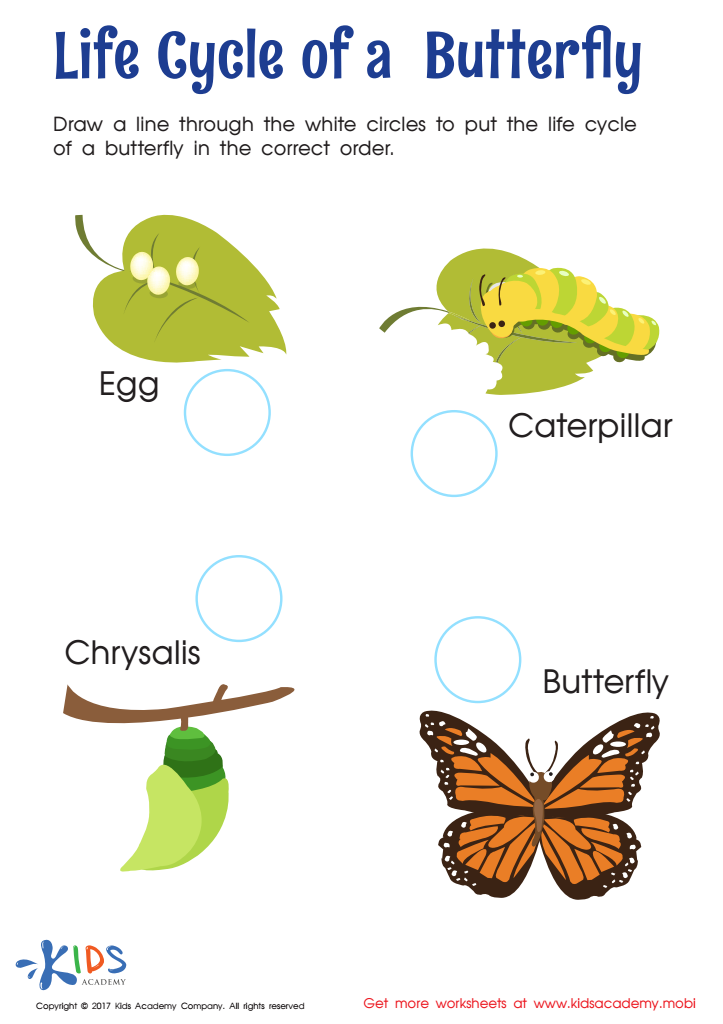
Life Cycle of Butterfly Worksheet
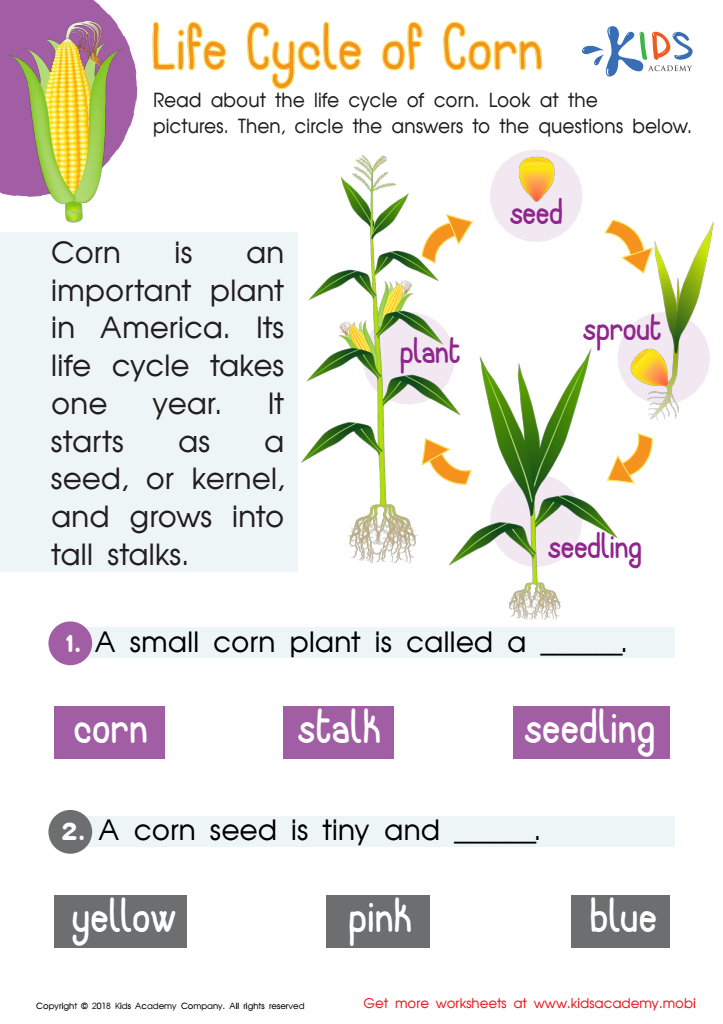
Life Cycle of Corn Worksheet








Understanding life cycles of plants and animals is crucial for 8-year-olds as it builds a foundational knowledge of biology and ecology, fostering a deep connection with the natural world. This knowledge enhances children's curiosity, nurturing a lifelong interest in science. By learning how plants grow from seeds and how animals develop from embryos, children appreciate the stages of life, continuity, and the interdependence of living organisms.
Educators and parents should emphasize life cycles to instill a sense of responsibility toward the environment. Understanding these processes underscores the importance of conservation and sustainable practices. Recognizing that every plant and animal is part of a larger ecosystem helps children understand ecological balance and the effects human actions have on nature.
Moreover, examining life cycles enhances children’s observational skills, critical thinking, and pattern recognition, essential competencies across various academic subjects. Hands-on activities like planting seeds or observing caterpillars becoming butterflies engage children in active learning, making abstract concepts tangible and memorable.
Overall, comprehending life cycles fosters respect for living organisms and shapes thoughtful, informed individuals who value and protect their surroundings, laying the groundwork for informed and engaged citizenship. Therefore, it is imperative that both parents and teachers prioritize this aspect of education for young thinkers.








