Problem-Solving Skills Community Worksheets for 8-Year-Olds
3 filtered results
-
From - To
Discover our engaging Problem-Solving Skills Community Worksheets designed specifically for 8-year-olds! These interactive resources encourage critical thinking and creativity, allowing young learners to tackle real-world scenarios within their community. Through fun activities, children will explore problem-solving techniques while developing essential skills like collaboration and decision-making. Each worksheet promotes understanding of local issues, helping kids connect academic concepts to their everyday lives. Perfect for classroom use or at-home practice, our worksheets inspire curiosity and foster a sense of responsibility. Equip your child with the tools they need to become proactive community members. Dive into our collection today and watch them thrive!
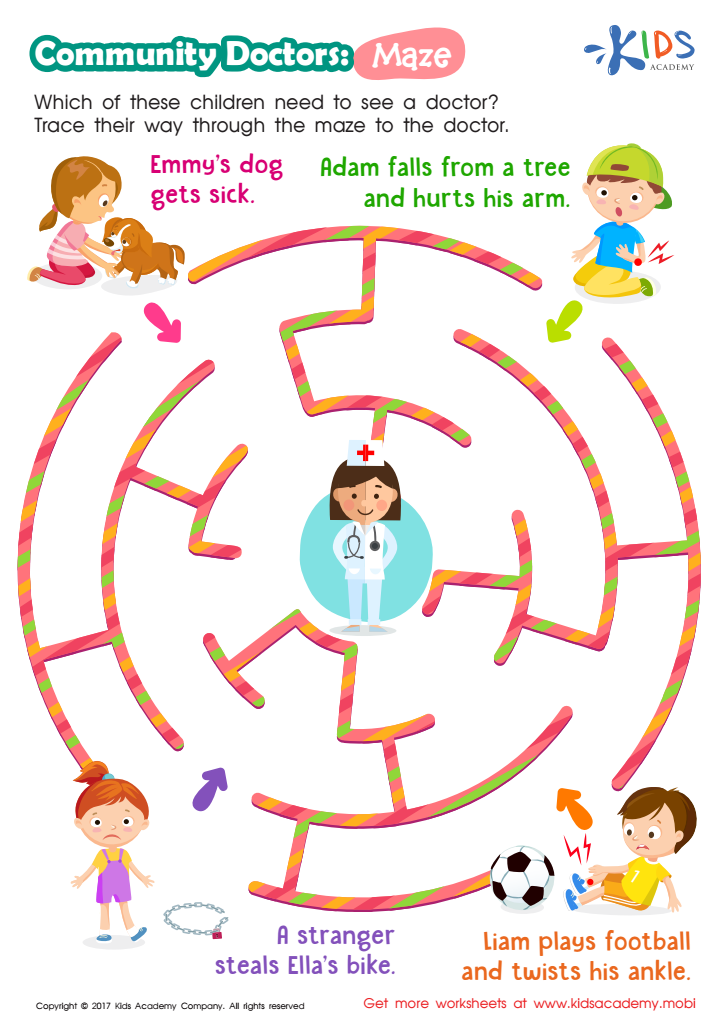
Community Doctors: Maze Printable
 Assign to My Students
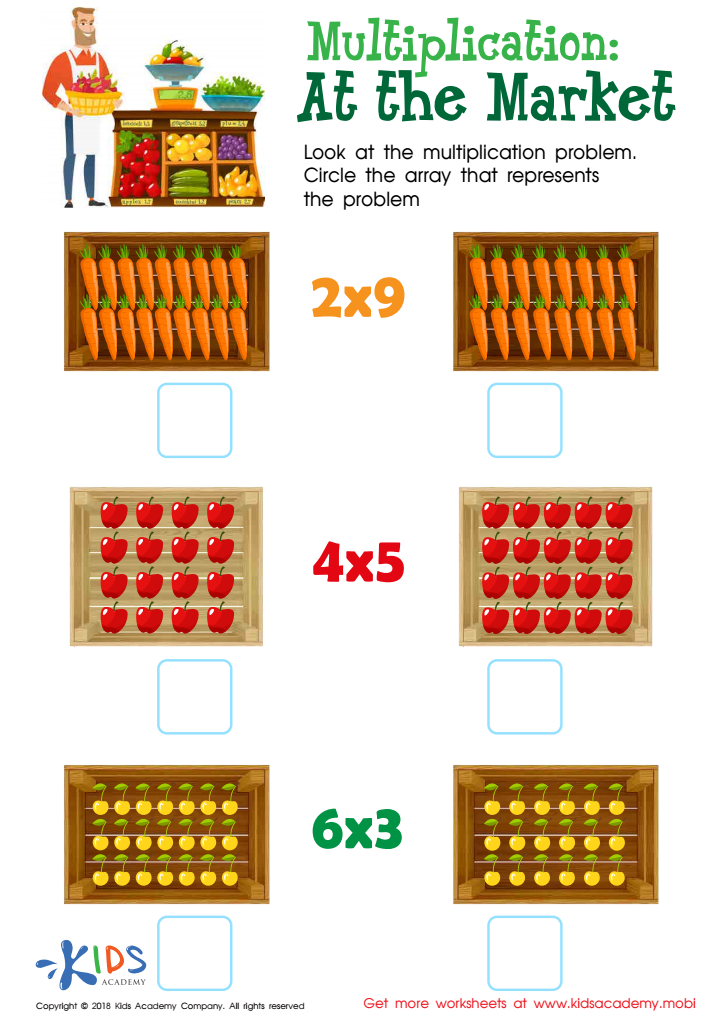
At the Market Worksheet
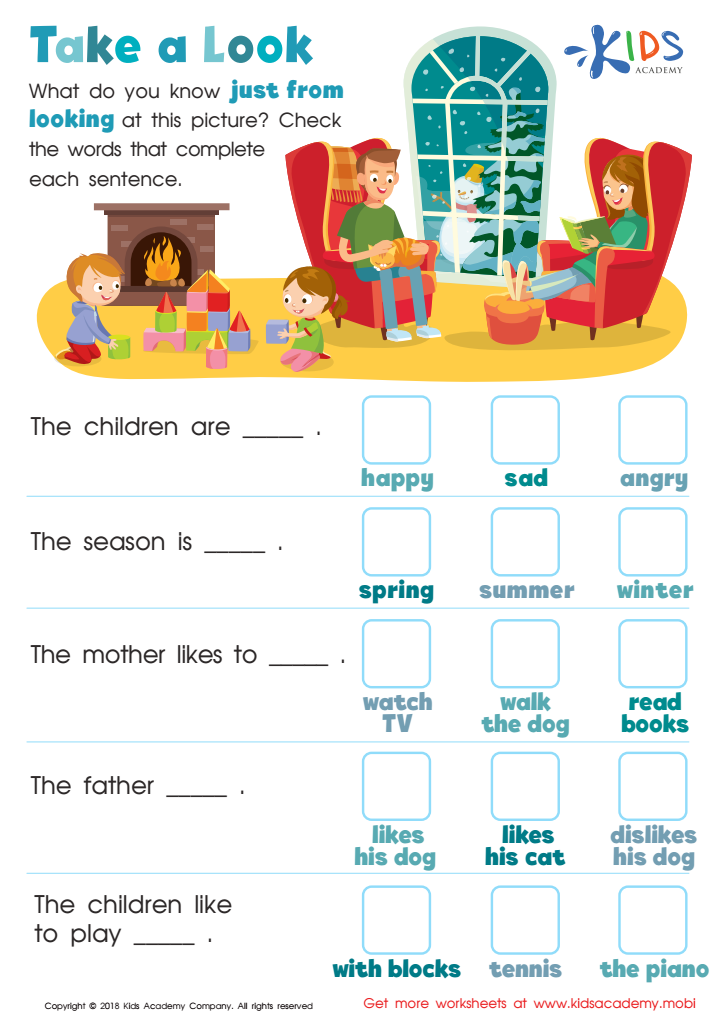
Take a Look - Part 1 Worksheet








Problem-solving skills are crucial for the development of 8-year-olds, making the Problem-Solving Skills Community an essential focus for parents and teachers. At this age, children are beginning to encounter more complex challenges in school and everyday life, and developing effective problem-solving strategies enables them to tackle these challenges confidently. Engaging in a community-centered approach promotes cooperative learning and social interaction, fostering a sense of belonging and support among peers.
By participating in solving real-world problems, children enhance critical thinking, creativity, and resilience—qualities that are beneficial both academically and personally. These skills empower them to navigate obstacles independently, boosting their self-esteem and enthusiasm for learning. Furthermore, parents and teachers can observe and guide kids in identifying problems, brainstorming solutions, and assessing outcomes, laying a solid foundation for lifelong learning and adaptability.
Ultimately, prioritizing problem-solving skills in their education equips children with the toolkit to succeed in an increasingly complex world. It encourages collaboration, enhances communication skills, and prepares them to become proactive, innovative thinkers. Investing time in these supportive communities strengthens not only the children's abilities but also fosters positive relationships among parents, teachers, and students, creating a collaborative educational environment.








