Word Recognition Writing Worksheets for 8-Year-Olds
9 filtered results
-
From - To
Enhance your child’s reading and writing skills with our engaging Word Recognition Writing Worksheets designed specifically for 8-year-olds. These worksheets aid in developing vital literacy skills by encouraging recognition and comprehension of essential vocabulary. Your child will enjoy interactive activities that include matching words with images, fill-in-the-blanks, and context-based sentence writing. Each worksheet is crafted to make learning fun while promoting vocabulary retention and boosting confidence in writing. Suitable for home or classroom use, these resources are perfect for reinforcing word recognition and enhancing overall language skills in young learners. Download our worksheets today and set your child on the path to literacy success!
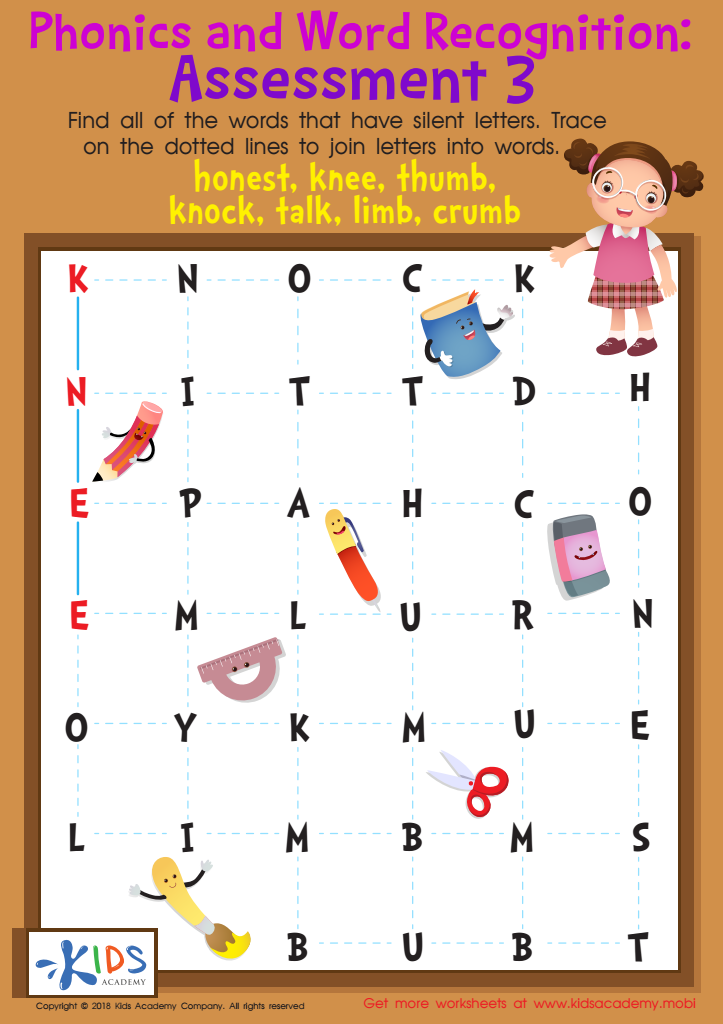
Phonics and Word Recognition: Assessment 3 Worksheet
 Assign to My Students
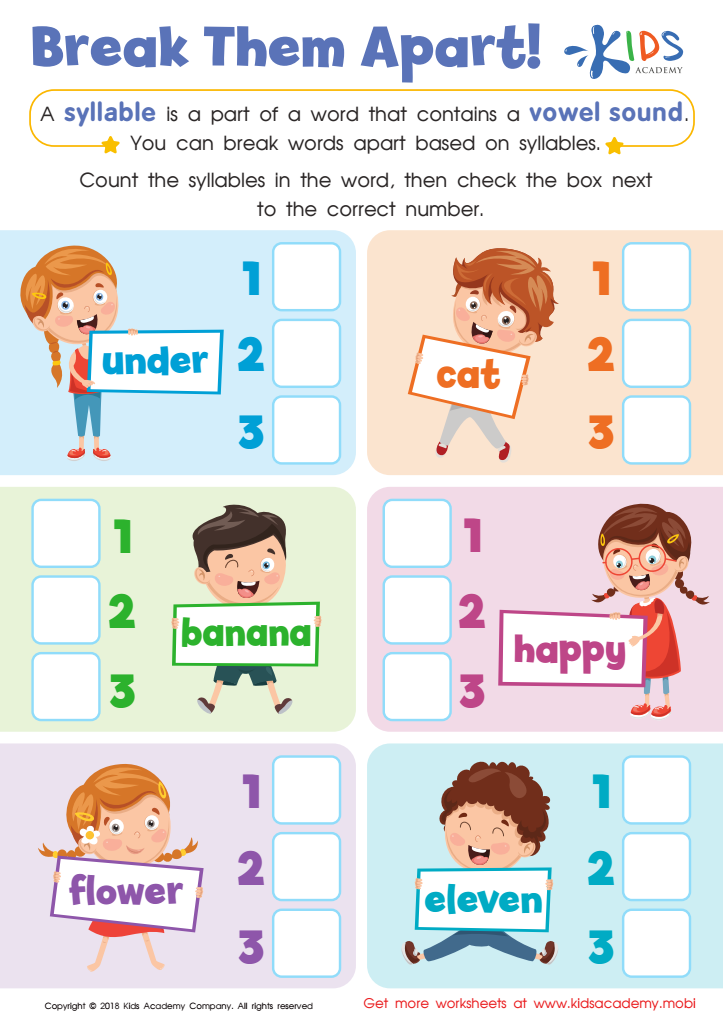
Reading: Break Them Apart Worksheet
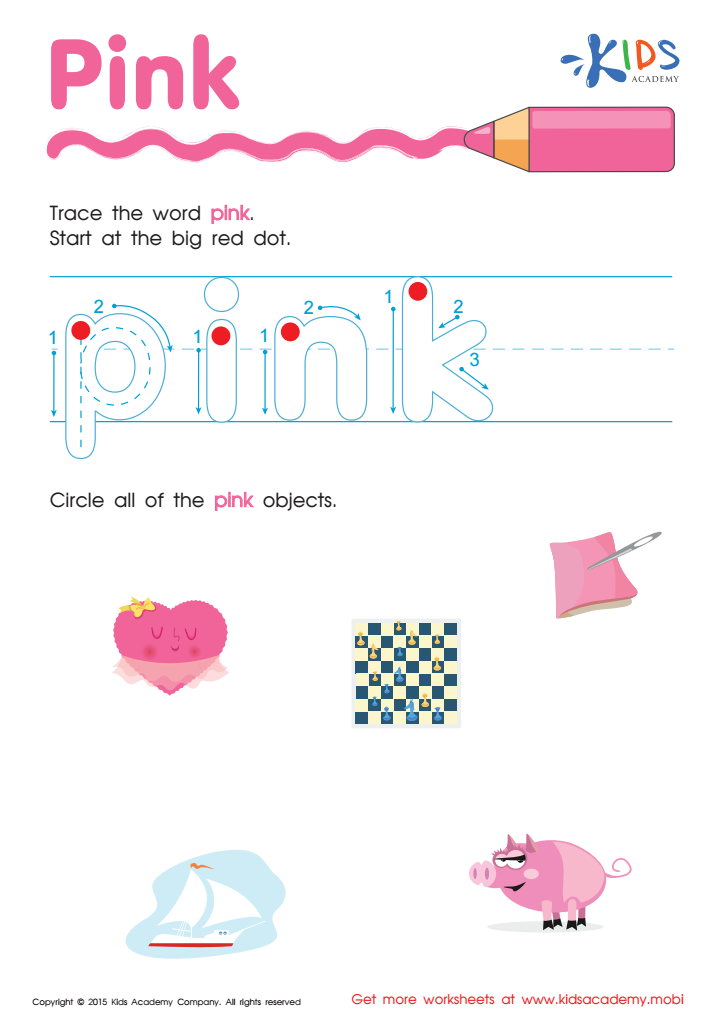
Pink Tracing Color Words Worksheet
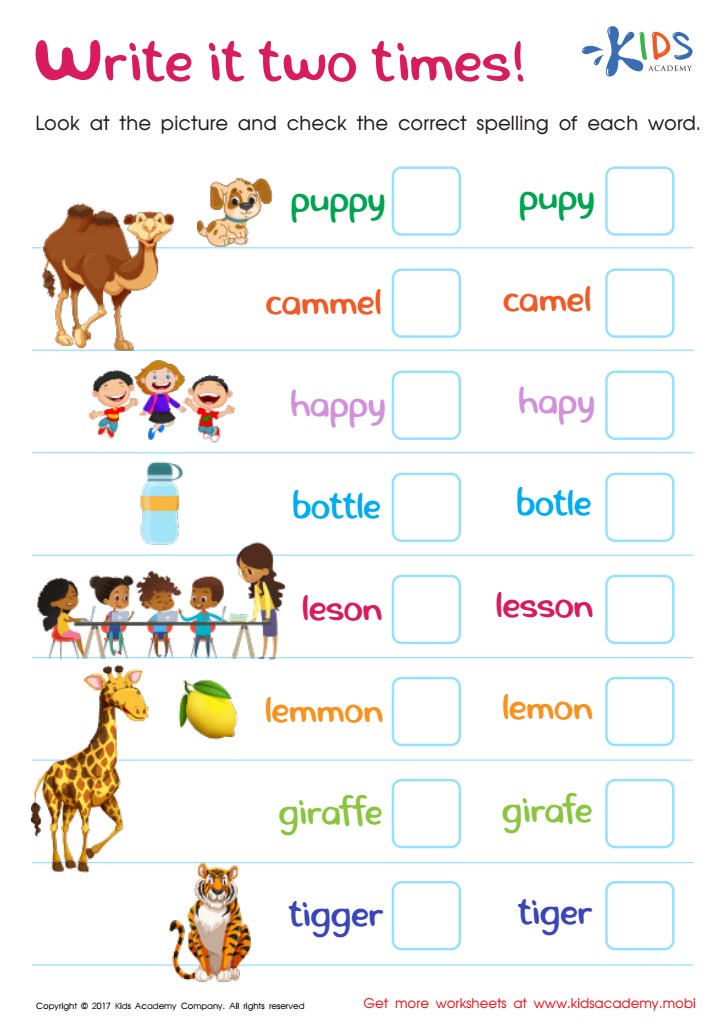
Spelling Practice Worksheet
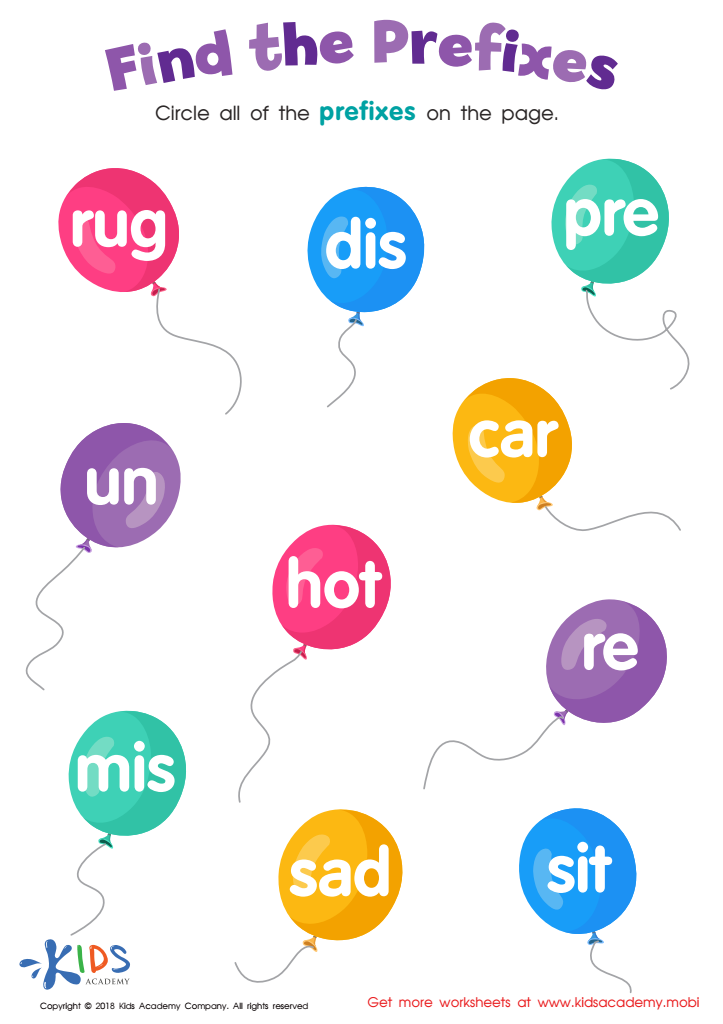
Reading: Find the Prefixes Worksheet
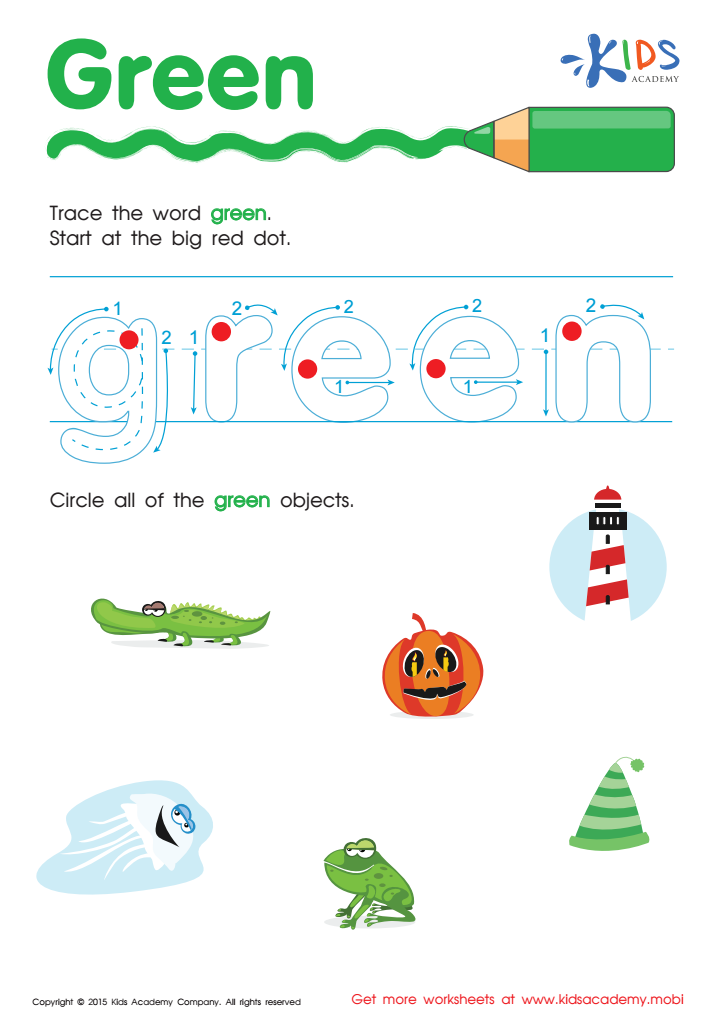
Green Tracing Color Words Worksheet
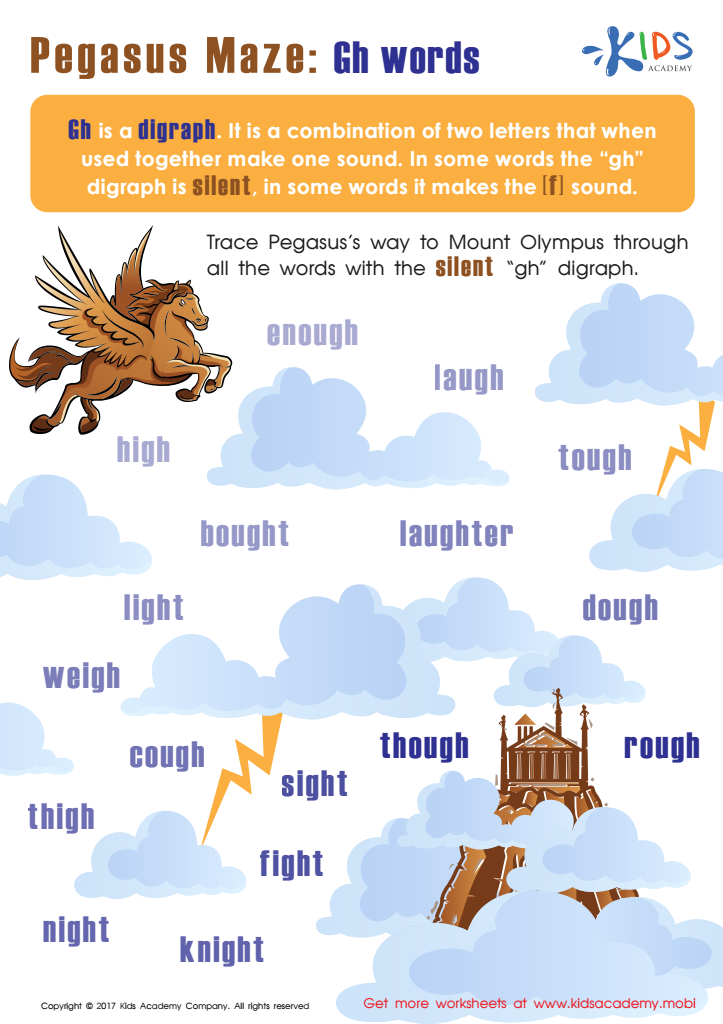
Pegasus Maze: GH Words Worksheet
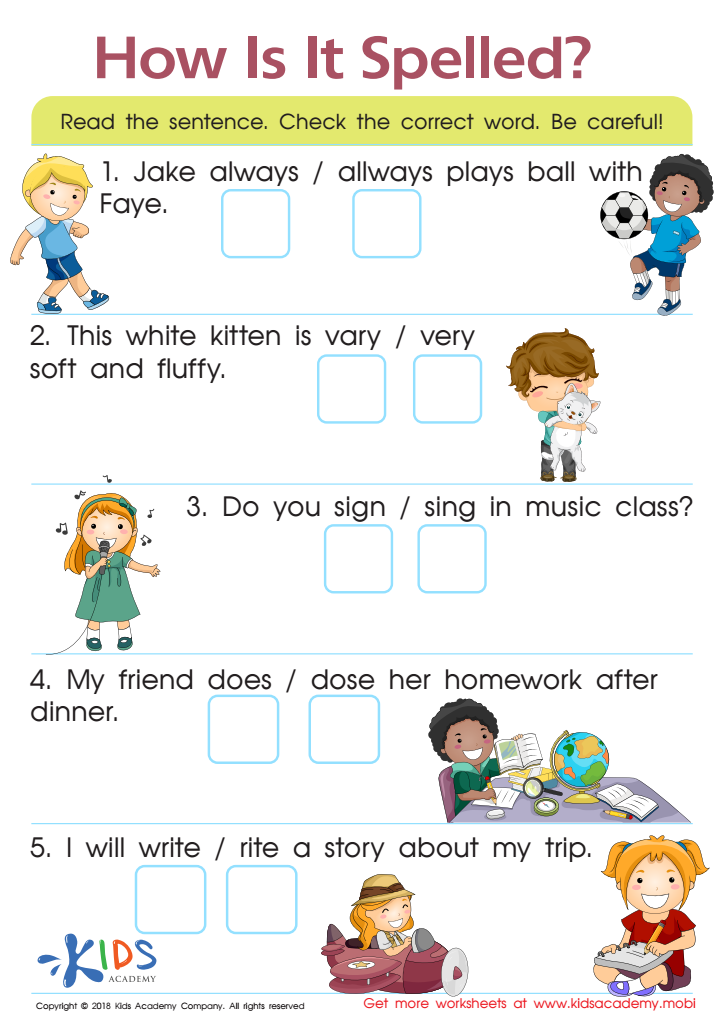
How is it spelled? Worksheet
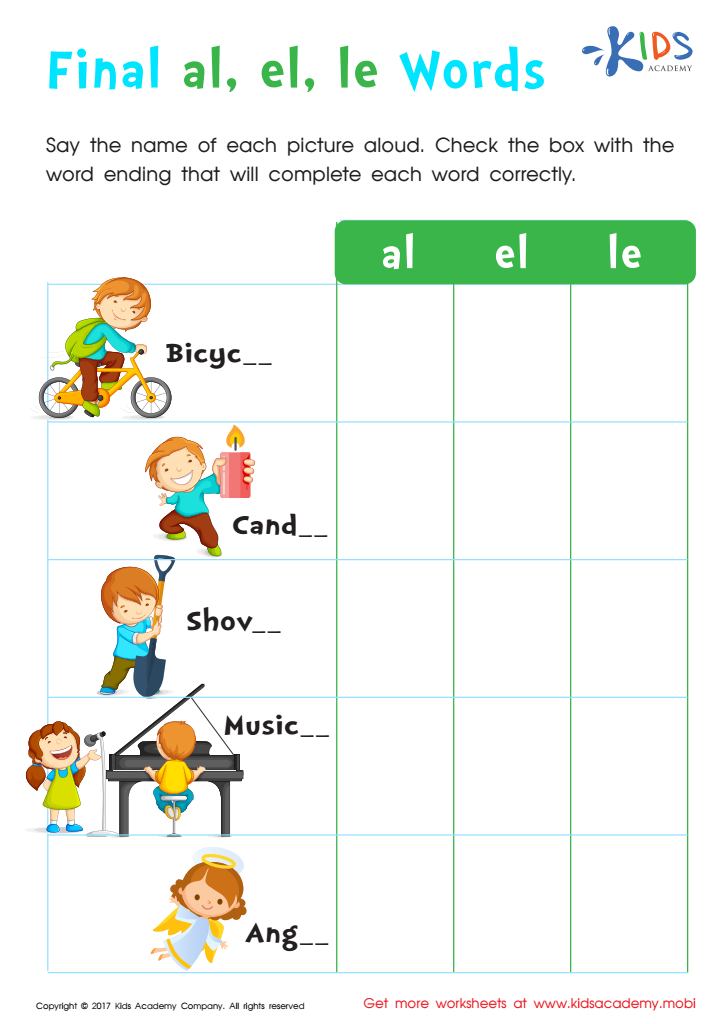
Spelling Words Ending with –le, –el and –al Worksheet








Word recognition writing is a fundamental literacy skill crucial for 8-year-olds, as it directly influences their reading and writing development. At this age, children are transitioning from learning to read to reading to learn, making the ability to recognize and write words imperative. Proficient word recognition helps students decode new texts quickly and understand their meaning, fostering self-confidence and a love for reading.
Parents and teachers should care about promoting word recognition writing because it supports critical cognitive skills. Mastering this skill aids in vocabulary expansion, which assists in their overall communication abilities. Furthermore, as children learn common sight words and begin spelling unfamiliar words, they gain a foothold in language structure and literacy conventions.
Additionally, effective word recognition writing enhances academic performance across subjects. An 8-year-old proficient in word writing can express ideas more clearly in assignments, participate more actively in discussions, and enjoy a wider selection of literature. This engagement can be crucial for academic motivation.
Therefore, fostering word recognition writing not only equips children with essential literacy tools but also empowers them to express themselves confidently and thrive academically, laying a solid foundation for lifelong learning. Parents and teachers play a pivotal role in nurturing these essential skills through both instruction and encouragement.








