Word Recognition Writing Worksheets for 9-Year-Olds
6 filtered results
-
From - To
Enhance your 9-year-old's writing skills with our engaging Word Recognition Writing Worksheets! Designed to support young learners in identifying and using words effectively, these worksheets feature a variety of fun activities that promote vocabulary development and comprehension. Your child will enjoy exercises that encourage word exploration, spelling, and sentence construction, fostering confidence in their writing abilities. With colorful illustrations and age-appropriate challenges, our worksheets make learning enjoyable and interactive. Perfect for home or classroom use, these resources will empower your child to master word recognition and elevate their writing proficiency. Explore our collection and ignite a passion for words today!
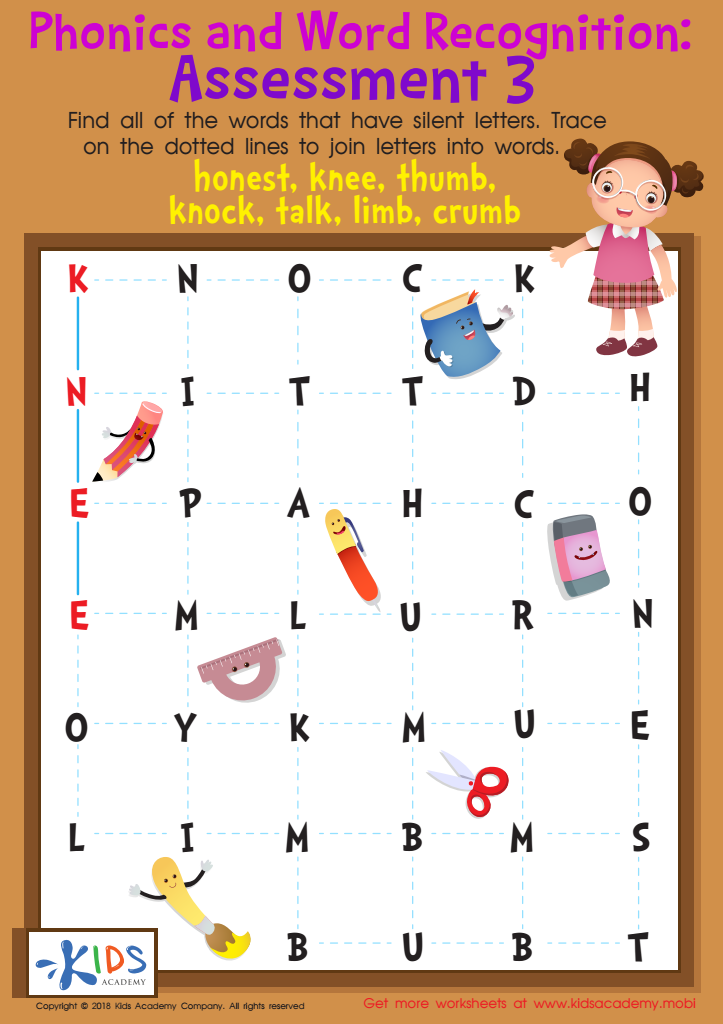
Phonics and Word Recognition: Assessment 3 Worksheet
 Assign to My Students
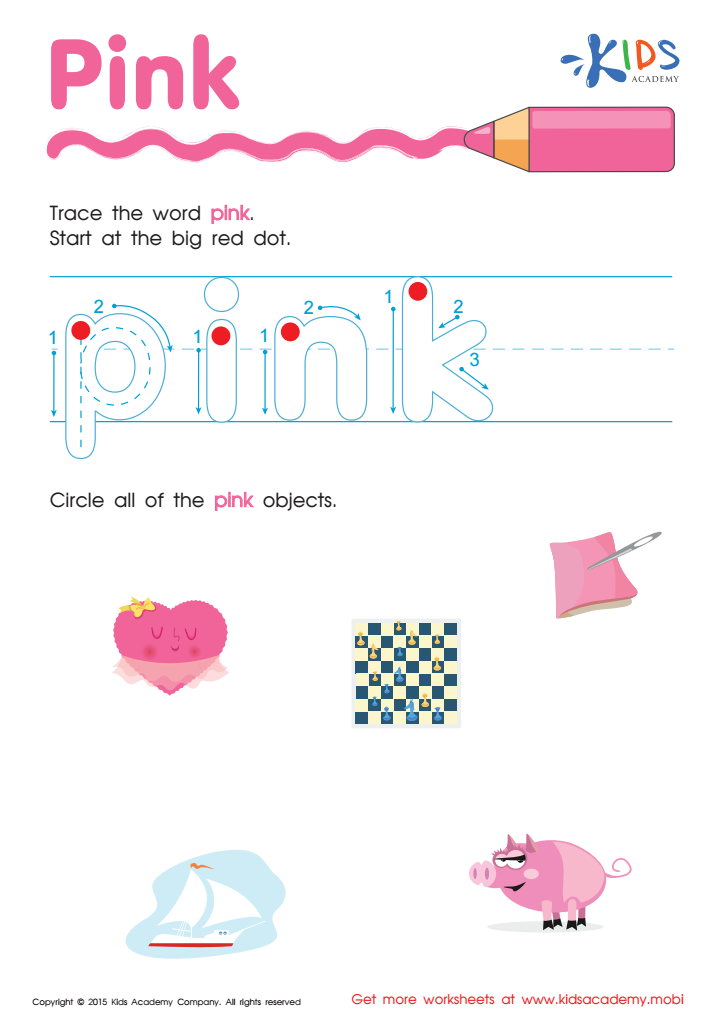
Pink Tracing Color Words Worksheet
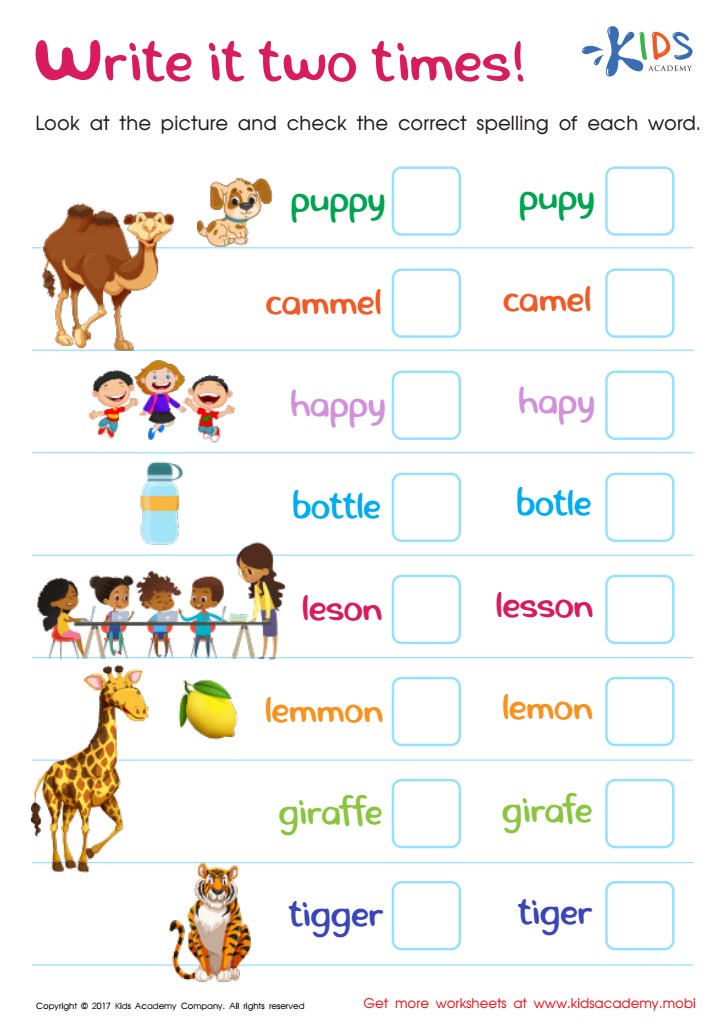
Spelling Practice Worksheet
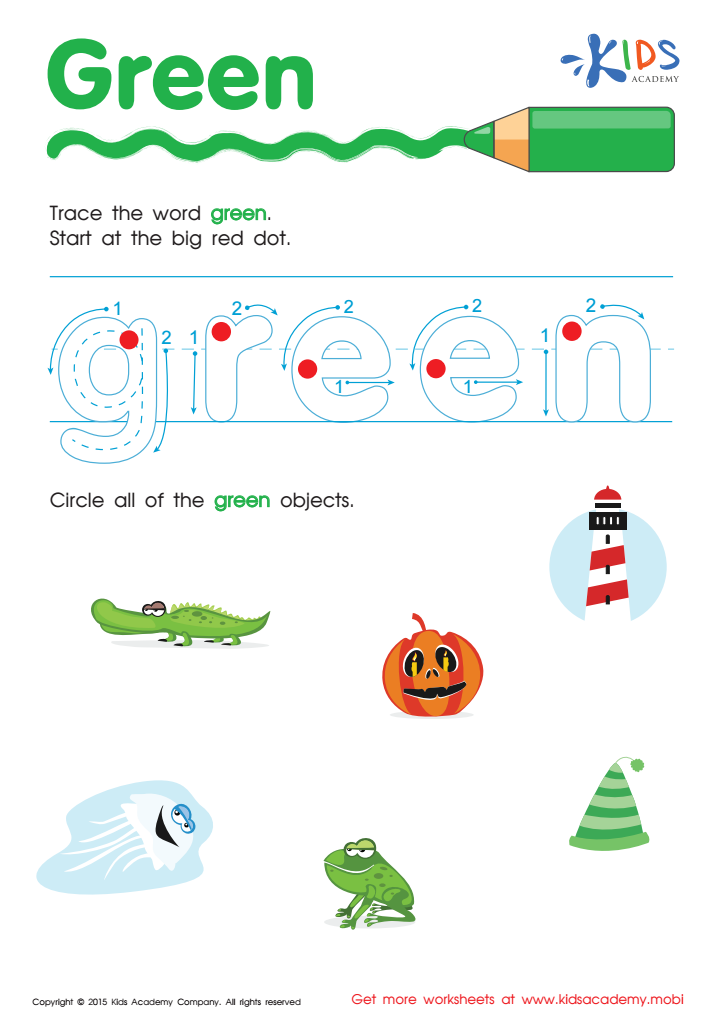
Green Tracing Color Words Worksheet
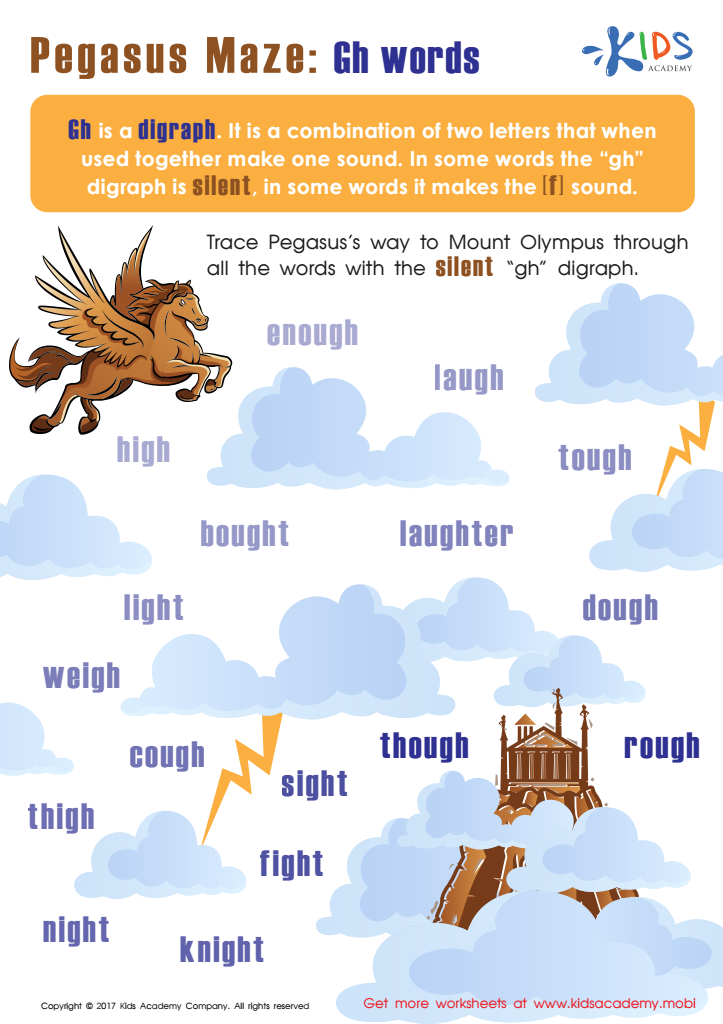
Pegasus Maze: GH Words Worksheet
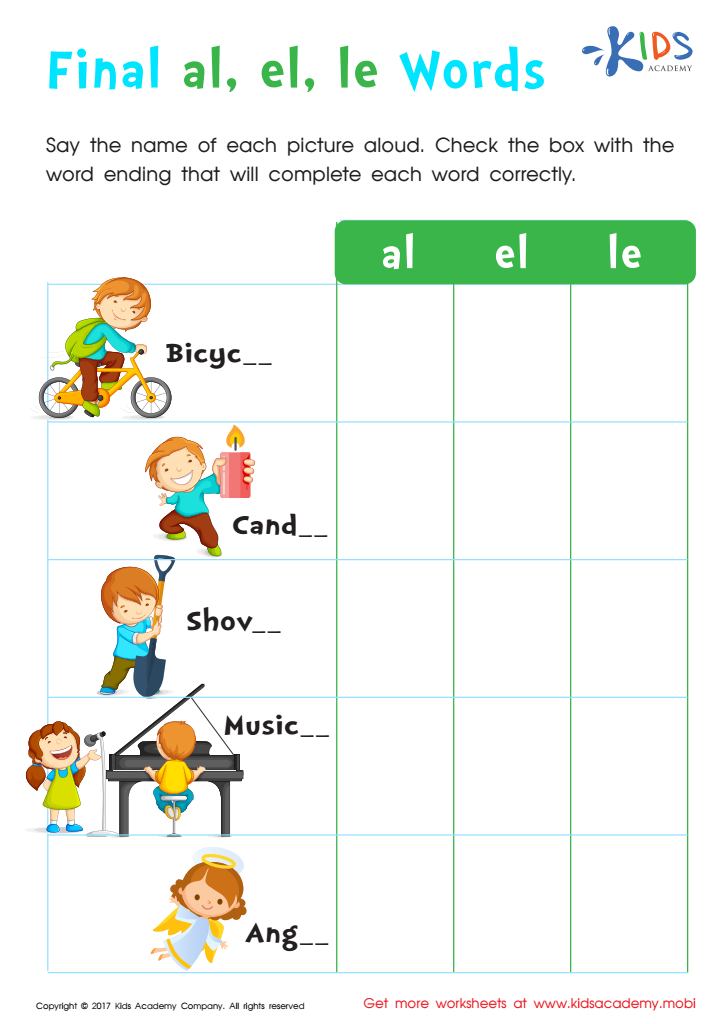
Spelling Words Ending with –le, –el and –al Worksheet








Word recognition writing is a critical skill for 9-year-olds as it serves as a foundational element of effective literacy development. At this age, children begin to transition from learning to read to reading to learn. Understanding word recognition means they can quickly identify and comprehend words, which enhances their overall reading fluency. This ability allows them to focus more on meaning and context rather than decoding, fostering greater engagement with texts.
For parents and teachers, cultivating word recognition through writing is vital. Encouraging children to express thoughts and ideas in writing using recognized words strengthens vocabulary acquisition and narrative skills. Writing helps reinforce the connection between spoken and written language, firming up their ability to recognize words in varying contexts.
Additionally, strong word recognition equates to better academic performance across subjects, especially as children encounter more complex texts in science and history. Promoting this skill aids in building confidence, allowing children to engage actively in discussions and collaborative projects. Overall, fostering effective word recognition writing provides a substantial academic advantage, setting a strong foundation for lifelong learning. By prioritizing this area, parents and teachers not only contribute to immediate educational achievements but also prepare children for future challenges.








