Fairy Tales Worksheets Activities With Answers for Ages 3-6 - Page 2
40 filtered results
-
From - To
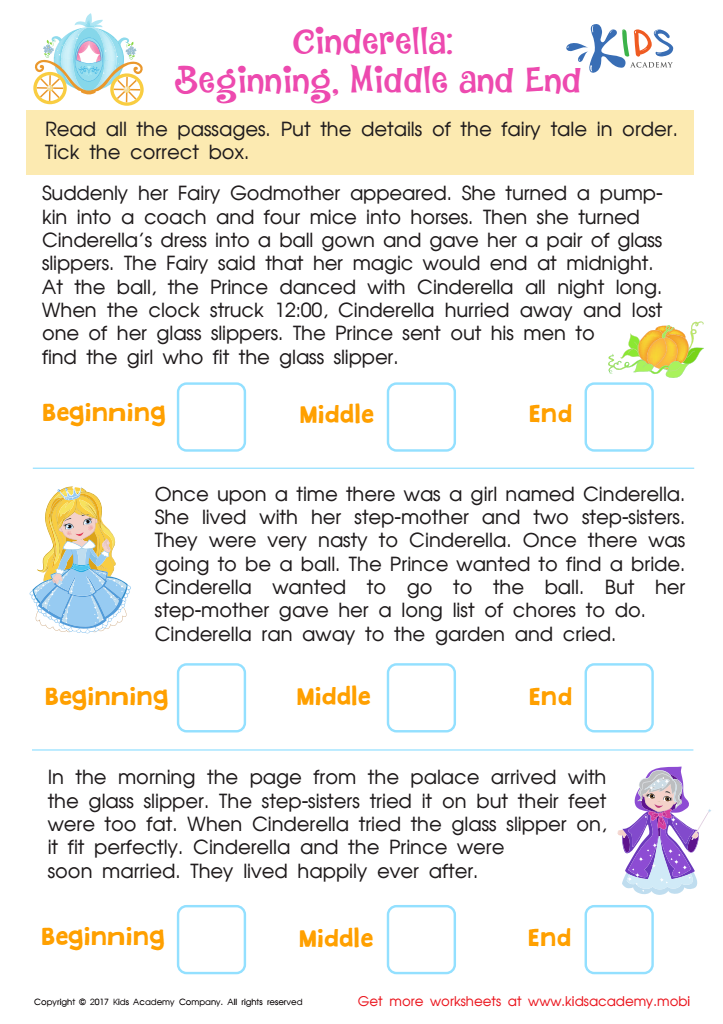
Cinderella: Beginning, Middle and End Worksheet
 Assign to My Students
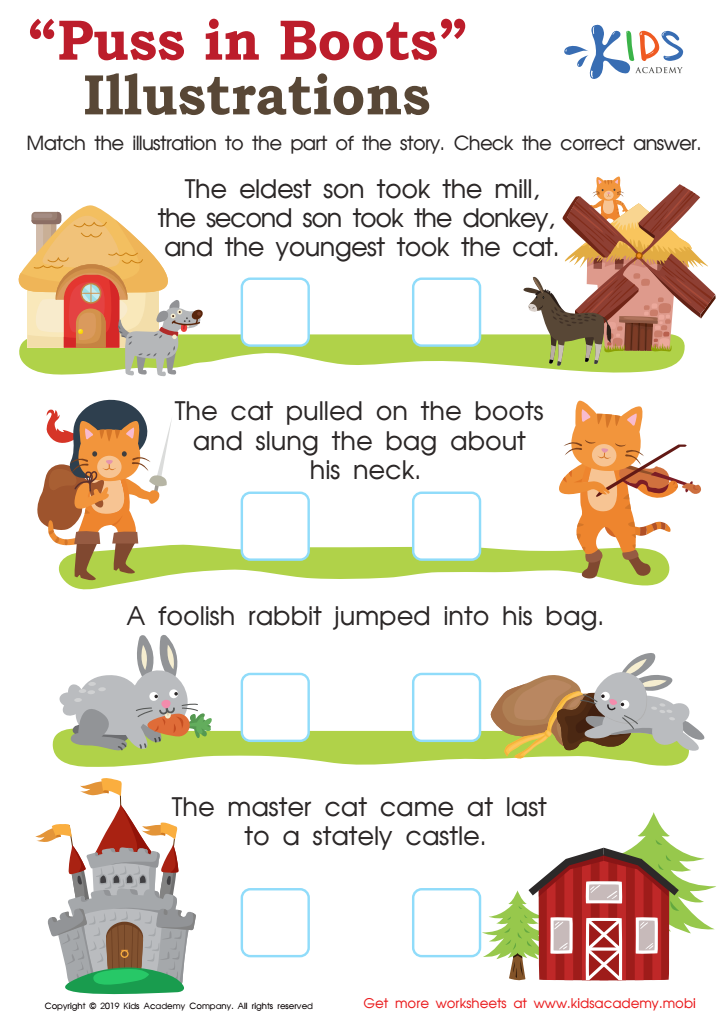
Puss in Boots Illustrations Worksheet
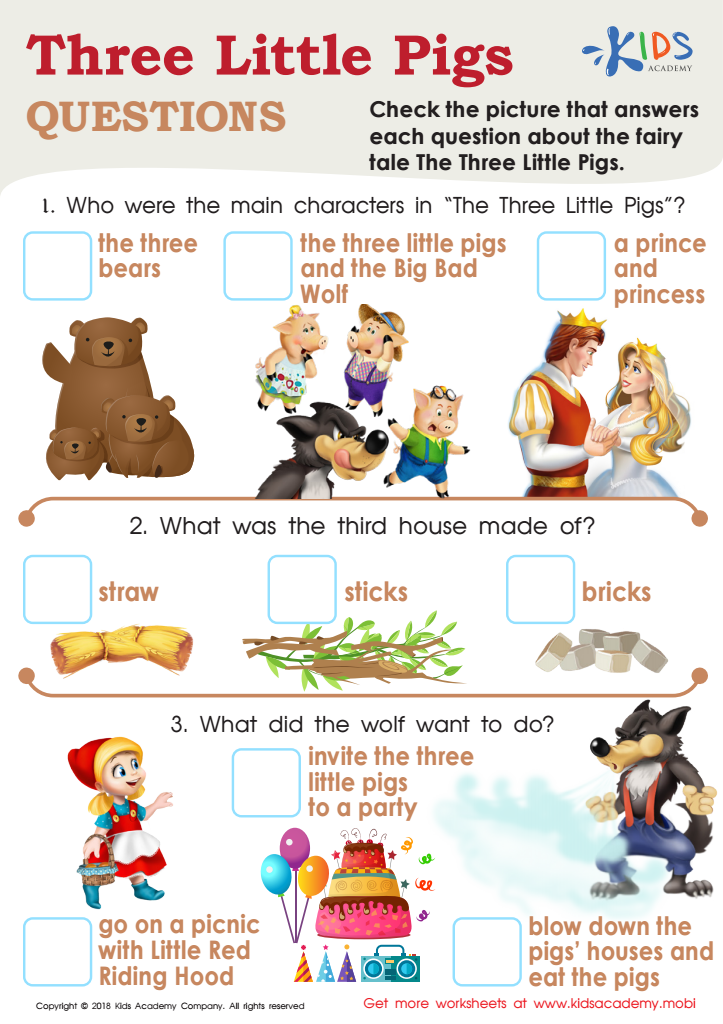
Three Little Pigs Questions Worksheet
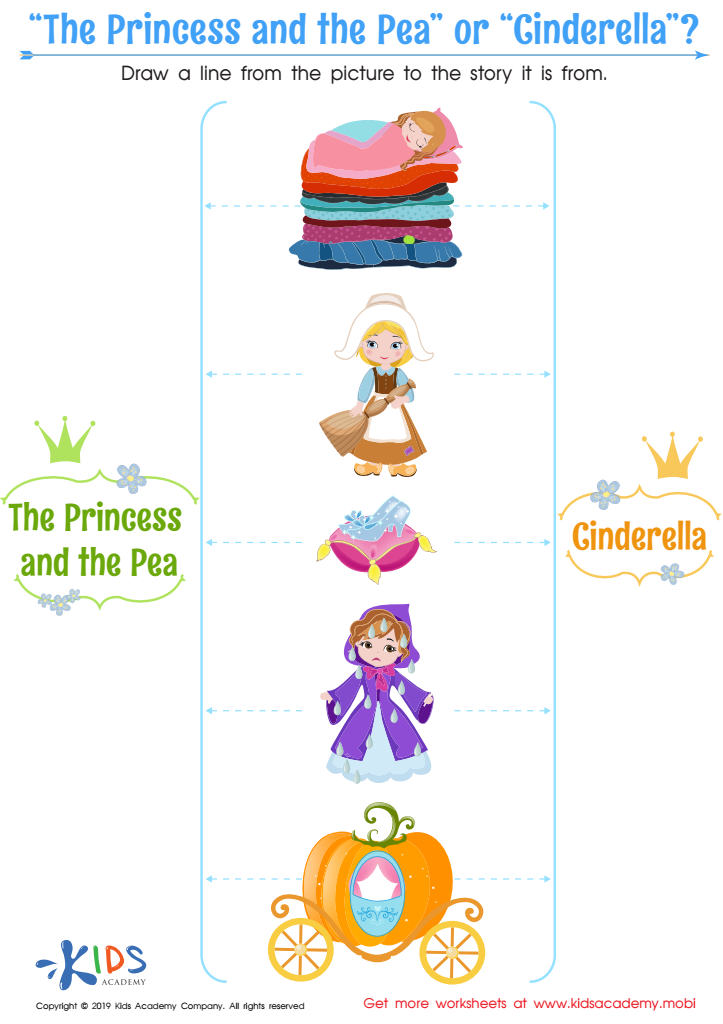
“The Princess and the Pea” or “Cinderella” Worksheet
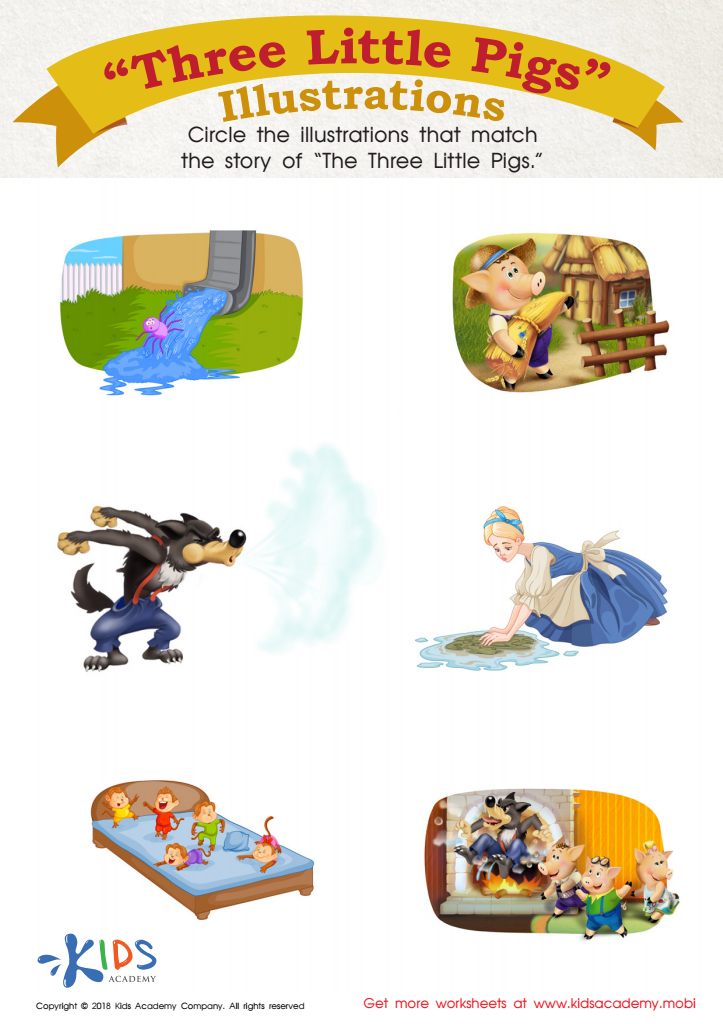
Three Little Pigs: Illustrations Worksheet
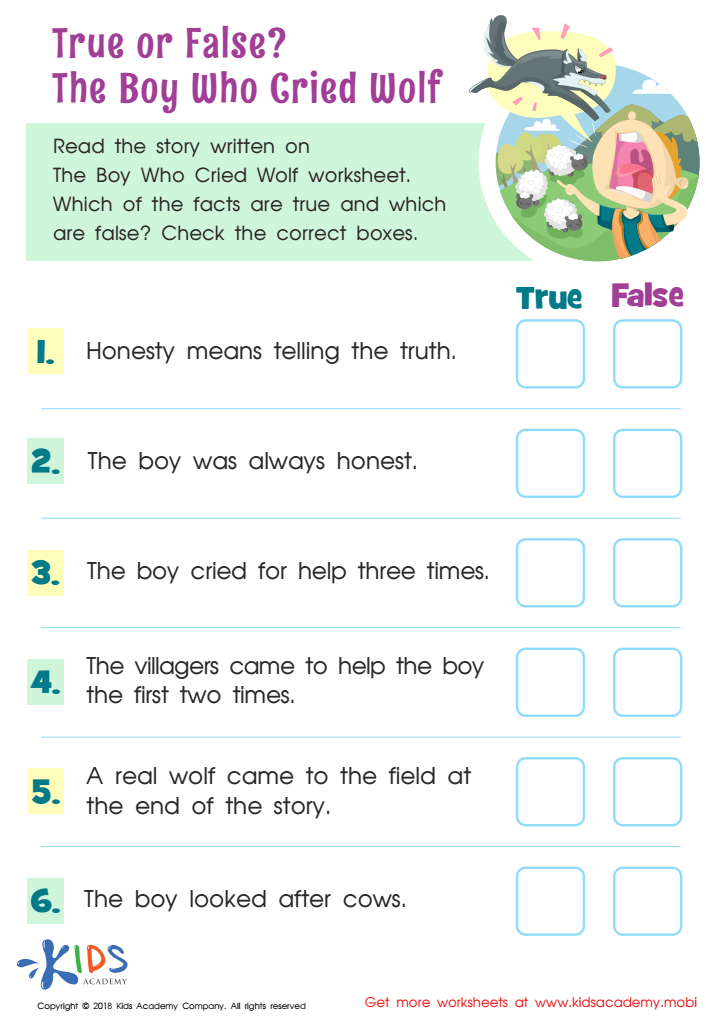
True or False? The Boy Who Cried Wolf Worksheet
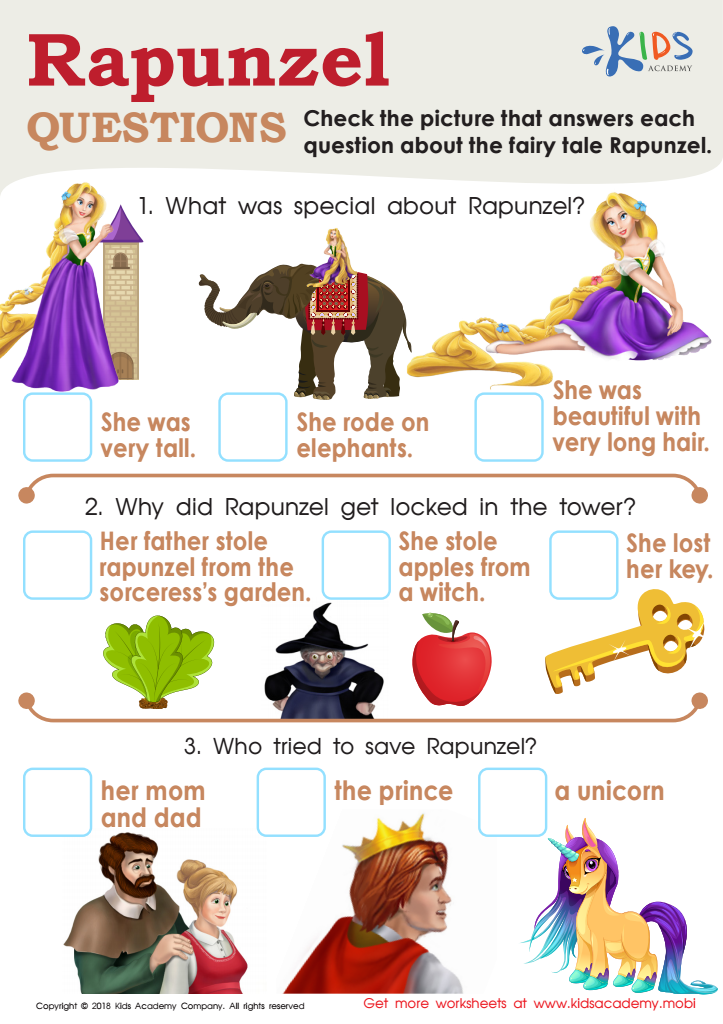
Rapunzel Questions Worksheet
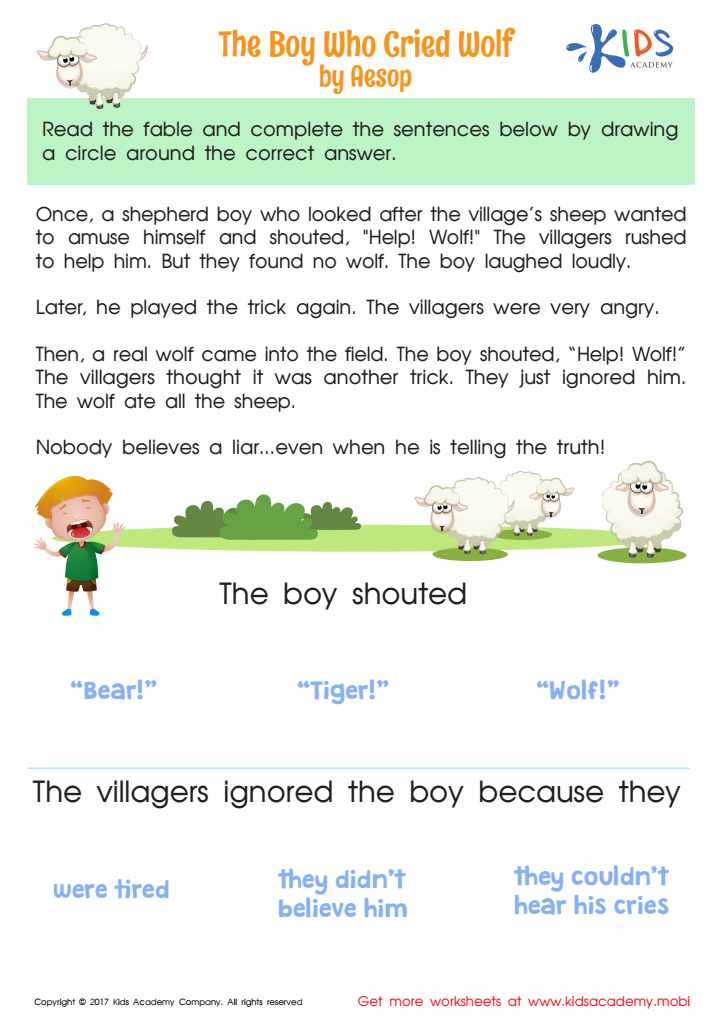
The Boy Who Cried Wolf Worksheet
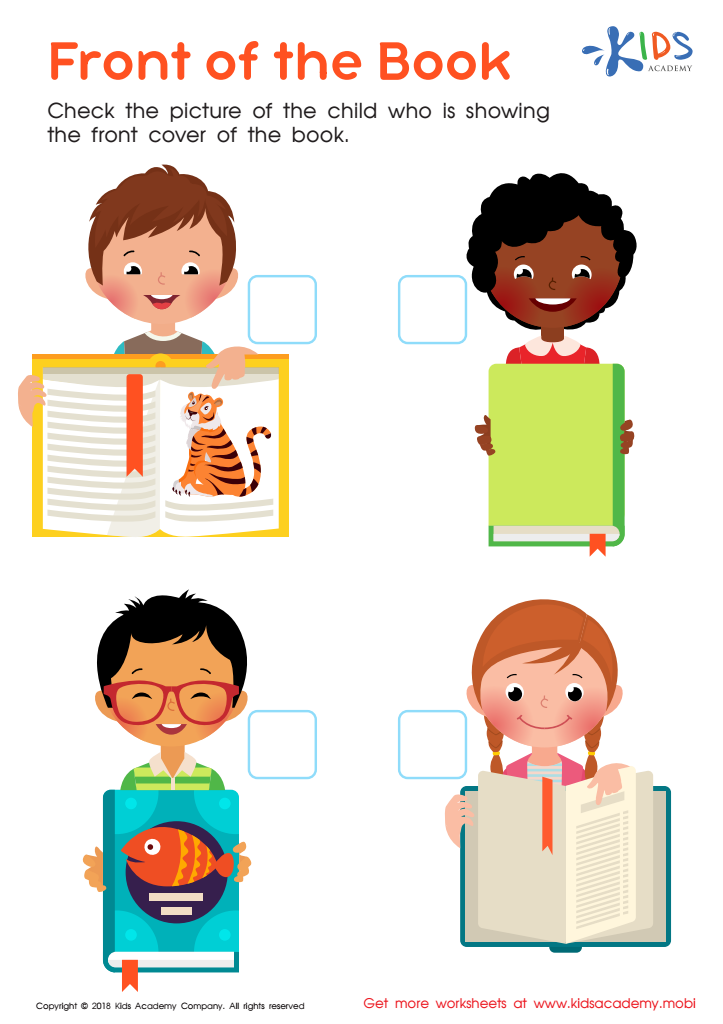
Front of the Book Worksheet
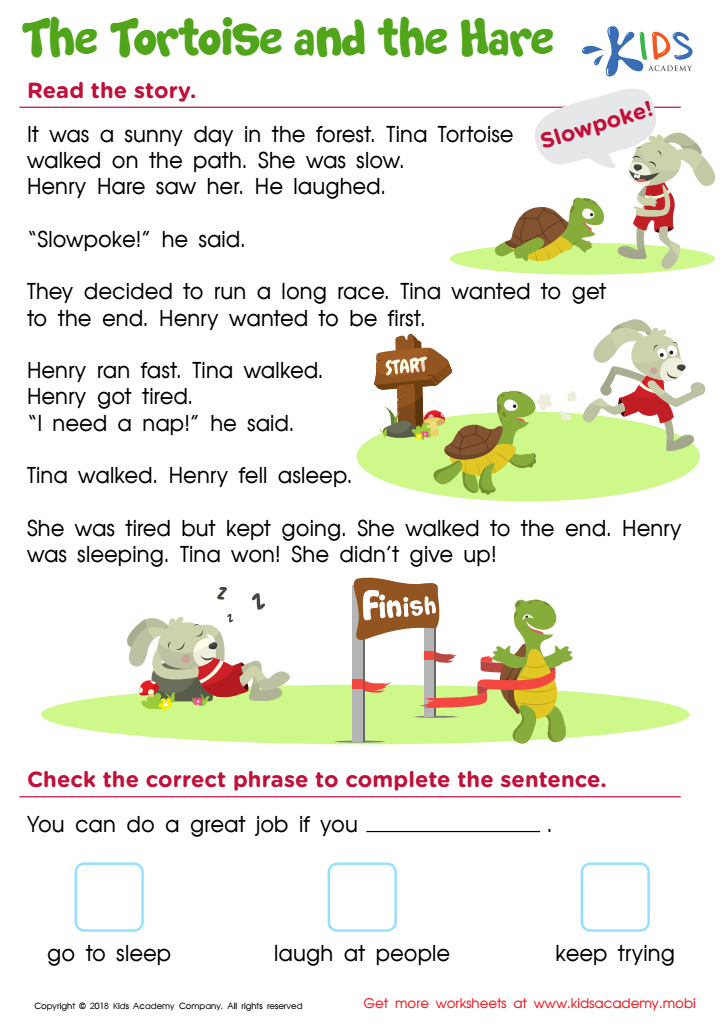
The Tortoise and the Hare Worksheet
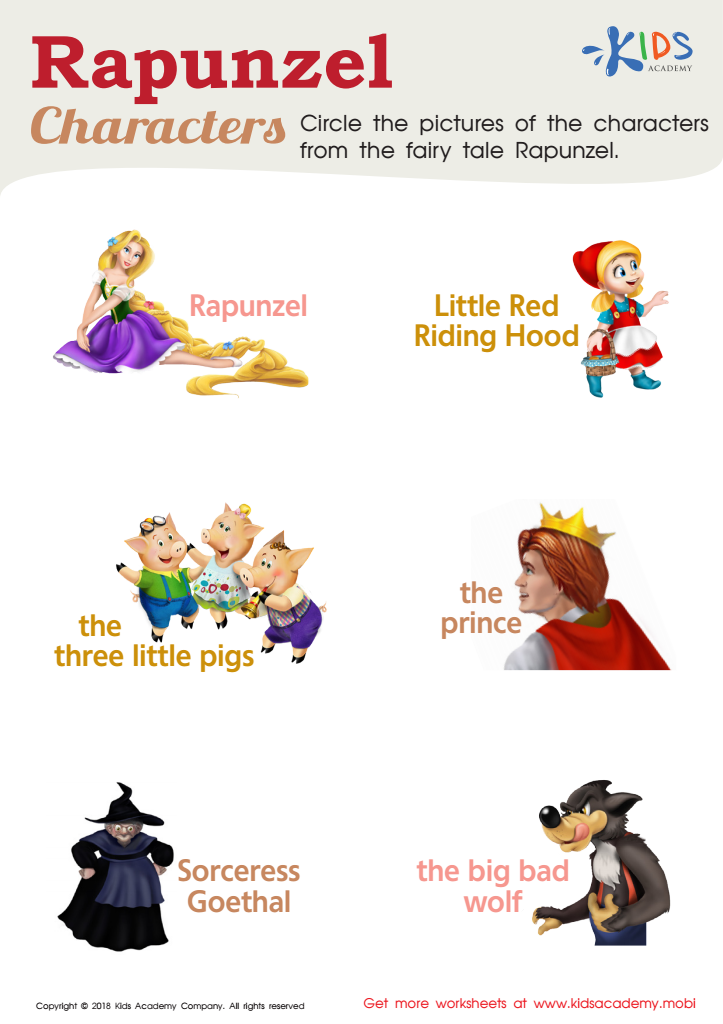
Rapunzel Characters Worksheet
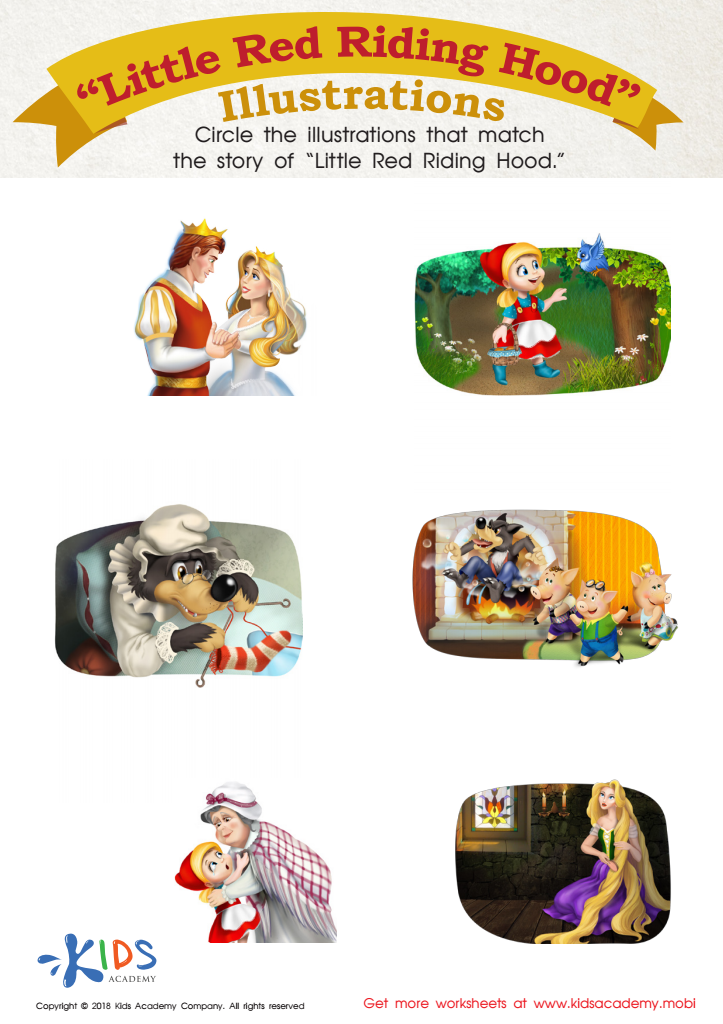
Little Red Riding Hood: Illustrations Worksheet
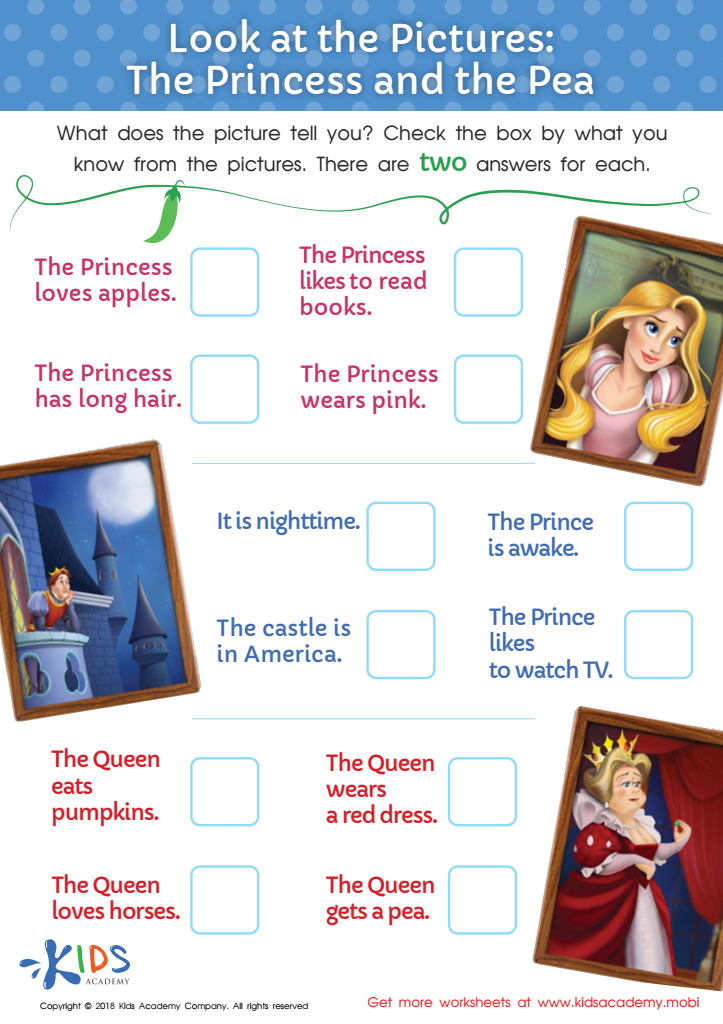
Look at the Pictures: The Princess and the Pea Worksheet
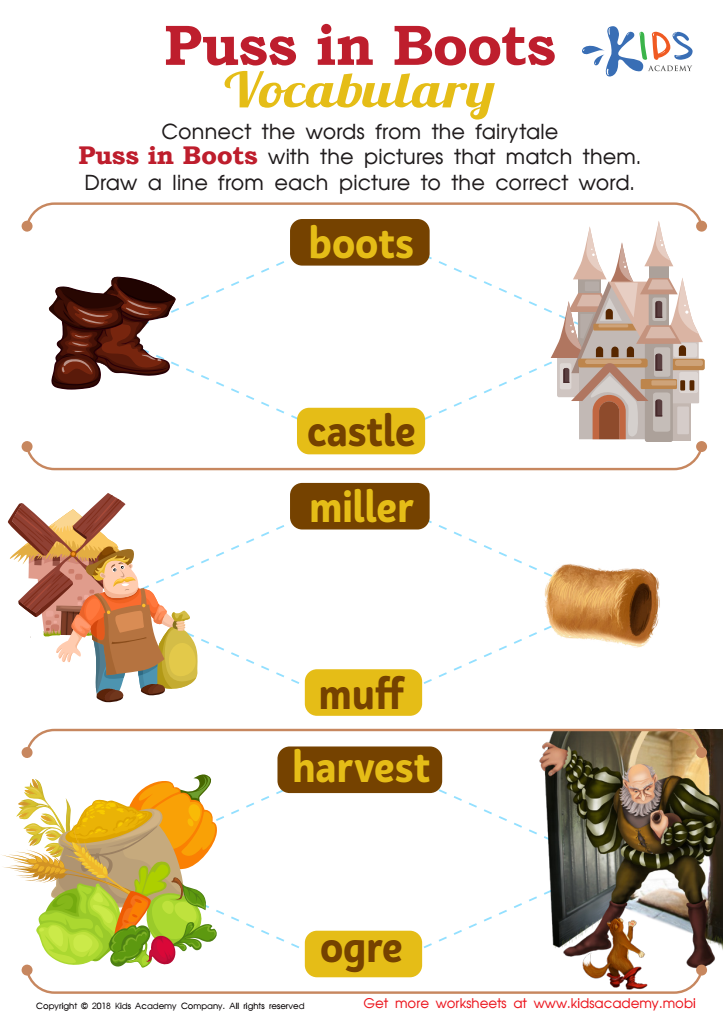
Puss in Boots Vocabulary Worksheet
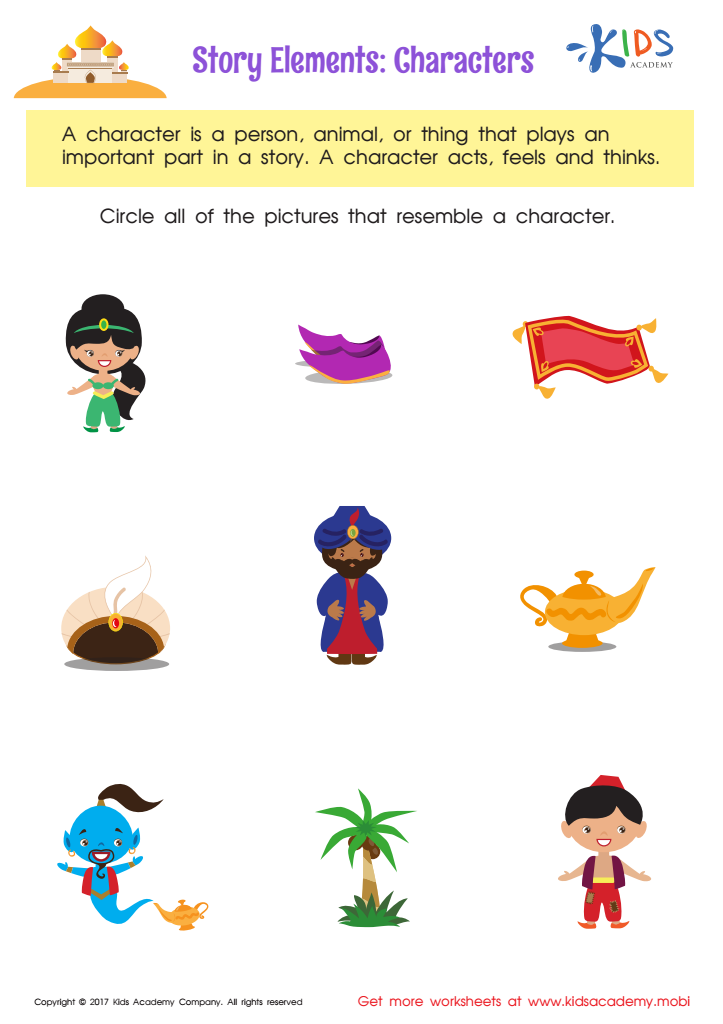
Story Elements Printable
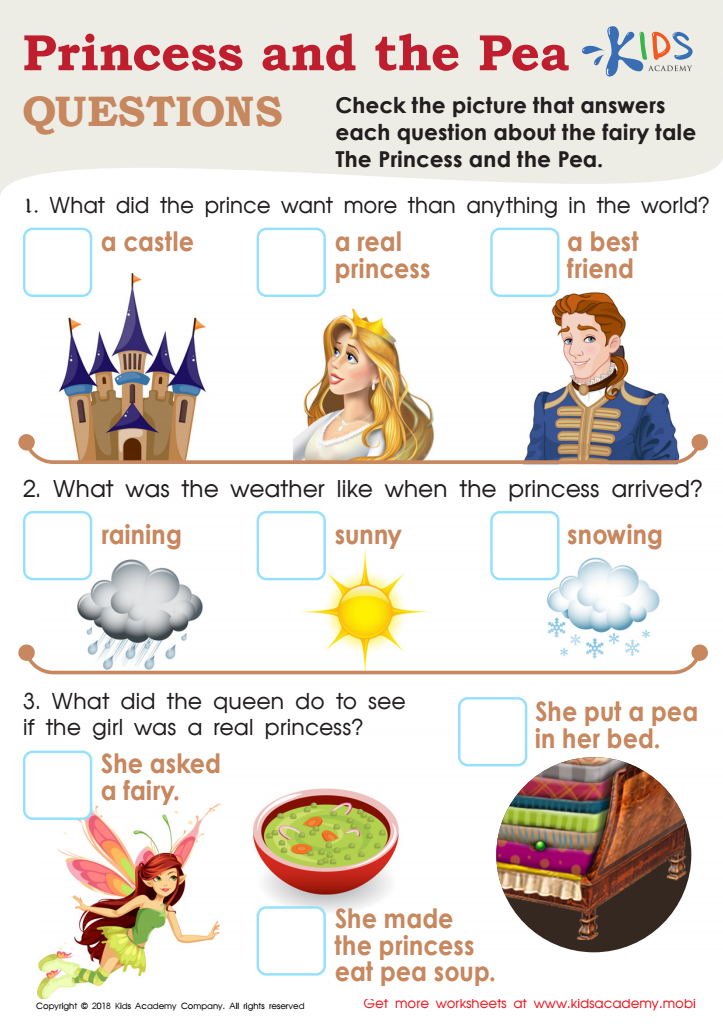
Princess and the Pea Questions Worksheet








Fairy tales have a special place in early childhood education, offering rich opportunities for learning and development for children ages 3-6. One reason parents and teachers should care about fairy tale activities is that they promote cognitive skills. Engaging with stories fosters critical thinking and comprehension as children predict outcomes and make connections between events.
Additionally, fairy tales introduce children to cultural narratives and moral lessons, helping them understand values like kindness, honesty, and bravery. By incorporating fairy tales into activities, such as storytelling, puppet shows, or creative crafts, educators can enhance language development through vocabulary building, listening skills, and expressive abilities.
Moreover, these activities encourage imaginative play, nurturing creativity and self-expression. As children reenact stories or create their own versions, they learn to articulate thoughts and emotions while enhancing social skills through collaboration.
Finally, incorporating questions and answers in these activities fosters interaction and keeps children engaged. It guides them to think more deeply about the story’s themes and characters. Overall, fairy tale activities are a multifaceted educational strategy that supports cognitive, social, and emotional development, making them essential for parents and teachers nurturing young learners.








