Matching Worksheets Activities With Answers for Ages 3-8 - Page 3
82 filtered results
-
From - To
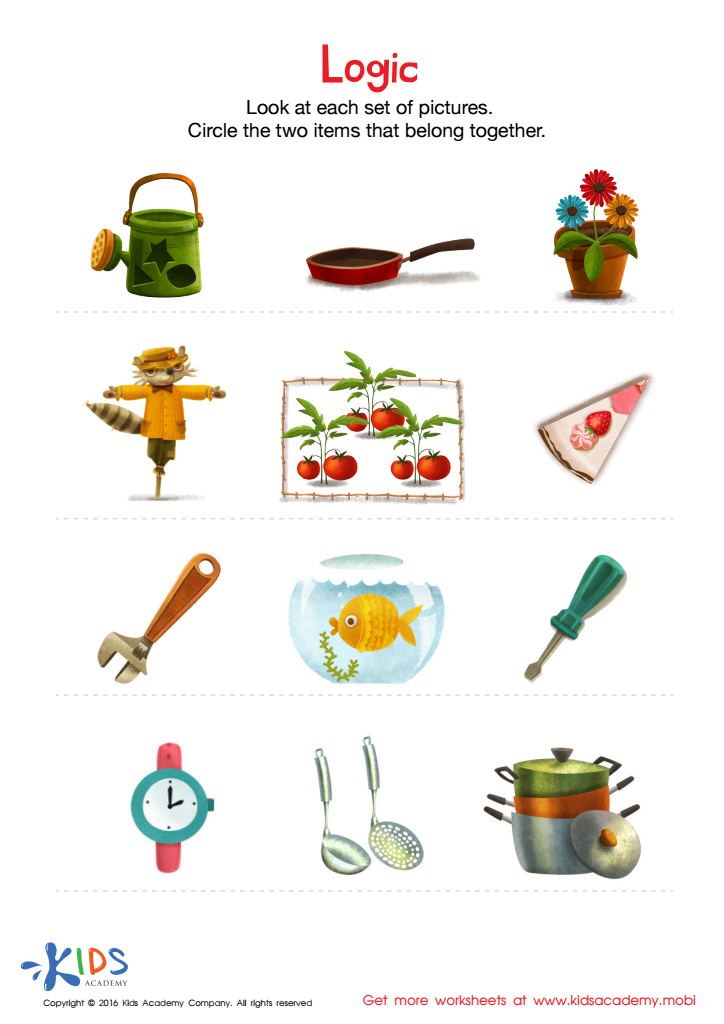
Logic Game Sorting Worksheet
 Assign to My Students
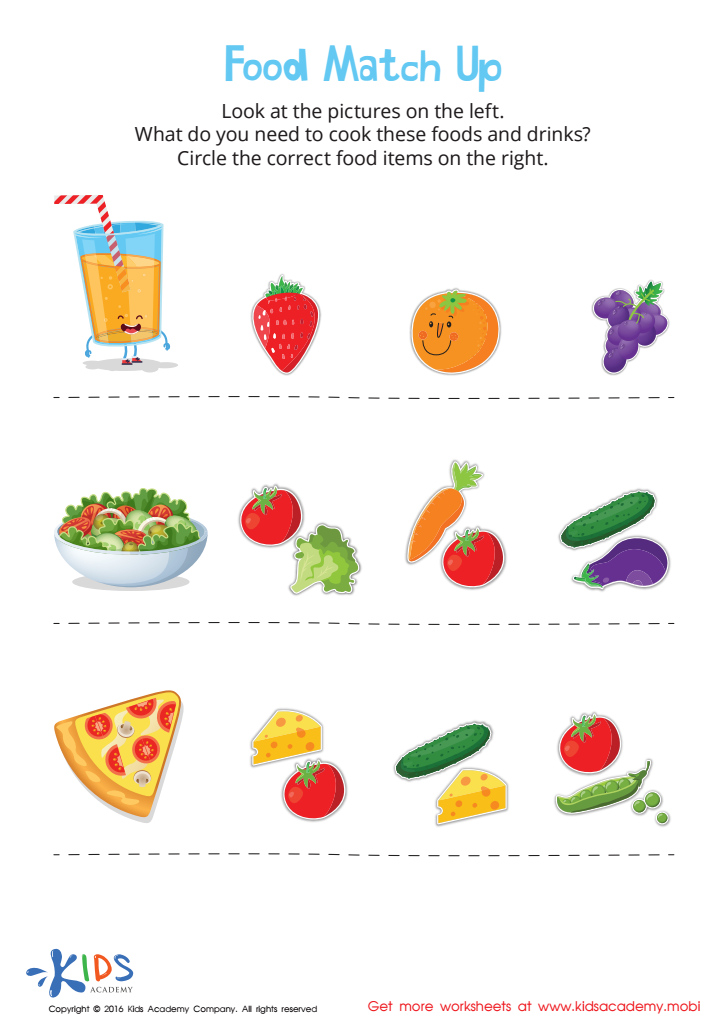
Food Match Up Worksheet
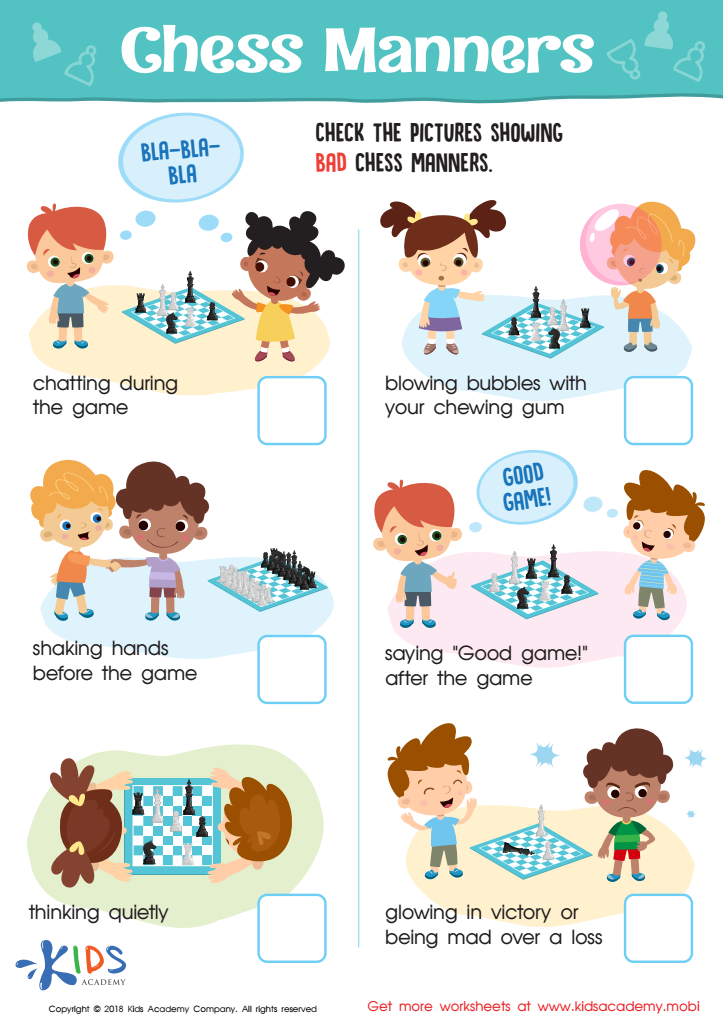
Chess Manners Worksheet
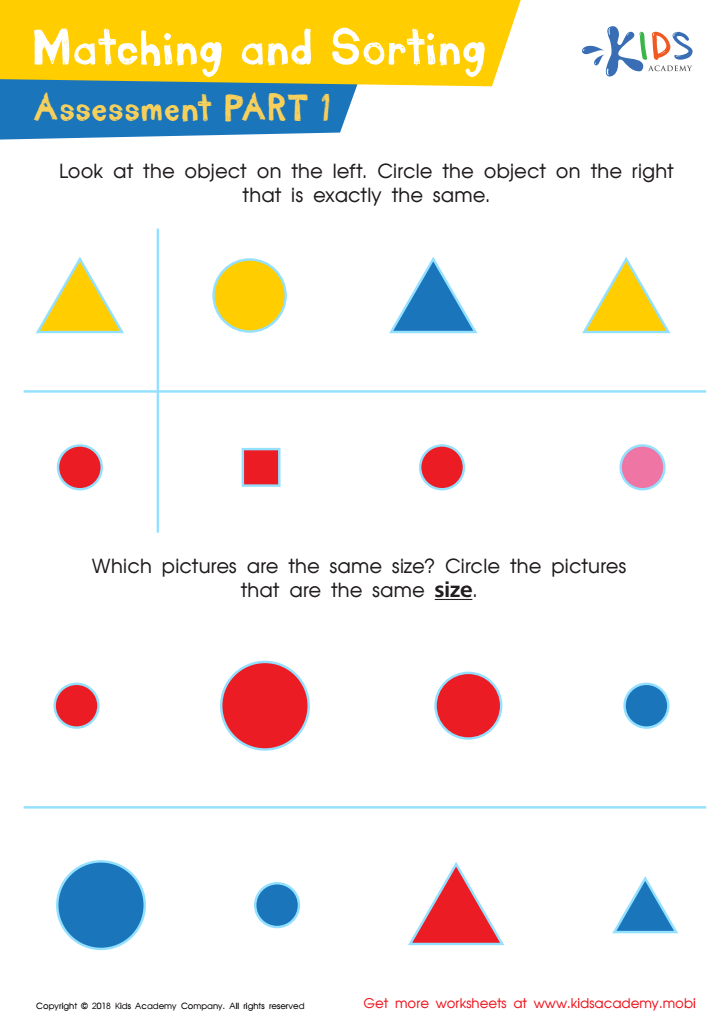
Matching and Sorting for Kindergarten: Assessment 1 Worksheet
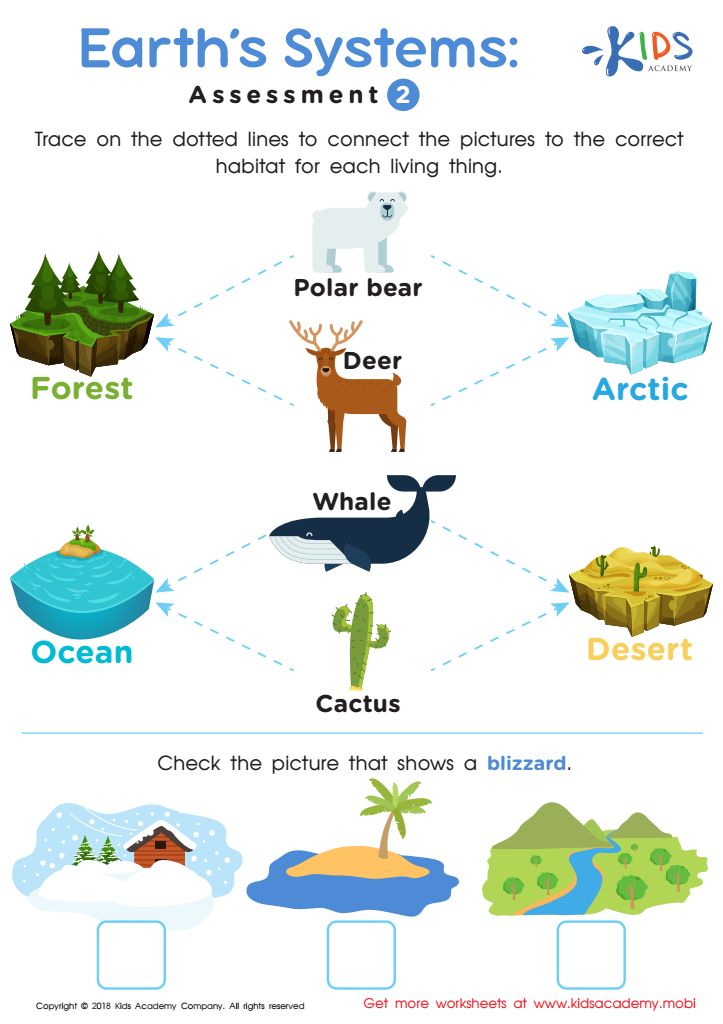
Earth's Systems: Assessment 2
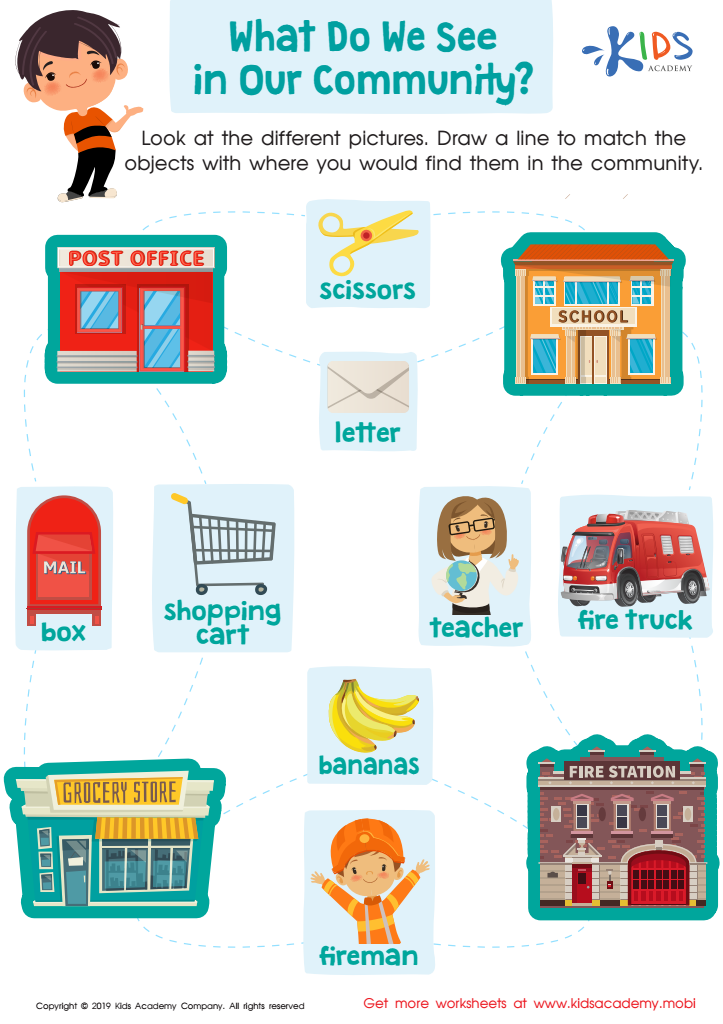
What Do We See in our Community? Worksheet
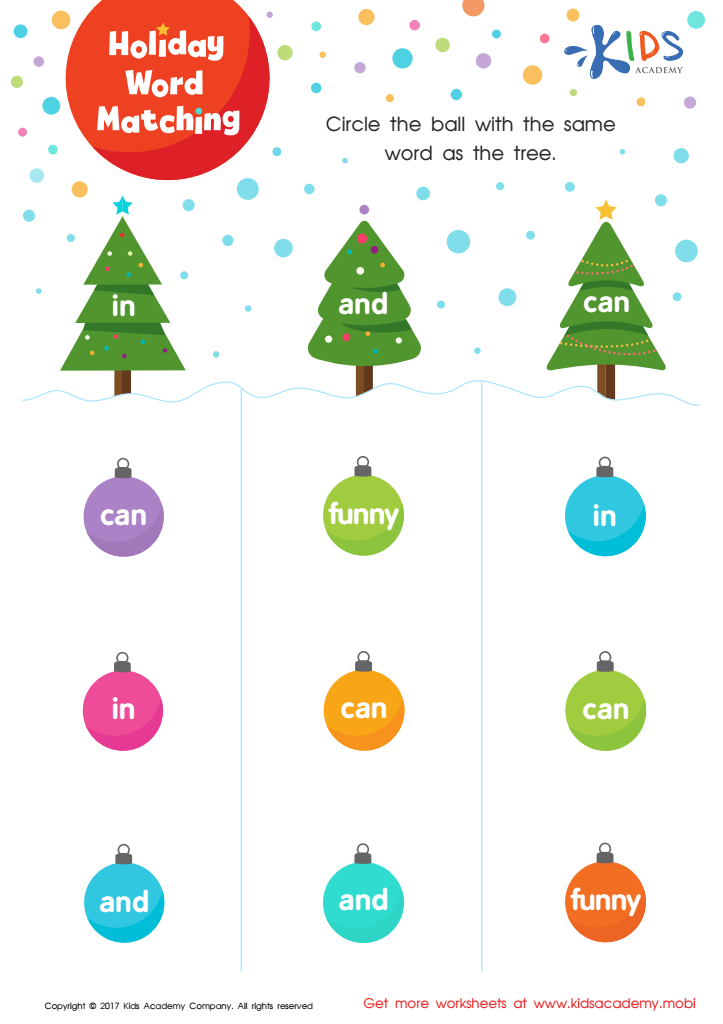
Holiday Word Matching Worksheet
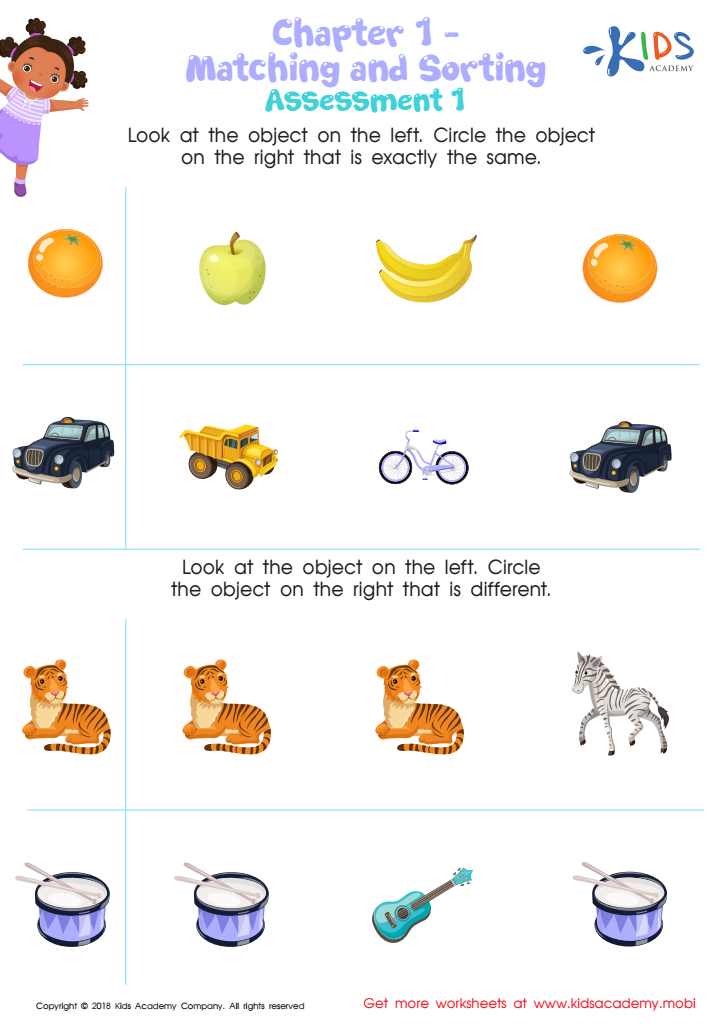
Matching and Sorting for Preschool: Assessment 1 Worksheet
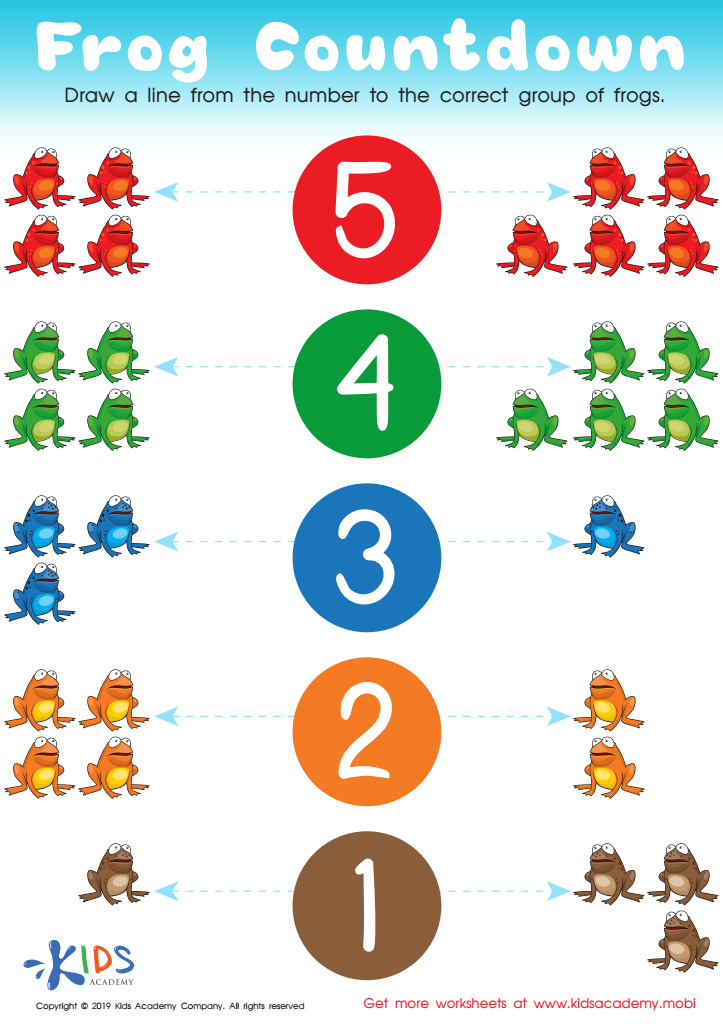
Frog Countdown Worksheet
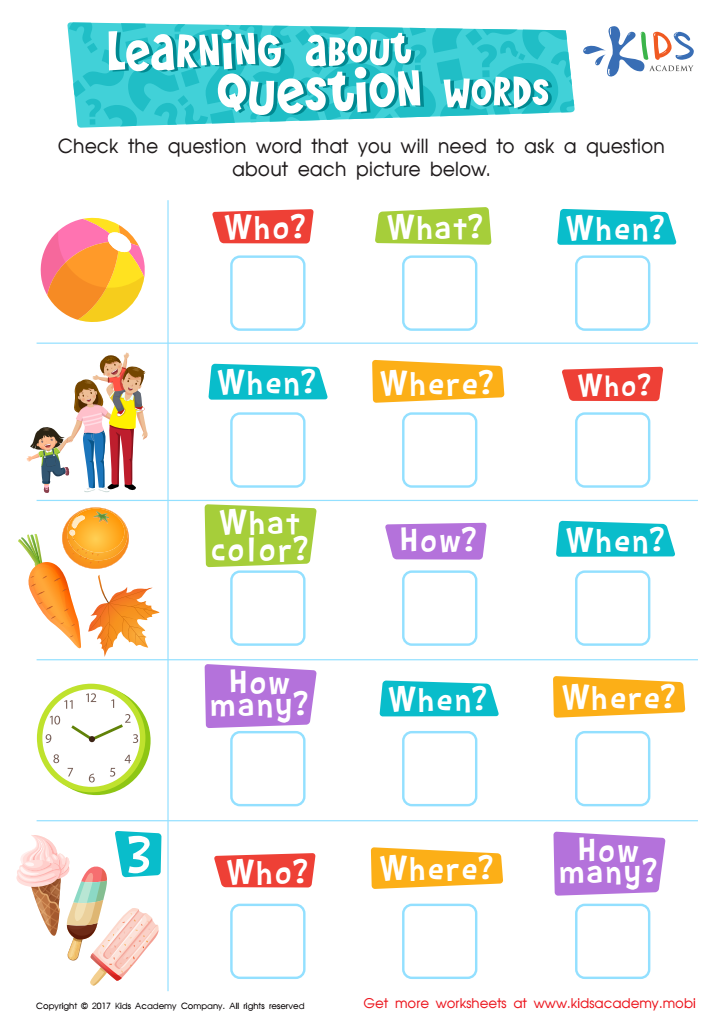
Learning about Question Words Worksheet
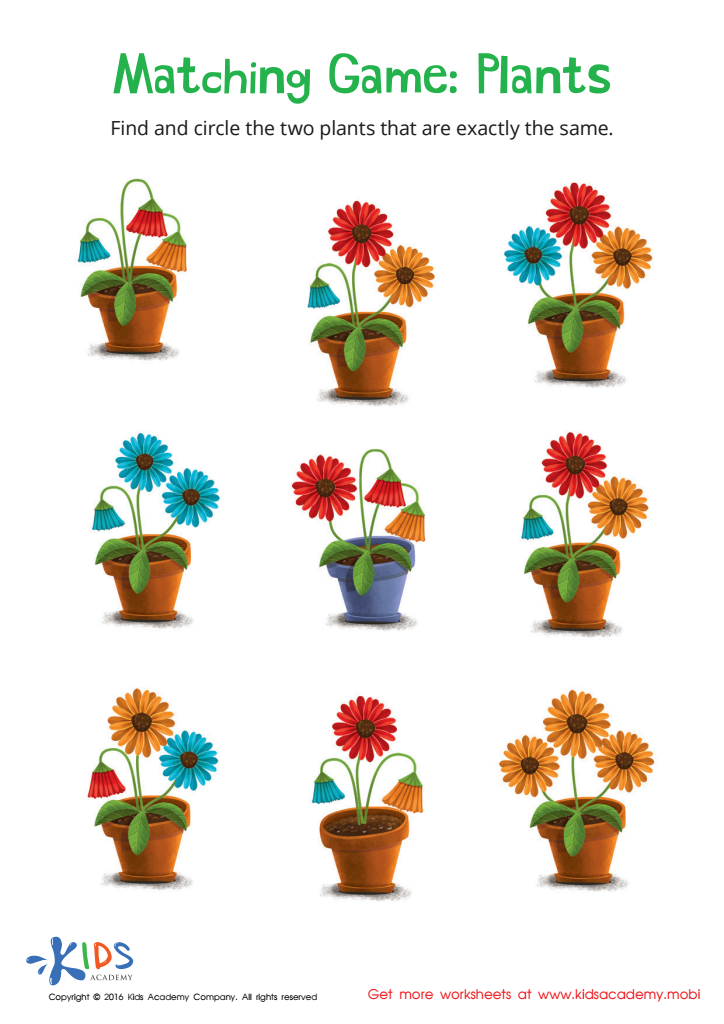
Matching: Plants Worksheet
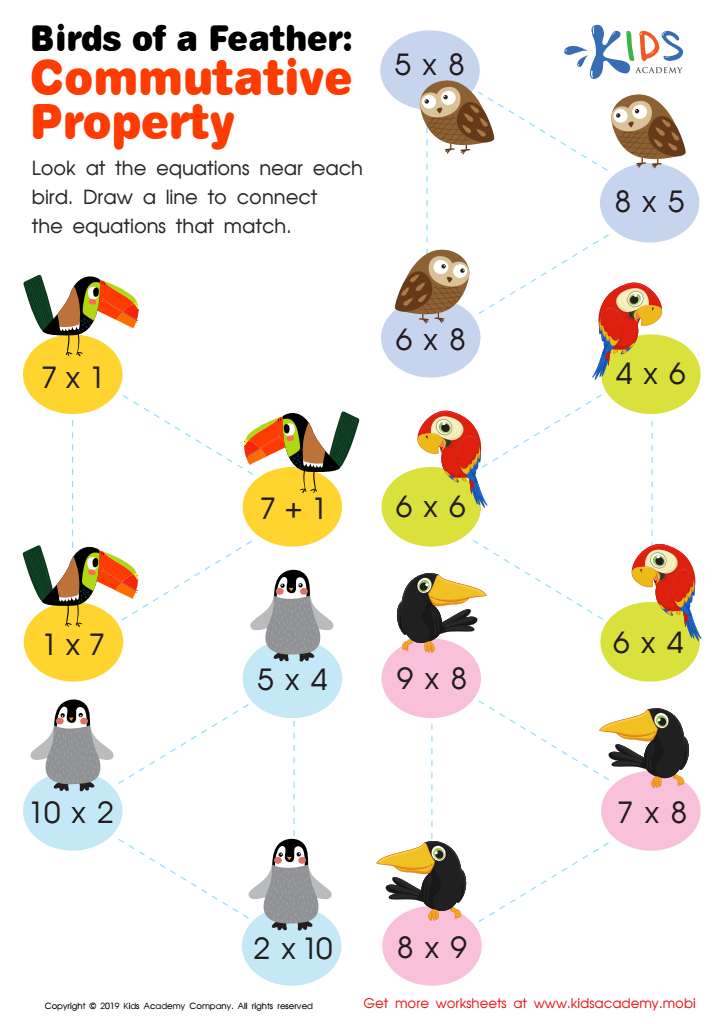
Birds of a Feather: Commutative Property Worksheet
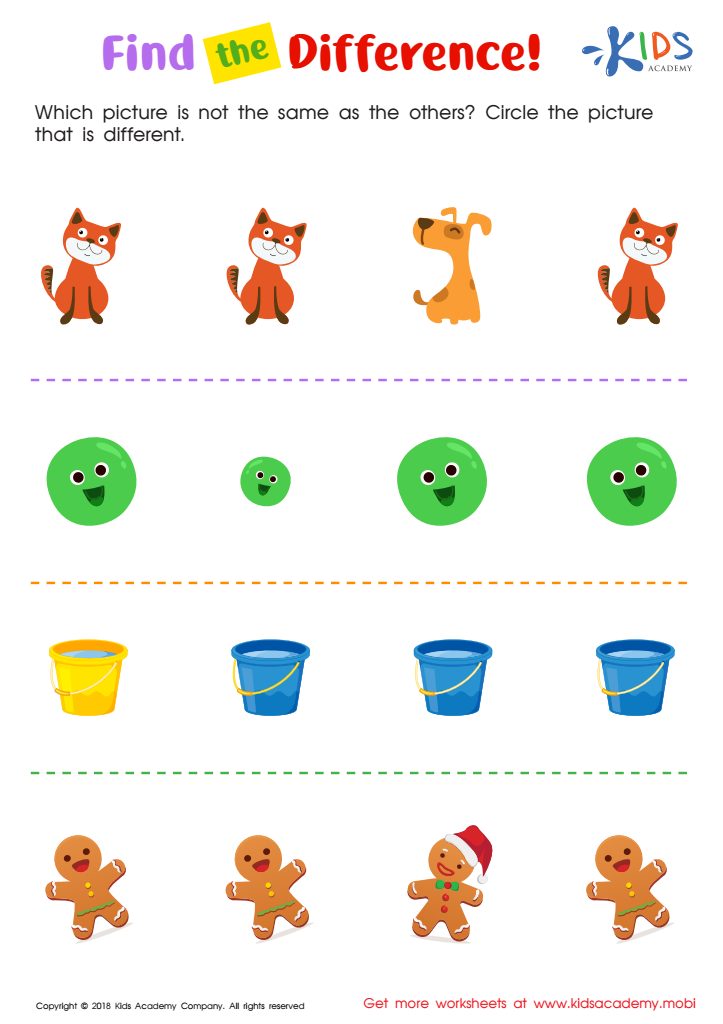
Find the Difference Worksheet
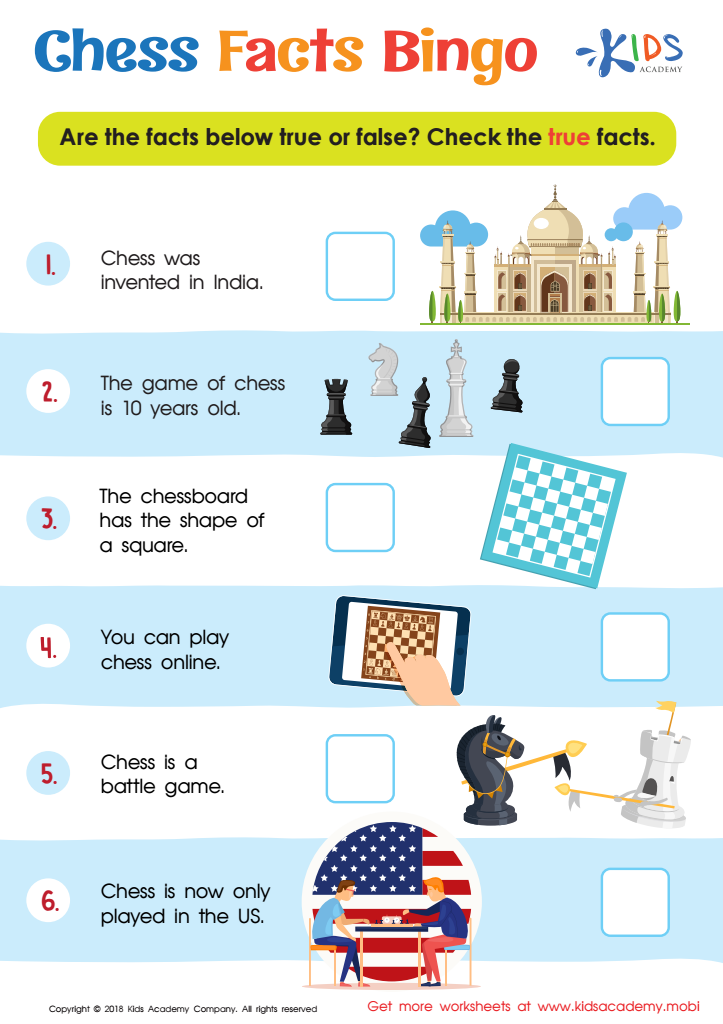
Chess Facts Bingo Worksheet
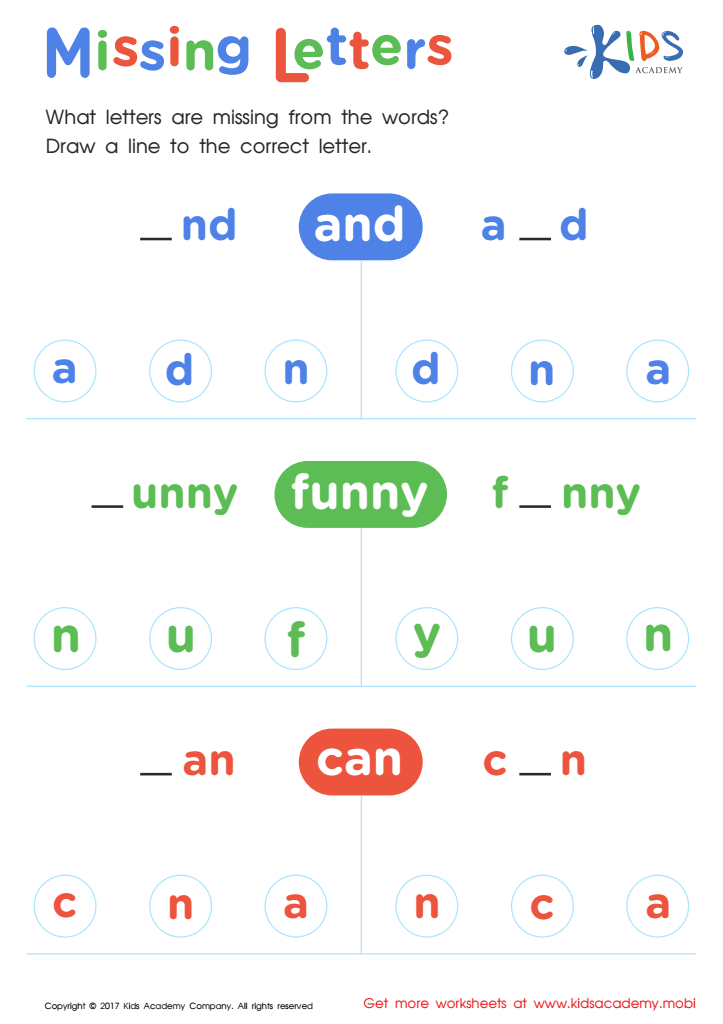
Missing Letters Worksheet
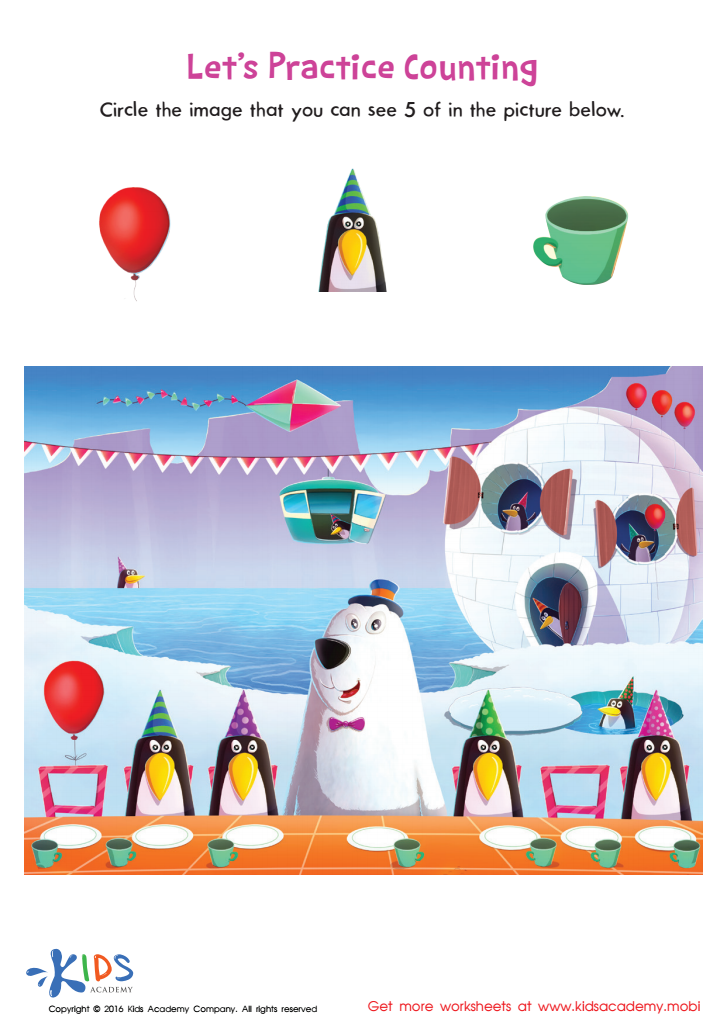
Counting Worksheet: Let's Practice Counting
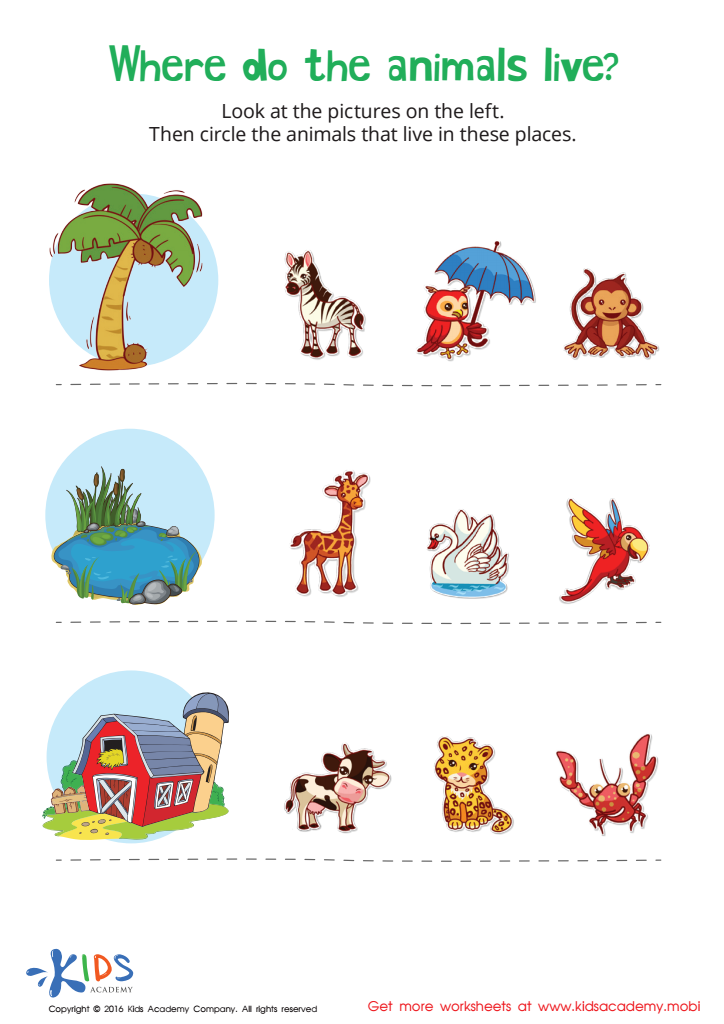
Where Animals Live Worksheet
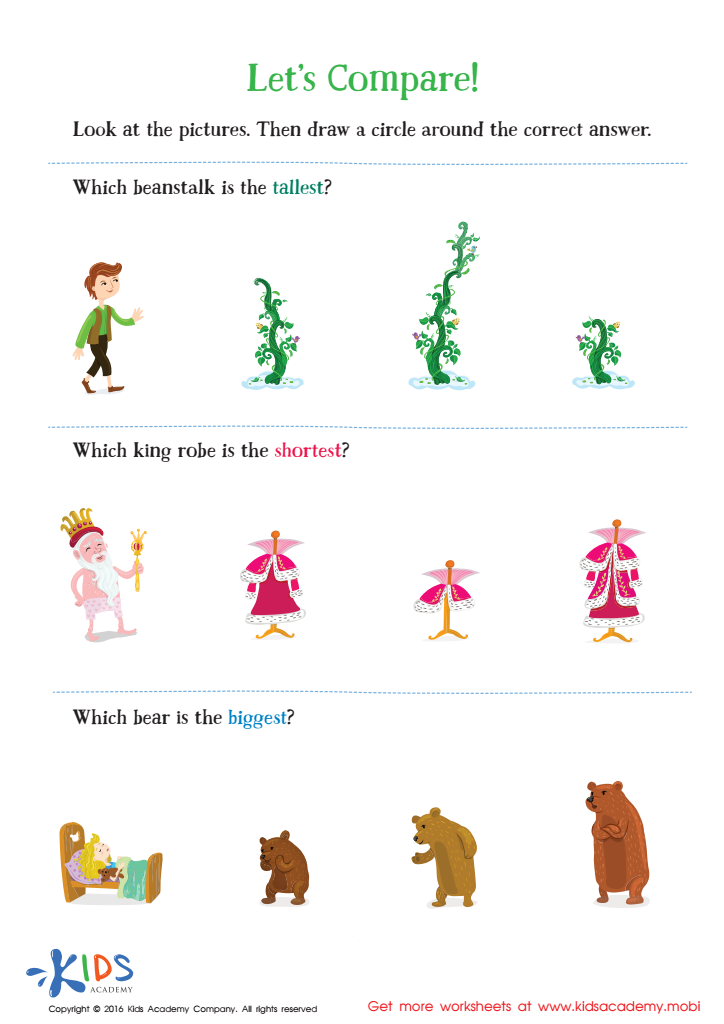
Fairy Tale Worksheet: Let's Compare
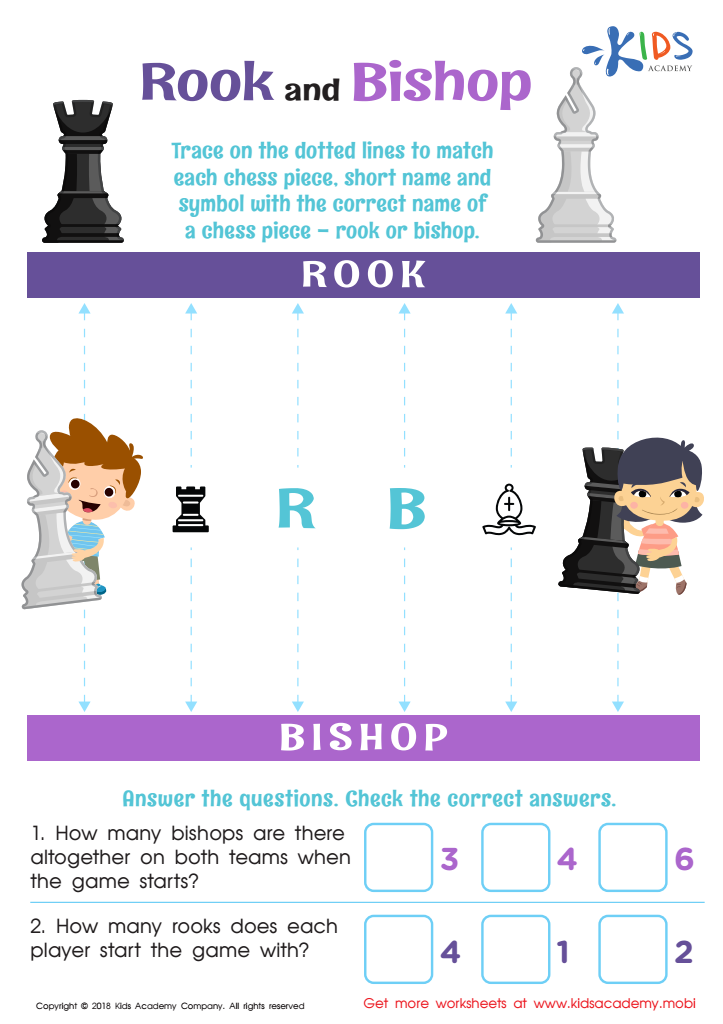
Rook and Bishop Worksheet
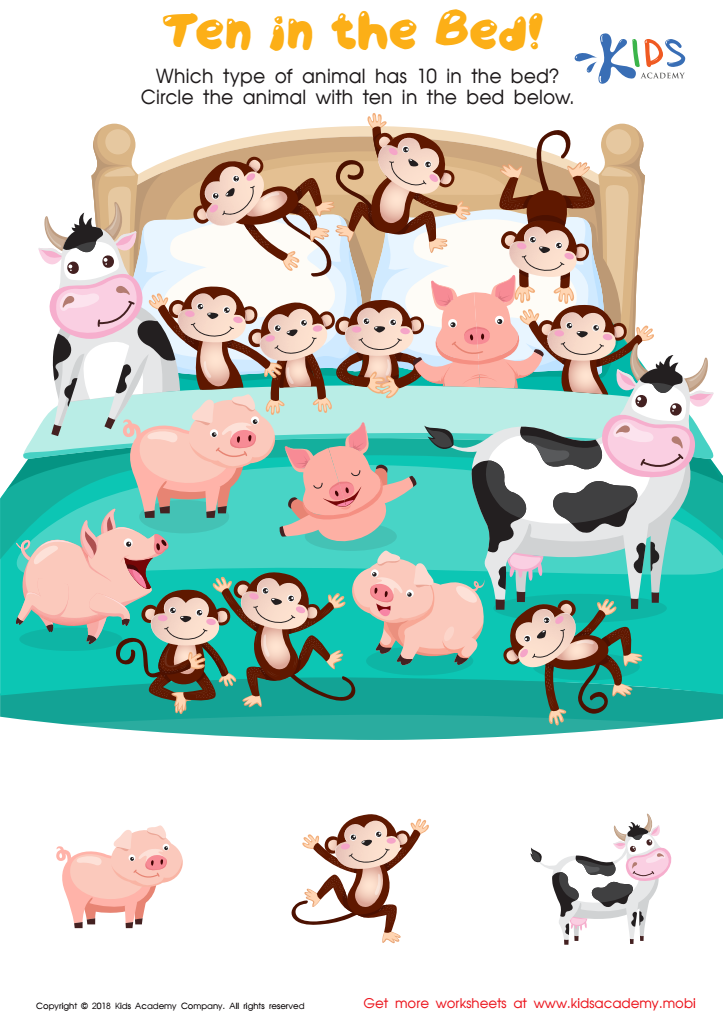
Ten in the Bed Worksheet
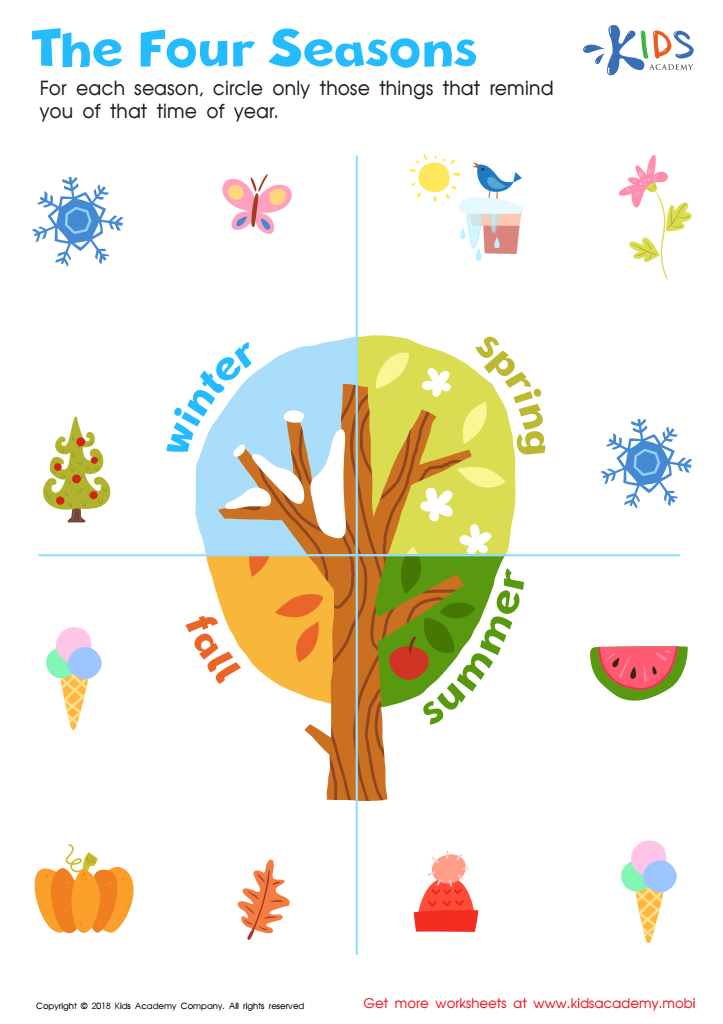
The Four Seasons Worksheet
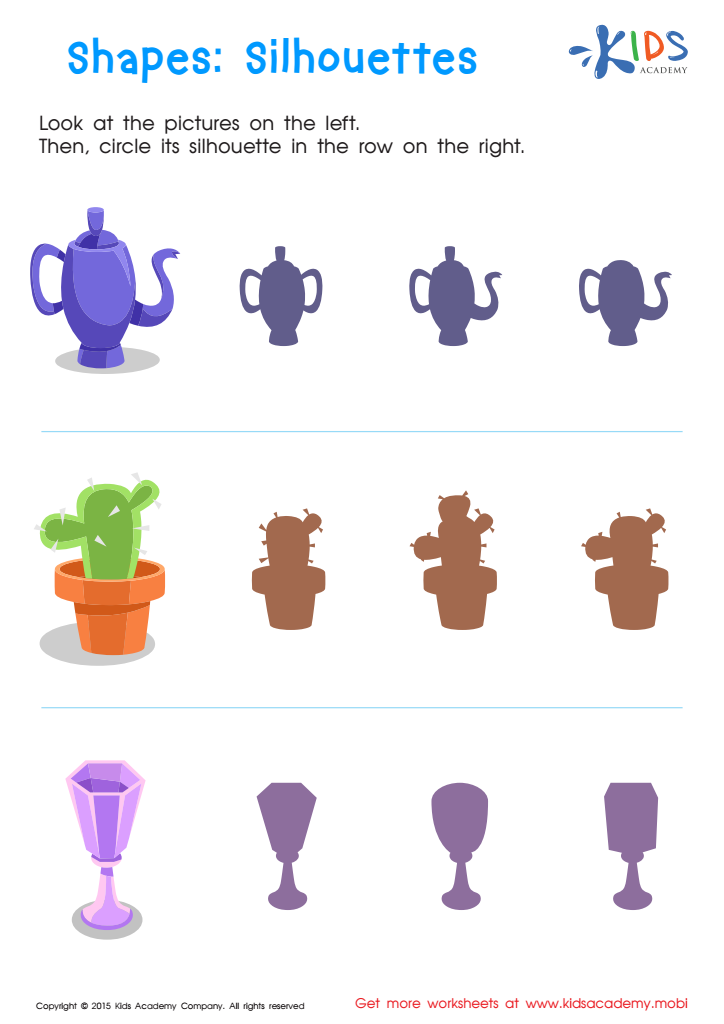
Silhouettes – Shapes Worksheet
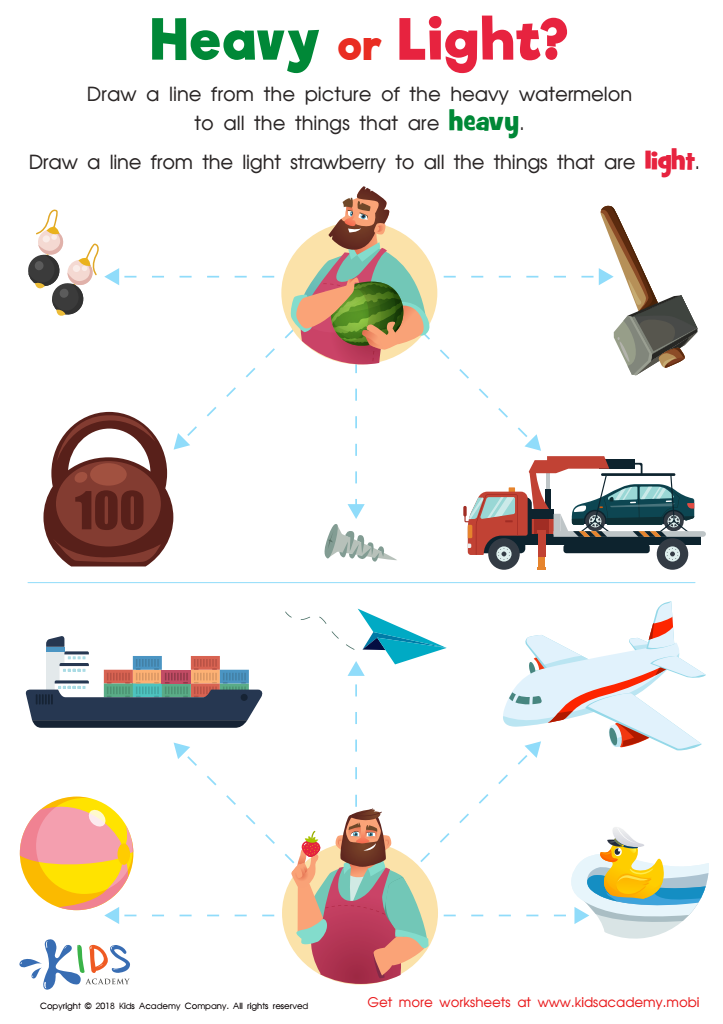
Heavy or Light? Worksheet
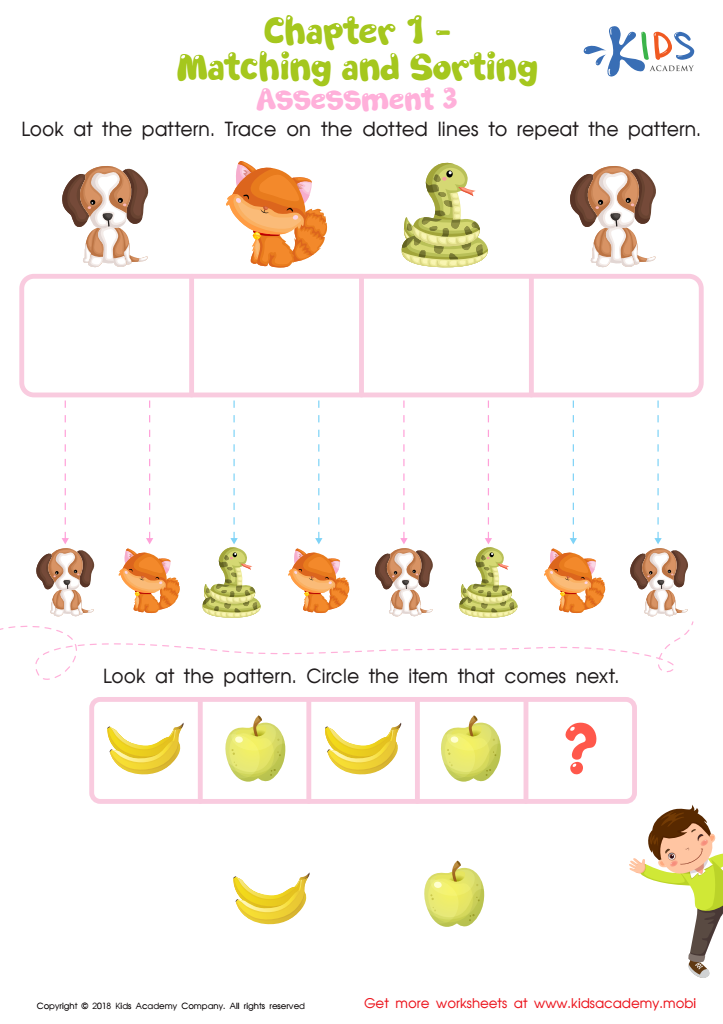
Matching and Sorting for Preschool: Assessment 3 Worksheet





Matching activities with answers for children aged 3-8 are vital for several reasons. Firstly, these activities promote cognitive development by enhancing critical thinking skills and memory retention. When children link items or concepts together, they exercise their brains, fostering neural connections essential for their growth. Parents and teachers who utilize matching activities can effectively support and stimulate children’s learning processes, making educational experiences dynamic.
Additionally, matching activities can enhance language development. As young children engage with words, images, or objects, they build vocabulary and comprehension skills, crucial for effective communication. This interactive approach to learning is engaging and helps maintain children's attention.
Moreover, these activities encourage social and emotional skills. Working in pairs or small groups encourages teamwork, turn-taking, and the development of interpersonal relationships, fostering a sense of community and collaboration.
Parents and teachers should also recognize that matching activities cater to various learning styles. Visual learners benefit from images, auditory learners from discussions surrounding the matching items, and kinesthetic learners from hands-on interaction. By integrating matching activities, educators and parents create inclusive, enriching environments that cater to the diverse needs of young learners, laying a solid foundation for lifelong learning.








