Matching Worksheets Activities With Answers for Ages 4-7 - Page 3
80 filtered results
-
From - To
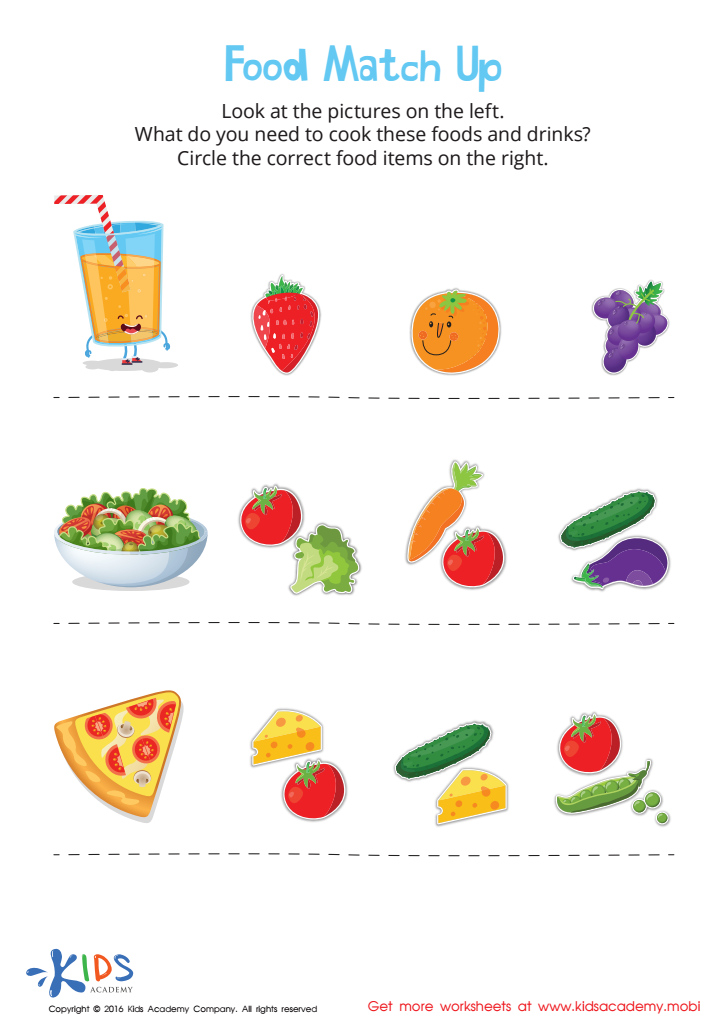
Food Match Up Worksheet
 Assign to My Students
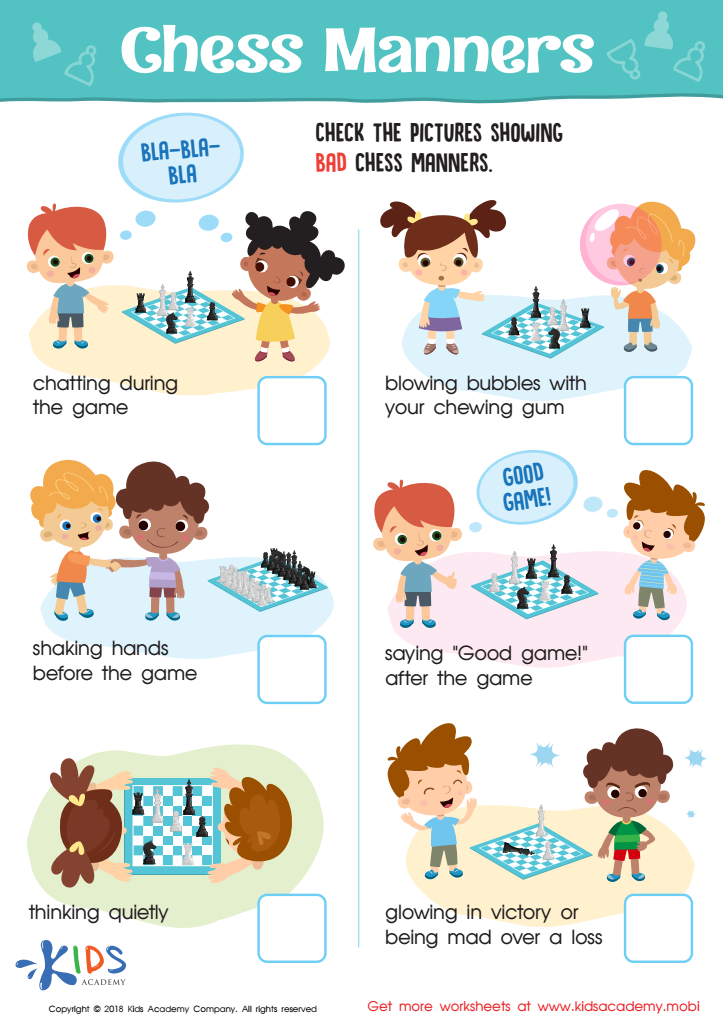
Chess Manners Worksheet
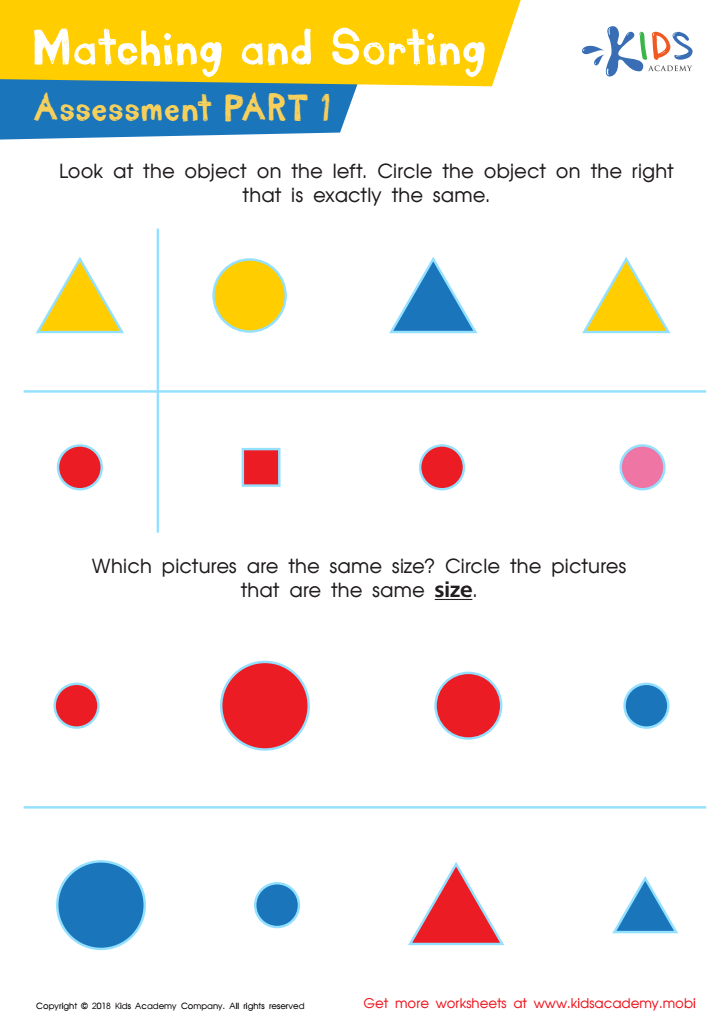
Matching and Sorting for Kindergarten: Assessment 1 Worksheet
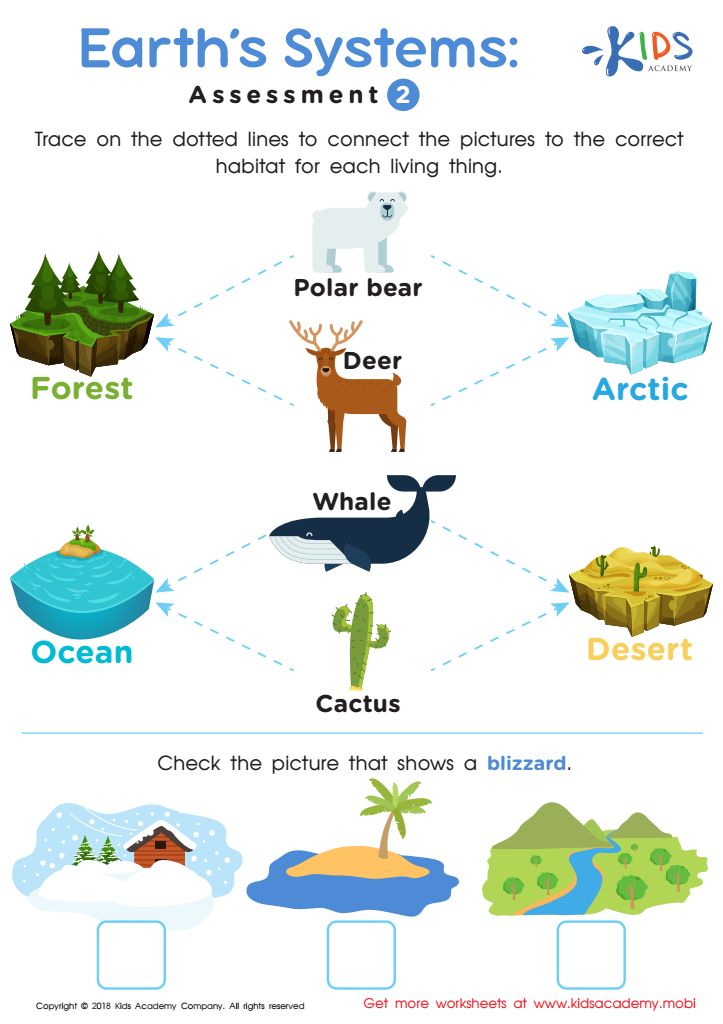
Earth's Systems: Assessment 2
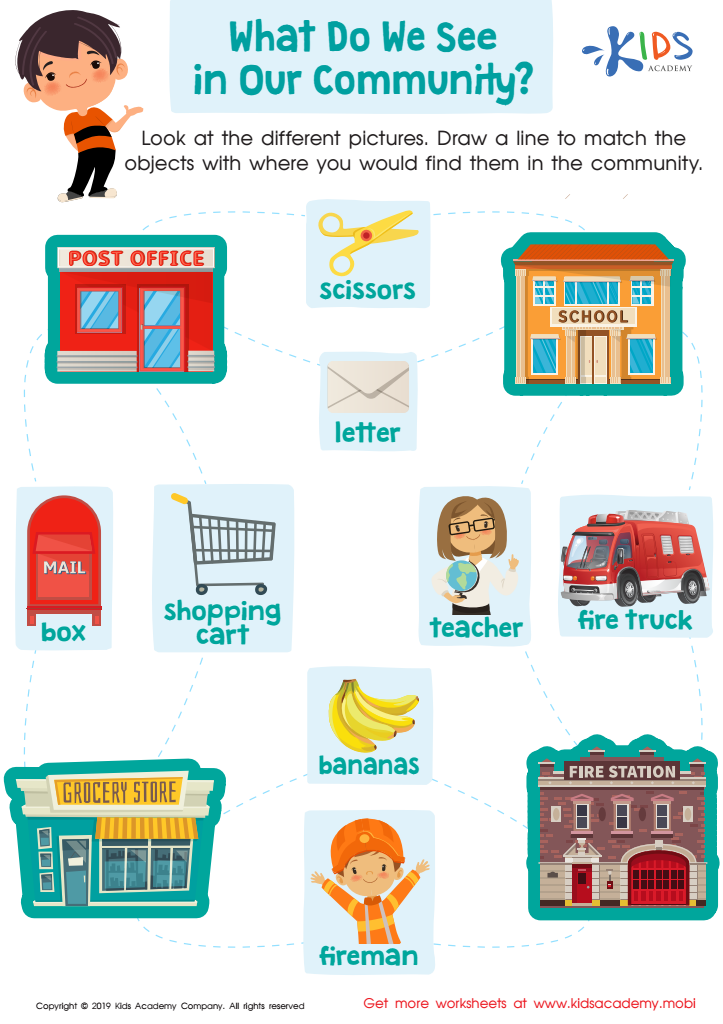
What Do We See in our Community? Worksheet
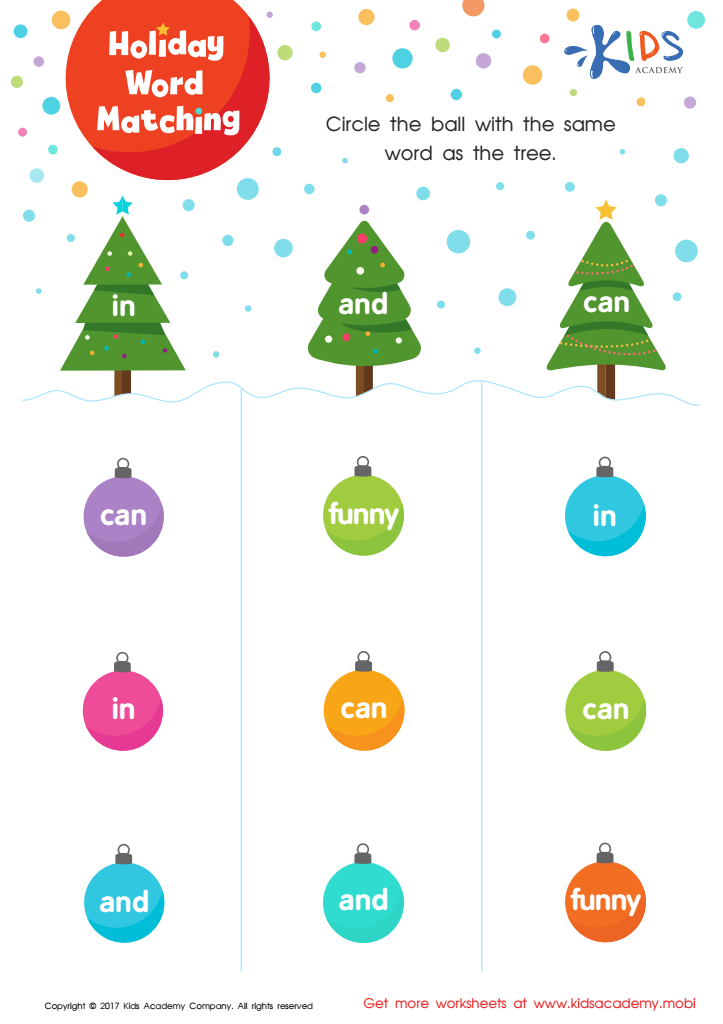
Holiday Word Matching Worksheet
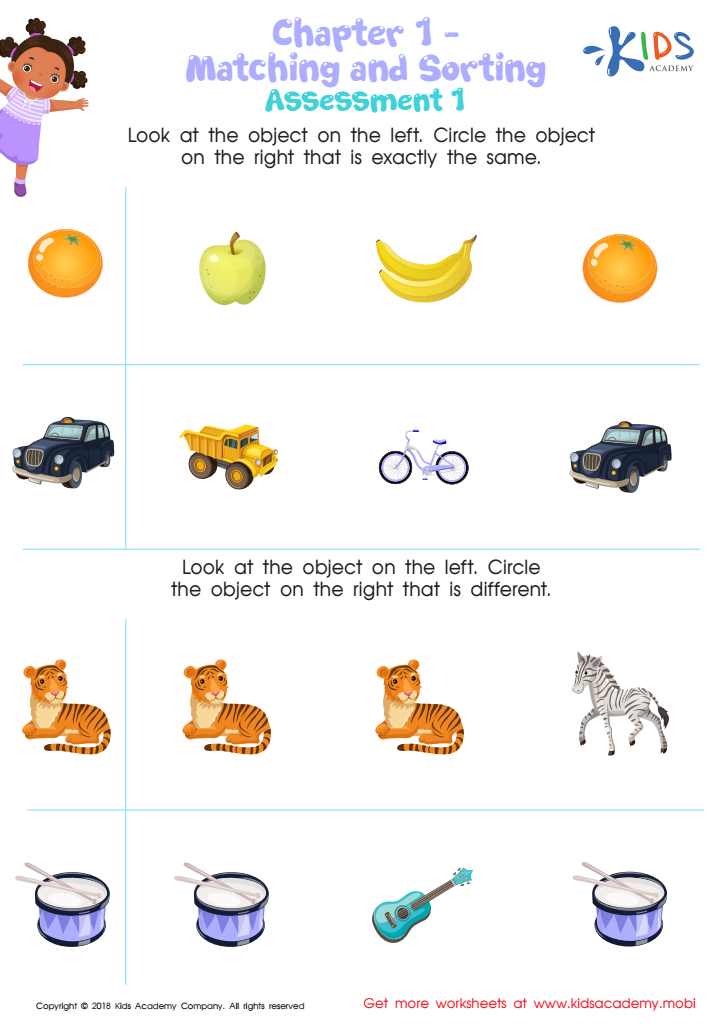
Matching and Sorting for Preschool: Assessment 1 Worksheet
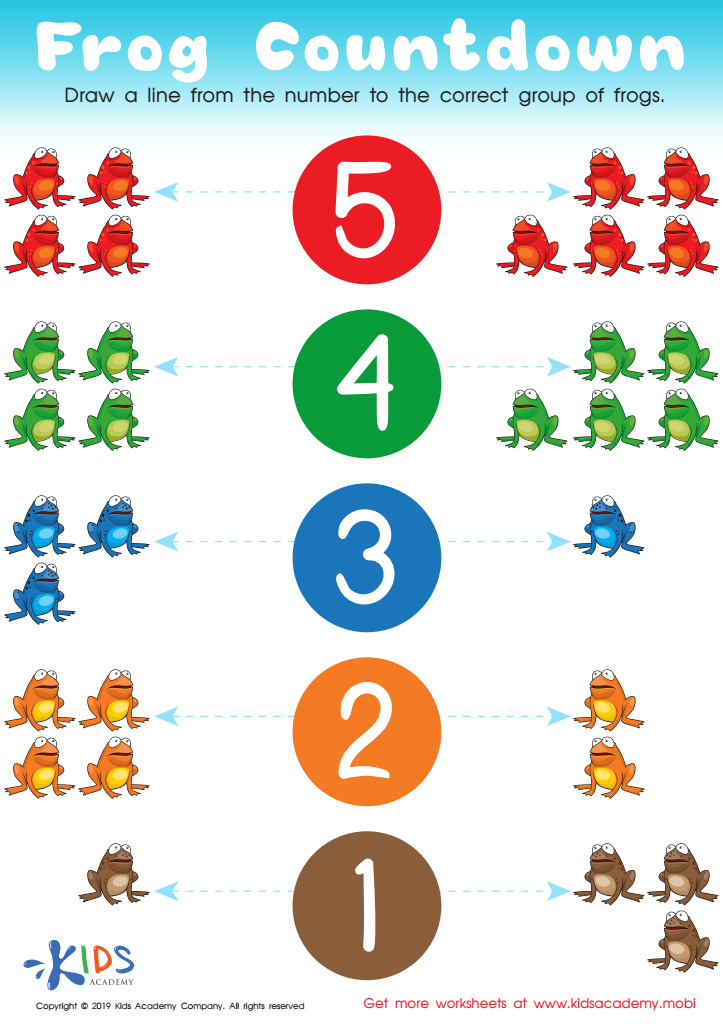
Frog Countdown Worksheet
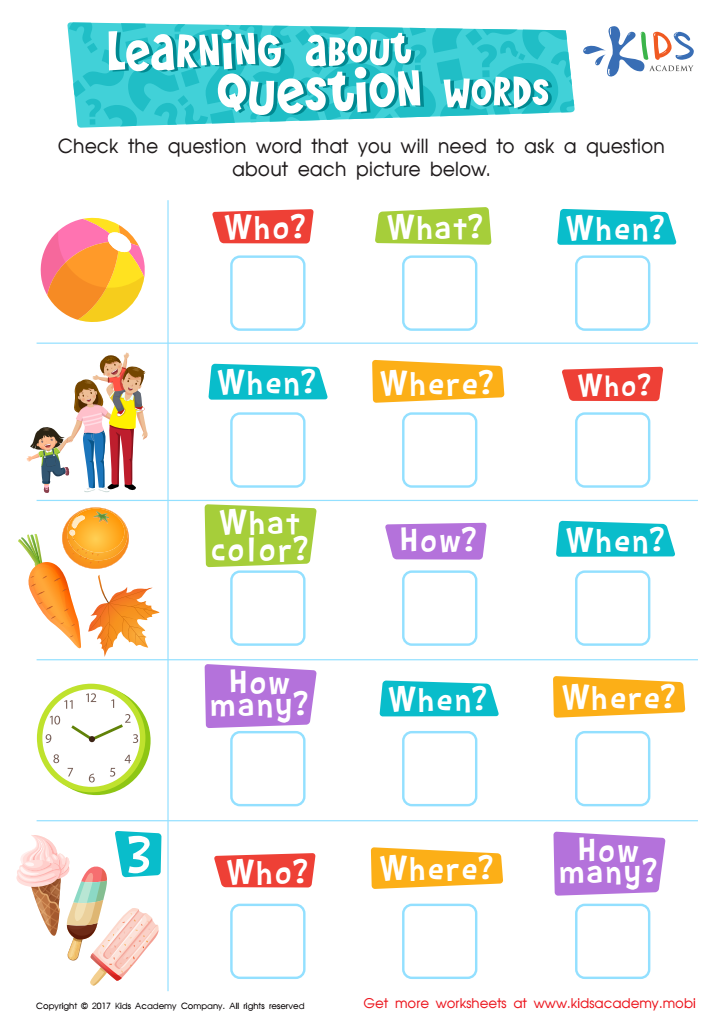
Learning about Question Words Worksheet
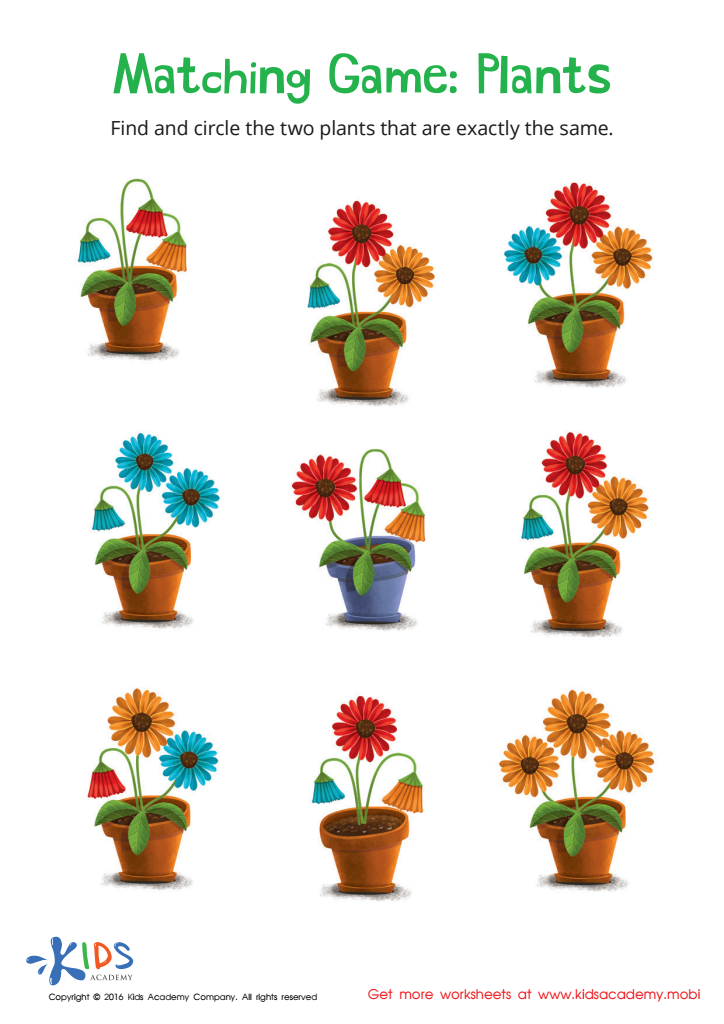
Matching: Plants Worksheet
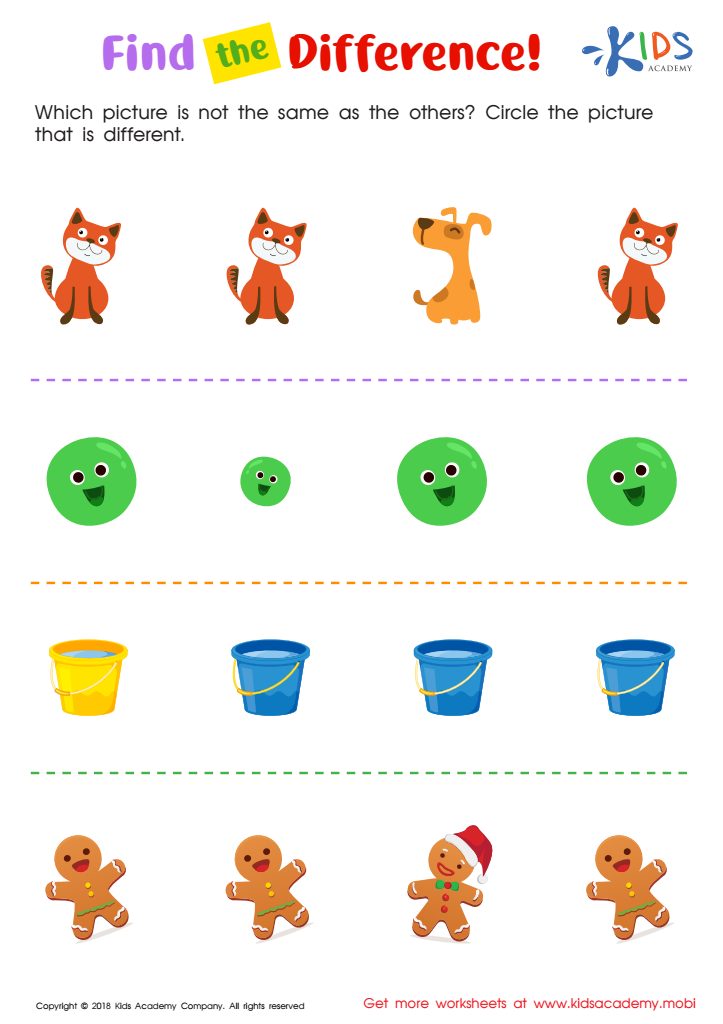
Find the Difference Worksheet
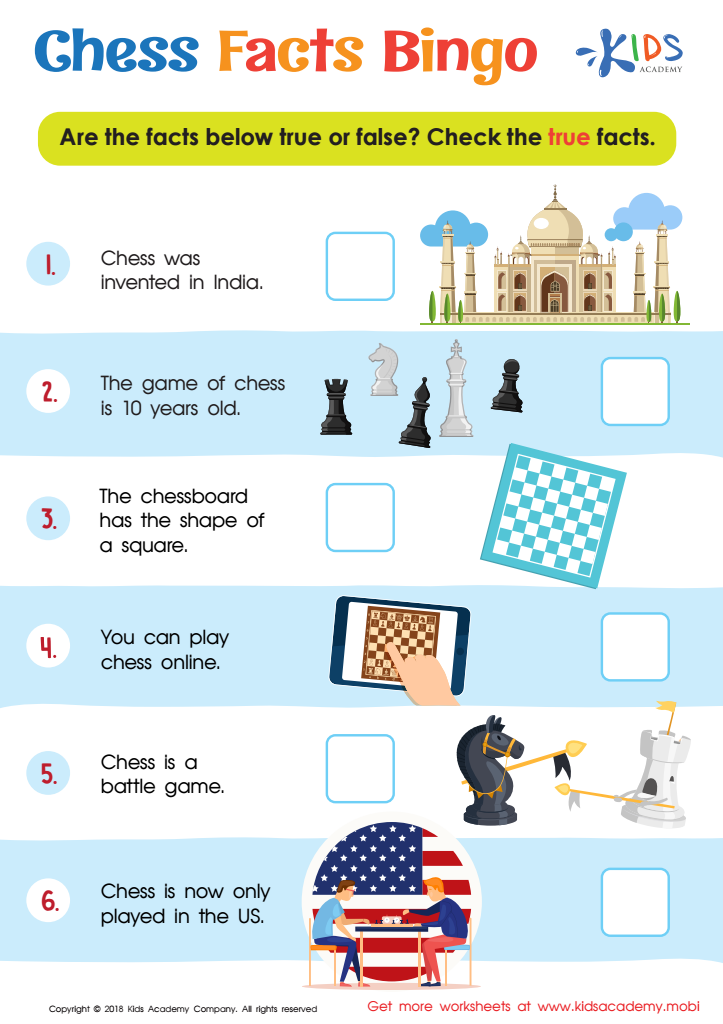
Chess Facts Bingo Worksheet
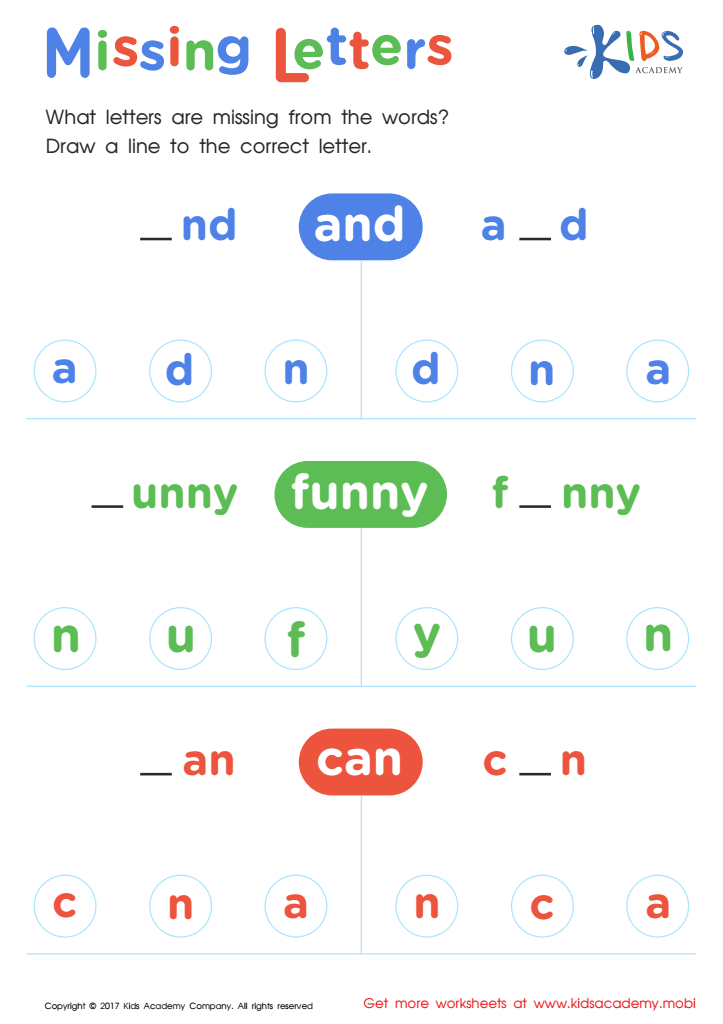
Missing Letters Worksheet
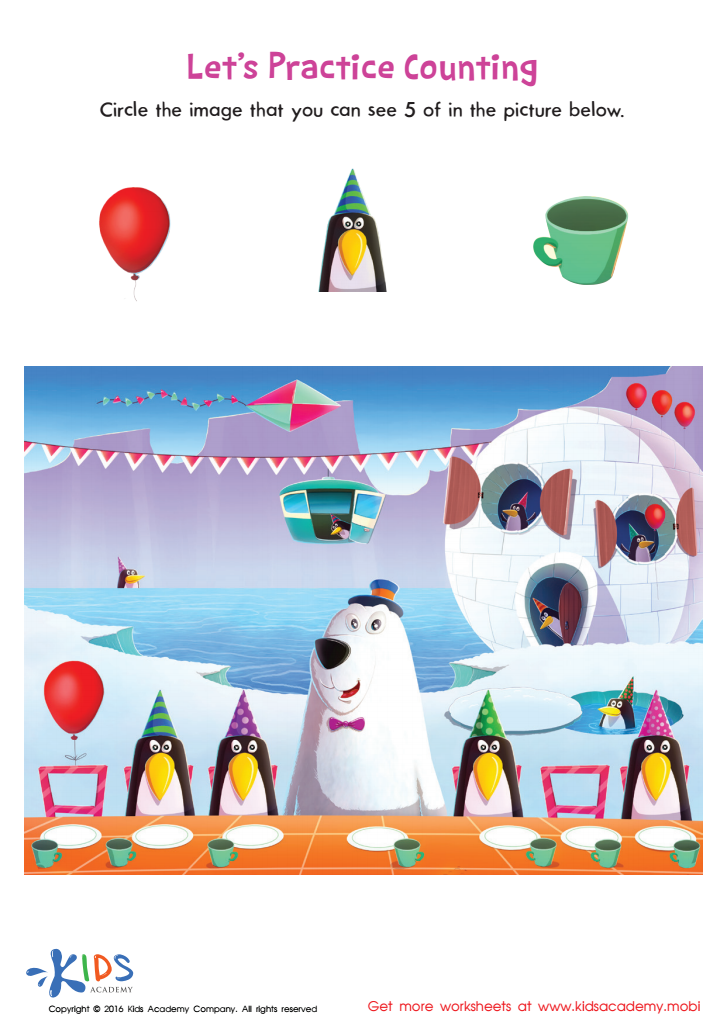
Counting Worksheet: Let's Practice Counting
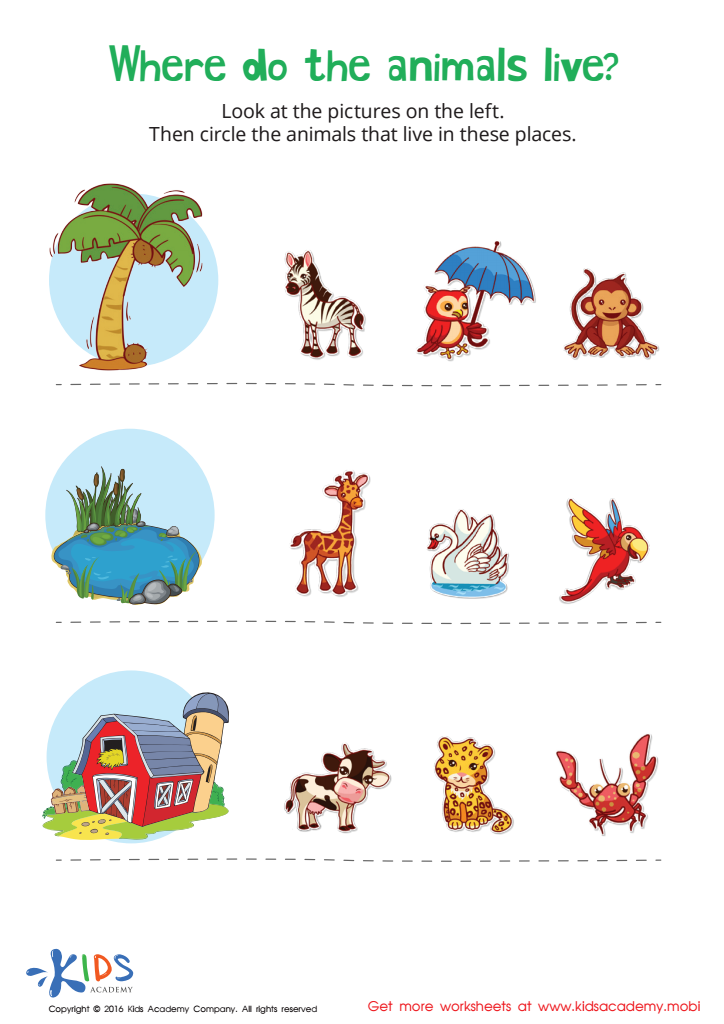
Where Animals Live Worksheet
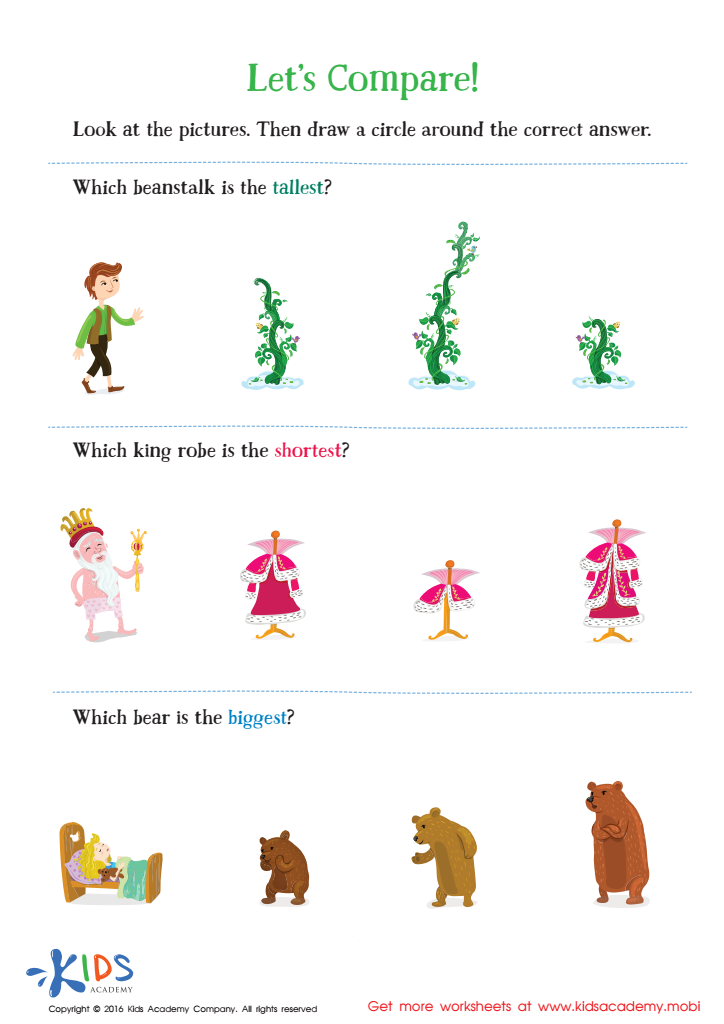
Fairy Tale Worksheet: Let's Compare
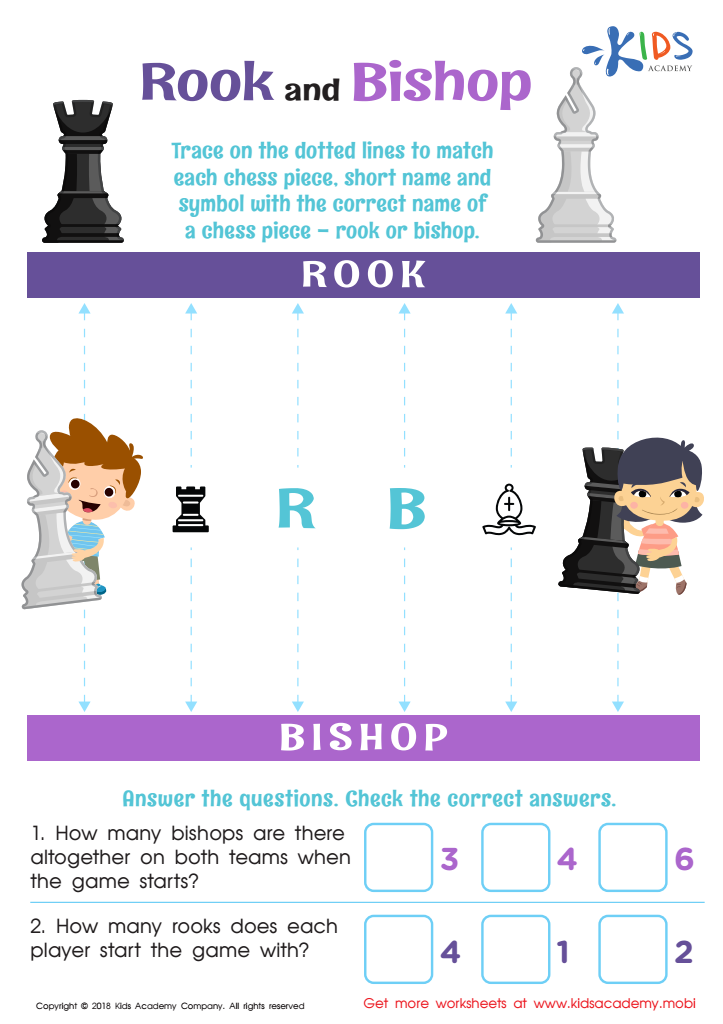
Rook and Bishop Worksheet
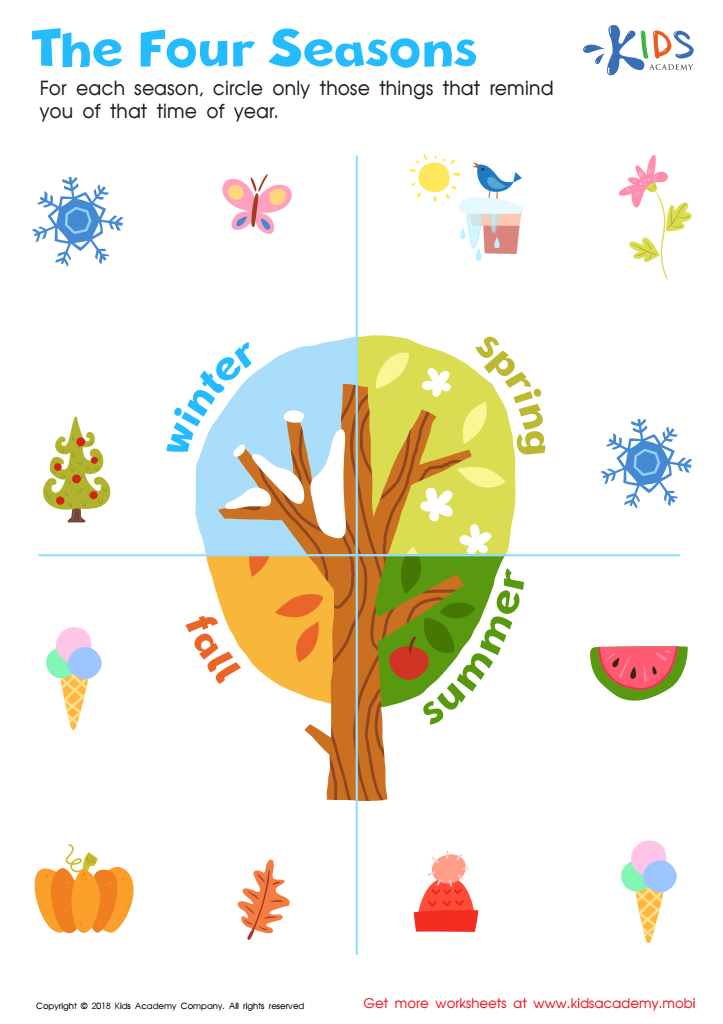
The Four Seasons Worksheet
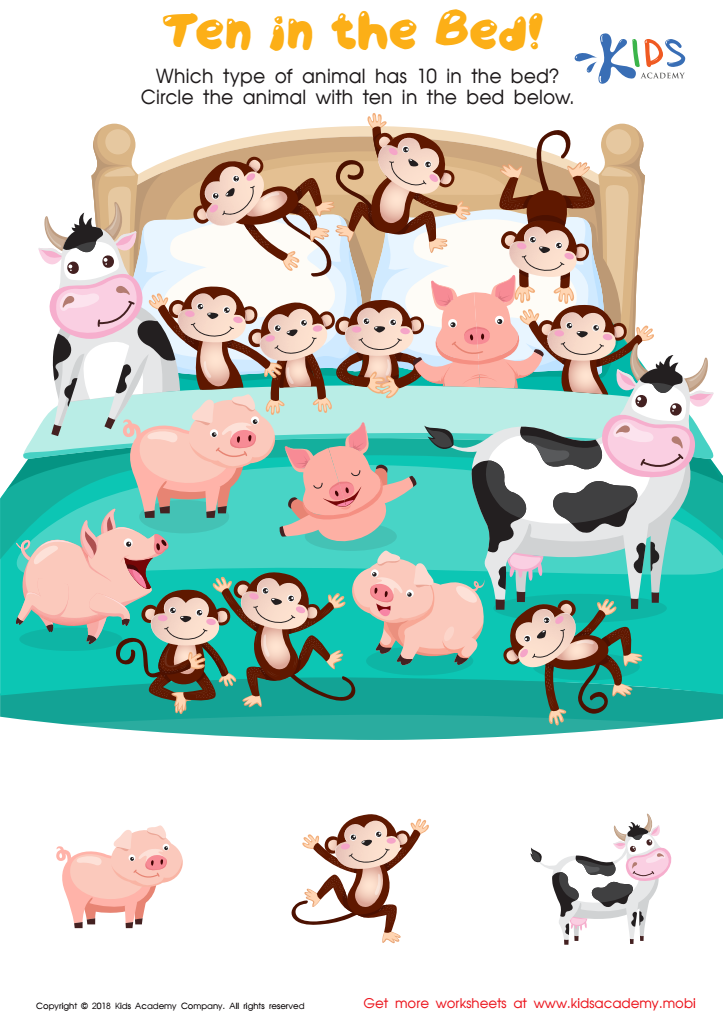
Ten in the Bed Worksheet
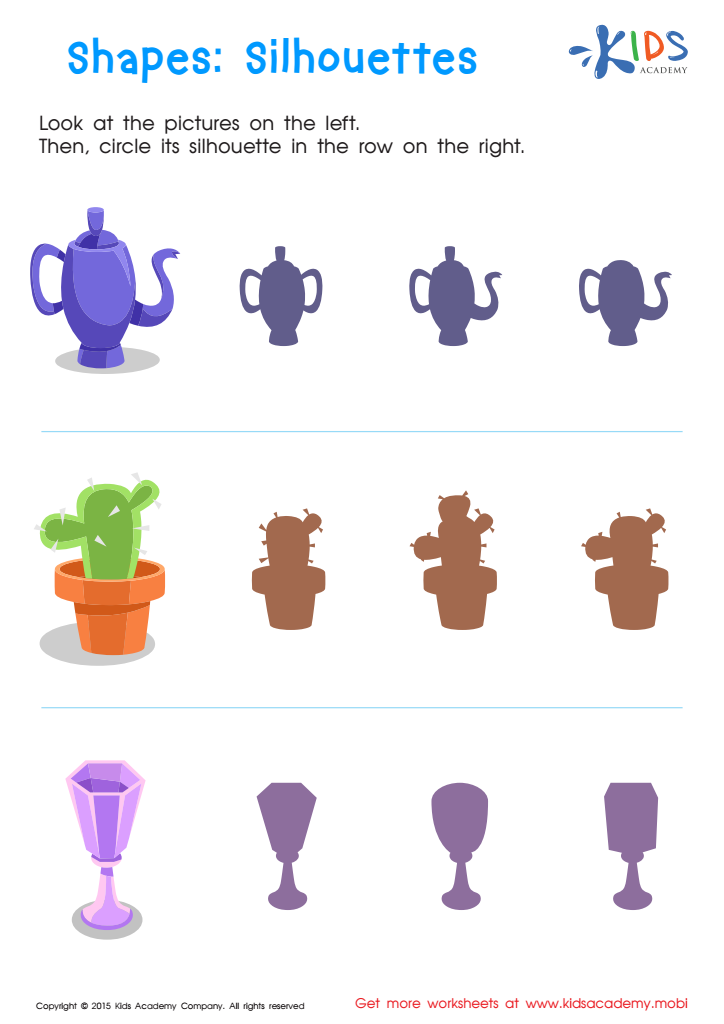
Silhouettes – Shapes Worksheet
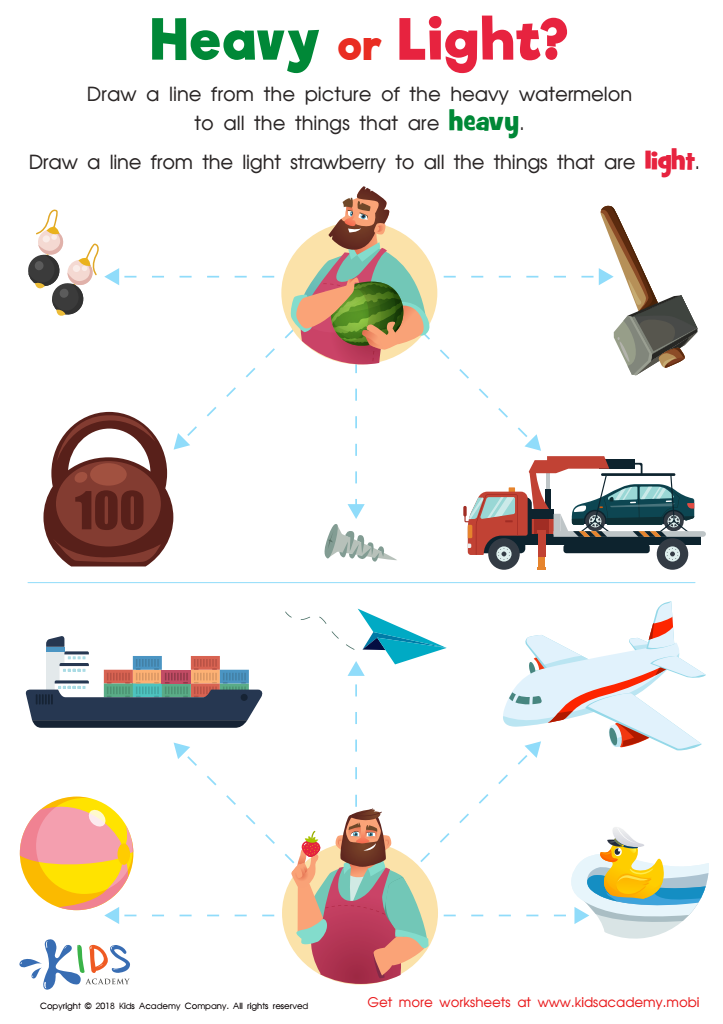
Heavy or Light? Worksheet
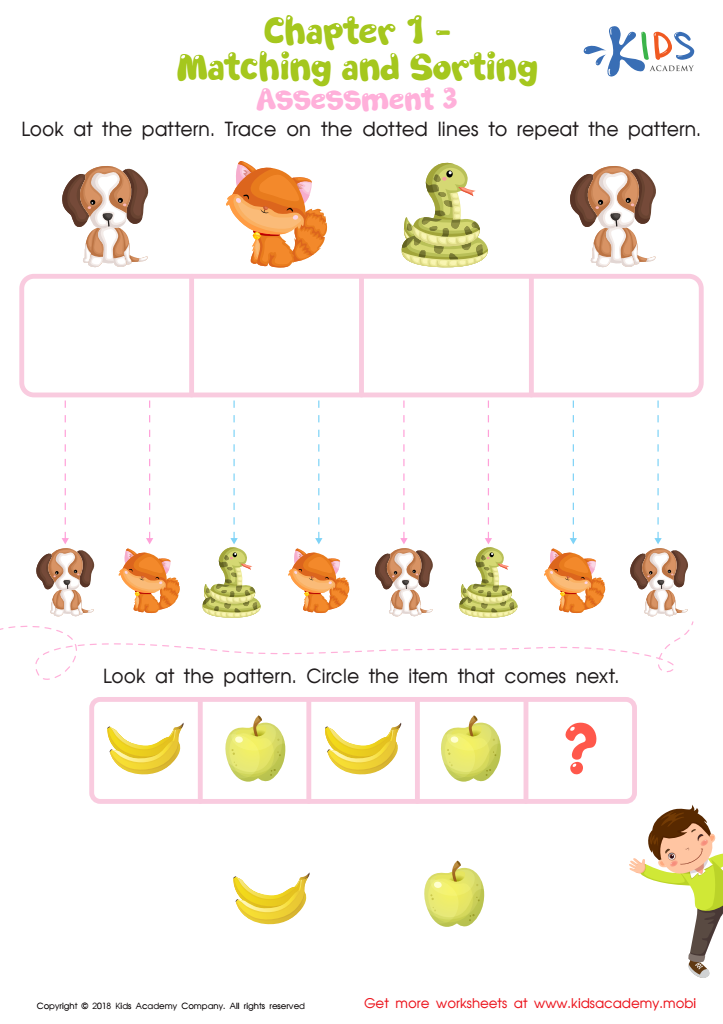
Matching and Sorting for Preschool: Assessment 3 Worksheet
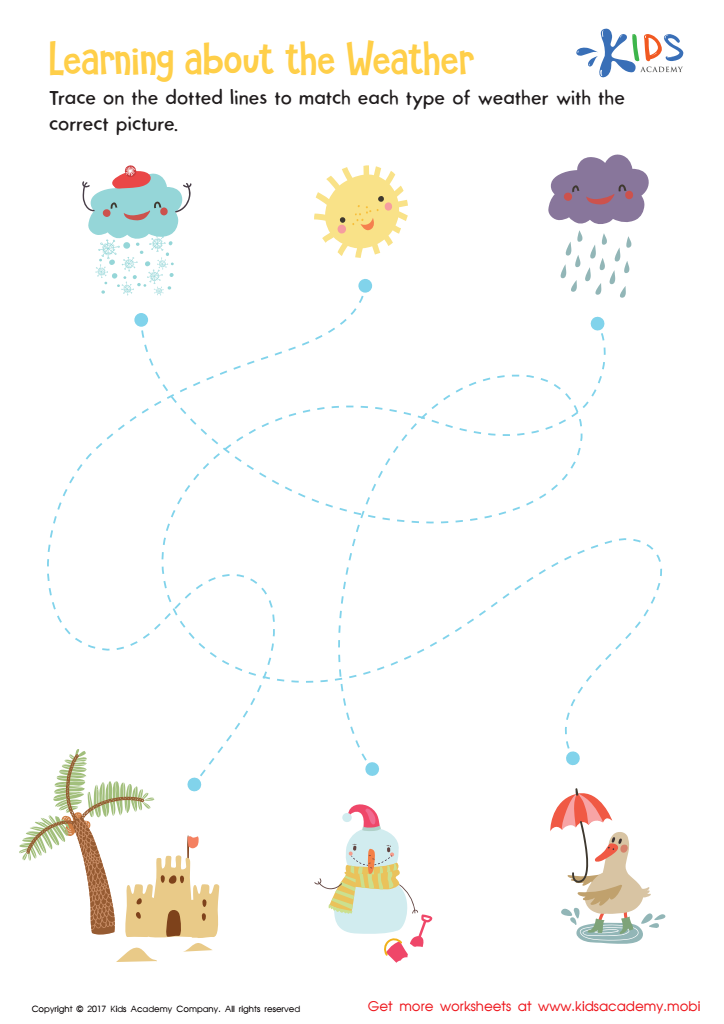
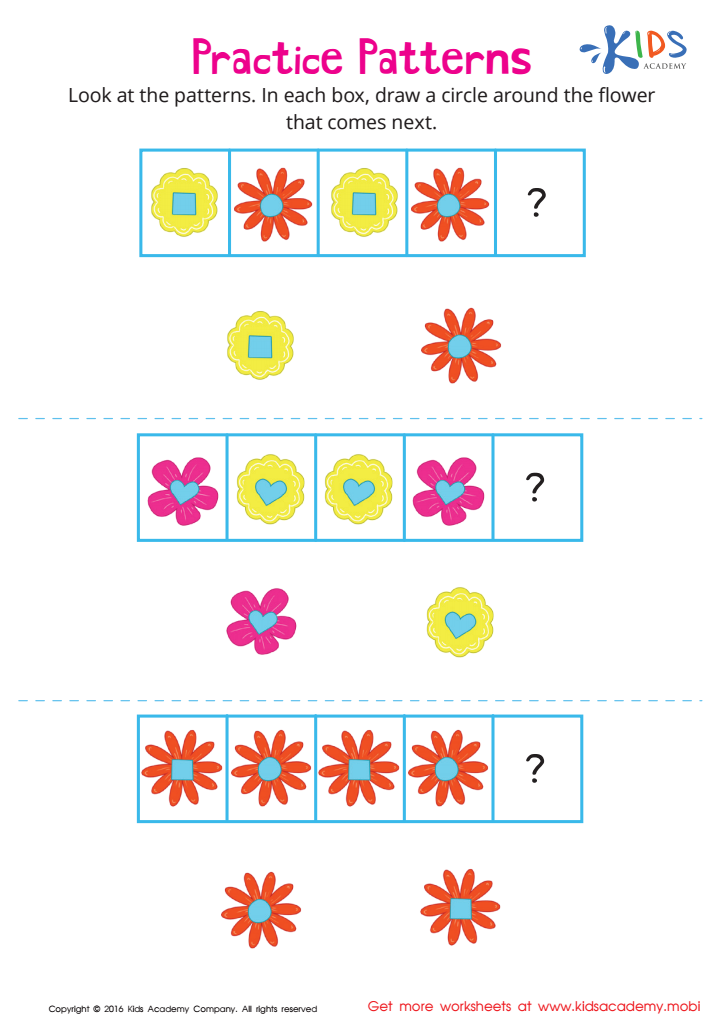






Matching activities are an essential educational tool for children aged 4 to 7, making them significant for both parents and teachers. These activities promote cognitive development as they enhance memory, concentration, and critical thinking skills. As children match items or ideas, they sharpen their ability to recognize similarities and differences, fostering analytical reasoning.
Furthermore, matching activities are highly engaging. Children in this age group thrive on interactive and playful learning experiences. Such activities can stimulate curiosity and maintain their attention, encouraging a love for learning. Additionally, they can serve as a bridge between playful interaction and structured learning, providing opportunities for informal assessment of a child's understanding.
Social skills also benefit from these activities. When done in pairs or small groups, children learn to collaborate, share, and communicate effectively. Parents and teachers can use these opportunities to reinforce vocabulary, concepts, and education values.
Ultimately, implementing matching activities supports foundational learning in a fun way, igniting enthusiasm for lifelong learning. Given the critical developmental milestones within this age range, parents and teachers should prioritize and integrate these activities into their educational approaches to cultivate holistic growth and readiness for future challenges.








