Building Vocabulary Worksheets Activities With Answers for Ages 7-9
4 filtered results
-
From - To
Enhance your child's word power with our "Building Vocabulary Worksheets" designed specifically for ages 7-9. Our engaging activities help young learners expand their vocabulary through interactive exercises, including word searches, matching games, and fill-in-the-blanks. Each worksheet aims to reinforce language skills in a fun and educational way. The answer keys provided ensure ease of use for parents and educators, allowing for efficient feedback. Perfect for classroom settings or at-home learning, these worksheets align with school curricula and support literacy development. Start your child’s vocabulary journey today and watch their confidence grow with every word learned!
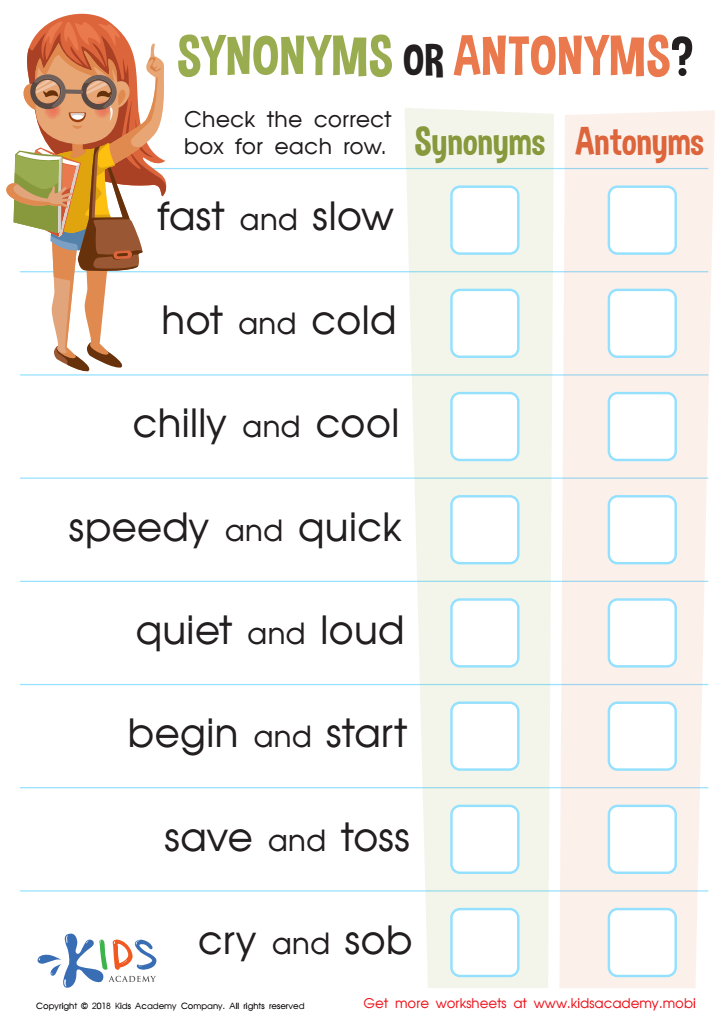
Synonyms or Antonyms: Assessment Worksheet
 Assign to My Students
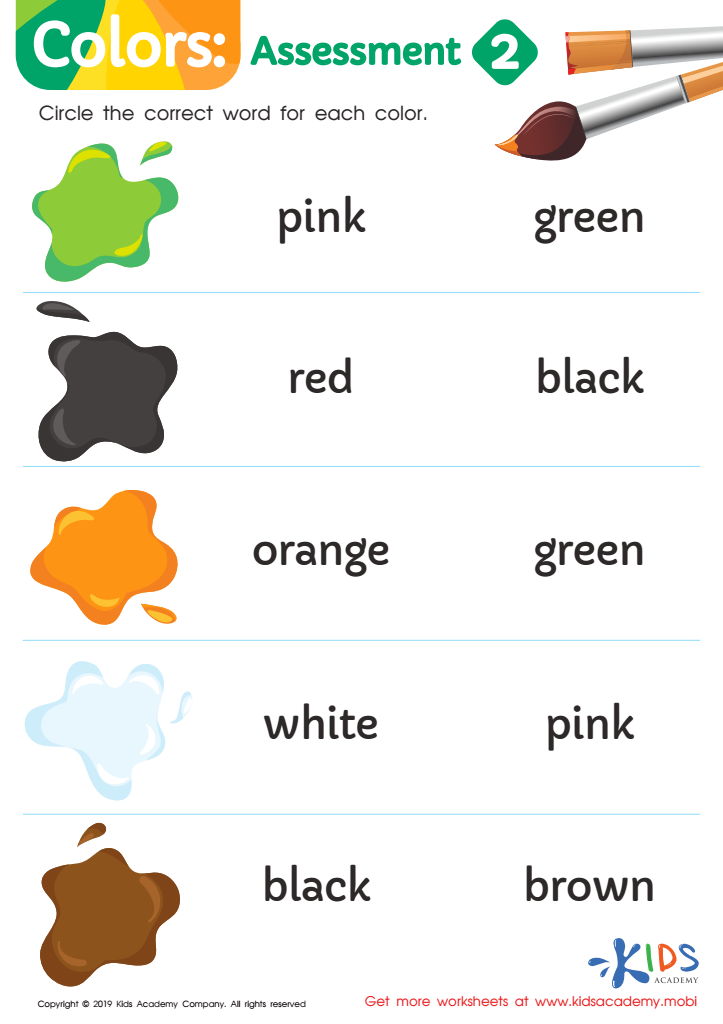
Colors: Assessment 2 Worksheet
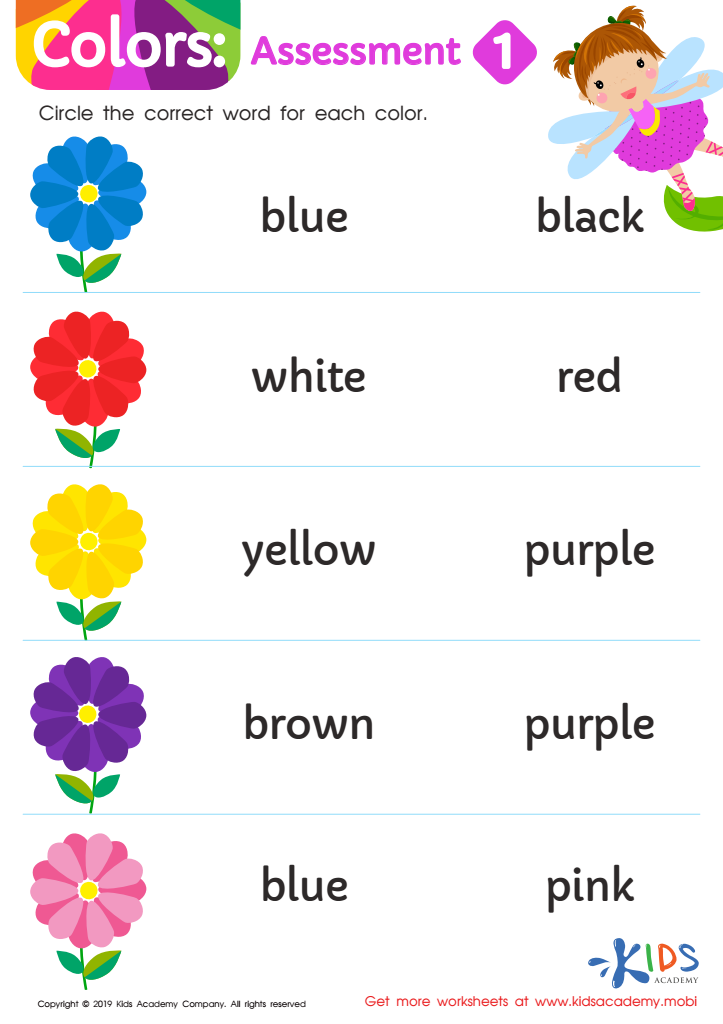
Colors: Assessment 1 Worksheet
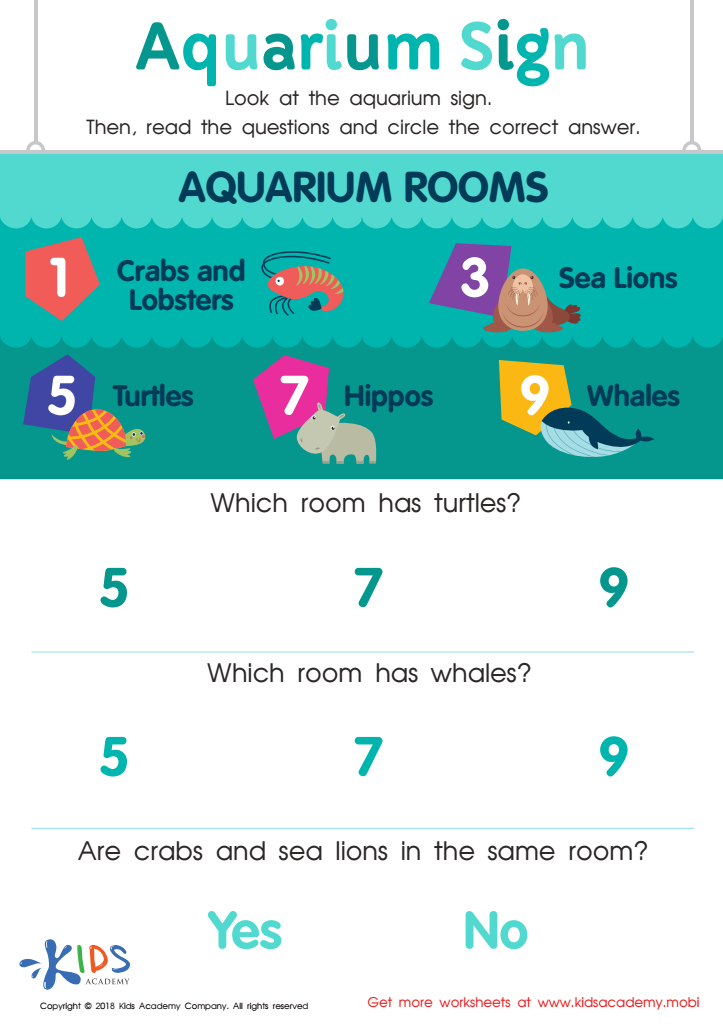
Assessment: Aquarium Sign Worksheet







.jpg)
Building vocabulary in children aged 7-9 is crucial for their overall literacy development, and teachers and parents should prioritize it because vocabulary skills lay the foundation for reading comprehension, writing proficiency, and effective communication. At this age, children are transitioning from learning to read to reading to learn; the words they encounter can greatly impact their understanding of various subjects.
Engaging children in vocabulary activities fosters not only word recognition but also critical thinking skills and language usage in context. Fun and interactive activities can enhance learning motivation, making the process enjoyable and memorable. These activities often incorporate games, discussions, and creative exercises, helping children make connections between new words and their meanings.
Moreover, having answers or guidance included in vocabulary exercises allows educators and parents to support children effectively. It helps them monitor progress, provide immediate feedback, and reinforce learning at home or in the classroom.
Investing time in building vocabulary equips children with essential language tools for academic success and everyday life, enabling them to express themselves clearly and understand others better. In a world where effective communication is key, robust vocabulary skills become a significant asset for personal and academic growth.








