
Easy Mazes Worksheets Activities With Answers for Ages 3-8
11 filtered results
Difficulty Level
Grade
Age
-
From - To
Subject
Activity
Standards
Welcome to our engaging collection of Easy Mazes Worksheets for children ages 3-8! These fun-filled activities are perfect for young learners, fostering essential skills like critical thinking, problem-solving, and hand-eye coordination. Each worksheet features delightful, age-appropriate maze designs that capture children's imagination while promoting focus and persistence. Along with each maze, we've included clear answers to guide parents and teachers in helping their kids navigate through these puzzles. Ideal for classroom use or home schooling, our worksheets are a great way to keep little minds active and entertained. Explore our maze activities today and watch your child thrive!
Favorites
With answer key
Interactive
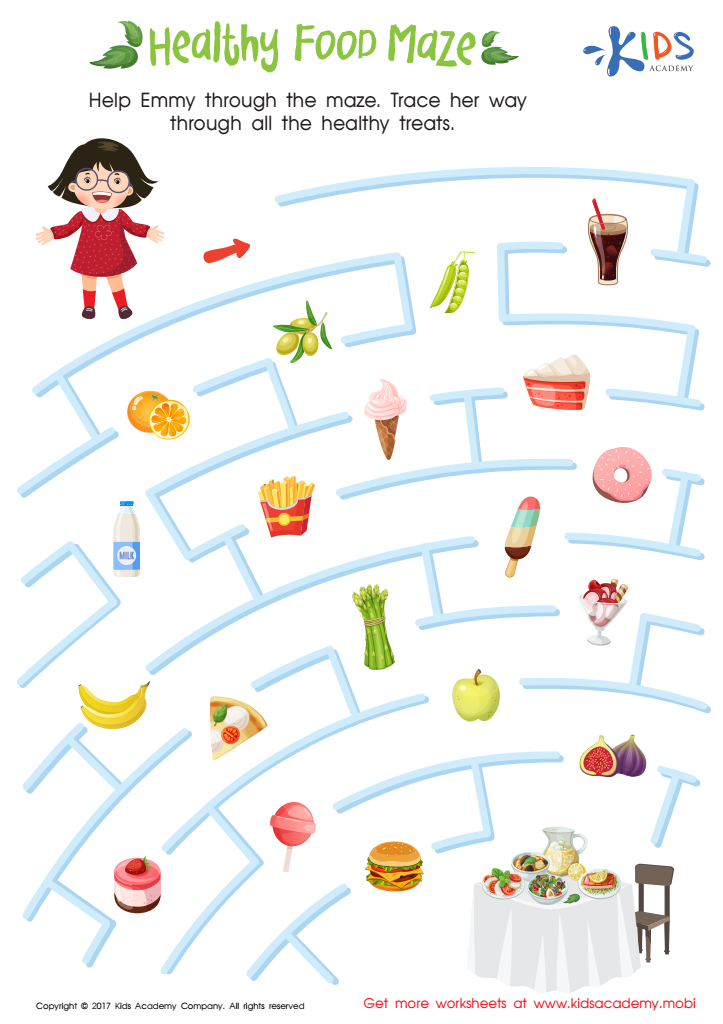
Healthy Food Maze Printable
This will help to foster healthy food habits and emphasize the importance of healthy choices.
Help your child learn about healthy eating by guiding them through a food maze! From lollipops to apples, they'll explore the healthiest options on their way to the end. This encourages good habits while teaching the importance of a nutritious diet.
 Assign to My Students
Healthy Food Maze Printable
Worksheet
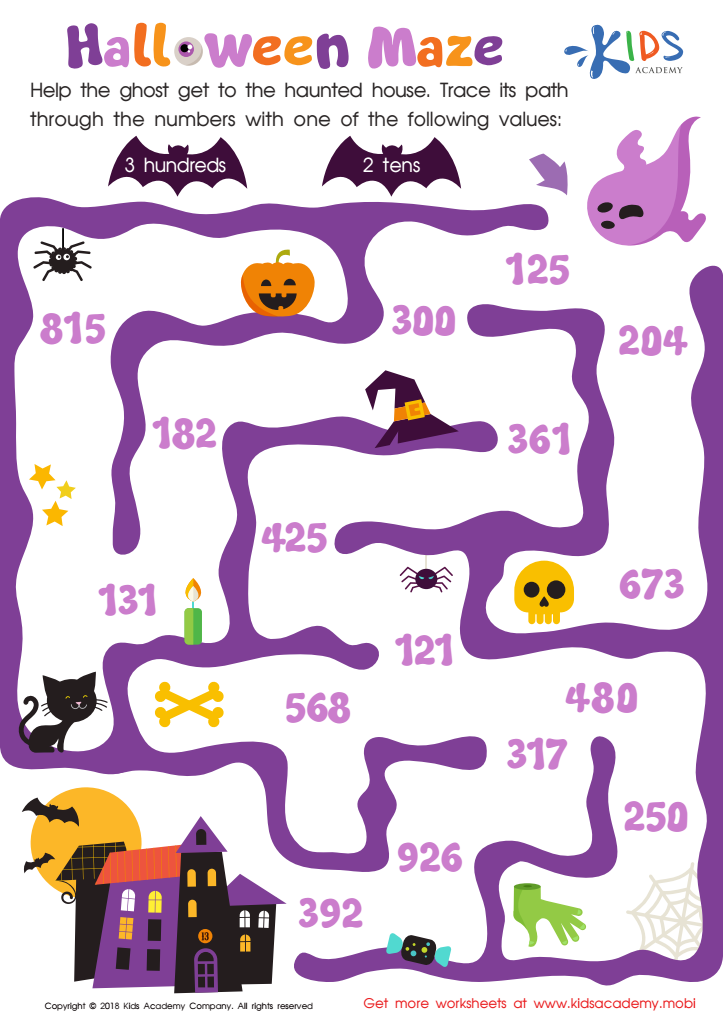
Place Value: Halloween Maze Worksheet
Kids who love haunted houses and Halloween will love this worksheet! Help the ghost reach its haunted house by tracing the path of 3 hundreds or 2 hundreds numbers. At the end is the ghost's spooky home. Have fun!
Place Value: Halloween Maze Worksheet
Worksheet
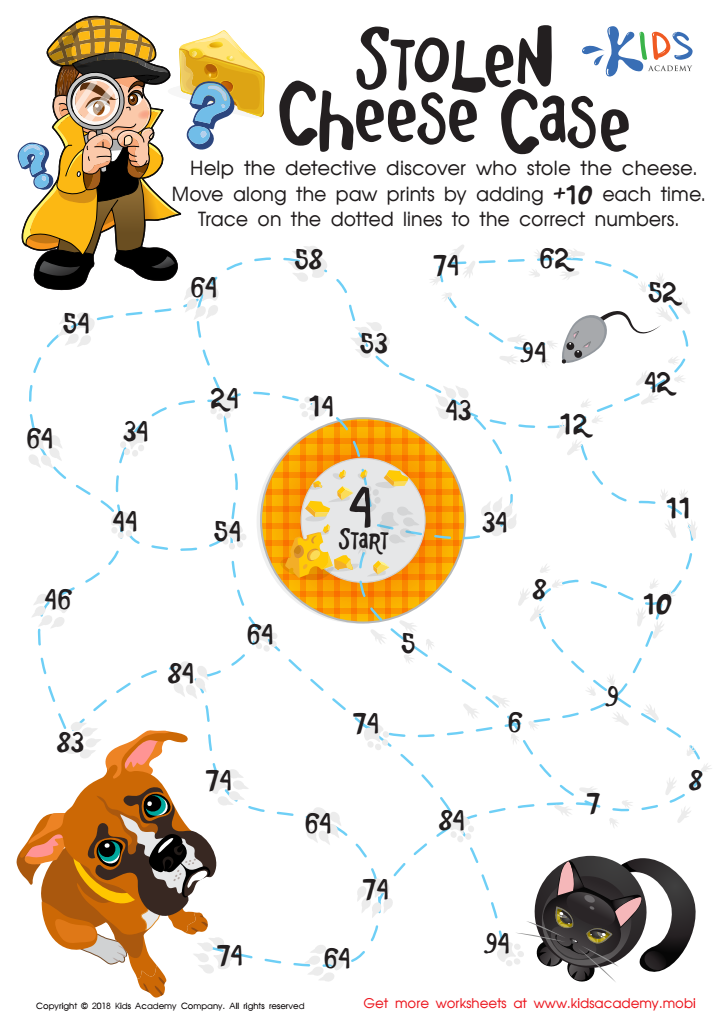
Stolen Cheese Case Maze Worksheet
Someone has stolen the cheese! Can your mathematician detective figure out who it is? Was it the dog, cat or mouse? Have them use traceable lines to skip count by 10 on this free PDF worksheet to solve the case. They'll be having fun and developing their skip-counting strategy at the same time!
Stolen Cheese Case Maze Worksheet
Worksheet
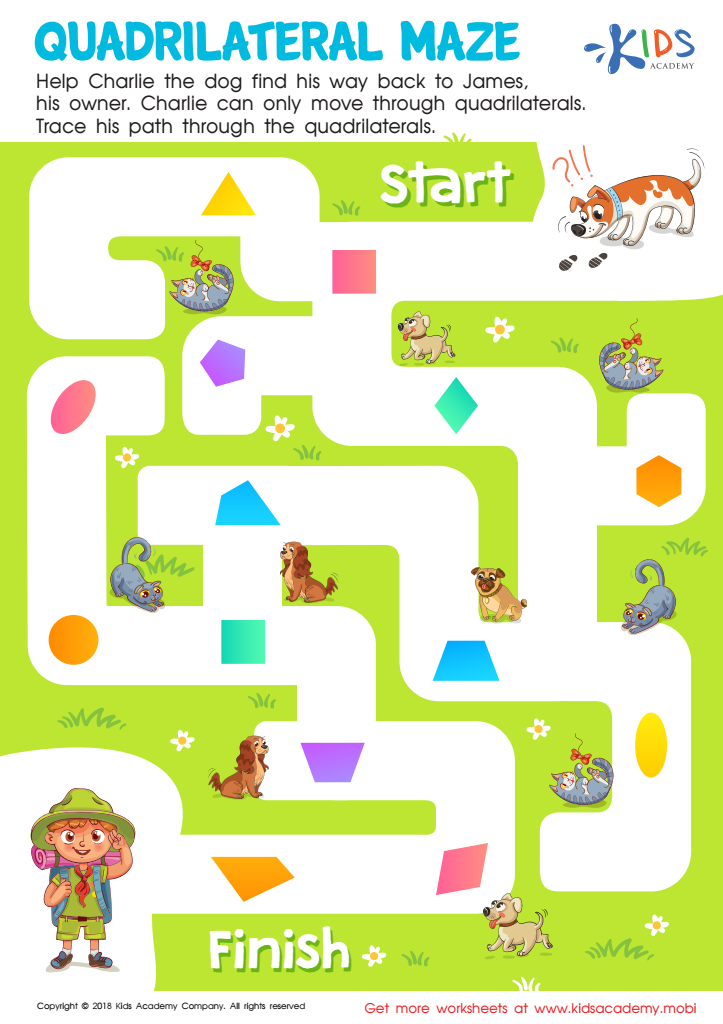
Quadrilateral Maze Worksheet
Does your kid love dogs? If so, this exercise is ideal for them! Help Charlie the pup find his way back to his owner, James, in the quadrilateral maze worksheet. Your child must trace Charlie's path only through squares and rhombuses in order to solve it. Careful planning is key!
Quadrilateral Maze Worksheet
Worksheet
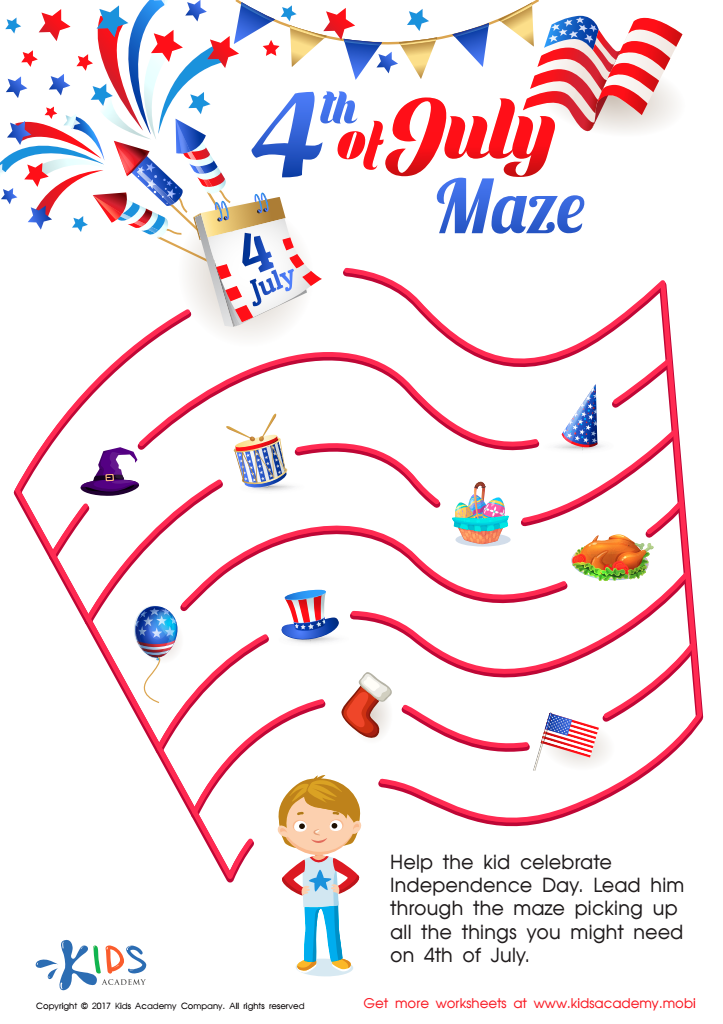
Fourth of July Maze Printable
Help our friend collect all the items related to the Fourth of July. Learn about our country's traditions and American symbols while having fun.
Fourth of July Maze Printable
Worksheet
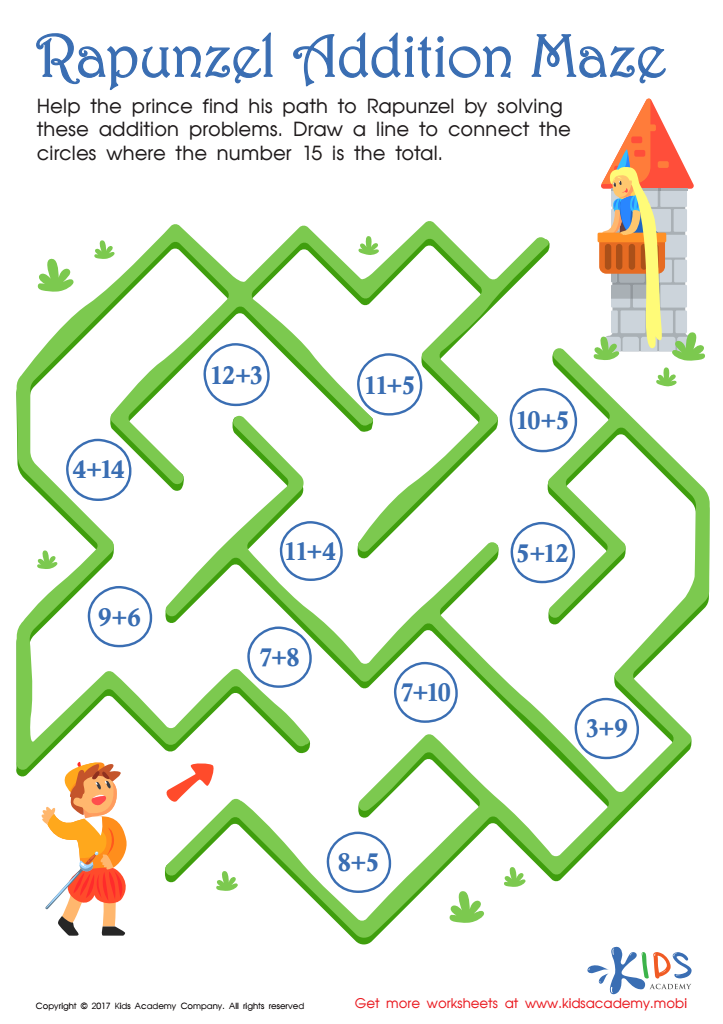
Rapunzel Addition Maze Worksheet
Motivate your child to practice math with a fun and meaningful Rapunzel addition maze! They'll learn single and double digit addition, problem solving, and gain confidence as they complete the maze and help the prince reach Rapunzel. They'll feel proud of their accomplishment when they finish!
Rapunzel Addition Maze Worksheet
Worksheet
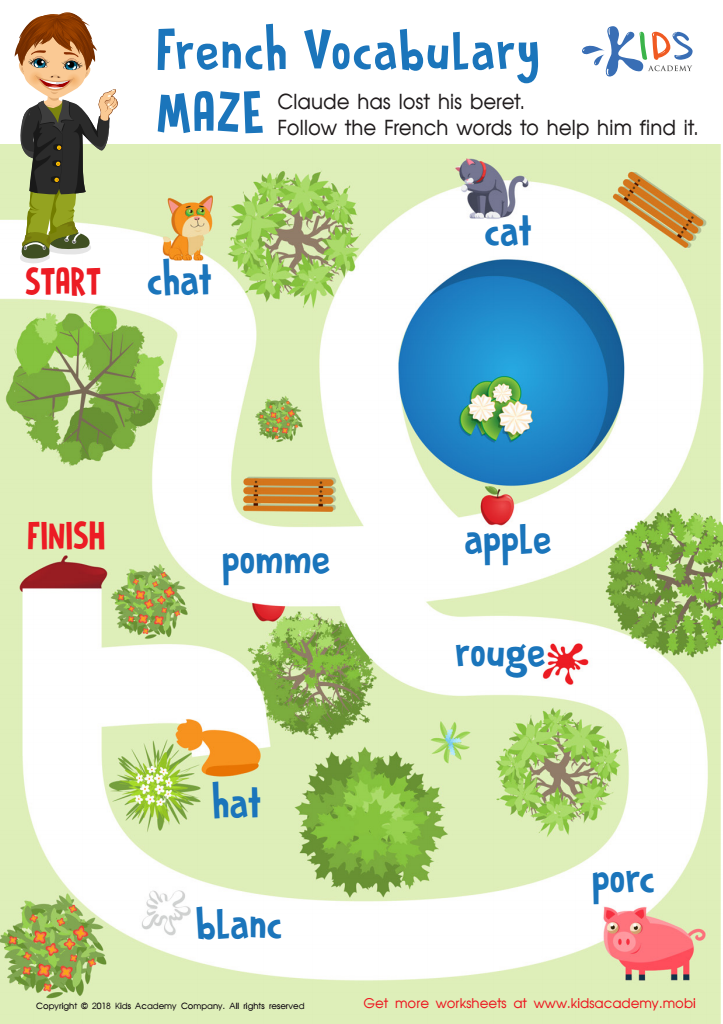
French Vocabulary Maze Worksheet
Kids can learn they're part of a global community with this fun maze worksheet. Claude needs help finding his beret, and by using the pictures children will develop their fine-motor skills. They don't even know they're learning new language words, they're just helping a friend!
French Vocabulary Maze Worksheet
Worksheet
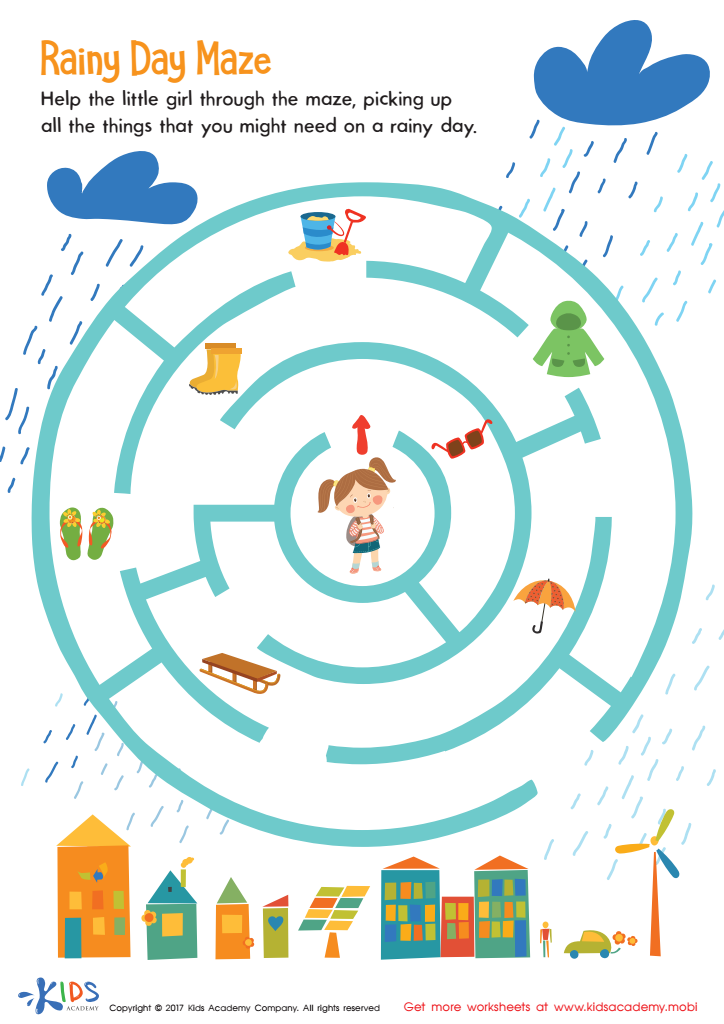
Rainy Day Maze Worksheet
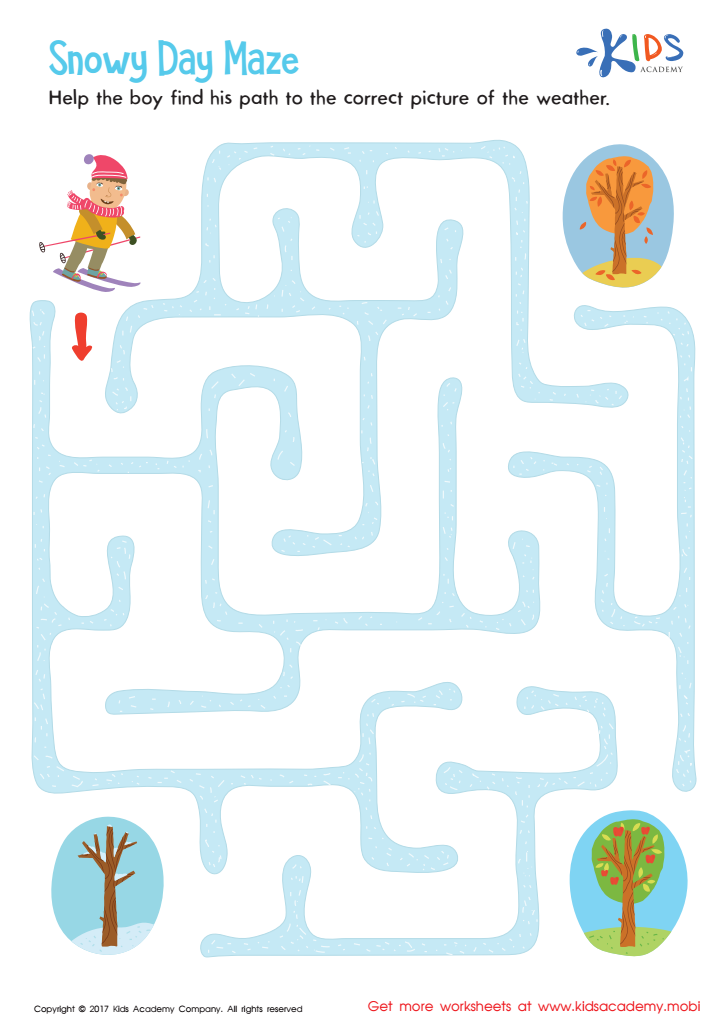
Help your child use critical and problem solving skills to choose the right items! With this fun rainy day worksheet, they'll have a blast helping the character in the maze while learning about weather. Let’s get started!
Rainy Day Maze Worksheet
Worksheet
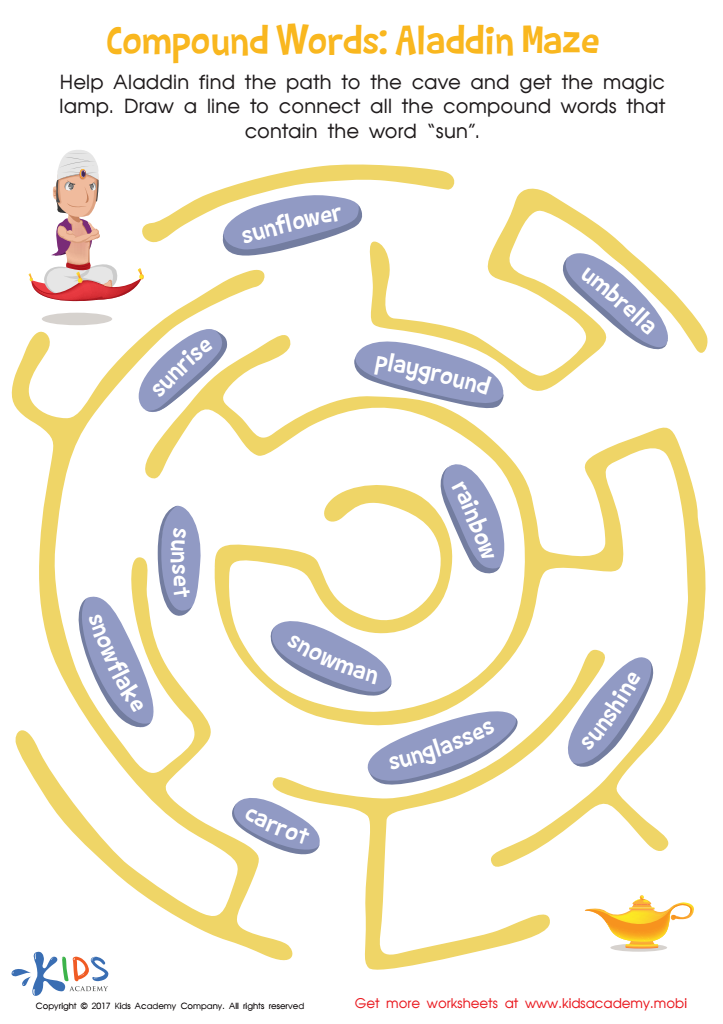
Compound Aladdin Maze Word Structure Worksheet
It's hard to keep track of all compound words! Help your child find sun-words with this fun worksheet featuring Aladdin! Your child will enjoy helping Aladdin find his way by finding the right words. It's a great way to learn compound words.
Compound Aladdin Maze Word Structure Worksheet
Worksheet
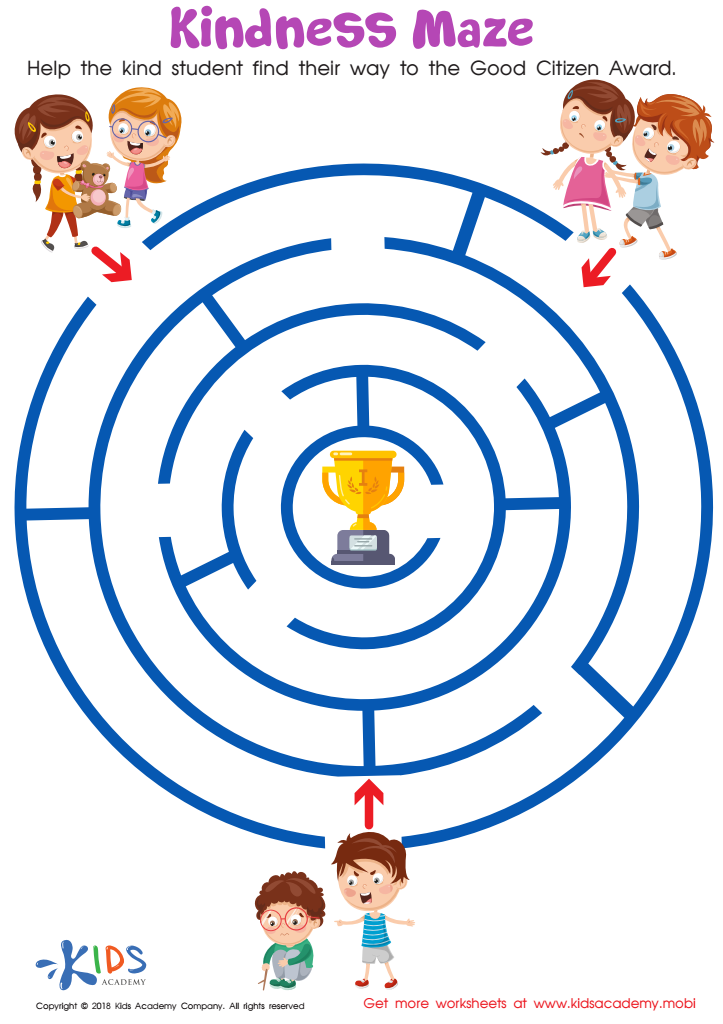
Kindness Maze Worksheet
Rewards come in many forms for kind deeds. When your children do good, you can choose to reward them with a gift or compliment. The students in this worksheet have been awarded the Good Citizen Award for kindness. Let your kids help the students find their way to the award - at the center of the maze. Guide them through to get their prize.
Kindness Maze Worksheet
Worksheet
Join Kids Academy for Free
Who is primarily going to use this learning content?








Parents and teachers should recognize the value of Easy Mazes Activities for children ages 3-8, as these exercises offer numerous developmental benefits. First, mazes enhance problem-solving skills by encouraging children to think critically and strategize their routes. As they navigate through pathways, they strengthen their cognitive abilities, fostering creativity and perseverance when faced with challenges.
Additionally, such activities promote fine motor skills. Grasping crayons or pencils to trace or color within maze boundaries helps young learners improve hand-eye coordination and dexterity essential for writing.
Furthermore, Easy Mazes can be a source of fun and engaging learning, making them an excellent tool for early childhood education. This way, children develop a positive attitude towards learning and increase their concentration levels, vital components for academic success.
Moreover, mazes can serve as collaborative exercises, where parents and children or teachers and students work together. This promotes bonding and reinforces teamwork and communication skills.
Overall, investing time in Easy Mazes not only equips children with foundational skills but also makes learning enjoyable, encouraging a lifelong love for exploration and discovery. Thus, they are an essential tool for cognitive, emotional, and social development in early childhood education.








