Extra Challenge Drawing by Numbers Worksheets Activities With Answers for Ages 3-7
8 filtered results
-
From - To
Unlock creativity with our "Extra Challenge Drawing by Numbers Worksheets" designed specifically for children aged 3-7! These engaging activities promote fine motor skills, number recognition, and artistic expression through fun, interactive drawing tasks. Each worksheet includes straightforward instructions and a detailed answer key to guide young artists as they bring each picture to life. Ideal for honing both cognitive and spatial skills, our worksheets cater to varying difficulty levels, ensuring your child stays challenged and entertained. Perfect for home or classroom use, these printable activities help foster a love for learning while inspiring creativity in young minds! Explore these innovative worksheets today!
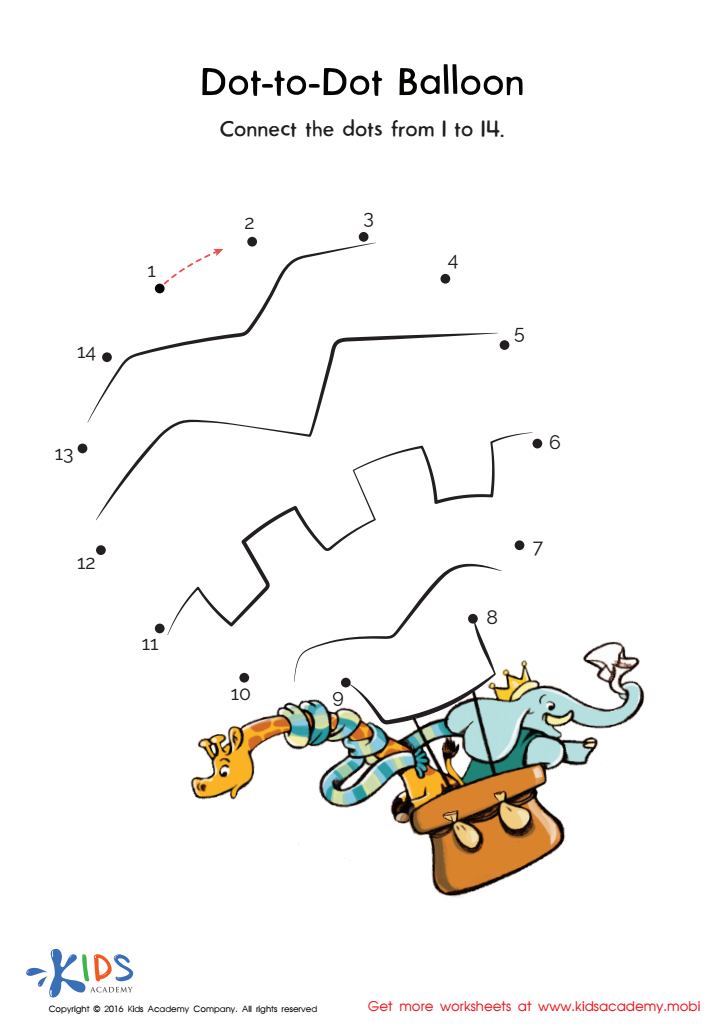
 Assign to My Students
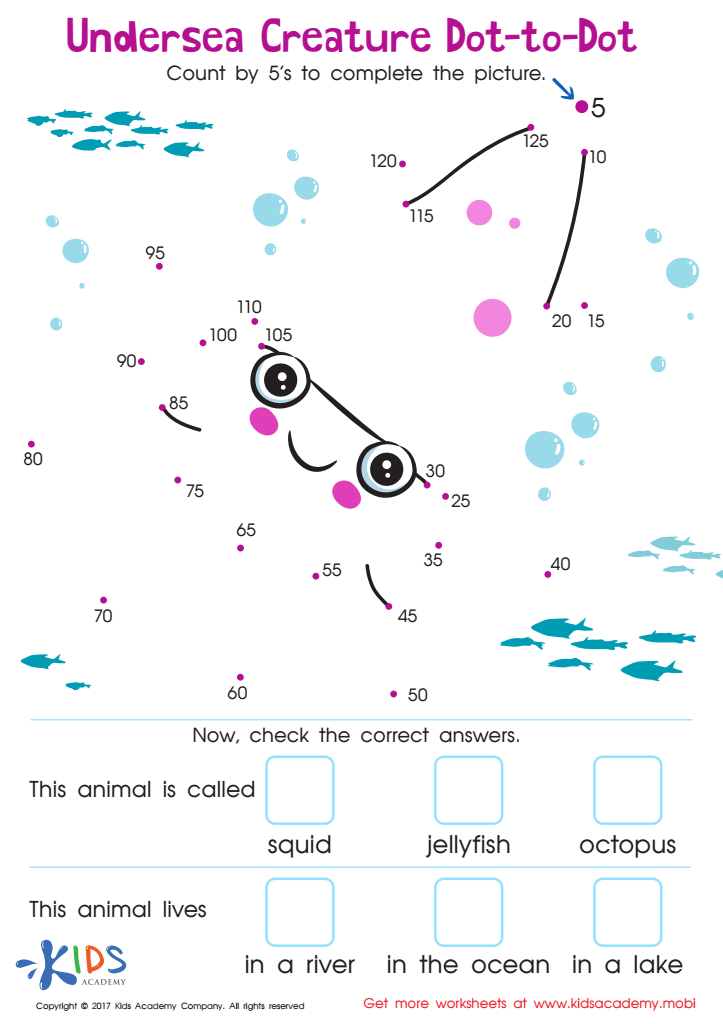
Undersea: Dot To Dot Worksheet
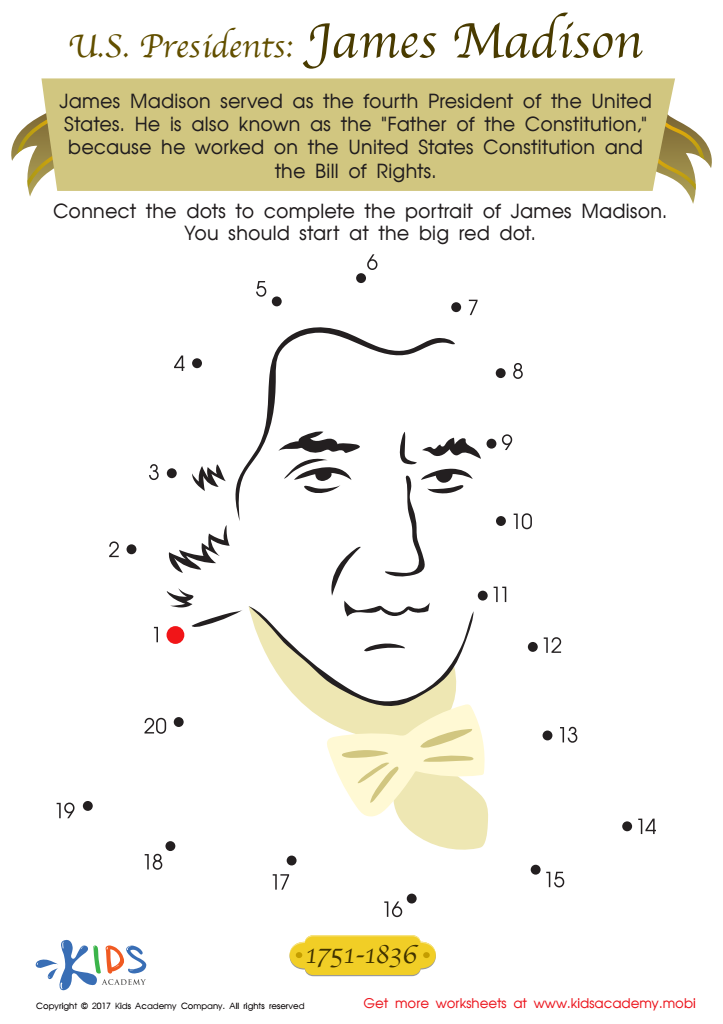
President Madison Printable
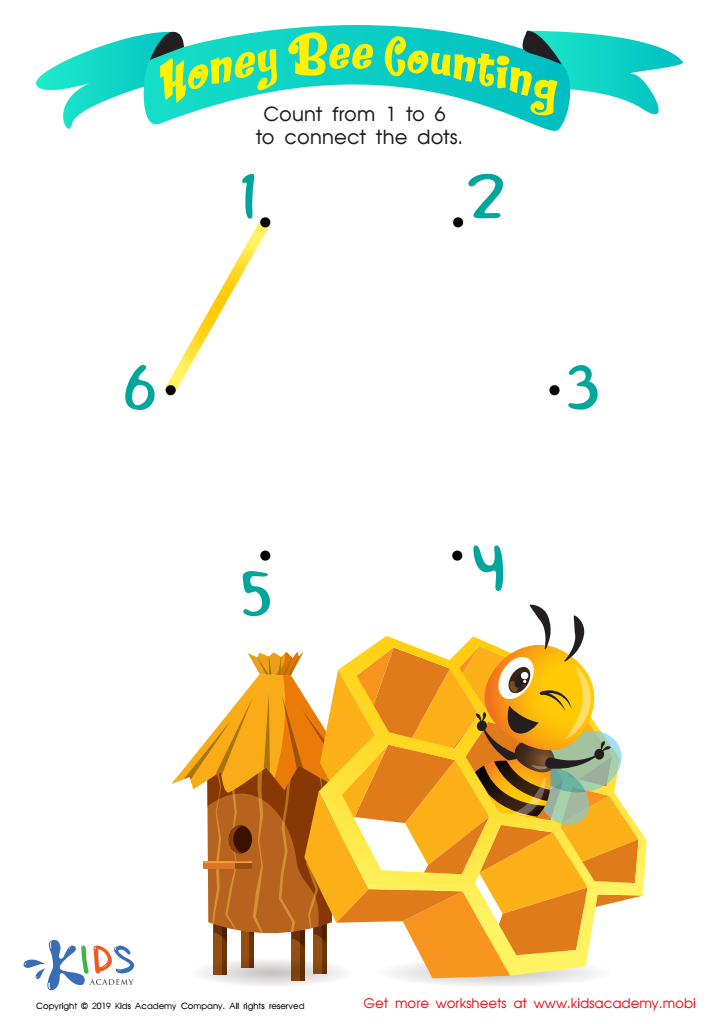
Honey Bee Counting Worksheet
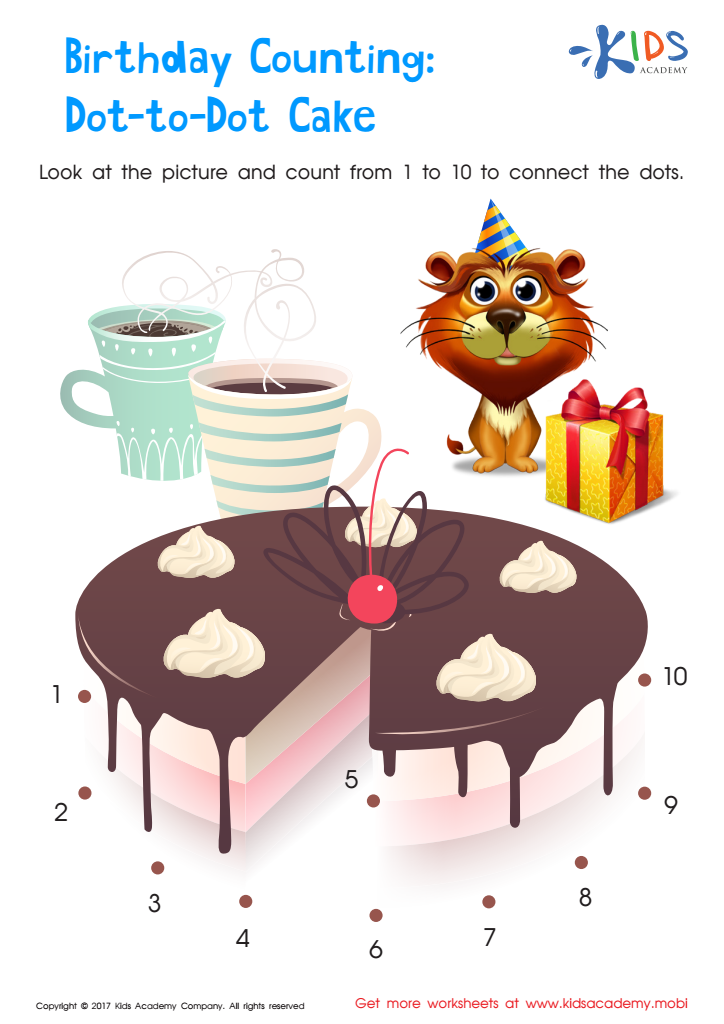
Birthday Counting Connect Dots Worksheet
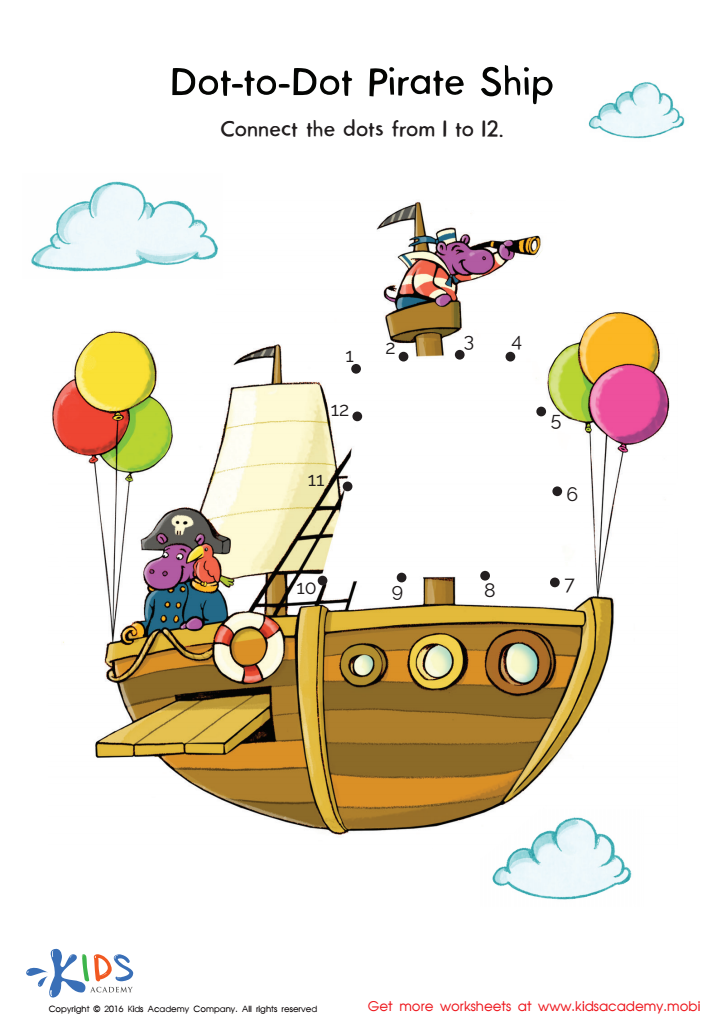
Pirate Ship Connect Dots Worksheet
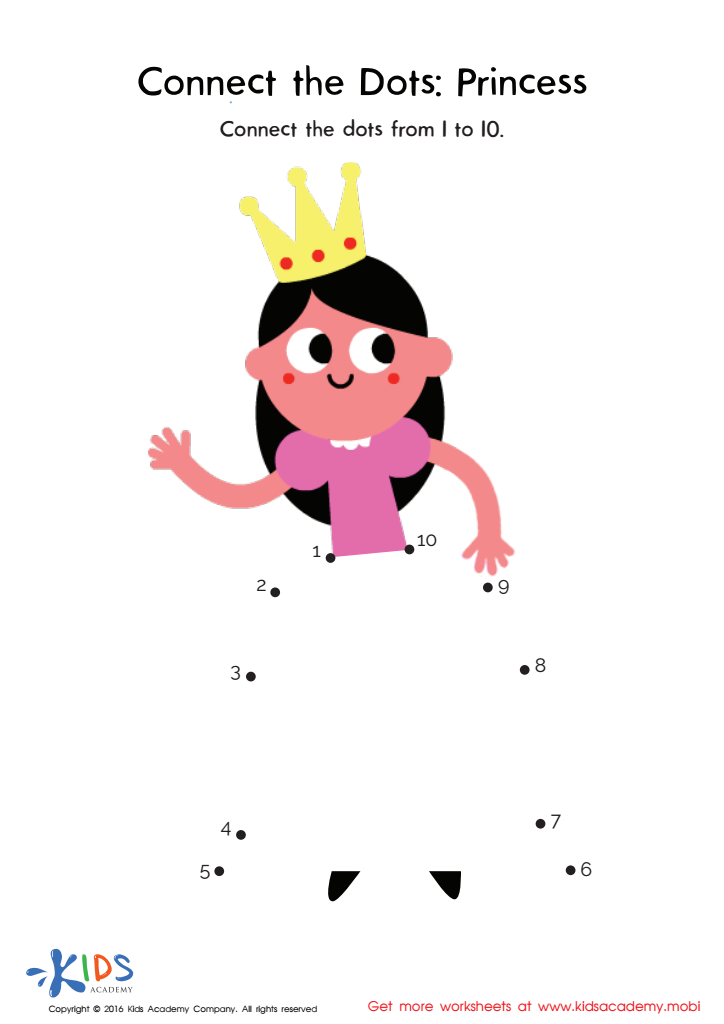
Princess Connect Dots Worksheet





.jpg)
Parents and teachers should care about Extra Challenge Drawing by Numbers Activities for ages 3 to 7 because they play a vital role in early childhood development. These engaging activities not only nurture creativity and artistic expression but also enhance essential cognitive skills. Drawing by numbers fosters fine motor skills as children manipulate crayons, markers, or colored pencils, which is crucial for their writing ability later on.
Additionally, these activities introduce children to basic mathematical concepts such as counting, number recognition, and sequencing. By following numbered prompts, children learn to associate numbers with visual representations, reinforcing their understanding of math in a fun, interactive way.
Moreover, these tasks promote focus and attention to detail. Children develop patience and the ability to follow instructions, skills that are fundamental to academic success. The sense of accomplishment they feel upon completing an activity boosts their self-esteem and encourages a love for learning.
Lastly, Extra Challenge Drawing by Numbers activities provide an opportunity for bonding between parents, teachers, and children. Collaborative art sessions can spark discussions, allowing adults to share knowledge and reinforce concepts that children are learning. Ultimately, these activities support holistic development, making them valuable tools in every educator's and parent's toolkit.








